
Choosing the right Beverage OEM Supplier is one of the most critical decisions for any beverage brand aiming for long-term success. Beyond pricing and production capacity, quality standards determine whether your product can consistently meet consumer expectations, regulatory requirements, and global market demands. A single quality failure can damage brand reputation, disrupt distribution, and result in costly recalls.
As competition intensifies and consumers become more health-conscious, brands must work with partners that follow strict quality control systems, transparent processes, and internationally recognized certifications. Evaluating a Beverage OEM Supplier is not just about checking documents—it requires a deep understanding of raw material sourcing, manufacturing protocols, food safety management, testing procedures, and continuous improvement systems.
This guide provides a comprehensive, practical framework to help brands systematically evaluate quality standards when selecting a Beverage OEM Supplier. From certifications and facility audits to formulation consistency and traceability, each section breaks down what truly matters when safeguarding your product quality and brand credibility.
1. Understanding Core Quality Standards in Beverage OEM Manufacturing
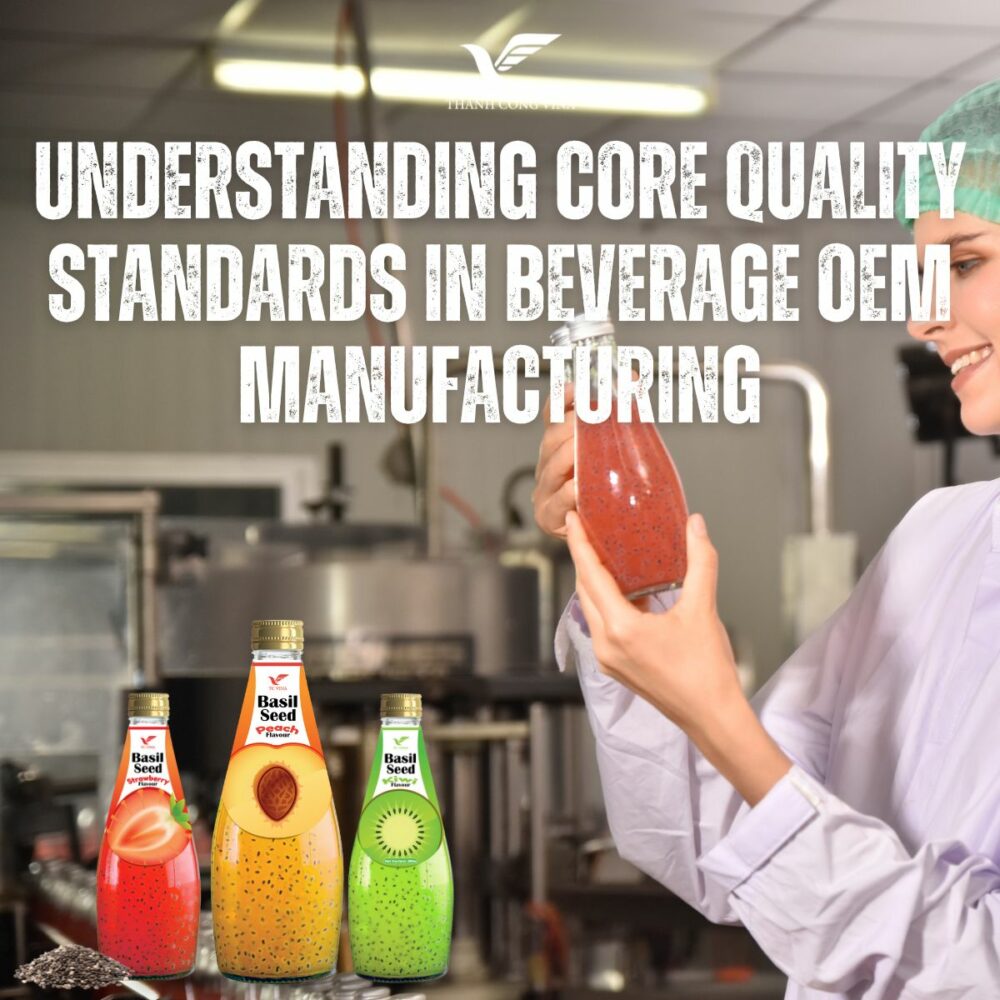
Understanding Core Quality Standards in Beverage OEM Manufacturing
1.1 What Quality Standards Mean in the Beverage Industry
Quality standards in beverage manufacturing refer to a structured set of rules, procedures, and controls designed to ensure that every product batch meets defined safety, consistency, and performance criteria. For a Beverage OEM Supplier, these standards govern everything from ingredient handling and production hygiene to packaging integrity and shelf-life stability.
Unlike generic manufacturing, beverage production involves high risks related to microbiological contamination, ingredient degradation, and sensory inconsistency. Therefore, quality standards are not optional—they are foundational requirements that directly impact consumer safety and regulatory compliance.
1.2 Global vs. Local Quality Expectations
A reliable Beverage OEM Supplier should comply with both local food safety regulations and global standards. Local compliance ensures legality in the country of production, while international standards enable smooth export and cross-border distribution. Brands planning global expansion must prioritize suppliers that design quality systems capable of meeting diverse regulatory environments, including Asia, Europe, the Middle East, and North America.
1.3 Why Quality Standards Affect Brand Value
Consumers associate product quality with brand trust. Even when outsourcing manufacturing, the brand remains fully responsible for the final product. A Beverage OEM Supplier with weak quality standards exposes brands to risks such as inconsistent taste, unstable shelf life, and regulatory penalties. Conversely, strong quality systems protect brand equity, support premium positioning, and enable long-term scalability.
2. Certifications That Define a Reliable Beverage OEM Supplier
2.1 Essential International Certifications
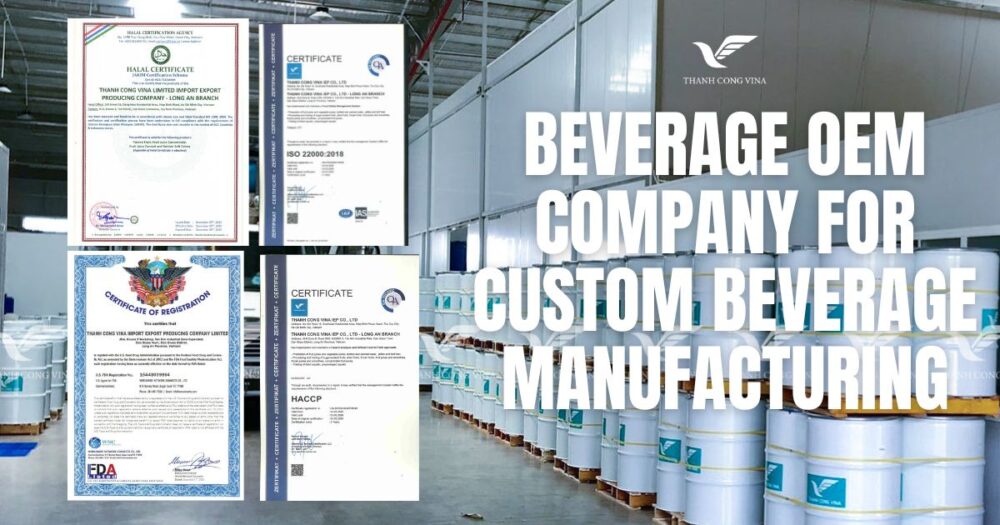
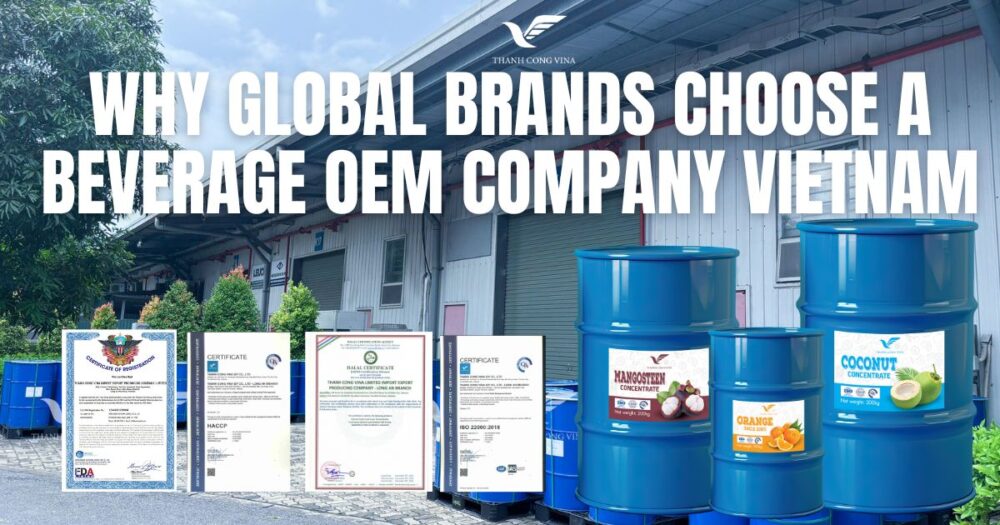
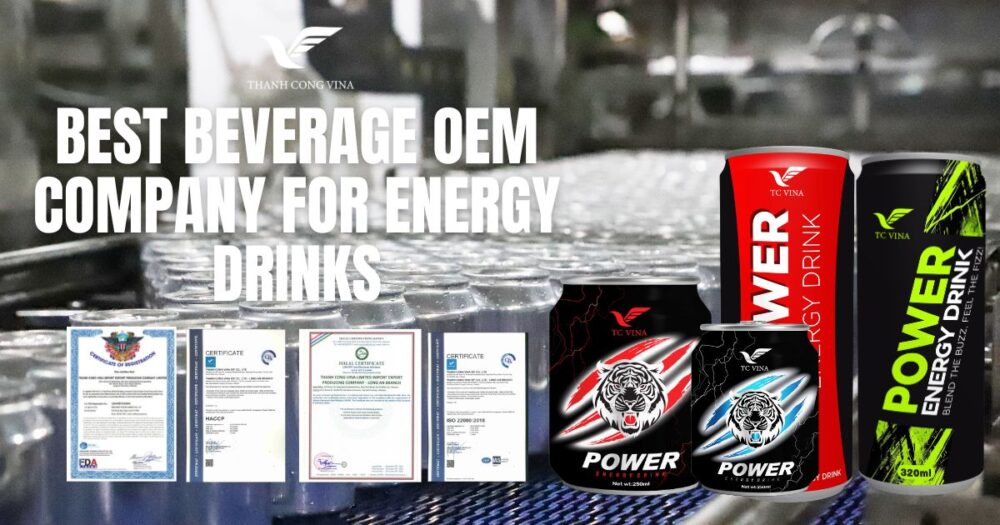
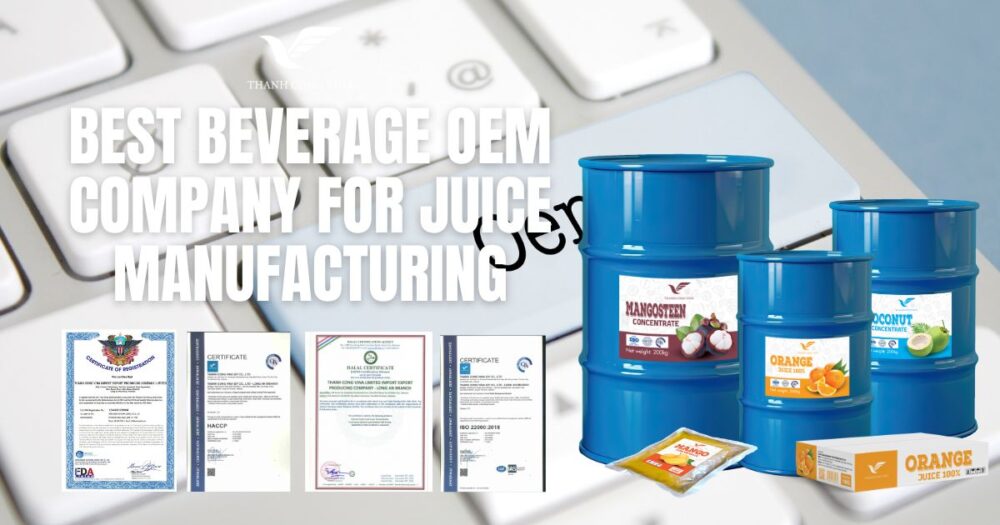
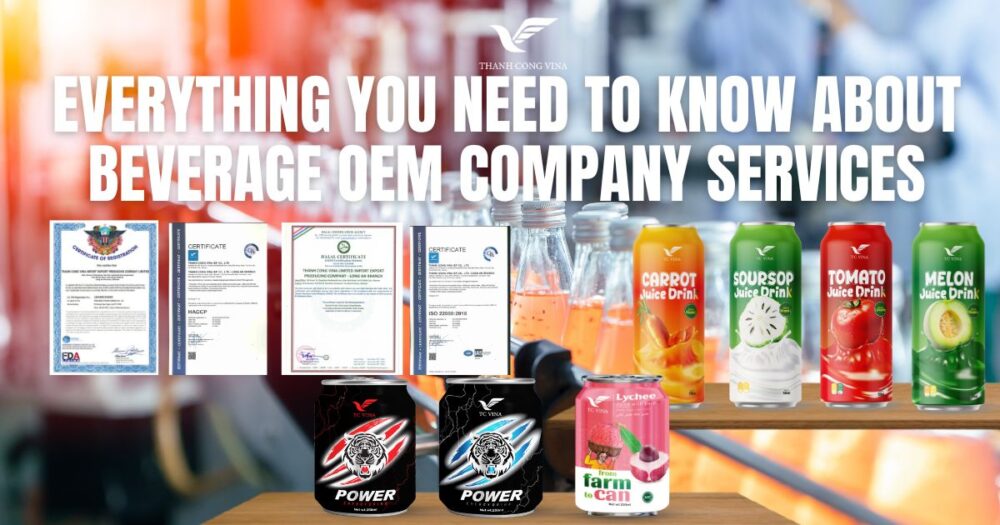
One of the fastest ways to evaluate a Beverage OEM Supplier’s quality standards is by reviewing their certifications. Globally recognized certifications such as ISO 22000, HACCP, FSSC 22000, FDA registration, and HALAL certification demonstrate that the supplier follows structured food safety and quality management systems. These certifications are not one-time achievements but require continuous audits and system improvements.
2.2 What Certifications Actually Guarantee
While certifications do not guarantee perfection, they confirm that the supplier has documented processes, trained personnel, and monitoring systems in place. A certified Beverage OEM Supplier must maintain traceability, conduct risk assessments, and implement corrective actions when deviations occur. Brands should request updated certificates and understand their scope to ensure relevance to beverage manufacturing.
2.3 Verifying Certification Authenticity
It is essential to verify certifications directly with issuing bodies or accreditation organizations. A professional Beverage OEM Supplier will openly share audit reports, certification numbers, and renewal schedules. Transparency in this area reflects confidence in their quality system and commitment to compliance.
3. Evaluating Manufacturing Facilities and Production Environment
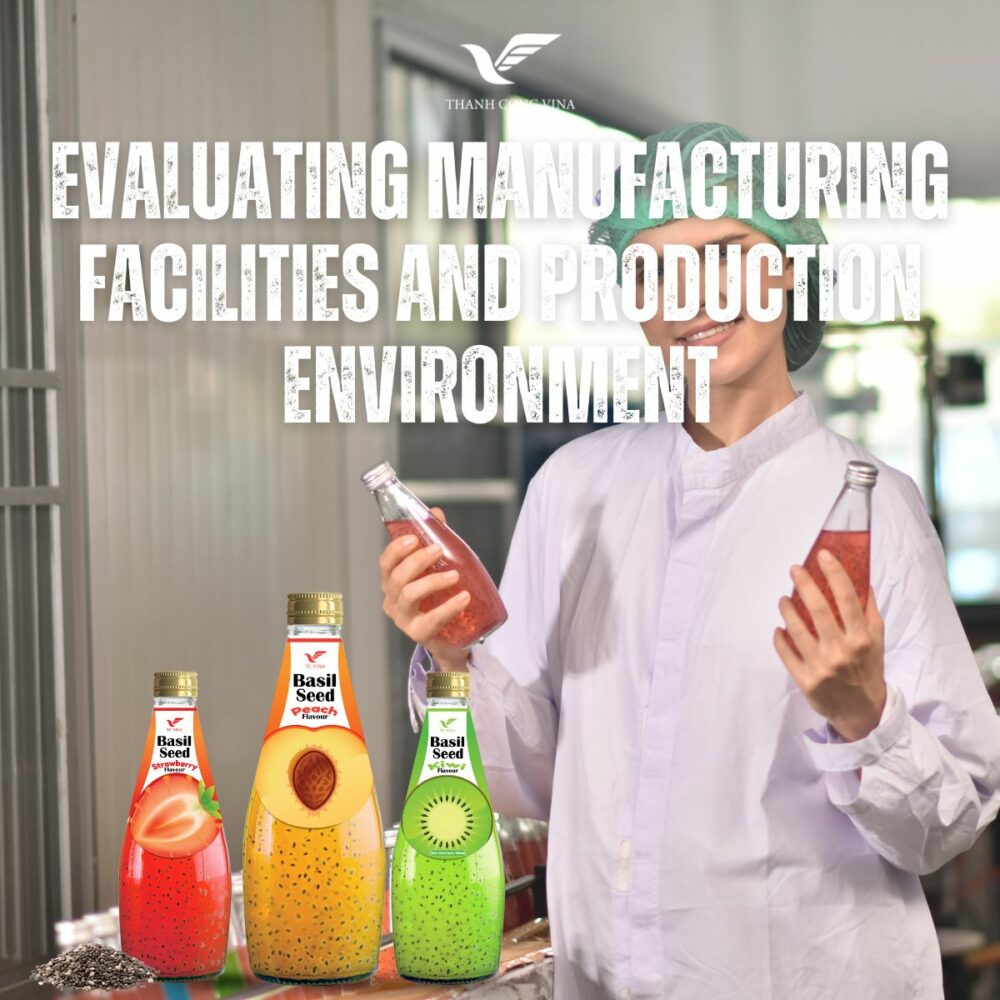
Evaluating Manufacturing Facilities and Production Environment
3.1 Facility Design and Hygiene Control
The physical environment of a Beverage OEM Supplier plays a crucial role in maintaining quality. Well-designed facilities separate raw material storage, processing areas, and finished goods to prevent cross-contamination. Controlled airflow, sanitation zones, and food-grade equipment are indicators of mature quality management.
3.2 Equipment Standards and Maintenance
Modern beverage production relies on automated filling lines, pasteurization systems, and quality inspection tools. A reliable Beverage OEM Supplier regularly calibrates equipment, documents maintenance schedules, and upgrades technology to improve consistency and efficiency. Poorly maintained machinery increases the risk of contamination and production downtime.
3.3 On-Site Audits and Virtual Inspections
Brands should conduct on-site audits whenever possible. During audits, evaluate cleanliness, workflow discipline, employee hygiene practices, and record-keeping accuracy. If physical visits are not feasible, detailed virtual inspections and third-party audit reports can provide valuable insights into the supplier’s operational quality.
4. Raw Material Sourcing and Ingredient Traceability
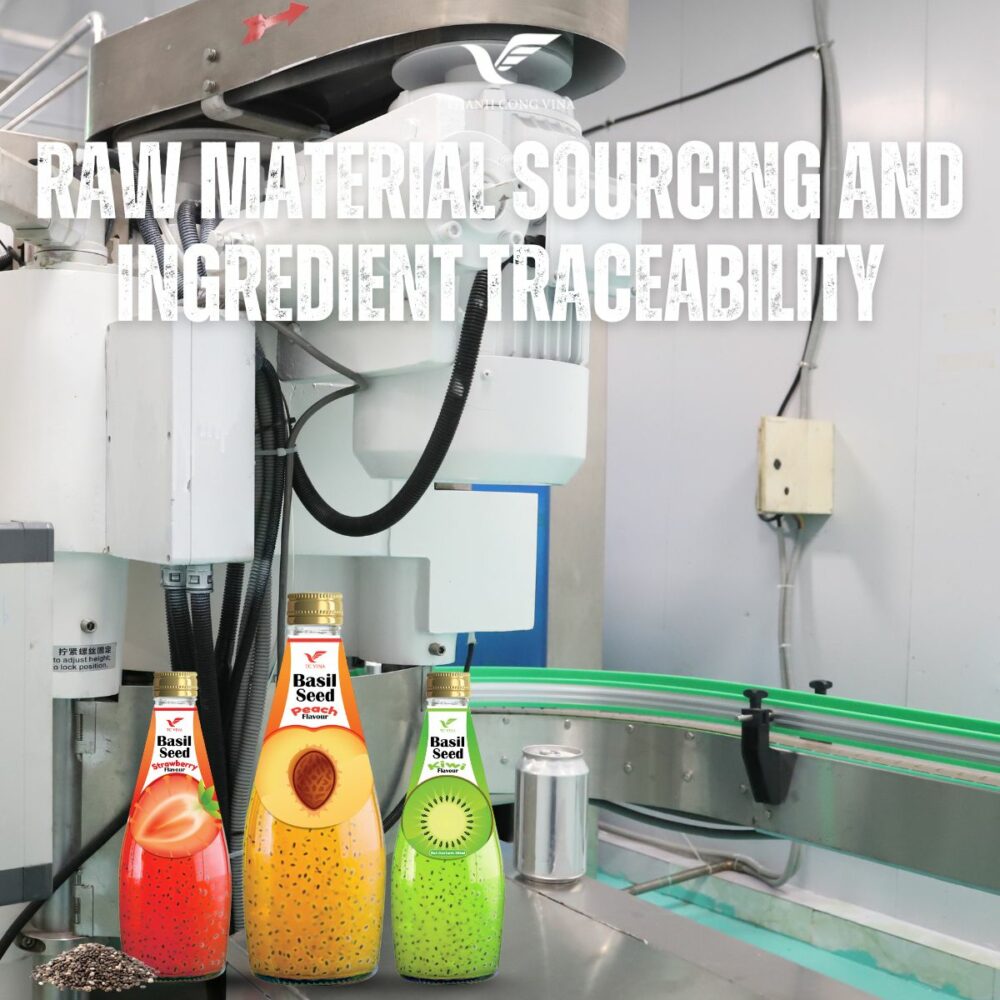
Raw Material Sourcing and Ingredient Traceability
4.1 Importance of Ingredient Quality
No beverage can exceed the quality of its ingredients. A professional Beverage OEM Supplier carefully selects raw material suppliers, prioritizing food-grade, certified, and traceable ingredients. This is especially important for functional beverages, natural juices, and plant-based formulations.
4.2 Supplier Approval and Monitoring Systems
Reliable Beverage OEM Suppliers implement supplier approval programs that evaluate raw material vendors based on quality history, certifications, and testing results. Continuous monitoring ensures consistency across batches and minimizes supply chain risks.
4.3 Full Traceability from Source to Shelf
Traceability allows brands to track every ingredient from origin to finished product. In case of quality issues, a Beverage OEM Supplier with strong traceability systems can quickly isolate affected batches, reducing financial and reputational damage. Brands should confirm that lot numbers, production records, and ingredient documentation are fully integrated.
5. Quality Control, Testing, and Documentation Processes
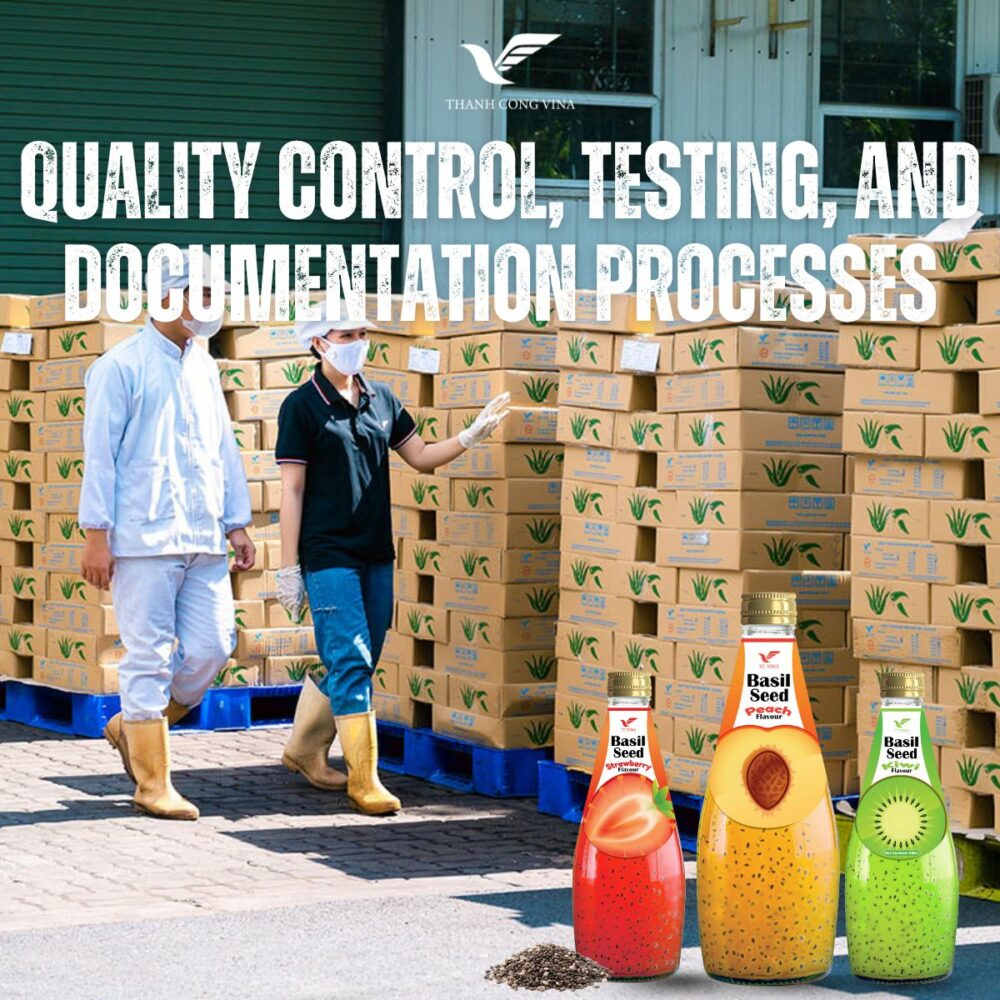
Quality Control, Testing, and Documentation Processes
5.1 In-Process Quality Control Measures
Quality control is not limited to final product testing. A reliable Beverage OEM Supplier conducts checks at every production stage, including raw material inspection, formulation accuracy, temperature control, and filling integrity. These in-process checks prevent defects before they reach the final stage.
5.2 Laboratory Testing and Analysis
Comprehensive testing ensures safety, stability, and consistency. A professional Beverage OEM Supplier performs microbiological tests, chemical analysis, and sensory evaluations. In-house laboratories or partnerships with accredited third-party labs strengthen quality assurance.
5.3 Documentation and Record Management
Accurate documentation is the backbone of quality systems. Production logs, batch records, deviation reports, and corrective action plans demonstrate accountability. Brands should assess how systematically a Beverage OEM Supplier maintains and retrieves these records.
6. Consistency, Scalability, and Long-Term Quality Assurance
6.1 Maintaining Consistency Across Batches
Consistency is a key indicator of quality maturity. A Beverage OEM Supplier must ensure that flavor, texture, color, and nutritional values remain stable across production volumes. Standard operating procedures and formulation controls are critical in achieving this consistency.
6.2 Scaling Without Compromising Quality
As brands grow, production volumes increase. A reliable Beverage OEM Supplier should have scalable systems that maintain quality standards even at higher outputs. This includes staff training, capacity planning, and process optimization.
6.3 Continuous Improvement and Innovation
Quality standards evolve with consumer expectations and regulations. Leading Beverage OEM Suppliers invest in continuous improvement programs, staff training, and innovation to stay ahead of industry trends. Brands benefit from partners who view quality as a long-term commitment, not a compliance checkbox.
Conclusion
Evaluating the quality standards of a Beverage OEM Supplier requires a comprehensive, detail-oriented approach. From certifications and facility conditions to ingredient traceability and testing protocols, every element contributes to the safety, consistency, and credibility of your final product. Brands that invest time in quality evaluation reduce operational risks and build stronger foundations for sustainable growth.
Working with an experienced partner like Thanh Cong Vina allows brands to access structured quality systems, transparent processes, and internationally aligned manufacturing practices. As a trusted Thanh Cong Vina manufacturing partner, the focus on quality extends beyond compliance to long-term brand protection and market success. Choosing the right Beverage OEM Supplier is not just a production decision—it is a strategic investment in your brand’s future.