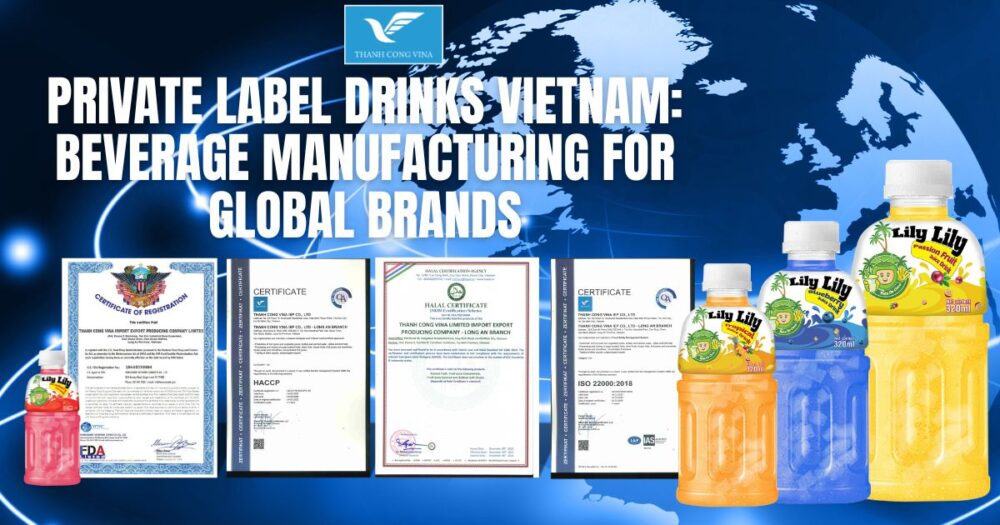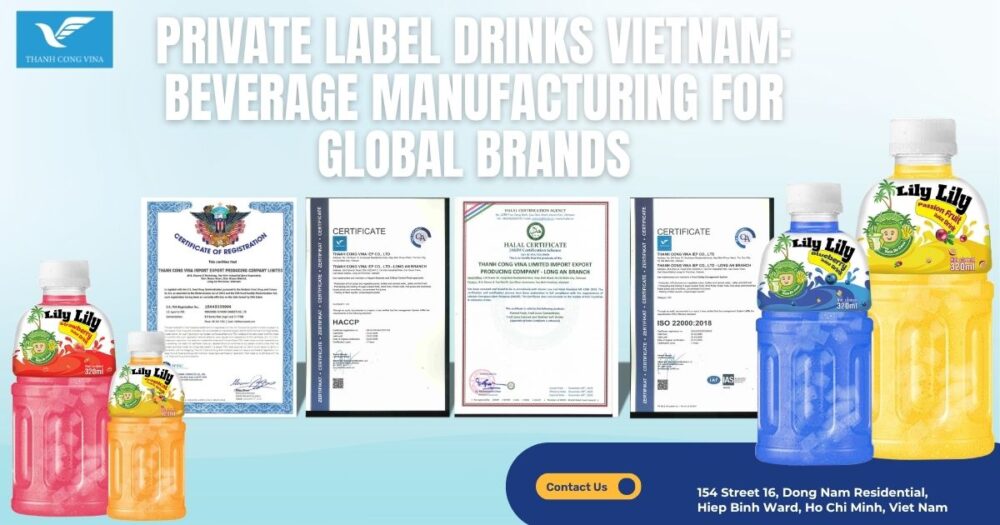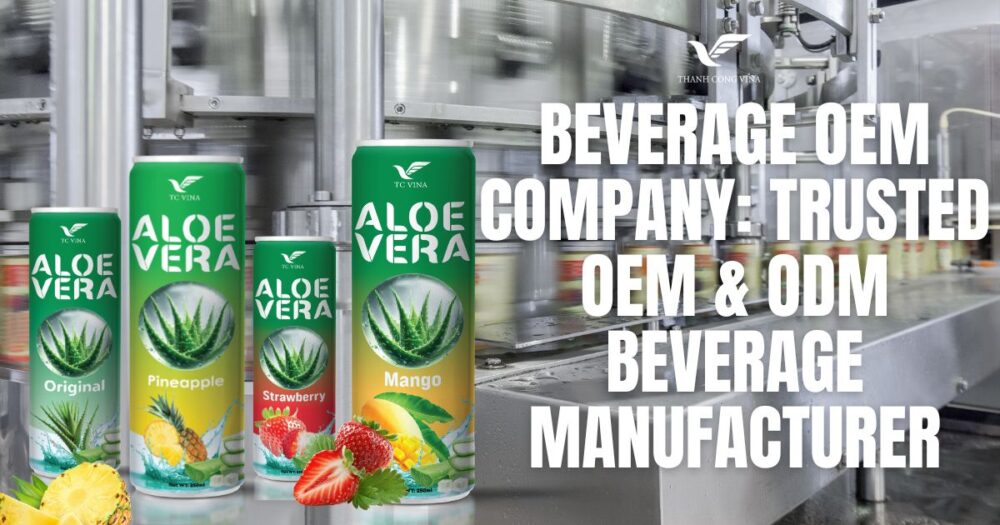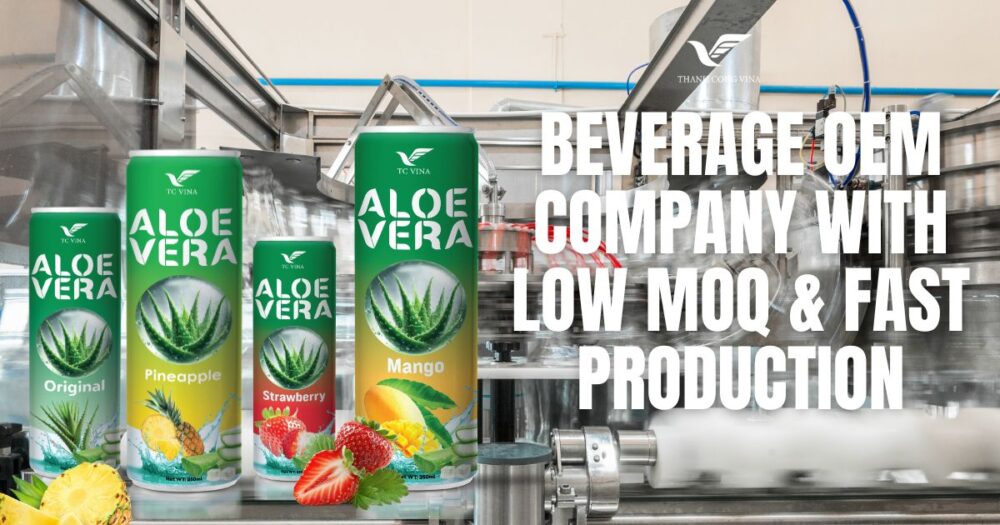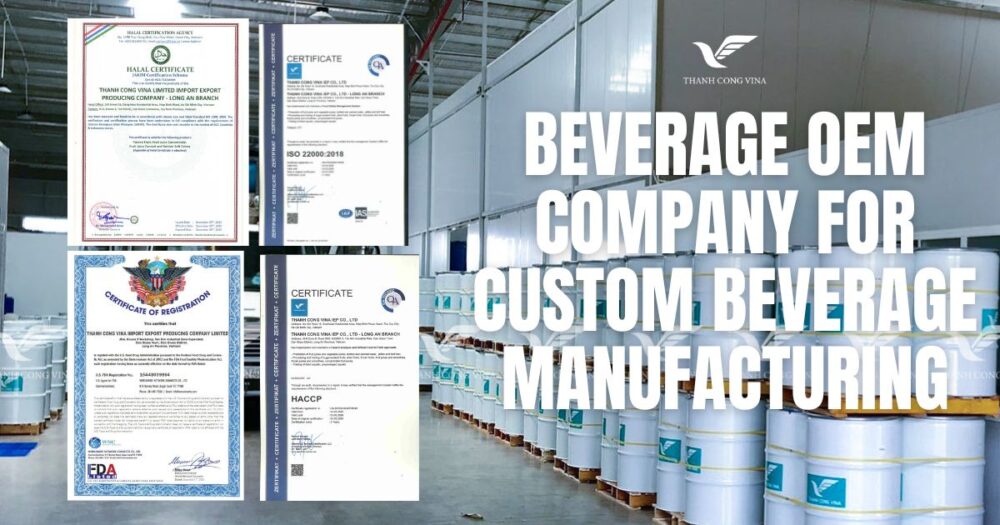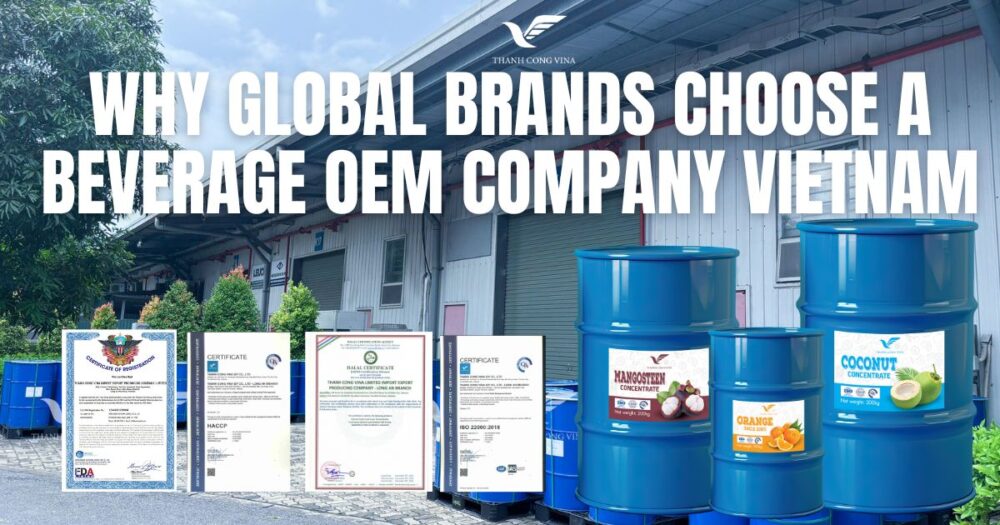

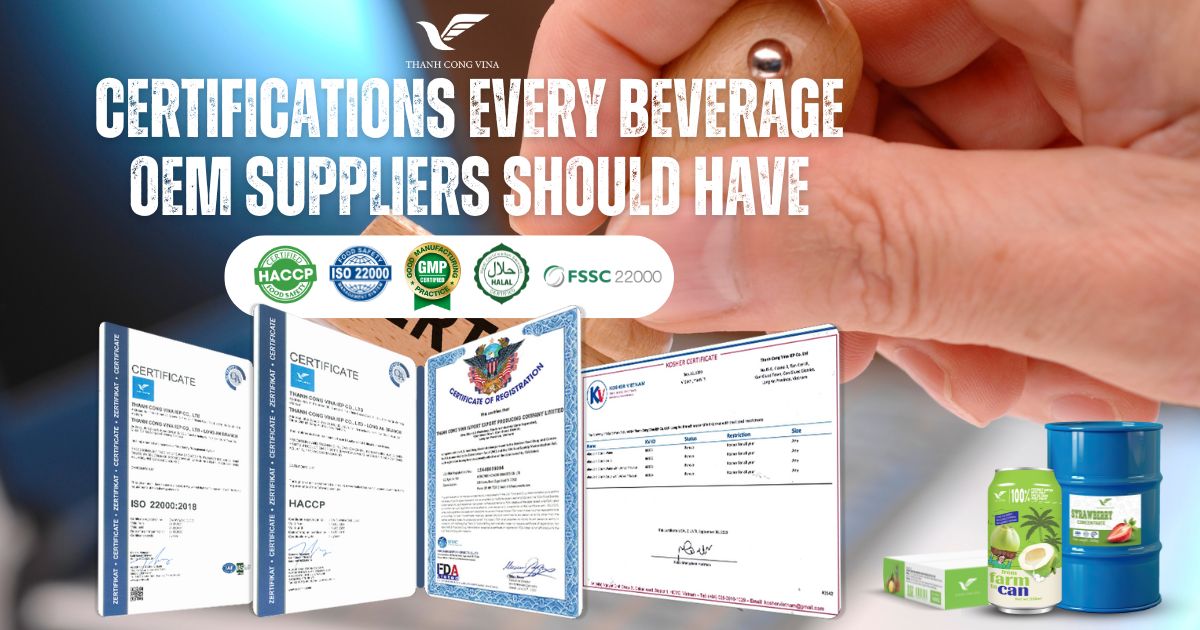
In the highly regulated global beverage industry, certifications are more than just logos on a website—they are proof of credibility, safety, and operational excellence. As beverage brands increasingly rely on Beverage OEM Suppliers to develop, manufacture, and scale their products, certifications play a critical role in supplier selection. They ensure that beverages are produced under strict quality controls, comply with international regulations, and meet the expectations of global distributors and consumers.
From food safety management to ethical sourcing and religious compliance, certifications protect brands from legal risks while strengthening market trust. Choosing a certified OEM partner is no longer optional, especially for brands aiming to export or compete in premium segments. This article explores the essential certifications every Beverage OEM Supplier should have, why they matter, and how they directly impact product quality, brand reputation, and long-term business success.
1. Food Safety Management Certifications as the Foundation
Food Safety Management Certifications as the Foundation
HACCP: Hazard Analysis and Critical Control Points
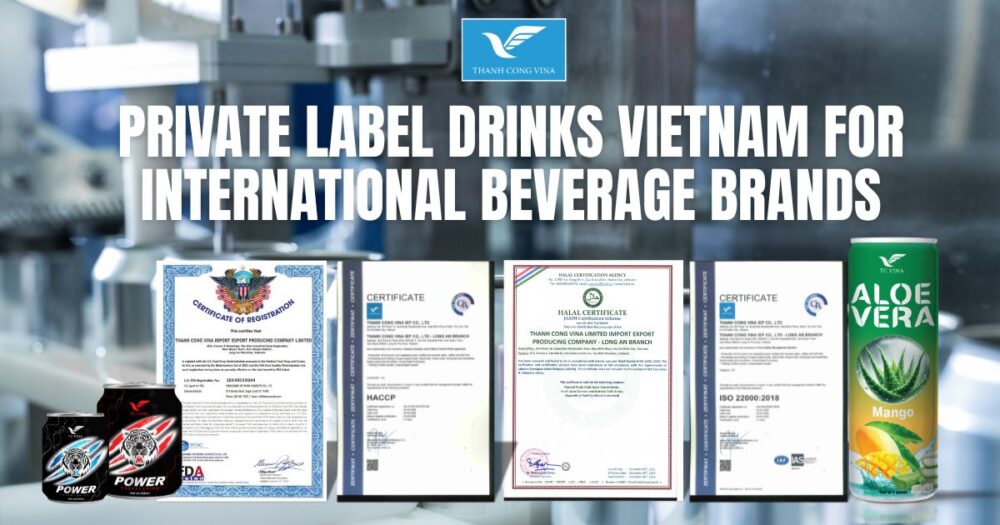
HACCP is one of the most fundamental certifications for Beverage OEM Suppliers. It focuses on identifying, evaluating, and controlling food safety hazards throughout the production process. HACCP ensures that potential risks such as contamination, improper handling, or temperature control issues are systematically managed.
Why HACCP Is Critical for Beverage Production
Beverages are particularly sensitive to microbial growth and contamination. HACCP-certified suppliers implement preventive measures at every critical point, reducing the likelihood of recalls or safety incidents. This certification is often a minimum requirement for both domestic and international distribution.
HACCP as a Global Industry Standard
Many countries require HACCP compliance for food and beverage manufacturing. Working with HACCP-certified Beverage OEM Suppliers ensures smoother regulatory approval and easier market access.
2. ISO Certifications and Operational Excellence (Beverage OEM Suppliers )
ISO 22000: Food Safety Management Systems
ISO 22000 integrates HACCP principles with broader management system requirements. It demonstrates that Beverage OEM Suppliers operate with a structured, internationally recognized food safety framework covering the entire supply chain.
ISO 9001: Quality Management Systems
ISO 9001 focuses on consistent quality, process efficiency, and continuous improvement. For beverage brands, this certification indicates that the OEM supplier can reliably produce consistent products at scale.
Why ISO Certifications Matter for Brands
ISO-certified Beverage OEM Suppliers provide confidence in process stability, documentation, and accountability. This reduces operational risks and enhances brand trust, especially in B2B partnerships.
3. Regulatory Compliance Certifications for Global Markets
Regulatory Compliance Certifications for Global Markets
FDA Registration for Export Markets
For brands targeting the United States, FDA registration is essential. Beverage OEM Suppliers registered with the FDA comply with strict food safety and labeling requirements, ensuring products meet U.S. regulatory standards.
Compliance with EU Food Safety Regulations
Exporting to Europe requires adherence to EU food safety laws, including traceability and allergen management. Certified OEM suppliers simplify this process by maintaining compliance-ready systems.
Reducing Barriers to International Expansion
Certified Beverage OEM Suppliers help brands enter global markets faster by handling regulatory documentation and audits, reducing delays and compliance risks.
4. Halal and Religious Certifications for Market Access
Halal Certification Explained
Halal certification ensures that beverages comply with Islamic dietary laws. This is critical for brands targeting Muslim-majority markets or global halal-conscious consumers.
Expanding Reach in the Middle East and Asia
Halal-certified Beverage OEM Suppliers enable brands to access fast-growing markets in the Middle East, Southeast Asia, and parts of Africa without reformulation challenges.
Building Consumer Trust Through Religious Compliance
Religious certifications not only open new markets but also build trust among consumers who prioritize ethical and cultural compliance.
5. Quality Assurance and Product Integrity Certifications
Quality Assurance and Product Integrity Certifications
GMP: Good Manufacturing Practices
GMP certification ensures that beverages are produced consistently according to quality standards. It covers hygiene, equipment maintenance, staff training, and documentation.
Why GMP Is Essential for Beverage OEM Suppliers
GMP minimizes production errors and ensures product safety. For brands, it means fewer quality issues and stronger consumer confidence.
Supporting Premium and Functional Beverages
High-value products such as functional drinks and health beverages require strict quality assurance. GMP-certified OEM suppliers are better equipped to meet these demands.
6. Traceability and Supply Chain Certifications
Importance of Traceability in Beverage Production
Traceability certifications ensure that every ingredient and batch can be tracked throughout the supply chain. This is essential for recalls, audits, and quality investigations.
Strengthening Supply Chain Transparency
Certified Beverage OEM Suppliers maintain detailed records that improve accountability and reduce risks associated with ingredient sourcing.
Protecting Brands During Crisis Situations
In the event of a quality issue, traceability systems allow quick response, minimizing financial and reputational damage.
7. How Certifications Impact Brand Trust and Growth
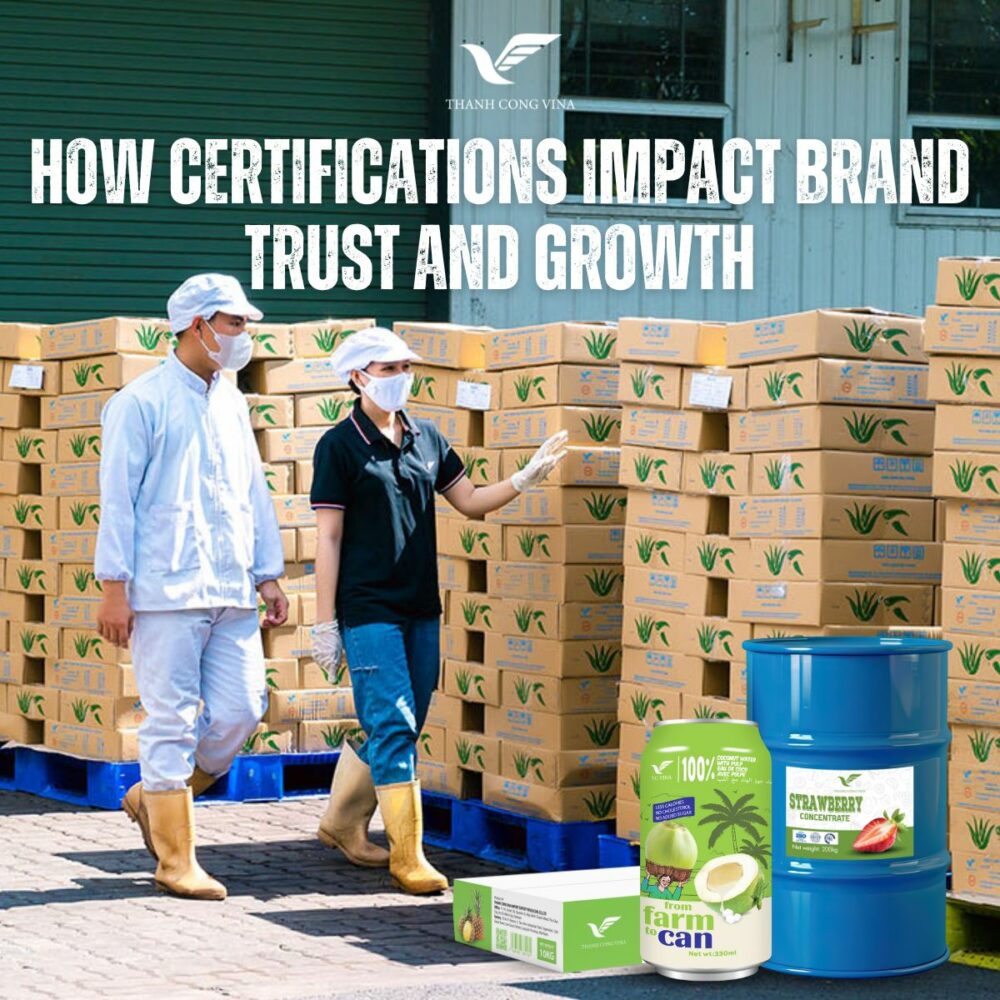
How Certifications Impact Brand Trust and Growth
Building Credibility with Distributors and Retailers
Certified Beverage OEM Suppliers make it easier for brands to secure partnerships with major retailers and distributors who require strict compliance.
Supporting Long-Term Brand Scalability
As brands grow, certification-backed manufacturing ensures consistency and compliance across larger volumes and multiple markets.
Differentiating Brands in Competitive Markets
Products manufactured by certified OEM suppliers are more attractive to consumers who value safety, quality, and ethical standards.
Conclusion
Certifications are a clear indicator of reliability, professionalism, and long-term viability in the beverage industry. For brands working with Beverage OEM Suppliers, choosing certified partners reduces risk, ensures compliance, and supports sustainable growth. From food safety and quality management to regulatory, religious, and environmental certifications, each credential plays a vital role in protecting both consumers and brand reputation.
In an increasingly competitive global market, certifications are not just a requirement—they are a strategic advantage. Thanh Cong Vina Beverage stands out as a trusted partner by meeting rigorous international standards and maintaining a strong certification portfolio. By collaborating with Thanh Cong Vina, beverage brands gain confidence that their products are manufactured responsibly, safely, and ready for global expansion, supported by one of the most reliable Beverage OEM Suppliers in the industry.