
In today’s highly competitive manufacturing landscape, managing production risks is one of the biggest challenges brands face. From supply chain disruptions and quality inconsistencies to regulatory compliance issues, manufacturing risks can directly impact profitability, brand reputation, and long-term growth. This is why more companies are choosing to collaborate with OEM Suppliers instead of managing production entirely in-house.
Trusted OEM Suppliers do more than manufacture products. They act as strategic partners who help brands minimize risks through standardized processes, advanced quality control systems, and deep industry expertise. When selected carefully, OEM Suppliers provide stability, scalability, and operational resilience, allowing brands to focus on innovation, marketing, and market expansion. This article explores how working with reliable OEM Suppliers helps reduce manufacturing risks and outlines practical strategies brands can use to build safer, more efficient production models.
1. Understanding Manufacturing Risks in Modern Supply Chains
Understanding Manufacturing Risks in Modern Supply Chains
Common Types of Manufacturing Risks
Manufacturing risks come in many forms, ranging from raw material shortages and production delays to equipment failure and quality defects. These risks often escalate when brands rely on fragmented supply chains or unverified production partners. Without proper oversight, even minor disruptions can lead to missed deadlines, increased costs, and customer dissatisfaction.
OEM Suppliers play a critical role in identifying and mitigating these risks early. Experienced OEM partners understand where vulnerabilities exist within the manufacturing process and implement preventive measures to minimize disruptions.
Why Risk Management Is More Complex Today
Globalization has added layers of complexity to manufacturing. Brands often source ingredients, packaging, and components from multiple countries, increasing exposure to geopolitical, logistical, and regulatory risks. Trusted OEM Suppliers help simplify this complexity by centralizing production and coordinating supply chains under one managed system, significantly reducing operational uncertainty.
2. How Trusted OEM Suppliers Ensure Quality Consistency
How Trusted OEM Suppliers Ensure Quality Consistency
Standardized Quality Control Systems
One of the most effective ways OEM Suppliers reduce manufacturing risks is through standardized quality management systems. Reputable OEM partners follow strict protocols for raw material inspection, in-process monitoring, and finished product testing. These systems ensure that every production batch meets predefined specifications.
Consistency in quality reduces the risk of product recalls, customer complaints, and regulatory penalties. For brands, this reliability is essential for building long-term trust with consumers and distributors.
Traceability and Documentation
Trusted OEM Suppliers maintain detailed documentation for every stage of production. From ingredient sourcing to final packaging, traceability allows brands to quickly identify and address issues if they arise. This level of transparency is especially important in industries where safety and compliance are critical, such as food and beverage manufacturing.
3. Reducing Compliance and Regulatory Risks
Navigating International Regulations
Regulatory compliance is a major risk area, particularly for brands operating in multiple markets. Each region has its own standards related to labeling, ingredients, and safety testing. OEM Suppliers with export experience understand these requirements and integrate them into their production processes.
By working with knowledgeable OEM partners, brands reduce the risk of non-compliance, shipment rejections, or costly reformulations.
Certifications as Risk Mitigation Tools
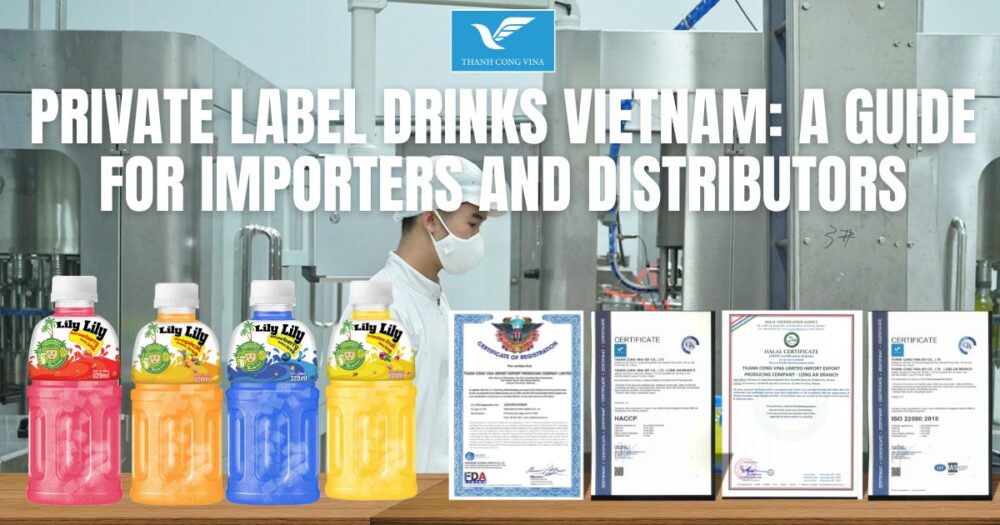
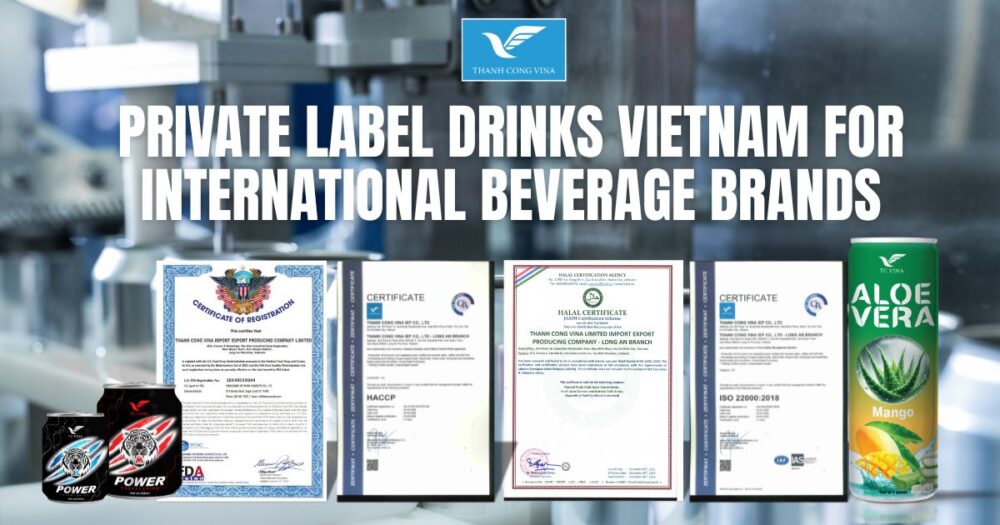
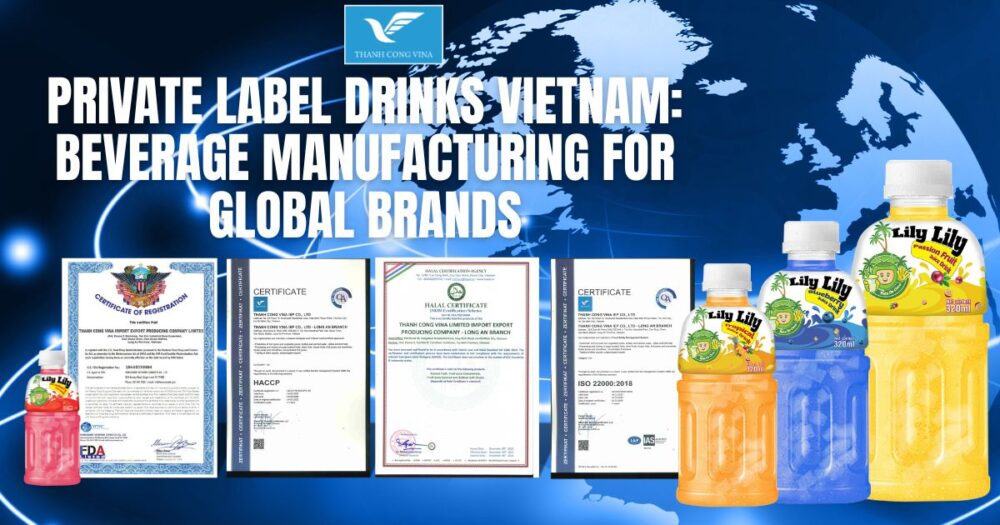
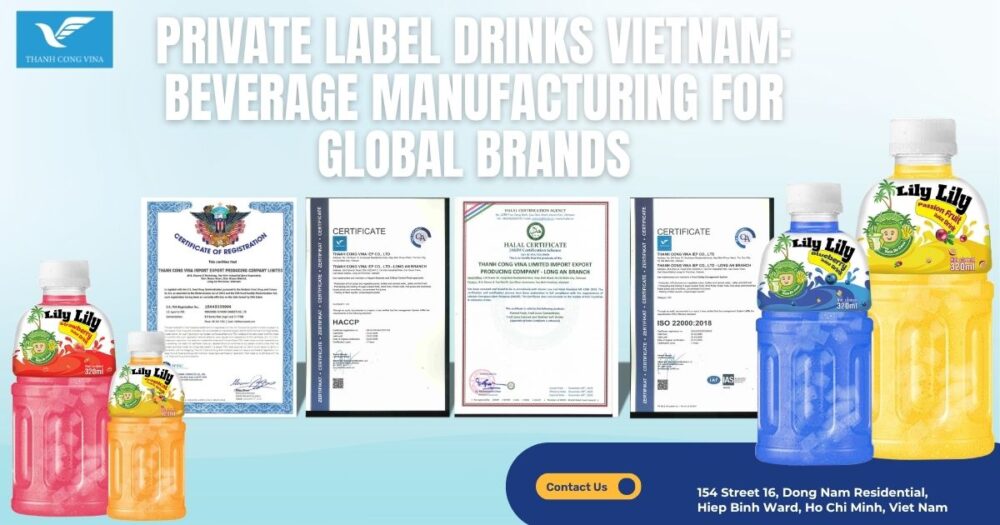
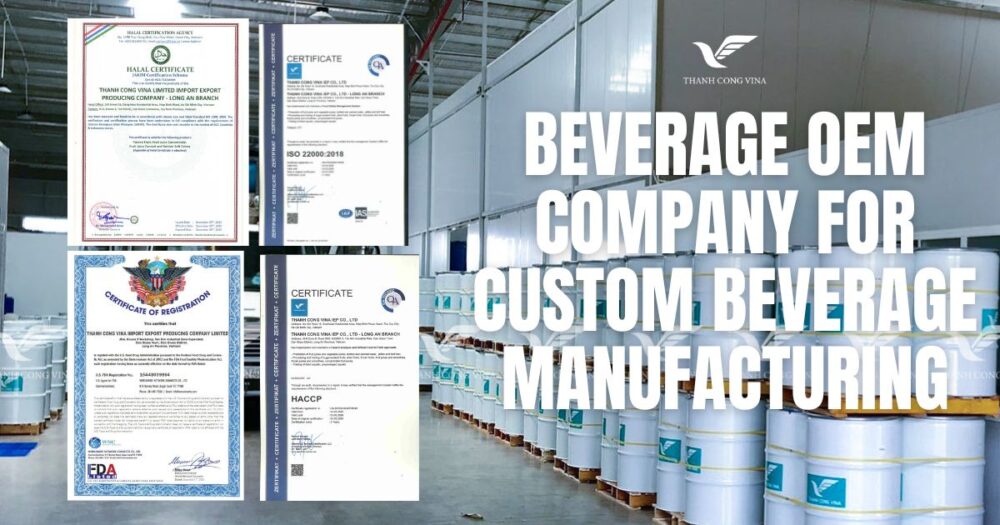
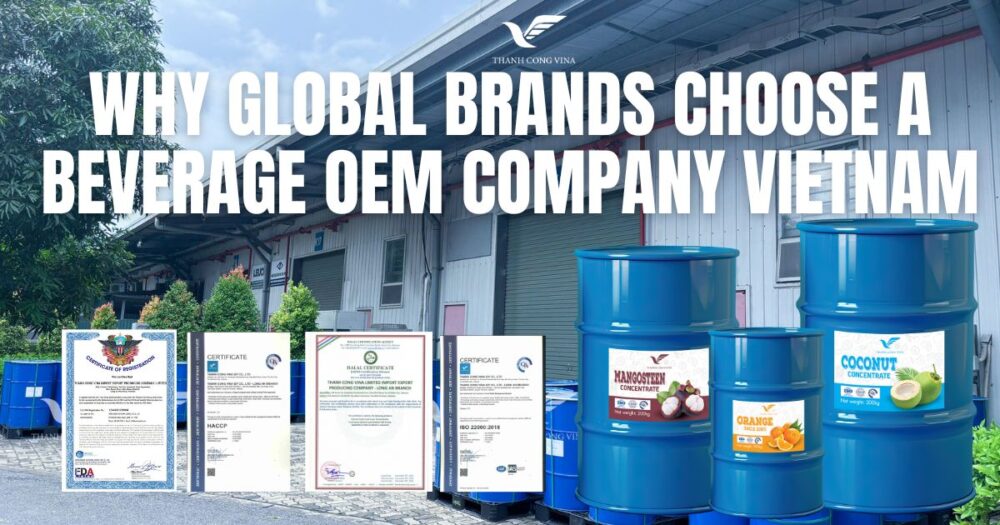
Trusted OEM Suppliers often hold internationally recognized certifications such as ISO, HACCP, and FDA registration. These certifications demonstrate adherence to global safety and quality standards, offering brands assurance that manufacturing processes are regularly audited and continuously improved.
4. Supply Chain Stability Through OEM Partnerships
Supply Chain Stability Through OEM Partnerships
Secured Raw Material Sourcing
Supply chain disruptions are one of the most common manufacturing risks. Reliable OEM Suppliers maintain strong relationships with raw material and packaging vendors, ensuring consistent supply even during market fluctuations. This stability helps brands avoid production stoppages caused by shortages or price volatility.
Inventory and Production Planning
Experienced OEM Suppliers use forecasting and inventory management systems to align production schedules with demand. This proactive planning reduces the risk of overproduction, underproduction, or excess inventory, all of which can negatively impact cash flow and operational efficiency.
5. Financial Risk Reduction and Cost Predictability
Transparent Cost Structures
Manufacturing costs can quickly spiral out of control without proper oversight. Trusted OEM Suppliers provide transparent pricing models that clearly outline production, packaging, and logistics costs. This clarity allows brands to budget accurately and avoid unexpected expenses.
Predictable costs reduce financial risk and support long-term strategic planning, especially for brands scaling their operations.
Lower Capital Investment Requirements
By outsourcing production to OEM Suppliers, brands eliminate the need for heavy capital investments in factories, machinery, and labor. This reduces financial exposure and allows companies to allocate resources toward growth-focused activities such as product development and marketing.
6. Risk Reduction Through Expertise and Experience
Risk Reduction Through Expertise and Experience
Industry-Specific Knowledge
OEM Suppliers bring years of industry experience that brands may lack internally. This expertise helps prevent common manufacturing mistakes related to formulation, packaging compatibility, or process inefficiencies. Learning from an experienced OEM partner reduces trial-and-error risks and accelerates time to market.
Crisis Management Capabilities
When unexpected issues arise, such as equipment failure or raw material shortages, trusted OEM Suppliers have contingency plans in place. Their ability to respond quickly and effectively minimizes downtime and protects brand reputation.
7. Building Long-Term Partnerships to Minimize Risk
Collaborative Communication
Strong communication between brands and OEM Suppliers is essential for risk reduction. Regular updates, shared performance metrics, and transparent reporting create alignment and prevent misunderstandings that could lead to production errors.
Continuous Improvement and Innovation
Trusted OEM Suppliers continuously refine their processes to improve efficiency, quality, and sustainability. This commitment to improvement ensures that manufacturing risks decrease over time rather than increase as production scales.
Conclusion
Reducing manufacturing risks is not about eliminating uncertainty entirely but about building systems and partnerships that can withstand challenges. Working with trusted OEM Suppliers provides brands with structured processes, compliance expertise, and supply chain stability that significantly lower operational risks. From quality assurance and regulatory compliance to financial predictability and crisis management, OEM partnerships offer a comprehensive risk mitigation framework.
For brands seeking reliable manufacturing partners in Asia, TCVina exemplifies how trusted OEM Suppliers can support safe and sustainable growth. With certified production facilities, export-focused experience, and a strong commitment to quality, Thanh Cong Vina helps brands navigate manufacturing complexities with confidence. Choosing OEM Suppliers like Thanh Cong Vina Beverage is a strategic step toward reducing manufacturing risks while building resilient, scalable operations for the future.