
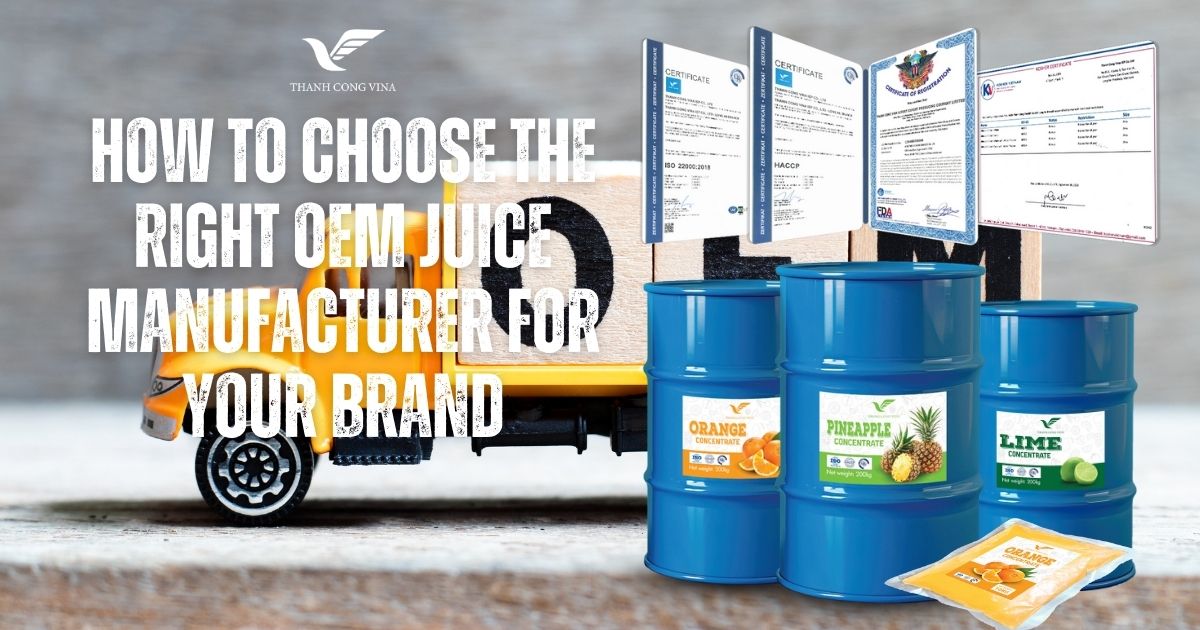
Choosing the right OEM partner is one of the most important decisions for any beverage brand. An OEM juice manufacturer does more than simply produce your product. They influence your quality standards, production efficiency, regulatory compliance, brand reputation, and long-term scalability. With increasing global demand for fruit-based beverages, health drinks, and functional juices, the competition in the market has become more intense. Brands must work with manufacturers that can deliver consistent quality, flexible production, and reliable supply chains.
However, not all OEM partners offer the same level of expertise, technology, or transparency. Some focus on mass production, while others specialize in premium or customized formulations. Understanding what to look for in an OEM juice manufacturer helps you avoid costly mistakes, protect your brand image, and accelerate your market entry.
This guide explains the key criteria, processes, and strategic factors you should evaluate when selecting the right OEM juice manufacturer for your brand’s long-term success.
1. Understanding Your Brand’s Production Needs

Understanding Your Brand’s Production Needs
Product Concept and Market Positioning
Before approaching any manufacturer, you must clearly define your brand’s identity and product goals. Are you targeting the mass market with affordable fruit drinks, or positioning your brand as a premium health beverage? Your target audience, pricing strategy, and distribution channels will directly influence the type of OEM partner you need.
For example, premium juice brands often require higher fruit content, organic ingredients, and advanced processing methods. Mass-market brands focus on cost efficiency, large-scale production, and long shelf life. Without a clear product direction, it becomes difficult to evaluate whether a manufacturer can meet your expectations.
Volume and Scalability Requirements
Production capacity is another critical factor. Some brands launch with small trial volumes, while others require immediate large-scale production for national or international distribution. A suitable OEM partner should be able to scale production as your business grows.
Manufacturers with flexible production lines can handle both small pilot batches and large commercial orders. This flexibility reduces your financial risk and allows you to test new products without heavy upfront commitments.
Customization and Formula Control
Many brands want unique flavors, functional ingredients, or exclusive recipes. Your OEM partner should offer R&D support, formulation customization, and confidentiality agreements to protect your intellectual property.
A manufacturer that understands your creative vision and can translate it into a consistent, market-ready product becomes a long-term strategic partner, not just a supplier.
2. Evaluating Manufacturing Capabilities
Production Technology and Equipment
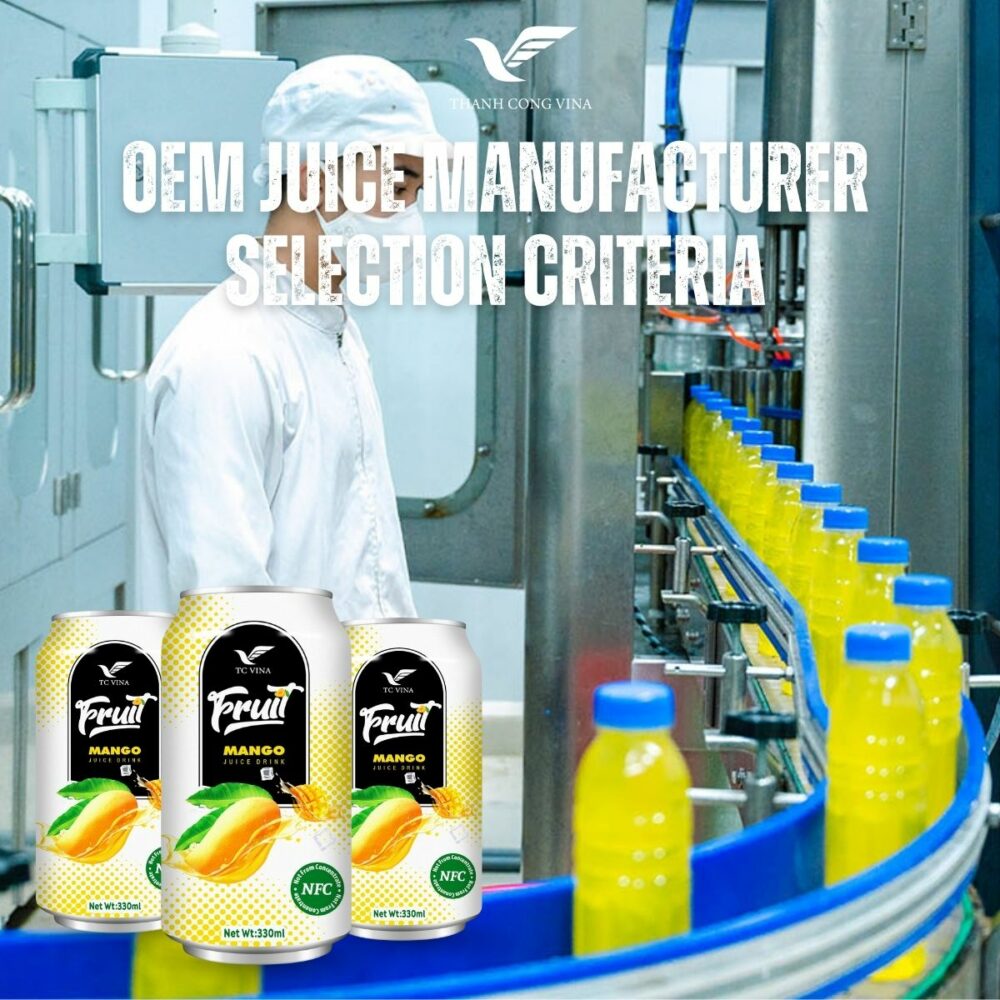
Modern production technology ensures product consistency, safety, and efficiency. Look for manufacturers using advanced systems such as UHT processing, aseptic filling, and automated bottling lines. These technologies improve shelf life and reduce contamination risks.
High-quality equipment also allows precise control over taste, texture, and nutritional content. This is especially important for functional juices or beverages with sensitive ingredients.
Quality Control Systems
A reliable OEM partner must have strict quality control procedures. These include raw material inspections, in-process monitoring, microbiological testing, and final product evaluations.
Quality systems reduce the risk of recalls, compliance issues, and customer complaints. Ask about their testing frequency, lab facilities, and traceability systems.
Production Efficiency
Efficient manufacturing processes help control costs and ensure timely delivery. Manufacturers with optimized workflows, trained staff, and stable supply chains can meet tight deadlines without sacrificing quality.
Production efficiency becomes critical when launching seasonal products or responding to sudden market demand.
3. Certifications and Regulatory Compliance
Certifications and Regulatory Compliance
Food Safety Standards
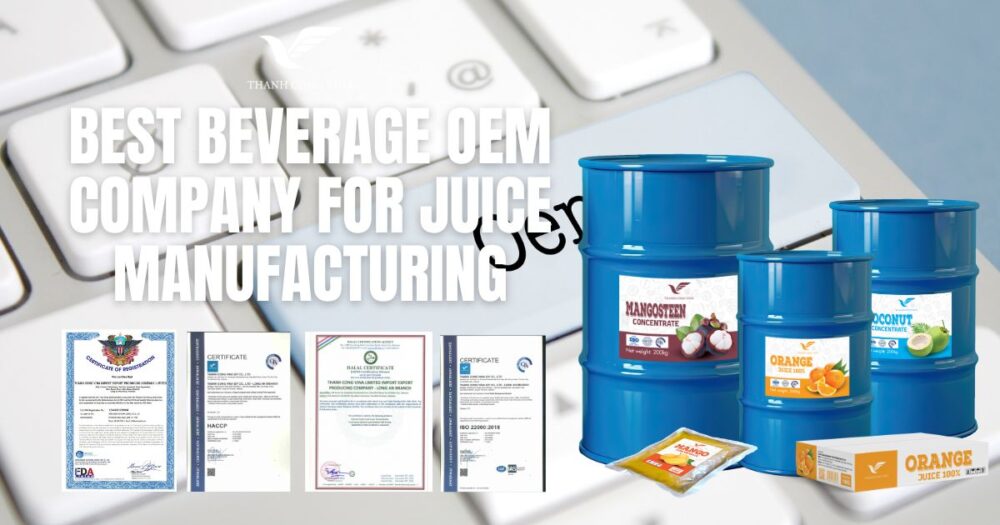
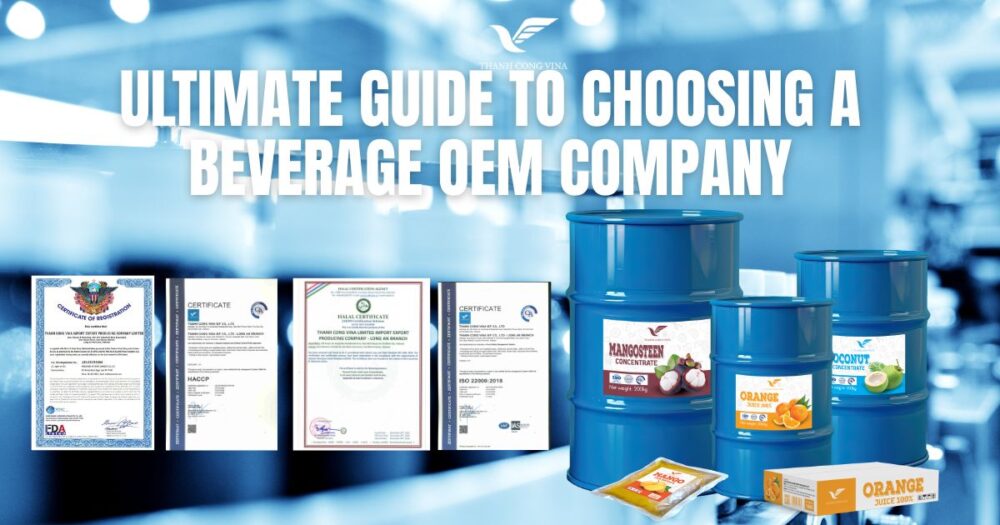
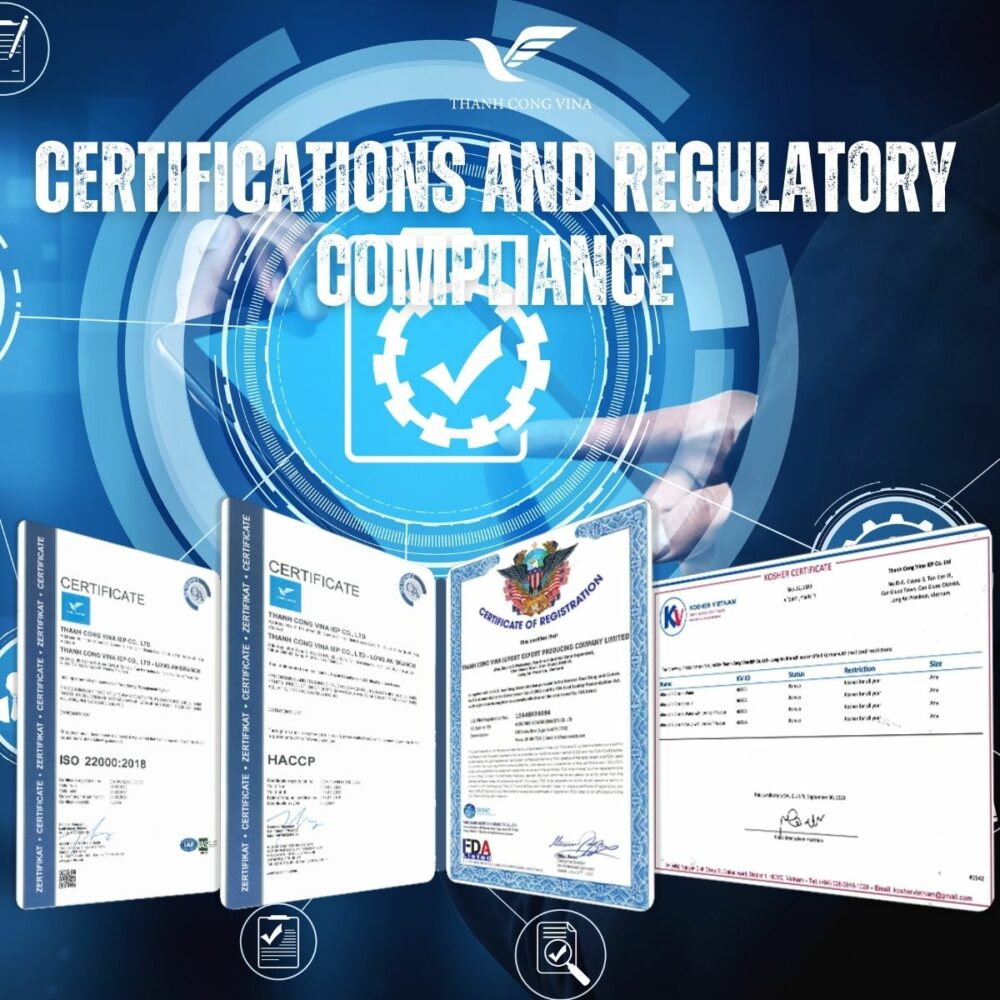
Certifications such as ISO, HACCP, and FDA compliance demonstrate that a manufacturer follows international food safety standards. These certifications are essential for exporting products to major markets such as the United States, Europe, and the Middle East.
They also protect your brand from legal risks and reputational damage.
Market-Specific Regulations
Different countries have different rules on sugar content, additives, labeling language, and health claims. Your OEM partner should understand these regulations and help you adapt your product accordingly.
A manufacturer with export experience can guide you through documentation, product registration, and compliance procedures.
Documentation and Traceability
Traceability systems track ingredients from source to final product. This transparency is crucial for quality assurance and crisis management.
Manufacturers that maintain clear documentation provide better accountability and brand protection.
4. Ingredient Sourcing and Supply Chain Reliability
Raw Material Quality
High-quality ingredients are the foundation of a successful juice product. An experienced OEM partner sources fruits from reliable suppliers, ensuring consistent taste, safety, and nutritional value.
They should also provide options for organic, non-GMO, or sustainably sourced ingredients if required by your brand positioning.
Supply Chain Stability
Supply chain disruptions can delay production and increase costs. Manufacturers with diversified sourcing networks and strong supplier relationships are more resilient to seasonal shortages or global logistics challenges.
A stable supply chain ensures consistent production schedules and predictable pricing.
Cost Transparency
Clear pricing structures help you manage budgets effectively. A trustworthy OEM partner explains cost components such as raw materials, processing, packaging, and logistics.
Transparent pricing prevents hidden costs and supports long-term financial planning.
5. OEM Juice Manufacturer Selection Criteria
OEM Juice Manufacturer Selection Criteria
Experience in Beverage Production
An experienced OEM juice manufacturer understands industry trends, consumer preferences, and technical challenges. Their knowledge helps refine your product and avoid costly mistakes.
Manufacturers with a strong track record can also provide valuable insights into market expansion strategies.
Communication and Project Management
Smooth communication ensures that product development, approvals, and production timelines stay on track. Your OEM partner should offer dedicated project managers and clear reporting systems.
Effective collaboration reduces misunderstandings and accelerates product launches.
Innovation and R&D Support
Innovation is key to staying competitive. Manufacturers with in-house R&D teams can help develop new flavors, functional beverages, and unique formulations.
This support allows your brand to respond quickly to market trends and consumer demands.
6. Cost Structure and Contract Considerations
Pricing Models
OEM pricing usually includes raw materials, production, packaging, quality control, and logistics. Some manufacturers offer tiered pricing based on order volume.
Understanding these models helps you forecast costs and set realistic profit margins.
Minimum Order Quantities
Minimum order requirements vary by manufacturer. Flexible MOQs are ideal for startups and test launches, while larger brands benefit from volume discounts.
Choose a partner that matches your growth stage.
Contract Terms
Clear contracts protect both parties. They should define quality standards, delivery schedules, confidentiality, and dispute resolution procedures.
Strong contracts reduce operational risks and build long-term trust.
7. Building a Long-Term OEM Partnership

Building a Long-Term OEM Partnership
Strategic Collaboration
The best OEM relationships go beyond production. Strategic partners support brand growth through market insights, product innovation, and supply chain optimization.
This collaboration helps brands adapt to changing consumer preferences.
Continuous Improvement
Regular performance reviews and product evaluations ensure consistent quality and efficiency.
Manufacturers that embrace continuous improvement contribute to your brand’s long-term success.
Brand Protection
Confidentiality agreements, formula ownership, and trademark protection safeguard your intellectual property.
A responsible OEM partner respects your brand identity and competitive advantage.
Conclusion
Choosing the right OEM juice manufacturer is a strategic investment that shapes your brand’s quality, credibility, and growth potential. From production capabilities and ingredient sourcing to regulatory compliance and communication systems, every factor plays a role in your long-term success. A reliable OEM partner helps you minimize risks, control costs, and bring high-quality products to market faster.
By working with a manufacturer that understands your vision, market goals, and operational needs, you can focus on building your brand while leaving production complexities in expert hands.
Thanh Cong Vina stands out as a trusted partner for beverage brands seeking professional OEM solutions. With advanced manufacturing facilities, strict quality standards, and flexible production capabilities, TCVina supports brands in developing competitive, compliant, and scalable juice products for global markets.