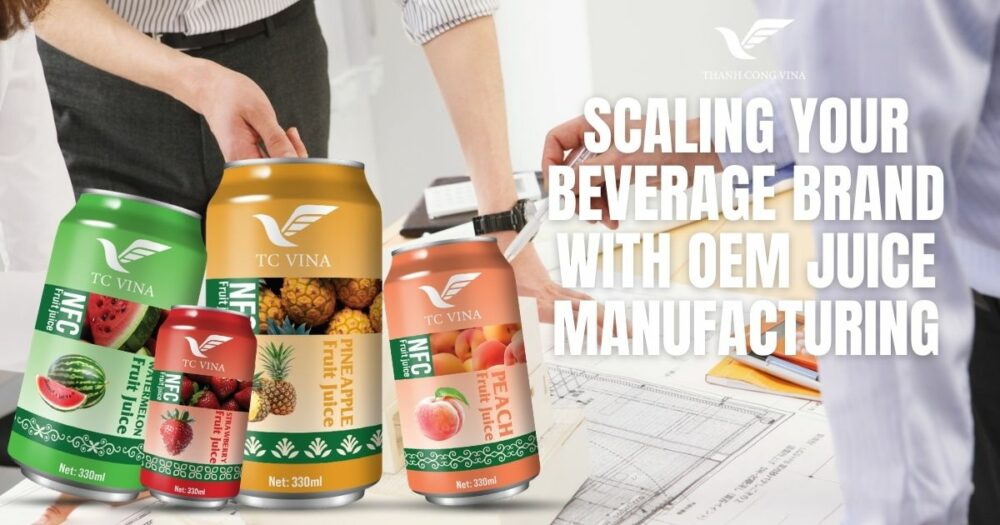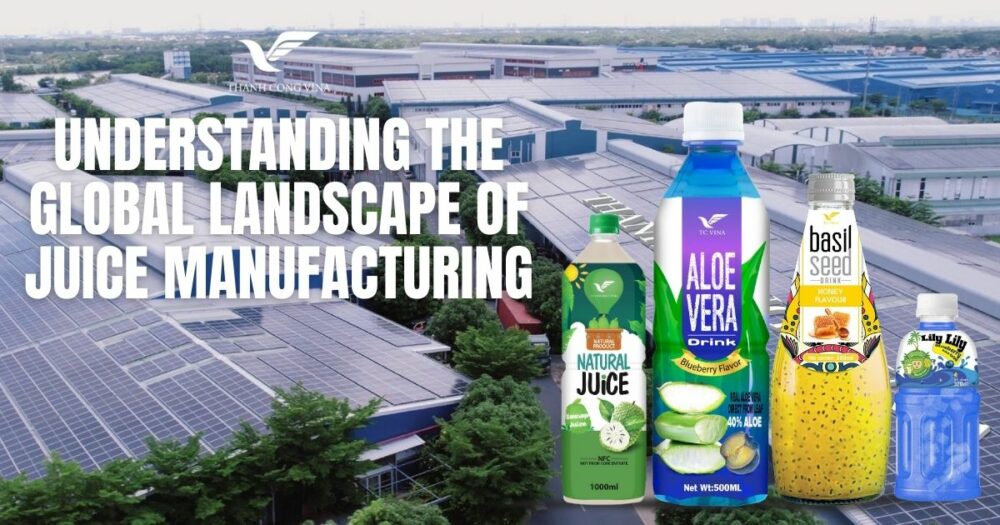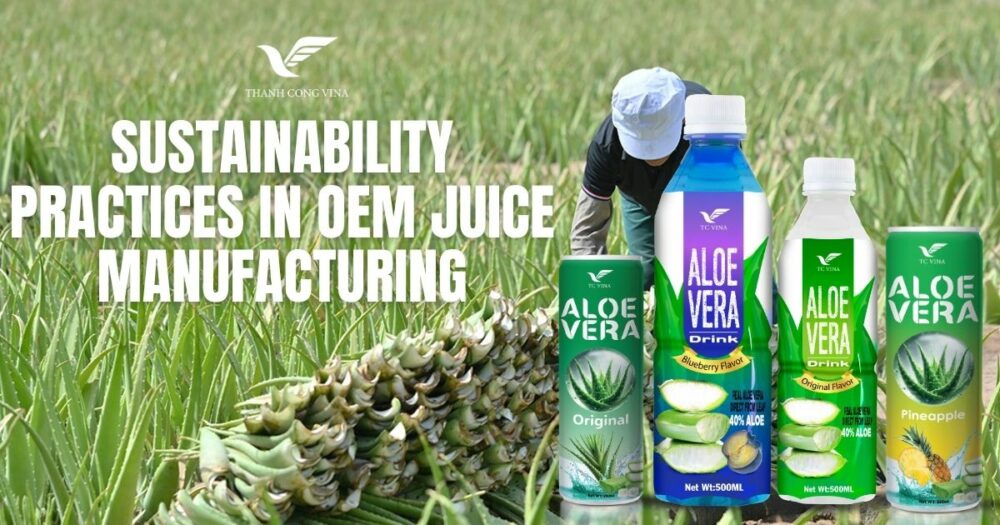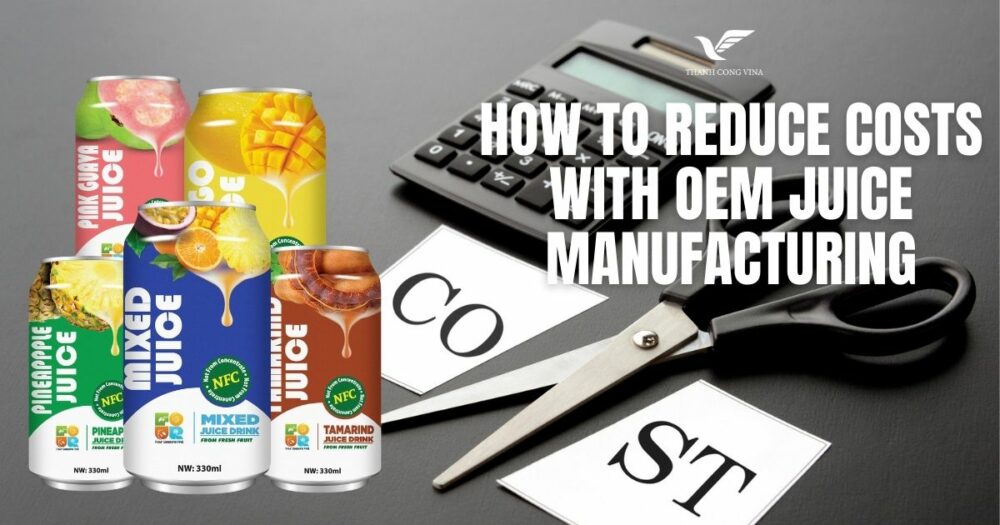

The global beverage industry is evolving rapidly as consumer preferences shift toward healthier, more innovative, and conveniently packaged juice products. At the same time, beverage brands face increasing pressure to reduce costs, shorten time to market, and comply with complex food safety regulations across multiple regions. For many brands, building and managing an in-house juice manufacturing facility is no longer the most efficient path to growth. Instead, OEM Juice Manufacturing has emerged as a preferred production model for both emerging and established beverage companies.
OEM Juice Manufacturing allows brands to outsource production to specialized manufacturers while retaining full ownership of their product concepts, formulations, and brand identity. This approach offers flexibility, scalability, and access to advanced technology without the heavy capital investment required for internal production. In this article, we explore why beverage brands increasingly prefer OEM Juice Manufacturing, how it supports sustainable growth, and what strategic advantages it offers in a competitive global market.
1. Understanding OEM Juice Manufacturing in the Beverage Industry
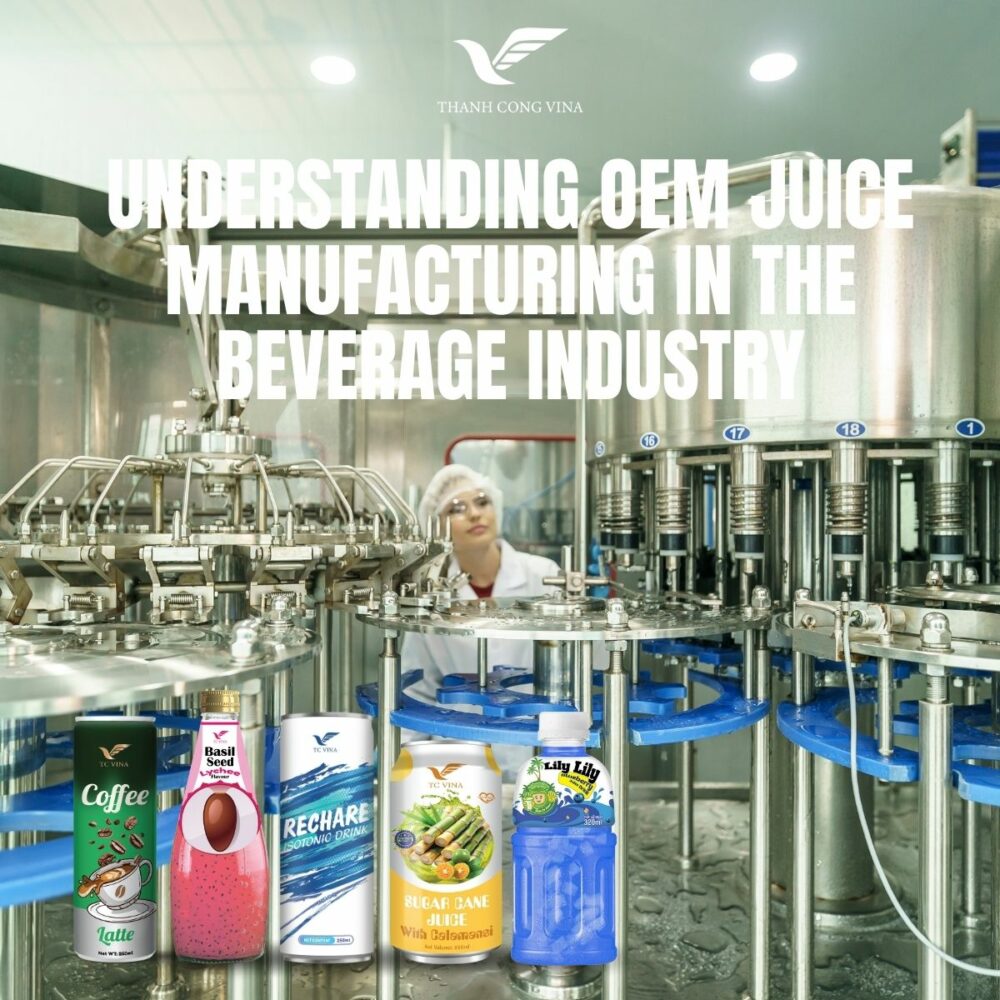
Understanding OEM Juice Manufacturing in the Beverage Industry
OEM Juice Manufacturing refers to a production model in which a third-party manufacturer produces juice beverages according to a brand’s specifications. The brand controls the recipe, positioning, and marketing, while the OEM manufacturer manages the technical and operational aspects of production.
Definition and Core Characteristics
In OEM Juice Manufacturing, the manufacturer acts as a production partner rather than a product owner. This means the final product is sold exclusively under the client’s brand name. The manufacturer follows strict guidelines provided by the brand, including ingredient selection, flavor profiles, nutritional values, packaging formats, and quality standards.
This model differs from private label manufacturing, where products are often standardized and sold to multiple buyers. OEM manufacturing is highly customized, making it ideal for brands seeking differentiation and long-term brand equity.
Role of OEM Manufacturing in Modern Beverage Supply Chains
As beverage supply chains become more complex, OEM Juice Manufacturing provides brands with access to established infrastructure, experienced personnel, and certified production systems. This allows brands to focus on market expansion, branding, and customer engagement rather than factory management.
2. Cost Efficiency and Capital Optimization Through OEM Juice Manufacturing
One of the most compelling reasons beverage brands prefer OEM Juice Manufacturing is its cost efficiency. Establishing an in-house juice production facility requires substantial upfront investment and ongoing operational expenses.
Reducing Capital Expenditure
Building a juice manufacturing plant involves high costs for land, equipment, utilities, and regulatory approvals. OEM Juice Manufacturing eliminates these barriers by allowing brands to leverage existing facilities.
This capital-light approach is especially valuable for startups and growing brands that need to allocate resources toward marketing, distribution, and product development rather than infrastructure.
Lower Operational and Maintenance Costs
OEM manufacturers operate at scale, enabling them to optimize production costs through bulk purchasing, efficient labor management, and advanced automation. Brands benefit from competitive unit pricing without bearing the risks associated with equipment maintenance or production downtime.
3. Faster Time to Market and Product Launch Flexibility
Faster Time to Market and Product Launch Flexibility
Speed is a critical factor in the beverage industry, where trends evolve quickly and consumer preferences can shift within months. OEM Juice Manufacturing significantly accelerates the product development and launch process.
Streamlined Product Development Cycles
OEM manufacturers have established R&D teams and pilot production lines that allow rapid sample development and testing. Brands can move from concept to market-ready product much faster than with in-house production.
This agility enables brands to test new flavors, functional ingredients, or packaging formats with minimal risk.
Adapting Quickly to Market Trends
With OEM Juice Manufacturing, brands can respond swiftly to emerging trends such as low-sugar formulations, clean-label products, or functional juices. Production volumes can be adjusted based on demand, reducing the risk of overproduction.
4. Access to Advanced Technology and Manufacturing Expertise
OEM Juice Manufacturing partners invest heavily in modern processing technology and skilled personnel, providing brands with capabilities that are often difficult to develop internally.
Modern Processing and Quality Preservation
Advanced technologies such as aseptic processing and controlled pasteurization help preserve flavor, color, and nutritional value while extending shelf life. OEM manufacturers select the most suitable processing methods based on product requirements and distribution conditions.
This technical expertise ensures consistent quality across production batches.
Specialized Knowledge and Continuous Improvement
OEM manufacturers employ food technologists, quality managers, and production engineers who continuously refine processes. Brands benefit from this expertise without maintaining large internal technical teams.
5. Quality Assurance and Regulatory Compliance Advantages

Quality Assurance and Regulatory Compliance Advantages
Maintaining consistent quality and meeting regulatory requirements are critical challenges for beverage brands operating across multiple markets. OEM Juice Manufacturing provides structured solutions to both.
International Quality Management Systems
Professional OEM manufacturers operate under recognized food safety standards such as ISO and HACCP. These systems ensure rigorous monitoring at every stage of production, from raw material inspection to finished product testing.
Consistent quality management protects brand reputation and consumer trust.
Compliance with Global Market Regulations
Different export markets impose varying regulations on ingredients, labeling, and nutritional claims. OEM manufacturers have experience navigating these requirements and provide guidance to ensure compliance.
This reduces regulatory risks and accelerates international market entry.
6. One Heading 2 Containing the Main Keyword: OEM Juice Manufacturing as a Scalable Growth Strategy
OEM Juice Manufacturing plays a crucial role in helping beverage brands scale efficiently while maintaining operational control and product consistency.
Flexible Production Volumes
OEM manufacturers offer scalable production capacity, allowing brands to increase or decrease output based on market demand. This flexibility supports both pilot launches and large-scale distribution.
Brands can expand into new regions without the need to build additional facilities.
Supporting Long-Term Brand Expansion
As brands grow, OEM partners adapt production processes and capacity to meet evolving needs. This long-term collaboration enables sustainable growth while minimizing operational complexity.
7. Packaging Solutions and Brand Customization
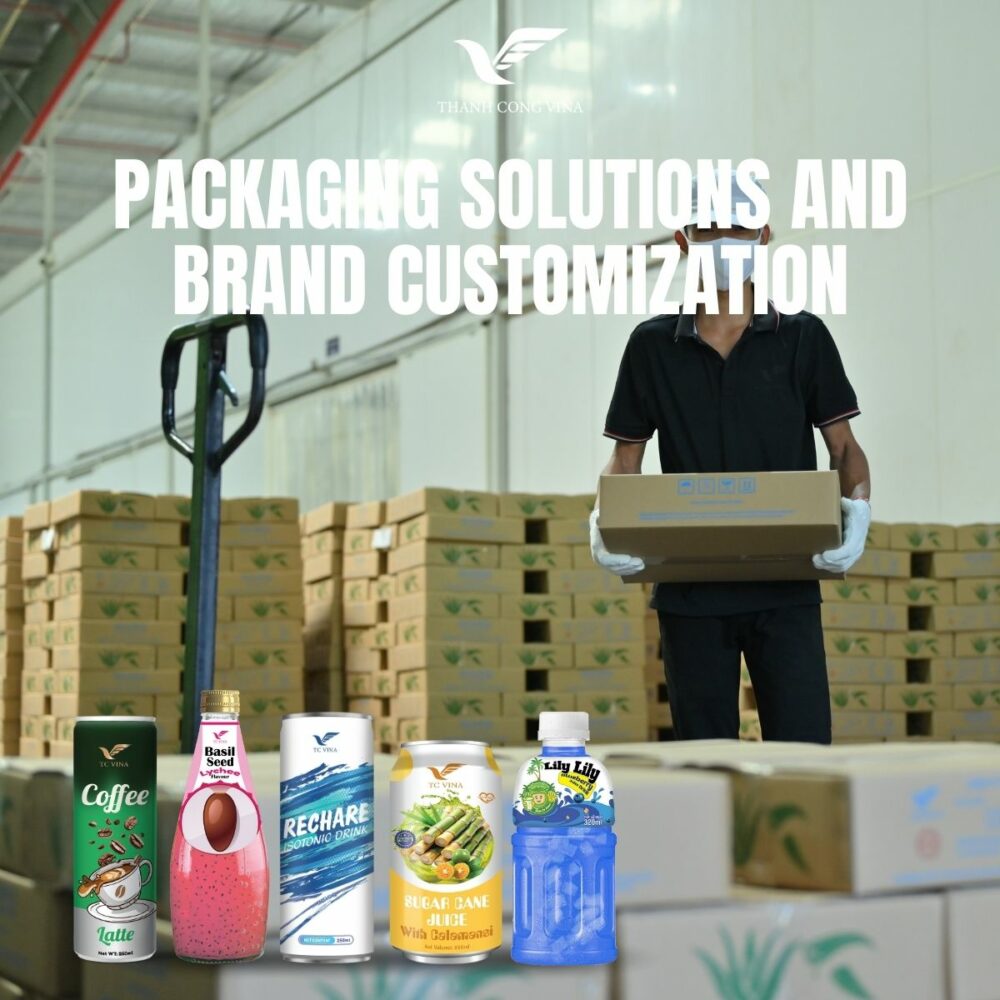
Packaging Solutions and Brand Customization
Packaging is a key element of product differentiation and consumer perception. OEM Juice Manufacturing partners provide comprehensive packaging solutions aligned with brand strategy.
Diverse Packaging Options
OEM manufacturers offer a range of packaging formats, including glass bottles, PET bottles, cans, and cartons. Each option is evaluated for product compatibility, shelf life, and market preferences.
This flexibility allows brands to tailor packaging to different distribution channels and consumer segments.
Ensuring Brand Consistency Across Markets
OEM partners work closely with brands to ensure packaging designs are accurately translated into production-ready formats. This coordination ensures visual consistency and regulatory compliance across markets.
8. Supply Chain Efficiency and Global Market Access
OEM Juice Manufacturing often extends beyond production to include supply chain coordination and export support.
Integrated Supply Chain Management
OEM manufacturers manage raw material sourcing, production scheduling, inventory control, and logistics. This integrated approach reduces lead times and improves supply chain reliability.
Brands benefit from predictable production timelines and reduced operational burden.
Export Readiness and International Distribution
Vietnam-based OEM manufacturers are strategically positioned for global exports, offering experience with international shipping and documentation. This capability supports expansion into Asia, Europe, and the Middle East.
Conclusion
OEM Juice Manufacturing has become the preferred production model for beverage brands seeking efficiency, scalability, and consistent quality in a competitive global market. By outsourcing production to experienced OEM partners, brands reduce capital investment, accelerate time to market, and gain access to advanced technology and regulatory expertise. This strategic approach allows companies to focus on brand building, innovation, and customer engagement rather than manufacturing complexity.
As demand for high-quality juice products continues to grow, choosing the right OEM partner is essential. Thanh Cong Vina IEP CO., LTD has established itself as a reliable leader in OEM Juice Manufacturing, offering flexible production solutions, strict quality control, and export-ready capabilities. With proven experience in OEM Juice Manufacturing, Thanh Cong Vina supports beverage brands in achieving sustainable growth, operational efficiency, and long-term success in international markets.