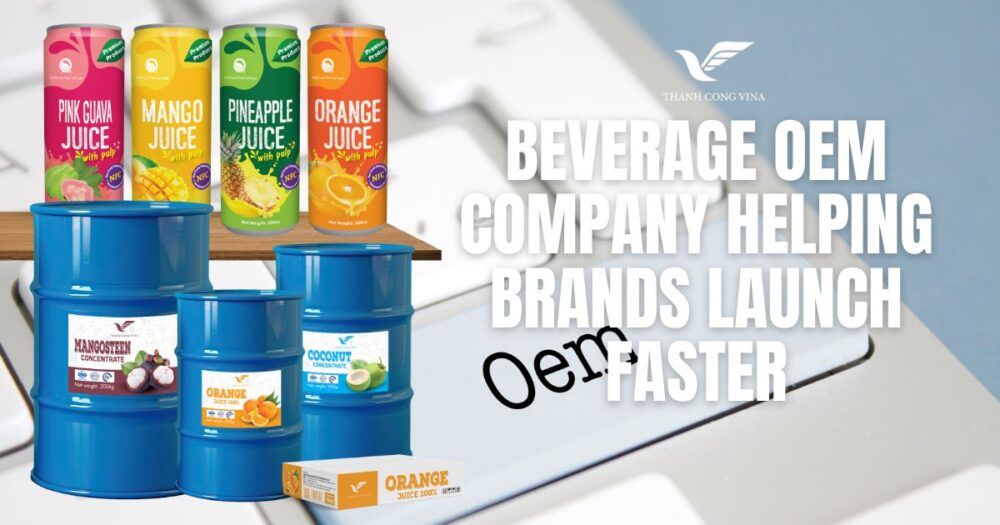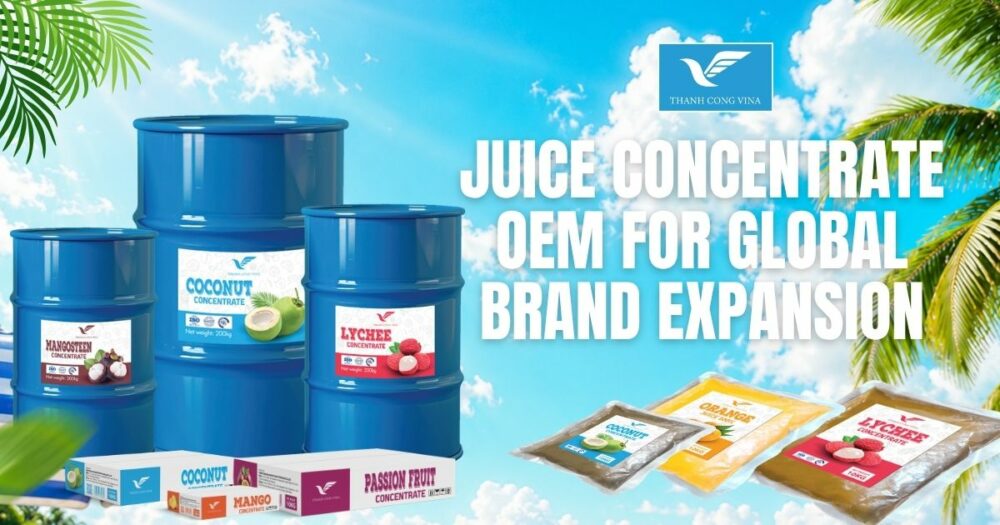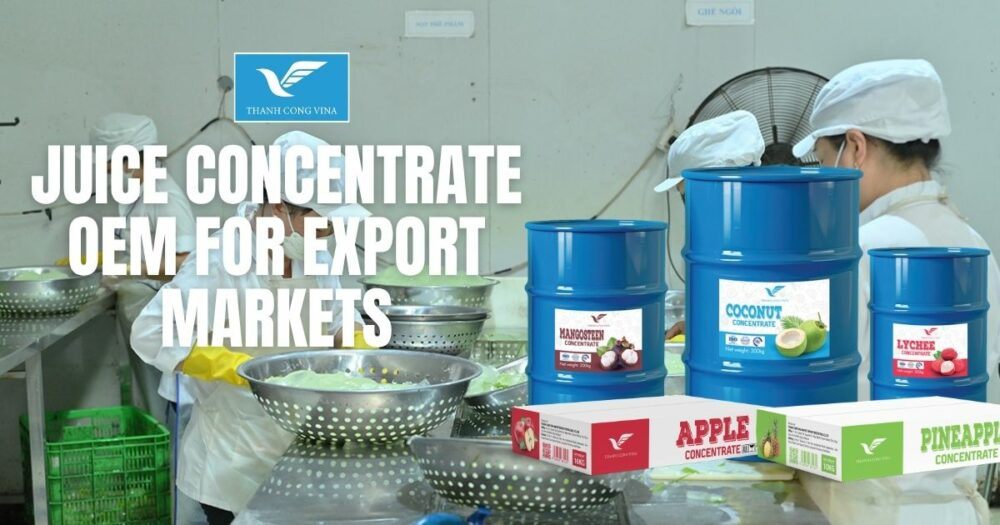

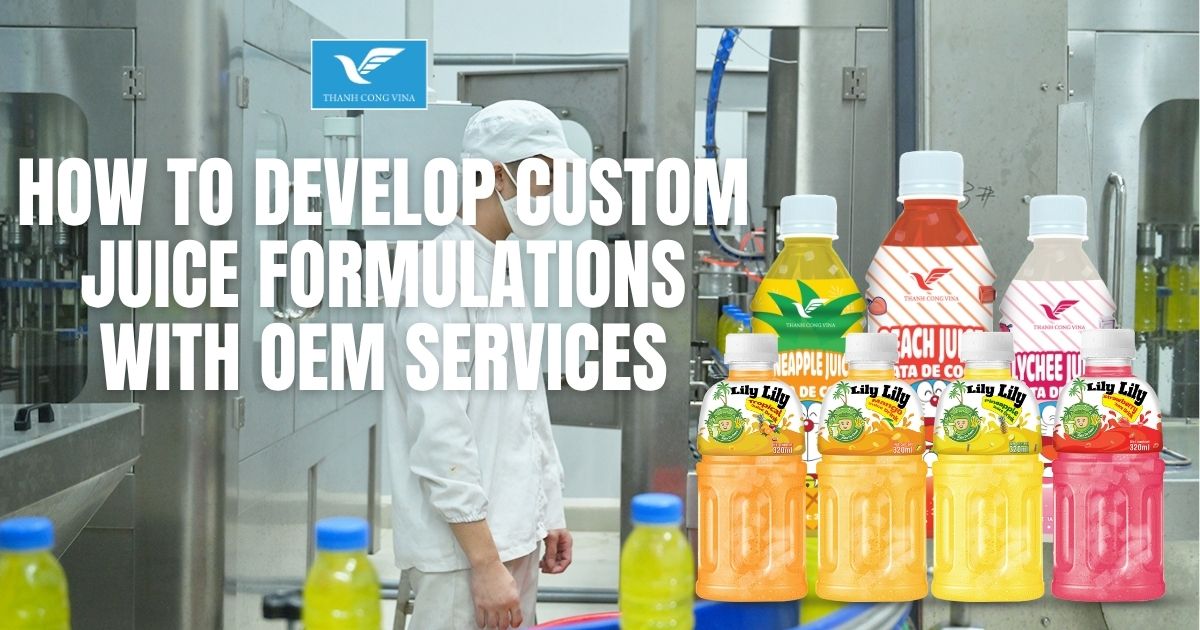
In the competitive global beverage industry, product differentiation is the key to long-term success. Consumers today demand more than just refreshment—they seek unique flavors, functional benefits, natural ingredients, and premium quality. This growing demand has led many brands to explore Fruit Juice OEM Services as a strategic solution for developing customized juice formulations without investing in their own manufacturing infrastructure.
By partnering with experienced OEM manufacturers, businesses can transform innovative ideas into market-ready products efficiently and cost-effectively. From concept creation to final production, OEM services provide the technical expertise, advanced facilities, and regulatory knowledge required to ensure product success. However, developing a custom juice formulation involves multiple steps, including ingredient selection, flavor balancing, testing, and compliance.
This article provides a comprehensive guide on how to develop custom juice formulations with Fruit Juice OEM Services, helping brands create unique, high-quality products that stand out in today’s dynamic beverage market.
1. Understanding Fruit Juice OEM Services in Product Development
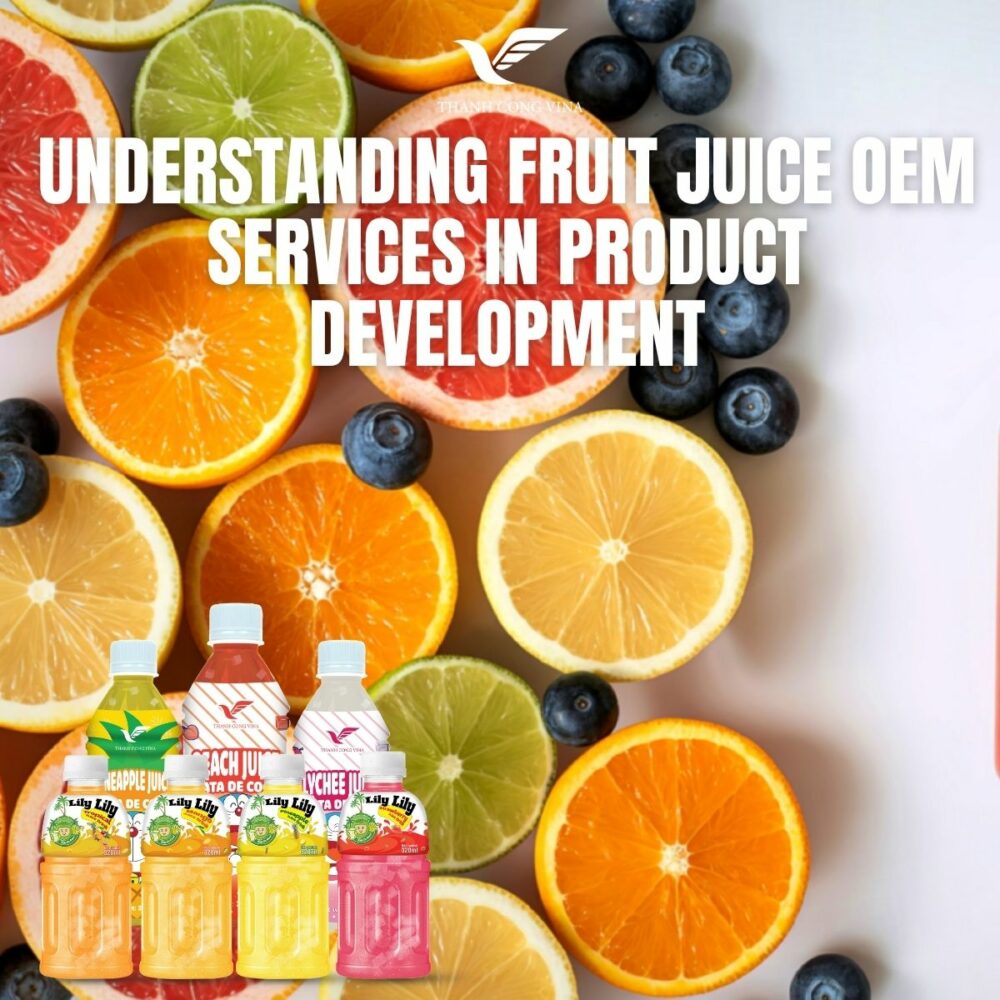
Understanding Fruit Juice OEM Services in Product Development
Fruit Juice OEM Services play a crucial role in helping brands bring their product ideas to life. These services offer a complete solution for beverage production, from initial concept to final delivery.
What Are Fruit Juice OEM Services?
Fruit Juice OEM Services involve outsourcing the manufacturing process to specialized producers who have the expertise, equipment, and certifications required for large-scale production. These providers work closely with clients to develop customized products tailored to specific market needs.
OEM manufacturers handle various aspects of production, including formulation, sourcing, processing, packaging, and quality control. This allows brands to focus on marketing and distribution while ensuring product excellence.
Benefits of OEM in Product Innovation
One of the main advantages of OEM services is access to professional research and development (R&D) teams. These experts help refine product concepts, suggest improvements, and ensure that formulations meet industry standards.
Additionally, OEM providers stay updated with market trends, enabling brands to develop products that align with consumer preferences, such as organic, low-sugar, or functional beverages.
Reducing Time and Risk
Developing a product independently can be time-consuming and costly. OEM services reduce these risks by offering proven processes and efficient workflows.
With their experience and infrastructure, OEM providers can accelerate product development while maintaining high quality and compliance.
2. Defining Product Concepts and Market Positioning
Before developing a custom formulation, it is essential to clearly define the product concept and target market.
Identifying Target Consumers
Understanding the target audience is the foundation of successful product development. Different consumer groups have varying preferences in terms of taste, health benefits, and packaging.
For example, younger consumers may prefer trendy flavors and convenient packaging, while health-conscious individuals may prioritize natural ingredients and low sugar content.
Establishing Product Objectives
Brands should define clear objectives for their product, such as flavor profile, nutritional value, and price range. These objectives guide the formulation process and ensure that the final product meets market expectations.
Clear goals also help OEM providers align their efforts with the brand’s vision.
Competitive Analysis
Analyzing competitors provides valuable insights into market trends and opportunities. Brands can identify gaps in the market and develop products that offer unique value.
By combining market research with OEM expertise, businesses can create innovative products that stand out.
3. Ingredient Selection and Flavor Development
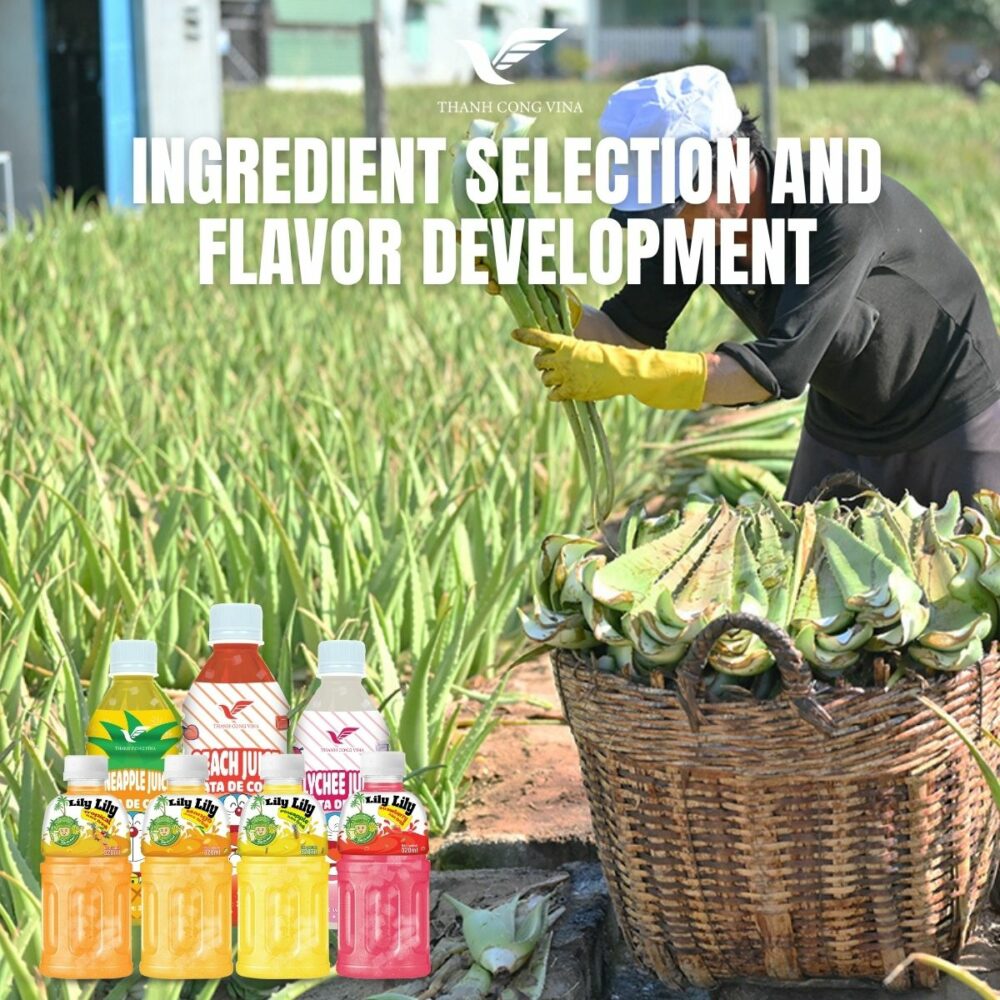
Ingredient Selection and Flavor Development
The selection of ingredients is a critical step in developing custom juice formulations.
Choosing High-Quality Raw Materials
The quality of raw materials directly impacts the final product. OEM providers source fruits and ingredients from trusted suppliers to ensure freshness and consistency.
Factors such as ripeness, origin, and processing methods are carefully considered to maintain quality.
Balancing Flavor Profiles
Creating a balanced flavor is both an art and a science. OEM experts adjust sweetness, acidity, and aroma to achieve the desired taste.
They may also combine different fruits or add natural flavors to enhance the overall experience.
Functional and Nutritional Additions
Modern consumers often look for functional benefits in beverages. Ingredients such as vitamins, minerals, and plant extracts can be added to enhance nutritional value.
OEM providers ensure that these additions are compatible with the formulation and meet regulatory requirements.
4. Prototyping and Testing Custom Formulations
Once the initial formulation is developed, it undergoes rigorous testing and refinement.
Small-Batch Prototyping
OEM manufacturers produce small batches of the product for evaluation. This allows brands to test the formulation without committing to large-scale production.
Prototyping helps identify areas for improvement and ensures that the product meets expectations.
Sensory Evaluation
Sensory testing involves evaluating the product’s taste, aroma, texture, and appearance. Feedback from testers is used to refine the formulation.
This process ensures that the product delivers a satisfying consumer experience.
Stability and Shelf-Life Testing
Stability testing determines how the product performs over time. OEM providers assess factors such as flavor retention, color stability, and microbial safety.
Shelf-life testing ensures that the product remains safe and appealing throughout its intended lifespan.
5. Production Scaling and Manufacturing Process
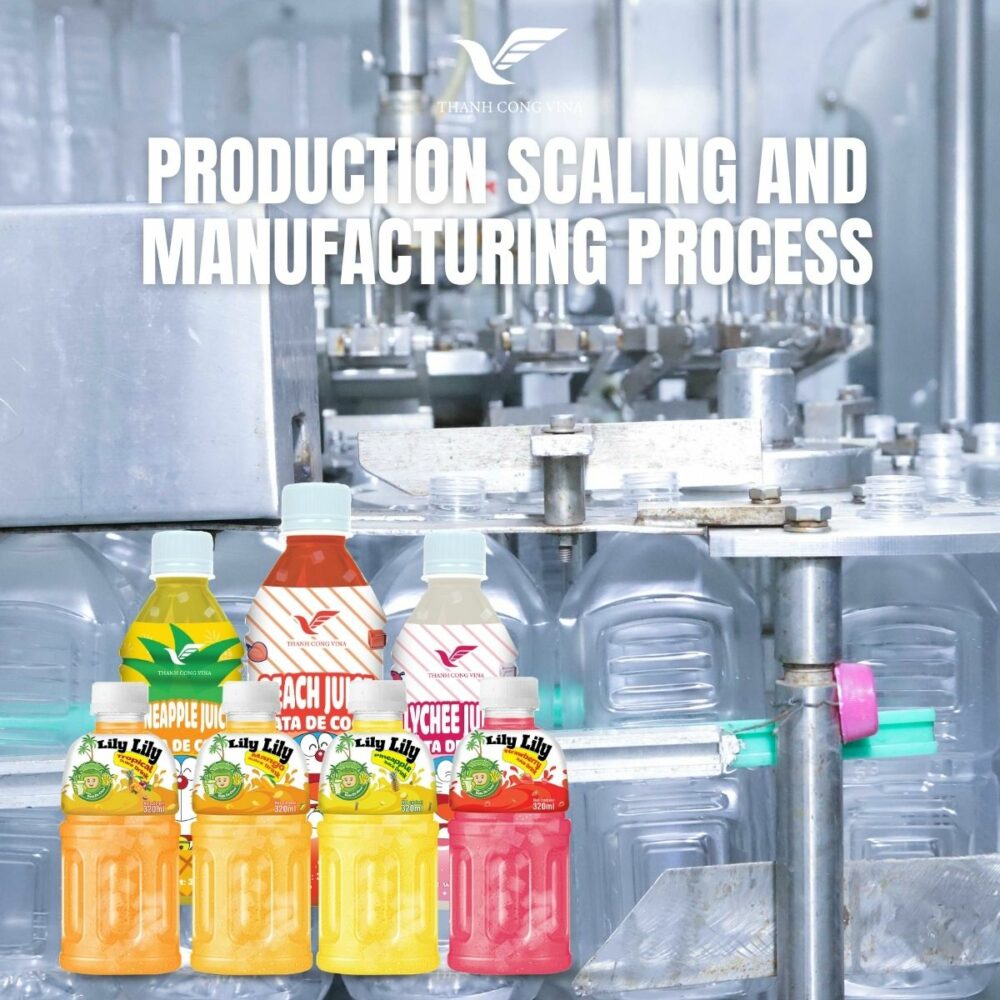
Production Scaling and Manufacturing Process
After finalizing the formulation, the next step is scaling up production.
Transition from Prototype to Mass Production
Scaling up requires adjustments to ensure consistency in large batches. OEM providers use advanced equipment and standardized processes to maintain quality.
This ensures that the final product matches the approved prototype.
Efficient Production Systems
Modern OEM facilities use automated systems to control production parameters. This improves efficiency and reduces the risk of errors.
Automation also ensures consistent quality across all batches.
Quality Assurance During Production
Quality control measures are implemented at every stage of production. This includes monitoring critical parameters and conducting regular inspections.
These measures ensure that the product meets safety and quality standards.
6. Packaging Design and Branding Integration
Packaging plays a vital role in the success of a beverage product.
Selecting Suitable Packaging Formats
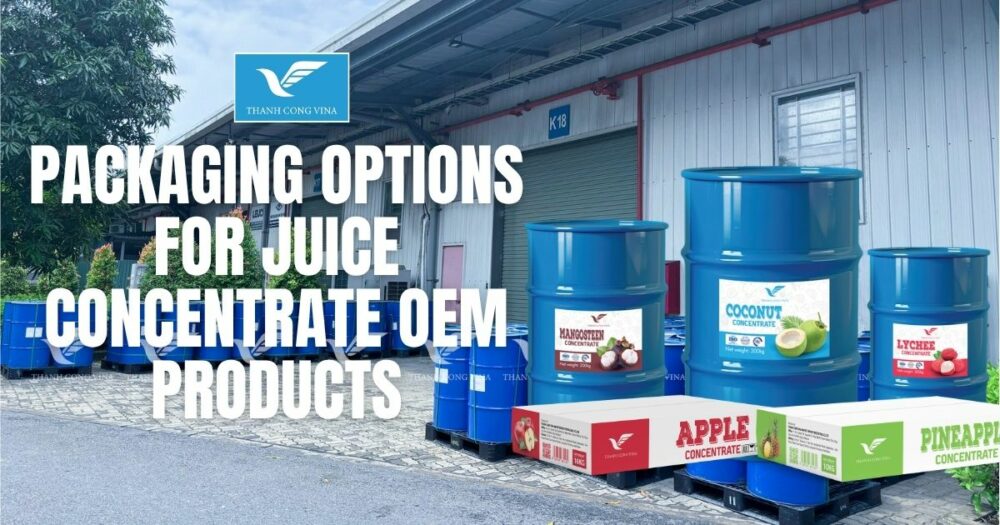
OEM providers offer a variety of packaging options, including bottles, cartons, and pouches. The choice depends on factors such as target market, distribution channels, and brand image.
Packaging must also protect the product and maintain its quality.
Branding and Labeling
Packaging design should reflect the brand’s identity and appeal to the target audience. Labels must include essential information such as ingredients, nutritional facts, and certifications.
OEM providers assist in ensuring compliance with labeling regulations.
Enhancing Consumer Appeal
Attractive packaging can influence purchasing decisions. Innovative designs and convenient formats can enhance the overall consumer experience.
By integrating branding with packaging, businesses can create a strong market presence.
7. Regulatory Compliance and Market Readiness
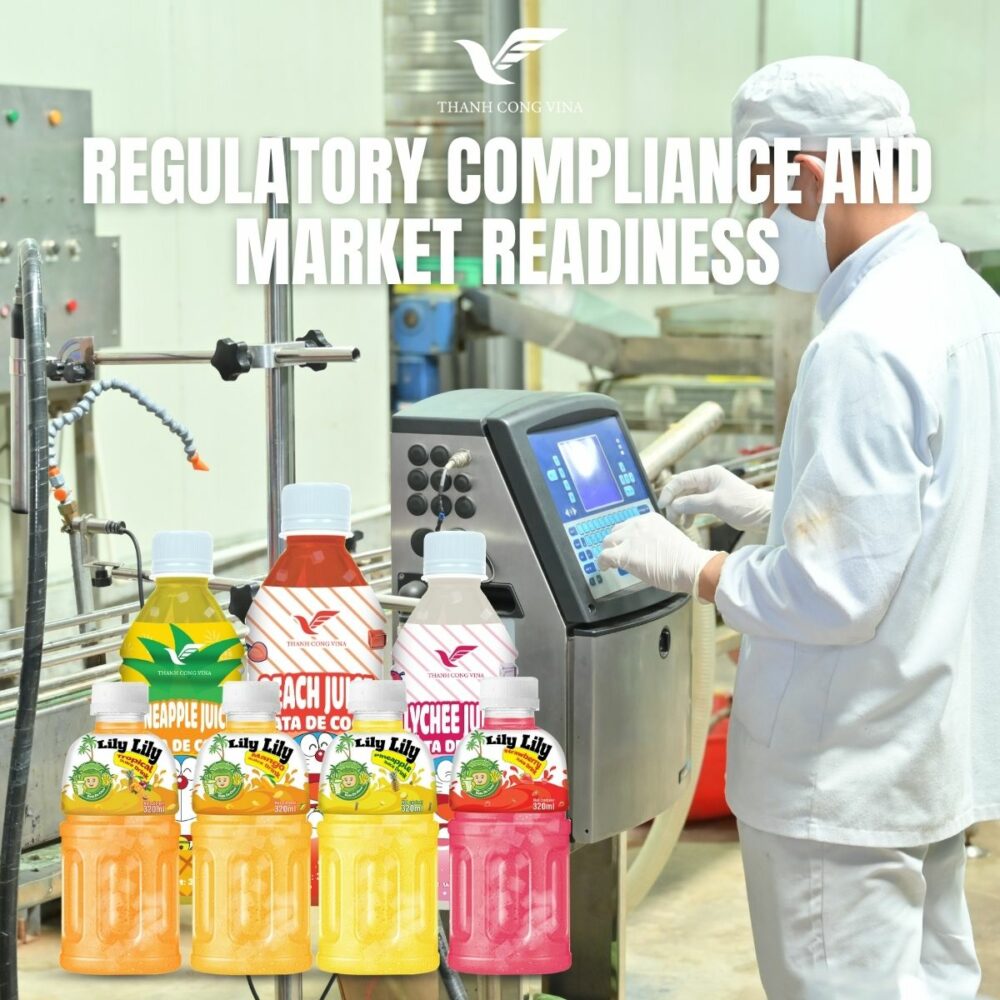
Regulatory Compliance and Market Readiness
Ensuring compliance with regulations is essential for successful product launch.
Meeting Food Safety Standards
OEM providers adhere to international standards such as HACCP, ISO, and GMP. These certifications ensure that products are safe and meet quality requirements.
Compliance reduces the risk of legal issues and product recalls.
Preparing Documentation
Proper documentation is required for product approval and export. OEM providers assist in preparing necessary documents, including certificates and test reports.
This simplifies the regulatory process and accelerates market entry.
Adapting to Different Markets
Different regions have unique regulations and consumer preferences. OEM providers help adapt formulations and packaging to meet these requirements.
This ensures successful entry into global markets.
Conclusion
Developing custom juice formulations requires a combination of creativity, technical expertise, and strategic planning. Fruit Juice OEM Services provide a comprehensive solution that enables brands to create unique, high-quality products efficiently. From concept development and ingredient selection to production and compliance, every step is carefully managed to ensure success.
For businesses seeking a reliable partner, Thanh Cong Vina offers professional Fruit Juice OEM Services tailored to global standards. With advanced technology, experienced R&D teams, and a commitment to quality, Thanh Cong Vina Beverage supports brands in bringing innovative beverage ideas to life. By partnering with Thanh Cong Vina, companies can leverage the full potential of Fruit Juice OEM Services to develop customized products and achieve sustainable growth in the competitive beverage industry.