
Fruit Juice Concentrate has become one of the fastest-growing product categories in the global beverage industry as consumers increasingly prefer natural, tropical, and fruit-based drinks. Vietnam is now recognized as one of Asia’s leading suppliers of fruit concentrate products thanks to its rich agricultural resources, tropical climate, and rapidly developing food processing sector. International beverage brands, distributors, importers, and OEM partners are turning to Vietnam for high-quality fruit concentrate solutions that combine authentic flavor, competitive pricing, and international manufacturing standards.
The growing demand for healthy beverages has created strong opportunities for Vietnamese exporters to expand into global markets such as the United States, Europe, the Middle East, Japan, and Australia. However, product quality and safety standards have become critical requirements in today’s competitive beverage industry. Buyers expect manufacturers to maintain strict quality control systems, comply with international certifications, and deliver consistent product performance across every shipment.
This article explores the quality standards, production systems, certifications, and export advantages that make Vietnamese Fruit Juice Concentrate products highly competitive in the global beverage market while highlighting why Vietnam continues to strengthen its position as a trusted sourcing destination.
1. Why Vietnam Is a Leading Supplier of Fruit Juice Concentrate
Why Vietnam Is a Leading Supplier of Fruit Juice Concentrate
Rich Tropical Fruit Resources
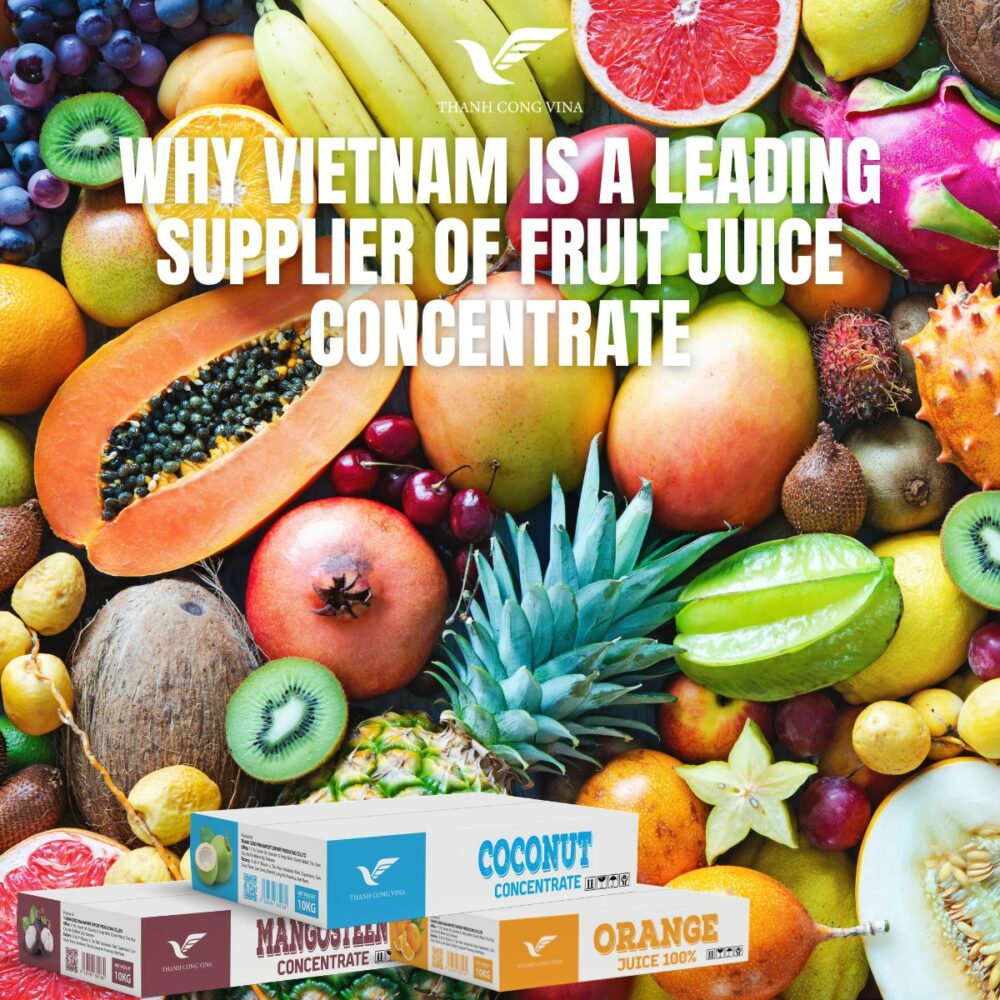
Vietnam possesses ideal natural conditions for cultivating tropical fruits throughout the year. The country’s fertile agricultural regions support large-scale production of mango, pineapple, passion fruit, guava, lychee, dragon fruit, coconut, calamansi, aloe vera, and many other fruits commonly used in beverage manufacturing. This stable supply of fresh raw materials allows Vietnamese factories to maintain continuous production capacity and support growing international demand for Fruit Juice Concentrate.
The freshness of Vietnamese fruits significantly contributes to the final quality of concentrate products. Freshly harvested fruits contain stronger aroma profiles, richer natural sweetness, and brighter colors, all of which improve the flavor characteristics of concentrated juice products. Beverage companies worldwide value these authentic tropical flavors because consumers increasingly seek natural drink experiences instead of artificial alternatives.
Vietnamese agricultural development has also improved fruit consistency and farming efficiency. Many farmers now cooperate closely with processing factories to ensure stable sourcing standards and traceability systems. This relationship between agriculture and manufacturing strengthens Vietnam’s ability to compete in the international beverage ingredient market.
Competitive Production Advantages
Another reason Vietnam has become a preferred supplier of Fruit Juice Concentrate is its competitive manufacturing cost structure. Compared with many other exporting countries, Vietnam offers lower labor costs and more affordable production expenses while maintaining modern processing standards. This balance between quality and pricing creates significant advantages for global buyers.
Vietnamese manufacturers also continue investing in advanced concentration technology, aseptic packaging systems, and automated production lines. These improvements allow factories to increase efficiency while preserving the natural flavor and nutritional value of fruit concentrates. As a result, importers can access high-quality products at competitive international prices.
2. Production Process of Fruit Juice Concentrate
Fruit Selection and Raw Material Control
The quality of Fruit Juice Concentrate begins with raw material selection. Vietnamese factories carefully evaluate fruits before production to ensure freshness, ripeness, sweetness, and appearance meet processing standards. Poor-quality fruits can negatively affect flavor consistency, color stability, and final product performance.
Many professional factories establish direct partnerships with farming regions to maintain stable fruit quality throughout the year. This close cooperation helps improve traceability and supports long-term quality management systems. By monitoring cultivation practices and harvest conditions, manufacturers can better control the quality of incoming raw materials.
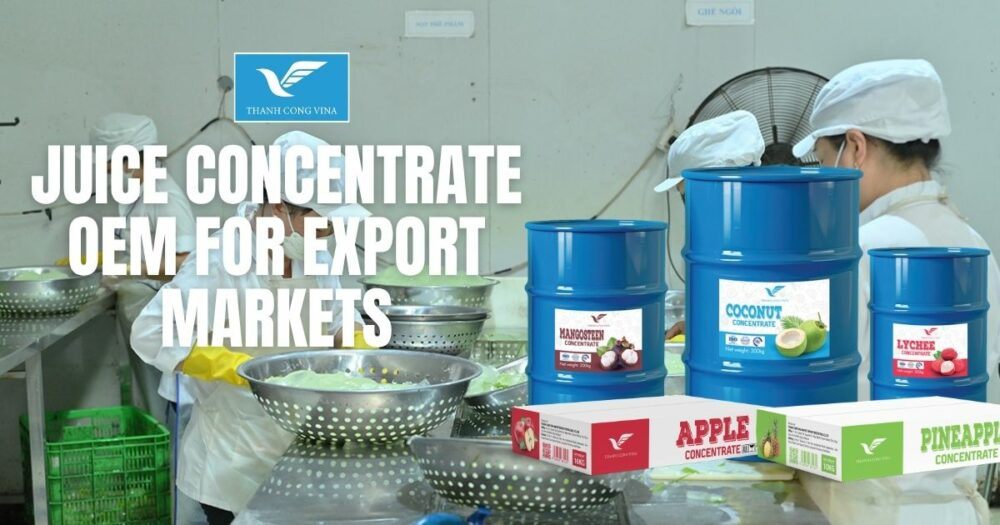
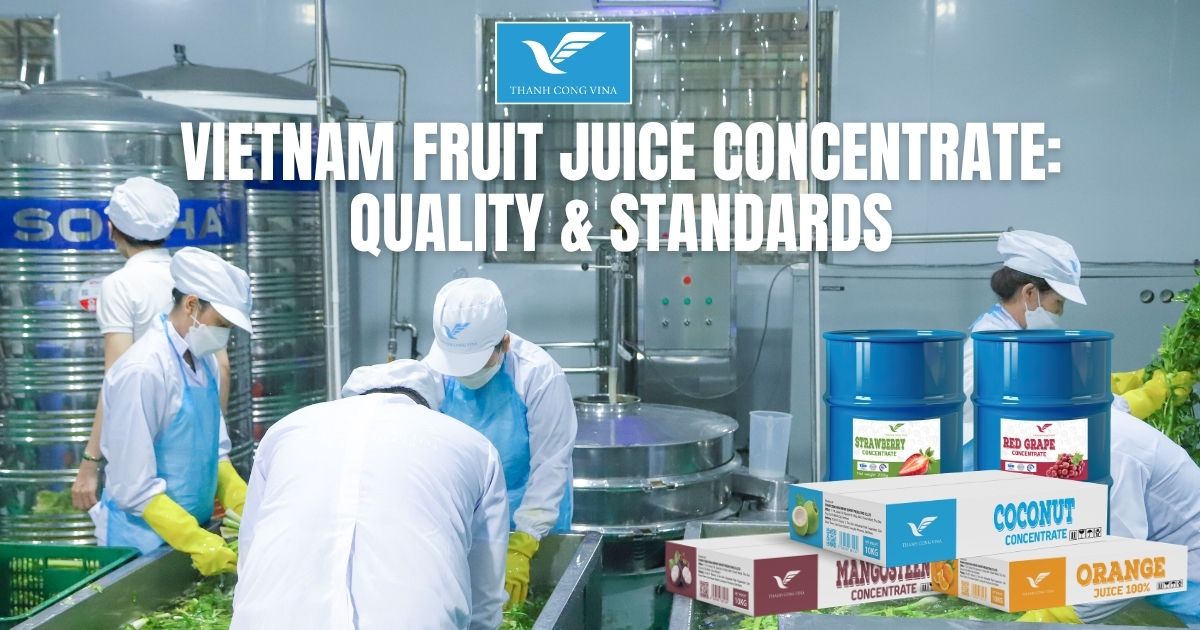
After harvest, fruits are transported to processing facilities where they undergo cleaning, sorting, peeling, and preparation procedures. Hygiene standards during this stage are extremely important because contamination risks can affect the safety and shelf life of concentrate products.
Concentration and Pasteurization Technology
Modern Vietnamese factories use advanced evaporation technology to remove water from fruit juice while preserving flavor compounds and nutritional characteristics. This process creates concentrated juice products with reduced volume and extended shelf life, making transportation and storage more cost-efficient for international buyers.
Pasteurization systems are also critical in the production of Fruit Juice Concentrate. Controlled heat treatment helps eliminate harmful microorganisms while maintaining product safety and stability during export distribution. Professional factories carefully monitor temperature and processing conditions to balance safety requirements with flavor preservation.
Advanced processing technology allows Vietnamese manufacturers to produce concentrates with stable Brix levels, consistent acidity, and reliable product quality. These factors are especially important for beverage companies that require standardized ingredients for large-scale commercial manufacturing.
3. International Standards for Fruit Juice Concentrate
International Standards for Fruit Juice Concentrate
HACCP and ISO Certifications
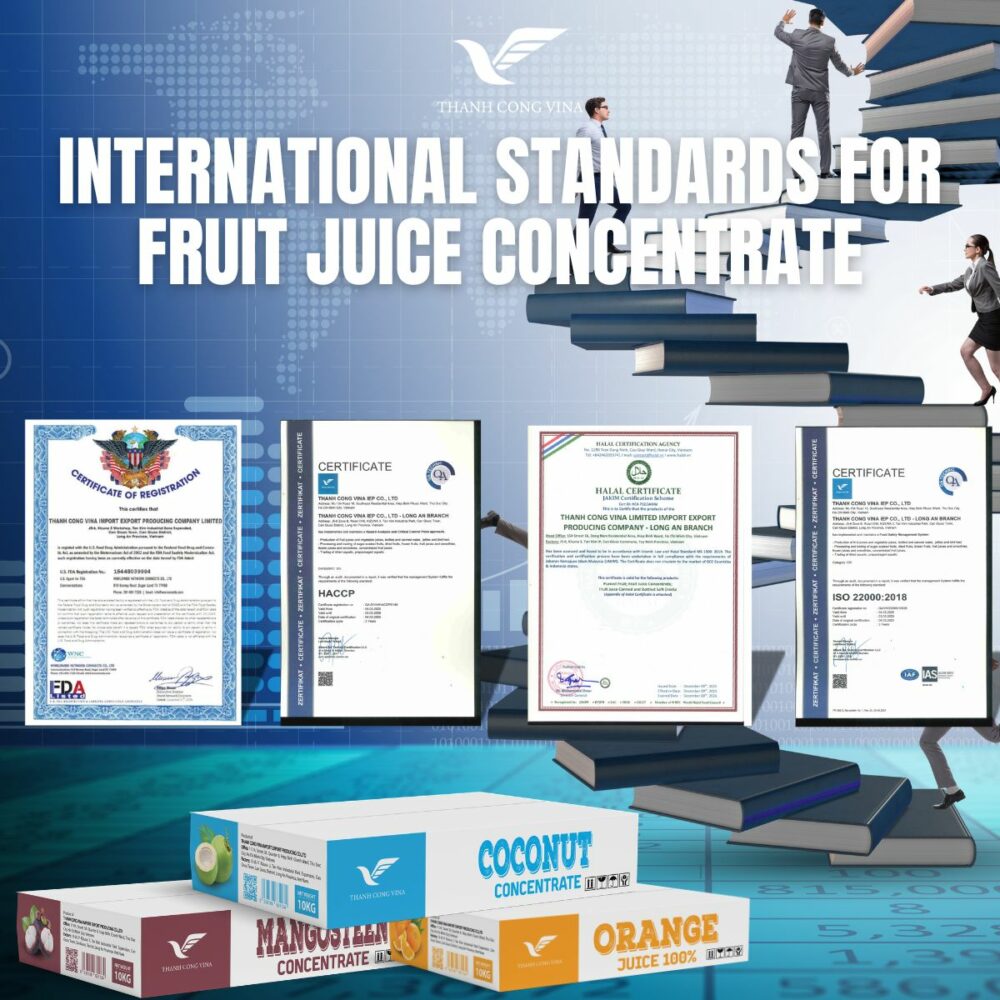
International buyers increasingly require strict food safety compliance from Fruit Juice Concentrate suppliers. HACCP certification is one of the most important systems used in the beverage industry because it focuses on identifying and controlling food safety risks throughout production.
Vietnamese factories with HACCP certification must maintain structured sanitation procedures, employee hygiene systems, equipment monitoring, and contamination prevention controls. These standards help manufacturers ensure safe production environments and consistent product quality.
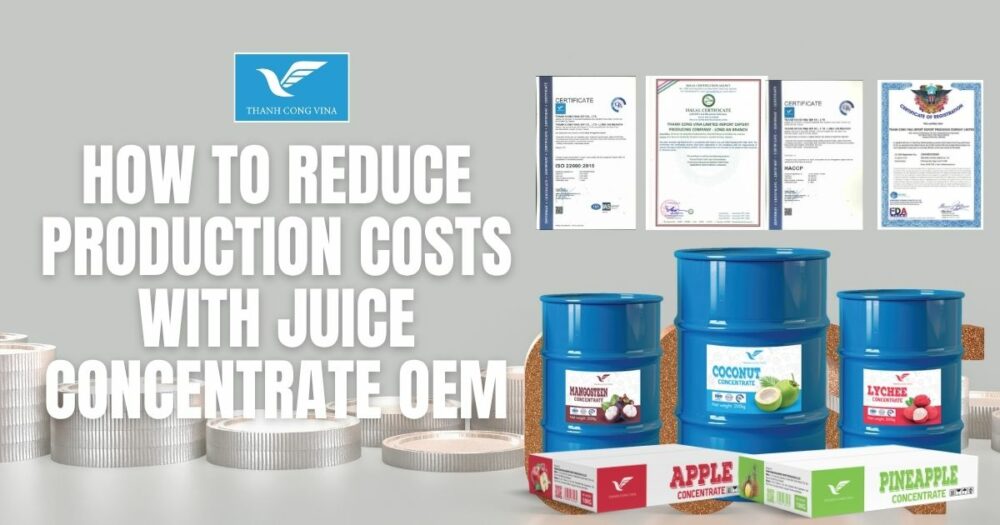
ISO certifications also play an important role in strengthening international credibility. ISO 22000 focuses on food safety management systems while ISO 9001 emphasizes operational consistency and quality improvement. Factories that maintain ISO systems are often viewed as more reliable and professional by international buyers.
HALAL and FDA Compliance
Many Vietnamese exporters also obtain HALAL certification to serve Muslim-majority markets such as the Middle East, Indonesia, and Malaysia. HALAL-certified Fruit Juice Concentrate products are increasingly popular because consumers associate them with strict hygiene and quality standards.
For exports to the United States, FDA registration is another essential requirement. Manufacturers must comply with American food safety regulations and maintain proper documentation systems before shipping products into the U.S. market.
Factories that combine HACCP, ISO, HALAL, and FDA compliance generally have stronger opportunities to expand globally because they can meet the regulatory expectations of multiple international markets.
4. Quality Control Systems in Vietnamese Factories
Laboratory Testing Procedures
Quality control is one of the most important factors influencing the reputation of Vietnamese Fruit Juice Concentrate exporters. Professional factories conduct extensive laboratory testing throughout production to ensure product safety and consistency.
Common testing procedures include microbiological analysis, sugar concentration measurement, acidity testing, pesticide residue evaluation, and heavy metal detection. These tests help manufacturers verify that products comply with international food safety standards before shipment.
Stable product quality is essential for beverage manufacturers because ingredient inconsistencies can affect flavor, texture, appearance, and shelf stability in finished drinks. Reliable testing systems therefore help strengthen long-term customer satisfaction and brand trust.
Traceability and Documentation
Modern Vietnamese factories increasingly implement traceability systems that track raw materials, production batches, and shipment records. These systems improve transparency and allow manufacturers to respond quickly if quality issues occur.
International buyers often prefer suppliers with advanced traceability systems because global food regulations continue demanding greater supply chain accountability. Detailed documentation also supports customs clearance procedures and helps importers comply with local food safety requirements.
Professional Fruit Juice Concentrate manufacturers understand that strong quality control systems are necessary not only for regulatory compliance but also for building long-term international business relationships.
5. Packaging and Storage Standards
Packaging and Storage Standards
Aseptic Packaging Technology
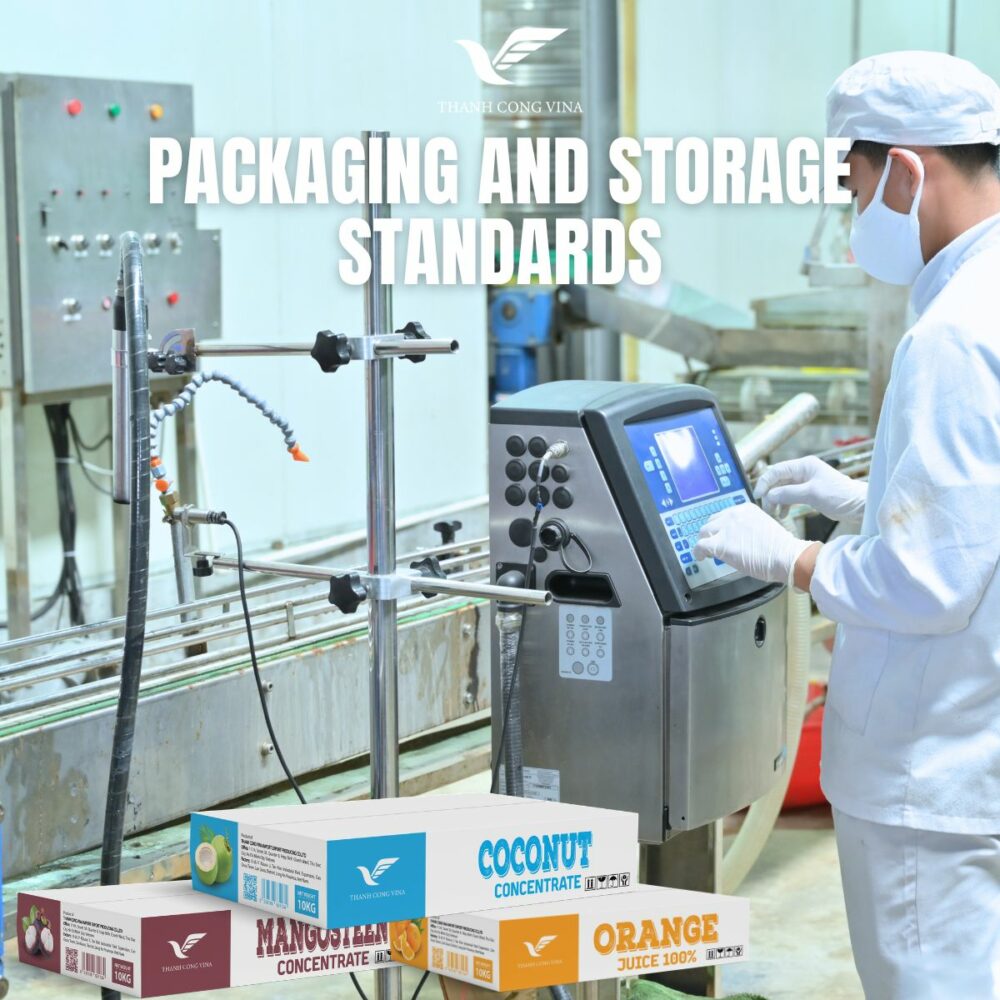
Packaging plays a major role in preserving the quality of Fruit Juice Concentrate during transportation and storage. Vietnamese manufacturers increasingly use aseptic packaging systems because they help maintain product freshness while extending shelf life.
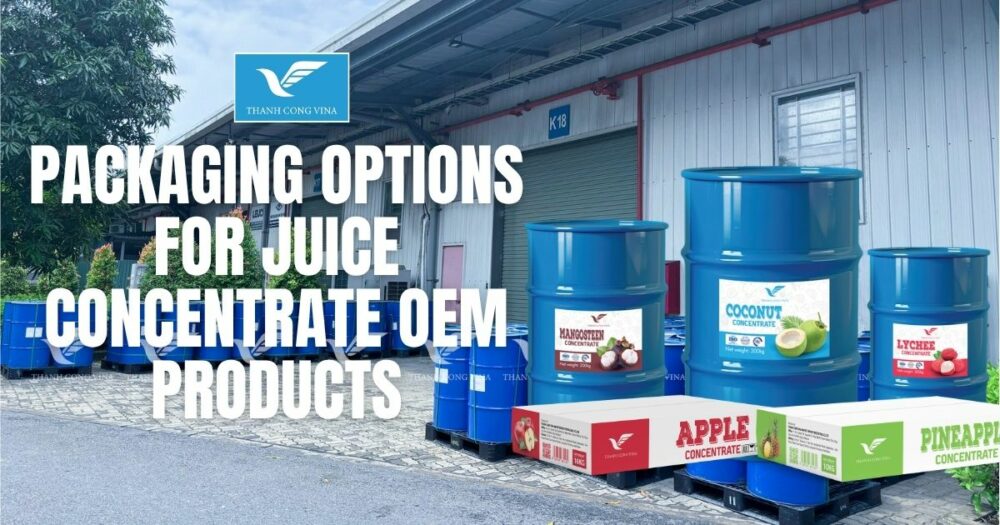
Aseptic bags, drums, and bulk containers are commonly used for concentrate exports. These packaging systems protect products from contamination, oxidation, and temperature fluctuations during international shipping. Proper packaging also reduces waste and improves logistics efficiency.
Professional manufacturers carefully select packaging materials based on customer requirements, transportation conditions, and storage duration. High-quality packaging is especially important for maintaining flavor stability and product safety in long-distance export markets.
Temperature and Warehouse Management
Storage conditions significantly affect concentrate quality. Vietnamese factories maintain controlled warehouse environments to protect products from heat, humidity, and contamination risks. Proper inventory management systems also help ensure efficient product rotation and shelf-life control.
International buyers expect Fruit Juice Concentrate suppliers to maintain stable storage standards because improper handling can reduce product quality and increase commercial risks. Reliable warehouse management therefore plays an important role in supporting export performance.
6. Export Markets and Global Demand
Rising Demand for Tropical Beverages
The global beverage industry continues experiencing strong demand for tropical fruit flavors and natural drink ingredients. Consumers increasingly prefer products containing real fruit content, natural sweetness, and authentic tropical taste profiles. This trend has created major export opportunities for Vietnamese Fruit Juice Concentrate manufacturers.
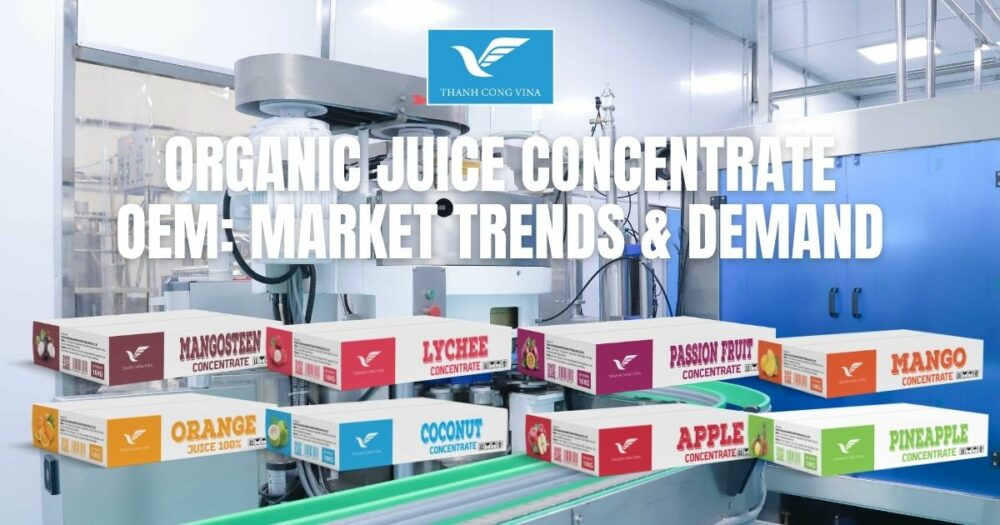
Popular applications include juice drinks, smoothies, dairy beverages, sparkling fruit drinks, cocktails, desserts, and functional wellness products. Tropical ingredients such as mango, passion fruit, pineapple, and coconut are particularly attractive in both developed and emerging markets.
As health-conscious consumers reduce artificial ingredient consumption, natural fruit concentrates are becoming increasingly valuable for beverage brands seeking cleaner label products.
Vietnam’s Expanding Export Presence
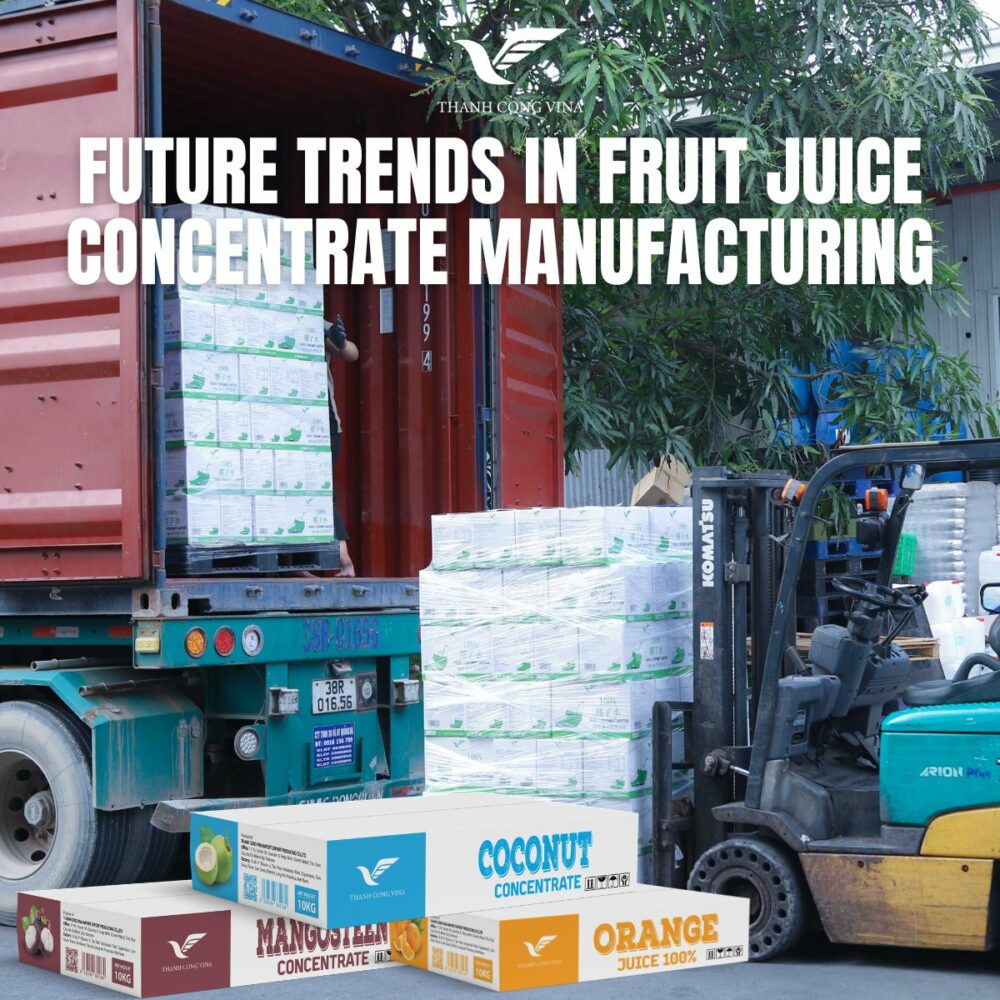
Vietnamese exporters now serve a wide range of international markets including Europe, North America, Asia, Australia, and the Middle East. Improvements in manufacturing technology, certifications, and logistics infrastructure have helped Vietnamese suppliers strengthen their global competitiveness.
Many international buyers choose Vietnamese Fruit Juice Concentrate products because of the country’s ability to combine high-quality tropical ingredients with flexible OEM production capabilities and cost-efficient export solutions.
As the global beverage market continues evolving, Vietnam is expected to remain an increasingly important supplier of fruit concentrate products for international brands and distributors.
7. Future Trends in Fruit Juice Concentrate Manufacturing
Future Trends in Fruit Juice Concentrate Manufacturing
Sustainable Production Development
Sustainability is becoming one of the most important trends in the beverage industry. International buyers are increasingly evaluating environmental practices when selecting Fruit Juice Concentrate suppliers. Vietnamese factories are responding by investing in energy-saving technology, waste reduction systems, and environmentally friendly production methods.
Many manufacturers are also improving raw material sourcing practices by cooperating with sustainable farming regions and promoting responsible agricultural development. These efforts help strengthen international reputation and support long-term export growth.
Innovation and Product Diversification
Consumer demand for innovative beverages continues encouraging manufacturers to develop new fruit combinations and functional drink solutions. Vietnamese factories are increasingly creating customized formulations that include tropical fruit blends, reduced sugar options, and health-focused ingredients.
Innovation allows Fruit Juice Concentrate suppliers to expand into premium beverage categories while helping international brands differentiate themselves in competitive markets. Manufacturers that continue investing in technology and product development are likely to strengthen their position in the future global beverage industry.
Conclusion
The international beverage industry continues placing greater emphasis on quality, food safety, and natural ingredients, creating strong growth opportunities for Vietnamese Fruit Juice Concentrate manufacturers. Vietnam’s abundant tropical fruit resources, modern processing technology, competitive production costs, and expanding certification systems have positioned the country as one of the leading suppliers of fruit concentrate products worldwide.
Professional quality control procedures, international certifications such as HACCP, ISO, HALAL, and FDA compliance, along with advanced packaging and traceability systems, have strengthened buyer confidence in Vietnamese exporters. These advantages allow beverage companies, distributors, and OEM partners to source reliable concentrate products that meet international standards and consumer expectations.
As global demand for tropical beverages and natural fruit ingredients continues increasing, Vietnamese manufacturers are expected to expand their influence even further in the international market. With extensive export experience, advanced production capabilities, and commitment to product excellence, Thanh Cong Vina Beverage continues supporting global beverage businesses with premium tropical ingredients and professional OEM solutions. Companies searching for high-quality Fruit Juice Concentrate products can confidently cooperate with Thanh Cong Vina for long-term growth, stable supply, and international beverage market success.