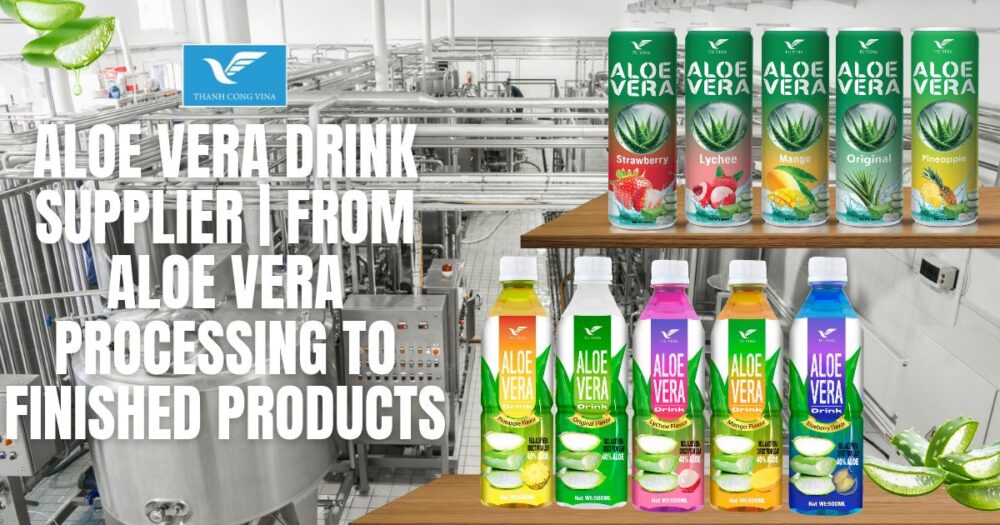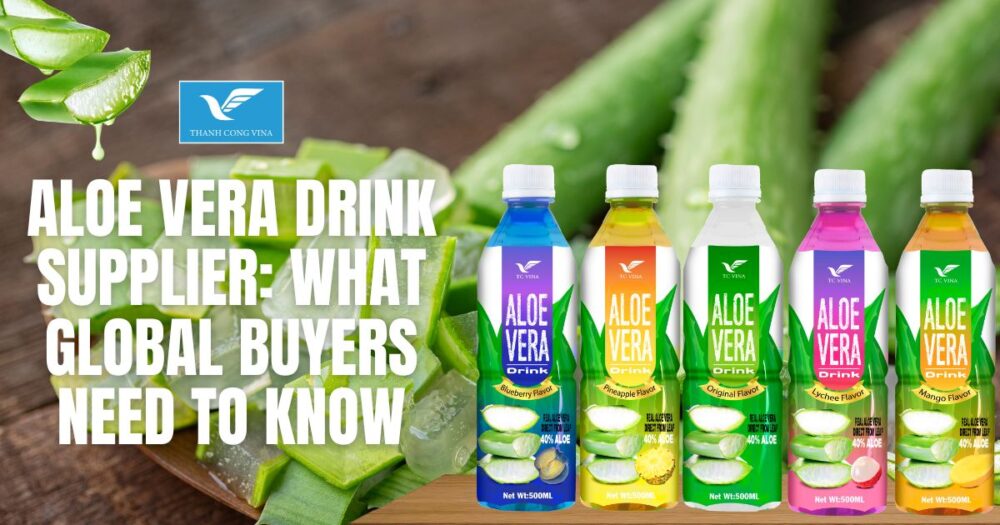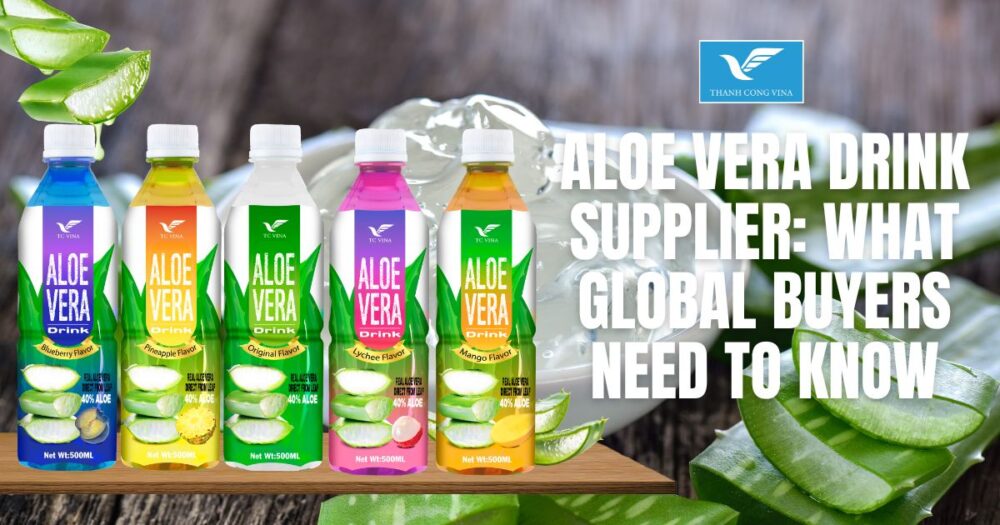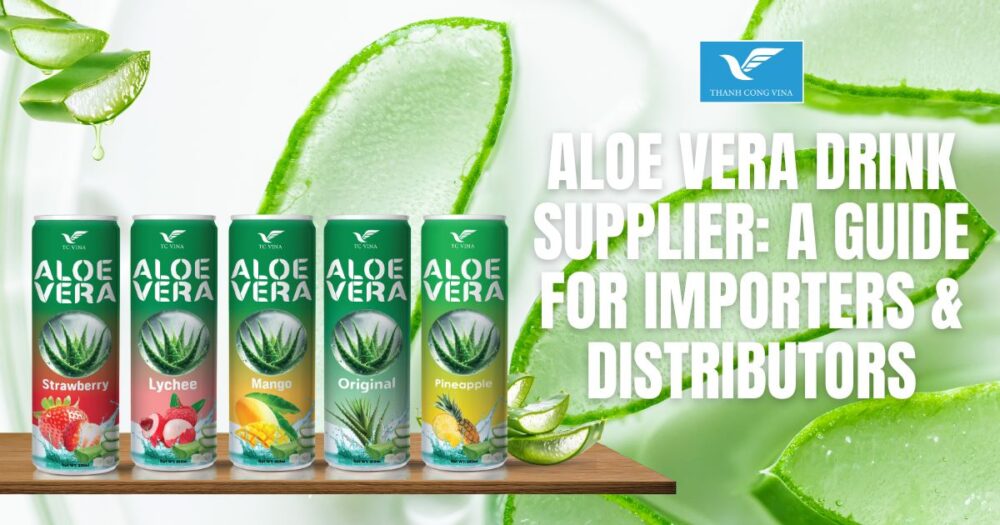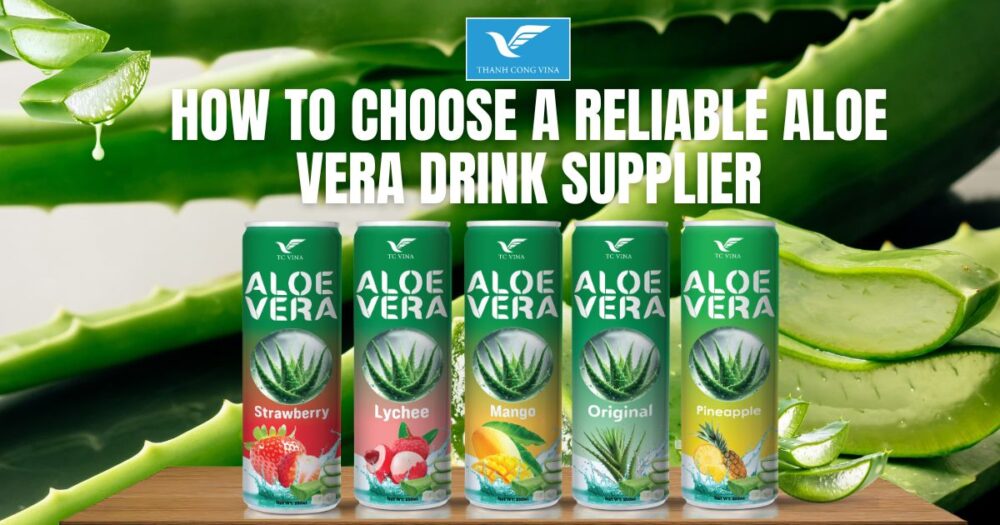

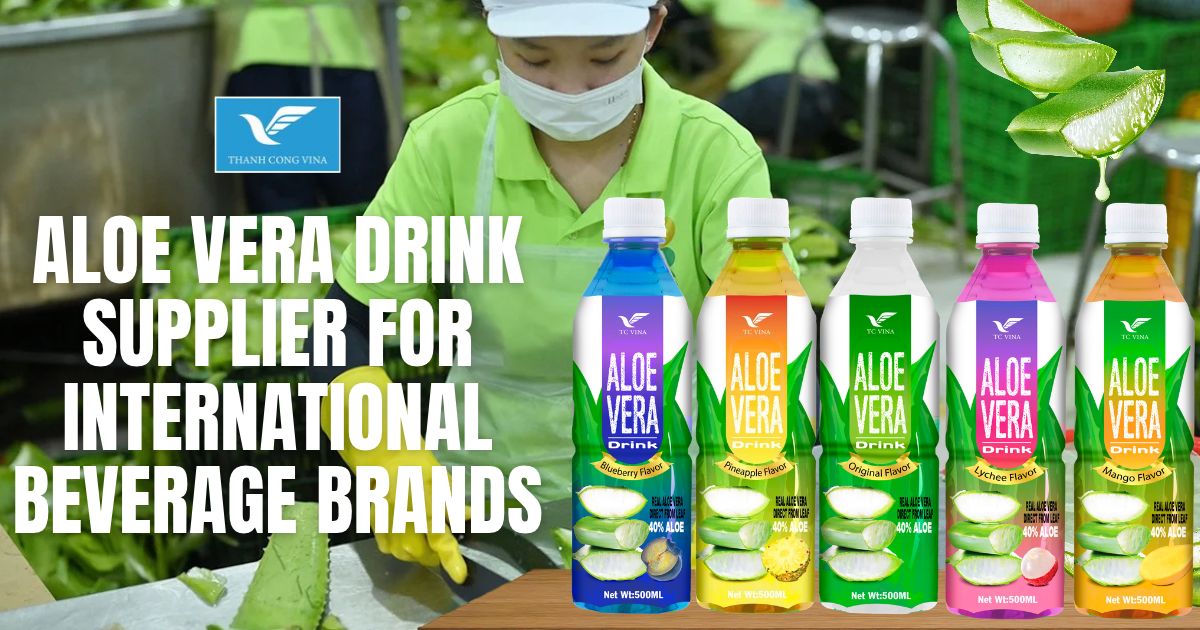
For importers, distributors, retailers, and private-label businesses, choosing a reliable Aloe Vera Drink Supplier is an important step toward developing a competitive product line and maintaining consistent product quality across international markets.
A successful sourcing partnership involves more than finding a manufacturer that can produce bottled drinks. Buyers need to evaluate ingredient specifications, formulation flexibility, packaging options, food safety systems, production capacity, and export coordination. These factors influence product consistency, commercial performance, and the ability to build long-term customer relationships.
Vietnam offers opportunities for international beverage businesses seeking manufacturing partners for aloe vera drinks and other fruit-based beverages. By working with an experienced beverage manufacturer such as Thanh Cong Vina, buyers can explore product development, OEM manufacturing, and private-label solutions designed around their brand positioning, target consumers, and market requirements.
1. Why International Brands Are Expanding Their Aloe Vera Beverage Portfolios
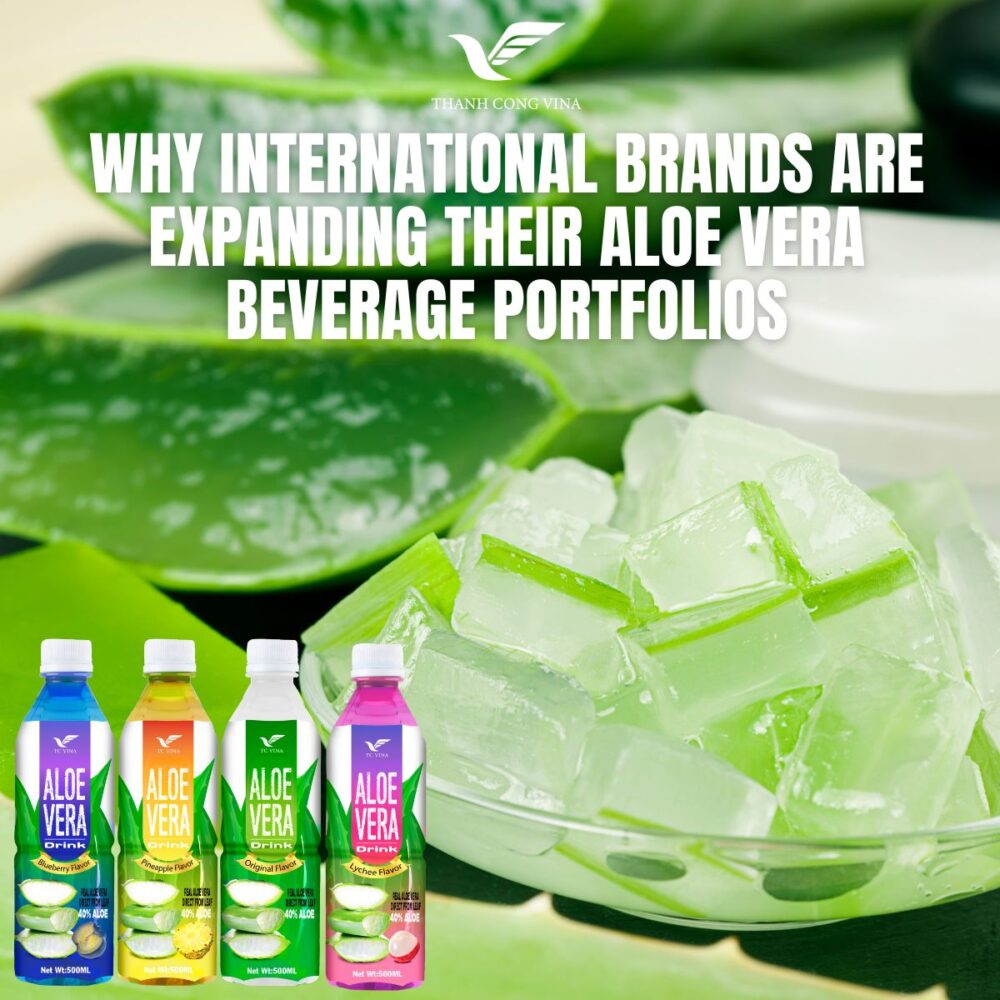
Why International Brands Are Expanding Their Aloe Vera Drink Supplier Beverage Portfolios
Aloe vera supplier beverages offer beverage companies an opportunity to introduce products with a distinctive appearance, texture, and flavor profile. Depending on the formulation, these drinks can combine aloe vera pieces or pulp with a refreshing liquid base and fruit-inspired flavors. This versatility makes them suitable for different retail channels, from supermarkets and convenience stores to specialty beverage shops and foodservice businesses.
For international brands, product differentiation is particularly important in competitive beverage categories. Consumers can encounter numerous similar fruit drinks on store shelves, so businesses often seek products that provide a recognizable visual identity and a different drinking experience.
Meeting Demand for Product Variety
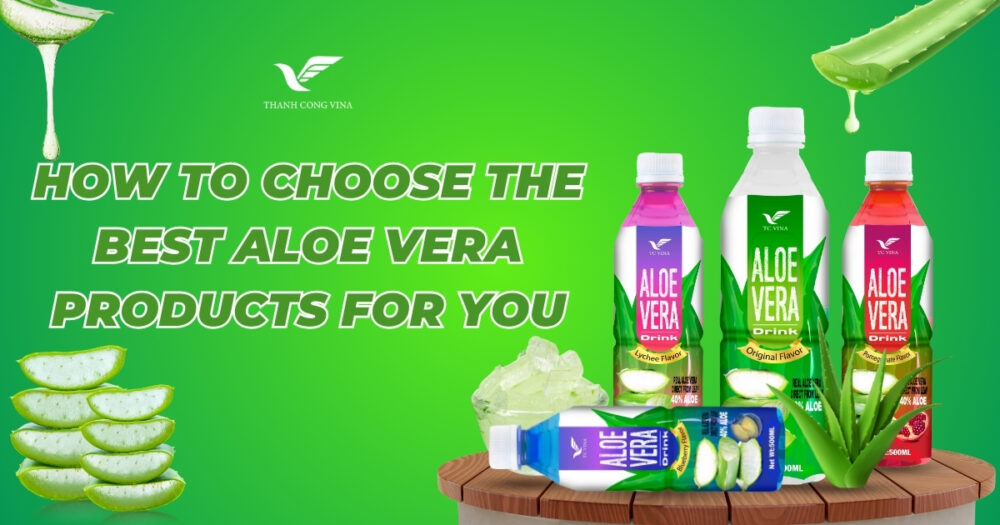
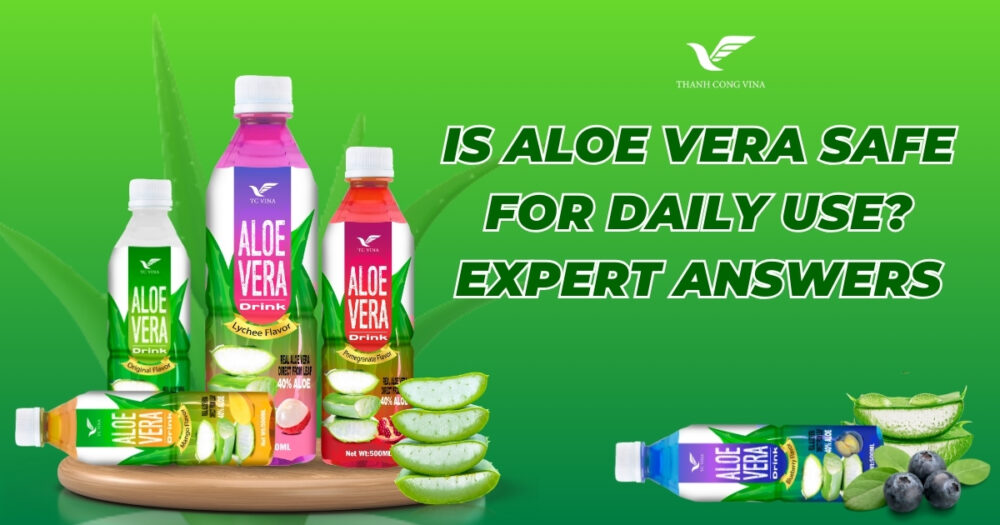
Aloe vera beverages can be developed in multiple flavor directions, including original, mango, peach, lychee, and blueberry. The most suitable selection depends on local preferences, purchasing behavior, and the positioning of the brand.
For example, a distributor serving a market with strong demand for tropical flavors may prioritize mango or peach variants. A retailer targeting consumers who prefer lighter fruit profiles may consider lychee or original aloe vera drinks. Offering several flavors can also help buyers evaluate demand before expanding their product range.
However, flavor selection should be based on commercial research rather than assumptions about universal consumer preferences. Sampling, retailer feedback, and small-scale market testing can help determine which variants deserve greater investment.
Creating a Distinctive Consumer Experience
The texture of an aloe vera beverage can be an important part of its identity. Depending on the product specification, aloe vera pieces may provide a different mouthfeel from conventional juice drinks. Their size, distribution, and consistency should therefore be evaluated during product development.
Brands should also consider sweetness, acidity, aroma, color, and overall balance. A beverage designed for one market may require adjustments for another, particularly where consumer expectations for sweetness or flavor intensity differ.
The goal is to create a product that meets the brand’s positioning while remaining consistent from batch to batch. A clearly defined product specification helps the manufacturer understand these expectations and reproduce the approved formulation.
2. How to Choose the Right Aloe Vera Drink Supplier
Selecting a manufacturing partner requires a structured assessment of technical capability, communication, quality management, and commercial reliability. An attractive quotation is not enough to establish whether a supplier can support a brand throughout its product lifecycle.
International buyers should evaluate potential partners against a consistent checklist before requesting final pricing or committing to a large production order.
Assess Manufacturing and Product Development Capabilities
Start by reviewing the supplier’s beverage portfolio, available packaging formats, product development process, and experience with export-oriented manufacturing. Buyers should determine whether the manufacturer can produce the required aloe vera beverage specification or whether the project would require additional development.
Important questions include:
- Can the supplier produce the requested flavor and aloe vera content?
- Can it accommodate the required packaging format and product volume?
- Is there a process for developing and approving samples?
- Can the manufacturer provide written product specifications?
- Are minimum order quantities suitable for the brand’s launch strategy?
- Can production planning support anticipated repeat orders?
The answers should be supported by documentation and clear communication. Buyers should also distinguish between capabilities already available and options that would require new formulation work, packaging procurement, or technical validation.
Review Quality Systems and Traceability
Quality assurance is essential when sourcing beverages for international distribution. Buyers should request relevant information about raw material inspection, production controls, finished-product testing, batch identification, and complaint handling.
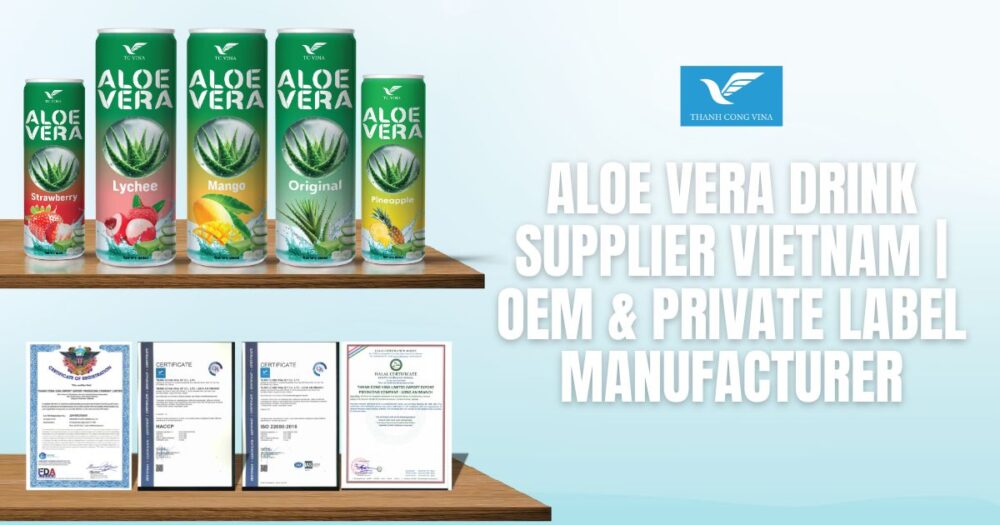
Where applicable, review the manufacturer’s food safety certifications and confirm their validity, scope, issuing body, and relevance to the specific production facility and product category. Certification claims should be verified rather than accepted solely on the basis of marketing materials.
Traceability is equally important. A reliable system should allow relevant production batches and ingredient records to be identified when an investigation or product recall becomes necessary. Before placing an order, buyers should clarify what documentation will accompany each shipment and how quality-related issues will be handled.
3. Product Formulation, Ingredients, and Quality Consistency
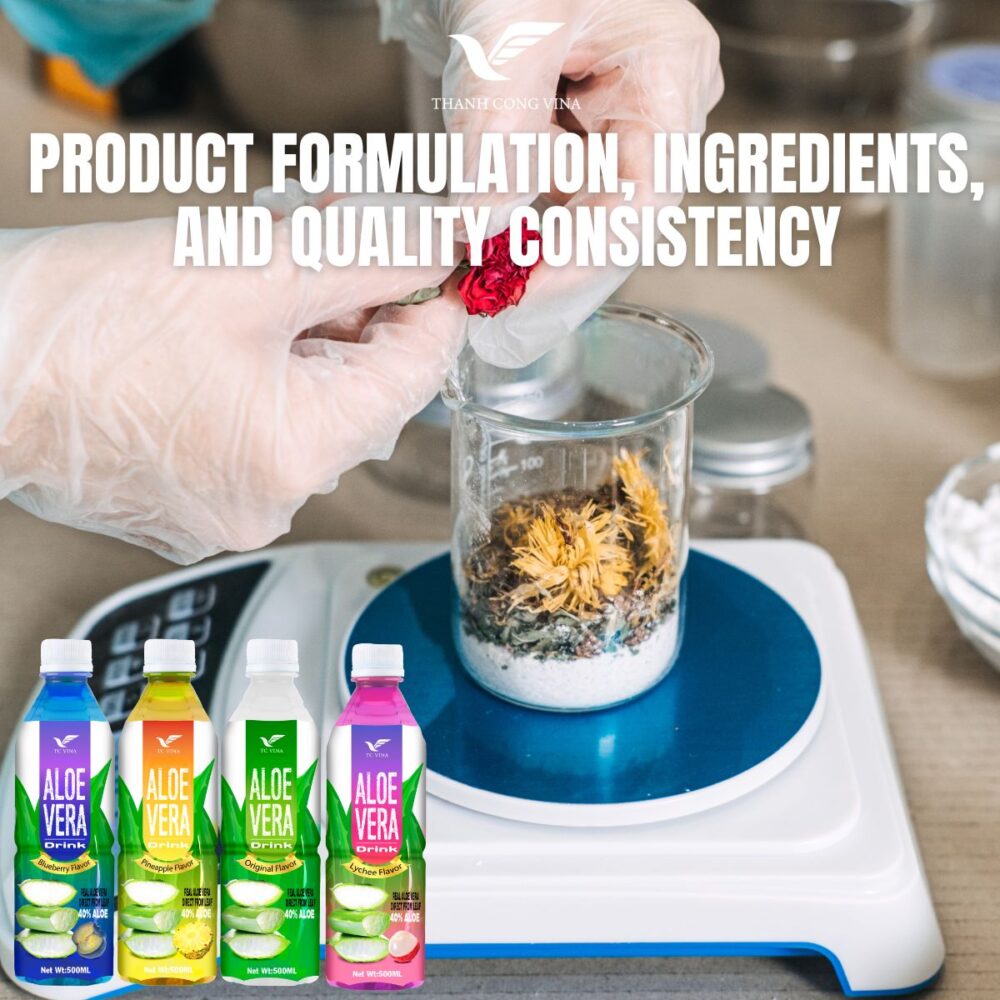
Product Formulation, Ingredients, and Quality Consistency
Aloe vera beverage quality depends on the interaction between ingredients, formulation, processing, packaging, and storage conditions. Even when two products use similar flavors, differences in aloe vera preparation, sweetness, acidity, and texture can create noticeably different consumer experiences.
International beverage brands should define their product requirements before moving into commercial production. A detailed specification reduces misunderstandings and provides a shared reference for sampling, manufacturing, and quality approval.
Establish Clear Ingredient and Product Specifications
The product specification should identify the intended ingredient composition and measurable quality parameters. Depending on the formulation, these may include aloe vera content, ingredient declarations, flavor profile, sweetness, acidity, color, and the physical characteristics of aloe vera pieces.
Buyers should also clarify whether the product is intended to contain aloe vera pulp, pieces, juice, or another permitted ingredient form. These are not interchangeable descriptions, and labeling should accurately reflect the actual formulation.
Ingredient documentation may include supplier specifications, ingredient statements, allergen information where applicable, and other records required for regulatory assessment. Any proposed ingredient substitution should be reviewed and approved before production.
Maintain Consistency Between Samples and Commercial Batches
A sample is useful only when the manufacturer can reproduce the approved characteristics at commercial scale. During the sampling stage, buyers should assess flavor, aroma, texture, appearance, packaging, and any other product attributes important to the brand.
The approval process should be documented. Retained reference samples, signed specifications, and agreed acceptance criteria can help reduce disputes if a later batch differs from expectations.
Manufacturers should also explain how they monitor production parameters and manage deviations. For aloe vera beverages, the physical characteristics of the aloe vera pieces and their distribution throughout the product may be particularly important. Suitable controls must be established according to the formulation, processing method, and packaging system.
Commercial production should begin only after the buyer and manufacturer agree on the applicable specifications, testing requirements, and release criteria.
4. OEM and Private Label Solutions for Global Beverage Brands
OEM and private-label manufacturing enable businesses to introduce aloe vera beverages under their own brand identities without building and operating their own beverage production facilities. The exact scope of support varies by manufacturer, so buyers should confirm which services are available before selecting a partner.
Developing Products Around Brand Requirements
An OEM project may involve manufacturing a buyer’s established formulation, while other projects may require collaboration on flavor development, ingredient selection, or packaging. Private-label arrangements can provide a pathway for businesses that want to launch products using an agreed manufacturing solution and their own branding.
Before development begins, brands should prepare a product brief covering target markets, consumer segments, preferred flavors, packaging size, target price range, expected order volume, and required certifications or regulatory documentation.
This information helps the manufacturer evaluate feasibility and identify potential limitations early. It also makes quotation comparisons more meaningful because suppliers can assess the same product requirements.
Packaging and Brand Presentation
Packaging affects shelf visibility, transportation, consumer convenience, and the overall perception of a beverage. Depending on the manufacturer’s available capabilities, buyers may consider cans, PET bottles, glass bottles, or other suitable formats.
The selection should account for the product’s characteristics, distribution conditions, shelf-life requirements, and destination-market regulations. Artwork and labels must also provide the required product information in the appropriate languages and formats.
International brands should confirm label dimensions, printing specifications, minimum packaging quantities, lead times, and approval procedures before mass production. Changes to artwork or packaging materials after purchasing commitments have been made can increase costs and delay delivery.
A well-managed private-label project aligns product development, packaging design, regulatory review, and production scheduling from the beginning.
5. Food Safety, Regulatory Compliance, and Export Documentation
Food Safety, Regulatory Compliance, and Export Documentation
For international beverage businesses, product compliance must be considered before manufacturing rather than treated as a final administrative task. Different countries and regions may have specific requirements for ingredients, labeling, food additives, nutritional declarations, permitted claims, and imported food products.
A manufacturing partner can support documentation and product information, but the importer or brand owner must confirm the rules that apply in the destination market.
Verify Destination-Market Requirements
Buyers should identify the relevant regulatory framework before approving the formulation and packaging. Depending on the destination, requirements may cover ingredient permissions, nutrition labeling, language, date marking, lot identification, packaging materials, and import documentation.
Health-related statements deserve particular attention. Aloe vera is often associated with wellness in consumer marketing, but brands should not assume that a product can legally make medicinal, therapeutic, or other health claims. Claims must be supported and permitted under the applicable regulations.
Buyers should work with qualified regulatory professionals when necessary and ensure that the final label reflects the approved product composition.
Prepare the Required Export Documents
Documentation requirements depend on the product, destination, shipping arrangement, and applicable trade rules. Common commercial shipping documents may include a commercial invoice, packing list, transport document, and certificate of origin where applicable. Food-related certificates or additional supporting records may also be required.
Before production, the buyer and supplier should agree on who will prepare each document, which details must appear on it, and when the documents will be provided.
Product specifications, ingredient declarations, quality records, and applicable certificates should be reviewed for consistency with the shipment. Clear responsibilities reduce the risk of avoidable customs delays, documentation discrepancies, and unexpected costs.
6. Packaging, Shelf Life, and International Supply Chain Planning
A beverage that performs well during local distribution may face different challenges when transported internationally. Shipping duration, temperature exposure, handling conditions, storage practices, and warehouse management can all influence product quality and commercial performance.
For this reason, packaging and logistics should be evaluated together rather than as separate purchasing decisions.
Confirm Shelf Life and Storage Conditions
Shelf life should be established for the actual product formulation and packaging system through appropriate validation. Buyers should request supporting information about storage conditions, product stability, and the basis for the stated shelf life.
It is important not to assume that every aloe vera drink has the same storage requirements. The suitable processing method and packaging depend on the product’s formulation and the manufacturer’s validated production system.
Brands should also confirm how the product should be stored during transportation and after arrival. These details influence warehouse planning, inventory rotation, and the amount of remaining shelf life available when products reach retailers.
Coordinate Production and Shipping Schedules
International orders require coordination between ingredient availability, packaging procurement, production capacity, quality release, and freight arrangements. Buyers should request a realistic timeline covering each stage rather than relying only on an estimated manufacturing duration.
Minimum order quantities and lead times should be assessed against expected sales. Ordering too much inventory can tie up working capital and increase the risk of slow-moving stock, while ordering too little may lead to stockouts or repeated freight expenses.
A practical supply plan includes a demand forecast, reorder point, buffer stock where appropriate, and a communication process for unexpected delays. For new products, a controlled initial order can help brands assess market response before committing to larger volumes.
7. Building a Long-Term Partnership with Thanh Cong Vina
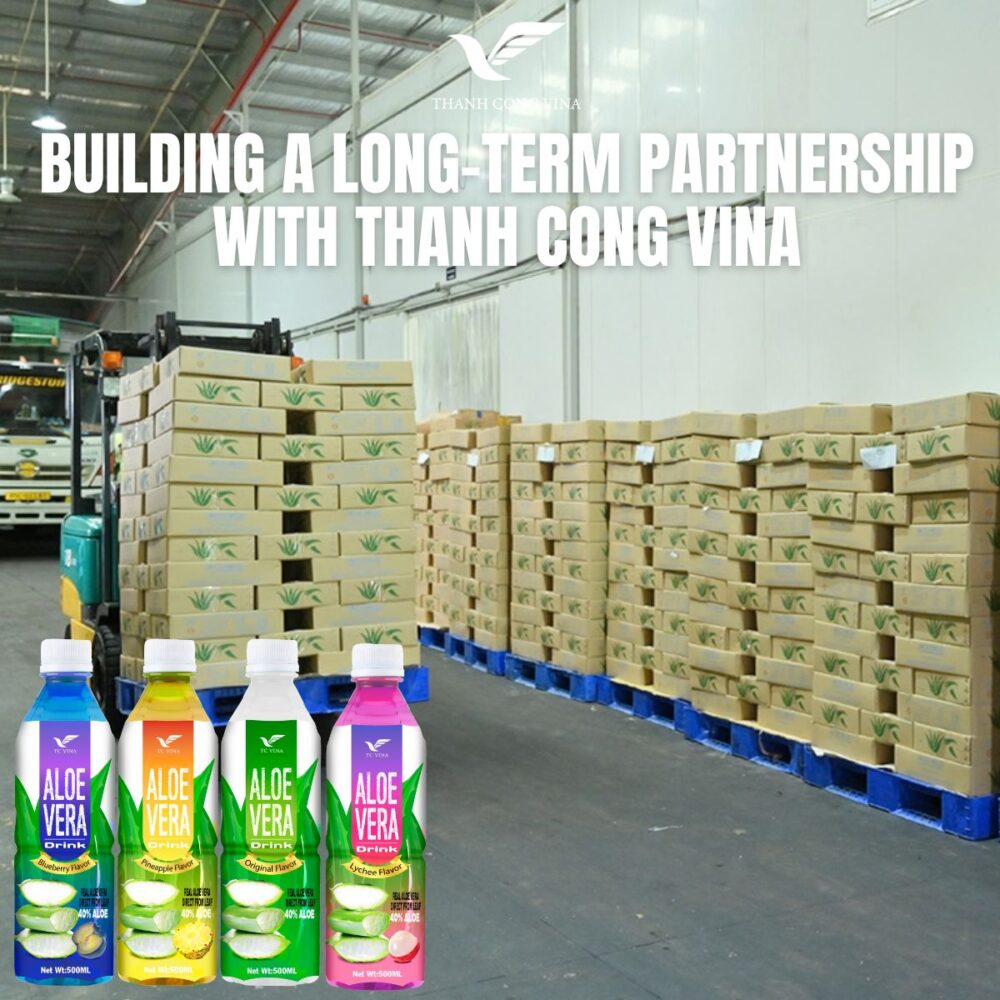
Building a Long-Term Partnership with Thanh Cong Vina
A dependable beverage manufacturing relationship should support both immediate purchasing needs and future business development. For international brands, the right partner is one that communicates clearly, understands product specifications, manages production requirements, and provides the information needed for informed commercial decisions.
Thanh Cong Vina serves the beverage manufacturing market with product categories that include fruit-based drinks and aloe vera beverages. Buyers exploring OEM, ODM, or private-label opportunities can discuss their intended product range, flavor preferences, packaging requirements, and target markets to determine whether a project is suitable.
Prepare an Effective Supplier Inquiry
To receive a more accurate assessment and quotation, buyers should provide a concise project brief. This should include the intended aloe vera beverage type, preferred flavors, packaging format, estimated order quantity, destination country, target launch date, and any known regulatory or certification requirements.
It is also useful to specify whether the buyer already has an approved formulation or needs assistance with product development. This distinction affects the sampling process, technical discussions, and expected timeline.
After receiving a proposal, compare suppliers using consistent criteria: product suitability, quality documentation, packaging options, order flexibility, production lead time, communication, and total delivered cost. Request clarification wherever a quotation leaves important requirements undefined.
A long-term relationship develops through clear expectations, documented approvals, reliable follow-up, and regular performance reviews. Establishing these practices at the beginning helps both parties manage growth more effectively.
Conclusion
Selecting an Aloe Vera Drink Supplier is a strategic decision for international beverage brands seeking product differentiation, reliable manufacturing, and sustainable market expansion. Buyers should evaluate ingredient quality, formulation consistency, OEM and private-label capabilities, packaging suitability, food safety systems, regulatory documentation, and export logistics before committing to commercial production. A structured supplier assessment helps reduce avoidable risks while ensuring that the finished beverage aligns with brand expectations and destination-market requirements.
For businesses exploring aloe vera beverages from Vietnam, Thanh Cong Vina provides a starting point for discussing beverage manufacturing opportunities and potential product configurations. By sharing clear specifications, target market information, packaging preferences, and projected order volumes, buyers can establish a more productive sourcing process. Thanh Cong Vina encourages international partners to assess project requirements carefully and confirm product capabilities, documentation, and commercial terms before placing an order. With transparent communication and a well-defined quality process, brands can build a stronger foundation for introducing aloe vera beverages and developing long-term relationships with their customers.