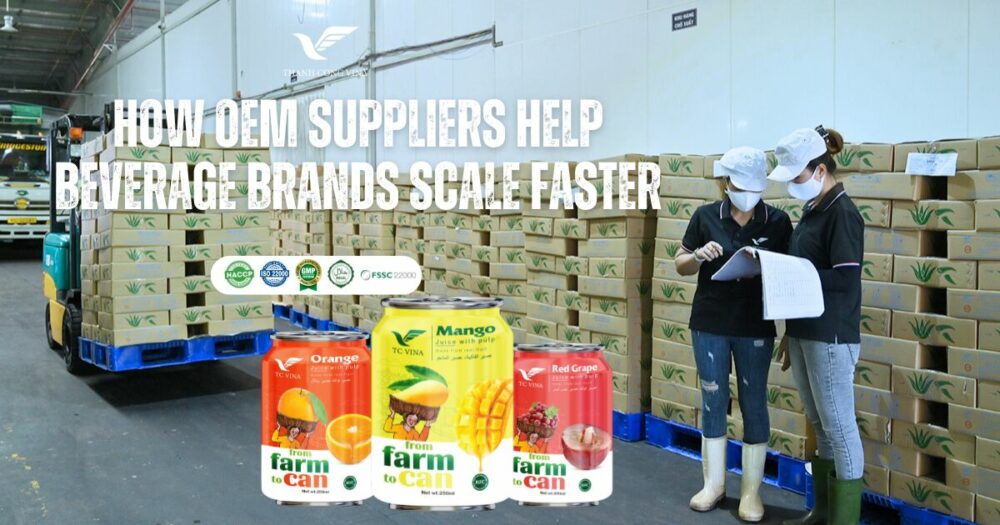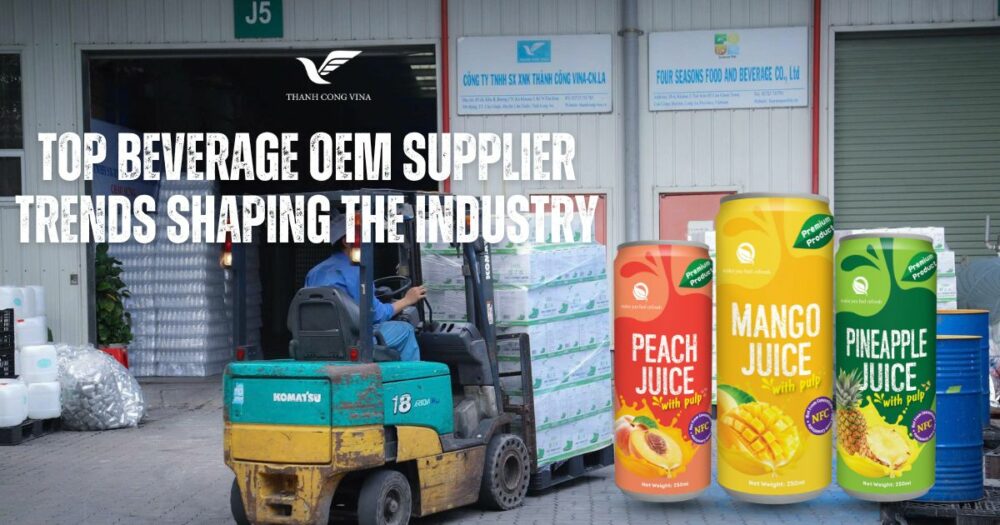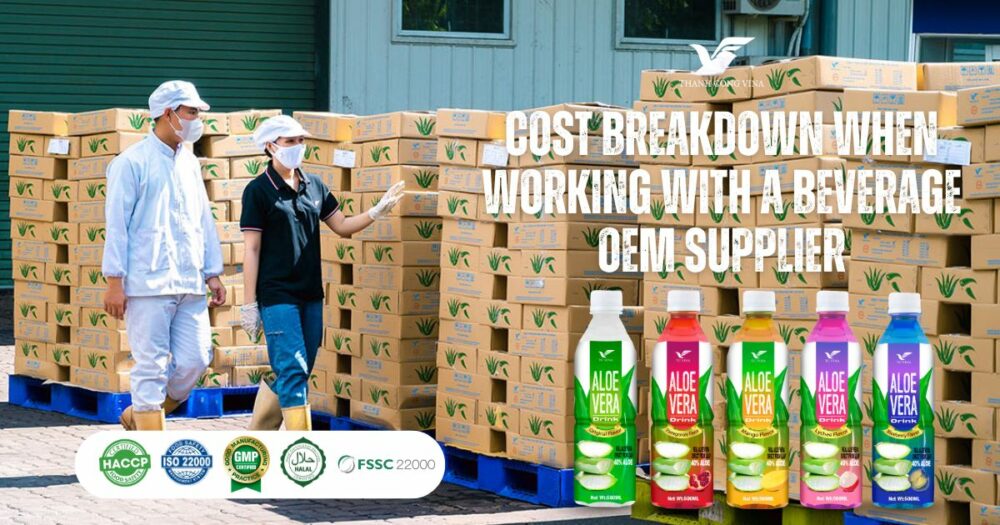


Launching a beverage brand is an exciting opportunity, especially for startups entering today’s fast-growing industry driven by consumer demand for healthier, more diverse, and innovative drink options. However, building a beverage factory, investing in machinery, and hiring technical staff require significant capital and operational expertise—something many startups simply do not have in the early stages. This is why partnering with a professional Beverage OEM Supplier has become a strategic solution that allows small and emerging brands to compete on a global scale.
By outsourcing production, startups can access advanced technology, certified facilities, and experienced R&D teams without the heavy financial burden of manufacturing infrastructure. At the same time, they maintain full control over branding, marketing, and distribution. This comprehensive guide explores everything startups need to know before outsourcing to a Beverage OEM Supplier, helping them make informed decisions and avoid common challenges in the beverage development process.
1. Understanding the Role of a Beverage OEM Supplier
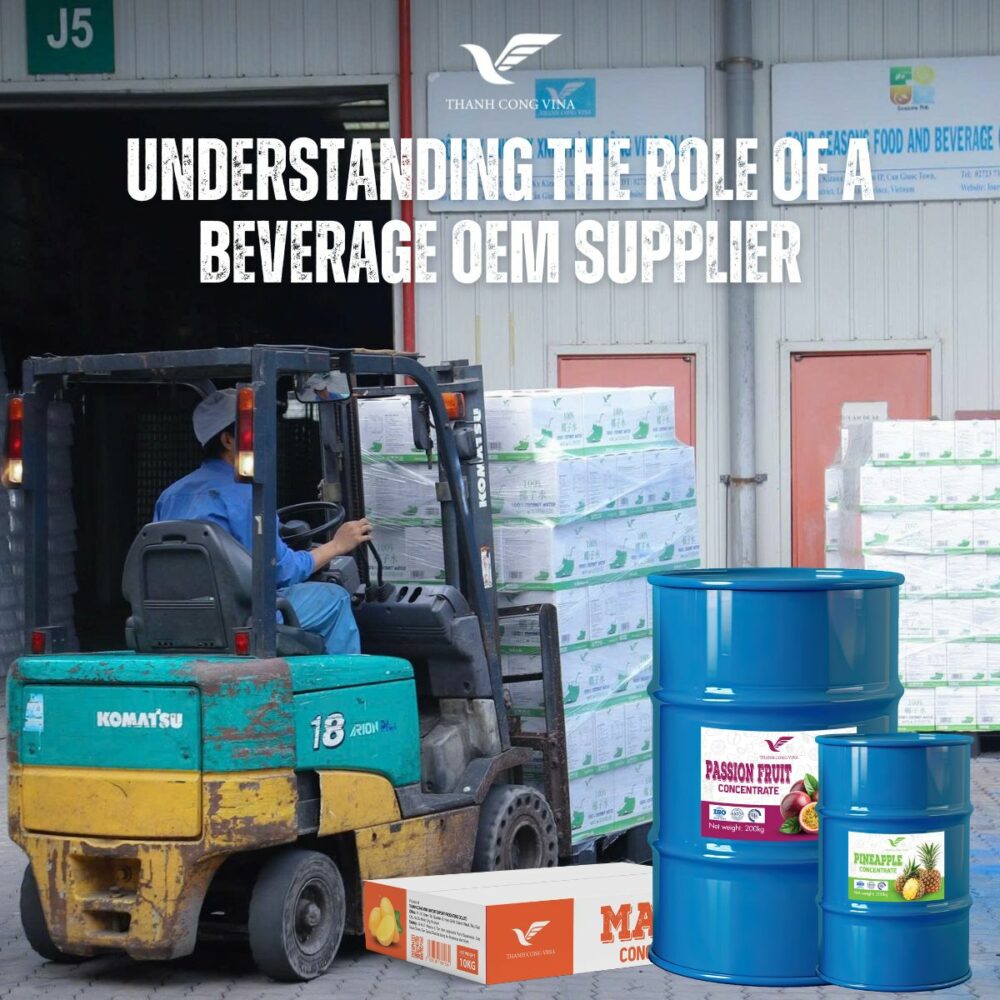
Understanding the Role of a Beverage OEM Supplier
What OEM Manufacturing Means for Beverage Startups
A Beverage OEM Supplier offers complete manufacturing services for brands that do not own production facilities. OEM providers help startups produce their beverage recipes by handling all technical and operational aspects—from formulation to packaging and logistics. Startups can choose to provide their own formulas or collaborate with the supplier’s R&D department to develop new concepts.
This manufacturing model allows emerging brands to bring high-quality beverages to market quickly and cost-effectively. With OEM support, small companies can scale production without being limited by equipment, labor, or regulatory requirements. For startups with limited financial resources, this model reduces risks and accelerates launch timelines.
How OEM Production Differs From In-House Manufacturing
In-house manufacturing requires full ownership of machinery, staffing, and facility management. Startups must also handle raw material sourcing, certifications, quality control, and maintenance. In contrast, outsourcing to a Beverage OEM Supplier eliminates most of these responsibilities. The supplier operates fully equipped factories with established systems, allowing startups to focus on branding, sales, and distribution instead of operational complexity. While in-house production may offer complete control, OEM outsourcing provides scalability, flexibility, and reduced overhead costs, making it the preferred choice for new beverage brands.
Types of Beverages OEM Suppliers Commonly Produce
Most OEM suppliers specialize in a wide range of beverage categories, giving startups freedom to experiment with multiple product lines. Common categories include fruit juices, coconut water, sparkling drinks, detox beverages, energy drinks, functional drinks, tea-based beverages, coffee drinks, and flavored water. Some OEM facilities also offer specialty categories such as collagen beverages, vitamin-infused drinks, herbal tonics, sports drinks, and plant-based alternatives. This diversity enables startups to launch unique formulations tailored to their target market.
2. Benefits of Working With a Beverage OEM Supplier
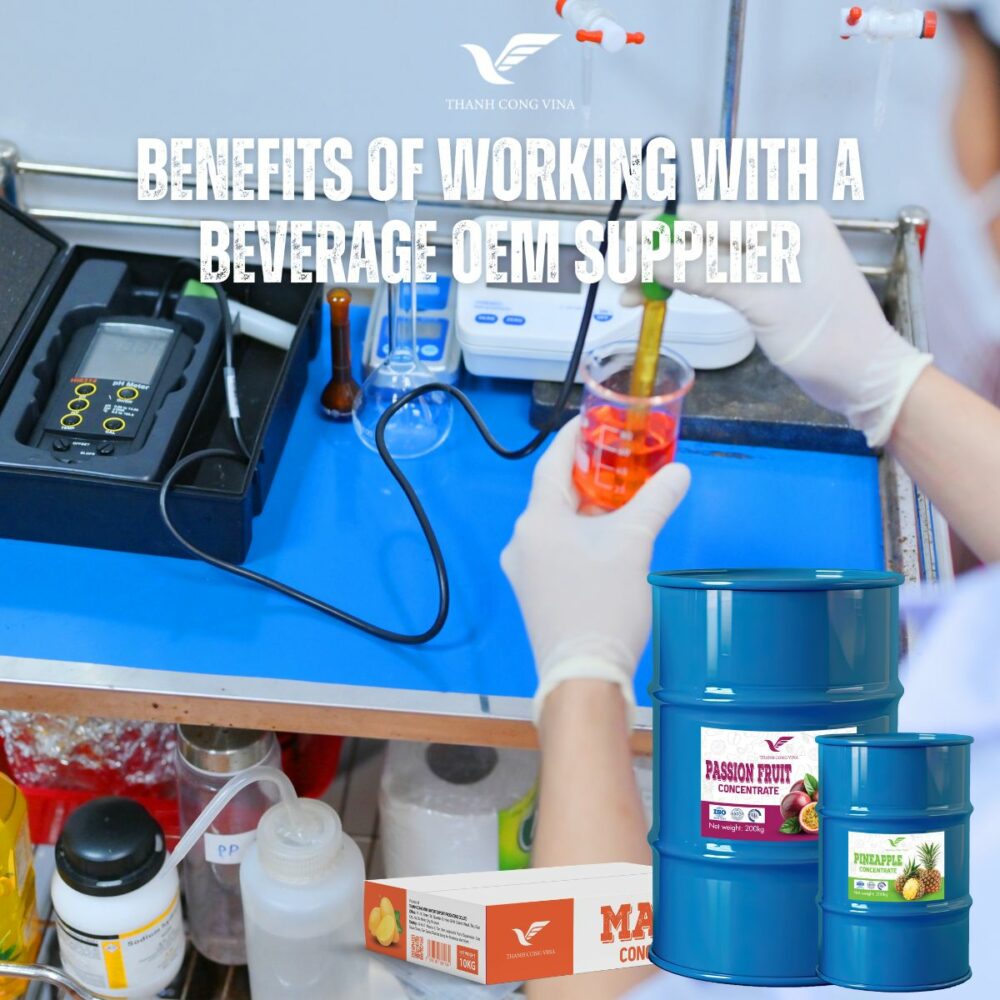
Benefits of Working With a Beverage OEM Supplier
Reduced Capital Investment and Financial Risk
Building a beverage factory can cost millions of dollars, especially when accounting for equipment, utilities, staff training, and certifications. Startups rarely have such resources, making OEM outsourcing a strategic solution. A Beverage OEM Supplier allows brands to pay for production based on order quantity, minimizing upfront investment. Startups can launch their beverage with manageable financial risk and reinvest savings into product development, marketing campaigns, and distribution networks.
Access to Expert R&D and Creative Product Development
For many startups, formulation is one of the most challenging stages. Experienced OEM R&D teams provide flavor development, nutritional analysis, stability testing, and ingredient research. They help startups create refined flavor profiles that appeal to consumer preferences and meet export regulations. In addition, they can advise on the latest industry trends, such as reduced-sugar formulations, functional beverage enhancement, and natural flavor solutions. With their technical support, startups can develop premium beverages without hiring internal scientists or technologists.
Faster Time-to-Market and Scalable Production
A major benefit of leveraging a Beverage OEM Supplier is the ability to launch products quickly. Because OEM facilities already have equipment and processes in place, production can begin immediately after formulation approval. Startups gain a competitive advantage by getting their products onto shelves faster, especially in rapidly growing drink categories. As demand increases, OEM partners can scale production efficiently without delaying supply, ensuring the brand remains competitive.
3. The OEM Beverage Production Process Explained
Step 1 – Formulation Development and Pilot Testing
The first stage involves developing the beverage concept. Startups discuss their flavor goals, nutritional requirements, and product positioning with the R&D team. The Beverage OEM Supplier then creates sample formulas and conducts laboratory testing to evaluate sweetness, acidity, mouthfeel, and stability. After the startup selects a final formula, the supplier conducts pilot production to test how the product behaves in real manufacturing conditions. This step is crucial to ensure consistent taste and shelf life.
Step 2 – Ingredient Sourcing, Processing, and Quality Control
Once the formula is finalized, the supplier sources raw materials from verified farms or global distributors. All ingredients undergo rigorous quality checks for safety and compliance. During production, the beverage mixture goes through pasteurization, sterilization, blending, and filtration depending on the product type. Quality control teams monitor pH, nutrient retention, color, aroma, and microbial levels. These controlled processes ensure that each batch meets the startup’s standards and regulatory requirements.
Step 3 – Packaging, Labeling, and Final Inspection
After production, the beverage moves into filling lines where bottles, cans, or pouches are filled and sealed. Startups can choose custom bottle shapes, label designs, and packaging finishes. The OEM supplier prints batch codes and conducts leak tests, pressure checks, and optical inspections. Before shipping, the final products undergo stability testing to verify their shelf life and integrity. Only after passing these evaluations do they proceed to packaging and delivery.
4. What Startups Must Consider Before Choosing a Beverage OEM Supplier
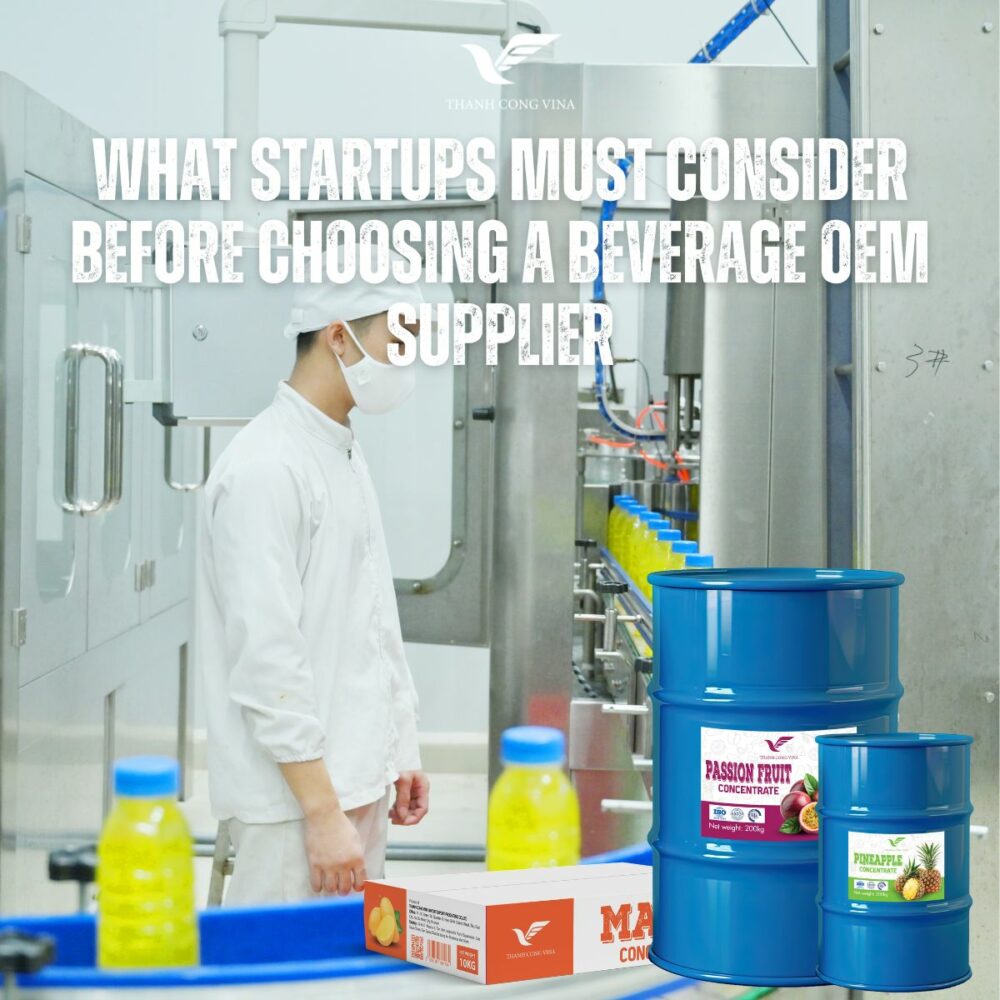
What Startups Must Consider Before Choosing a Beverage OEM Supplier
Certifications, Compliance, and Safety Standards
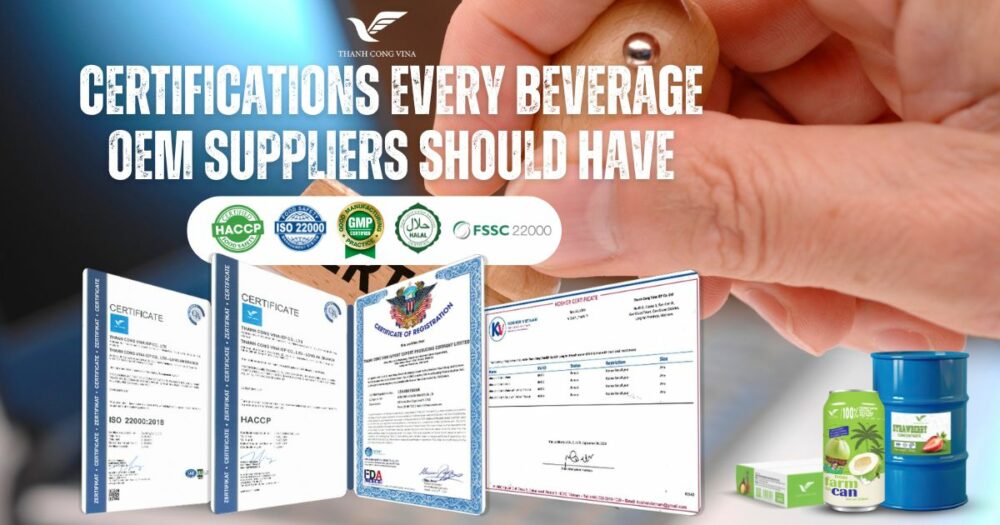
A reputable supplier must hold recognized certifications such as ISO, HACCP, HALAL, GMP, and FDA registration. These certifications confirm that the factory meets global food safety standards. Startups should also investigate whether the supplier adheres to strict sanitation practices, ingredient testing protocols, and traceability systems. Choosing a certified Beverage OEM Supplier reduces legal risks and ensures consumer safety.
Production Capacity, Technology, and Scalability
Startups must evaluate whether the supplier can handle both small pilot batches and large commercial orders. Facilities with automated filling lines, advanced heating systems, and real-time monitoring technology ensure consistent quality and faster output. Scalability is vital; as the startup grows, the supplier must be able to increase production without compromising timelines or quality.
Communication, Transparency, and Project Management
Clear communication is essential when outsourcing. Startups should choose an OEM partner that provides transparent pricing, detailed timelines, and regular project updates. Effective communication minimizes misunderstandings during formulation development, packaging design, and production planning. A strong Beverage OEM Supplier will assign dedicated support teams to manage the project from concept to delivery.
5. Common Challenges Startups Face When Outsourcing Production
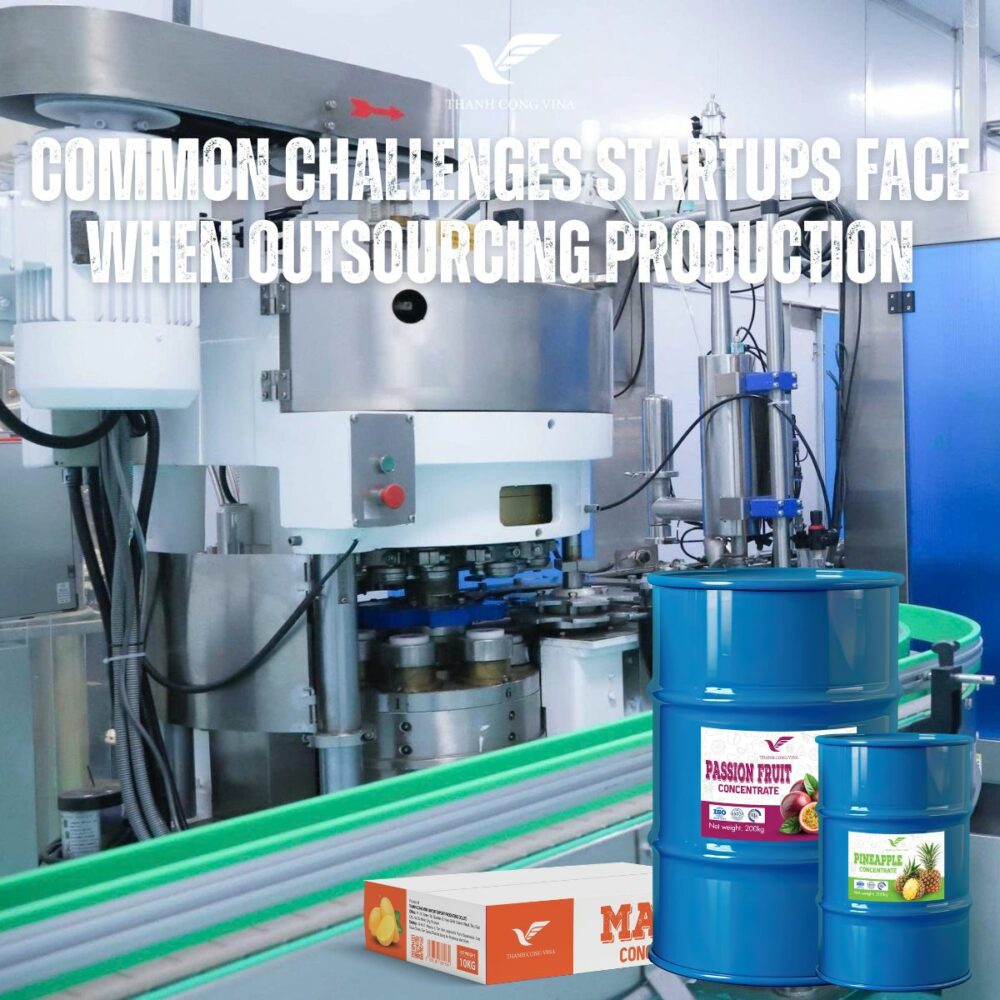
Common Challenges Startups Face When Outsourcing Production
Limited Control Over Manufacturing and Adjustments
Outsourcing means startups must rely heavily on the supplier for operational decisions. While this saves time and investment, it also limits direct oversight. Startups may face challenges when requesting last-minute changes or adjustments during production. Therefore, choosing an OEM partner with flexible processes and clear communication channels is critical.
Minimum Order Quantity (MOQ) Constraints
Many suppliers require MOQs to cover production costs. These requirements may be high for startups launching multiple SKUs or testing new markets. A suitable Beverage OEM Supplier should offer reasonable MOQs or offer pilot-scale production options. Negotiating MOQ early helps startups plan inventory and budget effectively.
Intellectual Property and Formula Ownership
Startups must clarify whether they retain full ownership of their formula or if the supplier holds shared rights. Contracts should include confidentiality agreements and IP protection clauses. A trustworthy supplier will respect formula ownership and ensure that proprietary recipes remain confidential.
6. Tips for Startups to Maximize Success With an OEM Partnership
Have a Clear Brand Strategy Before Production
Before outsourcing, startups must understand their target audience, brand identity, and product positioning. OEM suppliers can help refine formulas, but they rely on the startup’s brand direction. Clear positioning ensures the product aligns with market expectations and stands out among competitors.
Choose Packaging That Supports Your Marketing Goals
Packaging plays a major role in consumer perception. Startups should select packaging materials that communicate quality, sustainability, or innovation based on their brand values. A good Beverage OEM Supplier offers multiple formats such as PET, glass, aluminum cans, and eco-friendly options. The right packaging enhances shelf visibility and improves customer recognition.
Evaluate Long-Term Growth Potential With the Supplier
Instead of focusing solely on price, startups should assess the supplier’s long-term partnership potential. This includes production scalability, responsiveness, technical expertise, and commitment to innovation. A supplier invested in long-term collaboration contributes to stable growth and consistent product quality.
Conclusion
Outsourcing production to a trusted Beverage OEM Supplier is a powerful strategy for startups entering the competitive global beverage market. With professional support in formulation, manufacturing, packaging, and quality assurance, startups can launch products efficiently while minimizing financial risk. A reliable OEM partner also provides access to advanced technology, certified facilities, and experienced R&D teams—resources that many new brands cannot build on their own.
As the beverage industry continues to evolve, startups that collaborate with skilled suppliers will be better positioned to innovate and scale quickly. For brands seeking a dependable partner, TCVina offers comprehensive OEM and ODM services that support product development from concept to export. With strong manufacturing capabilities and international certifications, Thanh Cong Vina Beverage stands as a long-term strategic partner for startups aiming to grow their presence locally and globally.