
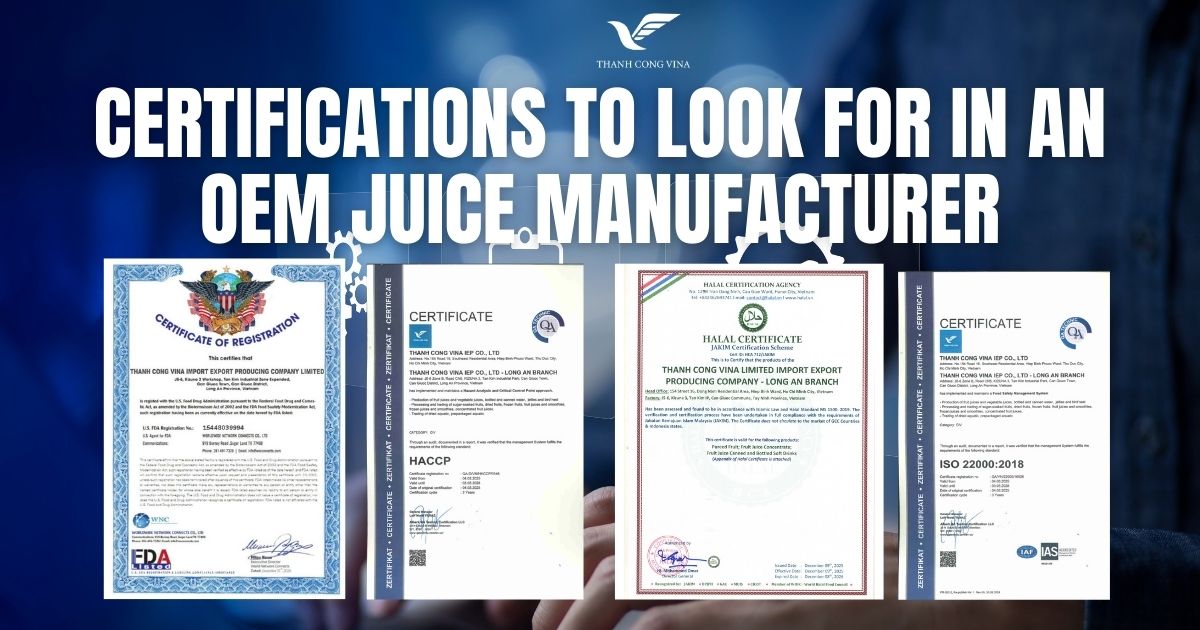
Choosing the right OEM Juice Manufacturer is one of the most critical decisions a beverage brand can make, especially in a global market where quality, safety, and compliance directly affect brand reputation and long-term growth. As consumer awareness around food safety, clean labels, and regulatory transparency increases, certifications are no longer optional—they are essential proof of credibility and operational excellence.
For beverage brands planning to outsource production, certifications act as a risk-reduction tool. They verify that an OEM Juice Manufacturer follows standardized processes, maintains consistent quality, and complies with international food safety regulations. More importantly, certified manufacturers help brands gain easier access to export markets, retail chains, and private-label partnerships. This article provides a comprehensive guide to the most important certifications to look for in an OEM Juice Manufacturer and explains how each certification contributes to product safety, scalability, and market readiness.
1. Why Certifications Matter in OEM Juice Manufacturing
Certifications are formal validations issued by independent organizations to confirm that a manufacturer meets specific operational, safety, and quality standards. In the juice industry, certifications protect both brands and consumers from risks related to contamination, inconsistent quality, and regulatory violations.
Reducing Business and Legal Risks
An OEM Juice Manufacturer with recognized certifications demonstrates systematic control over raw materials, production processes, and finished products. This significantly reduces the risk of recalls, non-compliance penalties, and reputational damage. Certified manufacturers also maintain traceability systems, making it easier to identify and address issues quickly.
Building Trust with Distributors and Retailers
Retailers, importers, and distributors increasingly require certification documentation before onboarding new beverage brands. Working with a certified OEM Juice Manufacturer strengthens credibility and shortens approval timelines, especially when entering regulated markets such as the EU, the United States, or the Middle East.
2. ISO 22000: The Foundation of Food Safety Management
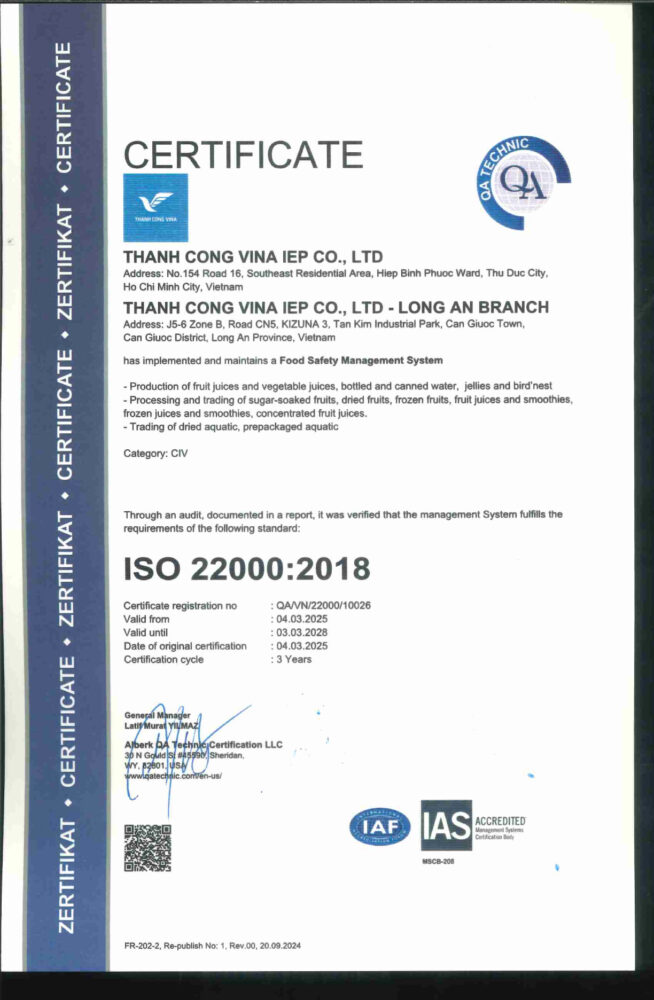
ISO 22000: The Foundation of Food Safety Management
ISO 22000 is one of the most widely recognized food safety management system standards worldwide. It integrates food safety principles with structured management processes, making it essential for juice manufacturers operating at scale.
What ISO 22000 Covers
ISO 22000 focuses on hazard analysis, risk prevention, and continuous monitoring throughout the production chain. It requires OEM manufacturers to document procedures, train staff, and regularly audit their food safety systems. This ensures consistent implementation rather than one-time compliance.
Why ISO 22000 Matters for Juice Brands
For beverage brands, partnering with an ISO 22000-certified OEM Juice Manufacturer provides confidence that food safety risks are systematically identified and controlled. It also simplifies compliance when exporting to markets that recognize ISO standards as a baseline requirement.
3. HACCP Certification and Its Role in Juice Production
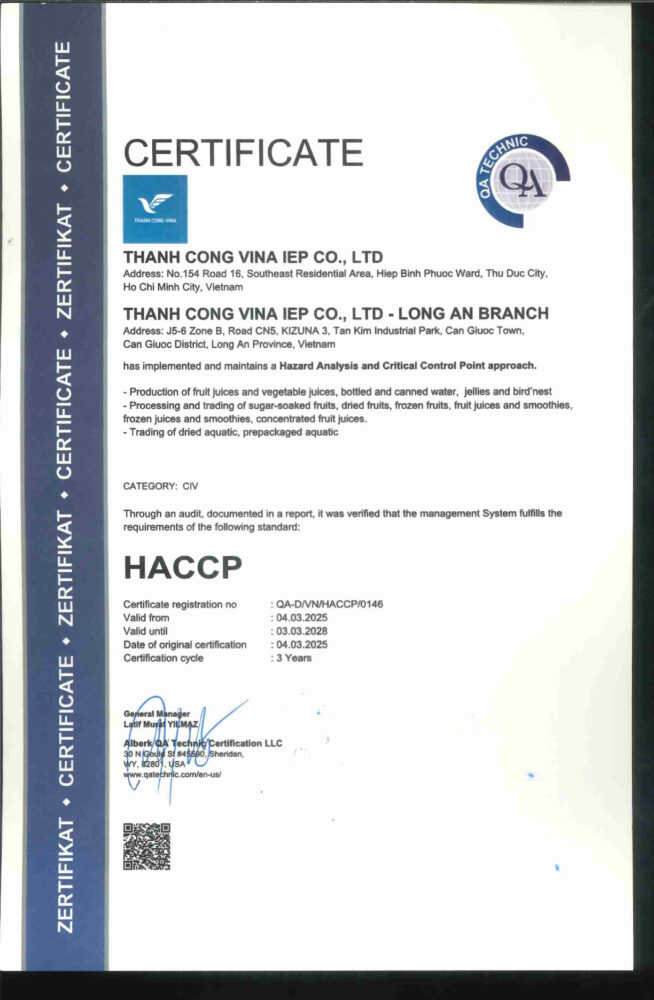
HACCP Certification and Its Role in Juice Production
Hazard Analysis and Critical Control Points (HACCP) is a preventive food safety system that identifies potential hazards and establishes control measures at critical stages of production.
Key HACCP Principles in Juice Manufacturing
HACCP focuses on raw material inspection, processing temperatures, sanitation controls, and packaging integrity. For juice products, this is especially important due to the risk of microbial contamination from fresh fruit and water sources.
Benefits of HACCP for OEM Partnerships
An OEM Juice Manufacturer with HACCP certification demonstrates proactive risk management rather than reactive quality control. This reduces the likelihood of contamination incidents and ensures safer products for end consumers, protecting brand reputation.
4. How Certifications Define a Reliable OEM Juice Manufacturer
Certifications collectively define whether an OEM Juice Manufacturer is capable of meeting international quality, safety, and operational standards.
Certification as Proof of Operational Discipline
Certified manufacturers operate under documented procedures, controlled environments, and regular third-party audits. This discipline ensures production consistency across batches, which is critical for brands scaling across multiple markets.
Long-Term Value for Brand Growth
Working with a certified OEM Juice Manufacturer supports long-term growth by reducing compliance risks, improving supply chain reliability, and increasing acceptance by global distributors and retailers.
5. HALAL Certification for Global Market Access
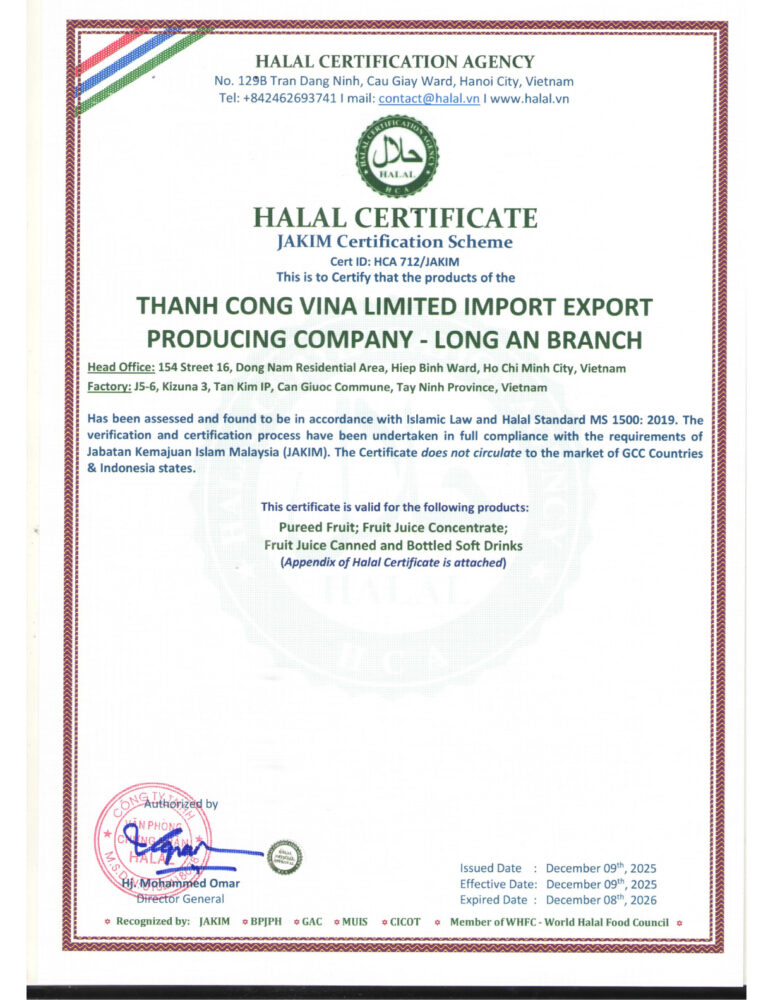
HALAL Certification for Global Market Access
HALAL certification is essential for brands targeting Muslim-majority markets or regions with strict dietary compliance requirements.
HALAL Standards in Juice Manufacturing
HALAL certification verifies that raw materials, processing aids, and cleaning agents comply with Islamic dietary laws. It also ensures segregation from non-HALAL materials within the production facility.
Strategic Value for Beverage Brands
An OEM Juice Manufacturer with HALAL certification enables brands to access markets in Southeast Asia, the Middle East, and parts of Africa without reformulating products or changing production partners.
6. FDA Registration and Compliance for the US Market
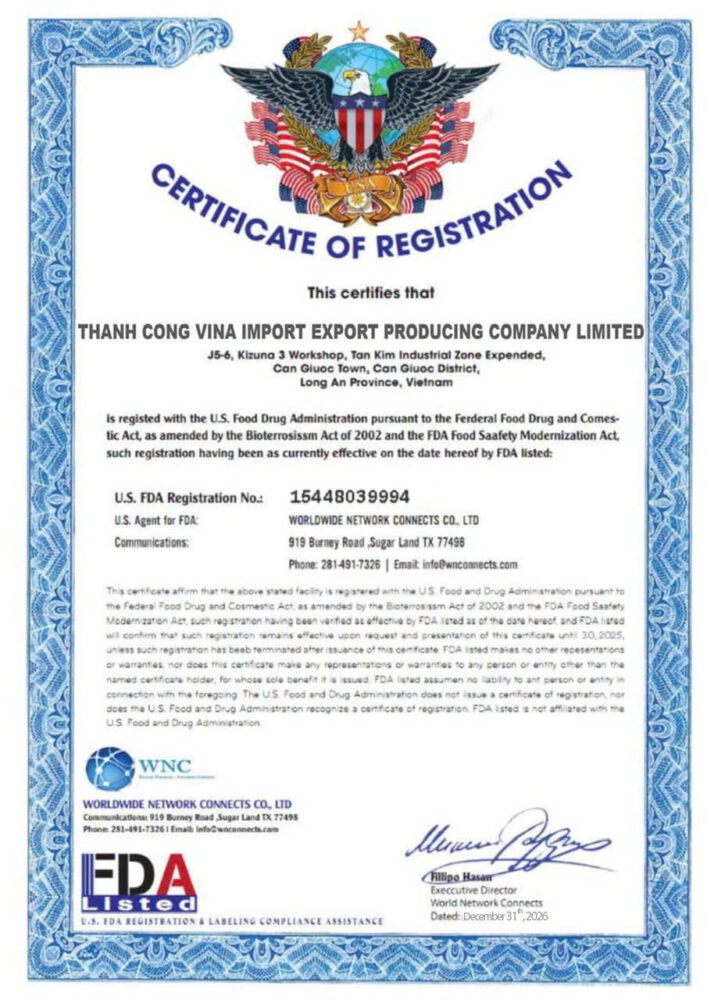
FDA Registration and Compliance for the US Market
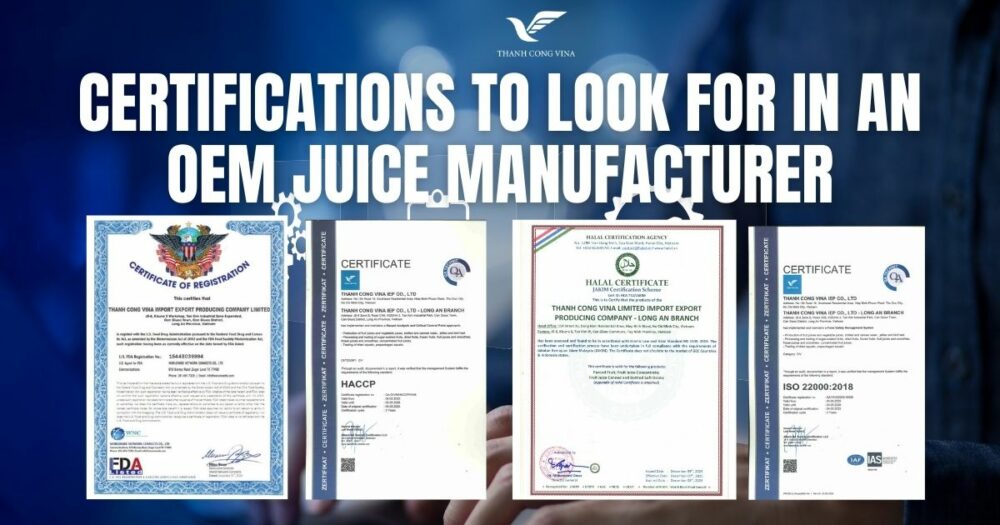
For brands exporting to the United States, FDA registration and compliance are mandatory.
FDA Requirements for Juice Manufacturers
FDA-registered facilities must comply with the Food Safety Modernization Act (FSMA), which emphasizes preventive controls, sanitation, and traceability. Juice manufacturers must also meet juice-specific HACCP regulations.
Why FDA Compliance Is Critical
An OEM Juice Manufacturer familiar with FDA requirements reduces the risk of shipment delays, product rejections, and costly reformulations when entering the US market.
7. Sustainability and Environmental Certifications
As sustainability becomes a purchasing factor, environmental certifications are gaining importance in OEM partnerships.
Common Sustainability Certifications
Certifications related to environmental management, waste reduction, and responsible sourcing demonstrate a manufacturer’s commitment to sustainable practices. These certifications support brand positioning in eco-conscious markets.
Competitive Advantage Through Sustainability
Working with an environmentally responsible OEM Juice Manufacturer helps brands align with global sustainability trends and meet retailer sustainability criteria.
Conclusion
Certifications are a critical indicator of reliability, safety, and scalability when selecting an OEM Juice Manufacturer. They validate that a manufacturing partner follows internationally recognized standards, reduces operational risks, and supports long-term brand growth. From ISO 22000 and HACCP to HALAL and FDA compliance, each certification plays a specific role in ensuring product safety and market readiness.
For beverage brands seeking a trusted manufacturing partner, Thanh Cong Vina stands out as a certified OEM Juice Manufacturer with a strong focus on quality, compliance, and export capability. With comprehensive certifications and advanced production systems, Thanh Cong Vina supports global beverage brands in meeting regulatory requirements while maintaining consistent product quality. Choosing Thanh Cong Vina as your OEM Juice Manufacturer ensures a reliable foundation for sustainable growth and international expansion.