
As the global beverage industry continues to expand, brands are increasingly turning to OEM Juice Manufacturing as a strategic solution to control costs, accelerate product launches, and scale efficiently. However, one of the most common questions brands ask before outsourcing production is: What exactly does OEM juice manufacturing cost, and where does the budget go? Understanding the cost structure behind OEM manufacturing is essential for accurate pricing, margin planning, and long-term growth.
OEM Juice Manufacturing is not a single fixed expense but a combination of multiple cost components, from raw materials and formulation to packaging, compliance, and logistics. Each element influences the final unit price and overall profitability. This article provides a comprehensive cost breakdown of OEM juice manufacturing, helping beverage brands understand where their investment is allocated and how to optimize costs without compromising quality or scalability.
Understanding the Core Cost Structure of OEM Juice Manufacturing
Understanding the Core Cost Structure of OEM Juice Manufacturing
Fixed Costs vs Variable Costs in OEM Models
In OEM Juice Manufacturing, costs are generally divided into fixed and variable categories. Fixed costs include factory infrastructure, machinery, labor systems, and quality management frameworks maintained by the OEM partner. These are not charged directly as standalone fees but are reflected in the per-unit manufacturing price.
Variable costs fluctuate based on production volume, formulation complexity, packaging choice, and sourcing strategy. These include fruit raw materials, sweeteners, processing inputs, packaging materials, and logistics. Understanding this distinction helps brands forecast budgets accurately and evaluate scalability.
Why Cost Transparency Matters for Brands
A clear cost structure allows brands to make informed decisions about product positioning and pricing strategies. Transparent OEM Juice Manufacturing partners provide detailed cost breakdowns, enabling brands to identify opportunities for optimization. This transparency is especially important when scaling production, entering new markets, or adjusting formulations in response to consumer trends.
Raw Material Costs in OEM Juice Manufacturing
Fruit Sourcing and Ingredient Quality
Raw materials represent one of the largest cost components in OEM Juice Manufacturing. The price of fruit depends on factors such as seasonality, origin, certification requirements, and processing method. Fresh fruit, concentrates, and purees each have different cost implications.
OEM manufacturers with strong sourcing networks can secure stable pricing and consistent quality, reducing volatility for brands. High-quality fruits may cost more initially but often deliver better flavor consistency and lower rejection rates during quality control.
Additional Ingredients and Functional Additives
Beyond fruit content, OEM Juice Manufacturing may include sweeteners, stabilizers, vitamins, or functional ingredients. Each addition increases formulation complexity and cost. Natural or clean-label ingredients typically carry higher prices than conventional alternatives.
OEM partners help brands balance ingredient costs with nutritional claims and consumer expectations, ensuring the final product remains competitive in both price and positioning.
Processing and Production Costs
Processing and Production Costs
Manufacturing Technology and Efficiency
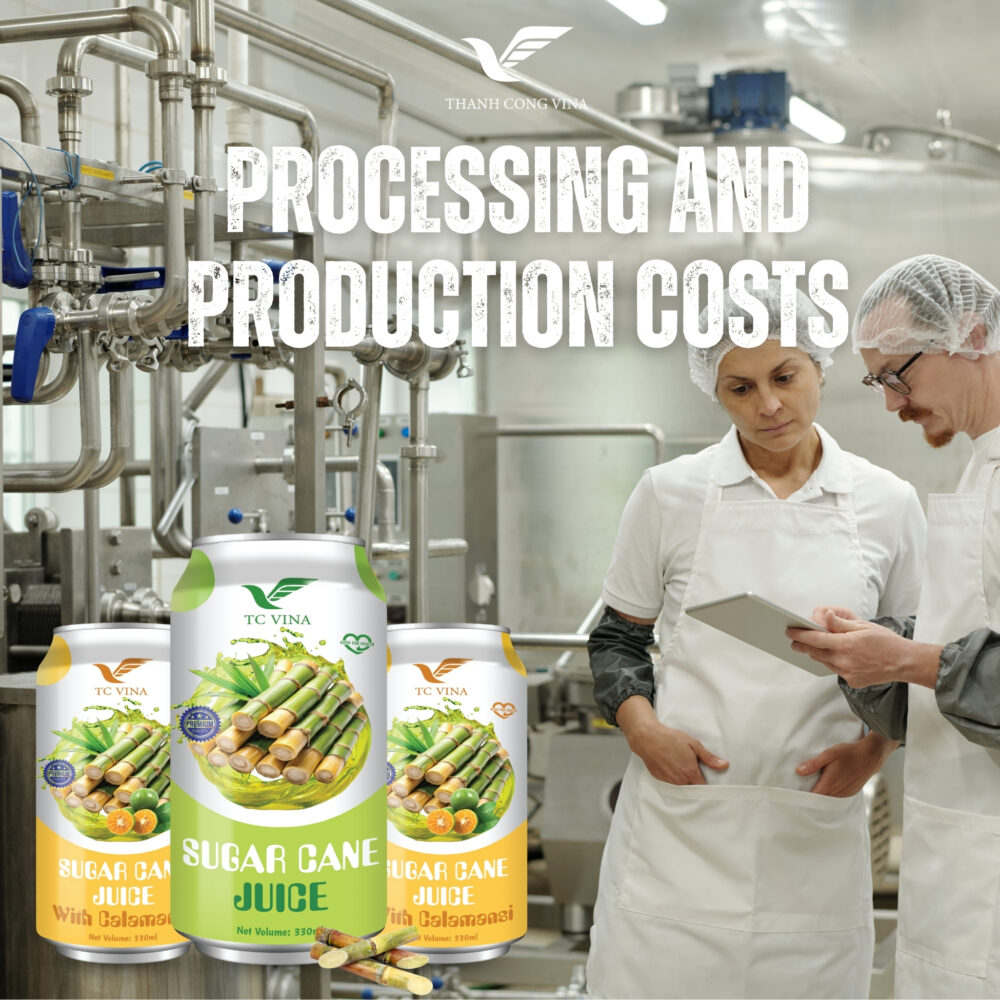
Processing costs in OEM Juice Manufacturing depend on the technology used, such as pasteurization, hot-fill, or aseptic processing. Advanced technologies may require higher upfront investment from the manufacturer but result in better shelf life, flavor retention, and efficiency.
These costs are distributed across production volumes, meaning higher order quantities often reduce per-unit processing expenses. Brands benefit from economies of scale without owning production assets.
Labor and Operational Management
Labor costs include skilled technicians, quality assurance staff, and production supervisors. In OEM Juice Manufacturing, these costs are embedded within the manufacturing fee. Efficient labor management and automation help OEM partners control costs while maintaining consistent output.
Brands working with experienced OEM manufacturers benefit from streamlined operations and predictable production timelines.
Packaging Costs and Their Impact on Total Manufacturing Price
Primary Packaging Options and Cost Variations
Packaging is a significant cost driver in OEM Juice Manufacturing. Bottles, cans, cartons, and pouches vary widely in price depending on material, size, and supplier. Glass packaging typically costs more than PET or cartons, both in materials and logistics.
OEM partners often offer multiple packaging options, allowing brands to select solutions aligned with budget and brand positioning. Bulk sourcing of packaging materials can further reduce costs.
Secondary Packaging and Labeling Expenses
Secondary packaging includes cartons, shrink wraps, and pallets used for transportation and storage. Labeling costs depend on design complexity, material choice, and regulatory requirements.
OEM Juice Manufacturing partners help brands optimize packaging design to reduce waste and transportation costs while maintaining shelf appeal.
Quality Control, Testing, and Compliance Costs
Quality Control, Testing, and Compliance Costs
Food Safety and Quality Assurance Systems
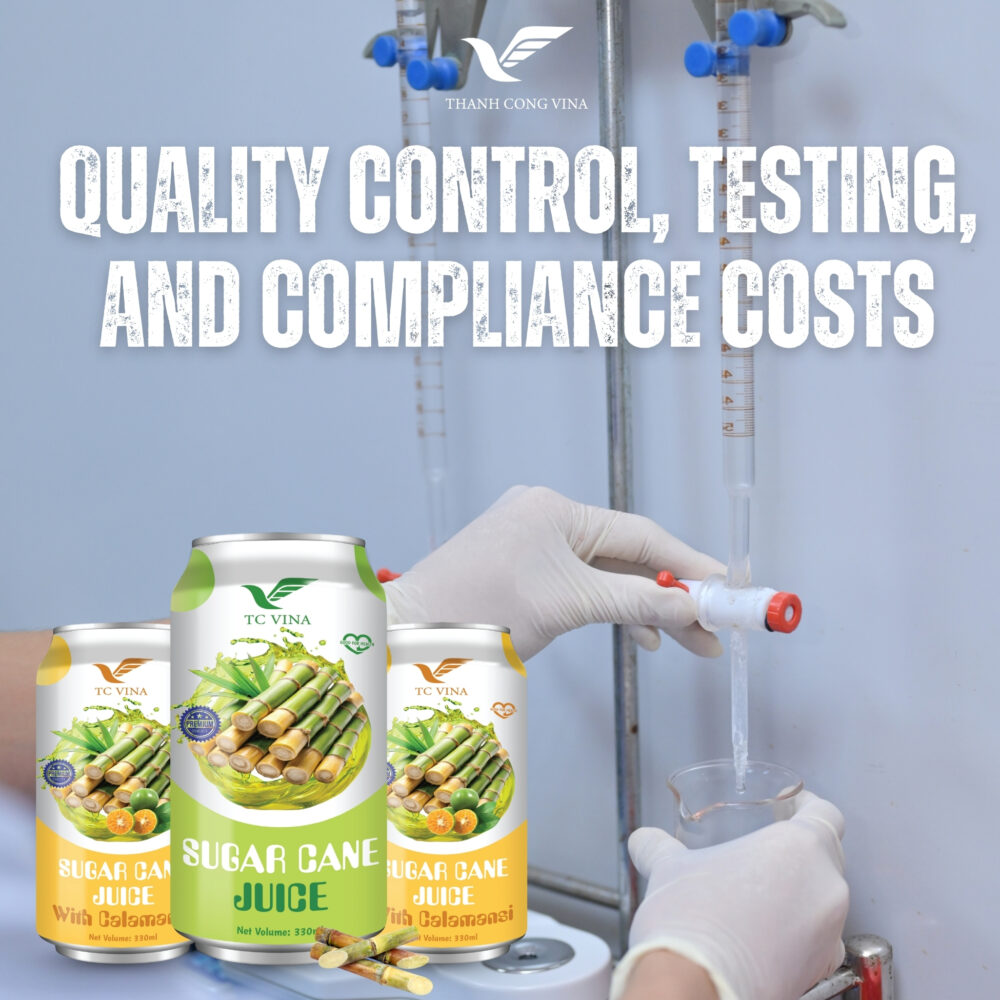
Quality control is a non-negotiable component of OEM Juice Manufacturing. Costs include microbiological testing, shelf-life studies, and in-process inspections. These expenses ensure product safety and regulatory compliance.
While quality systems add to manufacturing costs, they protect brands from recalls, legal risks, and reputational damage.
Certifications and Regulatory Documentation
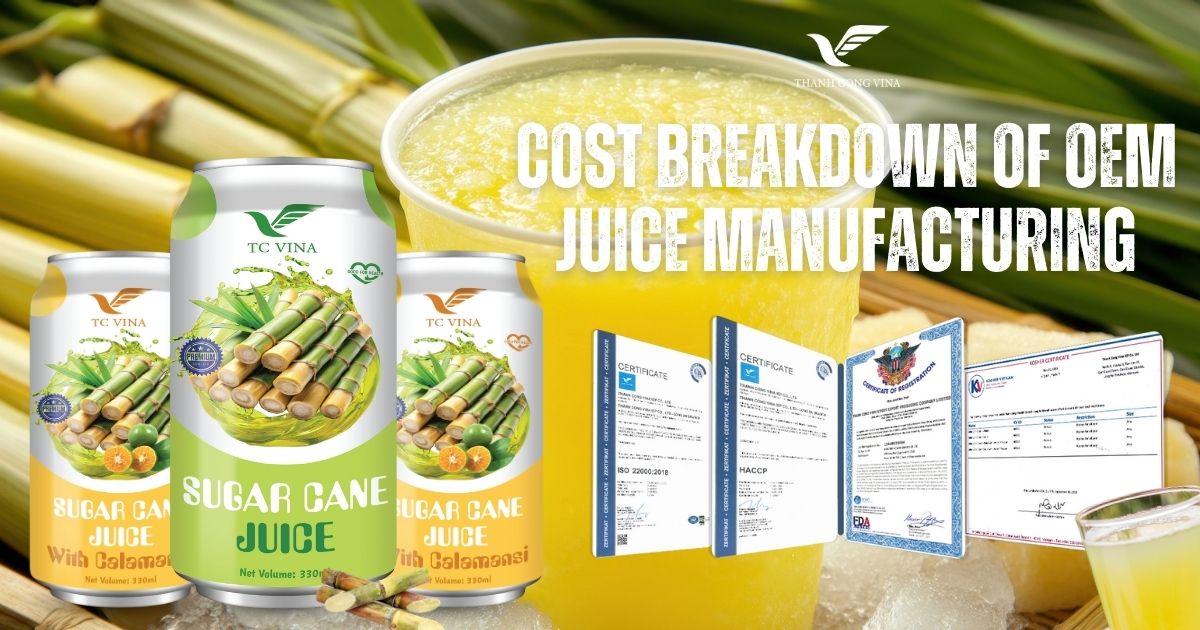
Certifications such as HACCP, ISO, or FDA compliance require ongoing audits and documentation. OEM manufacturers absorb much of this cost, but it is reflected in the overall pricing structure.
Brands benefit from accessing certified facilities without bearing the direct expense of maintaining compliance infrastructure.
OEM Juice Manufacturing Cost Optimization Strategies
Volume Planning and Economies of Scale
One of the most effective ways to reduce OEM Juice Manufacturing costs is increasing production volume. Larger orders lower per-unit costs by spreading fixed expenses across more units.
OEM partners often provide tiered pricing, allowing brands to plan growth phases strategically and optimize margins over time.
Formula and Packaging Adjustments
Minor adjustments in formulation or packaging can significantly impact cost. Reducing expensive ingredients, simplifying recipes, or switching packaging formats can lower manufacturing expenses without sacrificing quality.
Experienced OEM manufacturers advise brands on cost-efficient alternatives while preserving product integrity.
Logistics, Storage, and Distribution Costs
Logistics, Storage, and Distribution Costs
Warehousing and Inventory Management
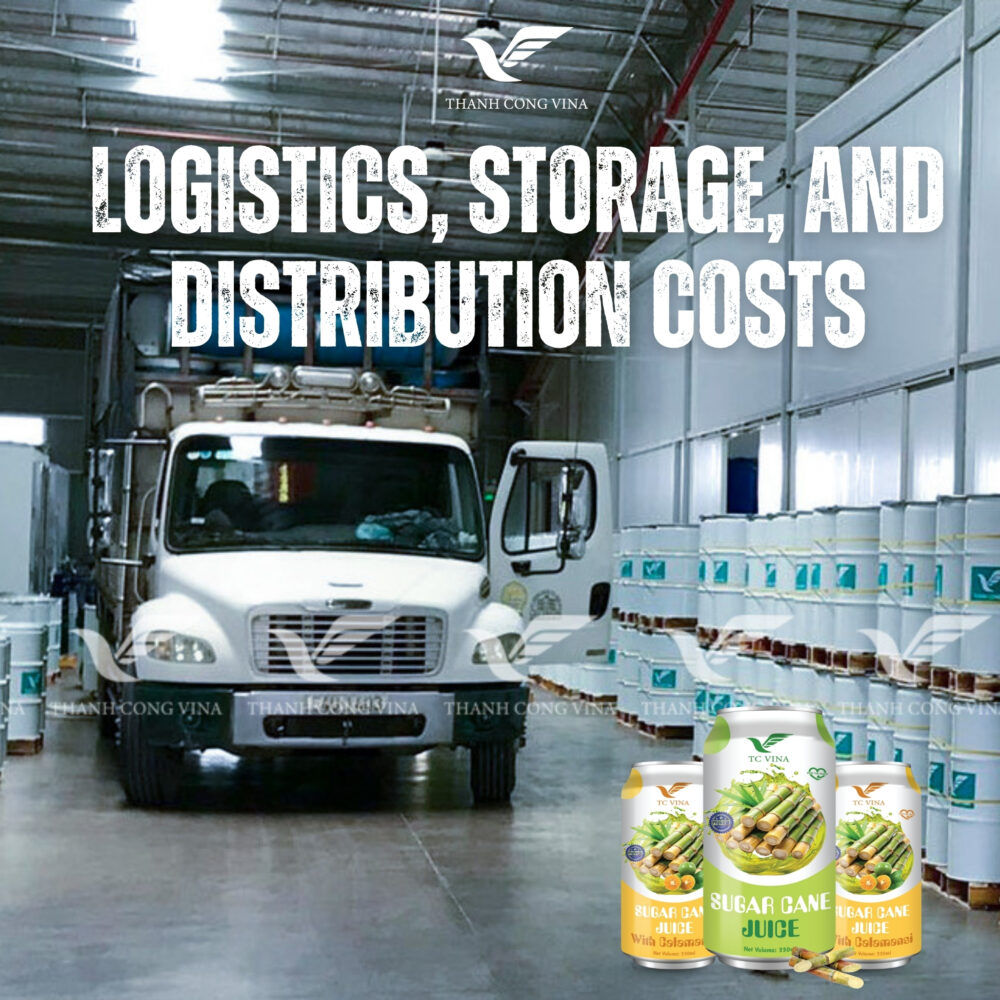
OEM Juice Manufacturing costs may include short-term storage of finished goods. Storage duration, temperature requirements, and inventory turnover affect overall expenses.
Efficient inventory planning minimizes storage costs and reduces the risk of product expiration.
Transportation and Export Expenses
Logistics costs depend on shipping distance, mode of transport, and export requirements. OEM partners with export experience help optimize shipping routes and documentation, reducing delays and additional fees.
These services simplify global distribution for brands targeting international markets.
Long-Term Cost Benefits of OEM Juice Manufacturing
Reduced Capital Expenditure
OEM Juice Manufacturing eliminates the need for brands to invest in factories, machinery, and production teams. This significantly lowers capital expenditure and financial risk.
Brands can allocate resources to marketing, sales, and product innovation instead of infrastructure.
Predictable Cost Structure for Scaling Brands
With OEM manufacturing, brands benefit from predictable per-unit pricing and scalable production capacity. This stability supports long-term planning and sustainable growth.
OEM partnerships allow brands to expand product lines and markets without operational complexity.
Conclusion
Understanding the cost breakdown of OEM Juice Manufacturing empowers beverage brands to make smarter strategic decisions. From raw materials and processing to packaging, compliance, and logistics, each cost component plays a role in shaping the final product price and profitability. Transparency and collaboration with the right manufacturing partner are essential for optimizing these costs while maintaining quality and scalability.
By working with an experienced manufacturer like Thanh Cong Vina, brands gain access to efficient production systems, strong sourcing networks, and export-ready capabilities. Thanh Cong Vina supports beverage businesses with cost-effective OEM Juice Manufacturing solutions that transform investment into long-term growth, helping products move smoothly from factory to shelf with confidence and consistency.