
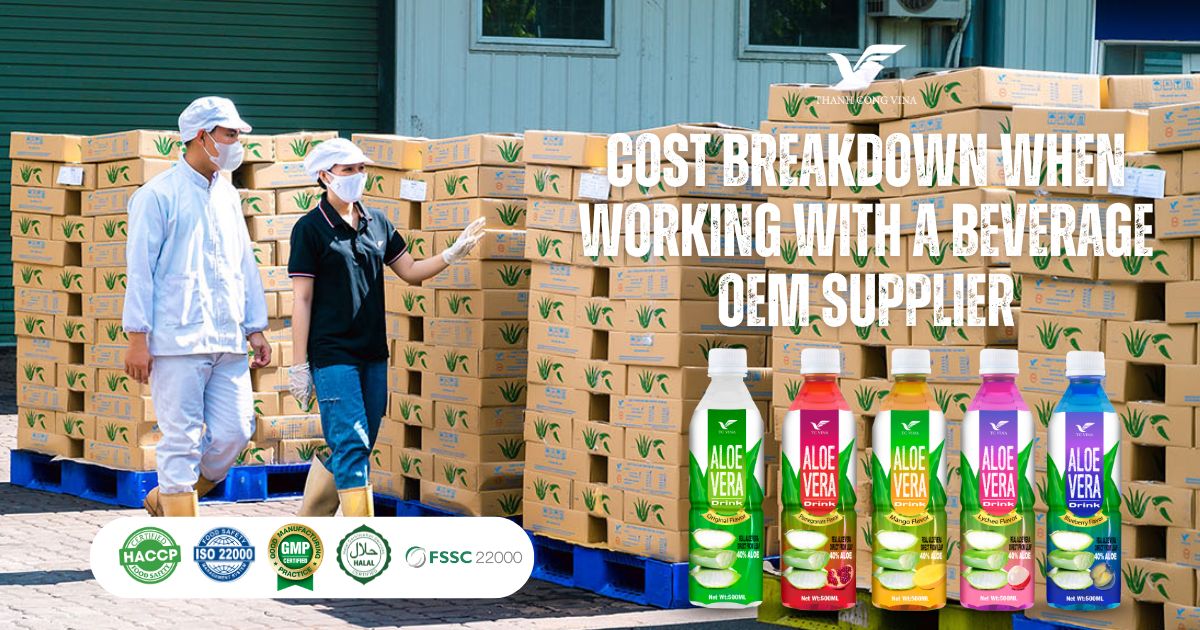
Understanding cost structure is one of the most important steps when outsourcing beverage production. Many brands enter OEM partnerships expecting simple pricing, only to discover that manufacturing costs are influenced by multiple technical, regulatory, and operational factors. Working with a professional OEM Supplier offers efficiency, scalability, and expertise, but transparency in cost breakdown is essential for accurate budgeting and long-term profitability.
From formulation development and raw materials to packaging, labor, compliance, and logistics, every stage of production contributes to the final unit cost. For startups and established brands alike, knowing how these costs are structured helps avoid hidden expenses and supports smarter decision-making. This article provides a detailed breakdown of the major cost components involved when working with a beverage OEM Supplier, offering clarity on where investment goes and how brands can optimize costs without compromising quality.
1. Product Development and Formulation Costs OEM Supplier
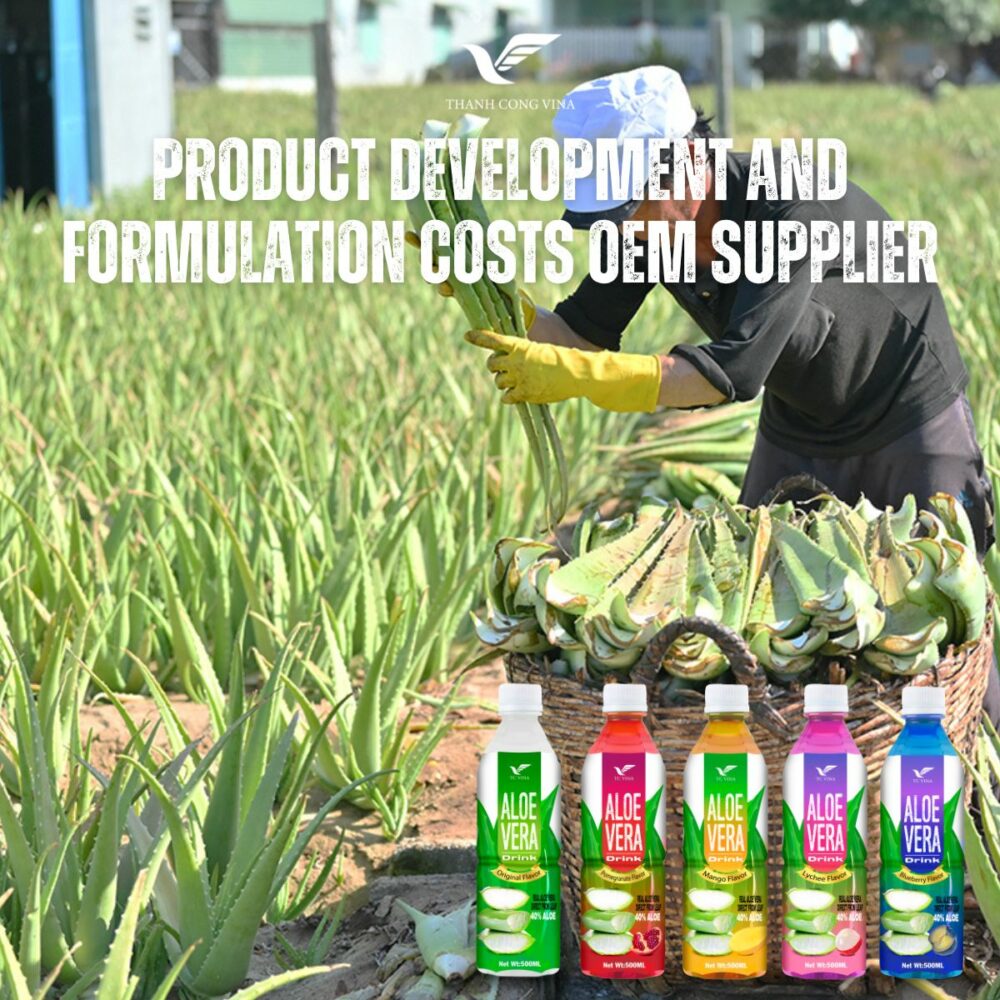
Product Development and Formulation Costs OEM Supplier
Research and Development Investment
One of the first cost components when working with an OEM Supplier is product development. This includes formulation design, ingredient compatibility testing, and stability studies. Custom formulations typically require R&D resources, laboratory testing, and technical expertise, all of which contribute to upfront development costs. More complex formulations, such as functional beverages or low-sugar alternatives, often require additional trials and refinements.
Sampling and Pilot Production Expenses
Before mass production, OEM Suppliers usually conduct pilot runs and sample production. These small batches allow brands to evaluate taste, texture, appearance, and shelf stability. Sampling costs vary depending on ingredient complexity and production requirements, but they are essential for minimizing risk during commercial launch.
Intellectual Property and Formula Ownership
Some OEM Suppliers include formulation ownership and documentation as part of development costs. Clear agreements regarding intellectual property help brands understand whether future reformulation or supplier changes may incur additional expenses.
2. Raw Material and Ingredient Cost Structure
Ingredient Quality and Sourcing
Raw materials typically account for a significant portion of beverage production costs. Ingredient prices vary based on quality, origin, seasonality, and availability. An experienced OEM Supplier leverages established supplier networks to secure consistent, compliant ingredients while balancing cost efficiency and quality.
Functional and Specialty Ingredients
Functional beverages often require specialty ingredients such as plant extracts, vitamins, minerals, or natural sweeteners. These components usually carry higher costs due to sourcing complexity and regulatory requirements. Brands must evaluate whether functional claims justify the additional ingredient investment.
Minimum Order and Price Fluctuation Factors
Ingredient suppliers often impose minimum order quantities, which can affect production costs, especially for small batches. OEM Suppliers help brands manage price fluctuations by forecasting demand and optimizing procurement schedules.
3. Manufacturing and Processing Costs
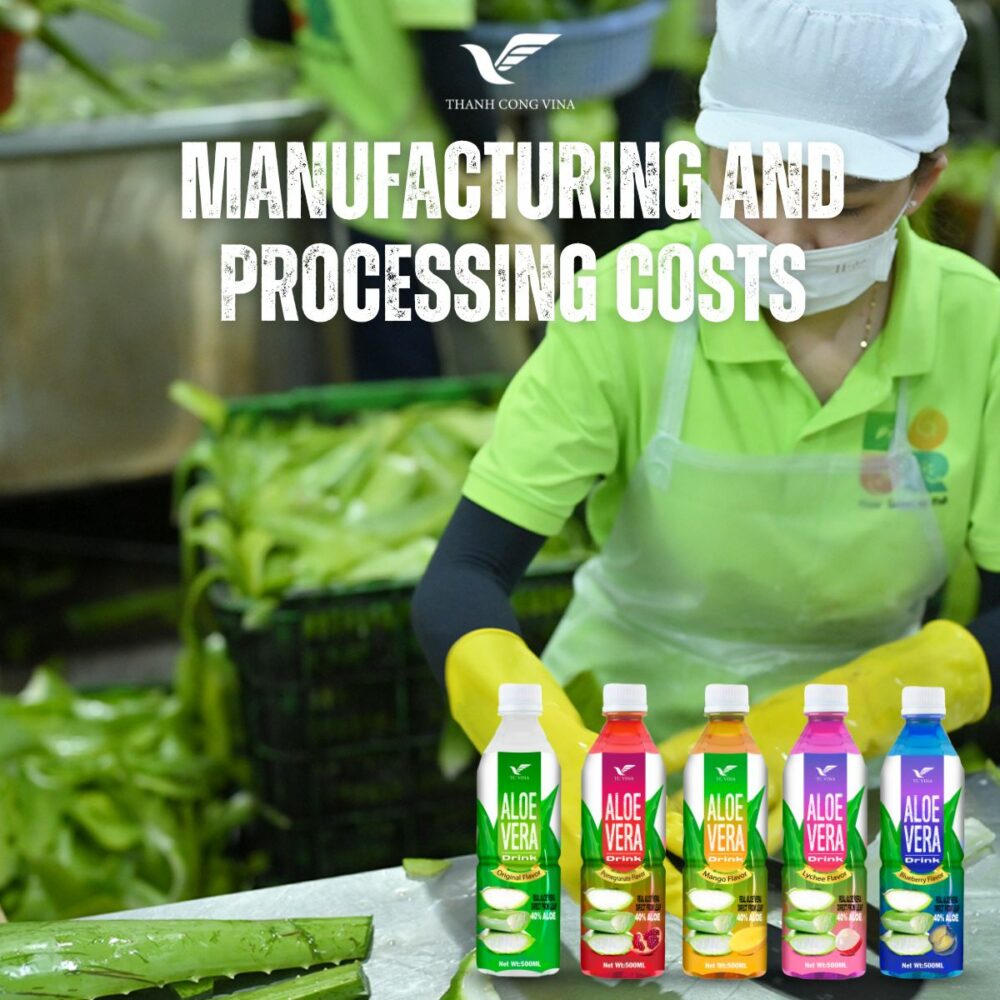
Manufacturing and Processing Costs
Production Line and Equipment Usage
Manufacturing costs include the use of production lines, machinery, energy, and utilities. Different beverage types require specific processing technologies such as pasteurization, UHT treatment, or aseptic filling. Advanced equipment ensures quality and safety but adds to production expenses.
Labor and Operational Overhead
Skilled labor is essential for maintaining production standards. Labor costs include machine operators, quality control personnel, and technical supervisors. Operational overhead such as facility maintenance, sanitation, and utilities is also factored into OEM pricing.
Batch Size and Efficiency Impact
Larger production volumes typically reduce per-unit manufacturing costs. OEM Suppliers design cost structures that incentivize scalable production while maintaining flexibility for growing brands.
4. Packaging Materials and Design Costs
Primary Packaging Selection
Packaging costs vary widely depending on material choice, such as glass bottles, PET bottles, aluminum cans, or cartons. Each option has different implications for cost, shelf life, and logistics. OEM Suppliers help brands select packaging that balances budget and market positioning.
Labeling, Printing, and Compliance Requirements
Labels must meet regulatory standards for nutrition facts, ingredients, and branding. Printing methods, color complexity, and material quality all influence packaging costs. Compliance-driven changes may also add revision expenses.
Secondary Packaging and Palletization
Secondary packaging such as cartons, shrink wrap, and pallets contributes to overall cost. These elements are essential for protecting products during storage and transportation, particularly for export markets.
5. Quality Control, Testing, and Certification Costs
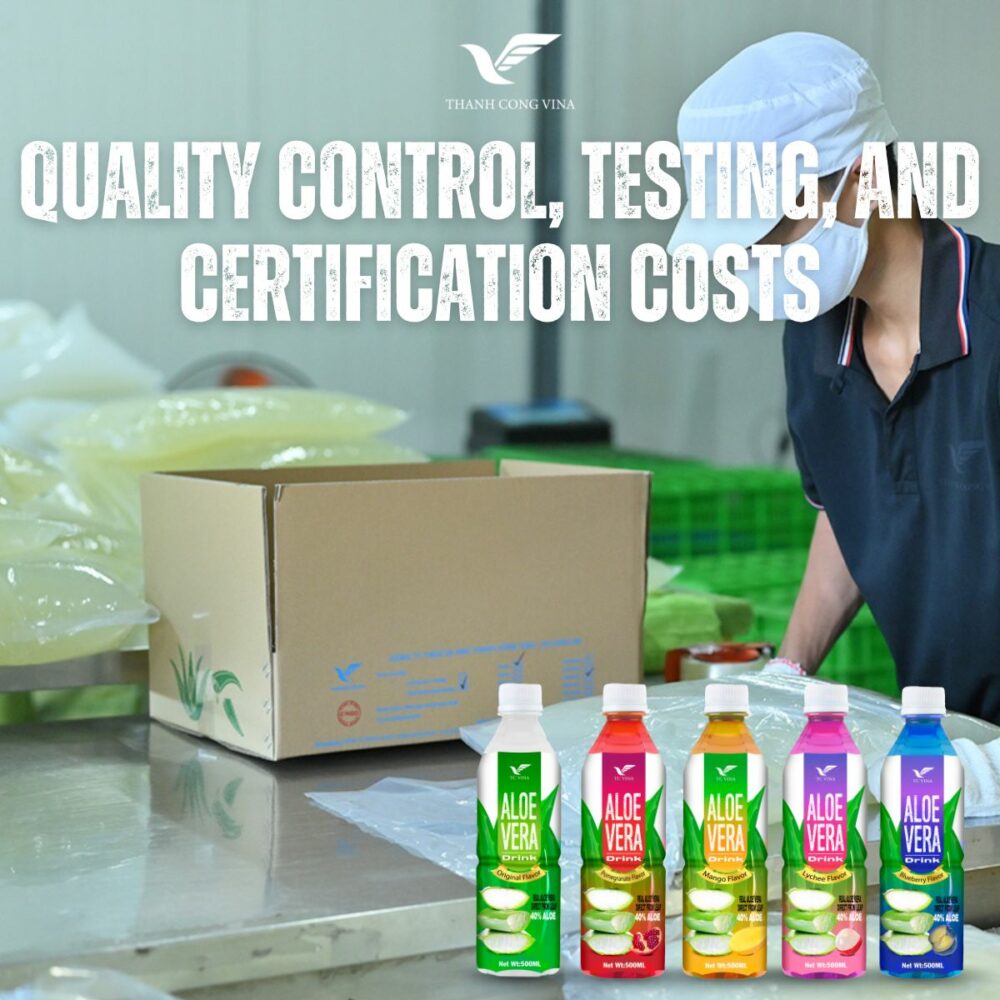
Quality Control, Testing, and Certification Costs
Routine Quality Assurance Testing
OEM Suppliers conduct regular testing to ensure safety and consistency. This includes microbiological analysis, pH measurement, Brix control, and shelf-life evaluation. These tests are necessary but add to production cost.
Third-Party Certification and Audits
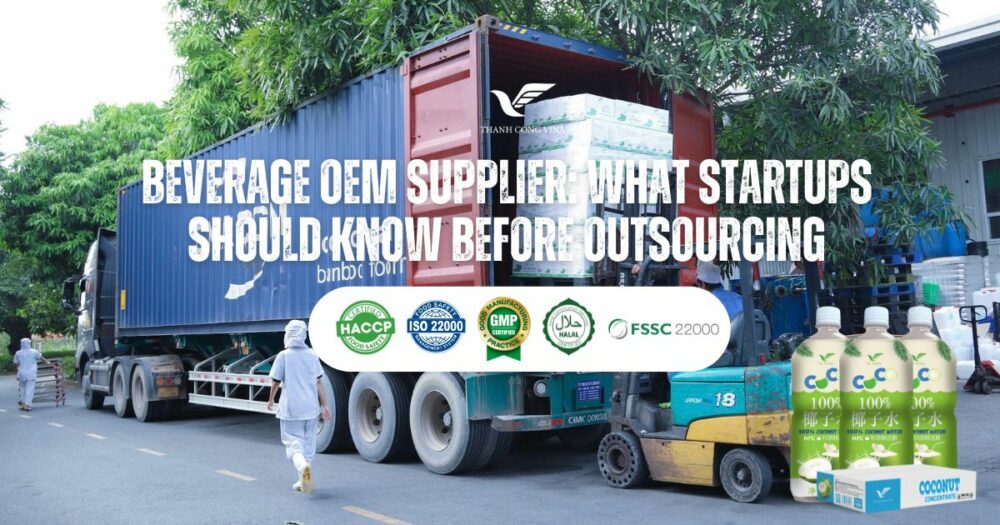
Certifications such as ISO, HACCP, HALAL, or FDA registration involve ongoing audit and compliance costs. While these expenses increase overall pricing, they significantly enhance product credibility and market access.
Documentation and Traceability Systems
Maintaining traceability records, batch documentation, and compliance reports requires robust systems and trained personnel. These behind-the-scenes costs support risk management and regulatory readiness.
6. Logistics, Storage, and Distribution Expenses
Warehousing and Inventory Management
Storage costs depend on product volume, shelf-life requirements, and warehouse conditions. Temperature-controlled storage may be required for certain beverages, increasing logistical expenses.
Transportation and Export Logistics
Shipping costs vary based on destination, transport method, and fuel prices. OEM Suppliers with export experience help brands optimize logistics planning and documentation, reducing delays and unexpected fees.
Lead Time and Delivery Optimization
Efficient production scheduling reduces storage time and logistics costs. Reliable OEM Suppliers work closely with brands to align production timelines with distribution plans.
7. Hidden Costs and Long-Term Cost Optimization
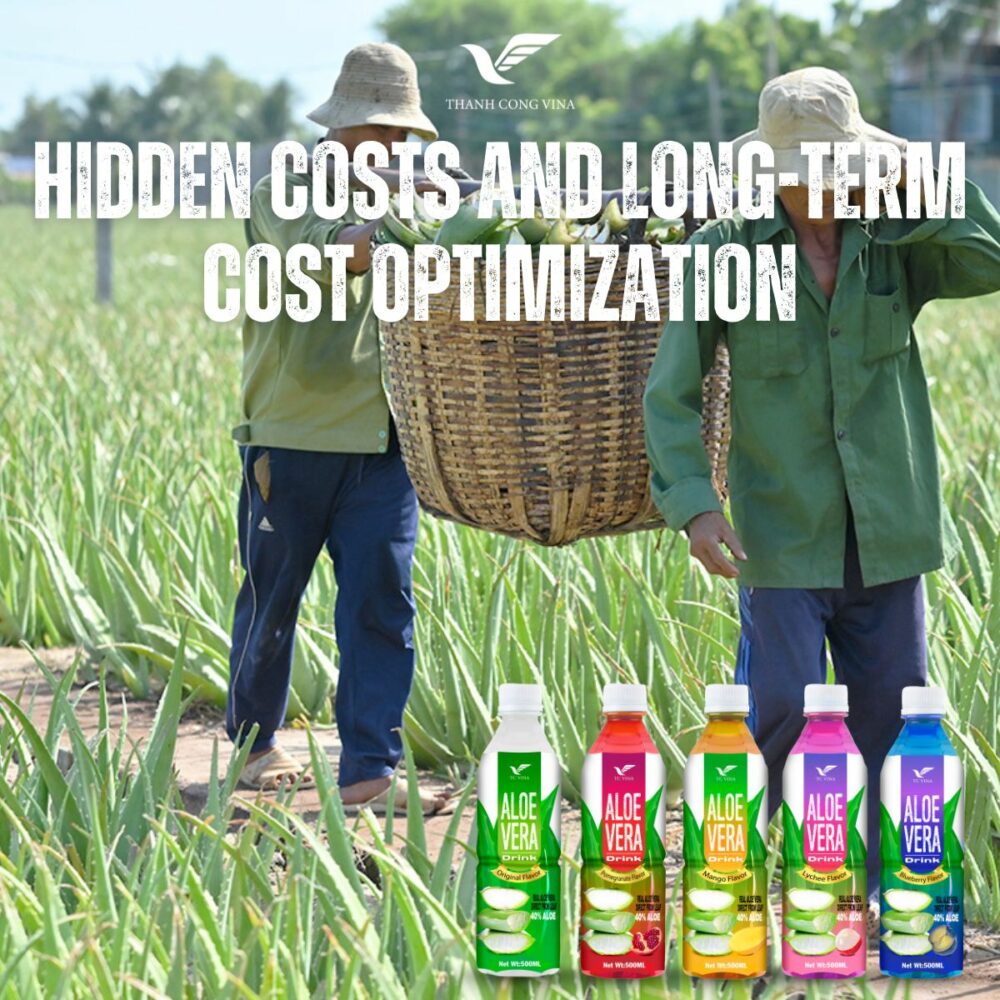
Hidden Costs and Long-Term Cost Optimization
Reformulation and Change Requests
Late-stage changes to formulation, packaging, or labeling can increase costs significantly. OEM Suppliers encourage early decision-making to avoid unnecessary revisions.
Scaling Costs Over Time
As brands grow, per-unit costs typically decrease due to economies of scale. A strategic OEM Supplier supports gradual scaling while maintaining cost transparency.
Value Beyond Unit Price
The lowest quoted price does not always represent the best value. Reliability, quality consistency, compliance support, and long-term partnership reduce hidden risks and expenses.
Conclusion
Working with a beverage OEM Supplier involves a multi-layered cost structure that extends far beyond basic manufacturing. From product development and raw materials to packaging, quality control, and logistics, each cost component plays a critical role in determining final product pricing and profitability. Brands that understand this breakdown are better positioned to manage budgets, negotiate effectively, and plan for sustainable growth.
Selecting a transparent and experienced OEM Supplier reduces hidden costs and operational risks while supporting long-term scalability. For brands seeking clarity, consistency, and professional support, TCVina offers comprehensive OEM beverage solutions with clear cost structures and international compliance standards. With a focus on efficiency, quality, and partnership, Thanh Cong Vina Beverage helps brands optimize production investment while delivering competitive, market-ready beverages.