
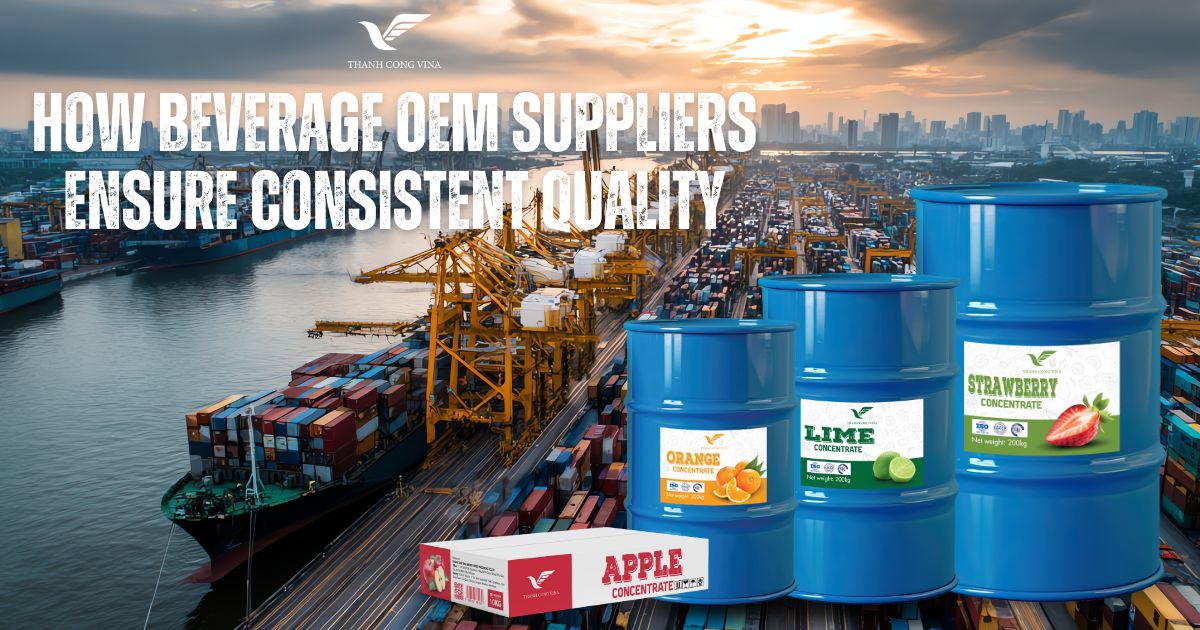
For beverage brands that outsource manufacturing, maintaining this consistency can be challenging without the right systems and expertise in place. This is why working with a professional Beverage OEM Supplier is essential. Modern OEM suppliers do far more than simply manufacture beverages; they implement structured quality management systems, advanced technologies, and strict control procedures to ensure uniformity at every stage of production. From ingredient sourcing to final shipment, consistency is engineered into the process. This article explains in detail how Beverage OEM Suppliers ensure consistent quality and why this capability is critical for brand reputation, consumer trust, and long-term scalability.
1. Standardized Quality Management Systems
Standardized Quality Management Systems
Implementation of International Quality Frameworks
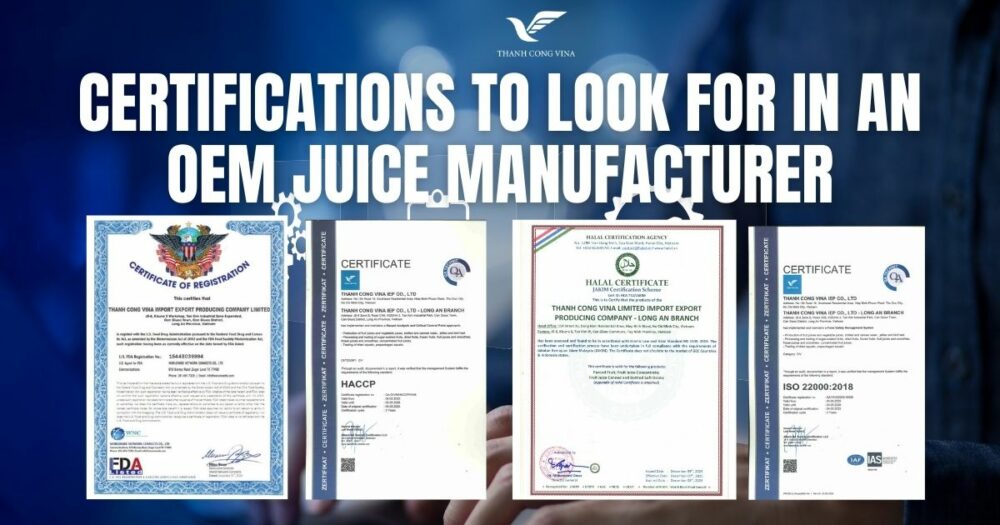
A reliable Beverage OEM Supplier operates under globally recognized quality management systems such as GMP, HACCP, and ISO standards. These frameworks establish clear procedures for every stage of production, ensuring that quality is not dependent on individuals but embedded in the system itself. Standardization eliminates variability and reduces the risk of human error.
Documented Processes and SOPs
Standard operating procedures (SOPs) are the backbone of consistency. OEM suppliers document every process—from raw material inspection to filling and packaging—so that each batch follows the same validated steps. This documentation ensures repeatability, even when production volumes increase.
Continuous Monitoring and Audits
Internal audits and routine inspections are conducted to verify compliance with quality standards. Beverage OEM Suppliers use these audits to identify deviations early and apply corrective actions, maintaining consistent output over time.
2. Controlled Raw Material Sourcing and Verification
Approved Supplier Networks
Consistency begins with ingredients. Beverage OEM Suppliers work with approved raw material suppliers who meet strict quality and safety requirements. These long-term supplier relationships ensure stable ingredient quality across different production cycles.
Incoming Material Inspection
Every shipment of raw materials undergoes rigorous inspection and testing before entering production. This includes checks for microbiological safety, chemical residues, and sensory attributes. Only materials that meet predefined specifications are approved.
Managing Seasonal Variability
Fruits and natural ingredients can vary by season. OEM suppliers use standardized concentrates, blending techniques, and quality benchmarks to minimize variation and ensure consistent flavor and color year-round.
3. Precision in Formulation and Recipe Control
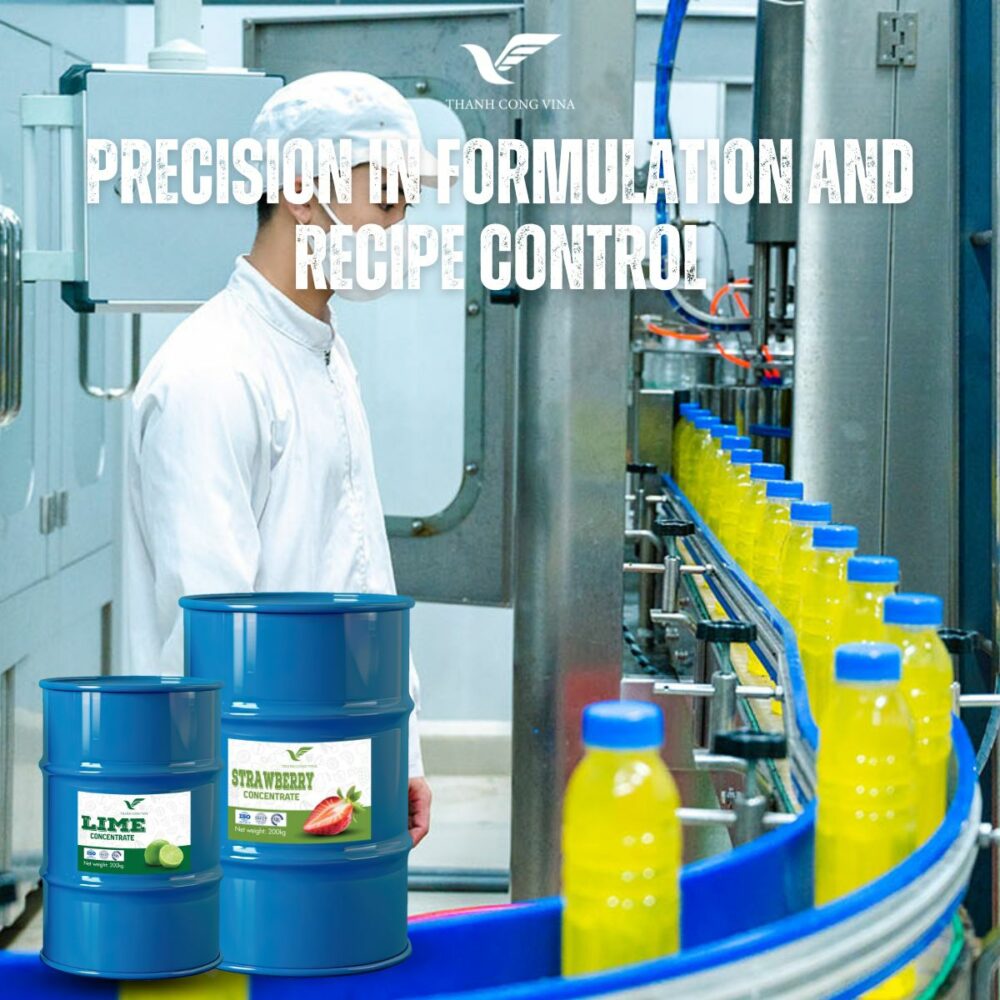
Precision in Formulation and Recipe Control
Centralized Formula Management
Beverage OEM Suppliers store formulations in secure, centralized systems. This ensures that recipes remain unchanged unless formally approved, preventing unintended variation between batches or production sites.
Accurate Dosing and Automation
Automated dosing systems are used to measure ingredients with high precision. Automation reduces manual handling errors and ensures that every batch matches the approved formulation exactly.
Sensory and Analytical Validation
Before large-scale production, formulations are validated through sensory evaluation and laboratory analysis. These tests confirm that taste, aroma, and nutritional values meet brand expectations consistently.
4. Advanced Manufacturing Technology and Process Control
Modern Processing Equipment
Consistency relies heavily on equipment performance. Beverage OEM Suppliers invest in modern processing technologies such as aseptic systems, automated filling lines, and temperature-controlled processing units. These technologies provide stable and repeatable conditions.
Real-Time Process Monitoring
Key parameters such as temperature, pressure, pH, and Brix levels are monitored in real time. Automated alerts notify operators of deviations, allowing immediate corrective action before quality is affected.
Preventive Maintenance Programs
Regular equipment maintenance ensures that machinery operates within validated parameters. Preventive maintenance minimizes breakdowns and process variation that could impact product quality.
5. Beverage OEM Suppliers – Food Safety and Hygiene Management
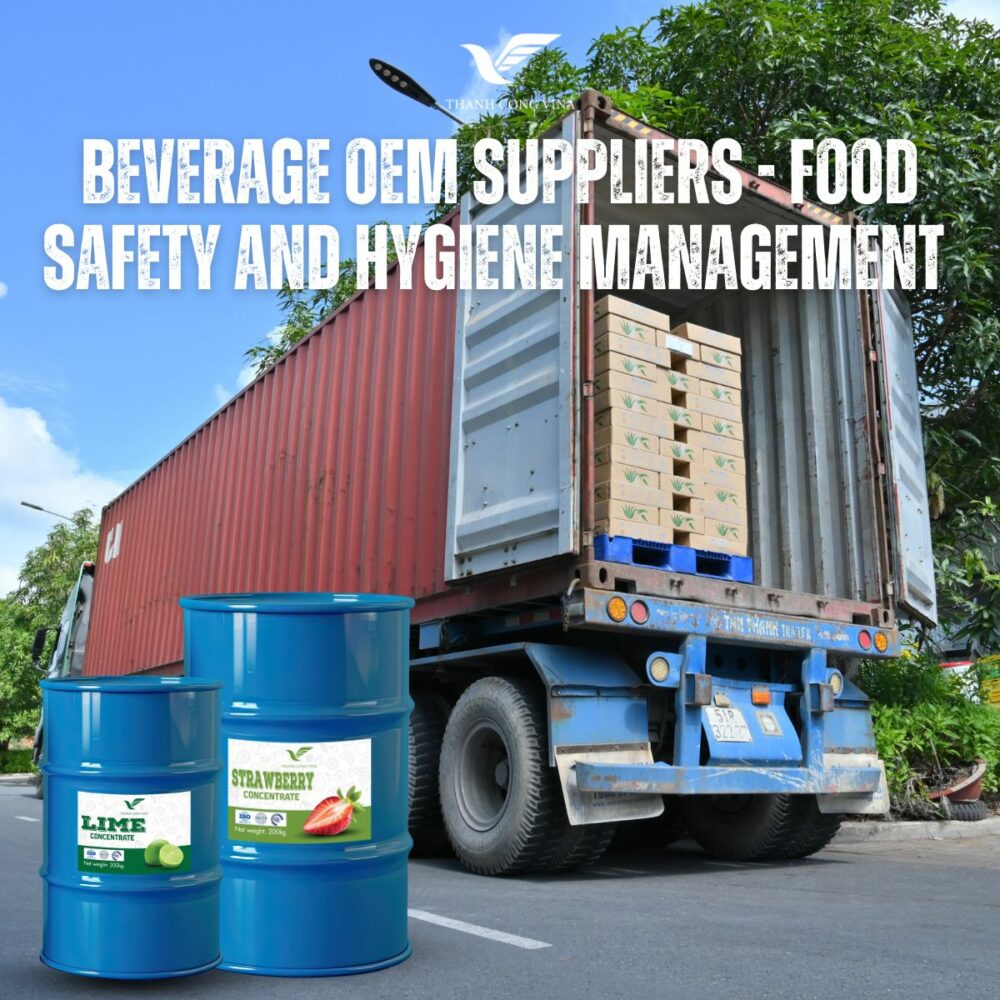
Beverage OEM Suppliers – Food Safety and Hygiene Management
Strict Hygiene Protocols
Beverage OEM Suppliers enforce strict hygiene standards across facilities. This includes controlled access zones, sanitation schedules, and employee hygiene training to prevent contamination.
Environmental Monitoring
Production environments are routinely monitored for microbial presence. Air quality, surface cleanliness, and water quality are tested regularly to maintain a safe manufacturing environment.
Traceability and Recall Readiness
Full batch traceability allows OEM suppliers to track every product back to its raw materials. This system supports rapid response in case of quality concerns, protecting both consumers and brand reputation.
6. Packaging Consistency and Integrity Control
Standardized Packaging Specifications
Packaging materials are sourced from approved suppliers and tested for compatibility with the beverage. OEM suppliers ensure that packaging meets durability, barrier, and safety requirements consistently.
Filling Accuracy and Seal Integrity
Automated filling and sealing systems ensure consistent fill volumes and secure seals. This prevents leakage, oxidation, and shelf-life issues that could affect product quality.
Labeling Accuracy and Compliance
Labels are checked for accuracy, alignment, and regulatory compliance. Consistent labeling reinforces brand professionalism and prevents market issues related to mislabeling.
7. Continuous Improvement and Performance Analysis
Continuous Improvement and Performance Analysis
Data-Driven Quality Improvement
OEM suppliers collect and analyze production data to identify trends and improvement opportunities. This proactive approach enhances consistency over time.
Customer Feedback Integration
Brand feedback and market data are used to refine processes and maintain alignment with consumer expectations. Continuous communication strengthens quality outcomes.
Long-Term Quality Stability
Through continuous improvement, Beverage OEM Suppliers not only maintain but enhance consistency as production scales and markets expand.
Conclusion
Consistent quality is not achieved by chance—it is the result of structured systems, advanced technology, skilled people, and disciplined execution. A professional Beverage OEM Supplier ensures consistency through standardized quality management systems, controlled sourcing, precise formulation, modern manufacturing, and rigorous food safety practices. These measures protect brand reputation, build consumer trust, and support scalable growth.
For beverage brands seeking a dependable partner committed to excellence, Thanh Cong Vina exemplifies what consistent quality truly means. With robust manufacturing systems and strict quality control, Thanh Cong Vina delivers reliable results across every production batch. By partnering with TCVina, brands gain the confidence that their products will meet the same high standards every time, strengthening long-term success in competitive global markets.