
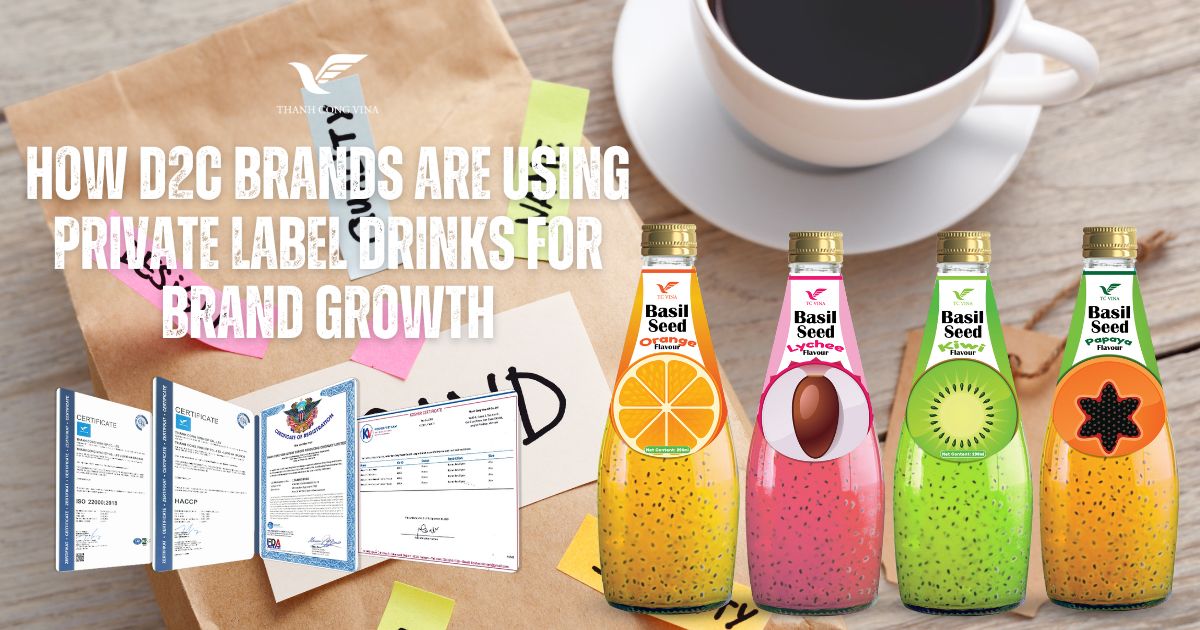
The direct-to-consumer (D2C) landscape has expanded rapidly, with brands across industries searching for innovative ways to establish deeper customer relationships, reduce reliance on traditional retailers, and build leaner, more profitable business models. One of the fastest-growing opportunities within the D2C sector is the rise of Private Label Drinks.
These customizable beverage products allow D2C businesses to build exclusive drink lines without investing in manufacturing plants, complex supply chains, or extensive R&D infrastructures. As competition grows stronger and consumers demand healthier, cleaner, and more personalized beverage choices, D2C brands are discovering that Private Label Drinks provide a powerful advantage.
They offer full control over branding, nutrition positioning, flavor innovation, and customer experience. This article explores how modern D2C brands are using Private Label Drinks to accelerate brand growth, improve margins, build customer loyalty, and expand into new markets with agility.
1. Why D2C Brands Are Embracing Private Label Drinks
Why D2C Brands Are Embracing Private Label Drinks
1.1 Lower Barriers to Entry
Private Label Drinks give D2C brands instant access to beverage manufacturing without needing facilities or machinery. This significantly reduces initial investment and eliminates financial risks associated with product formulation, bottling, and quality control. By partnering with established manufacturers, brands can enter the beverage market quickly and cost-effectively.
1.2 Faster Time-to-Market
Speed is one of the biggest competitive advantages in the D2C model. Private Label Drinks allow brands to bypass lengthy R&D cycles and utilize existing, proven formulations. This enables rapid product launches in response to trends such as functional beverages, low-sugar alternatives, or plant-based drinks. With quick turnaround, D2C brands stay ahead of competitors and capitalize on trending demands.
1.3 Total Control Over Branding
D2C businesses thrive on unique branding and customer experiences. Private Label Drinks offer customizable packaging, flavor profiles, and nutritional claims, allowing brands to build a beverage line that perfectly aligns with their audience. This creates strong brand identity and encourages customer loyalty—key drivers in D2C success.
2. How Private Label Drinks Enhance D2C Brand Positioning
How Private Label Drinks Enhance D2C Brand Positioning
2.1 Tailoring Products to Customer Segments
D2C brands often target niche audiences, from fitness enthusiasts to eco-conscious consumers. Private Label Drinks can be tailored with ingredients such as probiotics, vitamins, electrolytes, or natural sweeteners to appeal to these segments. This precision targeting makes the beverage line highly relevant and increases conversion rates.
2.2 Supporting Community-Based Marketing
Many D2C brands rely on community-driven growth. Having a signature beverage product gives them leverage in building online groups, subscription models, or loyalty programs. Beverages are consumables, which means repeat purchases become a natural part of the marketing strategy.
2.3 Strengthening Lifestyle Branding
D2C success hinges on lifestyle associations. Whether a brand promotes wellness, creativity, productivity, or beauty, Private Label Drinks help reinforce these values. A wellness brand can release an aloe vera drink, while a fitness brand can introduce protein or electrolyte beverages. Each product becomes an extension of the brand’s philosophy.
3. Subscription Models and Customer Retention
3.1 Why Drinks Are Perfect for Subscriptions
Beverages are consumable and often purchased frequently, making them ideal for recurring revenue. By offering Private Label Drinks through monthly subscription plans, D2C brands increase customer lifetime value and reduce reliance on costly customer acquisition strategies.
3.2 Personalization Enhances Retention
Subscription products that match customer preferences—flavor profiles, dietary needs, or health goals—strengthen loyalty. Private Label Drinks allow full customization, enabling customers to feel like the product was created specifically for them.
3.3 Predictable Revenue for Brand Scalability
Stable recurring revenue makes it easier for D2C brands to forecast inventory, manage cash flow, and scale their operations. Beverage subscriptions, especially those tied to lifestyle improvement or wellness routines, often become long-term habits for consumers.
4. Social Media Strategy Using Private Label Drinks
Social Media Strategy Using Private Label Drinks
4.1 Visually Appealing Content
Drinks are among the most shareable products on digital platforms. Colorful beverages, minimalistic bottles, and beautiful packaging designs make excellent social media content. D2C brands leverage this to strengthen brand presence and increase organic reach.
4.2 Influencer Partnerships
Functional and aesthetic beverages are highly marketable through influencers. Private Label Drinks allow D2C brands to sponsor athletes, wellness creators, or beauty influencers—each presenting the drink as an authentic part of their lifestyle.
4.3 Viral Marketing Opportunities
D2C brands can launch limited-edition flavors, seasonal beverages, or themed packaging to create buzz. These tactics often go viral, especially when paired with giveaways, user-generated content challenges, or pre-order campaigns.
5. Using Private Label Drinks to Enter Retail Stores
5.1 Leveraging D2C Success for Wholesale
Once a Private Label Drink line gains traction online, physical retailers become interested in stocking the product. Many D2C brands begin online-only and later expand into supermarkets, gyms, spas, or cafés.
5.2 Meeting Retailer Requirements
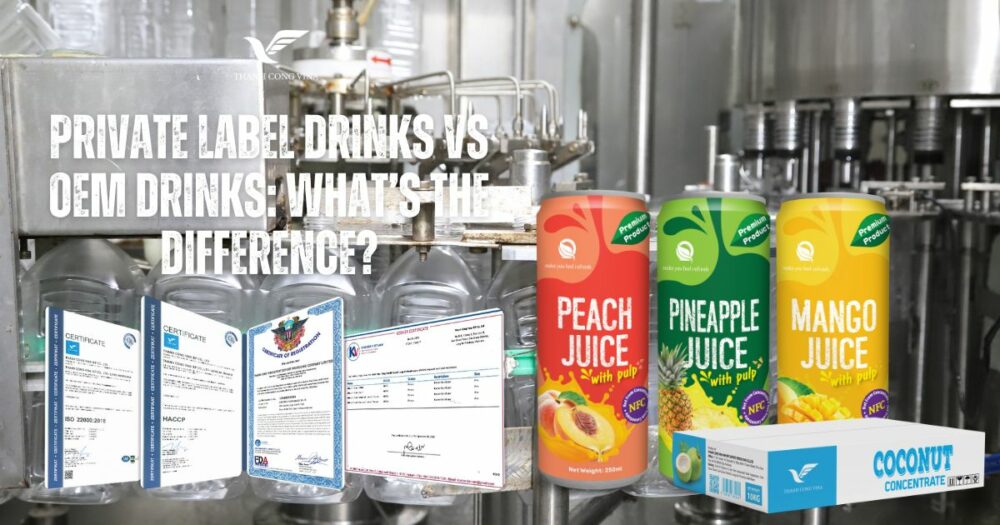
With the support of experienced beverage manufacturers, Private Label Drinks can meet global regulatory standards such as HACCP, ISO, or GMP. This ensures the products are retail-ready and meet consistency and safety expectations.
5.3 Increasing Market Footprint
By combining D2C and retail channels, brands expand their audience and reinforce credibility. Retail shelves still serve as powerful brand exposure tools, helping D2C businesses shift toward a hybrid omnichannel model.
6. Scaling Internationally with Private Label Drinks
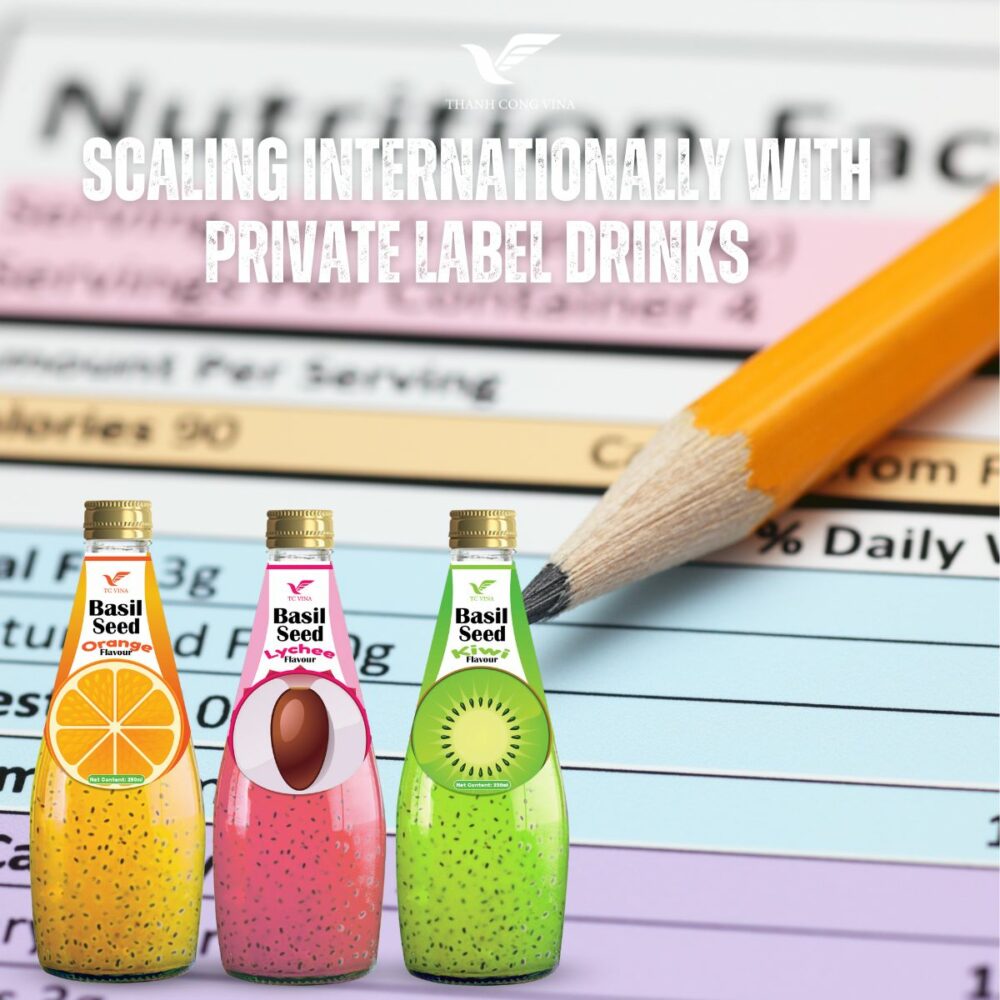
Scaling Internationally with Private Label Drinks
6.1 Export-Friendly Formulations
Private Label Drinks produced by certified manufacturers are eligible for export. This allows D2C brands to grow beyond domestic audiences and tap into international markets such as the Middle East, Europe, Africa, and Southeast Asia.
6.2 Packaging Customization for Global Appeal
Labels, languages, certifications, and packaging sizes can be adapted to regional requirements. This allows D2C brands to launch globally without restructuring their production systems.
6.3 Ability to Test Markets Quickly
Since Private Label Drinks require no heavy investments, brands can test new markets with small batches, evaluate performance, and expand progressively. This reduces risks and improves decision-making.
Conclusion
Private Label Drinks have become a strategic tool for D2C brands seeking rapid, sustainable, and profitable growth. With customizable formulations, low startup costs, strong branding capabilities, and the ability to support subscription models, Private Label Drinks offer unmatched flexibility in today’s competitive market. They empower D2C brands to build customer loyalty, expand internationally, and enter retail channels with confidence.
For companies looking for a reliable manufacturing partner to develop premium, safe, and export-ready beverage products, Thanh Cong Vina IEP CO., LTD remains a trusted choice. With a strong record in product quality, compliance, and innovation, TCVina helps D2C brands transform ideas into successful beverage lines and accelerate business growth.