
This is where OEM Beverage Suppliers play a crucial role. Rather than simply manufacturing products, modern OEM partners actively collaborate with brands to develop custom flavours that align with market trends, target demographics, and brand identity.
Custom flavour development is a structured, science-driven process that combines sensory analysis, ingredient sourcing, formulation expertise, and consumer insights. Experienced Beverage OEM Suppliers act as innovation partners, helping brands translate ideas into scalable, compliant, and market-ready beverages. This article explores how OEM beverage suppliers develop custom flavours step by step, highlighting the expertise, technology, and collaboration involved in creating beverages that succeed from concept to shelf.
1. Understanding Brand Vision and Market Positioning – OEM Beverage Suppliers
Understanding Brand Vision and Market Positioning – OEM Beverage Suppliers
Aligning Flavour with Brand Identity
The first step in custom flavour development begins with understanding the brand’s vision. Beverage OEM Suppliers work closely with brand owners to define core values, target audience, and product positioning. A flavor designed for health-conscious consumers will differ significantly from one aimed at mass-market refreshment or premium indulgence.
OEM suppliers analyze how flavor supports storytelling, whether the brand emphasizes natural ingredients, bold taste experiences, or functional benefits. This alignment ensures that the final product reflects the brand’s personality and long-term strategy.
Market and Consumer Trend Analysis
Beyond brand identity, Beverage OEM Suppliers conduct market research to identify flavor trends and consumer preferences. This may include analyzing regional taste profiles, emerging ingredients, or global beverage trends such as reduced sugar, plant-based flavors, or exotic fruit blends. Understanding market demand early helps reduce development risks and increases the likelihood of commercial success.
2. Ingredient Selection and Raw Material Sourcing
Choosing the Right Flavor Components
Ingredient selection is a critical phase in flavor development. OEM Beverage Suppliers evaluate natural fruit extracts, concentrates, herbs, botanicals, and flavor compounds to achieve the desired taste profile. The choice between natural and nature-identical flavors depends on regulatory requirements, cost considerations, and brand positioning.
Suppliers assess how ingredients interact with one another, ensuring balance, stability, and consistency across production batches.
Ensuring Quality and Traceability
Reliable Beverage OEM Suppliers source ingredients from vetted suppliers with clear traceability systems. This ensures not only consistent flavor quality but also compliance with international food safety standards. Ingredient traceability reduces risks related to contamination, supply shortages, or regulatory non-compliance.
3. Flavor Formulation and Sensory Development
Flavor Formulation and Sensory Development
Building the Initial Flavor Profile
Once ingredients are selected, OEM beverage suppliers begin formulation trials. This involves determining precise ratios of flavor components, sweeteners, acids, and functional ingredients. Small changes in formulation can significantly affect mouthfeel, aroma, and aftertaste.
Beverage OEM Suppliers rely on experienced food technologists and flavorists to balance complexity and drinkability, ensuring the beverage appeals to its intended audience.
Sensory Testing and Refinement
Sensory evaluation is essential in custom flavour development. OEM suppliers conduct internal taste panels to assess aroma, sweetness, acidity, and overall acceptability. Feedback from these panels guides iterative refinements until the flavor meets predefined criteria.
This structured sensory approach helps eliminate subjectivity and ensures consistent results across different production scales.
4. Stability Testing and Shelf-Life Optimization
Maintaining Flavor Over Time
A flavor that tastes great on day one must remain consistent throughout the product’s shelf life. Beverage OEM Suppliers perform stability tests to evaluate how flavor, color, and aroma change over time under different storage conditions.
These tests help identify potential degradation issues caused by temperature, light exposure, or ingredient interactions.
Compatibility with Processing Methods
Different processing methods—such as hot-fill, aseptic filling, or pasteurization—can affect flavor integrity. OEM suppliers test formulations under real production conditions to ensure the final beverage retains its intended taste after processing.
This step is critical for reducing post-launch quality issues and customer complaints.
5. Regulatory Compliance and Market Readiness
Regulatory Compliance and Market Readiness
Meeting Global Regulatory Standards
Custom flavours must comply with food regulations in target markets. OEM Beverage Suppliers ensure that all ingredients and flavor components meet local and international standards, including labeling and allergen requirements.
Compliance checks reduce the risk of product recalls, shipment delays, or reformulation costs after launch.
Documentation and Product Approval
OEM suppliers provide detailed formulation documentation, certificates of analysis, and technical specifications. This documentation supports regulatory approvals and helps brands communicate product attributes to distributors and retailers confidently.
6. Scaling Custom Flavours for Mass Production
From Pilot Batch to Commercial Scale
Scaling a custom flavour from laboratory trials to full-scale production requires precision. Beverage OEM Suppliers adjust formulations to maintain flavor consistency while increasing batch size. This includes recalibrating equipment and validating production parameters.
Experienced OEM partners ensure that the flavor remains identical across all production runs, regardless of volume.
Cost Optimization Without Compromising Taste
As production scales, cost optimization becomes a priority. OEM suppliers evaluate alternative ingredients or sourcing strategies that maintain flavor quality while improving cost efficiency. This balance supports sustainable growth for beverage brands.
7. Collaboration and Continuous Innovation
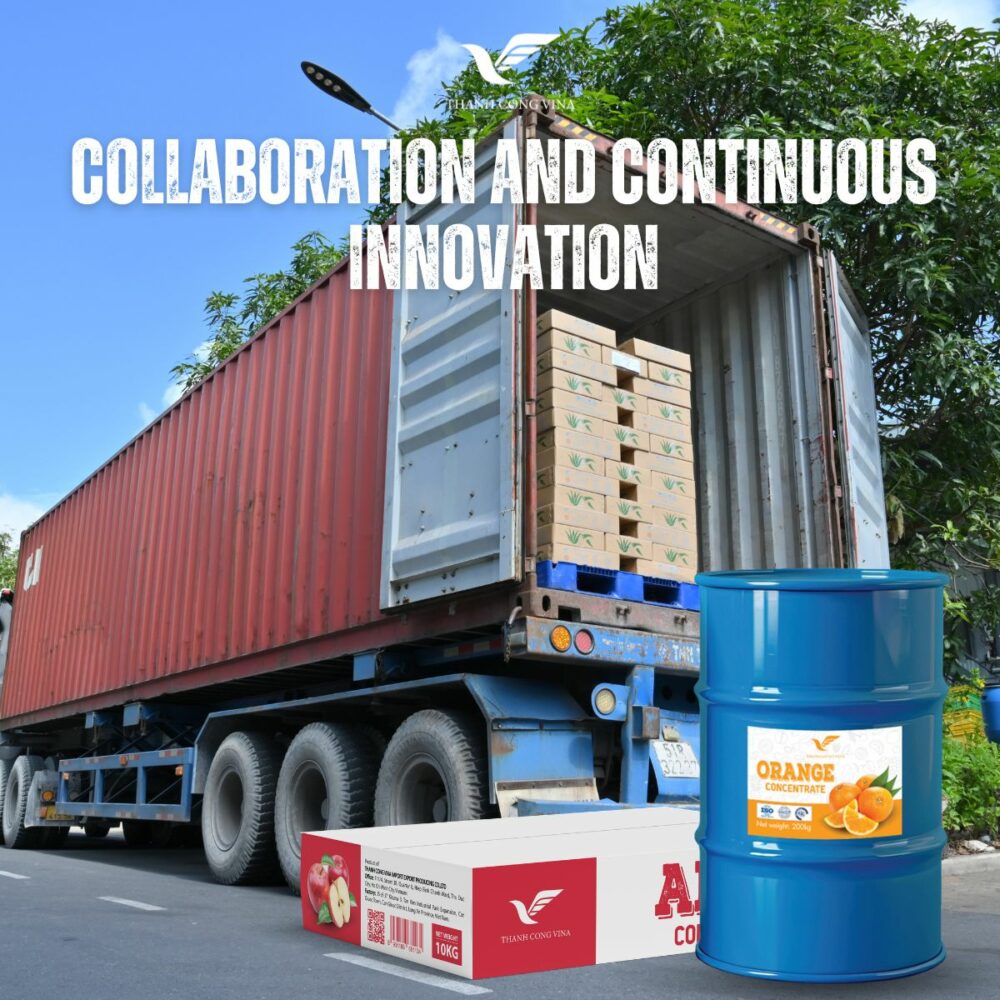
Collaboration and Continuous Innovation
Ongoing Flavour Optimization
Custom flavour development does not end at product launch. Beverage OEM Suppliers continuously monitor consumer feedback and market trends to refine or expand flavor portfolios. Seasonal variations, limited editions, or regional adaptations keep brands competitive.
Long-Term Innovation Partnerships
The most successful brands treat OEM suppliers as long-term partners rather than transactional manufacturers. Strong collaboration enables faster innovation cycles, reduced development risks, and a steady pipeline of new beverage concepts.
Conclusion
Custom flavour development is a complex process that blends creativity, science, and strategic collaboration. By working with experienced OEM Beverage Suppliers, brands gain access to technical expertise, advanced testing capabilities, and market insights that transform ideas into successful products. From understanding brand vision and selecting high-quality ingredients to ensuring stability, compliance, and scalability, OEM partners play a vital role at every stage.
Thanh Cong Vina is a trusted name among Beverage OEM Suppliers, offering comprehensive flavour development services tailored to global beverage brands. With strong R&D capabilities, certified manufacturing standards, and deep export experience, Thanh Cong Vina helps brands create distinctive flavours that resonate with consumers worldwide. Partnering with OEM Beverage Suppliers like Thanh Cong Vina enables brands to innovate confidently, reduce development risks, and build beverages that stand out in competitive markets.