
The global beverage industry continues to evolve as consumers demand higher quality, transparency, and authenticity in fruit-based products. Among the most discussed topics in juice production is the difference between Juice Concentrate and NFC (Not From Concentrate) juice. For brands entering the beverage market or expanding their product portfolio, understanding these two processing methods is essential. More importantly, partnering with experienced OEM Manufacturers can determine whether a product succeeds in a highly competitive landscape.
OEM Manufacturers provide technical expertise, advanced processing technology, and regulatory compliance support that enable brands to launch high-quality juice products efficiently. Whether developing private label fruit concentrate for industrial applications or premium NFC beverages for retail shelves, the right manufacturing partner ensures consistent quality, cost optimization, and scalable production. In this comprehensive guide, we explore the differences between Juice Concentrate and NFC, and explain what OEM Manufacturers truly offer to beverage brands worldwide.
1. Understanding Juice Concentrate: Processing, Benefits, and Applications
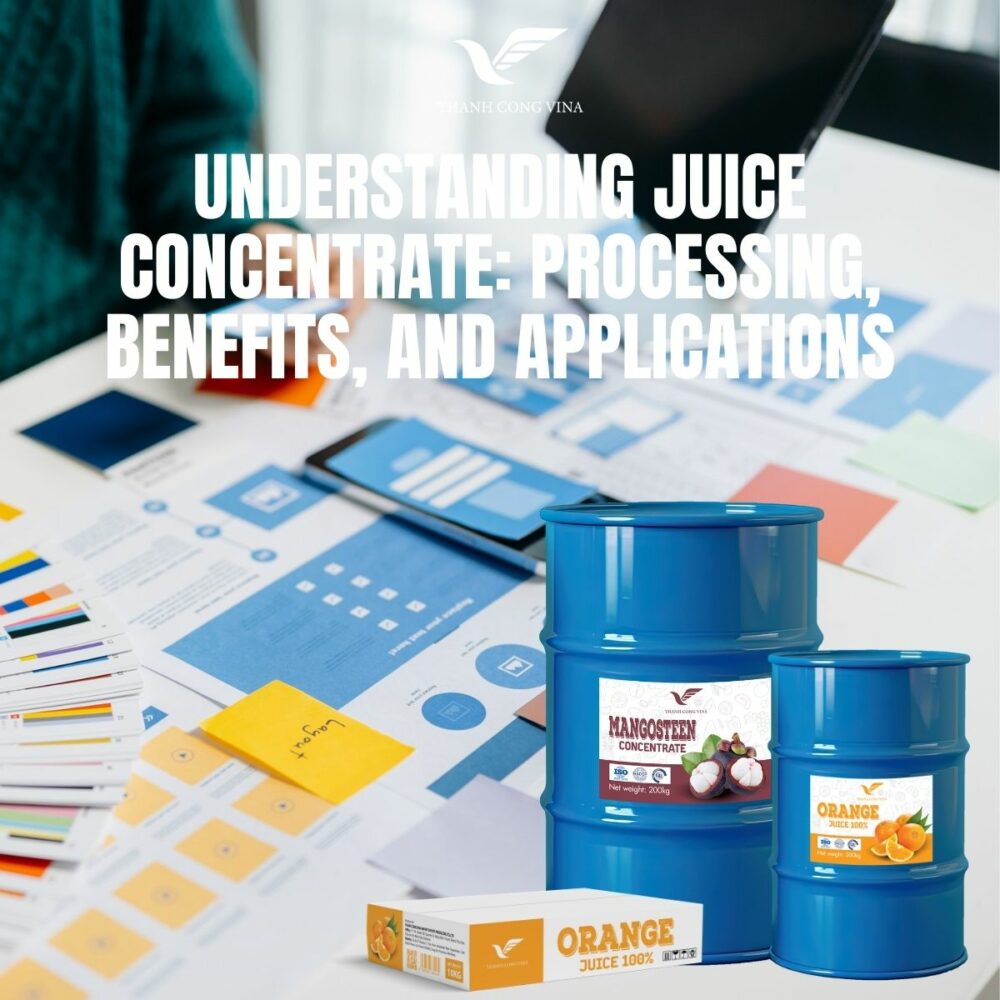
Understanding Juice Concentrate: Processing, Benefits, and Applications
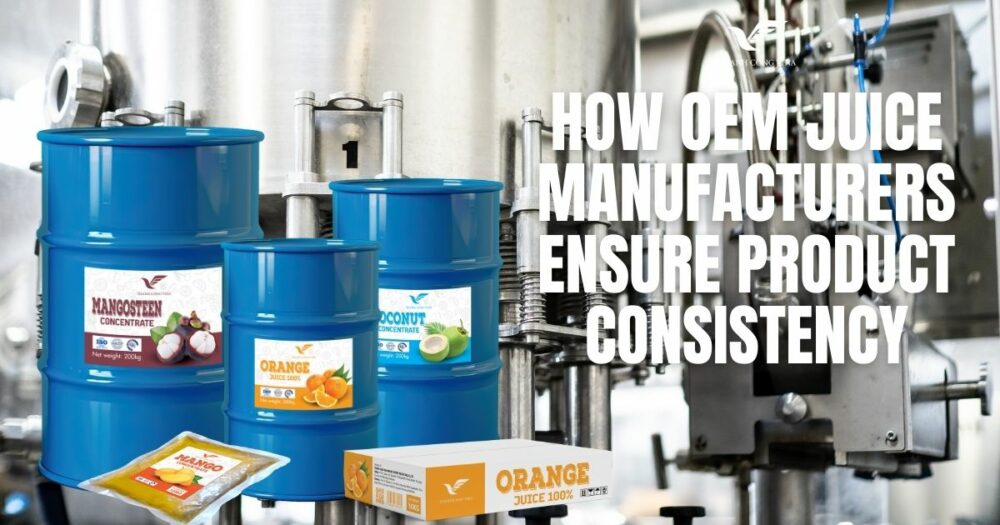
Juice concentrate is produced by removing a significant portion of water from freshly extracted fruit juice. This process reduces volume and weight, making storage and transportation more efficient.
How Juice Concentrate Is Produced
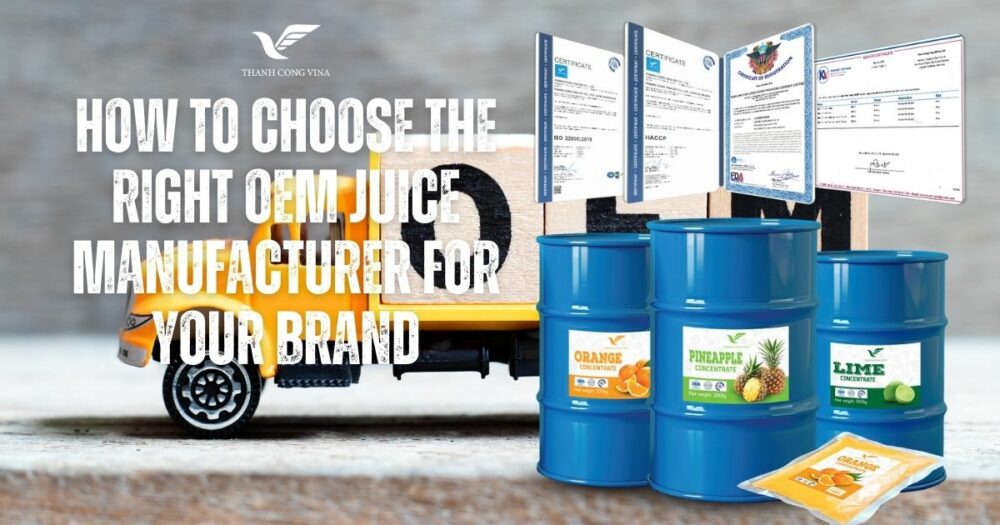
The production of juice concentrate typically involves washing, crushing, pressing, and filtering fresh fruit. The extracted juice is then subjected to evaporation under controlled temperatures, where water is removed while preserving essential flavor compounds and nutrients. Advanced evaporation systems allow manufacturers to retain aroma essences, which can later be reintroduced during reconstitution.
Concentration levels are measured in Brix, indicating sugar content. Higher Brix levels reflect a more concentrated product, suitable for further dilution or industrial use. OEM Manufacturers use precise temperature control and vacuum technology to minimize nutrient degradation during this process.
Advantages of Juice Concentrate
Juice concentrate offers several commercial advantages:
Cost Efficiency: Reduced transportation and storage costs due to lower volume.
Extended Shelf Life: Lower water content helps inhibit microbial growth.
Industrial Flexibility: Ideal for reconstitution, blending, and use in beverages, dairy products, confectionery, and bakery applications.
Global Distribution: Easier export logistics compared to fresh juice.
For brands targeting mass production or international markets, juice concentrate provides a practical solution that balances quality and affordability. OEM Manufacturers play a critical role in ensuring consistent Brix levels, stable flavor profiles, and compliance with international food safety standards.
2. NFC (Not From Concentrate) Juice: Premium Quality and Market Positioning
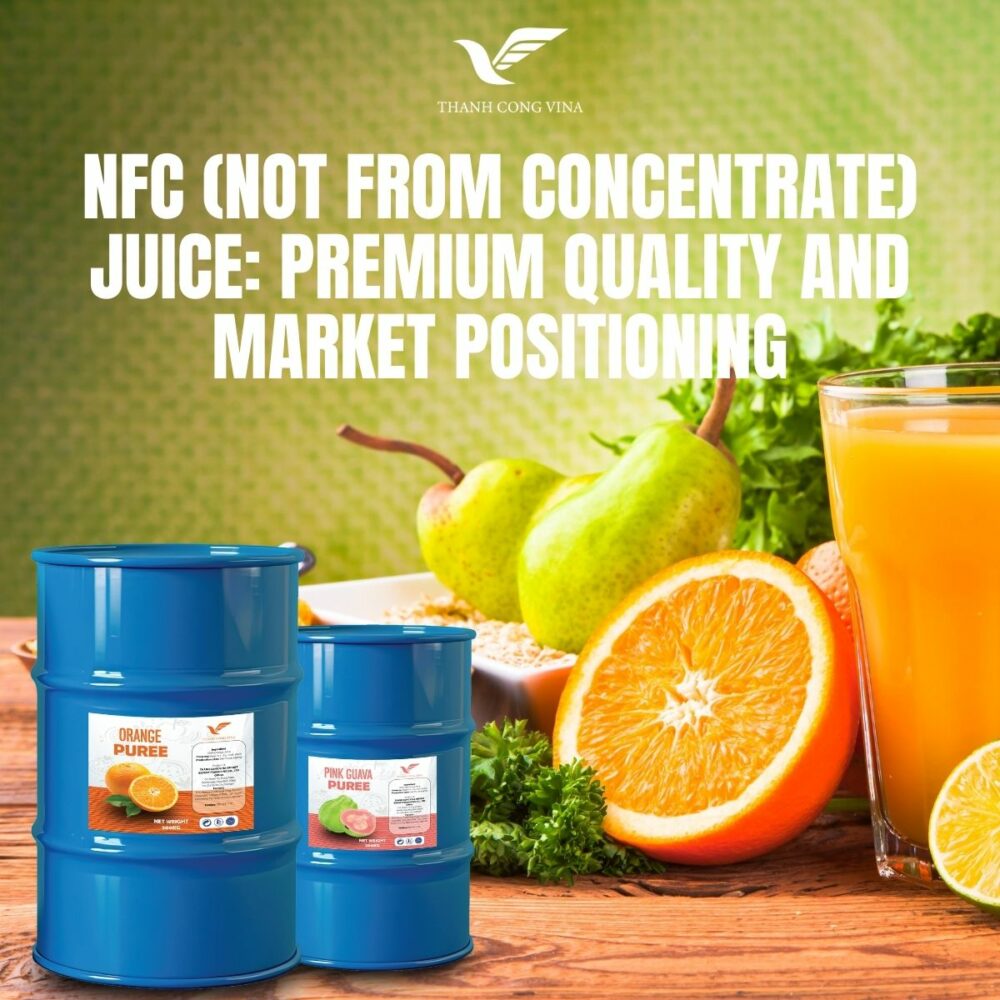
NFC (Not From Concentrate) Juice: Premium Quality and Market Positioning
NFC juice, or Not From Concentrate juice, is produced by extracting juice directly from fresh fruit without removing water content. It undergoes pasteurization for safety but maintains a composition close to freshly squeezed juice.
NFC Production Process
The NFC process includes fruit selection, washing, crushing, pressing, filtration, and pasteurization. Unlike concentrate production, evaporation is not applied. Instead, the juice is gently heat-treated or processed using advanced methods to eliminate harmful microorganisms while retaining natural flavor and nutrients.
Cold chain logistics are essential for NFC products, as they often require refrigerated storage to maintain freshness and shelf life.
Market Advantages of NFC Juice
NFC juice is commonly positioned as a premium product due to its perceived freshness and authenticity. Key benefits include:
Natural Taste Profile: Minimal processing preserves original fruit flavor.
Premium Branding Opportunities: Ideal for health-conscious consumers.
Higher Retail Value: Commands higher price points in supermarkets.
Clean Label Appeal: Often marketed as minimally processed.
However, NFC production requires greater investment in cold storage, transportation, and shelf-life management. OEM Manufacturers equipped with advanced pasteurization and aseptic filling systems ensure that NFC products meet safety requirements while maintaining premium quality.
For brands seeking to build a high-end image, NFC offers strong differentiation, but it demands technical expertise and robust quality control systems.
3. OEM Manufacturers: Bridging Technology, Quality, and Market Demand
OEM Manufacturers serve as strategic partners for beverage brands, providing comprehensive production solutions for both juice concentrate and NFC products.
Technical Expertise and R&D Support
Professional OEM Manufacturers maintain dedicated research and development teams. These experts assist clients in selecting the appropriate processing method based on target markets, price positioning, and distribution channels.
For example, a brand targeting large-scale export to multiple countries may benefit from juice concentrate due to its logistical advantages. Conversely, a brand focusing on premium urban consumers may choose NFC for its natural appeal.
OEM Manufacturers also help optimize formulations by adjusting sugar levels, acidity, pulp content, and flavor balance. This customization ensures that the final product aligns with consumer preferences in specific regions.
Production Infrastructure and Scalability
Modern manufacturing facilities include automated extraction lines, vacuum evaporation systems, pasteurization equipment, and aseptic filling machines. These technologies enable consistent quality across large production volumes.
Scalability is another major advantage. Whether launching a pilot batch or producing millions of units, OEM Manufacturers provide flexible capacity to match market demand. This reduces financial risk and allows brands to grow sustainably.
By combining advanced machinery with strict quality management systems, OEM Manufacturers bridge the gap between innovative product concepts and commercial success.
4. Comparing Juice Concentrate and NFC: Strategic Considerations for Brands
Comparing Juice Concentrate and NFC: Strategic Considerations for Brands
Choosing between juice concentrate and NFC is not merely a technical decision; it is a strategic one that affects branding, pricing, and distribution.
Cost and Logistics Comparison
Juice concentrate significantly reduces shipping costs due to lower weight and volume. It is suitable for markets with long-distance export routes. NFC, on the other hand, requires refrigerated logistics and shorter supply chains, increasing overall operational expenses.
Brands targeting emerging markets often prefer concentrate for its economic efficiency, while premium retailers may prioritize NFC for perceived quality.
Consumer Perception and Marketing Strategy
Consumer perception plays a decisive role. NFC is often associated with freshness and health benefits, appealing to wellness-focused buyers. Juice concentrate, when properly reconstituted, can deliver comparable taste at a more accessible price point.
OEM Manufacturers provide valuable insights into regional trends, helping brands choose the most effective strategy for their target audience. By evaluating distribution infrastructure, price sensitivity, and brand positioning, businesses can make informed decisions that maximize profitability.
5. Quality Control, Certifications, and Compliance in OEM Production
Quality Control, Certifications, and Compliance in OEM Production
Regardless of processing method, strict quality control is essential. OEM Manufacturers operate under internationally recognized certifications to ensure product safety and consistency.
International Standards and Food Safety Systems
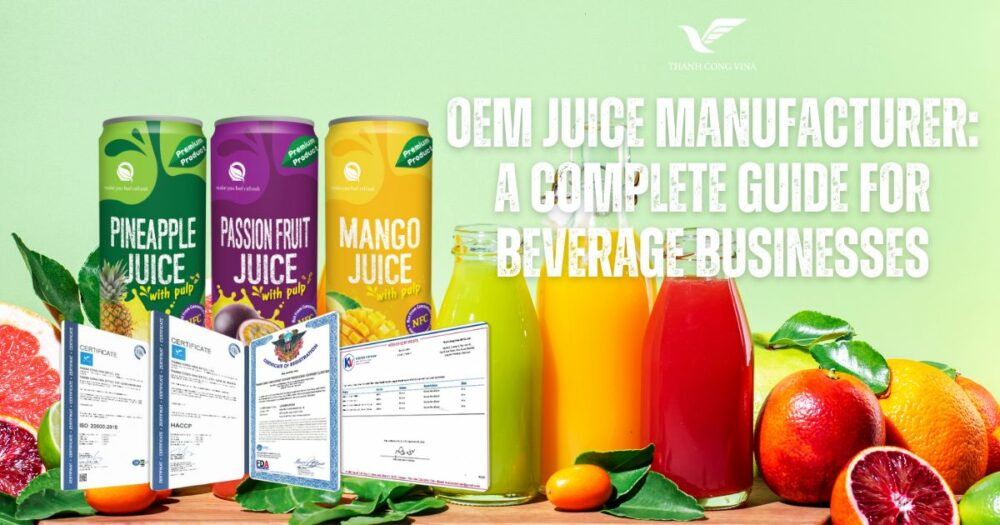
Reputable manufacturers comply with ISO quality management systems, HACCP food safety protocols, FDA registration, and HALAL certification. These standards ensure hygienic production environments and traceability from raw materials to finished products.
Routine laboratory testing monitors microbiological safety, Brix levels, acidity, and sensory quality. Continuous audits reduce the risk of contamination and protect brand reputation.
Traceability and Transparency
Modern OEM Manufacturers implement digital traceability systems, allowing rapid identification of ingredient sources and production batches. This transparency is particularly important for export markets with strict regulatory frameworks.
By maintaining rigorous compliance and documentation, OEM partners enable brands to expand confidently into global markets without regulatory barriers.
6. Innovation and Customization Capabilities of OEM Manufacturers
In today’s competitive beverage market, innovation drives differentiation. OEM Manufacturers offer customization services that extend beyond basic production.
Product Diversification
Manufacturers support the development of fruit blends, functional beverages, reduced-sugar formulations, and fortified juices enriched with vitamins or minerals. This flexibility allows brands to respond quickly to emerging health trends.
Packaging Solutions
OEM Manufacturers provide diverse packaging options, including PET bottles, glass bottles, aluminum cans, and aseptic cartons. Sustainable packaging alternatives further enhance brand image in environmentally conscious markets.
By offering end-to-end solutions from formulation to packaging design, OEM Manufacturers empower beverage companies to create distinctive, high-quality product lines tailored to global demand.
Conclusion
Understanding the difference between Juice Concentrate and NFC is fundamental for beverage brands seeking sustainable growth. Each processing method offers unique advantages in terms of cost, logistics, taste profile, and market positioning. The key to success lies in selecting the right production strategy and partnering with experienced OEM Manufacturers who can deliver consistent quality and regulatory compliance.
Thanh Cong Vina stands as a trusted partner for global beverage brands, offering advanced processing technology for both juice concentrate and NFC production. With international certifications, modern facilities, and comprehensive R&D support, Thanh Cong Vina helps clients transform product concepts into market-ready solutions. By collaborating with Thanh Cong Vina, brands gain access to professional OEM Manufacturers dedicated to quality, innovation, and long-term success in the competitive juice industry.