
In the global beverage industry, packaging plays a decisive role in determining product safety, shelf life, transportation efficiency, and brand perception. For companies working with an OEM Juice Manufacturer, selecting the right packaging solution is not simply a design decision—it is a strategic factor that directly impacts export success. International markets impose strict standards on food safety, labeling compliance, and durability during long-distance shipping. At the same time, consumers expect attractive, sustainable, and convenient packaging formats.
An experienced OEM partner provides more than beverage production; they offer comprehensive packaging expertise tailored for export requirements. From aseptic cartons and PET bottles to aluminum cans and glass containers, each packaging option has distinct advantages and cost implications. Understanding these options allows beverage brands to balance protection, branding, and logistics efficiency. This guide explores key packaging solutions available through OEM Juice Manufacturer and explains how to choose the best format for successful global distribution.
1. The Role of Packaging in International Juice Export
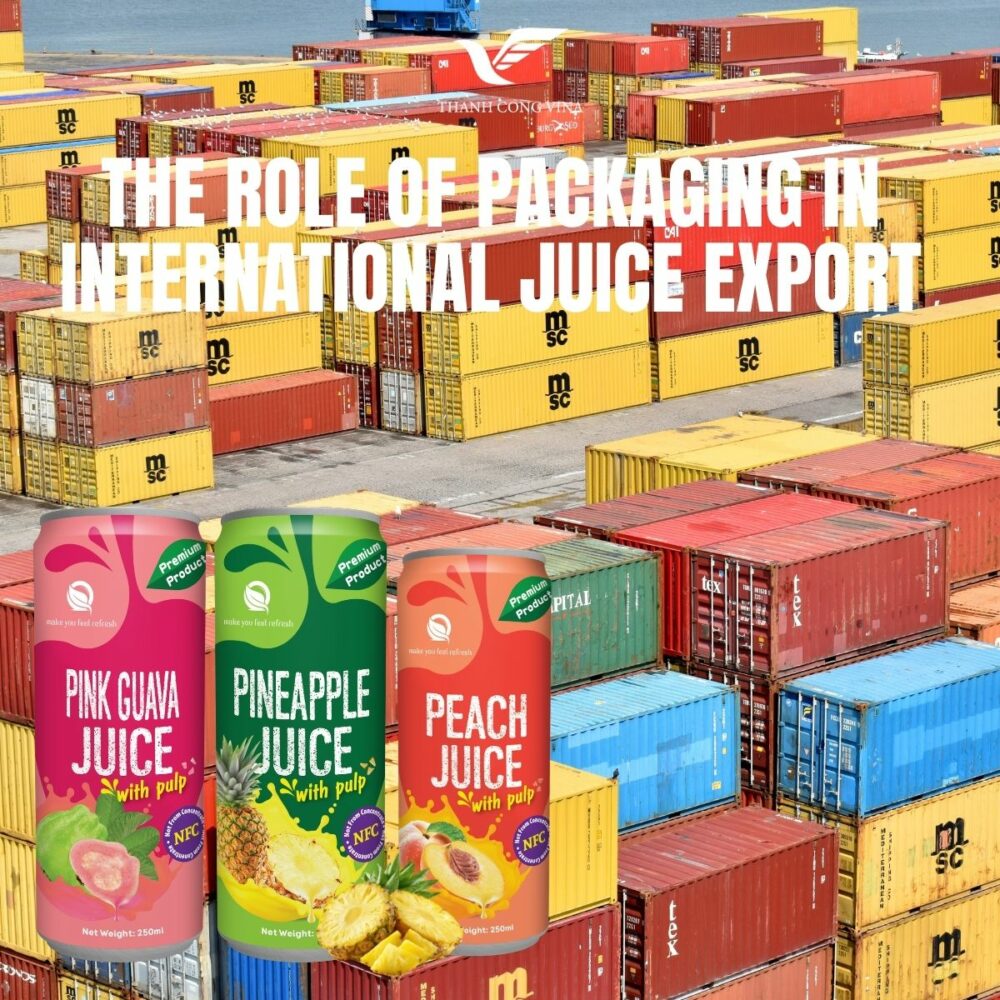
The Role of Packaging in International Juice Export
1.1 Protecting Product Integrity During Transit
Exporting juice products involves extended transportation periods, often across multiple climate zones. Temperature fluctuations, humidity, and physical movement can compromise product stability if packaging is inadequate.
OEM Juice Manufacturer design packaging solutions that protect juice from oxygen exposure, light penetration, and contamination. Multi-layer materials and sealed closures maintain freshness while preventing microbial risks. Choosing packaging engineered for durability ensures the beverage maintains its taste, color, and nutritional value from factory to retail shelf.
1.2 Meeting Regulatory and Labeling Requirements
Different countries have specific packaging regulations covering labeling, recycling standards, and material safety. Export-ready packaging must comply with food contact material laws, barcode standards, and ingredient declaration rules.
An experienced OEM partner helps brands align packaging specifications with target market regulations. This reduces the risk of customs delays, rejected shipments, or re-labeling costs. Proper compliance ensures smoother international distribution and protects brand credibility.
2. Aseptic Carton Packaging for Shelf-Stable Juice
2.1 Advantages of Aseptic Technology
Aseptic carton packaging is widely used for shelf-stable fruit juices intended for export. This method combines ultra-high temperature processing with sterile filling systems to eliminate microorganisms while preserving flavor.
The primary advantage is extended shelf life without refrigeration. This makes aseptic cartons ideal for markets where cold chain logistics are limited or expensive. Lightweight materials also reduce shipping costs compared to glass alternatives.
2.2 Export Efficiency and Sustainability
Carton packaging typically consists of layered paperboard, aluminum, and plastic, providing strong barrier protection. Its rectangular shape optimizes pallet space, increasing container loading efficiency.
Many international buyers prefer aseptic cartons due to their recyclability and lower carbon footprint compared to heavier materials. OEM Juice Manufacturer often provide various carton sizes to meet retail and institutional distribution needs.
3. PET Bottles: Flexible and Cost-Effective Export Solution
3.1 Lightweight and Durable Design
PET bottles are popular for juice exports because of their durability and light weight. They resist breakage during transit and reduce freight costs. Transparent bottles also allow consumers to see the product, enhancing trust and visual appeal.
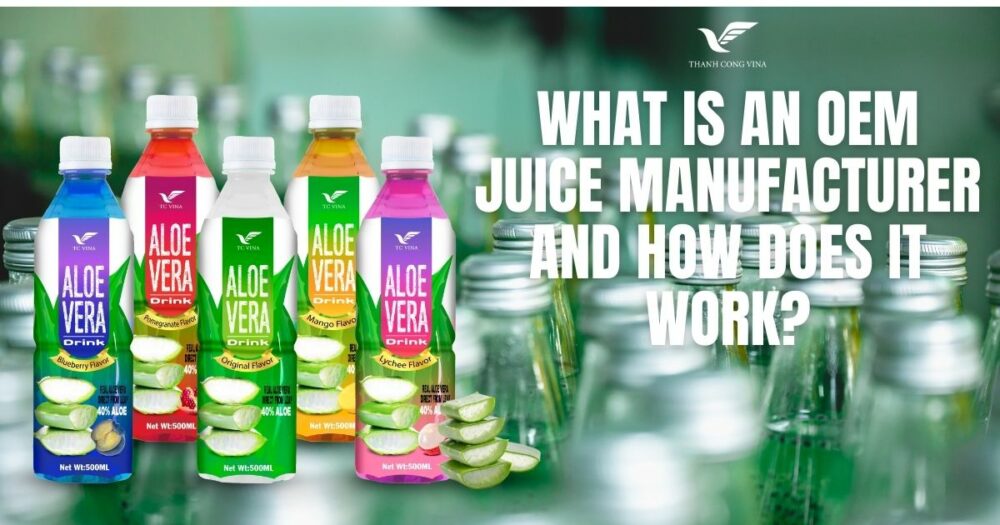
OEM Juice Manufacturer offer customizable PET bottle shapes and sizes to differentiate brands while maintaining cost efficiency. Tamper-evident caps and secure sealing systems protect product safety during international shipping.
3.2 Customization and Branding Opportunities
PET packaging supports vibrant labeling and shrink-sleeve designs that enhance shelf visibility. Brands targeting competitive retail environments often choose PET bottles to maximize marketing impact.
However, exporters must consider recycling regulations in destination markets. Many OEM partners provide guidance on using recyclable materials and meeting sustainability standards required by global retailers.
4. Aluminum Cans for Premium and Carbonated Juice Products
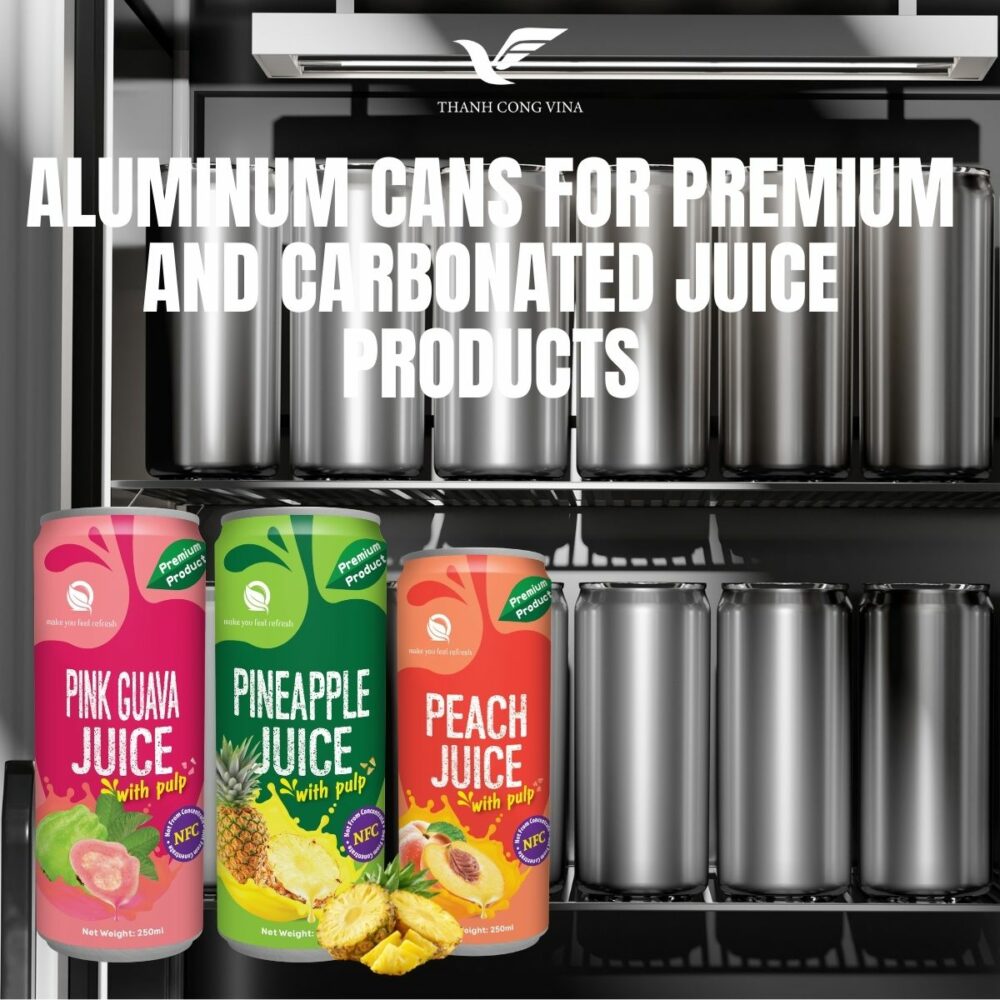
Aluminum Cans for Premium and Carbonated Juice Products
4.1 Enhanced Protection and Modern Appeal
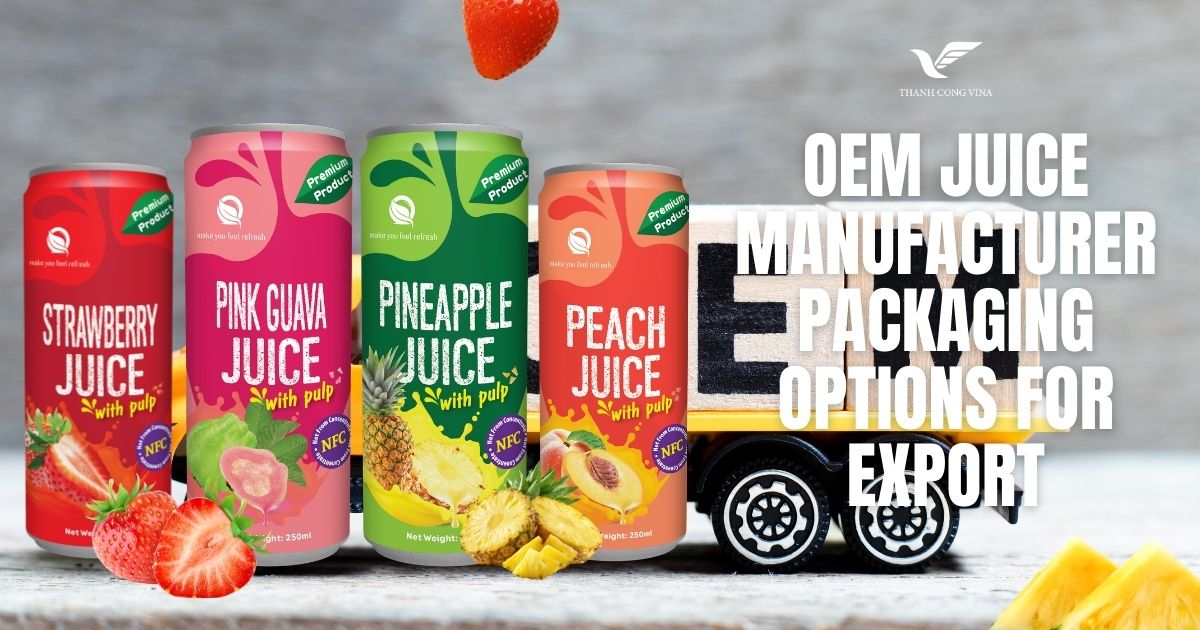
Aluminum cans offer excellent protection against light and oxygen exposure. This makes them suitable for flavored juice beverages and carbonated fruit drinks. The sealed structure maintains carbonation and flavor stability over long shipping periods.
Cans are also lightweight and stackable, optimizing container loading efficiency. Their sleek appearance aligns with modern beverage trends, appealing to younger consumers and urban markets.
4.2 Recycling Benefits and Environmental Compliance
Aluminum is highly recyclable, which supports sustainability initiatives. Many export markets prioritize eco-friendly packaging, making aluminum cans an attractive option.
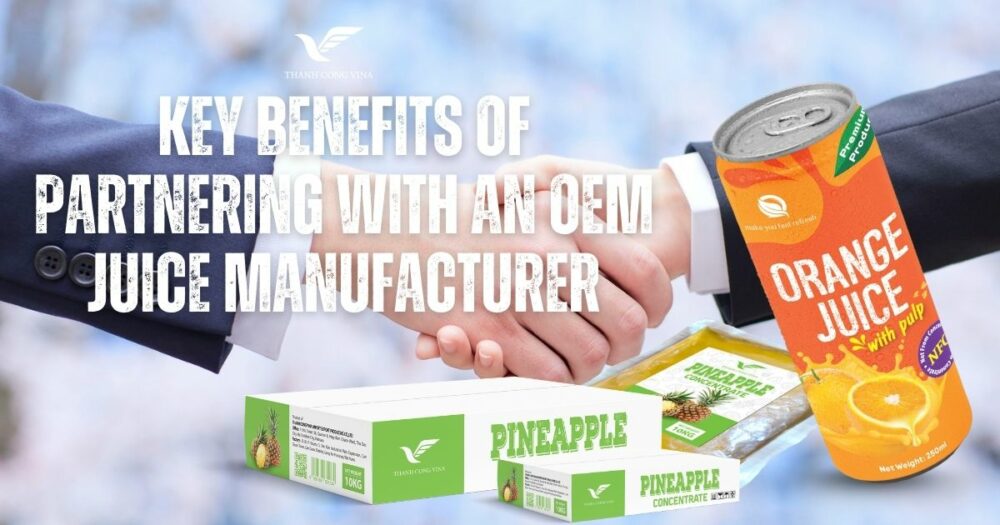
OEM manufacturers equipped with canning lines can produce various sizes and provide high-quality printing directly on the can surface, enhancing brand recognition.
5. Glass Bottles for Premium Export Markets
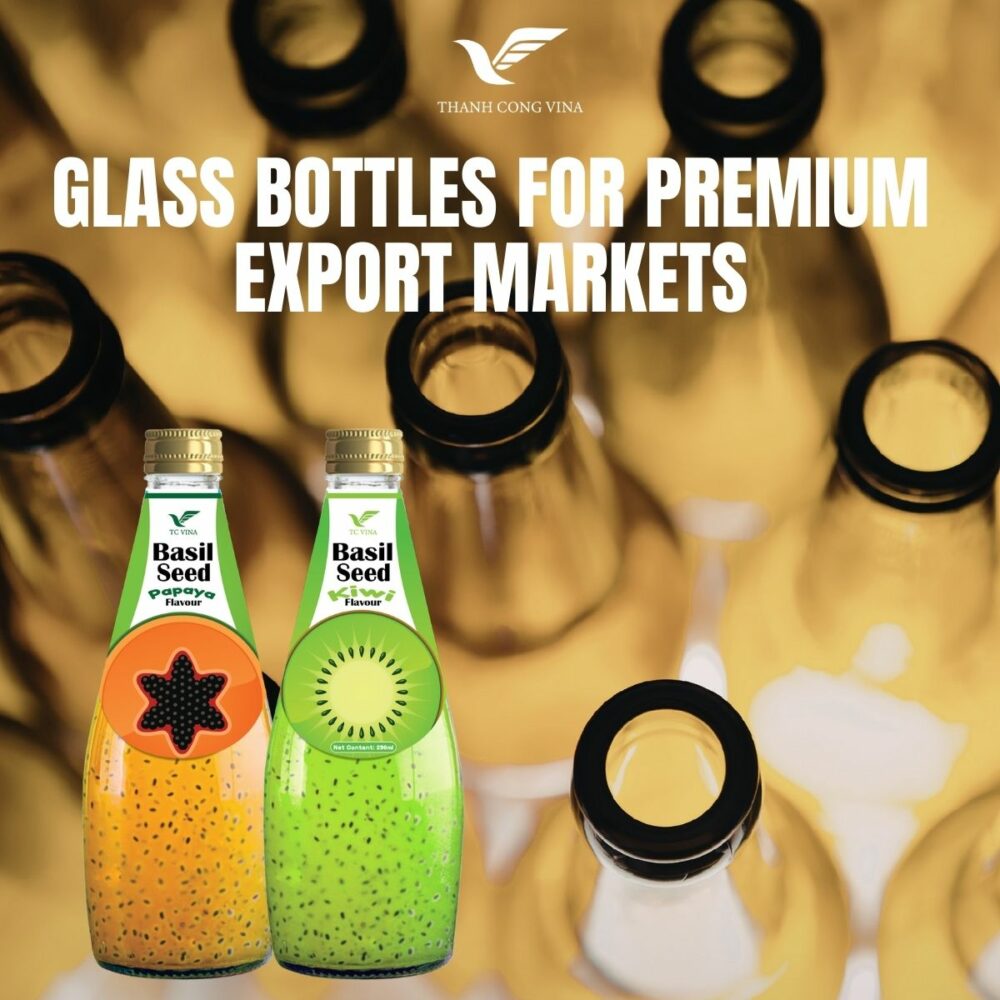
Glass Bottles for Premium Export Markets
5.1 Perceived Quality and Brand Positioning
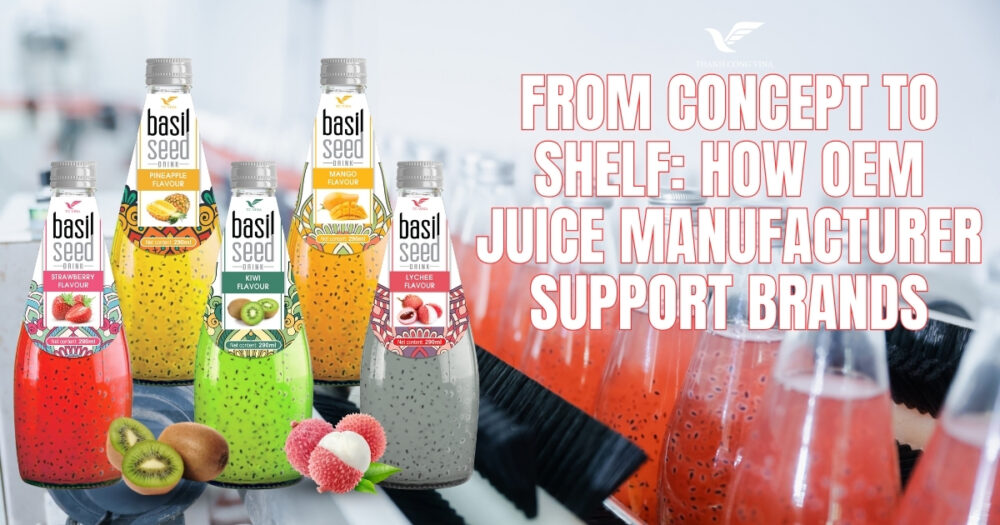
Glass bottles convey premium quality and are often chosen for high-end juice brands. They preserve flavor integrity without chemical interaction, making them ideal for organic or specialty products.
In markets where consumers associate glass packaging with authenticity and luxury, this format can justify higher price points.
5.2 Logistics Considerations
Despite their aesthetic appeal, glass bottles are heavier and more fragile than other packaging options. This increases shipping costs and requires protective secondary packaging.
OEM manufacturers must implement strict quality checks and secure palletization methods to minimize breakage during transit. Brands targeting niche premium segments often accept these higher costs in exchange for stronger brand positioning.
6. Flexible Pouches and Innovative Packaging Formats
6.1 Lightweight and Space-Efficient
Flexible pouches are gaining popularity in export markets due to their minimal material usage and efficient storage. They are lightweight and reduce shipping expenses while maintaining adequate barrier protection.
This format is particularly suitable for single-serve portions and children’s juice products. OEM Juice Manufacturer can integrate spouts and resealable features for convenience.
6.2 Adapting to Emerging Consumer Trends
As sustainability awareness grows, some markets favor packaging that reduces material consumption. Flexible pouches often require fewer raw materials compared to rigid containers.
OEM partners continuously evaluate innovative materials to improve recyclability and environmental performance, helping brands stay aligned with evolving global trends.
7. Choosing the Right OEM Juice Manufacturer for Export Packaging
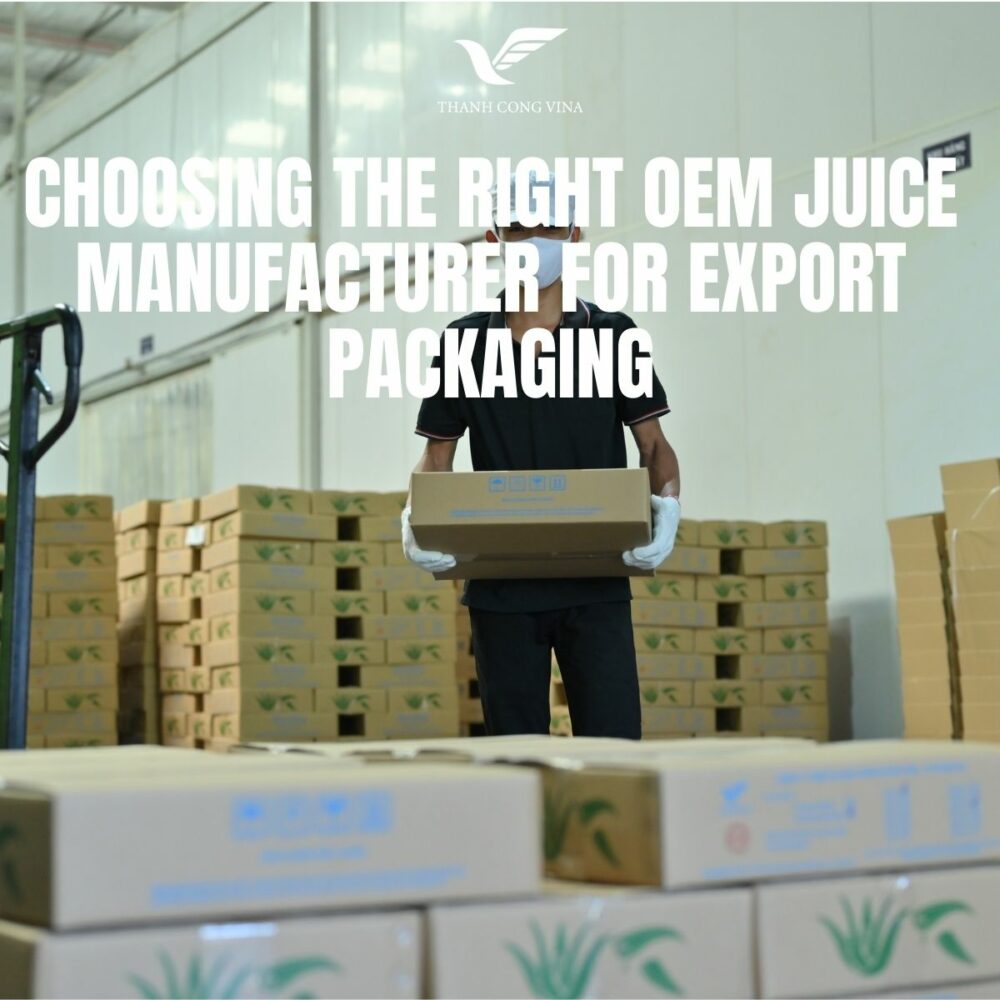
Choosing the Right OEM Juice Manufacturer for Export Packaging
7.1 Evaluating Technical Capabilities
Selecting the right OEM Juice Manufacturer requires assessing production technology, packaging line diversity, and export experience. Manufacturers with multiple packaging systems offer greater flexibility and allow brands to adapt to different market requirements.
It is essential to review certifications, quality control systems, and past export records to ensure reliability.
7.2 Long-Term Packaging Strategy
Packaging decisions should align with long-term brand growth. A manufacturer capable of scaling production, introducing new formats, and supporting regulatory updates ensures sustainability in competitive markets.
Strategic collaboration with a capable OEM partner simplifies complex export processes and enhances operational efficiency.
Conclusion
Packaging is more than a container—it is a strategic component of global beverage success. From aseptic cartons and PET bottles to aluminum cans and glass packaging, each format offers unique benefits depending on market positioning, logistics conditions, and consumer expectations. By carefully evaluating packaging options with an experienced OEM partner, beverage brands can ensure product safety, regulatory compliance, and strong shelf appeal across international markets.
A trusted OEM Juice Manufacturer such as Thanh Cong Vina IEP CO., LTD provides comprehensive packaging solutions tailored for export requirements. With modern production facilities and global compliance expertise, Thanh Cong Vina supports brands in selecting efficient, durable, and market-appropriate packaging formats. By partnering with Thanh Cong Vina, companies gain not only reliable production capacity but also strategic packaging guidance that strengthens international competitiveness and long-term growth.