
As the global beverage market continues to grow, brands face an important strategic decision: should they produce juice products in-house or partner with an external manufacturer? Both approaches offer advantages, but they also come with different costs, risks, and growth potential. For startups and expanding beverage companies, this choice can directly impact profitability, scalability, and long-term success.
In-house production provides full operational control, but it requires heavy investment, technical expertise, and regulatory compliance. On the other hand, working with an OEM juice manufacturer allows brands to outsource production while focusing on marketing, distribution, and brand development.
This article compares OEM manufacturing and in-house production across key business factors, helping beverage brands determine which model best supports sustainable growth and competitive positioning.
1. Understanding the Two Production Models
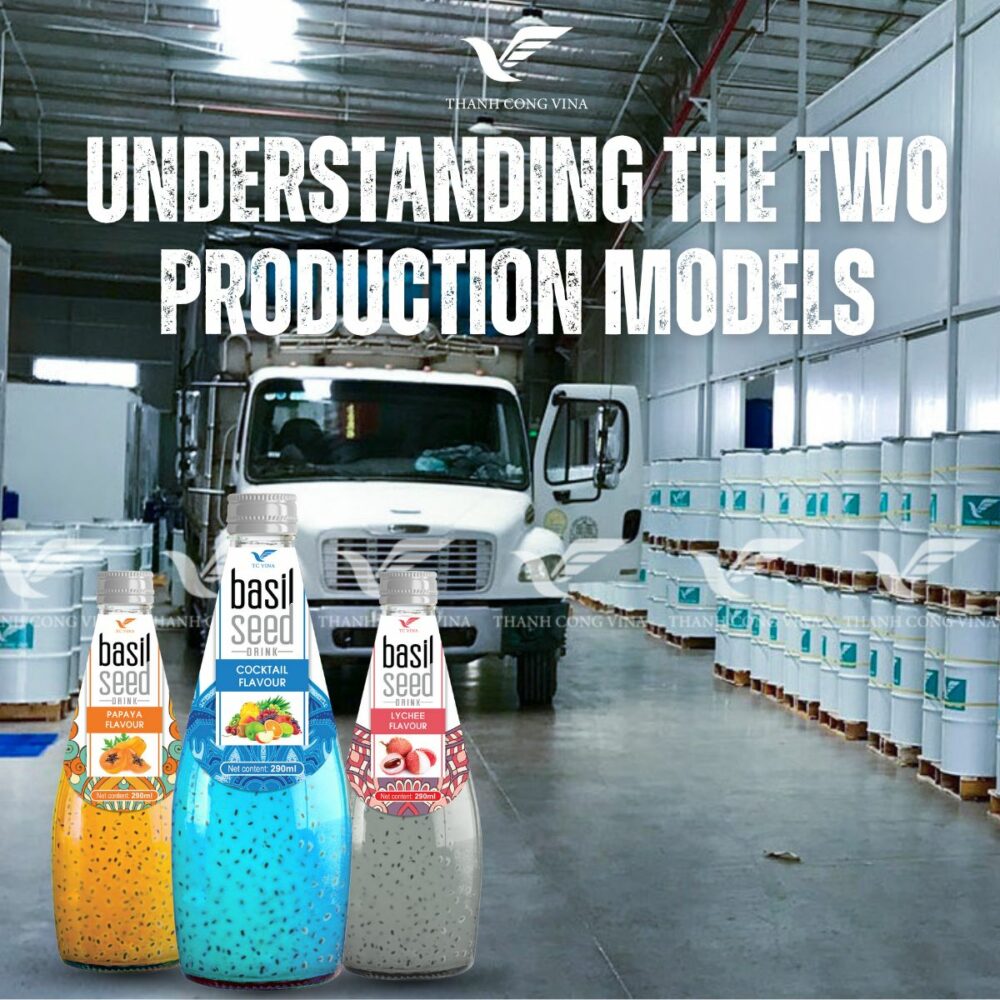
Understanding the Two Production Models
What Is In-House Production?
In-house production means that a brand owns and operates its own manufacturing facility. This includes sourcing raw materials, managing production lines, hiring staff, handling quality control, and meeting regulatory standards.
Brands that choose this route have full control over every step of the production process. However, they also bear full responsibility for operational efficiency, compliance, and financial risk.
What Is OEM Manufacturing?
OEM manufacturing involves outsourcing production to a specialized manufacturer that produces beverages according to the brand’s specifications. The brand controls the recipe, branding, and marketing, while the OEM partner manages production and technical operations.
This model allows companies to enter the market faster without investing in factories or equipment.
The main difference lies in resource allocation. In-house production focuses on internal control, while OEM manufacturing emphasizes efficiency, scalability, and cost optimization.
2. Cost Structure and Financial Impact
Capital Investment Requirements
In-house production requires significant upfront investment in land, machinery, utilities, quality labs, and staff training. These costs can reach millions of dollars before the first product is sold.
OEM manufacturing eliminates these expenses. Brands only pay for production, ingredients, and packaging, allowing better cash flow management.
Operating Expenses
Running a factory involves ongoing costs such as maintenance, energy, labor, and compliance audits. These expenses remain constant regardless of sales volume.
With OEM manufacturing, costs are directly tied to production volume, making financial planning more flexible.
Risk Exposure
In-house production carries higher financial risk if demand fluctuates. OEM manufacturing reduces risk by offering scalable output without fixed overhead costs.
3. Speed to Market and Business Agility
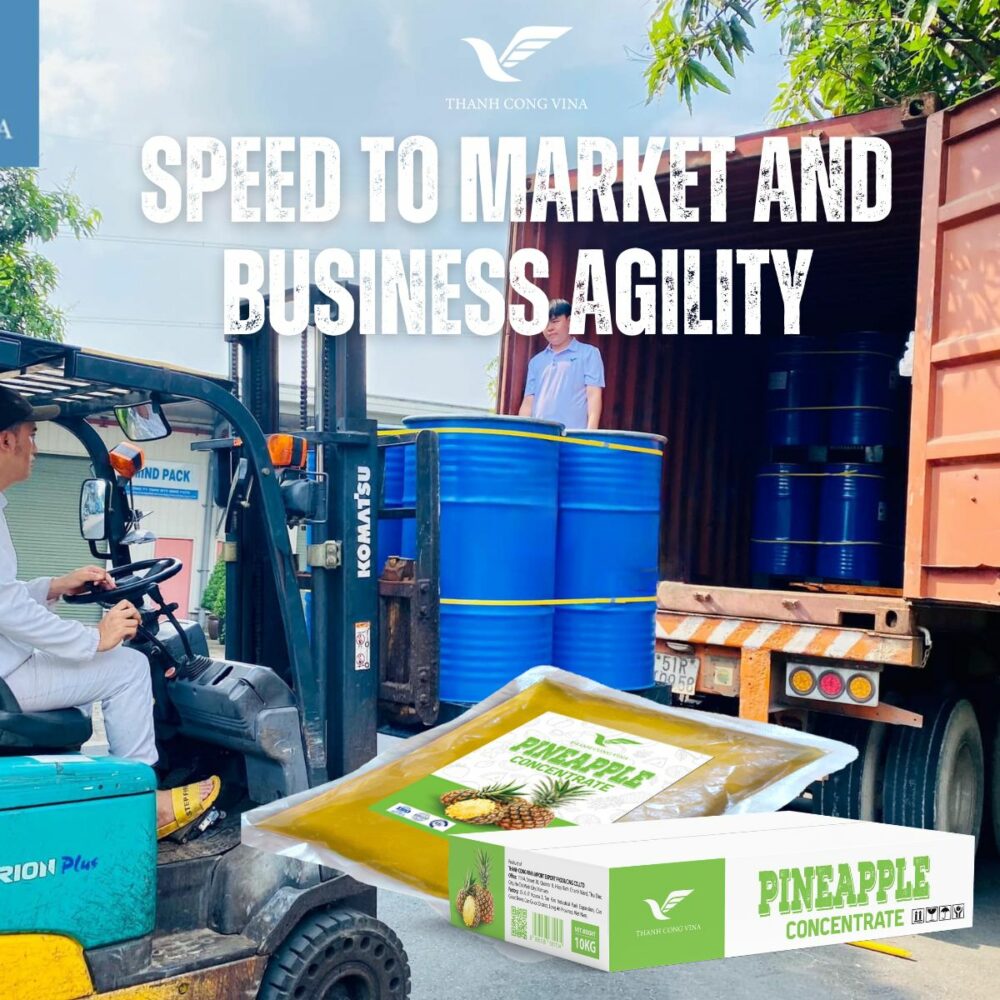
Speed to Market and Business Agility
Faster Product Launches
OEM partners already have established production systems. This allows brands to launch new juice products within months rather than years.
In-house production requires time for facility setup, equipment installation, and staff training, delaying market entry.
Responding to Market Trends
Consumer preferences change quickly, especially in health and functional beverages. OEM manufacturers can adapt formulations and packaging faster due to their experience and technical resources.
Seasonal and Regional Demand
OEM manufacturing enables flexible production for seasonal campaigns or new market entry, while in-house operations may struggle with sudden demand changes.
4. Quality Control and Compliance
Regulatory Standards
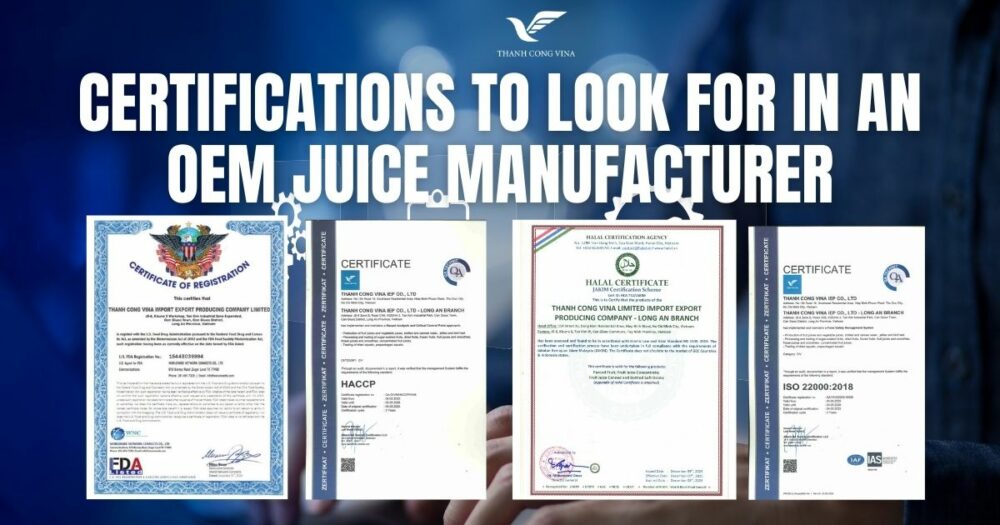
OEM manufacturers operate under strict food safety certifications such as ISO, HACCP, and FDA standards. This ensures compliance with international regulations.
In-house production requires brands to build their own compliance systems, which can be complex and costly.
Product Consistency
OEM partners use standardized production methods to ensure consistent taste, texture, and shelf life.
In-house operations depend heavily on internal expertise, which may vary over time.
Risk Management
OEM manufacturers handle audits, documentation, and inspections, reducing legal risks for brands.
5. Why an OEM Juice Manufacturer Supports Faster Growth
Why an OEM Juice Manufacturer Supports Faster Growth
Scalable Production Capacity
An OEM juice manufacturer can handle both small pilot batches and large commercial volumes. This flexibility allows brands to grow without changing production partners.
Access to Technical Expertise
OEM manufacturers employ food technologists, quality managers, and engineers who optimize formulations and processes.
Focus on Core Business
By outsourcing production, brands can concentrate on marketing, sales, and distribution strategies.
Global Market Expansion
OEM partners often support export documentation and international compliance, helping brands enter new markets faster.
6. Brand Control and Customization
Recipe Ownership
Brands working with OEM partners retain ownership of their formulations. This ensures intellectual property protection while benefiting from professional manufacturing.
Packaging and Branding
OEM manufacturers offer customized packaging solutions that align with brand identity and market requirements.
Product Differentiation
Through R&D collaboration, brands can create unique flavors, functional beverages, and premium juice products.
7. Long-Term Scalability and Sustainability
Long-Term Scalability and Sustainability
Growth Without Infrastructure Limits
In-house production may reach capacity limits as demand grows. Expanding facilities requires additional investment and time.
OEM manufacturing allows brands to scale without physical constraints.
Sustainable Operations
OEM partners often implement sustainable sourcing, energy-efficient processes, and waste reduction systems.
Business Stability
Outsourcing production reduces operational complexity and improves long-term business stability.
Conclusion
Choosing between in-house production and working with an OEM juice manufacturer depends on a brand’s goals, budget, and growth strategy. While in-house production offers full operational control, it requires significant investment, technical expertise, and long-term risk management. OEM manufacturing provides a faster, more flexible, and cost-efficient path to market.
With scalable production, regulatory compliance, and professional quality control, THANH CONG VINA IMPORT EXPORT PRODUCING CO., LTD helps beverage brands launch and expand successfully. As a trusted OEM partner, Thanh Cong Vina supports customized juice manufacturing, international market access, and consistent product quality. For brands seeking rapid growth without heavy infrastructure investment, partnering with an experienced OEM manufacturer offers a smarter and more sustainable solution.