
The global beverage industry continues to expand as consumers demand healthier, more convenient, and innovative drink options. Among these, fruit juice beverages remain one of the fastest-growing segments due to their natural appeal, nutritional value, and versatility. For many beverage brands seeking international growth, OEM juice manufacturing has become a strategic solution that allows companies to scale production efficiently while maintaining quality and brand identity.
Original Equipment Manufacturing (OEM) enables brands to outsource production to specialized manufacturers that possess the technology, expertise, and certifications required to produce high-quality juice products. This model reduces operational complexity while allowing businesses to focus on branding, marketing, and distribution across multiple global markets.
However, producing juice products for international markets involves more than simply blending fruits and packaging beverages. It requires strict quality control, compliance with global regulations, reliable sourcing, and flexible production capabilities. By partnering with experienced OEM producers, companies can navigate these challenges while accelerating their global expansion.
This article explores how OEM juice manufacturing supports international beverage brands, covering production processes, compliance requirements, quality control, and strategic advantages for businesses entering global markets.
1. Understanding the Global Landscape of Juice Manufacturing
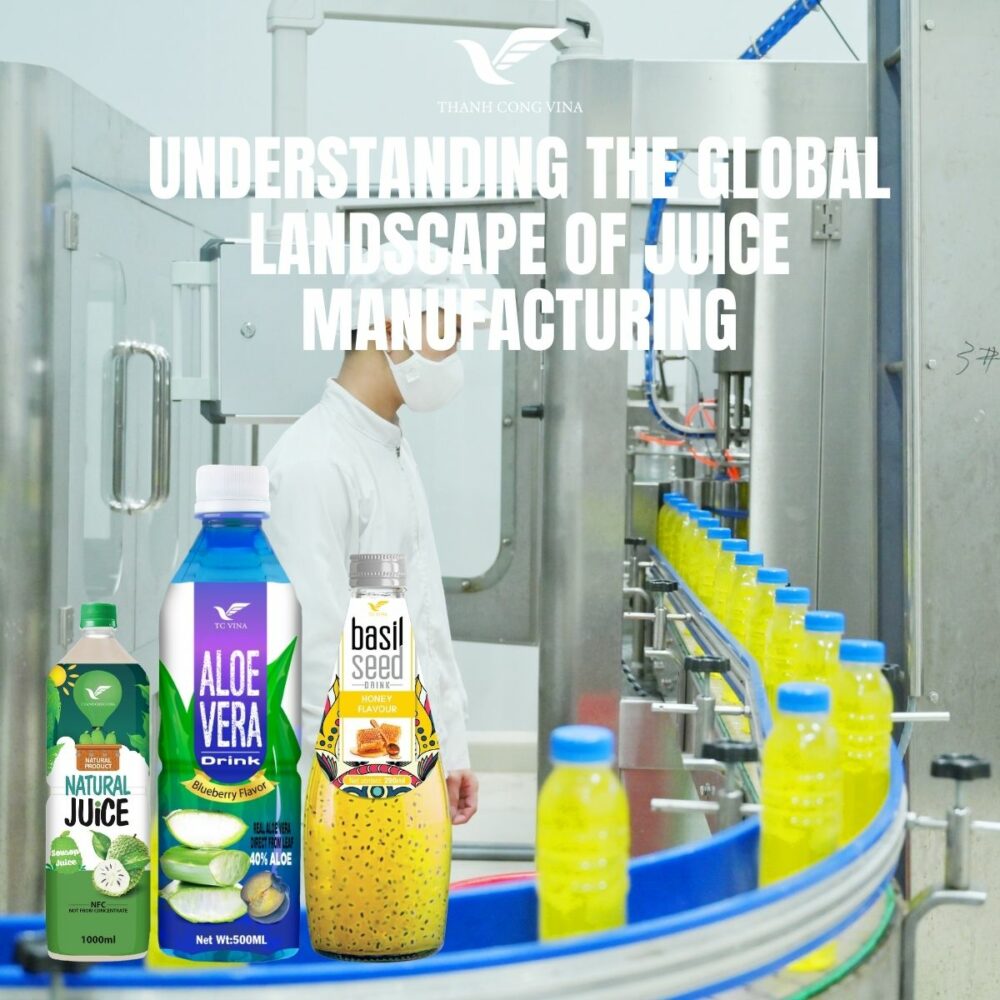
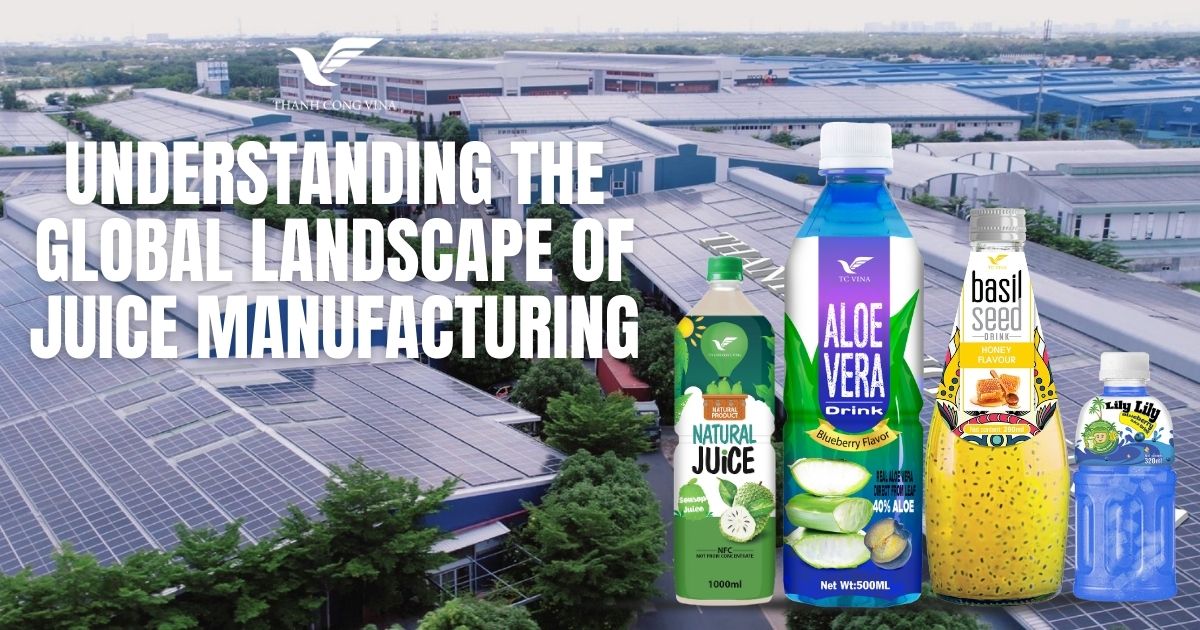
Understanding the Global Landscape of Juice Manufacturing
Market Growth and Consumer Demand
The international juice market has experienced steady growth as consumers increasingly seek healthier beverage alternatives. Functional beverages, natural ingredients, and reduced sugar content are among the trends shaping purchasing decisions worldwide.
OEM manufacturers play a vital role in helping brands respond quickly to these market shifts. With advanced production lines and research capabilities, they can develop new formulations, adapt to changing consumer preferences, and produce beverages tailored for specific regions.
For example, Asian markets often favor tropical fruit flavors such as mango, lychee, and guava, while European consumers may prefer berry blends or apple-based beverages. OEM partners help brands customize products to align with regional tastes without requiring the brand to establish multiple manufacturing facilities.
The Role of OEM Partnerships in Global Expansion
Launching a beverage product internationally requires significant investment in infrastructure, regulatory compliance, and logistics. OEM manufacturing provides a practical alternative by allowing companies to rely on experienced producers with established facilities.
Through OEM partnerships, brands gain access to:
-
Advanced processing equipment
-
Skilled technical teams
-
Quality assurance systems
-
International certifications
-
Scalable production capacity
This collaborative model reduces financial risk while accelerating time to market. Instead of building a factory, brands can focus on product positioning and distribution strategies while their OEM partner manages production.
2. Benefits of OEM Juice Manufacturing for International Brands
Cost Efficiency and Resource Optimization
One of the primary reasons companies choose OEM manufacturing is cost efficiency. Establishing a beverage production facility requires substantial capital investment in machinery, labor, raw materials, and compliance processes.
By working with an OEM manufacturer, brands eliminate many of these upfront costs. The manufacturer already possesses the infrastructure required to produce high-quality beverages at scale.
Additionally, economies of scale allow OEM partners to source raw materials at competitive prices. This advantage reduces overall production costs and improves profit margins for brand owners.
Faster Product Development and Market Entry
Speed is critical in the competitive beverage industry. Consumer trends change quickly, and brands must respond rapidly to stay relevant.
OEM manufacturers support faster product development through:
-
Established formulation laboratories
-
Experienced food scientists
-
Pilot production capabilities
-
Rapid packaging prototyping
These resources allow brands to move from concept to commercial production in a significantly shorter timeframe. Instead of spending years developing manufacturing capabilities, businesses can launch products within months.
Operational Flexibility
International beverage markets are constantly evolving. Seasonal demand, regional preferences, and regulatory changes require flexible production strategies.
OEM partners provide adaptable production lines capable of handling multiple product formats such as:
-
Juice concentrates
-
Ready-to-drink beverages
-
Organic juice products
-
Functional fruit beverages
This flexibility allows brands to diversify their product portfolio without major operational changes.
3. OEM Juice Manufacturing Process for International Distribution
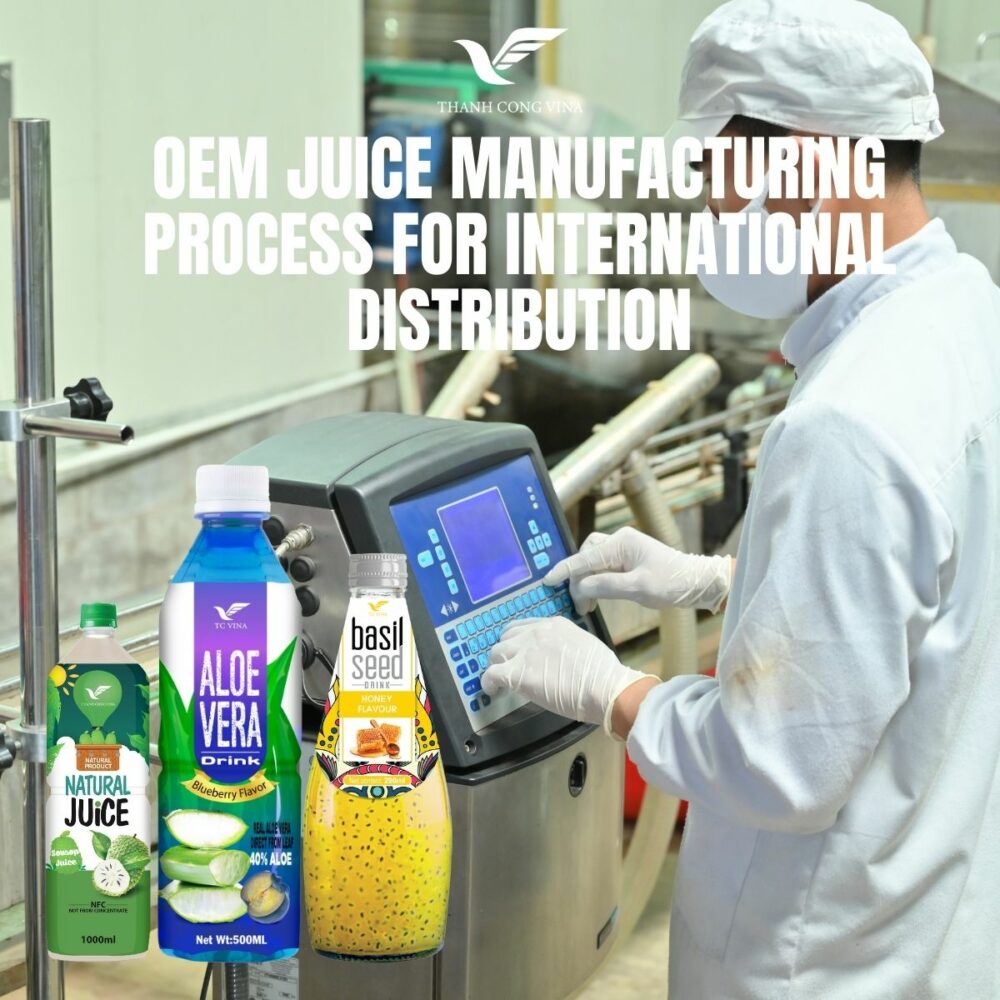
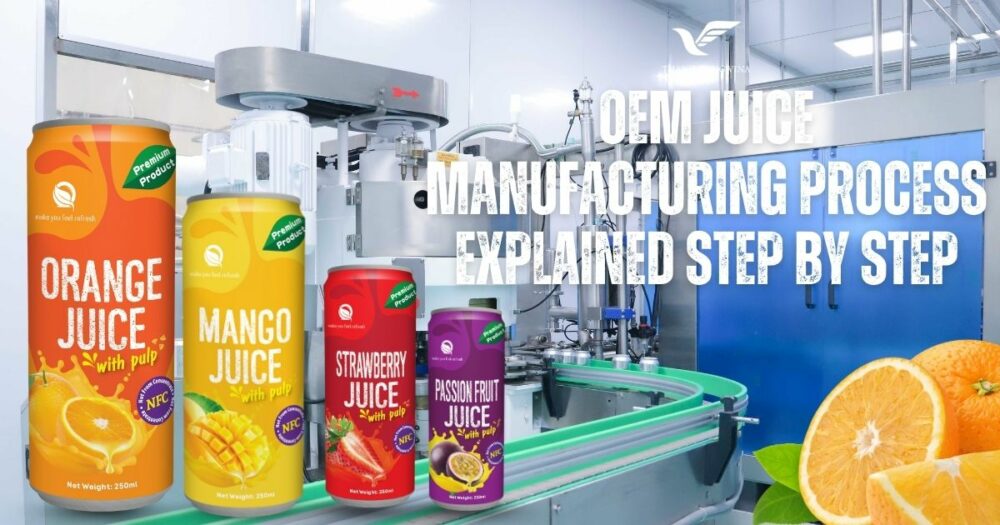
OEM Juice Manufacturing Process for International Distribution
Ingredient Sourcing and Preparation
The manufacturing process begins with careful sourcing of fruit and other ingredients. Quality raw materials form the foundation of any successful juice product.
OEM manufacturers typically work with trusted agricultural partners to ensure consistent supply and quality. Fruits are selected based on ripeness, flavor profile, and nutritional content.
After harvesting, the ingredients undergo cleaning, sorting, and preparation before entering the processing stage.
Processing and Juice Extraction
Once prepared, fruits are processed through advanced extraction technologies. Depending on the product type, this may include:
-
Cold pressing
-
Pulp separation
-
Concentration processes
-
Pasteurization
These techniques preserve flavor and nutritional value while ensuring the final beverage remains safe for consumption.
Manufacturers must carefully balance temperature, processing time, and ingredient ratios to maintain consistent product quality across large production volumes.
Packaging and Shelf Stability
Packaging is a crucial component of international juice distribution. Products must remain fresh and stable during transportation and storage.
Common packaging formats include:
-
PET bottles
-
Glass bottles
-
Aseptic cartons
-
Aluminum cans
Each packaging option offers unique advantages depending on the target market and distribution requirements. OEM manufacturers assist brands in selecting the most suitable format for their products.
4. Why OEM Juice Manufacturing Is Essential for Global Beverage Brands
Managing International Regulations
Different countries enforce strict food safety and labeling regulations. Beverage companies must ensure their products meet these standards before entering new markets.
OEM manufacturers with international experience understand the regulatory requirements for multiple regions. They help brands comply with standards such as:
-
Food safety certifications
-
Ingredient labeling requirements
-
Export documentation
-
Quality assurance protocols
This expertise reduces the risk of regulatory delays or product recalls.
Maintaining Consistent Quality Across Markets
Consistency is essential for global beverage brands. Consumers expect the same taste, quality, and packaging regardless of where the product is purchased.
OEM partners implement strict quality control systems to ensure every production batch meets established specifications. This includes laboratory testing, process monitoring, and final product inspections.
Maintaining consistency builds consumer trust and strengthens brand reputation across international markets.
5. Quality Control and Food Safety in OEM Production
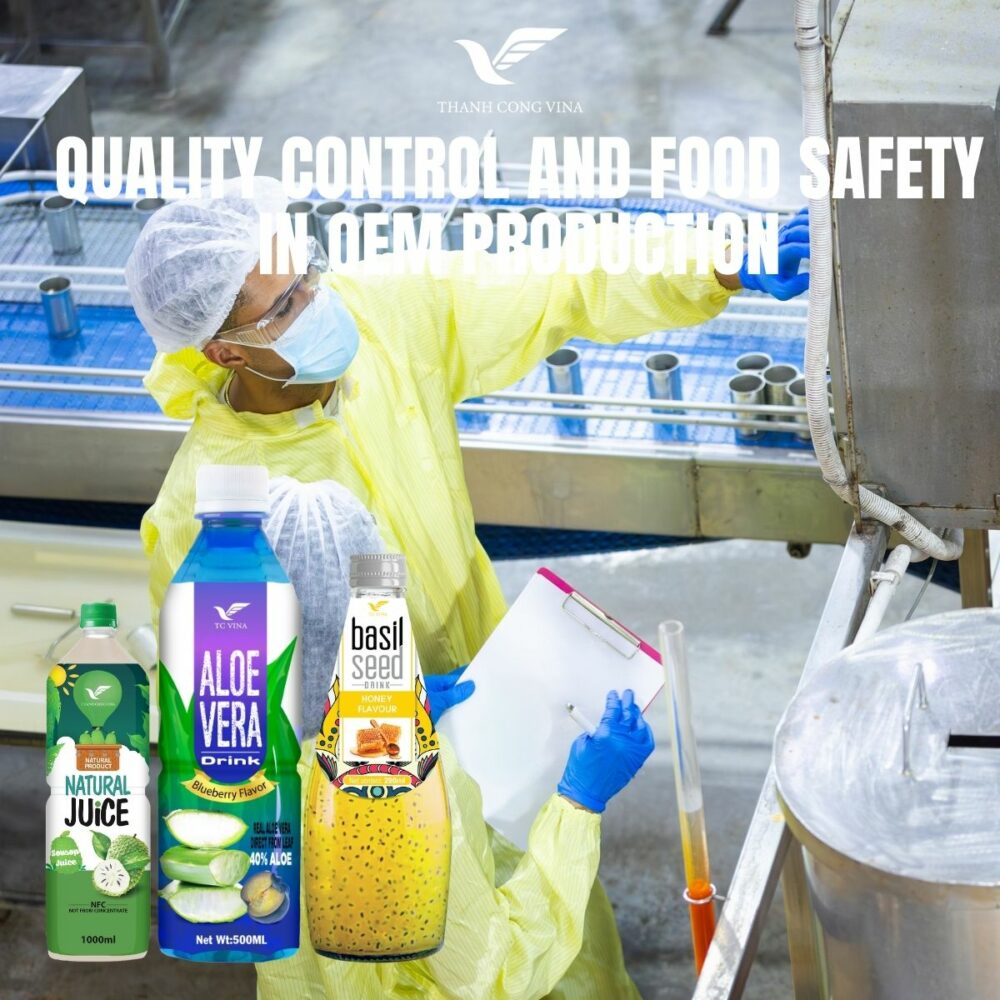
Quality Control and Food Safety in OEM Production
Advanced Testing and Laboratory Analysis
Quality control begins long before the final product reaches the consumer. OEM juice manufacturing conduct extensive testing at every stage of the production process.
Laboratory analysis ensures that:
-
Ingredients meet safety standards
-
Juice formulations remain stable
-
Microbial contamination is prevented
-
Nutritional content is verified
These procedures help guarantee that every batch meets strict international food safety regulations.
Certification and Compliance Standards
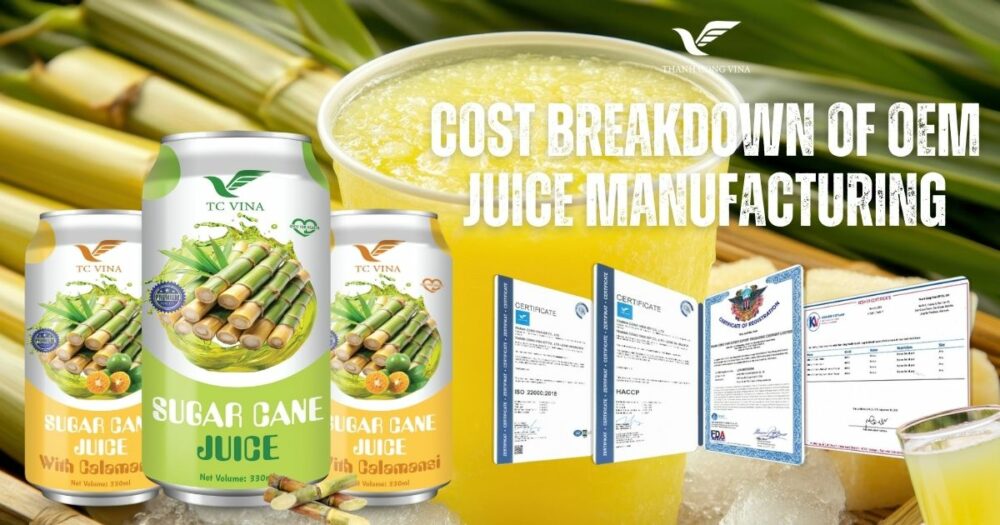
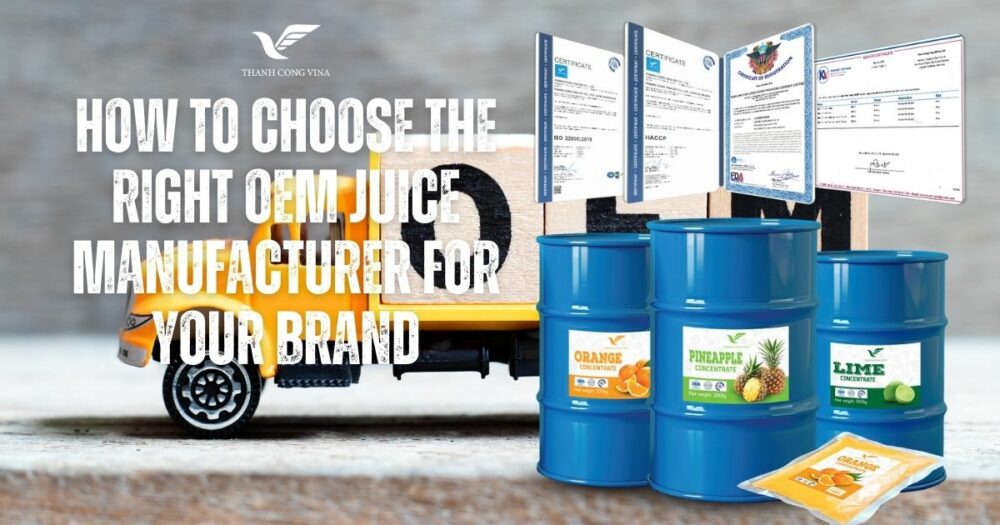
To supply international markets, OEM juice manufacturing must comply with globally recognized certifications.
Common certifications include:
-
HACCP
-
ISO quality management systems
-
GMP manufacturing standards
-
Food safety certifications required by export markets
Obtaining and maintaining these certifications demonstrates the manufacturer’s commitment to quality and safety.
For brands entering international markets, partnering with a certified OEM manufacturer significantly simplifies compliance processes.
6. Innovation and Product Customization in OEM Juice Manufacturing
Developing Unique Beverage Formulations
Modern consumers seek beverages that offer more than basic refreshment. Functional ingredients, natural sweeteners, and innovative flavor combinations are increasingly popular.
OEM juice manufacturing support product innovation by working closely with brand owners to develop unique formulations. This collaborative approach allows companies to create beverages that stand out in crowded markets.
Examples of innovative juice products include:
-
Vitamin-enriched beverages
-
Organic fruit juice blends
-
Low-sugar formulations
-
Functional drinks with added nutrients
Adapting Products for Regional Markets
Different regions often require customized products. Cultural preferences, dietary trends, and local regulations influence beverage development.
OEM juice manufacturing help brands adapt their formulations to meet regional requirements while preserving the core identity of the product.
This ability to localize products gives brands a competitive advantage in global markets.
Conclusion
Expanding into international beverage markets requires careful planning, reliable production, and consistent quality. OEM juice manufacturing provides an efficient solution for brands that want to grow globally without investing heavily in their own production infrastructure.
By partnering with experienced OEM manufacturers, companies gain access to advanced processing technologies, quality assurance systems, and flexible production capabilities. These advantages allow brands to focus on marketing, distribution, and product innovation while leaving manufacturing to specialized experts.
Reliable OEM partners also help businesses navigate complex international regulations, maintain consistent product quality, and adapt to changing consumer preferences across different regions.
For beverage brands seeking long-term global success, working with a trusted manufacturer such as Thanh Cong Vina can make a significant difference. With strong production capabilities and a commitment to international quality standards, Thanh Cong Vina supports beverage companies in delivering high-quality juice products to markets around the world. Through strategic collaboration with Thanh Cong Vina, brands can accelerate their growth while ensuring their products meet the expectations of global consumers.