
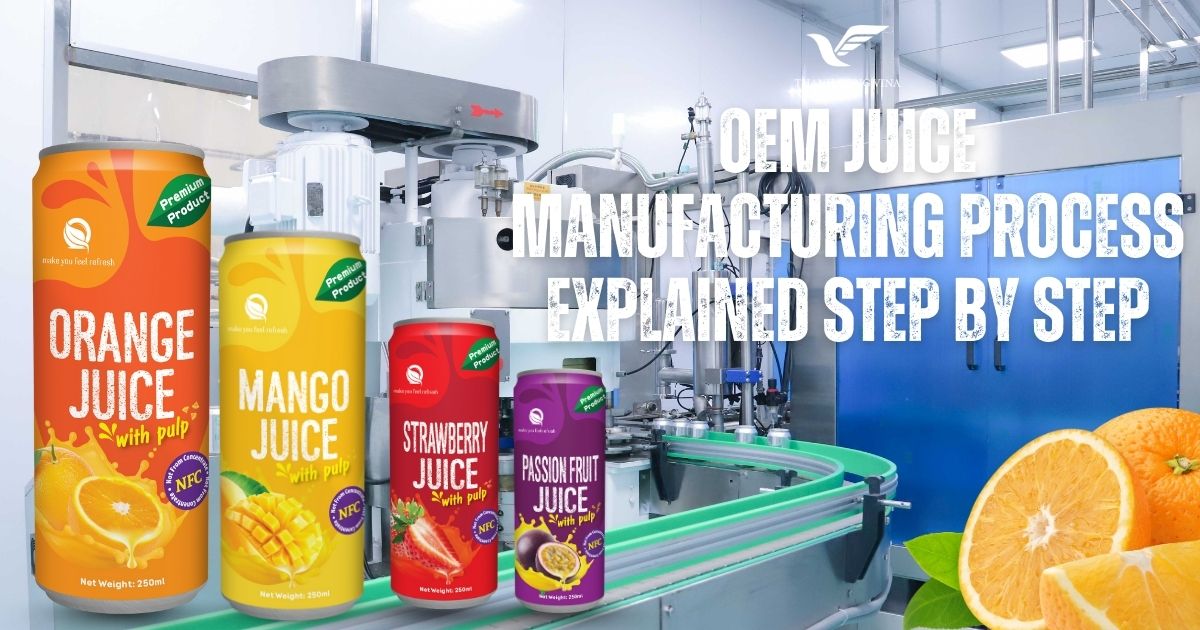
The global beverage industry is evolving rapidly as brands seek faster product launches, consistent quality, and scalable production models. In this competitive landscape, OEM juice manufacturing has emerged as a strategic solution for beverage brands looking to minimize risks while maximizing efficiency. Instead of investing heavily in factories, machinery, and technical teams, many companies now rely on experienced OEM partners to transform concepts into market-ready juice products.
OEM juice manufacturing allows brands to focus on marketing, branding, and distribution while entrusting production to specialized manufacturers with established expertise. From sourcing raw fruits to final packaging and compliance testing, the OEM model provides a structured, cost-effective approach to beverage development. Understanding how the OEM juice manufacturing process works step by step is essential for businesses aiming to maintain quality, control costs, and scale sustainably.
This guide explains each stage of the OEM juice manufacturing process in detail, helping beverage brands make informed decisions and build successful long-term partnerships.
Understanding OEM Juice Manufacturing
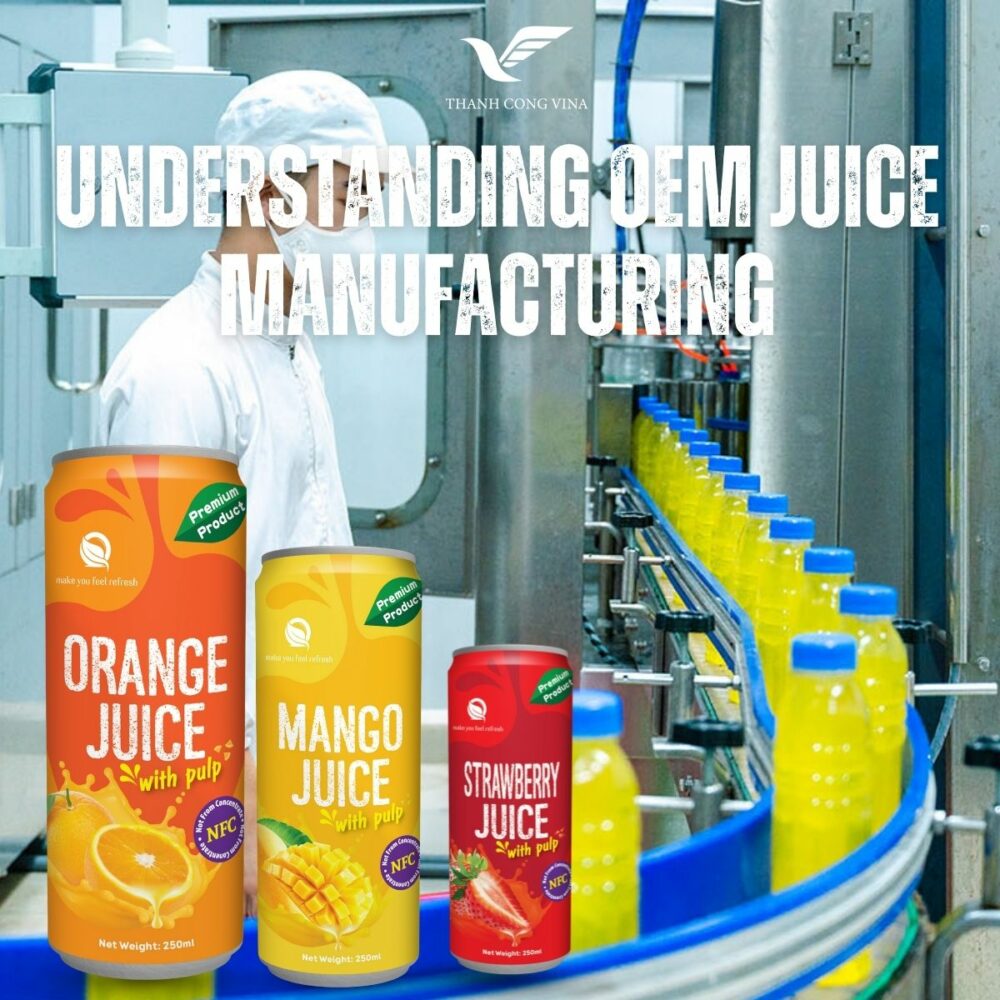
Understanding OEM Juice Manufacturing
What OEM Juice Manufacturing Means
OEM juice manufacturing refers to a production model where a third-party manufacturer produces juice beverages according to a brand’s specifications. The brand owns the product concept, formulation direction, and branding, while the OEM handles production, quality control, and often regulatory compliance. This approach allows businesses to enter the beverage market without building manufacturing infrastructure.
OEM juice manufacturing is particularly attractive for startups and expanding brands because it reduces capital expenditure. Instead of investing in processing equipment, pasteurization systems, and bottling lines, brands leverage existing facilities that already meet international standards. This model accelerates time-to-market and lowers operational complexity.
Why Brands Choose OEM Juice Solutions
Brands choose OEM juice manufacturing for flexibility and scalability. Production volumes can be adjusted based on demand, allowing companies to test markets without overcommitting resources. OEM partners also bring technical expertise in juice formulation, shelf-life optimization, and ingredient sourcing, which improves product consistency.
Another advantage is access to certifications such as HACCP, ISO, and FDA compliance. These certifications are often difficult and costly for individual brands to obtain independently. Through OEM juice manufacturing, brands can meet export and regulatory requirements more efficiently, making global expansion more achievable.
Step 1: Product Concept and Market Alignment
Defining Product Positioning
The OEM juice manufacturing process begins with a clear product concept. Brands must define their target market, price positioning, flavor profile, and nutritional focus. Whether the goal is a 100% fruit juice, functional beverage, or low-sugar option, clarity at this stage ensures smooth execution downstream.
OEM manufacturers often assist brands in refining concepts by analyzing market trends and consumer preferences. This collaborative approach helps align product development with real demand rather than assumptions.
Translating Ideas into Technical Requirements
Once the concept is defined, it must be translated into technical specifications. This includes target Brix levels, acidity, color, aroma, and texture. OEM juice manufacturers convert marketing ideas into measurable production parameters that ensure repeatable results.
Clear documentation at this stage minimizes miscommunication and ensures the final product meets brand expectations. A well-defined concept also reduces development time and avoids costly revisions during later stages.
Step 2: Ingredient Selection and Raw Material Sourcing
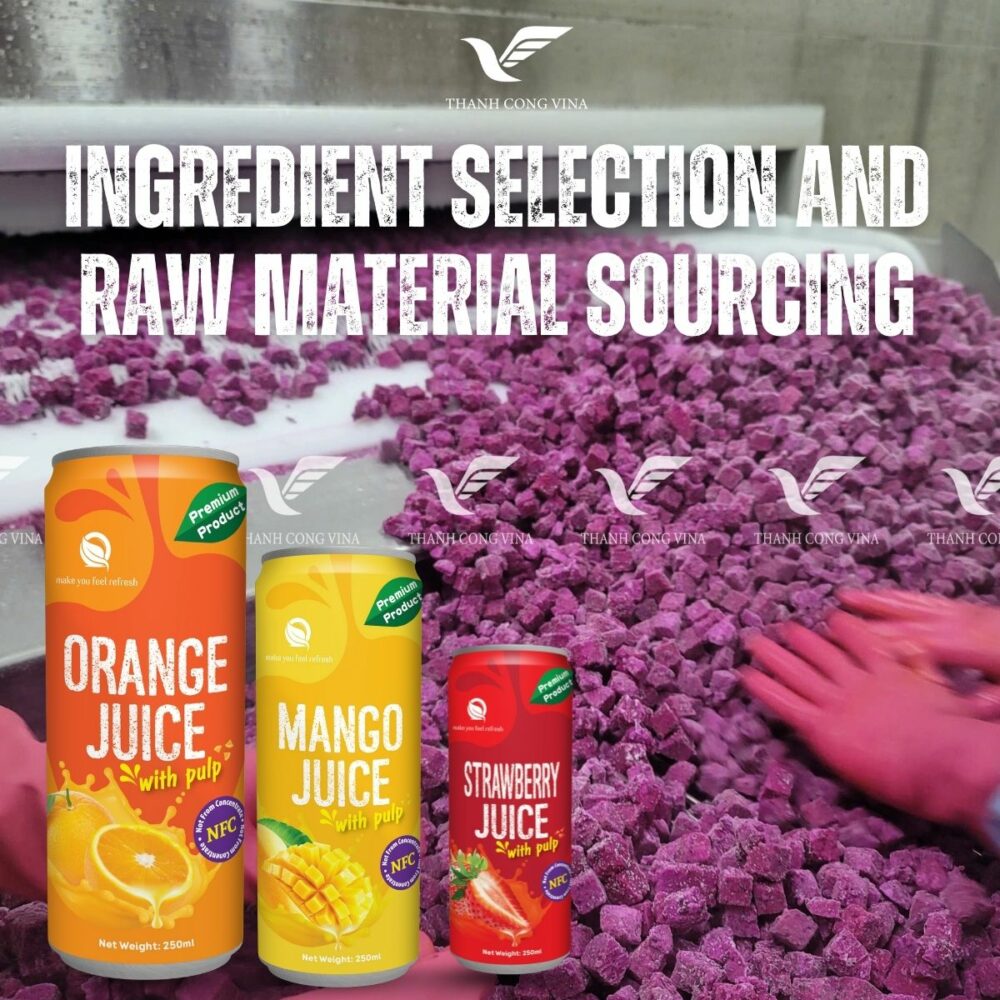
Ingredient Selection and Raw Material Sourcing
Choosing Quality Raw Fruits
Raw material quality directly impacts the final juice product. OEM juice manufacturers typically source fruits from trusted farms or certified suppliers to ensure freshness, safety, and flavor consistency. Factors such as harvest season, fruit variety, and ripeness are carefully controlled.
Reliable OEM partners often have long-term supplier relationships, which helps stabilize pricing and availability. This advantage is particularly important during seasonal fluctuations or supply chain disruptions.
Managing Functional and Additive Ingredients
Beyond fruits, OEM juice manufacturing may involve sweeteners, vitamins, minerals, or functional ingredients such as fiber or herbal extracts. Each ingredient must meet safety and regulatory standards while maintaining flavor balance.
OEM manufacturers evaluate ingredient compatibility, solubility, and stability during processing. This step ensures that added nutrients remain effective throughout the product’s shelf life without compromising taste or appearance.
Step 3: Juice Formulation and Product Development
Creating a Balanced Formula
Formulation is one of the most critical stages in OEM juice manufacturing. The goal is to achieve consistent taste, aroma, and mouthfeel while maintaining nutritional integrity. OEM specialists adjust fruit ratios, sweetness levels, and acidity to meet brand specifications.
Pilot batches are often produced to test different formulations. These samples allow brands to evaluate sensory characteristics before moving to mass production.
Shelf-Life and Stability Testing
Shelf-life testing ensures the product remains safe and appealing throughout its intended lifespan. OEM juice manufacturers conduct microbial testing, oxidation analysis, and sensory evaluations under different storage conditions.
Stability testing is essential for export markets where products may experience temperature changes during transportation. A well-developed formula reduces spoilage risks and customer complaints after launch.
Step 4: Processing and Production Technology
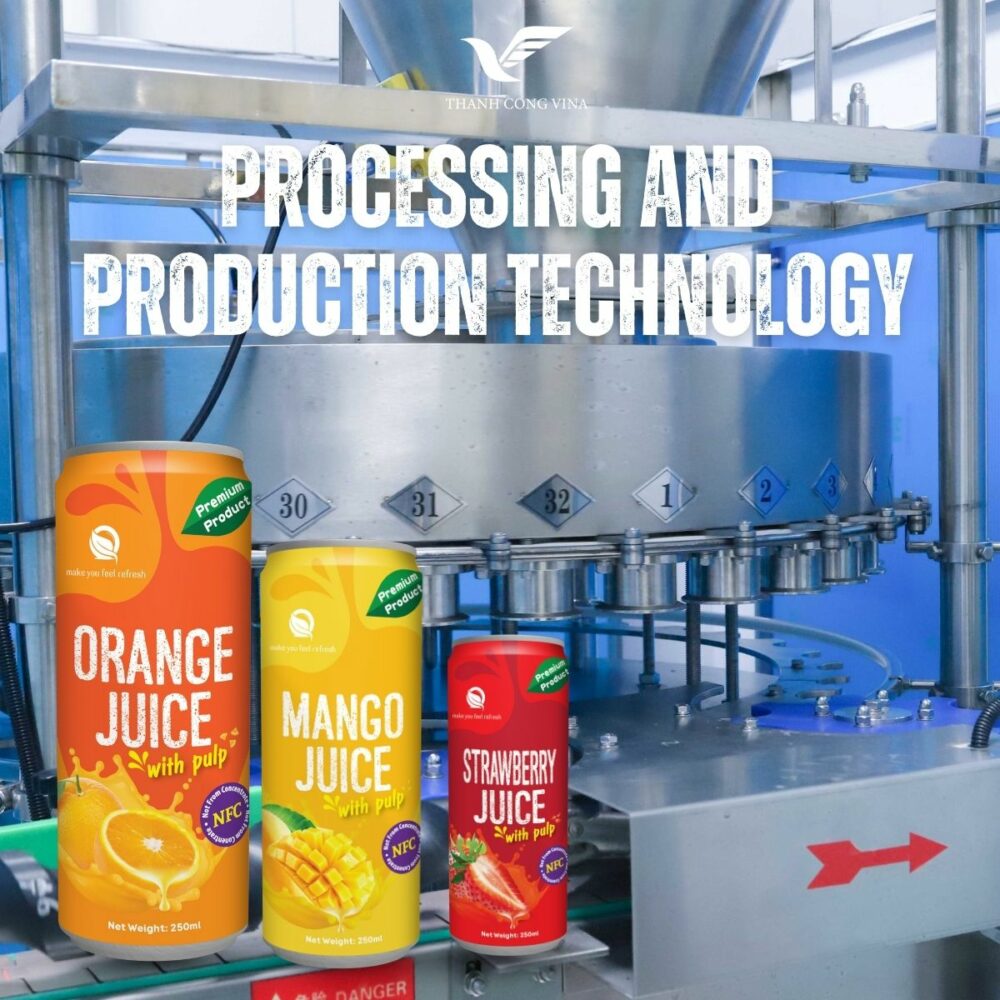
Processing and Production Technology
Juice Extraction and Processing Methods
OEM juice manufacturing employs advanced processing technologies to preserve flavor and nutrients. Depending on the product, methods may include cold pressing, hot filling, or aseptic processing. Each method has specific benefits related to shelf life and sensory quality.
OEM manufacturers select processing techniques based on the product’s formulation and target market. This flexibility allows brands to choose between fresh-tasting juices and long-life shelf-stable products.
Pasteurization and Food Safety Control
Pasteurization is a critical step to eliminate harmful microorganisms while maintaining product quality. OEM juice manufacturers carefully control time and temperature to balance safety and taste preservation.
Automated monitoring systems track critical control points during production. These systems ensure compliance with food safety regulations and reduce human error, resulting in consistent, high-quality output.
Step 5: Packaging and Labeling Solutions
Selecting Suitable Packaging Formats
Packaging plays a major role in product appeal and functionality. OEM juice manufacturers offer various options, including PET bottles, glass bottles, cans, and cartons. Each format has advantages in terms of cost, shelf life, and consumer perception.
The choice of packaging also affects logistics and storage. OEM partners help brands select packaging solutions that align with distribution channels and sustainability goals.
Compliance and Label Accuracy
Labeling must comply with local and international regulations. OEM juice manufacturers ensure that nutritional information, ingredient lists, and allergen declarations are accurate and legally compliant.
This step reduces regulatory risks and ensures smoother customs clearance for export markets. Accurate labeling also builds consumer trust and protects brand reputation.
Step 6: Quality Control and Certification
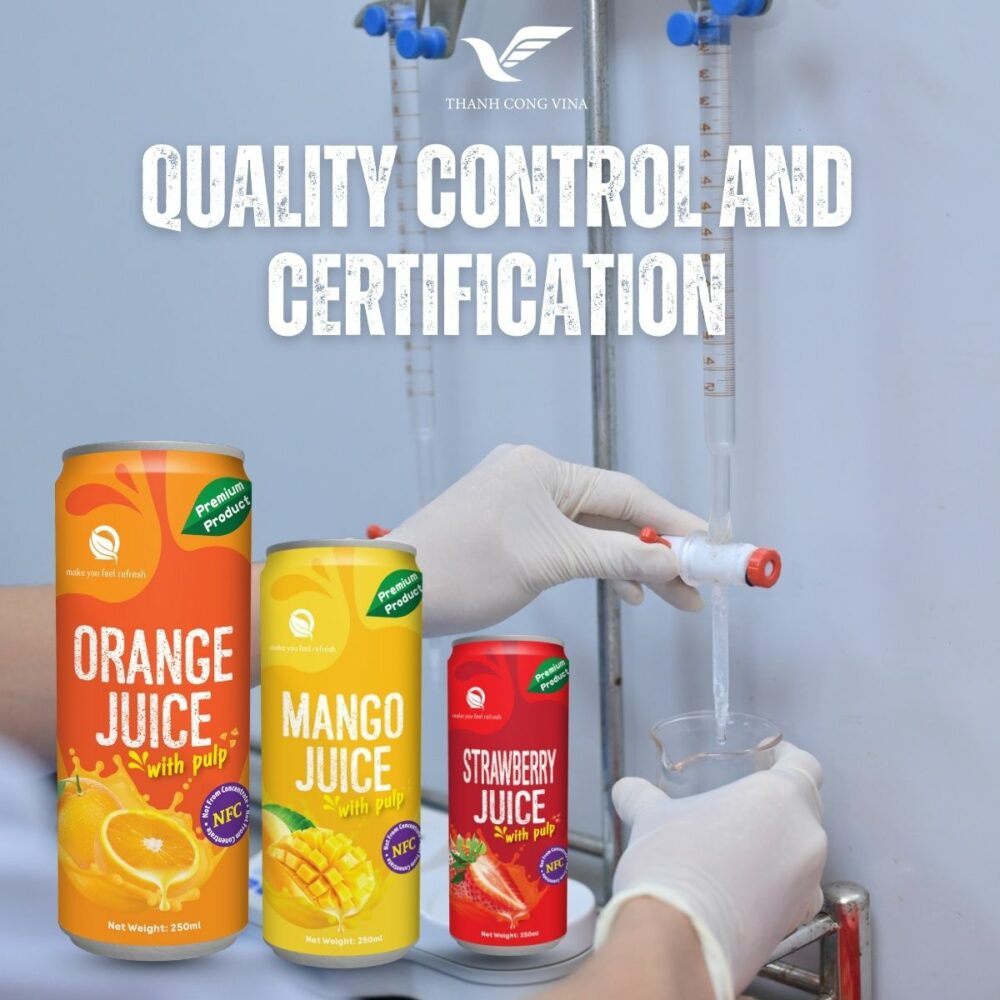
Quality Control and Certification
In-Process Quality Monitoring
Quality control in OEM juice manufacturing extends beyond final inspection. Throughout production, samples are tested for pH, Brix, color, and microbial levels. Continuous monitoring allows immediate correction of deviations.
This proactive approach minimizes waste and ensures consistency across batches. Brands benefit from predictable quality, which strengthens customer loyalty.
Certification and Regulatory Compliance
OEM juice manufacturers typically hold certifications such as ISO, HACCP, and FDA registration. These certifications demonstrate adherence to international safety and quality standards.
For brands entering new markets, working with a certified OEM partner simplifies compliance processes. It also enhances credibility with distributors and retailers.
Step 7: Logistics, Export, and Scalability
Preparing for Distribution
After production, OEM juice manufacturers manage storage and logistics coordination. Proper warehousing conditions preserve product quality until shipment. Export documentation is prepared to meet destination requirements.
Efficient logistics reduce lead times and minimize transportation risks. OEM partners often work with experienced freight forwarders to ensure smooth delivery.
Scaling Production for Growth
One of the biggest advantages of OEM juice manufacturing is scalability. As demand increases, production volumes can be expanded without major infrastructure investments from the brand.
OEM manufacturers adjust schedules, sourcing, and labor allocation to support growth. This flexibility allows brands to respond quickly to market opportunities while maintaining consistent quality.
Conclusion
OEM juice manufacturing provides a structured, efficient pathway for beverage brands to launch and scale products with confidence. By outsourcing production to experienced manufacturers, companies can focus on brand building, sales, and innovation while maintaining strict quality standards. Each step of the OEM process—from concept development to logistics—plays a critical role in delivering safe, appealing, and competitive juice products.
For brands seeking a reliable and scalable OEM juice solution, partnering with an experienced manufacturer is essential. Thanh Cong Vina offers comprehensive OEM juice manufacturing services, combining advanced technology, strict quality control, and export-ready capabilities. With Thanh Cong Vina IEP CO., LTD, beverage brands gain a trusted partner committed to long-term success and sustainable growth in the global market.