
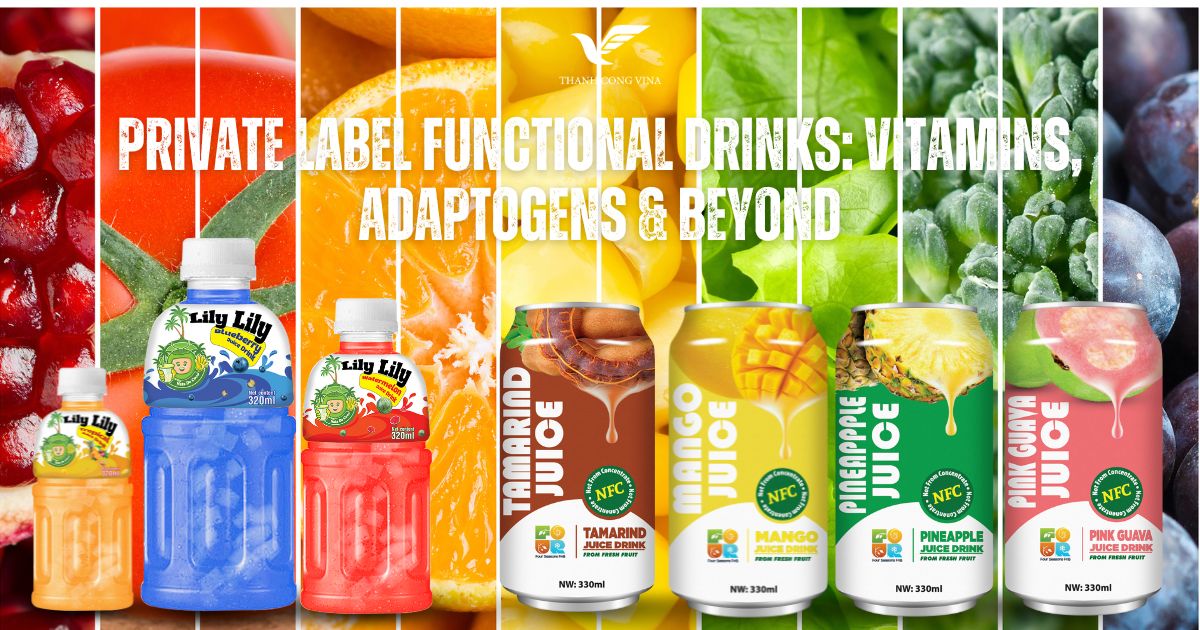
The global beverage industry is undergoing a major transformation, driven by consumer demand for healthier, functional, and purpose-driven drinks. Instead of choosing beverages based solely on taste or price, modern consumers prioritize nutritional benefits, added vitamins, natural boosters, and holistic wellness properties. As a result, private label functional drinks have rapidly become one of the fastest-growing categories, offering retailers and brand owners a highly profitable opportunity.
These beverages combine science-backed ingredients, clean labels, and consumer-oriented positioning to stand out in an increasingly competitive market. From vitamin-enriched drinks and plant-based energy blends to adaptogenic teas and botanical-infused wellness beverages, the private label sector is full of potential for those who innovate strategically.
This article provides a detailed roadmap to understanding functional drink categories, key ingredients, consumer preferences, compliance requirements, and strategies for formulating and launching successful private label functional beverages in today’s dynamic market.
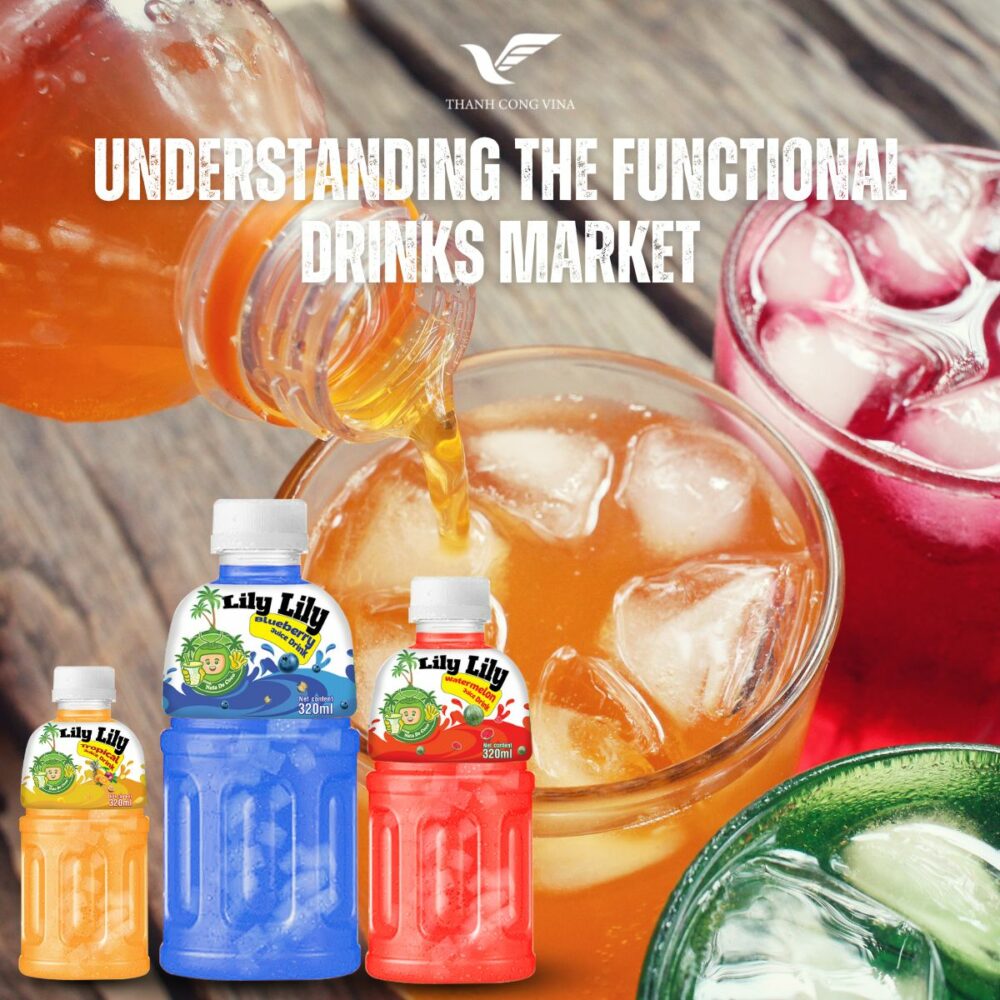
1. Understanding the Functional Drinks Market
Understanding the Functional Drinks Market
1.1 The Rise of Health-Driven Consumption Trends
Functional drinks have evolved from a niche category to a mainstream market segment. Consumers now actively seek beverages that enhance immunity, boost energy naturally, support mental clarity, improve digestive health, and assist with stress management. This shift is driven by increasing health awareness, the rise of preventative wellness, and the widespread adoption of fitness-oriented lifestyles. Younger generations—particularly Millennials and Gen Z—are especially drawn to drinks that offer nutritional benefits and transparency in ingredient sourcing.
1.2 Why Private Label Functional Drinks Are Growing
Retailers and entrepreneurs recognize that private label products offer higher profit margins and greater flexibility in innovation. Unlike conventional branded drinks, private label functional beverages allow businesses to tailor ingredients, formulas, and flavors based on emerging trends or localized preferences. The ability to collaborate with experienced manufacturers ensures both affordability and premium-quality outcomes. Additionally, consumers increasingly trust private label products, seeing them as high-quality yet cost-effective alternatives to major beverage brands.
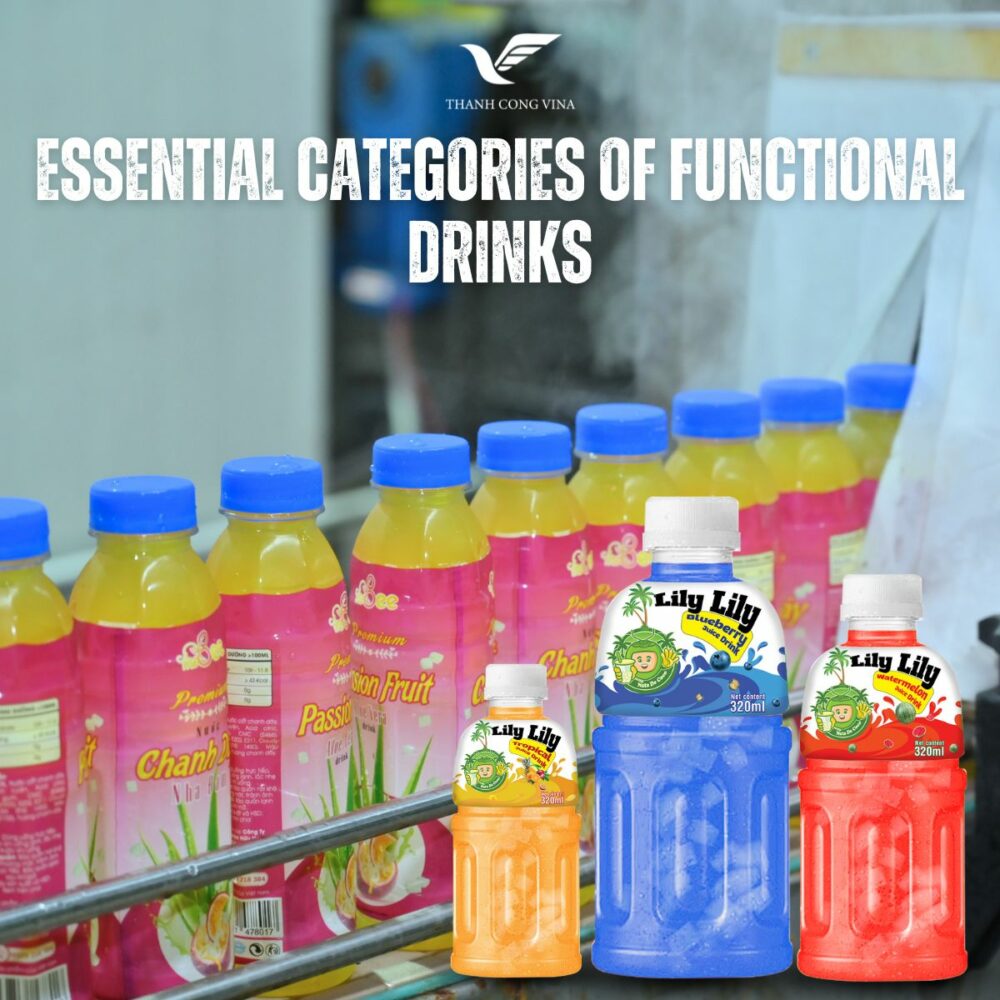
2. Essential Categories of Functional Drinks
Essential Categories of Functional Drinks
2.1 Vitamin-Fortified Drinks
Vitamin-enriched beverages remain one of the most popular categories due to their broad appeal. These drinks often include vitamin C for immunity, B vitamins for energy production, and vitamin D for bone health. The challenge lies in formulating beverages that maintain nutritional stability while ensuring excellent taste. Private label manufacturers frequently use microencapsulation and cold-fill technology to preserve vitamin potency.
2.2 Adaptogenic Drinks
Adaptogens such as ashwagandha, ginseng, and holy basil help the body respond to stress and support mental well-being. Adaptogenic drinks are booming in markets across Asia, Europe, and the U.S. because they align with the modern need for balance and long-term resilience. For private label brands, this ingredient category opens opportunities to create calming teas, focus-boosting tonics, and stress-relief beverages.
2.3 Botanical & Herbal Wellness Drinks
Botanical-infused beverages often feature natural extracts such as chamomile, mint, hibiscus, ginger, or turmeric. These drinks benefit consumers seeking natural wellness solutions without added stimulants. Private label brands can differentiate themselves by pairing botanicals with trending flavors such as yuzu, lychee, or elderflower.
3. Key Functional Ingredients Shaping the Future
3.1 Probiotics and Prebiotics for Gut Health
Digestive wellness has become one of the most in-demand functional drink benefits. Probiotic and prebiotic beverages not only support gut flora but also contribute to immunity and metabolic health. Private label brands can incorporate heat-stable probiotic strains or synbiotic blends to deliver targeted results.
3.2 Electrolytes & Hydration Enhancers
As consumers embrace fitness, hydration drinks enriched with electrolytes like potassium, magnesium, and sodium are more popular than ever. These beverages serve athletes, gym-goers, and busy professionals. Natural hydration boosters, such as coconut water powder or sea minerals, create additional value for private label lines.
3.3 Natural Energy Sources
Instead of artificial caffeine, consumers now gravitate toward natural energizers like green tea extract, guarana, matcha, or yerba mate. Functional energy drinks that combine gentle stimulants with vitamins and antioxidants are especially appealing to health-conscious individuals who want sustained energy without jitters.
4. Formulation Strategies for Private Label Functional Drinks

Formulation Strategies for Private Label Functional Drinks
4.1 Balancing Functionality and Flavor
Functional ingredients often carry natural bitterness or earthy notes. Crafting beverages that are both healthy and delicious requires advanced formulation techniques, including natural sweeteners, fruit concentrates, and specialized masking agents. Private label brands should ensure that flavor remains a strong selling point, even when health benefits take center stage.
4.2 Clean Label and Natural Formulation Trends
Consumers expect clean labels, transparency, and recognizable ingredients. This means reducing artificial additives, preservatives, synthetic colors, and excessive sugar. A clean-label positioning not only improves consumer trust but also elevates the overall brand image, making premium pricing easier to justify.
4.3 Stability and Shelf-Life Requirements
Adding vitamins, herbs, or probiotics requires careful testing to preserve efficacy throughout the product’s shelf life. Manufacturers must consider packaging compatibility, pH balance, temperature stability, and oxidation control. Strong R&D support from the OEM manufacturer is essential to achieving consistency, safety, and long-term product stability.
5. Regulatory Requirements for Functional Drinks
5.1 Labeling and Health Claims
Functional beverages fall under strict regulatory oversight. Claims like immune support, energy enhancement, or gut health must be backed by scientific evidence and meet local regulatory standards. Mislabeling or overpromising can lead to legal issues and brand damage.
5.2 Ingredient Compliance
Some functional components, including adaptogens or botanical extracts, may be restricted depending on the market. Private label brands must verify ingredient legality in all regions where they plan to distribute their products. Compliance is essential for successful cross-border expansion.
5.3 Certifications for Enhanced Credibility
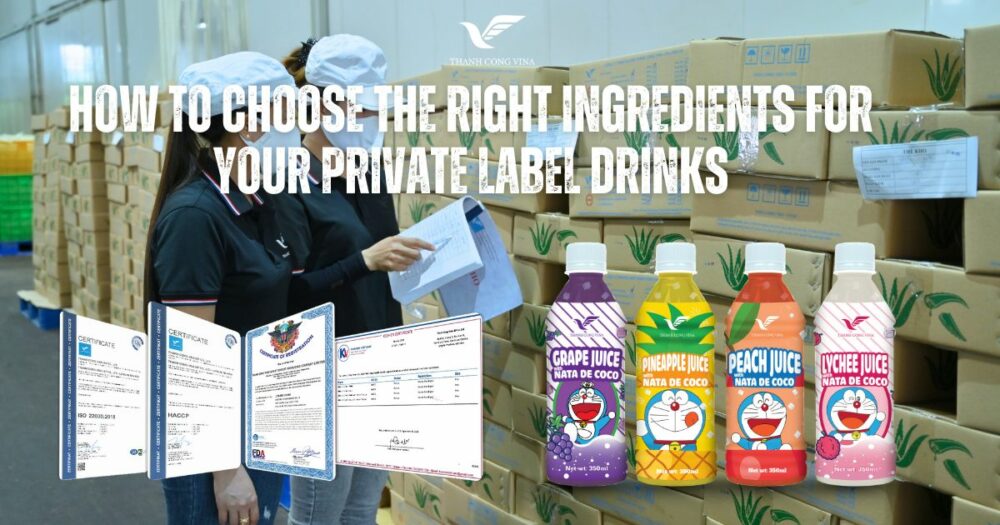
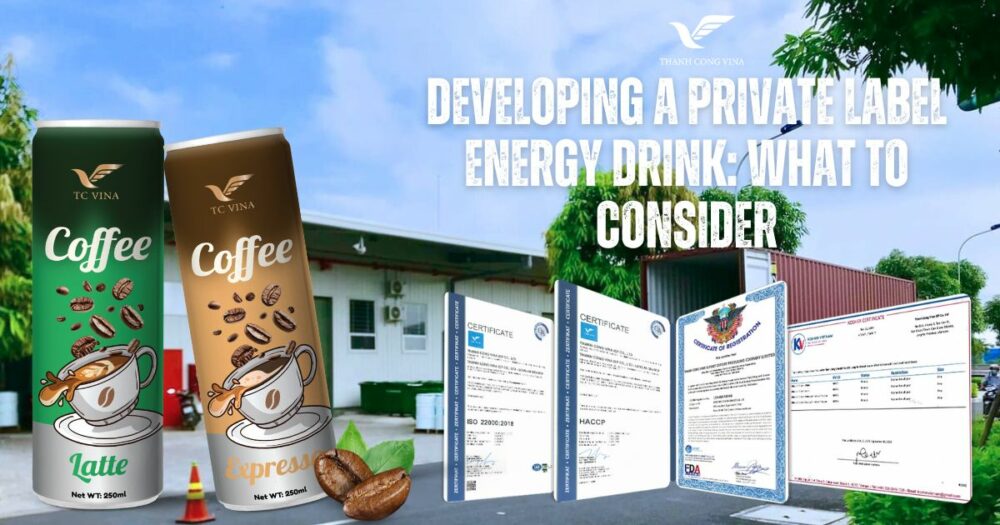
Certifications such as HACCP, ISO, organic, vegan, and non-GMO significantly boost consumer trust. Working with a manufacturer that maintains these certifications helps ensure consistent product quality and smoother distribution.
6. Packaging and Branding for Functional Drinks
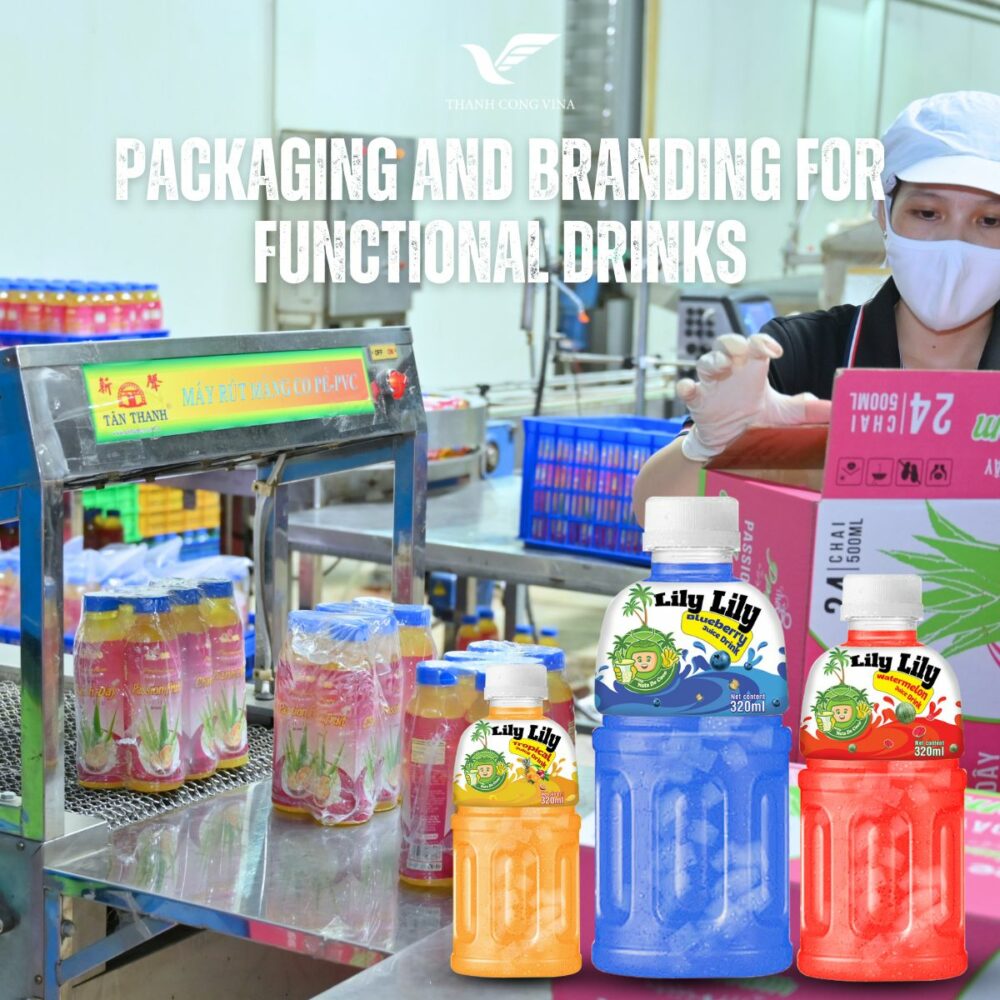
Packaging and Branding for Functional Drinks
6.1 Functional Packaging Features
Packaging is vital for preserving ingredient integrity, especially for heat-sensitive components like vitamins and probiotics. UV-protective bottles, airtight seals, and BPA-free materials enhance both shelf life and brand image.
6.2 Brand Positioning and Storytelling
Consumers prefer brands with a clear purpose and relatable story. Private label brands should highlight ingredient benefits, sustainability practices, and wellness philosophies to stand out. Unique branding elements build emotional connections that strengthen loyalty.
6.3 Sustainable Packaging Options
Eco-friendly packaging such as recycled PET, biodegradable materials, or lightweight cans aligns with global sustainability trends. Brands with sustainable approaches not only attract conscious consumers but also gain a competitive marketing edge.
Conclusion
Private label functional drinks present a remarkable opportunity for brands aiming to meet global demand for health-oriented beverages. By incorporating vitamins, adaptogens, botanicals, probiotics, hydration enhancers, and natural energy boosters, businesses can craft highly differentiated products that resonate with wellness-focused consumers.
Success in this category requires strong R&D, careful ingredient selection, reliable regulatory compliance, and strategic packaging choices. Partnering with an experienced manufacturer ensures that each beverage achieves the right balance of functionality, flavor, and stability.
Companies like Thanh Cong Vina provide essential manufacturing expertise, innovation support, and quality assurance to help private label brands thrive in domestic and international markets. With Thanh Cong Vina advanced capabilities and a clear understanding of market trends, brands can confidently launch functional beverage lines that stand out, deliver real health benefits, and build long-term consumer loyalty.