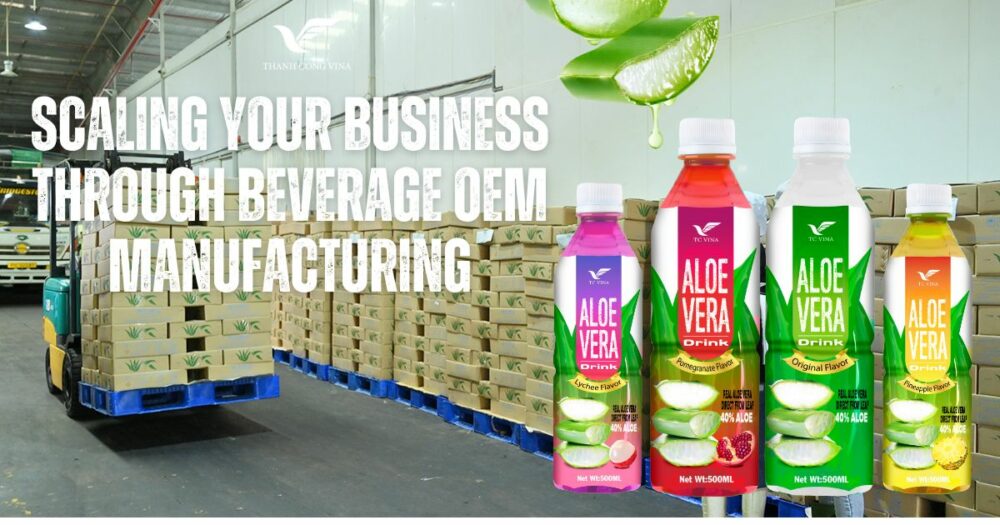

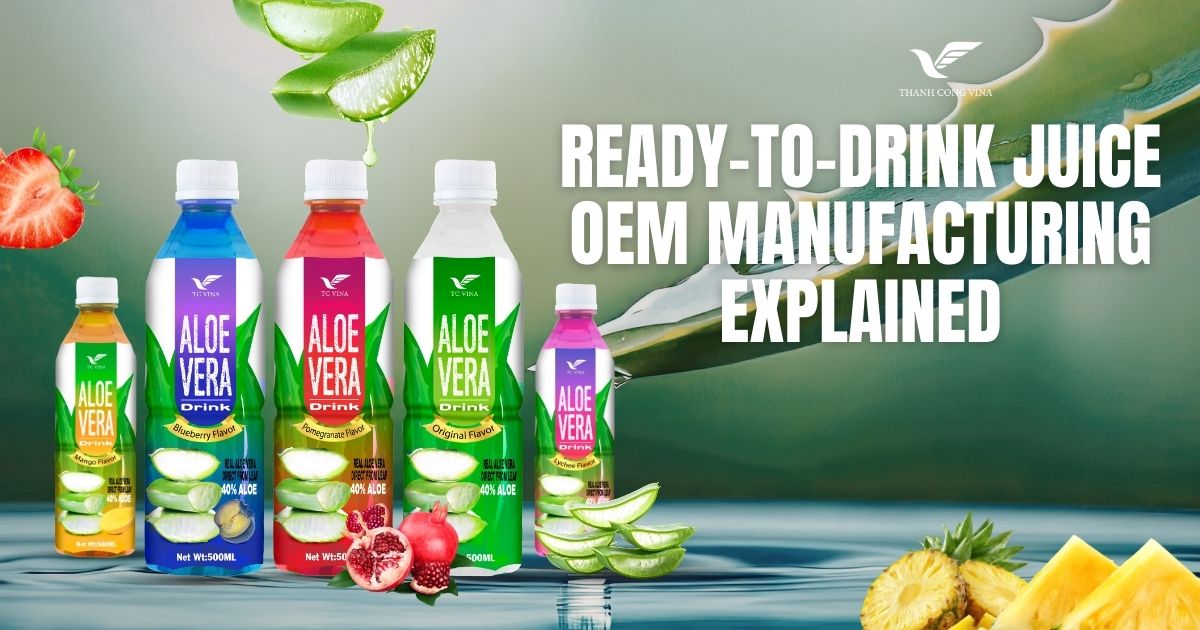
The global beverage market is evolving rapidly, driven by health-conscious consumers, innovative product formats, and the growing demand for private label solutions. Among the most dynamic segments is ready-to-drink (RTD) juice, a category that combines convenience, nutrition, and flavor in one accessible format. For brands seeking to enter or expand within this competitive landscape, OEM Manufacturing offers a strategic and cost-effective solution.
OEM Manufacturing allows companies to develop high-quality juice products without investing heavily in production facilities, technical expertise, or regulatory infrastructure. Instead, they partner with a professional manufacturer that handles formulation, sourcing, processing, packaging, and compliance. This model empowers startups, distributors, and established beverage brands alike to focus on branding, marketing, and distribution while ensuring consistent product quality. In this comprehensive guide, we explain how Ready-to-Drink Juice OEM Manufacturing works, why it matters, and how to choose the right manufacturing partner for long-term success.
1. Understanding the Ready-to-Drink Juice Market Landscape
Understanding the Ready-to-Drink Juice Market Landscape
The ready-to-drink juice segment has grown significantly over the past decade, fueled by shifting consumer lifestyles and increasing awareness of health and wellness. Urbanization, busy work schedules, and on-the-go consumption habits have made RTD beverages a staple across supermarkets, convenience stores, and online platforms.
1.1. Consumer Trends Driving Growth
Today’s consumers demand more than just taste. They look for clean labels, natural ingredients, reduced sugar formulations, and functional benefits such as immunity support, detox properties, or digestive health. This trend has led to innovation in fruit juice blends, vegetable-infused beverages, aloe vera drinks, coconut water-based products, and fortified juices.
Premiumization is another key trend. Consumers are willing to pay more for products that offer authenticity, exotic fruit varieties, cold-pressed processing, or sustainable packaging. As a result, brands must differentiate themselves not only through flavor but also through storytelling, transparency, and quality assurance.
1.2. The Role of Private Label and OEM in Market Expansion
Private label and OEM Manufacturing have become essential growth engines within the beverage industry. Retailers and distributors increasingly prefer custom-branded products that reflect their unique market positioning. Instead of building factories, investing in machinery, and managing complex food safety systems, businesses leverage OEM Manufacturing to accelerate product launches.
This model reduces capital expenditure, shortens time-to-market, and enables scalability. Whether launching a new mango juice line, sparkling fruit beverage, or functional herbal drink, OEM partners provide technical expertise and production capacity that align with global quality standards.
As the ready-to-drink juice market becomes more competitive, strategic manufacturing partnerships play a crucial role in determining product consistency, safety, and long-term profitability.
2. What Is OEM Manufacturing in the Beverage Industry?
OEM Manufacturing, or Original Equipment Manufacturing, refers to a production model where one company manufactures products that are branded and sold by another company. In the beverage sector, this means a manufacturer produces ready-to-drink juices according to the client’s specifications, formula, packaging design, and target market requirements.
2.1. Core Functions of an OEM Beverage Manufacturer
An experienced OEM manufacturer provides a comprehensive range of services, including:
-
Product formulation and recipe development
-
Ingredient sourcing and quality control
-
Processing and pasteurization
-
Filling and packaging solutions
-
Labeling and branding support
-
Regulatory compliance and export documentation
Rather than acting solely as a production facility, a reputable OEM partner functions as an end-to-end solution provider. From concept development to final shipment, the manufacturer ensures that every step meets food safety regulations and international standards such as HACCP, ISO, and FDA requirements.
2.2. Benefits of OEM Manufacturing for Beverage Brands
The advantages of OEM Manufacturing are substantial:
Cost Efficiency: Brands avoid heavy investment in machinery, infrastructure, and labor.
Technical Expertise: Manufacturers bring years of experience in food science, processing technology, and quality assurance.
Scalability: Production volumes can be adjusted based on demand.
Faster Market Entry: Established facilities enable quicker product launches.
Regulatory Compliance: Professional manufacturers understand local and international export requirements.
For businesses aiming to enter competitive markets quickly and efficiently, OEM Manufacturing provides a strategic pathway with minimized risk and optimized operational performance.
3. OEM Manufacturing: The Complete Production Process for RTD Juice
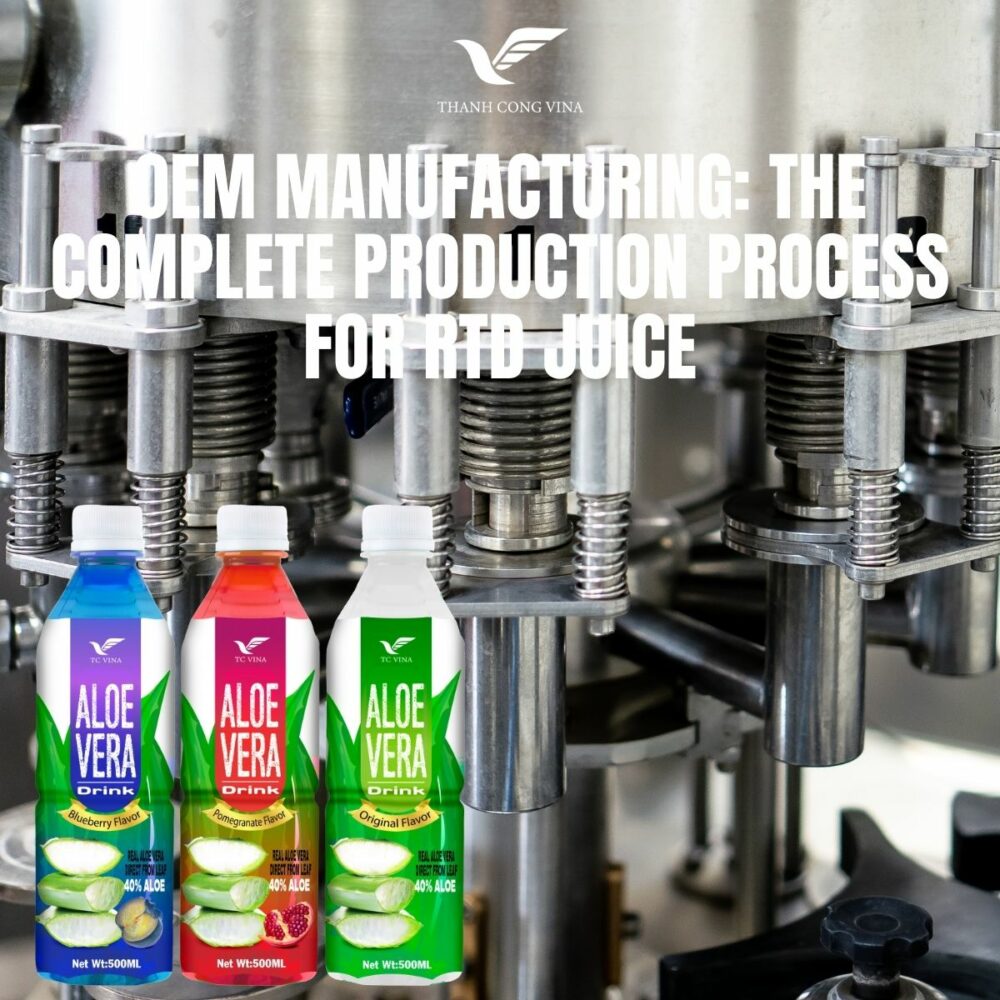
OEM Manufacturing: The Complete Production Process for RTD Juice
OEM Manufacturing is more than contract production; it is a structured, quality-driven process designed to deliver safe and consistent ready-to-drink juice products.
3.1. Product Concept and Formulation Development
The journey begins with product ideation. Clients share their vision, target audience, flavor preferences, nutritional requirements, and packaging format. The manufacturer’s R&D team then develops prototypes, conducts sensory evaluations, and adjusts sweetness, acidity, and texture to meet market expectations.
During this phase, ingredient compatibility, shelf stability, and cost optimization are carefully analyzed. Whether the product requires fruit puree, concentrate, or natural extracts, each component is selected based on quality and traceability.
3.2. Raw Material Sourcing and Quality Inspection
High-quality raw materials are the foundation of premium juice products. OEM manufacturers work with trusted suppliers to source fresh fruits, concentrates, and functional ingredients. Incoming materials undergo strict quality checks, including microbiological testing and chemical analysis.
Traceability systems ensure transparency from farm to factory. This is particularly important for export markets where documentation and compliance standards are stringent.
3.3. Processing, Pasteurization, and Filling
The production stage involves washing, crushing, extracting, blending, and pasteurizing the juice. Advanced thermal processing or aseptic technology is used to eliminate harmful microorganisms while preserving flavor and nutritional value.
Filling options may include PET bottles, glass bottles, aluminum cans, or Tetra Pak cartons. Modern automated filling lines ensure hygiene, accuracy, and minimal contamination risk.
4. Customization and Innovation in Ready-to-Drink Juice Development
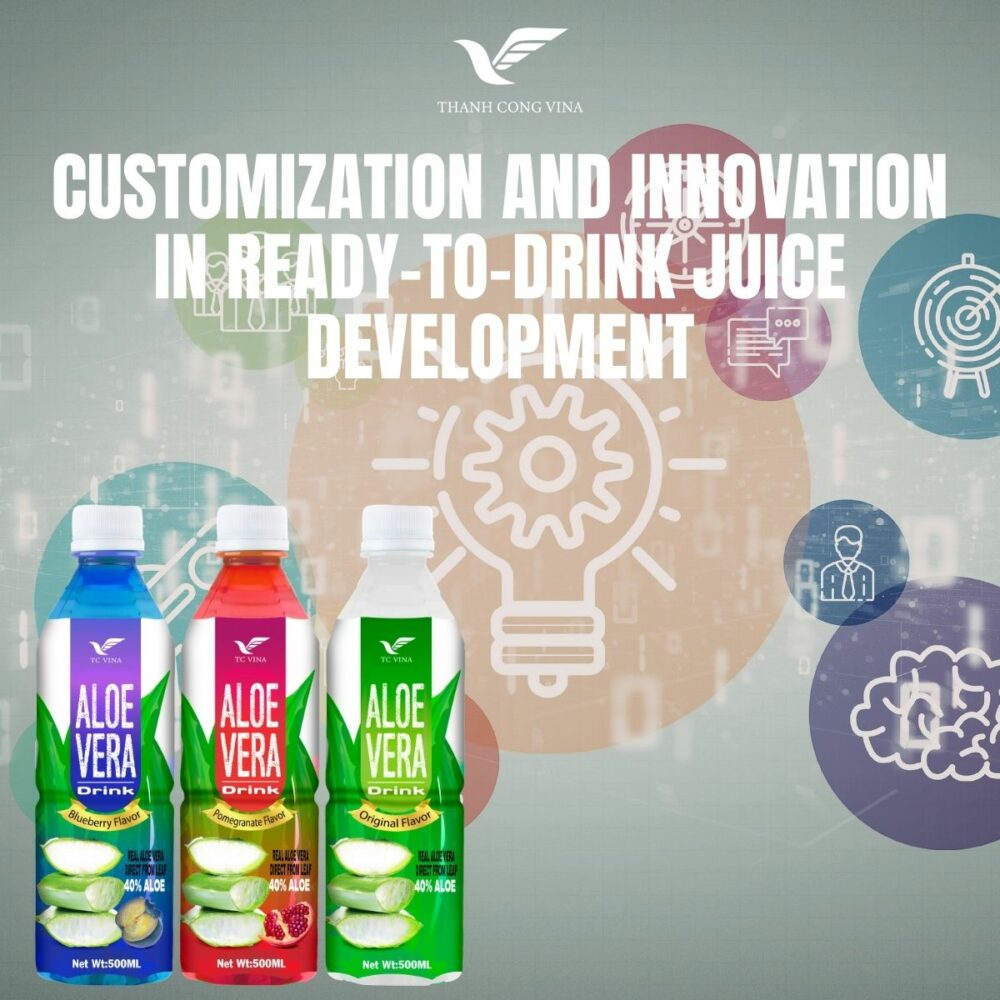
Customization and Innovation in Ready-to-Drink Juice Development
In a saturated market, innovation is the key to differentiation. OEM Manufacturing enables brands to create unique beverage concepts tailored to specific consumer segments.
4.1. Flavor Innovation and Functional Formulation
Manufacturers collaborate with clients to develop innovative blends such as tropical fruit combinations, herbal infusions, low-sugar alternatives, or vitamin-enriched juices. Functional beverages targeting immunity, hydration, or digestive health continue to gain popularity worldwide.
Customization also extends to sweetness levels, pulp content, carbonation options, and organic certification requirements. By leveraging R&D expertise, brands can transform ideas into commercially viable products.
4.2. Packaging Design and Branding Support
Packaging plays a vital role in consumer purchasing decisions. OEM partners often provide guidance on selecting bottle shapes, label materials, and printing techniques that enhance shelf appeal.
Sustainable packaging solutions, such as recyclable materials and lightweight bottles, align with global environmental trends. For export-oriented brands, multilingual labeling and compliance with regional regulations are also essential considerations.
Through innovation-driven collaboration, OEM Manufacturing empowers beverage companies to build distinctive product lines that resonate with their target markets while maintaining cost efficiency and operational reliability.
5. Quality Control, Certifications, and Global Compliance Standards
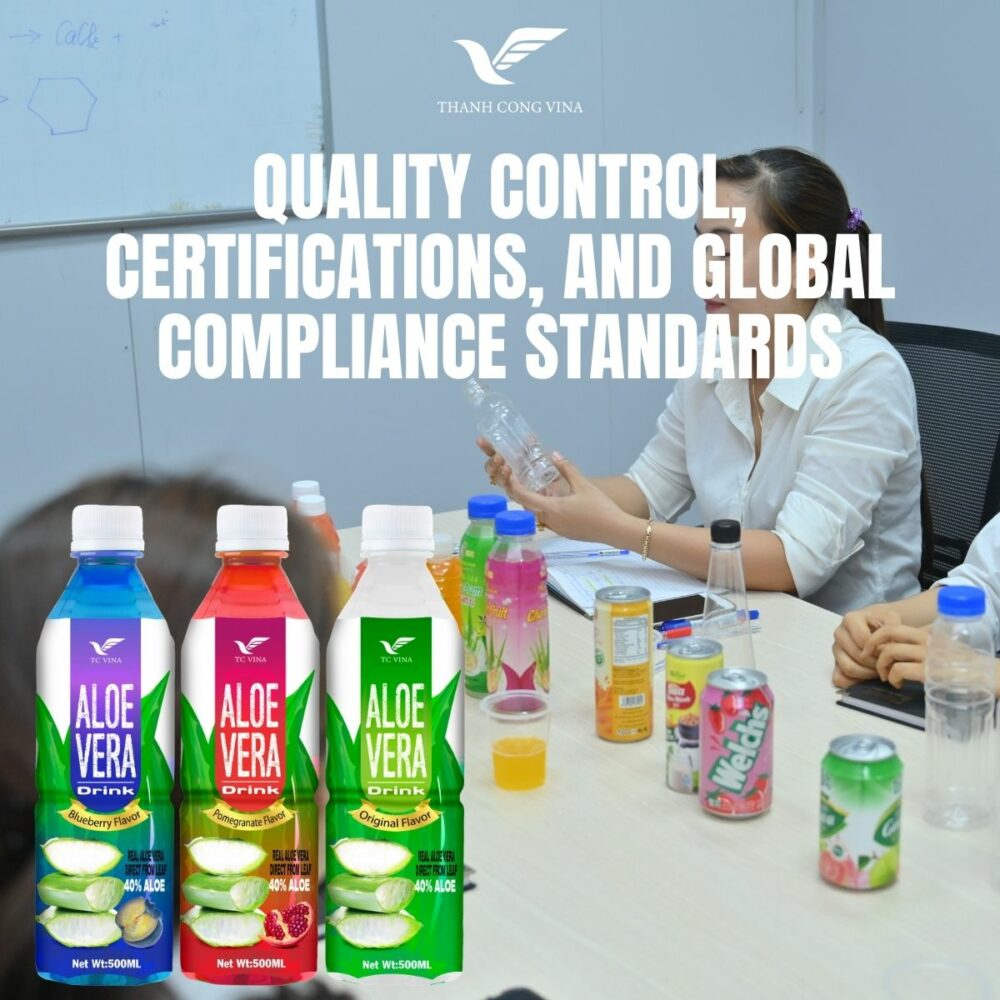
Quality Control, Certifications, and Global Compliance Standards
Food safety is non-negotiable in the beverage industry. OEM Manufacturing facilities must operate under rigorous quality management systems to ensure consumer safety and brand reputation.
5.1. International Certifications and Standards
Reputable manufacturers adhere to globally recognized standards such as:
-
ISO quality management systems
-
HACCP food safety protocols
-
FDA registration for the United States market
-
HALAL certification for Muslim-majority regions
These certifications demonstrate compliance with hygiene, processing control, and risk management procedures. For exporters, they are critical in gaining market access and building trust with international distributors.
5.2. Continuous Monitoring and Testing
Quality assurance does not end at production. Ongoing laboratory testing evaluates microbiological safety, sugar content, acidity levels, and shelf-life stability. Traceability systems allow rapid identification of raw material sources in case of quality concerns.
By maintaining strict internal audits and third-party inspections, OEM Manufacturing partners minimize risks and protect both consumers and brand owners from potential recalls or compliance issues.
6. Choosing the Right OEM Manufacturing Partner
Selecting a manufacturing partner is a strategic decision that impacts product quality, brand reputation, and long-term growth.
6.1. Key Evaluation Criteria
When assessing an OEM manufacturer, consider:
Production Capacity: Can they scale according to projected demand?
R&D Capability: Do they offer product development expertise?
Certifications: Are they compliant with international standards?
Export Experience: Do they understand customs documentation and global shipping logistics?
Transparency: Are quality control processes clearly documented?
A reliable OEM partner should demonstrate professionalism, technological investment, and a commitment to continuous improvement.
6.2. Long-Term Collaboration and Strategic Growth
Beyond production, a strong partnership fosters innovation and market expansion. Manufacturers who understand evolving consumer trends can recommend new product lines or cost optimization strategies.
By establishing clear communication channels, defining quality benchmarks, and aligning business objectives, brands can build sustainable relationships that drive mutual success in the competitive RTD juice industry.
Conclusion
Ready-to-drink juice continues to be one of the most promising segments in the global beverage industry. Through OEM Manufacturing, brands gain access to advanced production technology, strict quality control systems, and scalable operations without the burden of heavy capital investment. This model enables faster market entry, reduced operational risks, and consistent product excellence.
For companies seeking a trusted manufacturing partner, Thanh Cong Vina Beverage offers comprehensive solutions from product development to global export. With modern facilities, international certifications, and a commitment to quality, Thanh Cong Vina stands as a reliable name in OEM Manufacturing for ready-to-drink beverages. By partnering with Thanh Cong Vina, brands can confidently bring innovative juice products to market while maintaining the highest standards of safety, efficiency, and performance.