
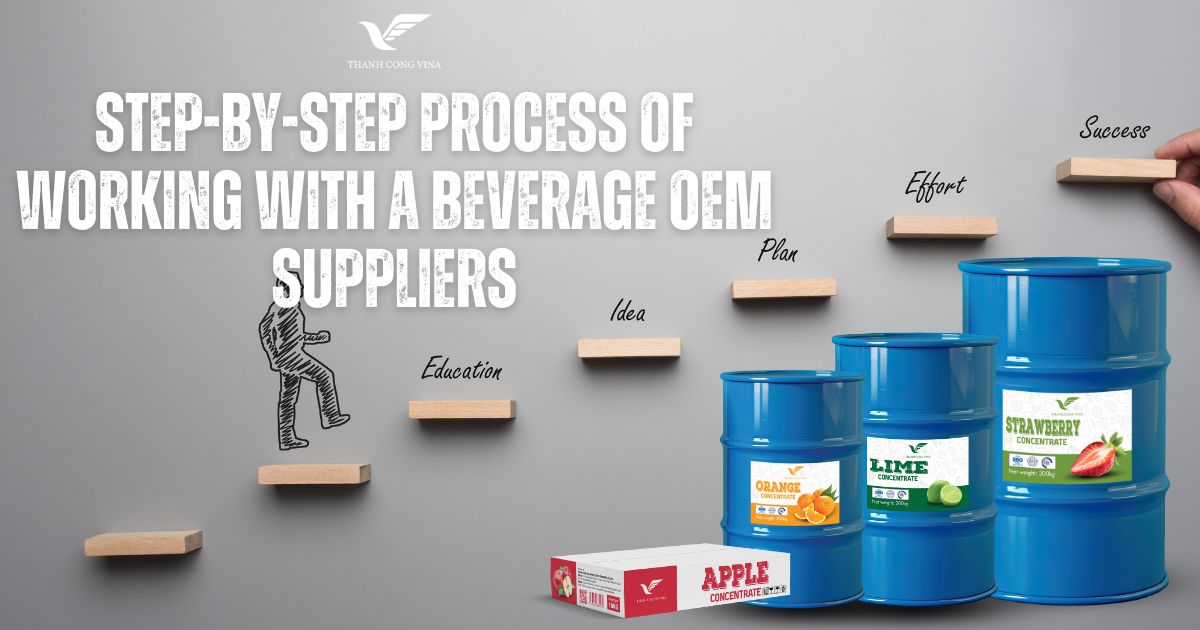
In today’s highly competitive beverage industry, speed, consistency, and scalability determine whether a brand thrives or struggles. For many companies, partnering with a Beverage OEM Suppliers has become the most efficient way to bring high-quality products to market without the heavy burden of owning manufacturing facilities. From startups launching their first drink line to established brands expanding into new categories, OEM partnerships offer flexibility, technical expertise, and cost efficiency.
However, working with a Beverage OEM Supplier is not simply about placing an order and waiting for finished products. It is a structured, collaborative process that involves product ideation, formulation, compliance, production planning, quality assurance, and long-term optimization. Understanding each step helps beverage brands make informed decisions, avoid costly mistakes, and maximize the value of the partnership.
This guide walks you through the step-by-step process of working with a Beverage OEM Suppliers, giving you a clear roadmap from initial concept to market-ready products.
1. Initial Consultation and Requirement Analysis
Initial Consultation and Requirement Analysis
Understanding Brand Vision and Market Goals
The first step in working with a Beverage OEM Suppliers is a detailed consultation. This stage focuses on understanding your brand identity, target market, and commercial objectives. Whether you aim to launch a functional drink, fruit juice, or ready-to-drink beverage, clarity at this point sets the foundation for success.
OEM suppliers typically assess factors such as product positioning, price range, target demographics, and intended distribution channels. These insights help them recommend suitable formulations, packaging options, and production methods aligned with your strategy.
Defining Product Specifications
During requirement analysis, you and the Beverage OEM Suppliers outline specific product details. This includes flavor profiles, nutritional targets, ingredient preferences, shelf-life expectations, and regulatory requirements for your target markets. At this stage, brands also discuss volume expectations and scalability needs.
A thorough requirement analysis reduces revisions later and ensures that both parties share the same expectations. It is also the stage where potential challenges, such as sourcing rare ingredients or meeting specific certifications, are identified early.
2. Product Development and Formulation
R&D Collaboration
Once requirements are defined, the Beverage OEM Suppliers R&D team begins product development. This collaborative process transforms your concept into a viable formula. Suppliers leverage their technical expertise, ingredient knowledge, and sensory testing capabilities to refine taste, texture, aroma, and stability.
Brands are often invited to review prototypes, provide feedback, and request adjustments. This back-and-forth ensures the final product aligns with brand expectations while remaining technically and economically feasible.
Testing and Validation
Product formulation involves extensive testing to ensure safety, consistency, and shelf stability. The Beverage OEM Suppliers conducts laboratory tests, microbial analysis, and pilot batch trials. These tests help validate that the beverage maintains quality over time and under various storage conditions.
At this stage, nutritional information and ingredient lists are finalized, which is critical for labeling and regulatory compliance in later steps.
3. Regulatory Compliance and Certifications
Regulatory Compliance and Certifications
Meeting Local and International Standards
Compliance is a crucial step when working with a Beverage OEM Suppliers. Regulations vary significantly across regions, and non-compliance can lead to costly delays or product recalls. OEM suppliers ensure formulations meet food safety laws, labeling standards, and import regulations in your target markets.
This process includes verifying ingredient approvals, allergen declarations, and permissible health claims. Experienced suppliers proactively guide brands through complex regulatory landscapes.
Certification Support
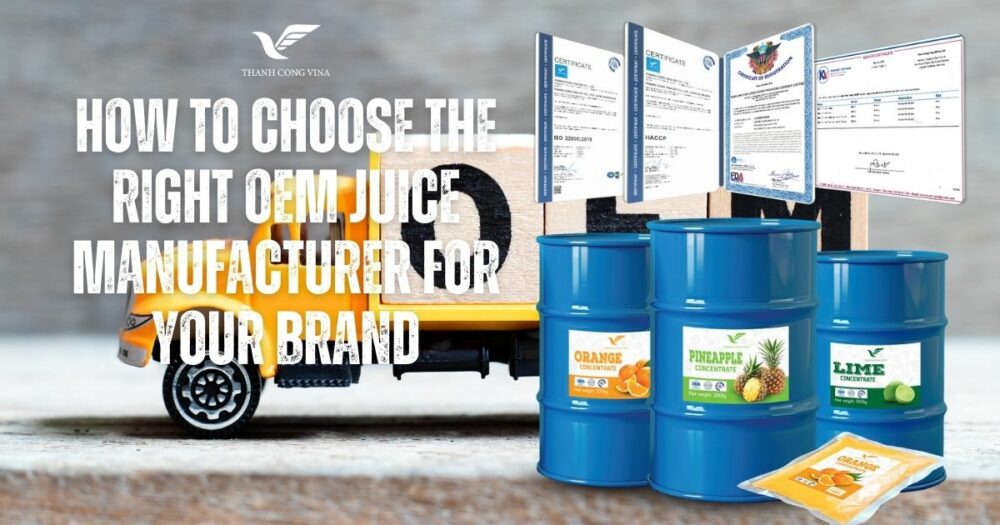
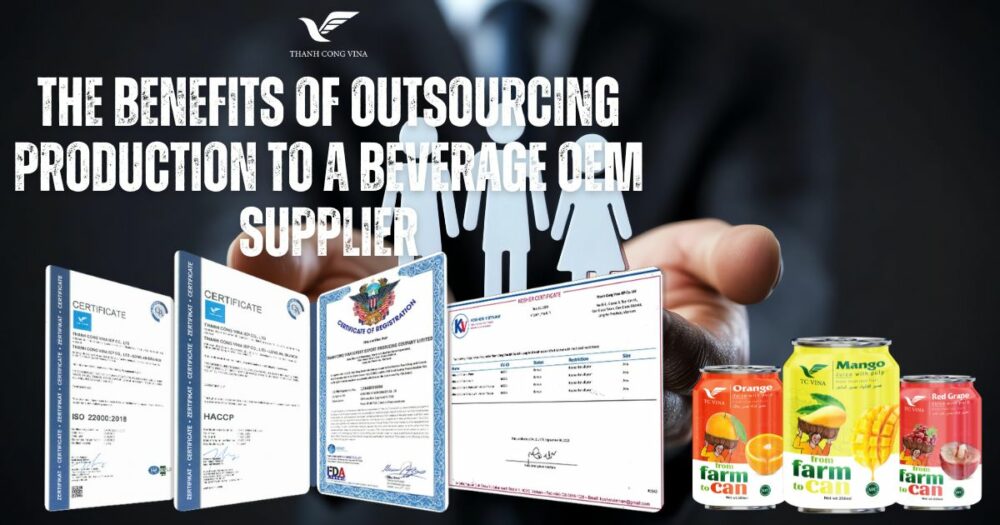
Many beverage brands require certifications such as ISO, HACCP, HALAL, or FDA registration. A professional Beverage OEM Suppliers typically holds these certifications and can align production processes accordingly. This adds credibility to your brand and simplifies market entry, especially for international expansion.
Certification documentation is often integrated into the onboarding process, saving brands significant time and administrative effort.
4. Packaging Selection and Design Coordination
Choosing the Right Packaging Format
Packaging plays a vital role in product success. During this step, the Beverage OEM Supplier assists in selecting appropriate packaging formats such as bottles, cans, cartons, or pouches. Considerations include product type, shelf life, logistics, sustainability goals, and consumer convenience.
Suppliers also advise on packaging materials that maintain product integrity while optimizing cost and transport efficiency.
Labeling and Branding Alignment
OEM suppliers coordinate closely with brands to ensure packaging designs comply with regulations and reflect brand identity. This includes reviewing label layouts, mandatory information placement, and print specifications.
By aligning design and technical requirements early, brands avoid production delays and costly reprints. This step ensures the final product is both visually appealing and compliant.
5. Production Planning and Manufacturing
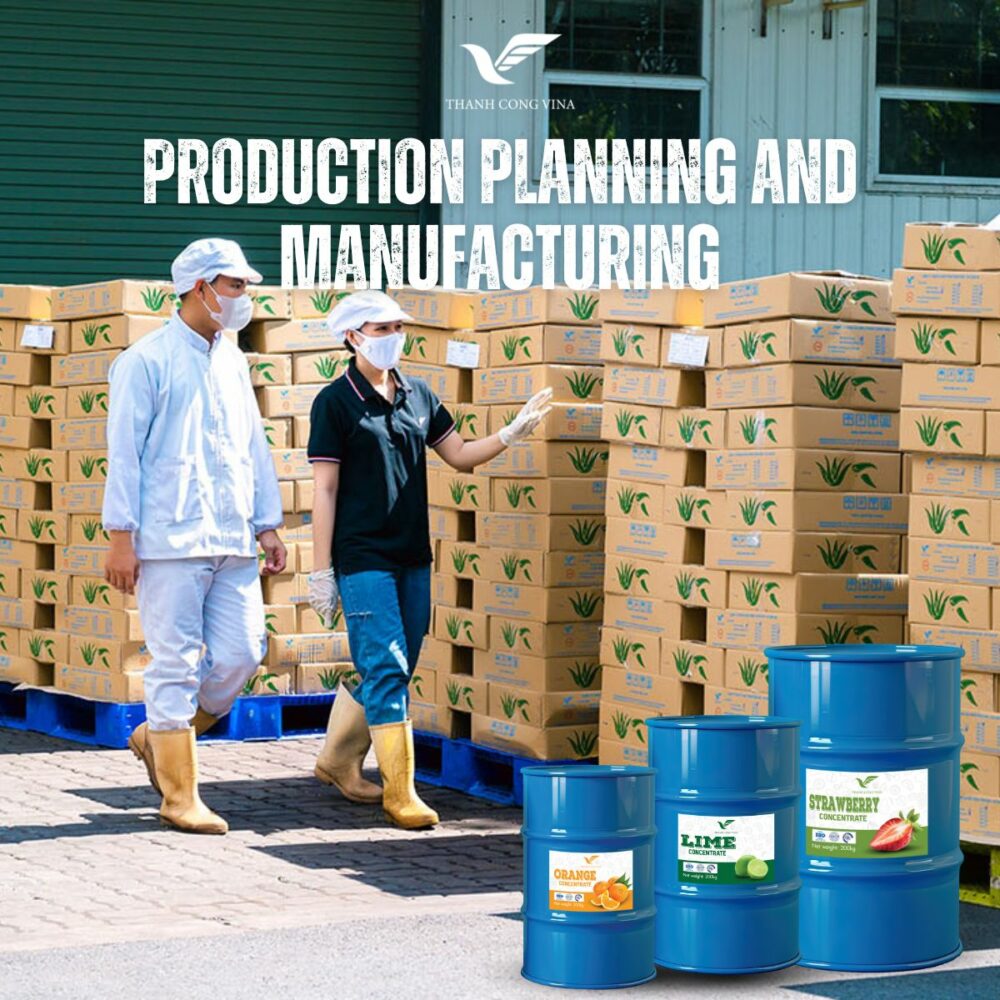
Production Planning and Manufacturing
Scaling from Pilot to Mass Production
After final approval, the Beverage OEM Suppliers moves into production planning. This stage involves scheduling manufacturing runs, securing raw materials, and preparing production lines. Suppliers balance efficiency with quality control to meet agreed timelines.
OEM facilities are designed to handle scalable volumes, allowing brands to start with smaller batches and grow without changing suppliers.
Quality Control During Manufacturing
Quality assurance is integrated throughout the manufacturing process. The Beverage OEM Suppliers conducts in-process checks, batch testing, and final inspections to ensure consistency across all units. This systematic approach minimizes defects and ensures every batch meets predefined standards.
For brands, this step provides peace of mind that products reaching consumers are safe, reliable, and consistent.
6. Beverage OEM Suppliers – Logistics, Storage, and Delivery
Warehousing and Inventory Management
Many Beverage OEM Suppliers offer warehousing solutions, allowing finished products to be stored under controlled conditions before shipment. This is especially beneficial for brands managing international distribution or seasonal demand fluctuations.
Proper inventory management helps reduce waste and ensures products are shipped within optimal shelf-life windows.
Global Shipping Coordination
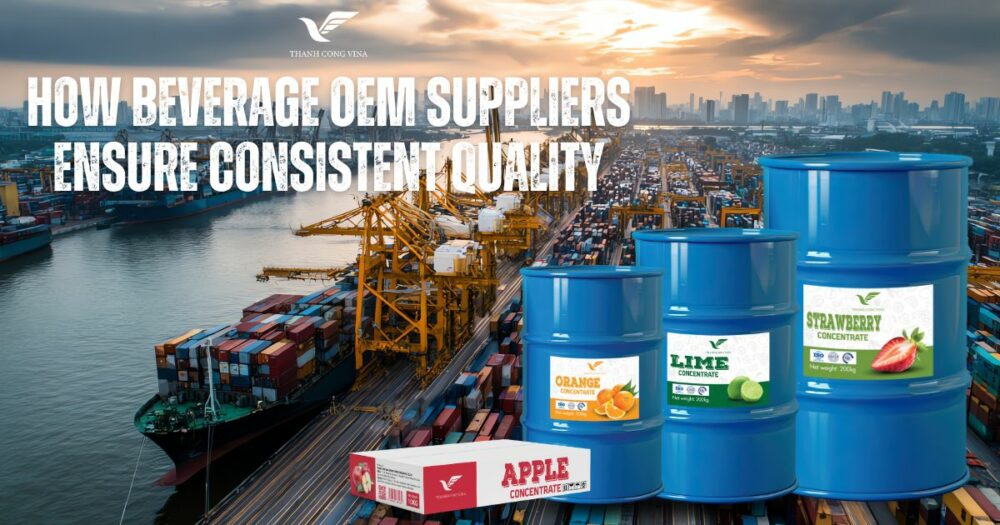
OEM suppliers often assist with export documentation, container loading, and logistics coordination. Their experience in global shipping helps brands navigate customs procedures and reduce transit risks.
Efficient logistics planning ensures products arrive on time and in optimal condition, supporting smooth market launches and consistent supply chains.
7. Post-Launch Support and Continuous Improvement
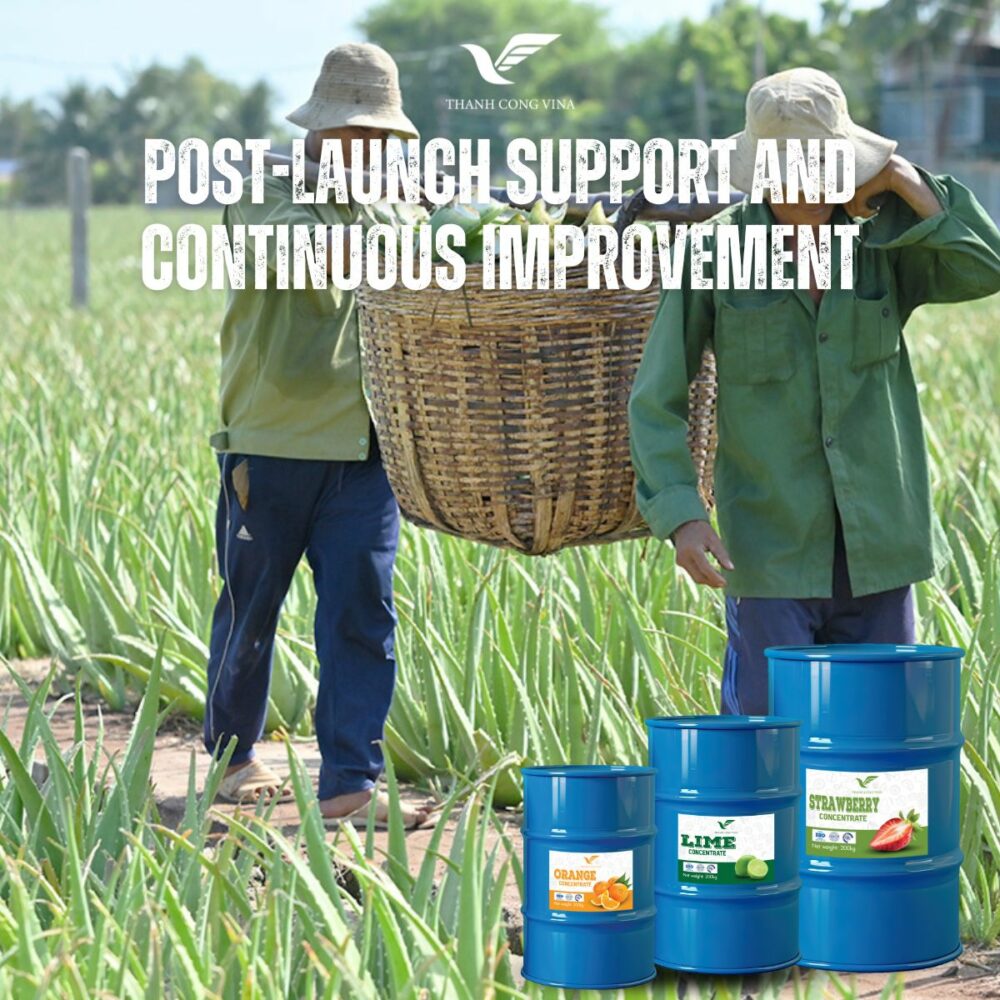
Post-Launch Support and Continuous Improvement
Performance Evaluation and Feedback
The relationship with a Beverage OEM Suppliers does not end at delivery. Post-launch evaluation allows brands to assess product performance, consumer feedback, and market response. Suppliers use this data to suggest improvements or variations.
This ongoing collaboration helps brands stay competitive and adapt to changing consumer trends.
Innovation and Line Extensions
OEM suppliers often play a strategic role in product innovation. By monitoring industry trends and technological advancements, they can propose new flavors, formulations, or packaging upgrades. This proactive approach supports long-term brand growth and portfolio expansion.
Conclusion
Working with a Beverage OEM Supplier is a structured, strategic process that goes far beyond manufacturing. From concept development and compliance to production, logistics, and post-launch optimization, each step contributes to building a successful beverage brand. Understanding this process empowers companies to collaborate more effectively, reduce risks, and accelerate time to market.
For brands seeking a reliable partner with deep industry expertise, Thanh Cong Vina offers comprehensive OEM solutions tailored to global beverage businesses. With strong R&D capabilities, certified production systems, and export-ready operations, Thanh Cong Vina supports brands at every stage of their growth journey. Choosing the right Beverage OEM Suppliers is not just an operational decision—it is a strategic investment in quality, scalability, and long-term success, and Thanh Cong Vina stands ready to be that trusted partner.