
Sustainability has become a defining priority in the global food and beverage industry. As environmental awareness continues to grow, both consumers and businesses are paying closer attention to how products are manufactured, packaged, and distributed. Beverage companies are under increasing pressure to reduce their environmental footprint while maintaining product quality and operational efficiency. This shift has placed sustainability at the center of modern OEM Juice Manufacturing strategies.
OEM manufacturers are not only responsible for producing beverages at scale but also for ensuring that production processes align with environmental, social, and economic sustainability goals. From responsible fruit sourcing and energy-efficient production systems to eco-friendly packaging and waste management, sustainability initiatives are transforming how juice products are manufactured globally. For beverage brands seeking long-term growth, partnering with an OEM manufacturer that prioritizes sustainable practices is essential. This article explores the key sustainability strategies shaping OEM Juice Manufacturing and how these practices create value for both brands and consumers in a rapidly evolving market.
1. The Importance of Sustainability in the Beverage Industry
The Importance of Sustainability in the Beverage Industry
Sustainability is no longer just a corporate social responsibility initiative; it has become a fundamental requirement for companies operating in the modern beverage market.
Environmental Challenges Facing Beverage Production
The beverage industry relies heavily on agricultural resources, water usage, and packaging materials. Fruit cultivation requires land, irrigation, and energy, while manufacturing facilities consume electricity and generate production waste. Without responsible management, these activities can contribute to environmental degradation, water scarcity, and increased carbon emissions.
Governments and international organizations are responding to these challenges by introducing stricter environmental regulations. Companies that fail to adapt may face regulatory penalties, supply chain disruptions, or reputational damage. Sustainable manufacturing practices help companies comply with environmental standards while maintaining operational efficiency.
Changing Consumer Expectations
Modern consumers are increasingly aware of how their purchasing decisions impact the environment. Many shoppers actively choose products that demonstrate responsible sourcing, recyclable packaging, and reduced carbon footprints. Sustainability has therefore become a key factor influencing brand loyalty and purchasing behavior.
Beverage brands that integrate sustainability into their supply chains gain a competitive advantage in global markets. By working with responsible OEM manufacturers, companies can align their products with consumer expectations while contributing to environmental protection. As a result, sustainability has become an integral part of OEM Juice Manufacturing strategies worldwide.
2. OEM Juice Manufacturing and Responsible Fruit Sourcing
One of the most important aspects of sustainable beverage production is the sourcing of raw materials. The quality and sustainability of fruit cultivation directly influence the environmental impact of juice manufacturing.
Sustainable Agricultural Practices
Responsible fruit sourcing begins with sustainable farming methods. These practices focus on soil health, water conservation, and reduced chemical usage. Farmers may adopt techniques such as crop rotation, integrated pest management, and organic fertilization to maintain long-term soil productivity.
OEM Juice Manufacturing companies often collaborate with agricultural partners to ensure that fruit is grown using environmentally responsible methods. Some manufacturers support certified farming programs that promote sustainability and traceability throughout the supply chain.
Sustainable agriculture also benefits farmers by improving soil fertility and reducing dependence on synthetic inputs. This creates a more resilient farming system that can continue producing high-quality fruit for future generations.
Traceability and Ethical Supply Chains
Traceability systems allow manufacturers to track fruit from farm to finished product. This transparency ensures that raw materials meet environmental and ethical standards. Detailed documentation helps verify that fruits are harvested responsibly and transported under proper conditions.
Ethical supply chains also consider fair labor practices and community development in farming regions. Many OEM manufacturers work closely with growers to support sustainable livelihoods and responsible agricultural development.
By prioritizing responsible sourcing, OEM Juice Manufacturing companies reduce environmental impact while strengthening the integrity of their supply chains.
3. Energy Efficiency and Resource Optimization in Production
Energy Efficiency and Resource Optimization in Production
Manufacturing facilities are significant consumers of energy and water. Sustainable OEM Juice Manufacturing focuses on reducing resource consumption while maintaining production efficiency.
Energy-Efficient Processing Technologies
Modern juice manufacturing facilities invest in advanced technologies designed to minimize energy consumption. High-efficiency pasteurization systems, optimized heating processes, and automated production lines help reduce electricity usage during manufacturing.
Energy management systems monitor consumption in real time, allowing manufacturers to identify opportunities for improvement. Some facilities also incorporate renewable energy sources such as solar power to further reduce their carbon footprint.
These innovations not only support environmental sustainability but also lower operational costs over time. Efficient energy management contributes to both environmental and economic sustainability.
Water Conservation Strategies
Water is a critical resource in juice production, used for fruit washing, equipment cleaning, and processing operations. Sustainable OEM manufacturers implement water recycling systems that allow treated water to be reused for non-product applications.
Advanced filtration and purification technologies ensure that water discharged from the facility meets environmental safety standards. By reducing water waste and improving efficiency, manufacturers help preserve local water resources.
Through energy optimization and water conservation, OEM Juice Manufacturing facilities significantly reduce their environmental impact.
4. Waste Reduction and Circular Economy Approaches
Reducing waste is another key component of sustainable manufacturing practices.
Utilizing Fruit Byproducts
Juice production generates byproducts such as fruit peels, seeds, and pulp. Instead of discarding these materials, sustainable manufacturers often convert them into valuable secondary products.
Fruit pulp can be processed into animal feed, natural fiber ingredients, or compost used in agriculture. Some companies even extract essential oils or bioactive compounds from fruit waste for use in food, cosmetics, or pharmaceutical industries.
These practices support the concept of a circular economy, where resources are reused rather than discarded.
Minimizing Production Waste
Advanced manufacturing processes are designed to maximize fruit utilization and minimize losses during processing. Automated systems ensure precise measurement of ingredients and efficient blending processes.
Continuous monitoring of production lines helps detect inefficiencies early, reducing waste and improving overall productivity. By implementing waste reduction strategies, OEM manufacturers lower environmental impact while improving resource efficiency.
5. Sustainable Packaging Solutions in Juice Manufacturing
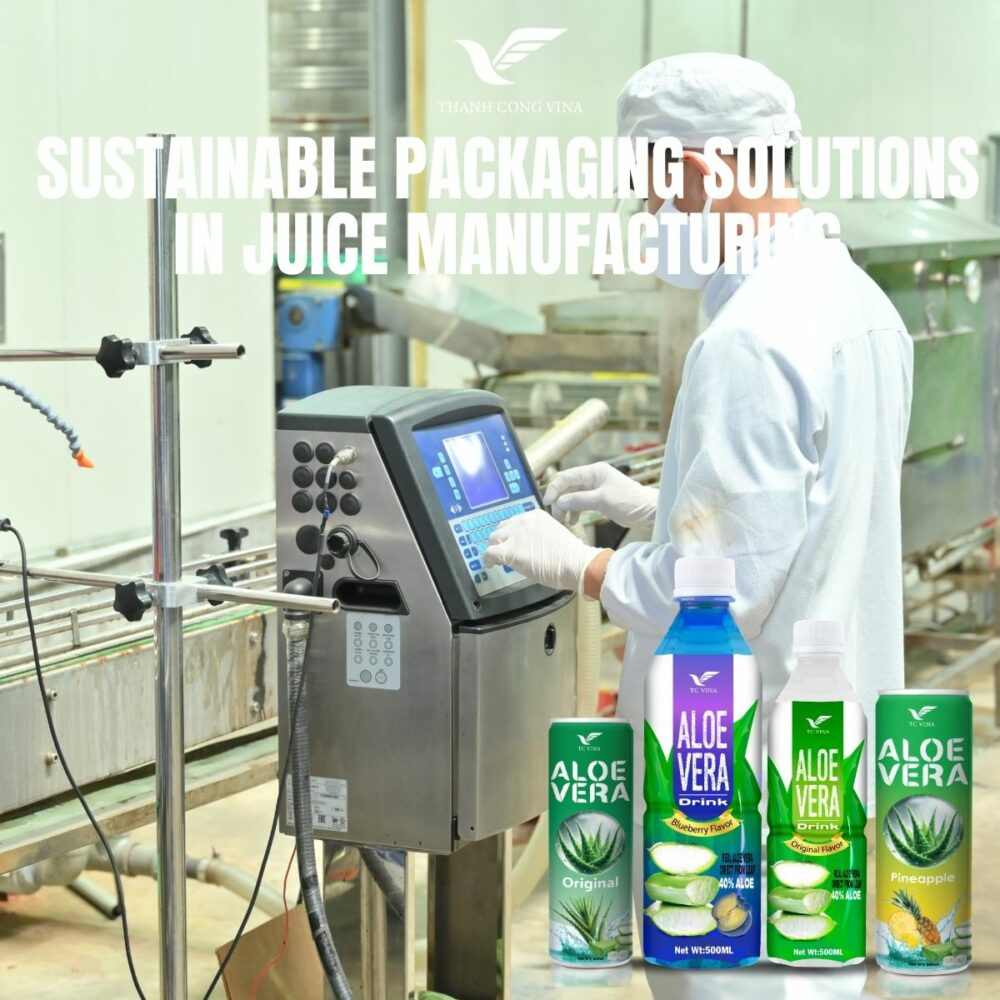
Sustainable Packaging Solutions in Juice Manufacturing
Packaging represents one of the most visible environmental challenges in the beverage industry.
Eco-Friendly Packaging Materials
Many OEM Juice Manufacturing companies are transitioning toward environmentally responsible packaging materials. Recyclable PET bottles, aluminum cans, and glass containers are widely used due to their high recyclability.
Some manufacturers are also exploring biodegradable packaging solutions and plant-based plastics derived from renewable resources. These materials reduce dependence on fossil fuels and support long-term sustainability goals.
Selecting the right packaging material requires balancing environmental impact, product safety, and logistical considerations.
Lightweight and Efficient Packaging Design
Reducing packaging weight helps lower transportation emissions and material consumption. Lightweight bottle designs require less plastic while maintaining structural strength.
Efficient packaging also improves shipping efficiency by maximizing container space. This reduces the number of shipments required to transport products, lowering fuel consumption and carbon emissions.
By combining recyclable materials with efficient design, sustainable packaging contributes significantly to environmentally responsible beverage production.
6. Certifications and Environmental Standards in OEM Manufacturing
Environmental certifications provide measurable proof that manufacturing processes meet sustainability standards.
International Environmental Certifications
Many OEM Juice Manufacturing facilities pursue certifications such as ISO environmental management standards and other sustainability frameworks. These certifications verify that companies maintain structured environmental management systems.
Certification programs require regular audits, performance monitoring, and continuous improvement initiatives. Manufacturers must demonstrate responsible resource management, waste reduction, and regulatory compliance.
These certifications provide reassurance to beverage brands and consumers that production processes meet recognized environmental standards.
Transparency and Sustainability Reporting
Increasingly, manufacturers publish sustainability reports outlining their environmental initiatives and performance metrics. These reports detail energy consumption, water usage, waste reduction efforts, and carbon footprint improvements.
Transparency strengthens trust between manufacturers, brands, and consumers. It also encourages continuous improvement as companies track their progress toward sustainability goals.
Through certification and transparent reporting, OEM manufacturers demonstrate their commitment to responsible production practices.
7. Long-Term Business Benefits of Sustainable Manufacturing
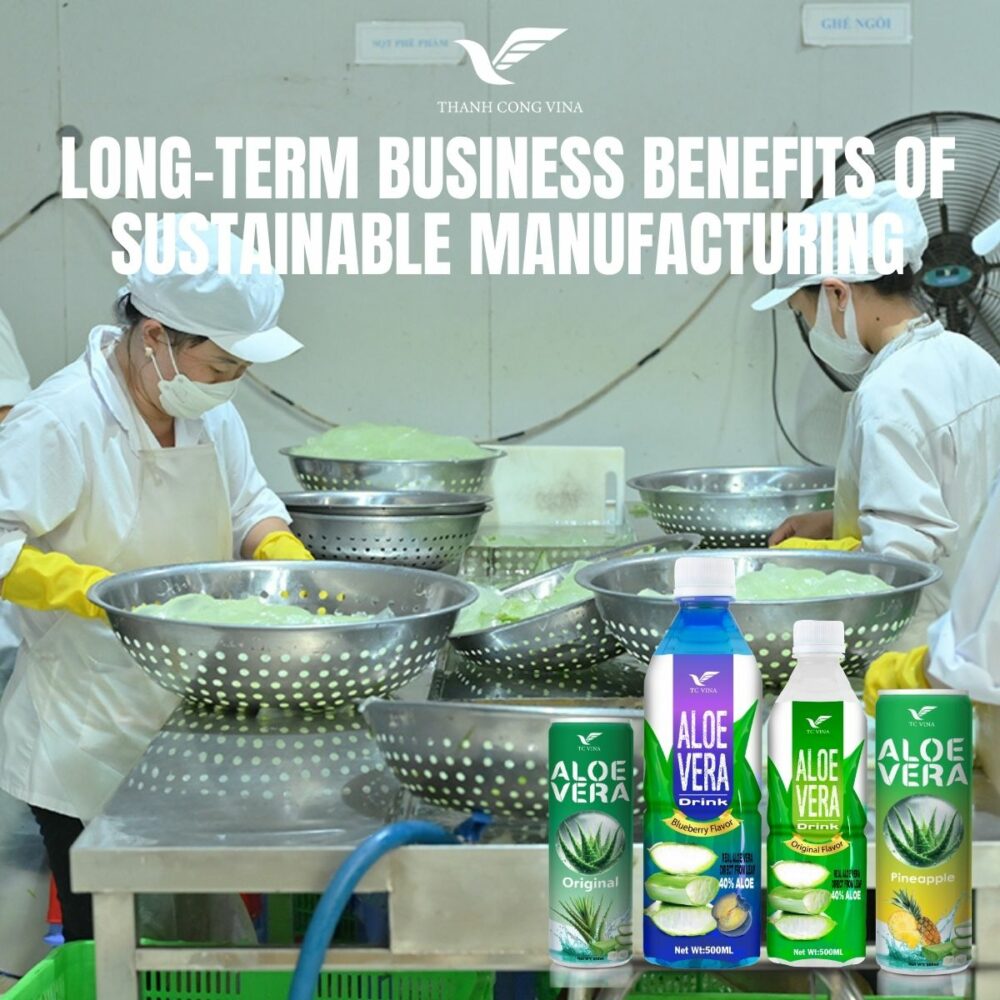
Long-Term Business Benefits of Sustainable Manufacturing
Sustainability initiatives provide benefits that extend beyond environmental protection.
Strengthening Brand Reputation
Beverage brands that collaborate with sustainable OEM partners can communicate responsible production practices to consumers. This strengthens brand credibility and differentiates products in competitive markets.
Consumers are more likely to support brands that align with their environmental values. Sustainability messaging therefore becomes a powerful marketing advantage.
Supporting Long-Term Industry Growth
Sustainable manufacturing practices help preserve natural resources that are essential for beverage production. By protecting soil quality, water supplies, and agricultural ecosystems, the industry ensures that fruit cultivation remains viable for future generations.
Responsible production also reduces operational risks related to regulatory changes, resource shortages, and environmental concerns.
By integrating sustainability into their strategies, OEM Juice Manufacturing companies support both environmental preservation and long-term business success.
Conclusion
Sustainability has become a critical component of modern beverage production, influencing every stage of the manufacturing process. From responsible fruit sourcing and energy-efficient production to waste reduction and eco-friendly packaging, sustainable practices are reshaping the future of OEM Juice Manufacturing. Companies that adopt these strategies not only reduce environmental impact but also build stronger relationships with environmentally conscious consumers.
Thanh Cong Vina is committed to advancing sustainable beverage production through responsible manufacturing practices and innovative technology. As a trusted partner in OEM Juice Manufacturing, Thanh Cong Vina integrates environmental responsibility with strict quality control and efficient production systems. By working with Thanh Cong Vina, beverage brands gain access to reliable manufacturing solutions that support sustainability, product excellence, and long-term growth in the global beverage industry.