

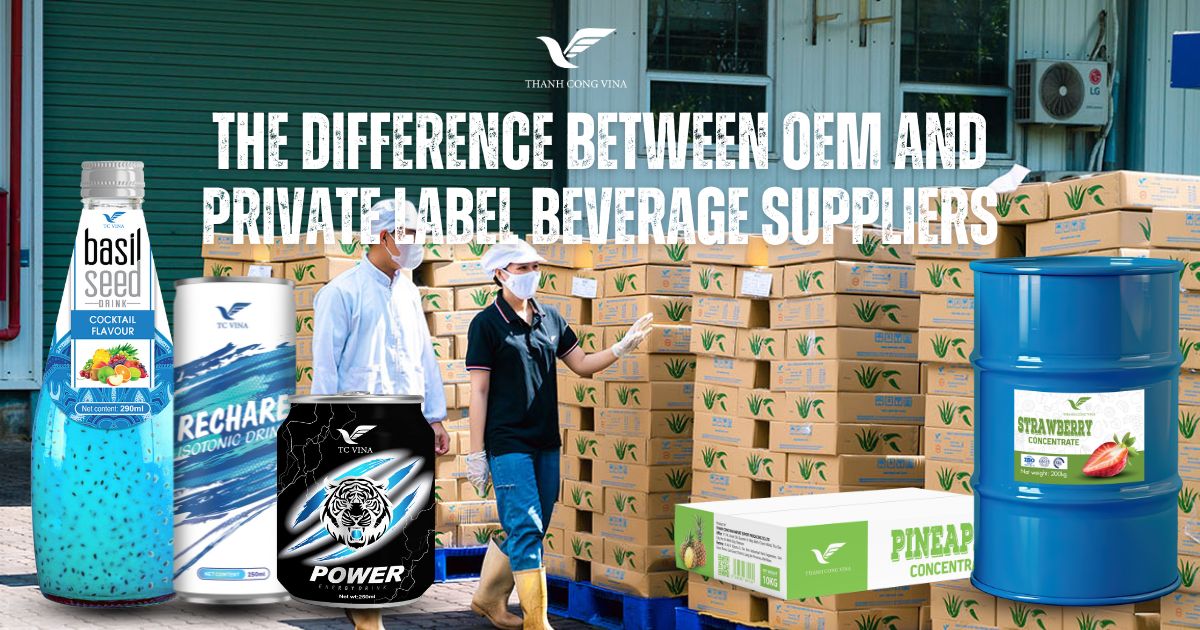
As the global beverage market becomes increasingly competitive, brands are constantly searching for efficient ways to launch products, scale production, and stand out on crowded shelves. Two of the most common manufacturing models used today are OEM and Private Label Beverage production. While these terms are often used interchangeably, they represent two very different approaches to beverage manufacturing, branding, and long-term business strategy.
Understanding the difference between OEM and Private Label Beverage suppliers is critical for startups, growing brands, and even established companies planning to expand their portfolios. Each model offers unique advantages, limitations, and levels of control over formulation, branding, and intellectual property. Choosing the wrong model can lead to reduced differentiation or limited scalability, while the right choice can accelerate growth and strengthen brand equity. This guide explains the core differences in detail, helping beverage brands make informed decisions.
1. Understanding OEM Beverage Suppliers
Understanding OEM Beverage Suppliers
What Defines an OEM Beverage Supplier
An OEM (Original Equipment Manufacturer) beverage supplier produces products based entirely on the brand owner’s specifications. The brand controls the formulation, ingredient selection, flavor profile, packaging design, and positioning. The OEM supplier acts as a manufacturing and technical partner rather than a brand owner.
Level of Customization and Control
With OEM production, brands have full control over product identity. Recipes can be customized to meet specific nutritional targets, functional benefits, or market trends. This makes OEM ideal for brands that want differentiation, innovation, and ownership of intellectual property.
Ideal Use Cases for OEM Manufacturing
OEM beverage suppliers are best suited for brands with a clear vision, long-term strategy, and the desire to build unique products. While development costs may be higher, OEM provides greater brand value and scalability over time.
2. Understanding Private Label Beverage Suppliers
Understanding Private Label Beverage Suppliers
What Is a Private Label Beverage Supplier
A Private Label Beverage supplier offers pre-developed beverage formulas that brands can sell under their own label. The product already exists, and customization is usually limited to packaging, labeling, and minor adjustments.
Speed and Simplicity of Market Entry
Private Label Beverage models allow brands to launch quickly with minimal development time. Since formulations are ready-made, production can begin almost immediately, making this approach attractive for new entrants or short-term opportunities.
Limitations of Private Label Beverages
While convenient, Private Label Beverage products often lack uniqueness. The same formulation may be sold to multiple brands, reducing differentiation and long-term competitive advantage.
3. Key Differences in Product Ownership and Intellectual Property
OEM Ownership Structure
In OEM manufacturing, the brand typically owns the formula, design, and product concept. This intellectual property protection allows brands to grow without fear of replication by competitors.
Private Label Ownership Structure
With Private Label Beverage suppliers, the supplier usually owns the formulation. Brands only license the product for resale, which limits exclusivity and long-term brand control.
Strategic Impact on Brand Equity
For brands aiming to build long-term equity, OEM offers stronger positioning. Private Label Beverage models are better suited for testing markets or short-term revenue strategies.
4. Differences in Branding and Market Differentiation
Differences in Branding and Market Differentiation
Branding Flexibility with OEM Suppliers
OEM allows complete freedom in storytelling, ingredient sourcing, functional claims, and packaging innovation. Brands can create a strong emotional connection with consumers through unique products.
Branding Constraints with Private Label Beverage
Private Label Beverage suppliers typically offer standardized products. While labels can be customized, the core product remains similar across multiple brands, making it harder to stand out.
Long-Term Competitive Advantage
OEM manufacturing supports premium positioning and innovation-led growth, while Private Label Beverage models focus more on speed and cost efficiency.
5. Cost Structure and Investment Considerations
Cost Profile of OEM Beverage Production
OEM projects often require upfront investment in R&D, testing, and tooling. However, unit costs can decrease significantly as volume scales, improving margins over time.
Cost Profile of Private Label Beverage Production
Private Label Beverage production has lower initial costs and faster ROI. This model is attractive for brands with limited budgets or those validating market demand.
Choosing Based on Financial Strategy
Brands with long-term growth plans may find OEM more sustainable, while Private Label Beverage models suit short-term or price-driven strategies.
6. Scalability and Long-Term Growth Potential
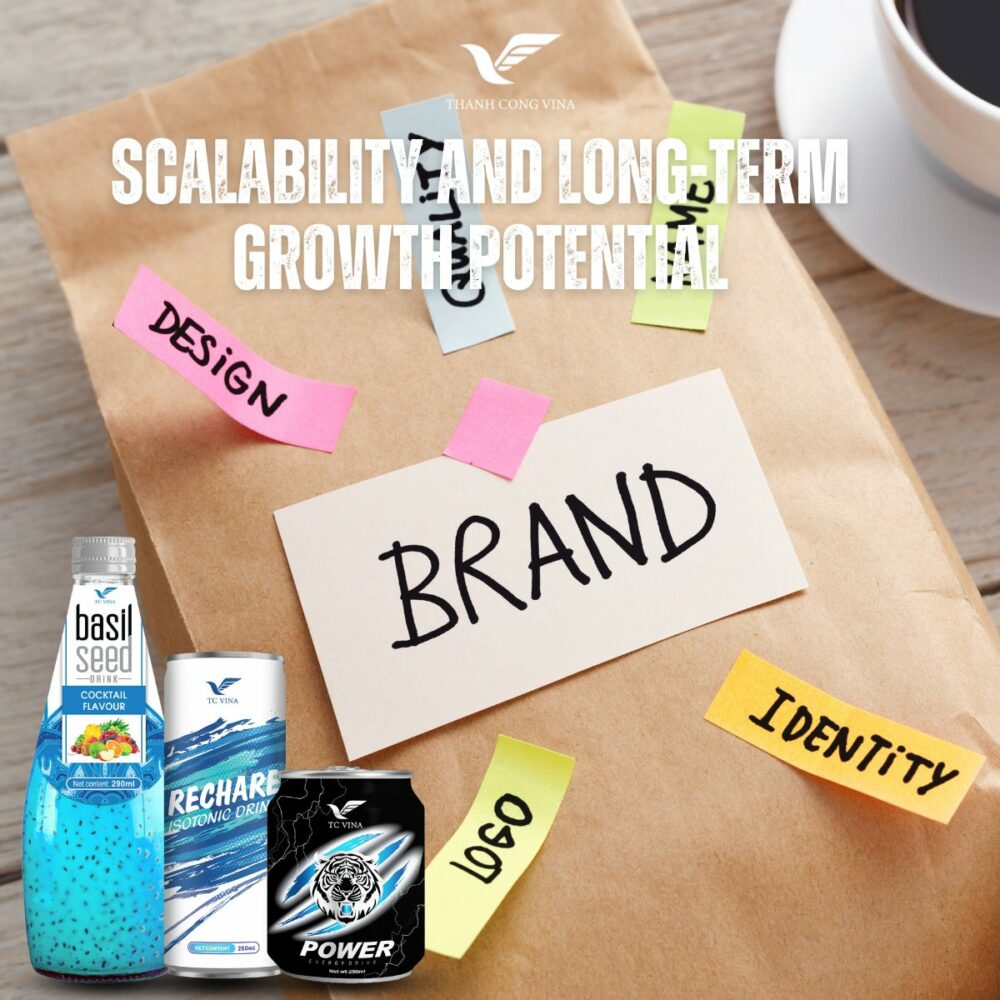
Scalability and Long-Term Growth Potential
Scaling with OEM Suppliers
OEM suppliers are built to scale alongside brands. As demand grows, production can be expanded while maintaining consistency and exclusivity.
Scaling Limitations of Private Label Beverage
Private Label Beverage products may face scalability challenges if multiple brands compete for the same formulation or production capacity.
Aligning Supplier Choice with Growth Vision
Brands planning regional or global expansion typically benefit more from OEM partnerships than Private Label Beverage arrangements.
7. Regulatory Compliance and Quality Control
OEM Approach to Quality Standards
OEM suppliers work closely with brands to meet specific regulatory requirements across different markets. This includes certifications, labeling compliance, and quality audits.
Private Label Beverage Compliance Model
Private Label Beverage suppliers usually handle compliance for standardized products, simplifying operations but limiting customization for different markets.
Risk Management and Brand Protection
OEM offers greater control over quality and compliance, which is critical for protecting brand reputation in regulated markets.
8. Which Model Is Right for Your Beverage Brand?
When to Choose OEM Manufacturing
OEM is ideal for brands focused on innovation, exclusivity, and long-term brand building. It suits companies that want full control over product identity and are prepared for strategic investment.
When to Choose Private Label Beverage Suppliers
Private Label Beverage suppliers are suitable for rapid market entry, limited budgets, or testing new categories with minimal risk.
Combining Both Models Strategically
Some brands start with Private Label Beverage products to test demand, then transition to OEM manufacturing for differentiation and scalability.
Conclusion
Understanding the difference between OEM and Private Label Beverage suppliers is essential for building a successful beverage brand. While Private Label models offer speed and lower initial investment, they often limit differentiation and long-term brand value. OEM manufacturing, on the other hand, empowers brands with full control, customization, and scalability, making it a stronger foundation for sustainable growth.
The right choice depends on your business goals, budget, and vision for the future. For brands seeking a reliable partner that supports both strategic thinking and high-quality execution, Thanh Cong Vina delivers comprehensive solutions tailored to diverse beverage needs. With deep manufacturing expertise and a commitment to quality, Thanh Cong Vina IEP CO., LTD helps brands navigate the choice between OEM and Private Label everage models, ensuring a clear path toward growth, differentiation, and long-term success.