
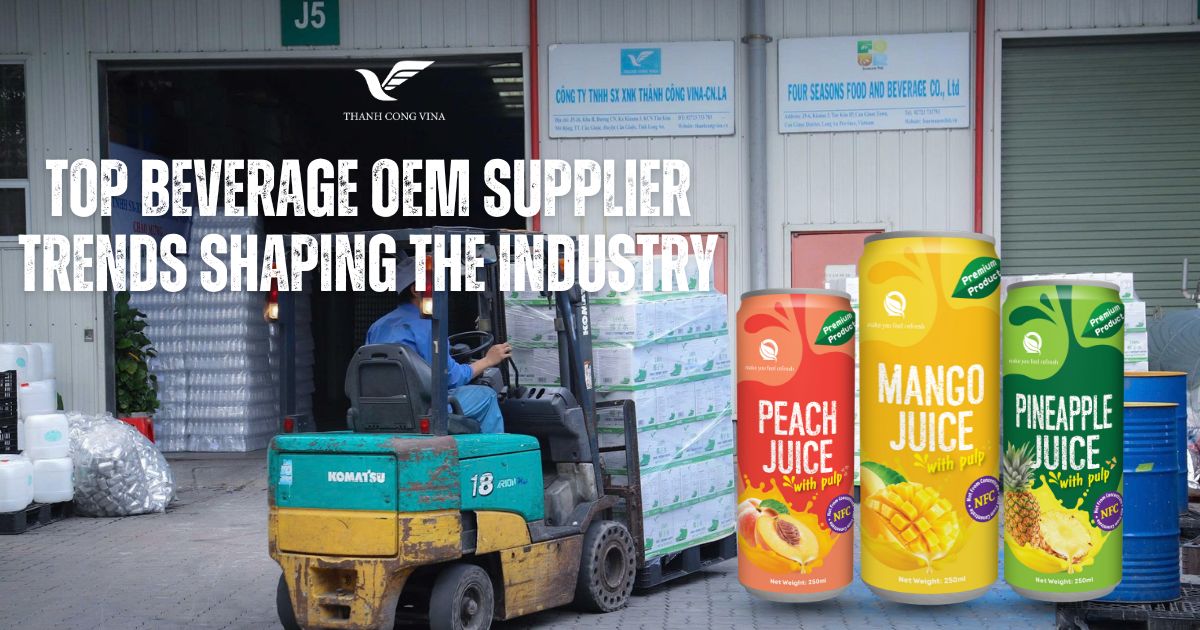
The global beverage industry is evolving at an unprecedented pace, driven by changing consumer preferences, stricter regulations, and rapid technological innovation. In this dynamic environment, choosing the right Beverage OEM Supplier is no longer just about production capacity—it is about strategic alignment with future-ready trends. Brands today expect their manufacturing partners to offer flexibility, innovation, sustainability, and consistent quality while supporting faster go-to-market strategies.
From functional beverages and clean-label formulations to smart manufacturing and digital traceability, Beverage OEM Suppliers are redefining how drinks are developed, produced, and scaled. These trends are not temporary shifts but long-term transformations that will shape the industry well into the next decade.
This article explores the top Beverage OEM Supplier trends currently shaping the global beverage landscape. Understanding these trends will help brand owners, startups, and distributors make informed decisions and build resilient partnerships in an increasingly competitive market.
1. Rise of Functional and Health-Focused Beverage Manufacturing
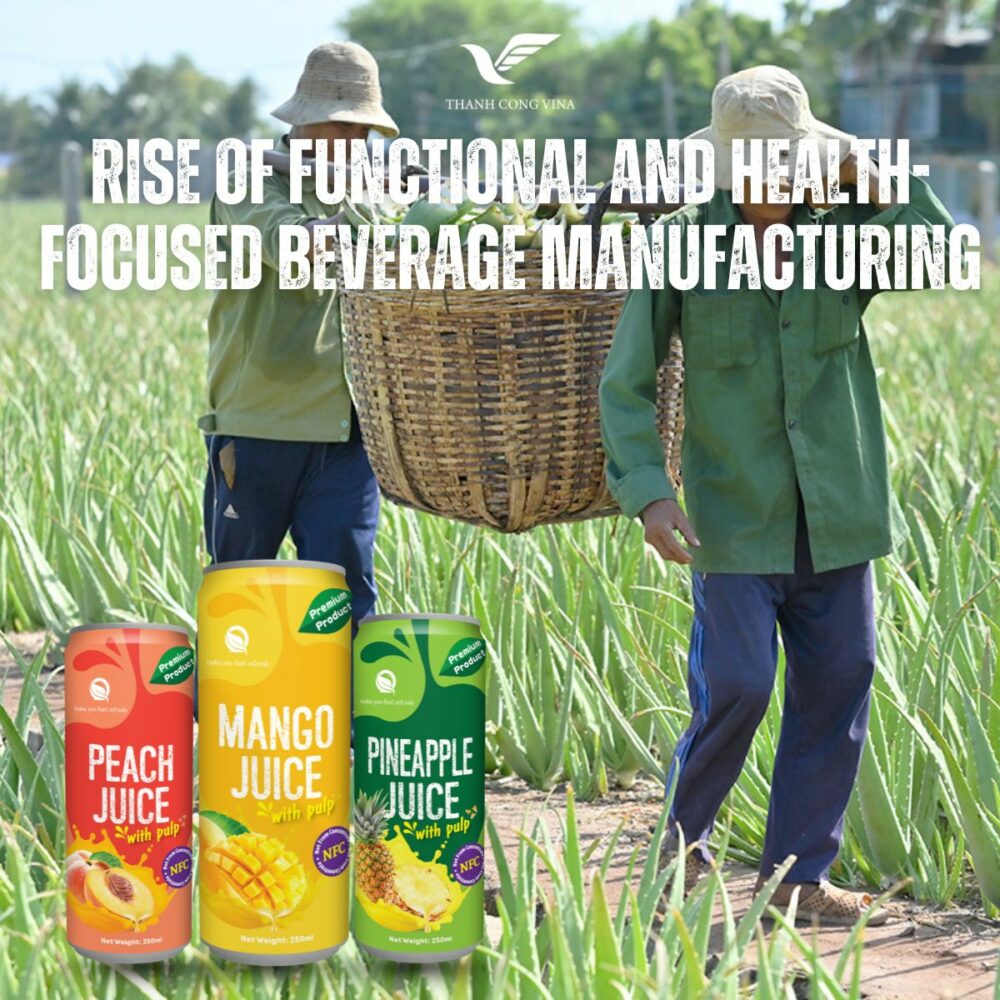
Rise of Functional and Health-Focused Beverage Manufacturing
1.1 Growing Demand for Functional Beverages
One of the most significant trends impacting every Beverage OEM Supplier is the explosive growth of functional beverages. Consumers are no longer satisfied with drinks that simply quench thirst; they want added benefits such as immunity support, hydration enhancement, digestive health, and energy boosting. This demand has pushed OEM suppliers to expand their formulation capabilities and invest in functional ingredients like vitamins, minerals, plant extracts, probiotics, collagen, and electrolytes.
1.2 Advanced Formulation Expertise as a Competitive Advantage
Modern Beverage OEM Suppliers are evolving into formulation partners rather than pure manufacturers. They offer R&D support to help brands balance functionality, taste, and stability. Functional ingredients often interact in complex ways, so expertise in ingredient compatibility, solubility, and shelf-life testing is essential. Suppliers with strong R&D teams can significantly reduce development time and formulation risks.
1.3 Regulatory Knowledge for Health Claims
As functional beverages grow, regulatory scrutiny increases. A professional Beverage OEM Supplier understands regional regulations related to health claims, ingredient limits, and labeling requirements. This knowledge helps brands avoid compliance issues while still delivering products that meet consumer expectations. Functional beverage manufacturing is no longer optional—it is a core trend shaping supplier selection worldwide.
2. Clean Label, Natural Ingredients, and Transparency
2.1 Shift Toward Clean Label Beverages
Clean label has become a defining trend for the beverage industry. Consumers are actively avoiding artificial colors, preservatives, and sweeteners. As a result, Beverage OEM Suppliers are reformulating products to use natural alternatives without compromising taste or stability. This shift requires deep technical knowledge and access to reliable natural ingredient sources.
2.2 Ingredient Transparency and Traceability
Transparency is now a brand expectation, not a bonus. A trusted Beverage OEM Supplier must provide full ingredient traceability, from raw material sourcing to finished product. Brands increasingly demand documentation that proves ingredient origin, quality certifications, and sustainability credentials. Traceability systems also support faster issue resolution and recall management if needed.
2.3 Impact on Product Development Timelines
Clean-label formulations often require more development time due to natural ingredient variability. Beverage OEM Suppliers that can manage this complexity efficiently gain a competitive edge. Their ability to maintain consistency across batches while using natural inputs directly impacts brand reputation and consumer trust.
3. Sustainability and Eco-Friendly Manufacturing Practices
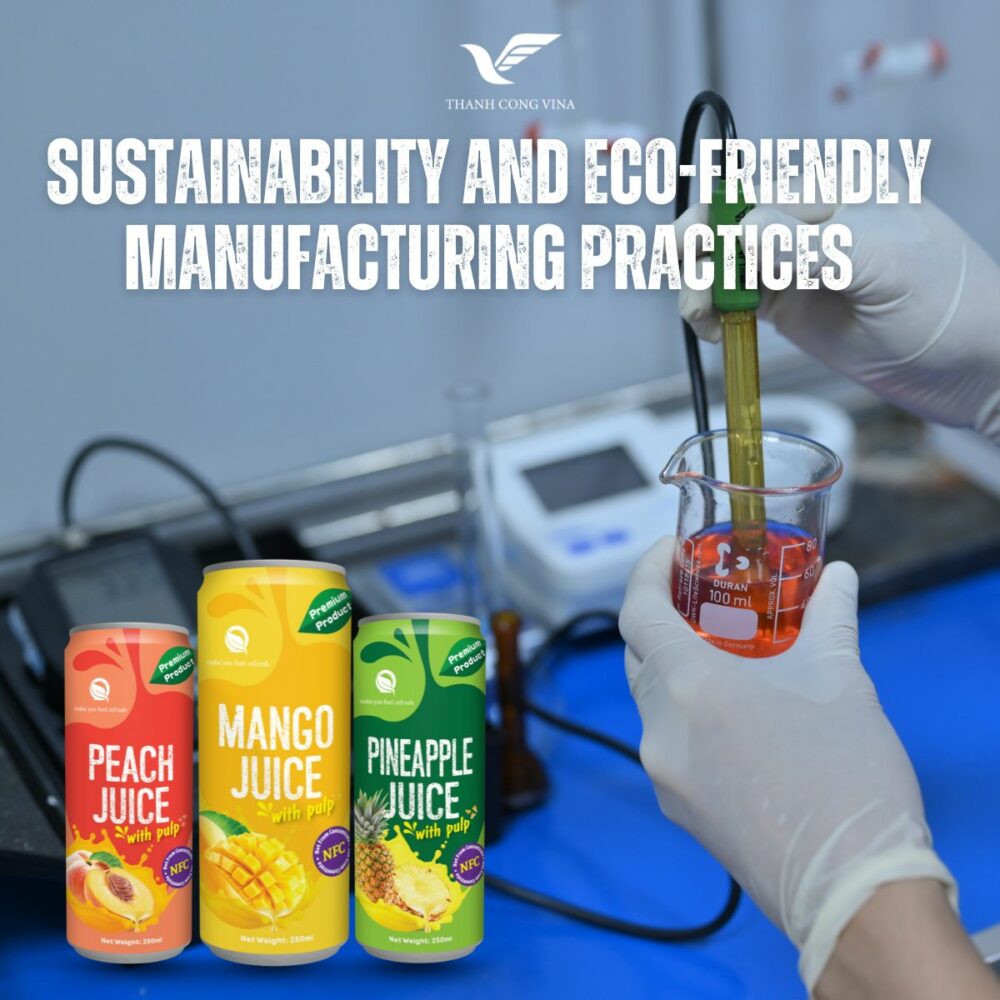
Sustainability and Eco-Friendly Manufacturing Practices
3.1 Sustainability as a Supplier Selection Criterion
Sustainability has moved from a marketing concept to a core business requirement. Brands increasingly choose a Beverage OEM Supplier based on environmental responsibility. This includes water conservation, energy-efficient production, waste reduction, and responsible sourcing.
3.2 Sustainable Packaging Solutions
Beyond liquid formulation, Beverage OEM Suppliers are investing in eco-friendly packaging options such as lightweight bottles, recyclable materials, and reduced plastic usage. Some suppliers also support alternative packaging formats to meet regional sustainability regulations and consumer preferences.
3.3 Long-Term Cost and Brand Benefits
While sustainable manufacturing may require initial investment, it delivers long-term benefits. A Beverage OEM Supplier with strong sustainability practices helps brands reduce environmental risks, comply with future regulations, and strengthen brand positioning among environmentally conscious consumers. Sustainability is no longer optional—it is a defining industry trend.
4. Smart Manufacturing and Automation in Beverage OEM Facilities
4.1 Automation for Consistency and Efficiency
Automation is transforming beverage manufacturing. Advanced Beverage OEM Suppliers are adopting automated filling lines, real-time monitoring systems, and data-driven quality control to improve consistency and reduce human error. Automation also supports higher production volumes without compromising quality.
4.2 Data-Driven Quality Management
Smart manufacturing enables Beverage OEM Suppliers to collect and analyze production data continuously. This allows early detection of deviations, predictive maintenance, and improved batch consistency. Brands benefit from reduced downtime, faster issue resolution, and more predictable supply chains.
4.3 Competitive Advantage Through Technology Investment
Suppliers that invest in automation and digital systems position themselves as long-term partners rather than short-term vendors. A technologically advanced Beverage OEM Supplier can support rapid scaling, complex formulations, and consistent global distribution requirements.
5. Customization, Flexibility, and Speed to Market
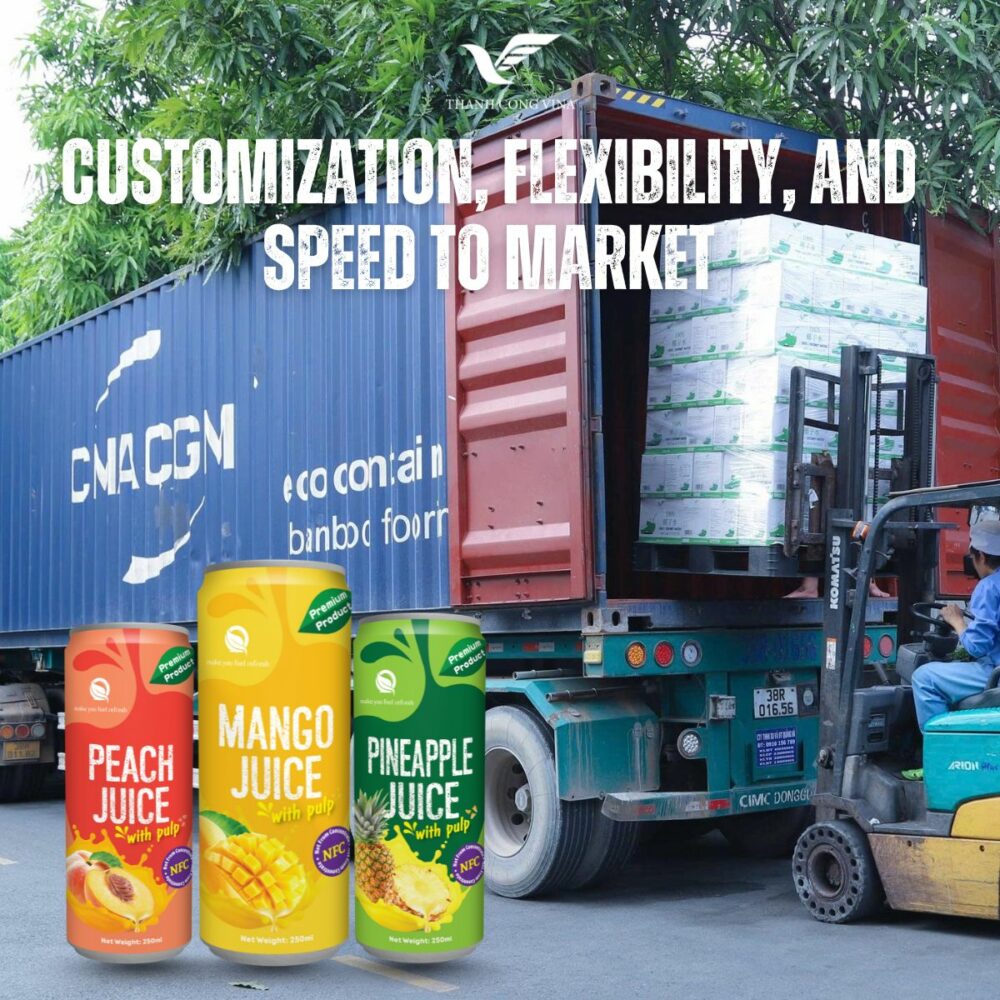
Customization, Flexibility, and Speed to Market
5.1 Demand for Custom Beverage Solutions
Brands are increasingly targeting niche markets, which requires customization in flavor, function, packaging, and branding. A modern Beverage OEM Supplier must offer flexible production models that support small to medium batch sizes without excessive cost.
5.2 Faster Product Development Cycles
Speed to market is a critical success factor. Beverage OEM Suppliers that streamline R&D, prototyping, and regulatory approval processes enable brands to capitalize on emerging trends faster. This agility is especially valuable in competitive segments like functional and lifestyle beverages.
5.3 Supporting Brand Differentiation
Customization allows brands to stand out in crowded markets. Beverage OEM Suppliers that understand branding goals and consumer trends help create products that align with unique brand identities while maintaining operational efficiency.
6. Global Compliance and Export-Ready Manufacturing
6.1 Meeting International Standards
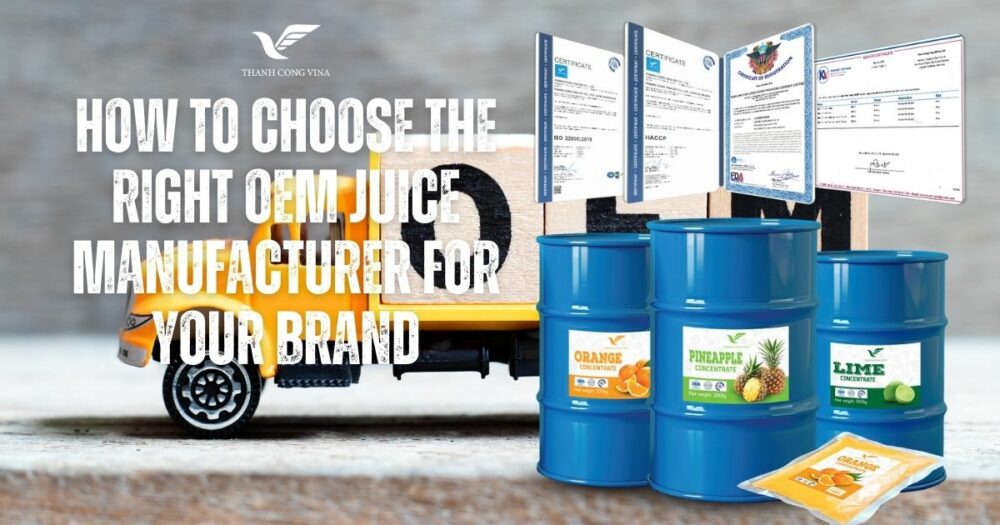
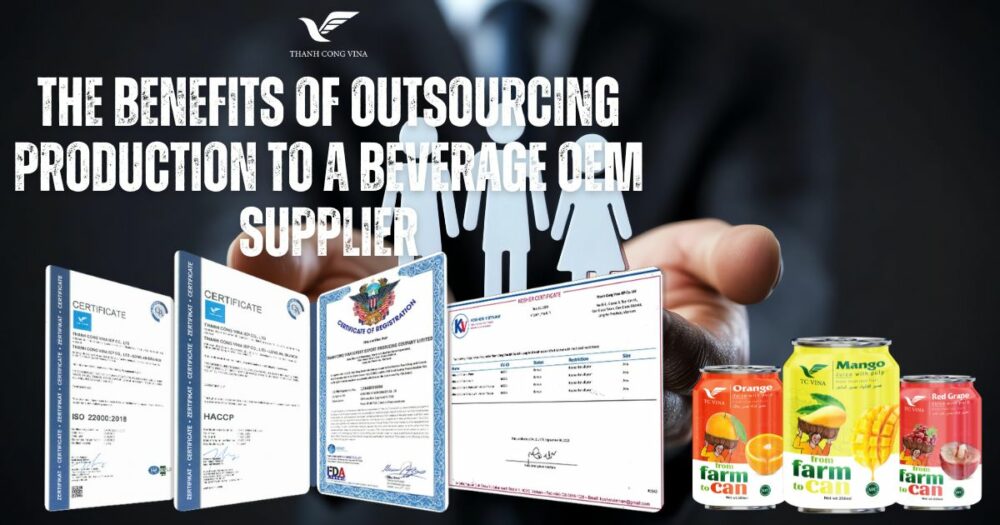
As brands expand globally, they require Beverage OEM Suppliers that can meet diverse regulatory standards. Export-ready suppliers maintain certifications such as ISO, HACCP, HALAL, and FDA compliance to support international distribution.
6.2 Managing Cross-Border Complexity
Export-oriented Beverage OEM Suppliers understand labeling differences, ingredient restrictions, and documentation requirements across regions. This expertise reduces delays and compliance risks when entering new markets.
6.3 Strategic Value for Growing Brands
Working with a globally compliant Beverage OEM Supplier allows brands to scale internationally without changing manufacturing partners. This continuity improves quality consistency and operational efficiency across markets.
7. Strategic Partnerships Over Transactional Relationships
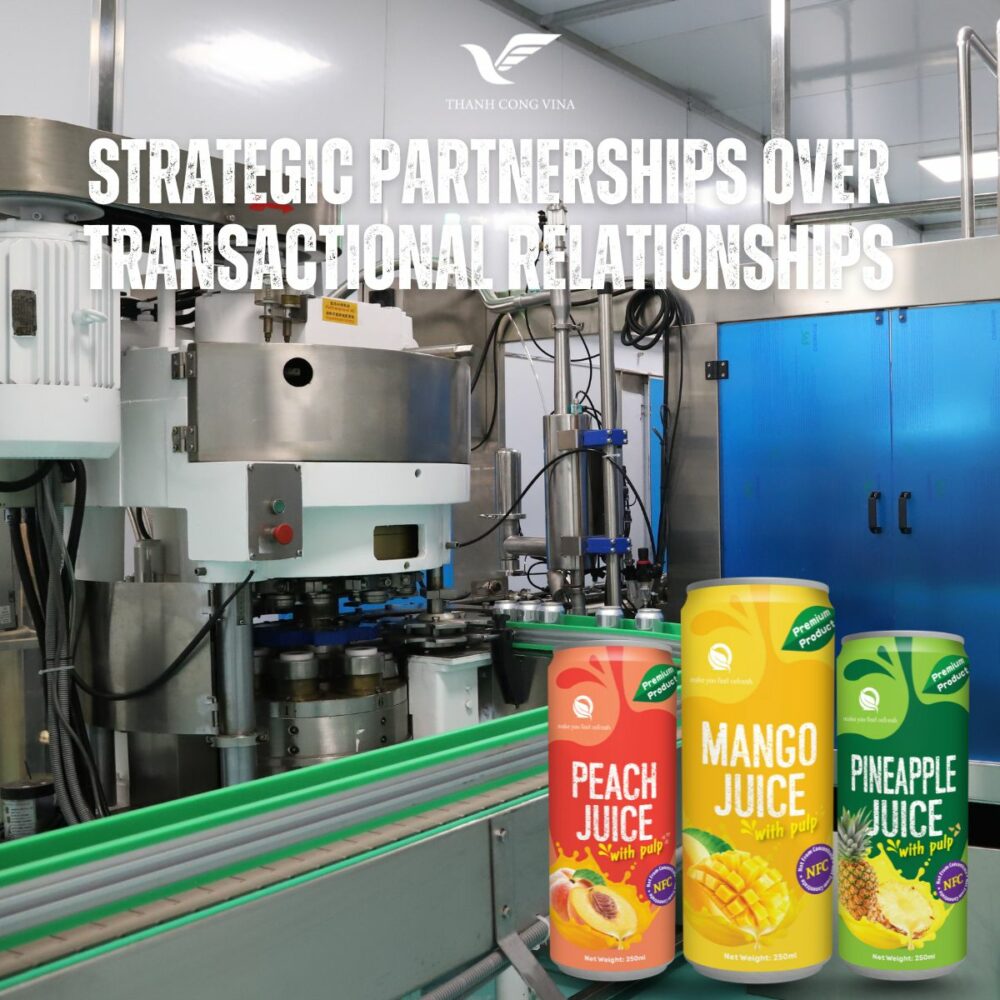
Strategic Partnerships Over Transactional Relationships
7.1 Evolution of OEM Relationships
The industry is moving away from transactional manufacturing toward strategic partnerships. Brands now expect their Beverage OEM Supplier to contribute insights, innovation, and long-term support.
7.2 Shared Growth and Innovation
Strategic Beverage OEM Suppliers invest in understanding brand vision and growth plans. This collaboration leads to better product alignment, innovation pipelines, and mutual long-term success.
7.3 Long-Term Stability and Risk Reduction
Strong partnerships reduce supply chain risks, improve forecasting accuracy, and ensure consistent quality. In an increasingly volatile global market, reliable Beverage OEM Supplier relationships are critical assets.
Conclusion
The beverage industry is being reshaped by powerful trends that redefine what brands expect from a Beverage OEM Supplier. Functional innovation, clean-label transparency, sustainability, smart manufacturing, customization, and global compliance are no longer optional—they are essential capabilities for future-ready suppliers. Brands that align with these trends gain a competitive advantage, faster growth, and stronger consumer trust.
Partnering with an experienced manufacturer like Thanh Cong Vina Beverage enables brands to navigate these trends with confidence. With a strong focus on quality, innovation, and scalable manufacturing, TCVina supports beverage brands at every stage of growth. Choosing the right Beverage OEM Supplier today is a strategic decision that shapes long-term success in an evolving global marketplace.