
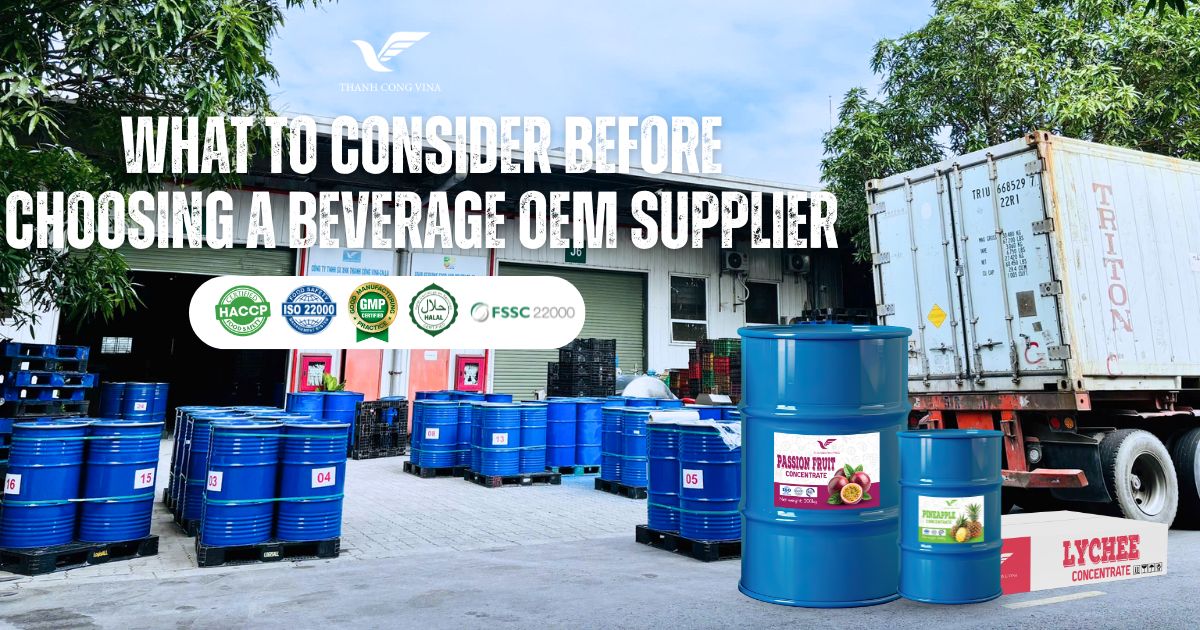
As competition intensifies and consumer expectations rise, working with reliable OEM Supplier is no longer just about outsourcing production—it is about building a scalable, compliant, and future-ready business. A Beverage OEM Supplier directly influences product quality, speed to market, cost structure, and brand reputation.
Many brands rush into partnerships based solely on pricing or capacity, only to face challenges related to inconsistent quality, regulatory issues, or limited flexibility as they grow. To avoid these risks, brands must carefully evaluate multiple factors before committing to an OEM relationship.
This in-depth guide outlines what to consider before choosing a Beverage OEM Supplier, helping brands make informed decisions that support sustainable growth, operational efficiency, and long-term success in the global beverage industry.
1. Manufacturing Capabilities and Production Scalability
Manufacturing Capabilities and Production Scalability
Assessing Core Production Capabilities
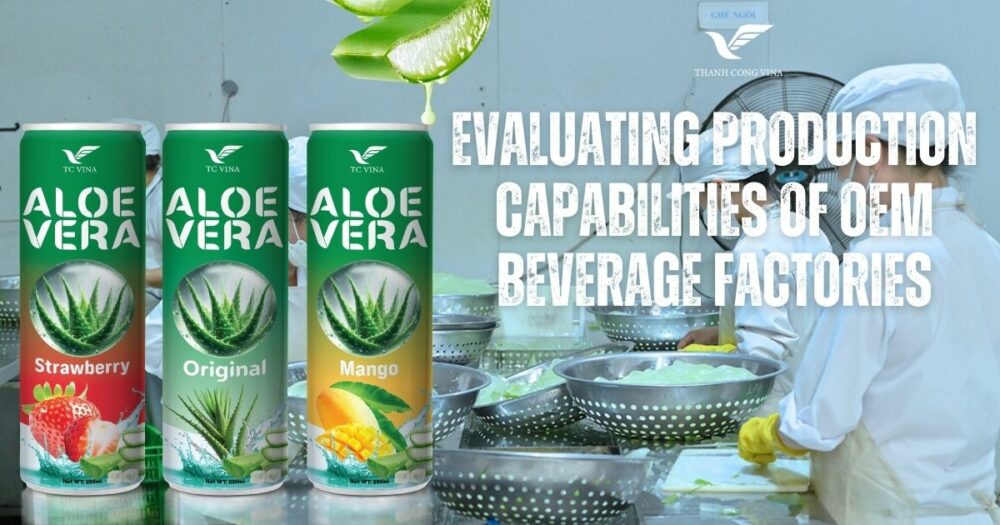
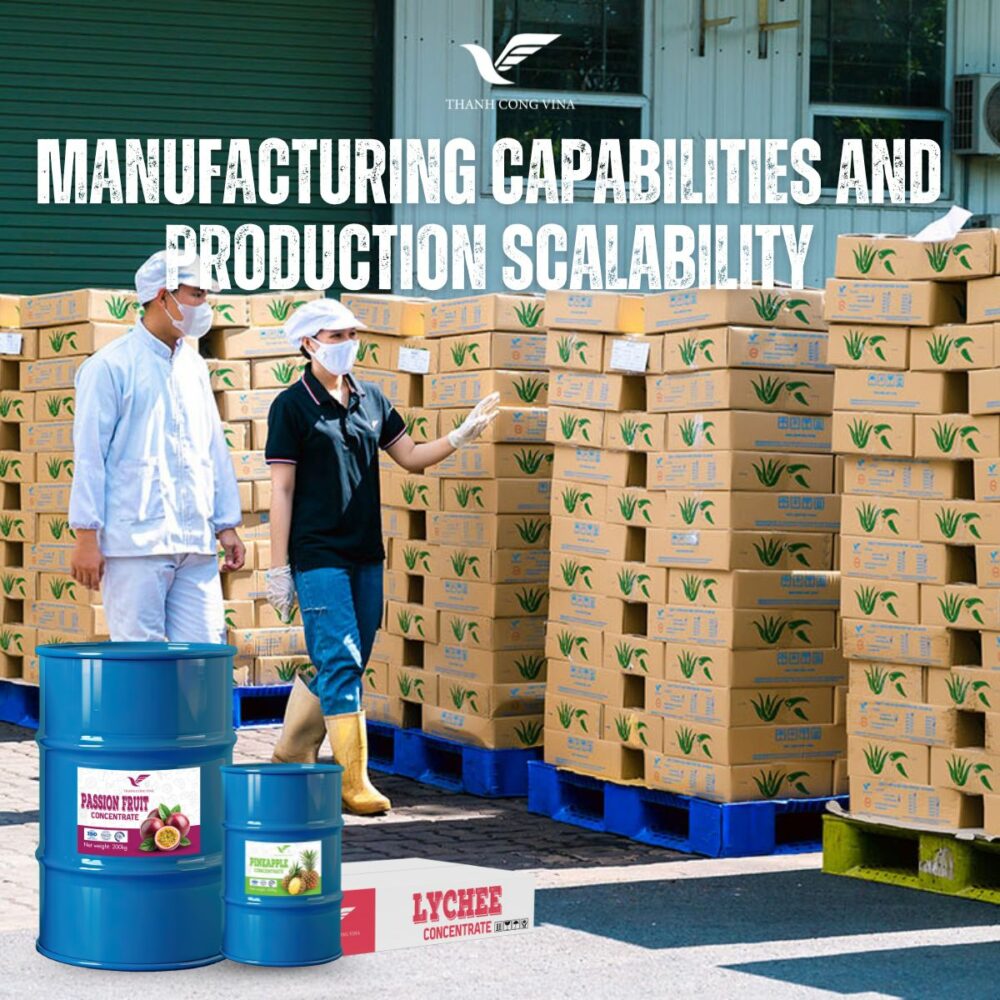
Before selecting among OEM Suppliers, brands must clearly understand the supplier’s manufacturing capabilities. This includes production methods, processing technologies, packaging formats, and supported beverage categories. A capable Beverage OEM Supplier should demonstrate experience in producing products similar to your own, whether they are fruit juices, functional drinks, plant-based beverages, or ready-to-drink formats.
Scalability for Future Growth
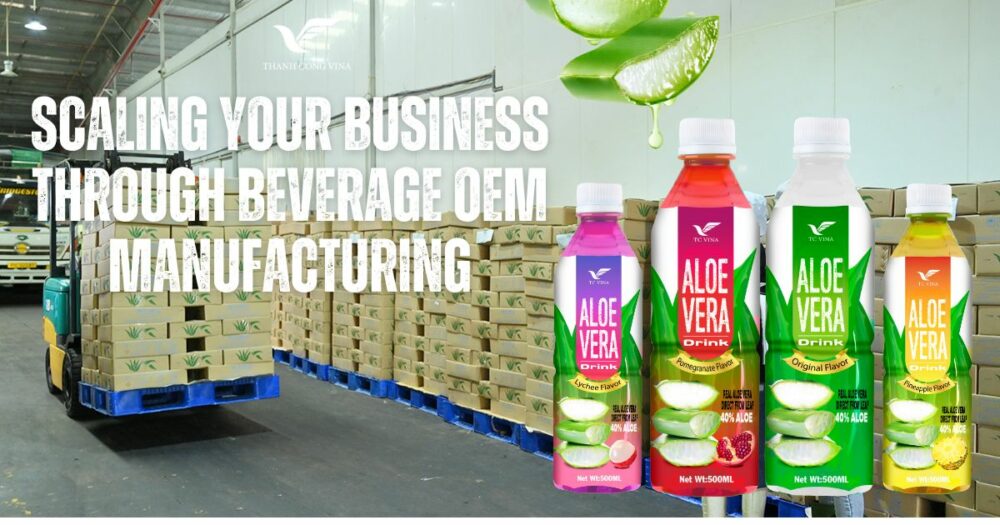
Scalability is a critical factor often overlooked in early-stage decisions. Brands may start with small production volumes but need to scale rapidly if demand increases. OEM Suppliers should be able to handle both pilot runs and large-scale production without compromising quality or lead times. Evaluating maximum output capacity, expansion plans, and production flexibility ensures the supplier can grow alongside your brand.
Flexibility in Batch Sizes and Scheduling
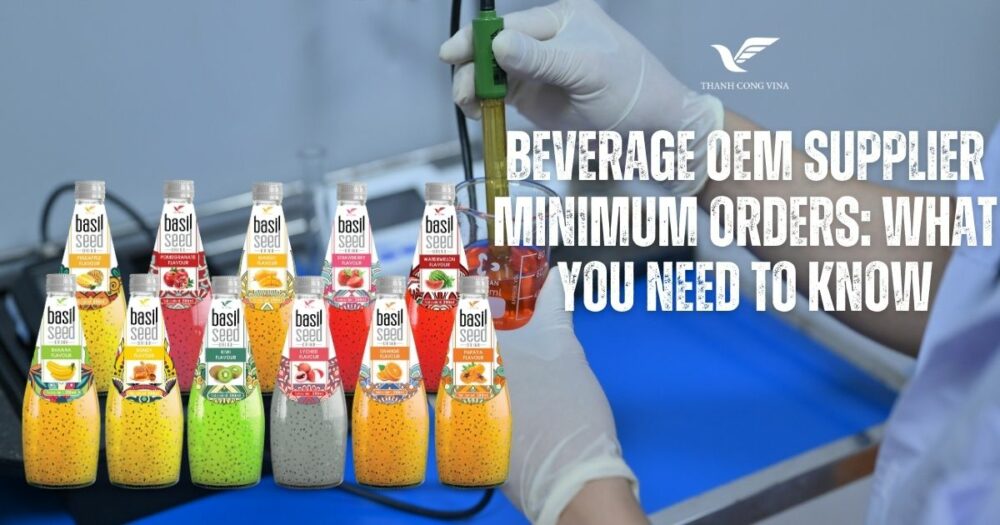
Reliable OEM Suppliers offer flexible batch sizes and adaptable scheduling to accommodate market testing, seasonal demand, and promotional campaigns. This flexibility allows brands to manage inventory efficiently while minimizing financial risk during growth phases.
2. Quality Management Systems and Food Safety Standards
Importance of Structured Quality Systems
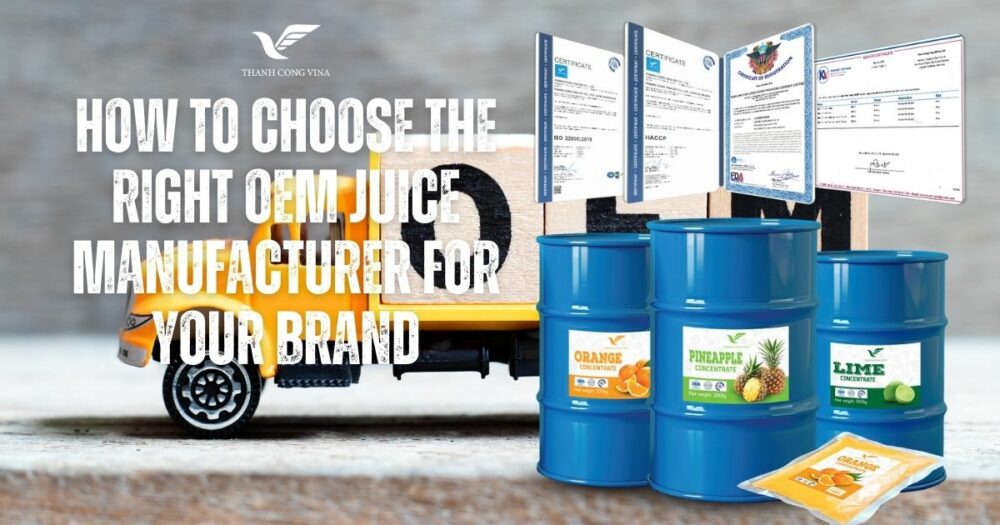
Quality management is non-negotiable in beverage manufacturing. Professional OEM Suppliers operate under internationally recognized systems such as HACCP, ISO 22000, or FSSC 22000. These frameworks ensure systematic monitoring of safety, hygiene, and process consistency throughout production.
Testing, Inspection, and Documentation
Brands should evaluate how OEM Suppliers conduct in-process checks and final product testing. Microbiological analysis, chemical testing, and sensory evaluations are essential to ensure product safety and consistency. Proper documentation, including batch records and corrective action reports, reflects the maturity of a supplier’s quality culture.
Transparency and Audit Readiness
A trustworthy Beverage OEM Supplier is transparent about its quality systems and open to audits. Willingness to share certifications, inspection reports, and quality records demonstrates accountability and reduces risk for brand owners.
3. Raw Material Sourcing and Supply Chain Reliability
Raw Material Sourcing and Supply Chain Reliability
Ingredient Quality as a Competitive Advantage
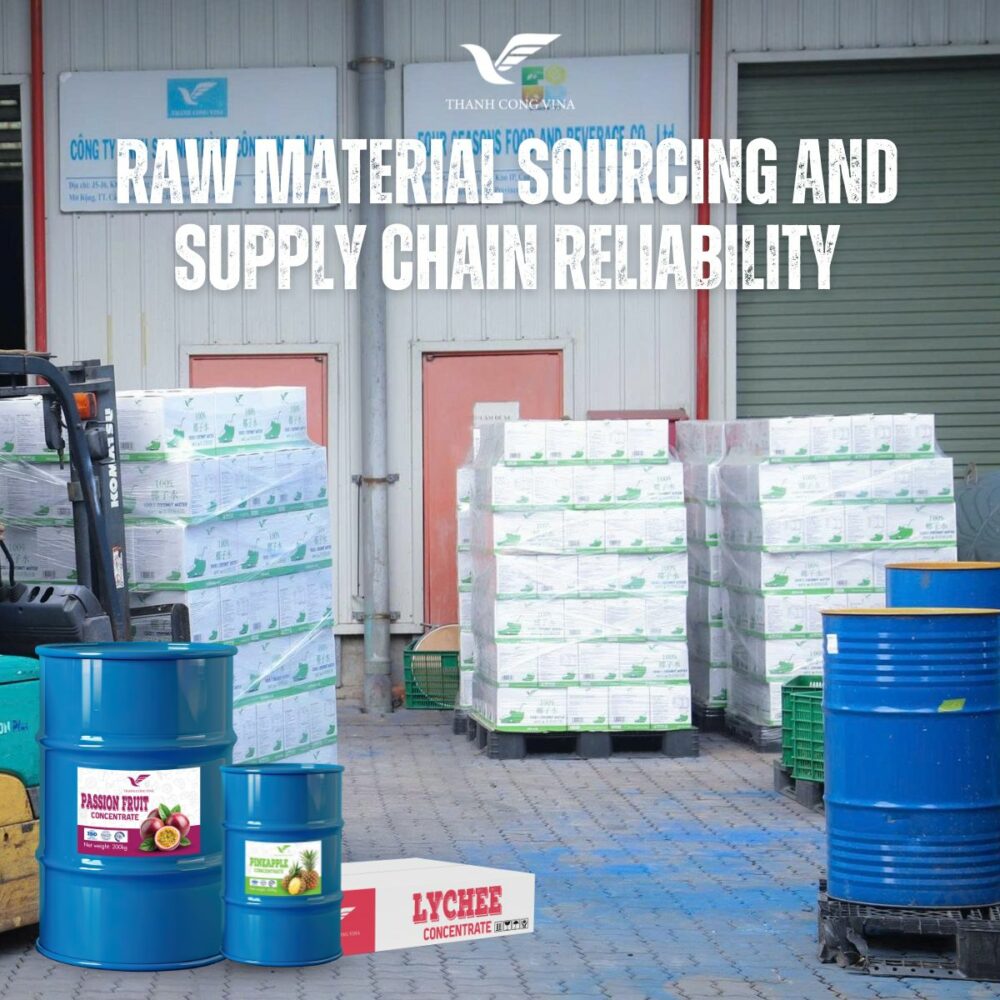
The final beverage quality depends heavily on raw materials. OEM Suppliers should source ingredients from approved, traceable, and compliant suppliers. Brands must assess how ingredients are evaluated, stored, and handled throughout the production process.
Traceability and Risk Management
Traceability systems allow OEM Suppliers to track ingredients from origin to finished product. This capability is critical for managing recalls, addressing quality issues, and meeting regulatory requirements. Strong traceability reduces operational and reputational risks.
Supply Stability and Seasonal Planning
Many beverage ingredients are subject to seasonal availability and price fluctuations. Experienced OEM Suppliers mitigate these risks through diversified sourcing strategies and inventory planning, ensuring stable supply and predictable costs for brands.
4. Product Development, Customization, and Innovation Support
Formulation Expertise and R&D Support
Beyond manufacturing, leading OEM Suppliers provide product development and formulation support. Their technical teams help brands refine flavors, improve nutritional profiles, and ensure product stability. This expertise shortens development cycles and reduces costly trial-and-error.
Customization for Brand Differentiation
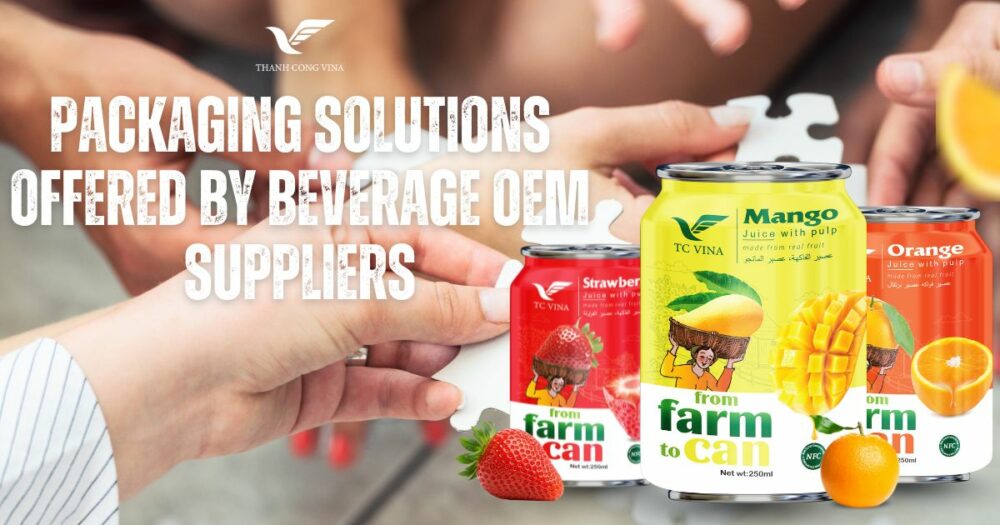
Every beverage brand has a unique identity. OEM Suppliers should offer customization in formulation, packaging, and processing to align with brand positioning. This ensures OEM-produced beverages remain distinctive in competitive markets.
Innovation for Long-Term Relevance
The beverage market evolves quickly. OEM Suppliers that actively monitor trends and propose new ideas help brands stay relevant. Innovation-driven partners add strategic value beyond basic production services.
5. Regulatory Compliance and Market Access OEM Supplier
Regulatory Compliance and Market Access OEM Supplier
Understanding Local and International Regulations
Beverage products must comply with strict food safety and labeling regulations. OEM Suppliers should demonstrate strong knowledge of local laws and international standards for target export markets. This expertise reduces compliance risks and delays.
Labeling, Claims, and Documentation Support
Incorrect labeling can result in penalties or rejected shipments. OEM Suppliers often assist brands with ingredient declarations, nutritional panels, and regulatory documentation. This support is especially valuable for brands entering new regions.
Export-Ready Manufacturing Capabilities
Brands with global ambitions should prioritize OEM Suppliers with export experience and certifications such as FDA registration or HALAL compliance. Export-ready partners simplify international expansion and ensure consistent quality across markets.
6. Cost Structure, Pricing Transparency, and Financial Stability
Understanding the Full Cost Breakdown
Pricing should never be evaluated in isolation. Brands must understand all cost components, including raw materials, processing, packaging, quality testing, and logistics. Transparent OEM Suppliers clearly explain their pricing structure.
Balancing Cost and Quality
The lowest price often comes with hidden risks. OEM Suppliers that invest in quality systems, skilled labor, and modern equipment may charge more but deliver better long-term value through consistency and reliability.
Financial Stability of the Supplier
A financially stable OEM Supplier ensures uninterrupted production and long-term partnership. Brands should assess business longevity, investment capacity, and growth strategy before committing to collaboration.
7. Communication, Transparency, and Long-Term Partnership Fit
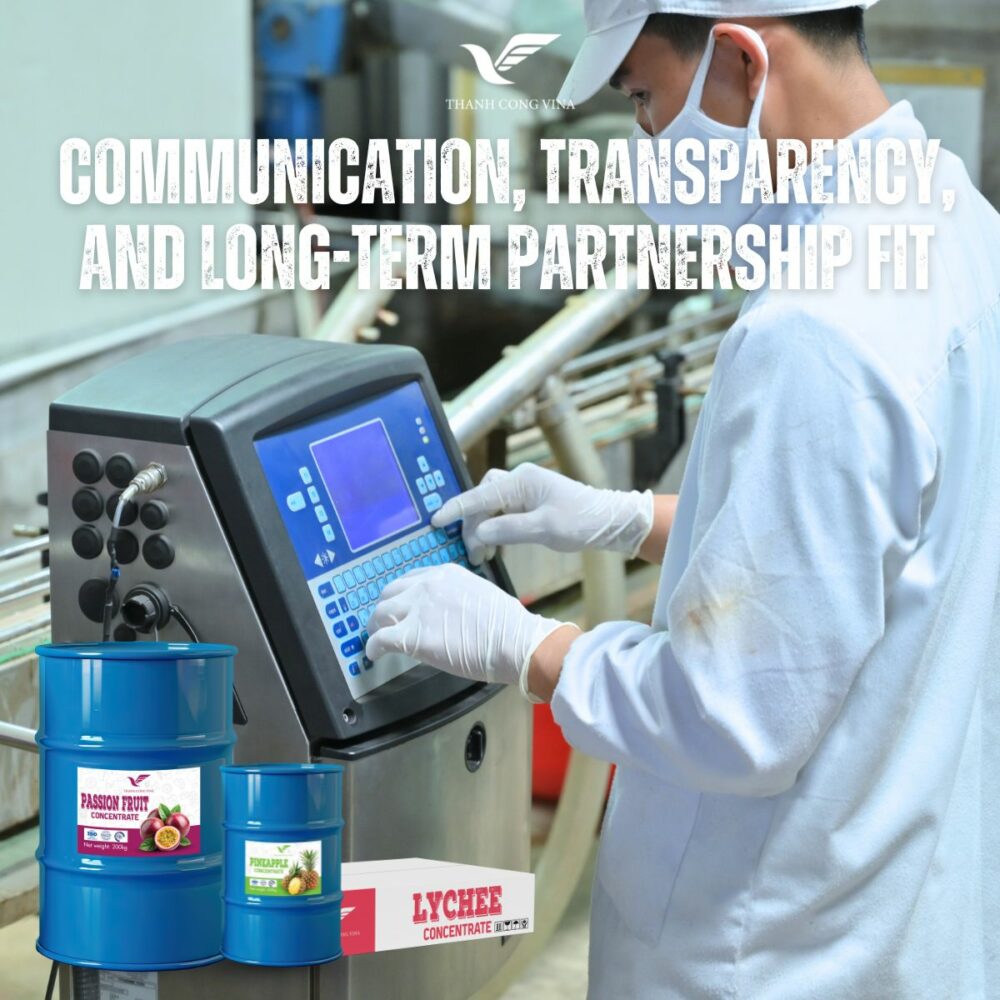
Communication, Transparency, and Long-Term Partnership Fit
Importance of Clear and Consistent Communication
Effective communication is essential for smooth collaboration. OEM Suppliers should provide clear timelines, responsive support, and proactive problem-solving. Poor communication can lead to costly delays and misunderstandings.
Cultural and Strategic Alignment
Beyond technical capabilities, cultural fit matters. OEM Suppliers that align with a brand’s values, quality expectations, and long-term vision are more likely to form successful partnerships.
Building a Sustainable Long-Term Relationship
The best OEM relationships evolve into strategic partnerships. Long-term collaboration fosters mutual trust, process optimization, and shared growth, creating stability in an increasingly competitive market.
Conclusion
Choosing among OEM Suppliers requires careful evaluation of manufacturing capability, quality systems, sourcing reliability, innovation support, compliance expertise, and partnership alignment. A Beverage OEM Supplier is not just a production provider but a key contributor to brand success, scalability, and reputation. Making the right choice early helps brands avoid costly setbacks and build a strong foundation for growth.
Working with an experienced manufacturer like Thanh Cong Vina allows beverage brands to confidently navigate production complexity while focusing on market expansion and brand building. With a strong commitment to quality, transparency, and long-term collaboration, Thanh Cong Vina supports brands from concept to commercialization. Selecting the right OEM Suppliers is a strategic decision that shapes how sustainably and successfully a beverage brand grows in the global marketplace.