
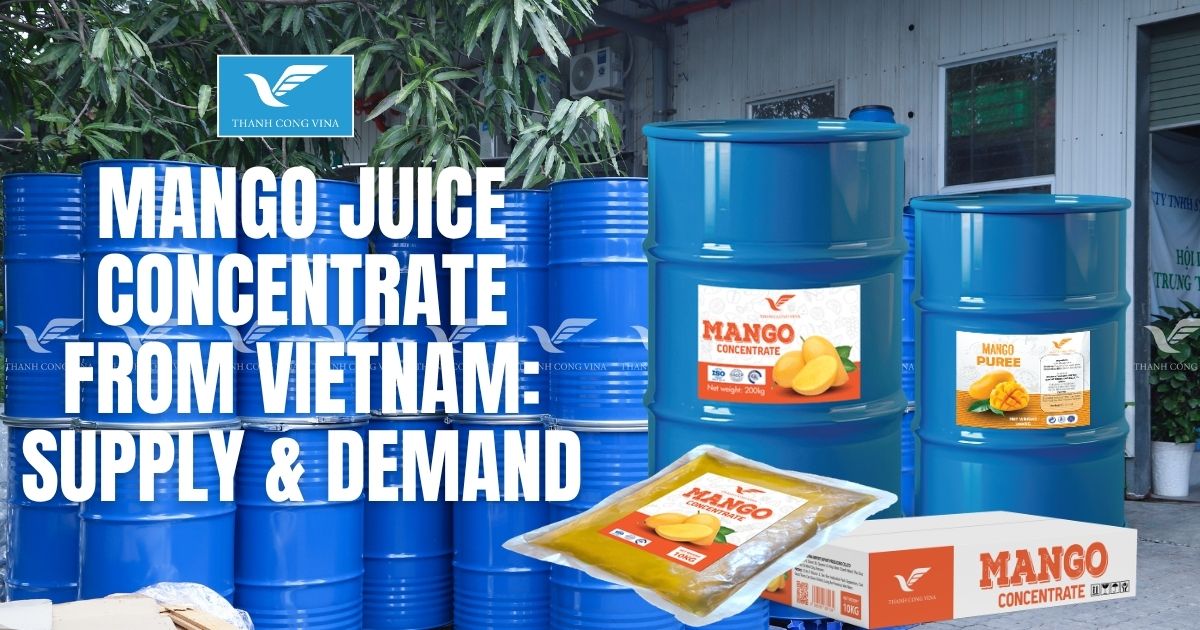
Juice Concentrate from Vietnam has become one of the most sought-after beverage ingredients in international markets, particularly in the tropical fruit segment. Among all fruit concentrate categories, mango concentrate continues to demonstrate remarkable growth due to its rich flavor, vibrant color, versatility, and increasing consumer demand worldwide. As one of the leading tropical fruit-producing countries in Southeast Asia, Vietnam has established itself as a reliable source of premium mango-based ingredients for beverage manufacturers, food processors, distributors, and importers across global markets.
The increasing popularity of smoothies, fruit juices, dairy beverages, desserts, and functional drinks has significantly boosted demand for mango concentrate. At the same time, Vietnam’s favorable climate, abundant mango cultivation areas, and modern processing facilities have strengthened the country’s position as a competitive supplier. International buyers are now looking beyond price alone and focusing on quality, certifications, traceability, and long-term supply reliability when sourcing tropical ingredients.
This article provides a comprehensive overview of supply and demand trends, production capabilities, export opportunities, quality standards, and future developments surrounding Juice Concentrate from Vietnam, with a special focus on mango juice concentrate and its growing role in the global beverage industry.
1. Juice Concentrate from Vietnam: Why Mango Concentrate Is Gaining Global Attention
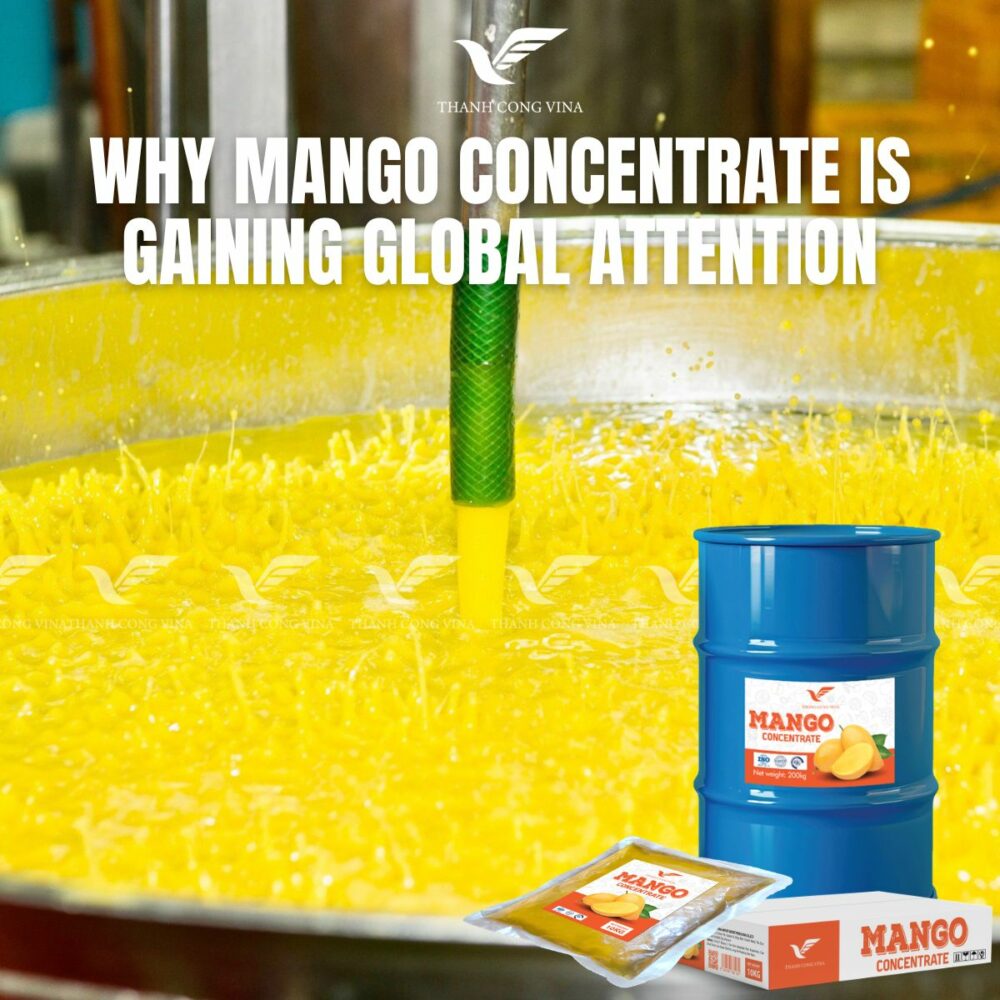
Growing Consumer Preference for Tropical Flavors
Over the past decade, consumers worldwide have shown increasing interest in tropical fruit flavors. Mango has emerged as one of the most popular fruits in beverage applications because of its naturally sweet taste, smooth texture, and attractive aroma. This trend has directly increased international demand for Juice Concentrate from Vietnam, particularly mango concentrate products.
Consumers today seek beverages that deliver authentic fruit experiences while supporting healthier lifestyles. Mango concentrate is commonly used in juice drinks, smoothies, yogurt beverages, ice cream products, fruit syrups, flavored teas, and alcoholic beverages. Its versatility allows manufacturers to develop a wide range of products that appeal to different consumer demographics.
The popularity of tropical beverages has expanded beyond traditional markets. European consumers are increasingly embracing exotic fruit flavors, while North American beverage brands continue introducing mango-based products to meet changing consumer preferences. This expanding market has created significant opportunities for Vietnamese exporters.
Vietnam’s Competitive Position
Vietnam possesses several advantages that support the growth of Juice Concentrate from Vietnam exports. The country enjoys ideal climatic conditions for mango cultivation and produces large quantities of premium mango varieties throughout the year. These advantages help ensure stable raw material supplies for concentrate production.
In addition, Vietnamese processors have invested heavily in modern technology, enabling them to produce concentrate products that meet international standards while maintaining competitive pricing. As a result, Vietnam continues strengthening its position as a preferred supplier for global beverage manufacturers.
2. Mango Production and Raw Material Supply in Vietnam
Abundant Mango Growing Regions
The success of Juice Concentrate from Vietnam begins with the country’s strong agricultural foundation. Vietnam ranks among the leading mango-producing countries in Asia, with major cultivation areas located in the Mekong Delta, Dong Thap, Tien Giang, An Giang, and Khanh Hoa provinces.
These regions benefit from fertile soil, favorable weather conditions, and extensive farming experience. Farmers cultivate various mango varieties suitable for both fresh consumption and industrial processing applications. The diversity of mango types enables manufacturers to create concentrate products with different flavor profiles and sweetness levels.
Large-scale mango cultivation helps ensure stable production volumes throughout the year. This consistency is particularly important for international buyers who require reliable supply chains and uninterrupted production schedules.
Strengthening Agricultural Partnerships
Modern manufacturers of Juice Concentrate from Vietnam increasingly cooperate directly with farming communities through contract farming and agricultural development programs. These partnerships help improve fruit quality while ensuring traceability throughout the supply chain.
By working closely with growers, processors can monitor cultivation practices, harvesting methods, and post-harvest handling procedures. This collaboration contributes to improved product consistency and helps exporters comply with international food safety requirements.
The combination of abundant mango resources and strong agricultural partnerships provides Vietnam with a significant competitive advantage in global concentrate markets.
3. Manufacturing Process of Mango Juice Concentrate
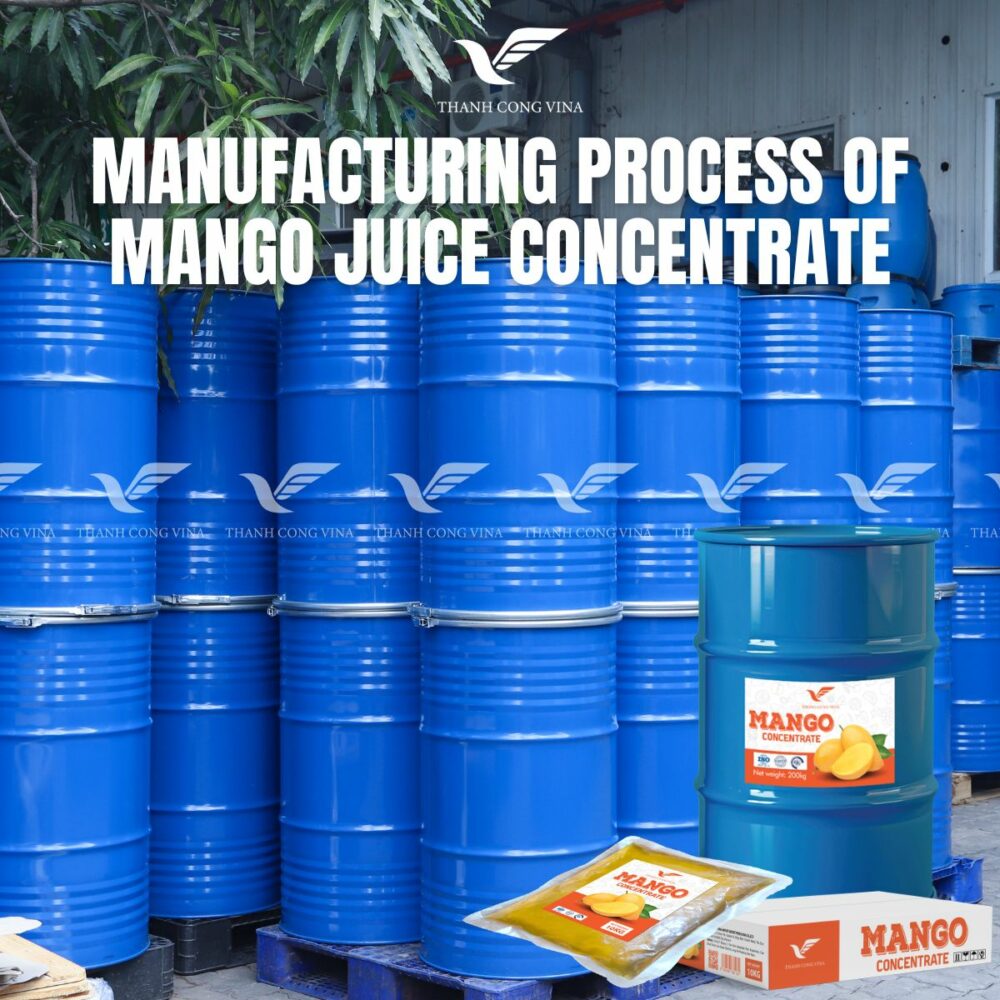
Manufacturing Process of Mango Juice Concentrate
Advanced Processing Technologies
The production of high-quality Juice Concentrate from Vietnam requires sophisticated manufacturing systems designed to preserve the natural characteristics of fresh mangoes. Modern Vietnamese factories use advanced extraction, filtration, concentration, and pasteurization technologies to achieve consistent product quality.
The process begins with fruit selection and washing. Mangoes are carefully inspected to ensure they meet quality standards before entering production. After cleaning and preparation, the fruit pulp undergoes extraction to separate juice from fibers and other solids.
Concentration technology then removes water while preserving natural sugars, flavor compounds, and nutritional properties. This process creates a highly concentrated product that is easier to transport and store than fresh juice.
Quality Preservation During Production
Maintaining flavor integrity is a key priority for manufacturers of Juice Concentrate from Vietnam. Advanced evaporation systems operate under controlled temperatures to minimize flavor loss and preserve the distinctive characteristics of mango.
Pasteurization further enhances product safety by eliminating harmful microorganisms while maintaining quality. Modern aseptic packaging systems help protect concentrate products during storage and transportation, ensuring consistent performance for international customers.
Through continuous investment in technology and quality control, Vietnamese factories have successfully positioned themselves among the leading suppliers of tropical fruit concentrates worldwide.
4. Global Demand for Mango Juice Concentrate
Expanding Beverage Industry Applications
The global beverage industry’s rapid growth continues driving demand for Juice Concentrate from Vietnam. Mango concentrate serves as a valuable ingredient in numerous beverage categories, including fruit juices, nectar drinks, smoothies, flavored waters, energy beverages, and dairy products.
Consumers increasingly prefer beverages containing natural fruit ingredients rather than artificial flavorings. Mango concentrate offers manufacturers an efficient solution for achieving authentic fruit taste while maintaining product stability and cost efficiency.
Food service operators also contribute to demand growth. Restaurants, cafes, and smoothie chains frequently use mango concentrate in beverage preparation because it delivers consistent flavor and simplifies inventory management.
Regional Market Trends
North America remains one of the largest importers of tropical fruit concentrates, driven by strong consumer demand for natural beverages. European markets are similarly expanding, particularly in premium and health-focused beverage segments.
Asia-Pacific markets continue showing strong growth as disposable incomes increase and consumer preferences shift toward premium fruit-based products. These trends create substantial opportunities for exporters of Juice Concentrate from Vietnam seeking to expand international market presence.
The broad range of applications and growing consumer demand suggest that mango concentrate will remain a key ingredient in global beverage innovation for years to come.
5. Quality Standards and Certifications
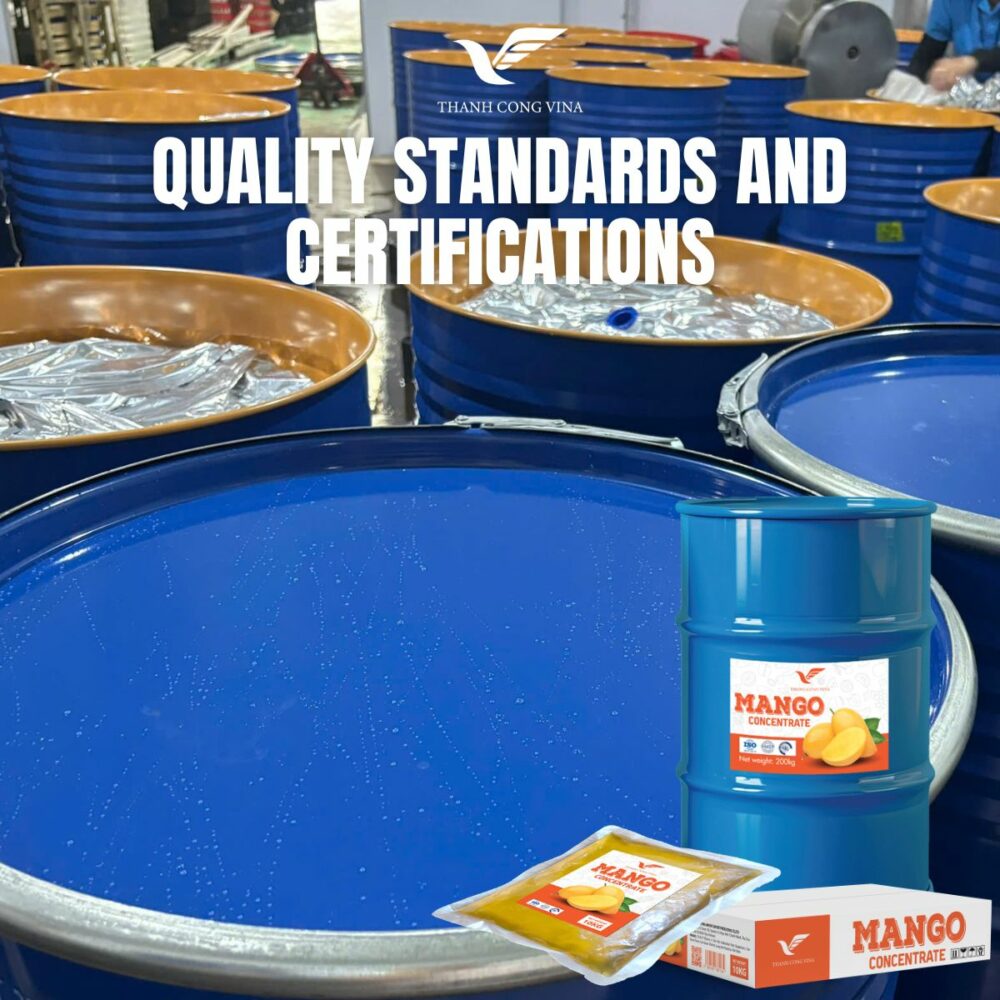
Quality Standards and Certifications
International Food Safety Compliance
Quality assurance is a critical factor influencing the success of Juice Concentrate from Vietnam exports. International buyers increasingly require suppliers to maintain recognized food safety certifications and comprehensive quality management systems.
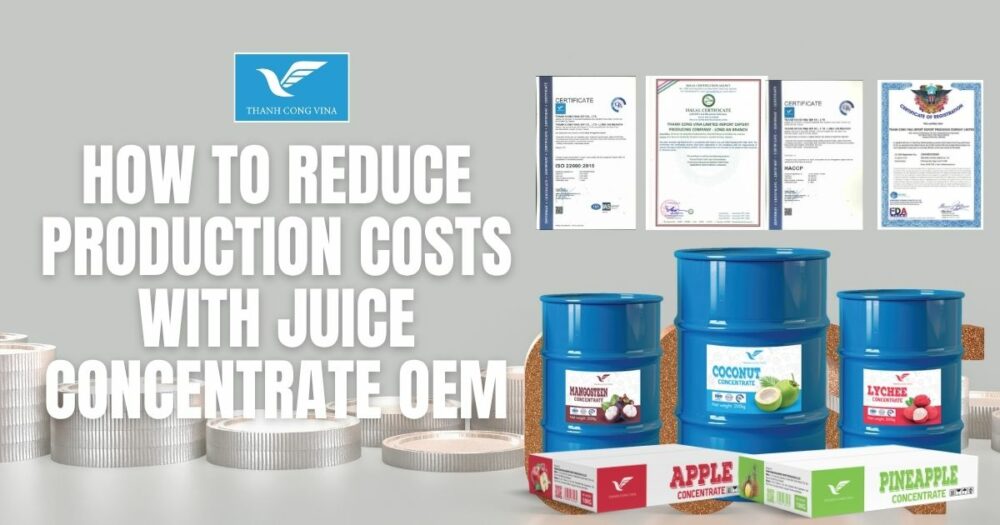
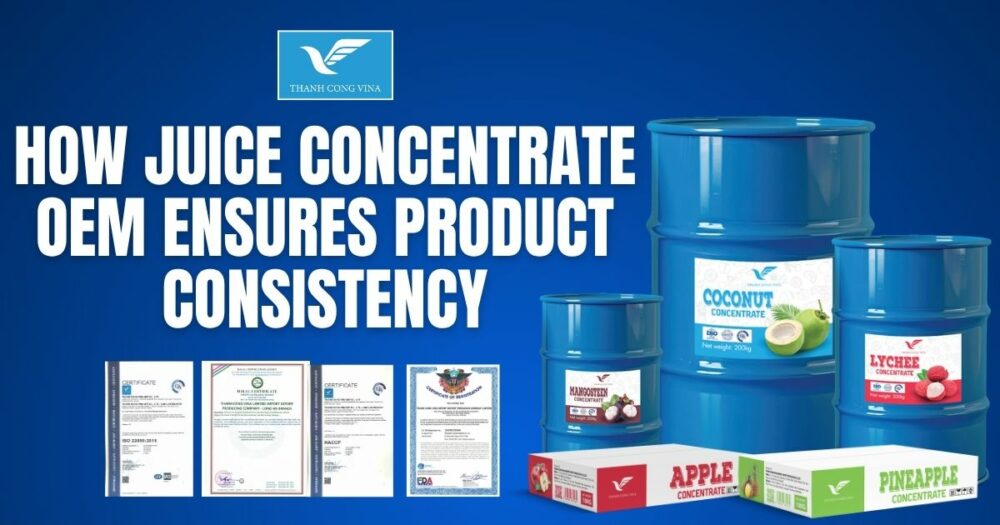
Leading Vietnamese manufacturers typically implement HACCP, ISO 22000, GMP, HALAL, and FDA-compliant production procedures. These certifications demonstrate commitment to product safety, traceability, and operational excellence.
Compliance with international standards helps reduce import risks while strengthening customer confidence. Buyers can rely on certified suppliers to deliver products that consistently meet regulatory requirements and performance expectations.
Laboratory Testing and Traceability
Professional producers of Juice Concentrate from Vietnam invest heavily in laboratory testing and quality monitoring systems. Testing procedures often include microbiological analysis, Brix measurement, acidity evaluation, pesticide screening, and heavy metal detection.
Traceability systems allow manufacturers to track products from farm to finished shipment. This transparency is increasingly important as global consumers demand greater accountability within food supply chains.
Strong quality systems support long-term partnerships and help Vietnamese exporters compete effectively in demanding international markets.
6. Challenges and Opportunities in Supply & Demand
Managing Supply Chain Stability
Although demand for Juice Concentrate from Vietnam continues increasing, manufacturers must address several challenges related to raw material availability and supply chain management. Weather conditions, seasonal fluctuations, and agricultural diseases can influence mango production volumes.
To mitigate these risks, many companies are diversifying sourcing regions and investing in agricultural support programs. Improved forecasting and inventory management systems also help maintain stable production schedules.
Capitalizing on Market Growth
Despite these challenges, the outlook for Juice Concentrate from Vietnam remains highly positive. Global demand for natural ingredients, tropical flavors, and clean-label beverages continues creating new growth opportunities.
Manufacturers that invest in sustainability, innovation, and product development are likely to gain significant competitive advantages. New product categories such as organic concentrates, reduced-sugar beverages, and functional drinks are expected to generate additional demand in the coming years.
As market requirements evolve, Vietnamese exporters have strong opportunities to expand both product offerings and international customer relationships.
7. Future Outlook for Mango Juice Concentrate from Vietnam
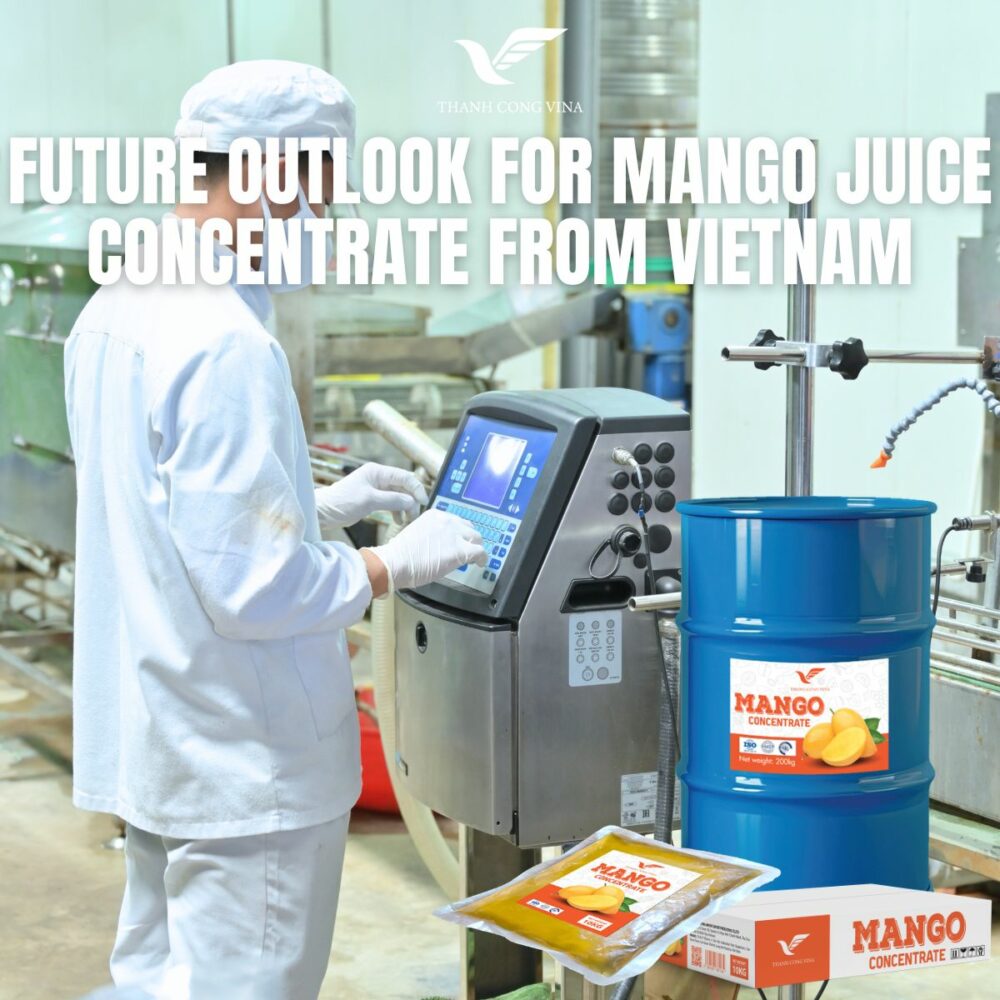
Future Outlook for Mango Juice Concentrate from Vietnam
Innovation and Product Development
Innovation will play a major role in the future success of Juice Concentrate from Vietnam. Beverage companies increasingly seek customized ingredients that support unique product concepts and consumer trends.
Vietnamese manufacturers are responding by developing specialized concentrate formulations, organic product lines, and tailored ingredient solutions. These innovations help customers differentiate their products while meeting evolving market expectations.
Sustainability and Long-Term Growth
Sustainability is becoming increasingly important throughout the global beverage industry. Manufacturers are investing in environmentally responsible production practices, energy-efficient technologies, and sustainable sourcing programs.
Exporters that successfully combine quality, sustainability, and innovation will be well-positioned to benefit from future market growth. The strong foundation established by Vietnam’s agricultural sector and processing industry supports long-term expansion opportunities.
As global demand for tropical ingredients continues rising, Juice Concentrate from Vietnam is expected to remain a key contributor to international beverage supply chains.
Conclusion
The global demand for mango concentrate continues growing as consumers increasingly embrace tropical flavors, natural ingredients, and healthier beverage options. Supported by abundant mango resources, advanced processing technology, international certifications, and competitive production capabilities, Vietnam has emerged as one of the world’s most promising suppliers of mango concentrate products.
Manufacturers across the beverage industry value Vietnamese suppliers for their ability to deliver consistent quality, reliable supply chains, and customized solutions that meet diverse market requirements. Continued investments in agricultural partnerships, quality management systems, and sustainable production practices will further strengthen Vietnam’s position within the global concentrate market.
For businesses seeking trusted sourcing partners, Thanh Cong Vina Beverage offers extensive expertise, modern manufacturing capabilities, and a strong commitment to product quality. With years of experience serving international customers, Thanh Cong Vina continues supporting beverage brands, distributors, and food manufacturers worldwide with premium tropical ingredients and professional OEM services. Companies looking for reliable Juice Concentrate from Vietnam solutions can confidently partner with Thanh Cong Vina to achieve long-term success in the global beverage industry and secure a sustainable source of high-quality Juice Concentrate from Vietnam.