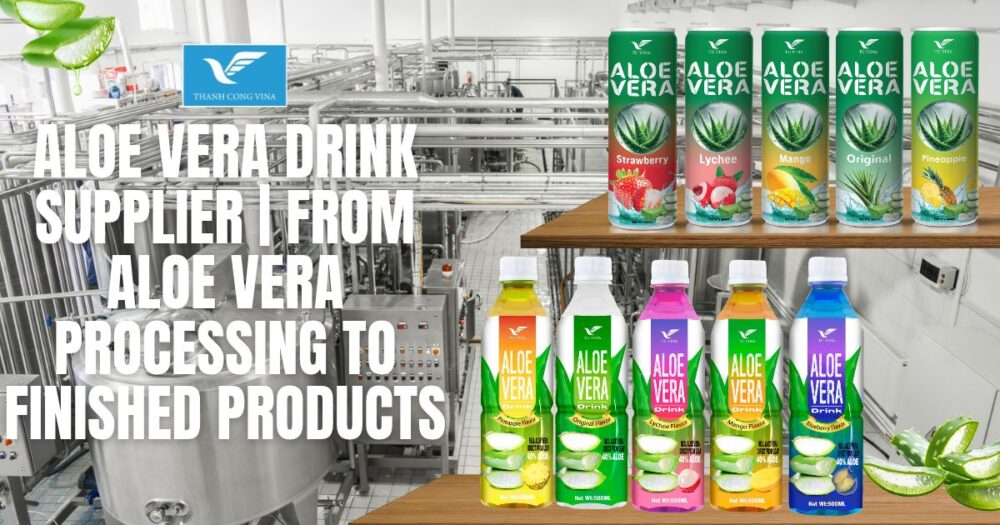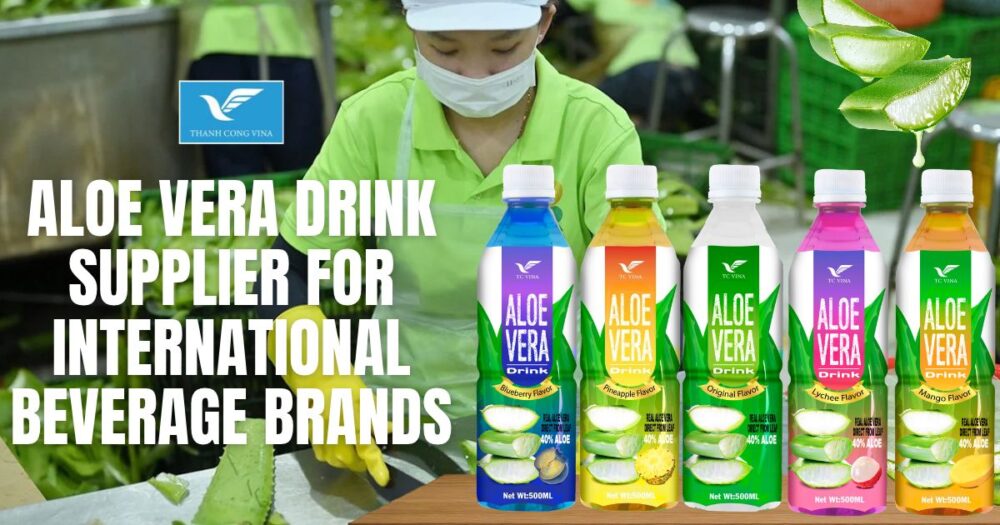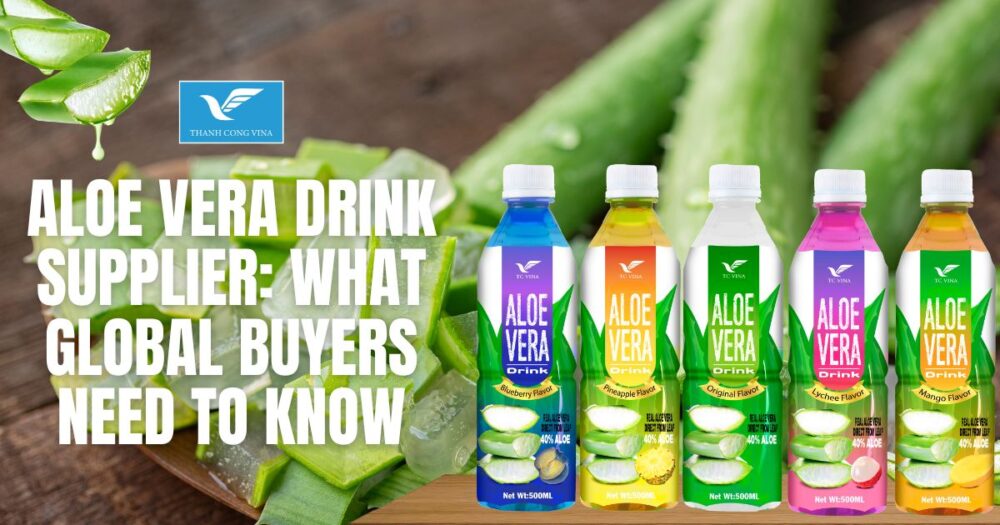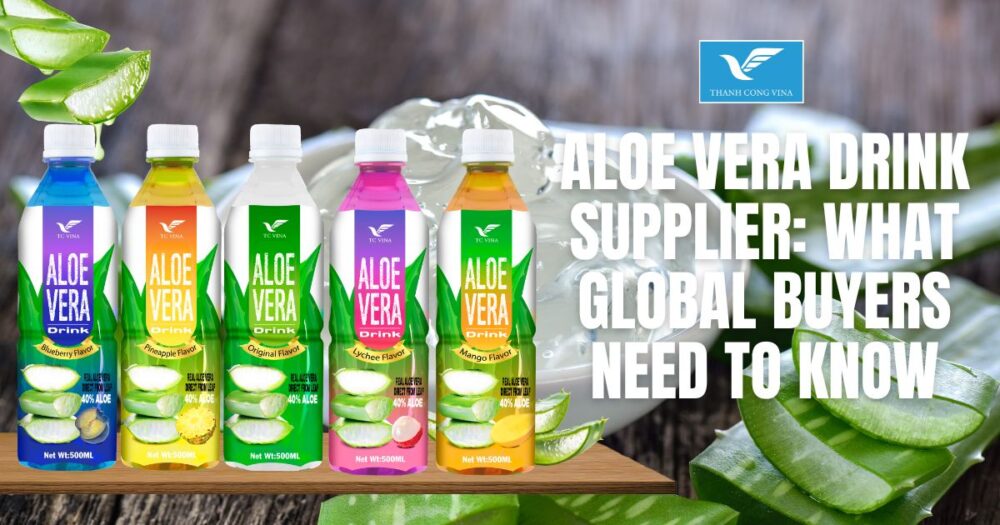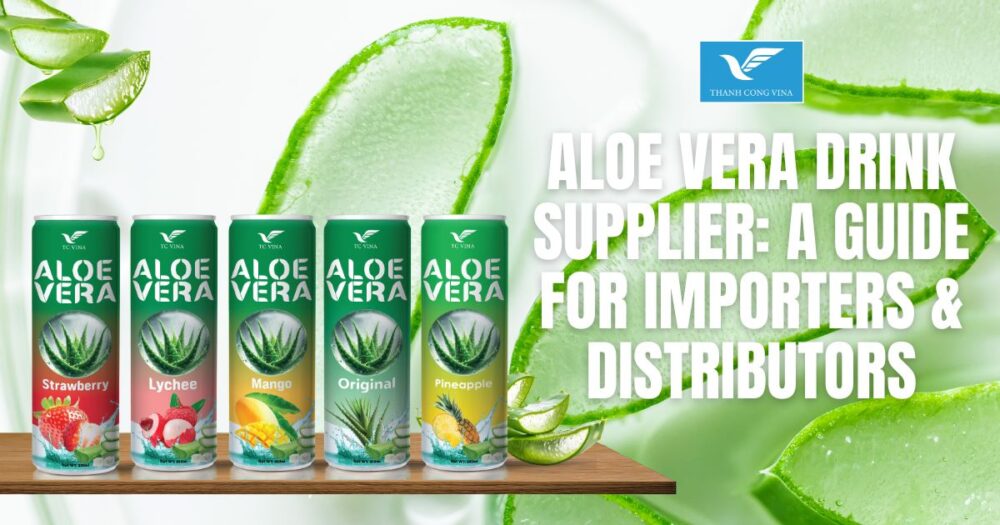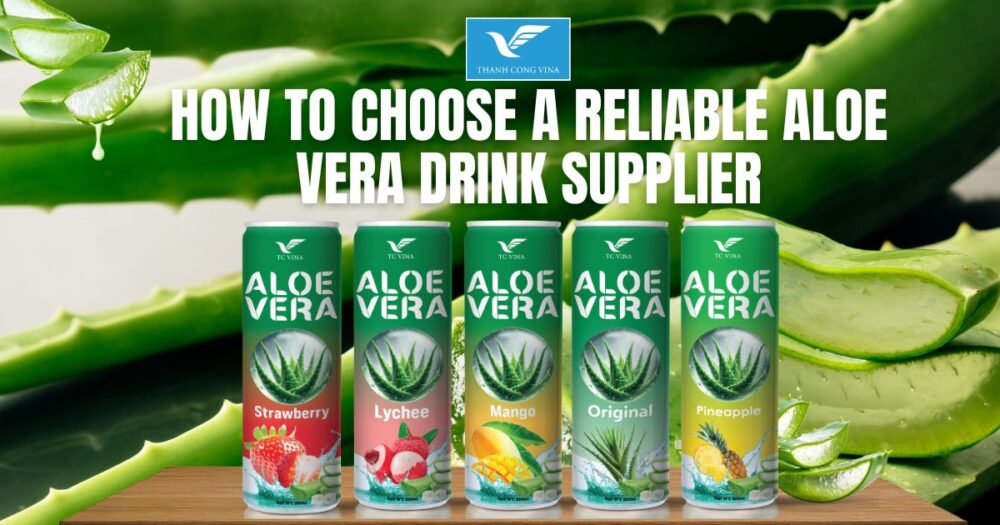

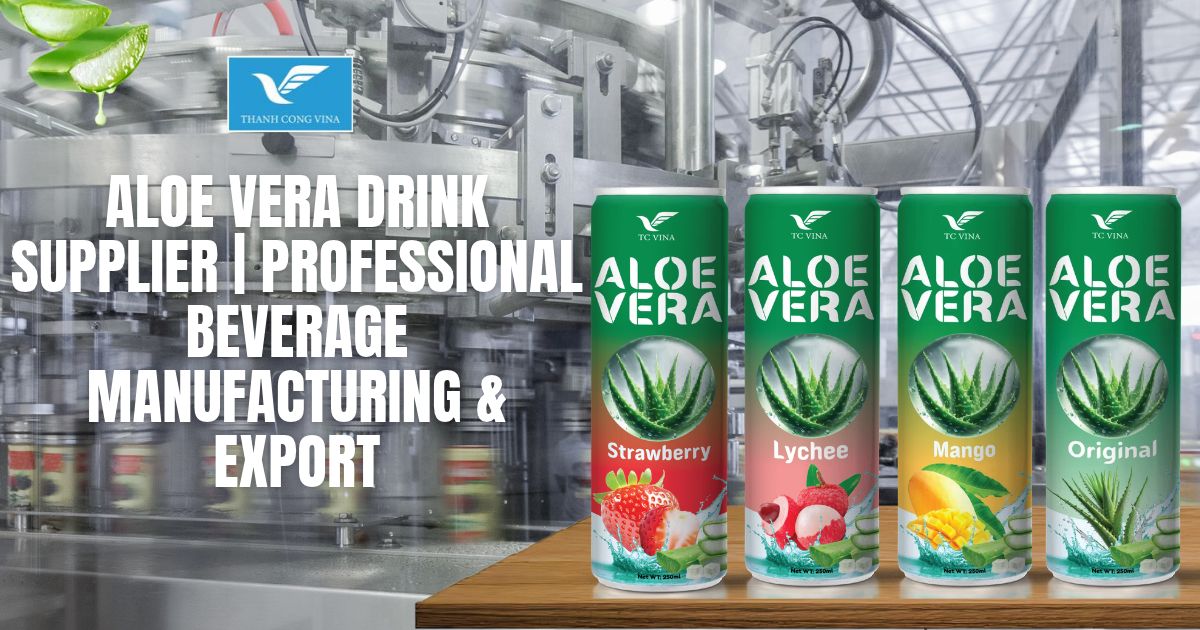
An Aloe Vera Drink Supplier plays a decisive role in the success of any beverage brand, distributor, or retailer entering the fast-growing functional drink market. Consumers worldwide now look for refreshing, plant-based drinks that combine natural taste with wellness appeal, and aloe vera sits at the center of that demand. Yet not every producer can deliver consistent flavor, stable pulp texture, reliable documentation, and on-time shipments. Buyers need a partner who controls quality from raw material to loaded container. This guide explains how professional Aloe Vera Drink Supplier beverage production works, what to verify before signing a contract, how private label projects are developed, and what export compliance involves. Whether you are launching a new line or replacing an existing source, the sections below give you a practical checklist for confident sourcing decisions.
1. Choosing a Reliable Aloe Vera Drink Supplier for Global Markets
Choosing a Reliable Aloe Vera Drink Supplier for Global Markets
Selecting the right partner is the foundation of every successful beverage project. Price matters, but it should never be the only criterion. A dependable manufacturer shows transparency in sourcing, production capacity, and communication.
Why Sourcing Origin Matters
The quality of an aloe drink begins in the field. Aloe barbadensis miller, the species most widely used in beverages, thrives in warm climates with well-drained soil. Leaves harvested at the right maturity contain higher levels of gel and a cleaner flavor profile. Ask any prospective partner where their leaves are grown, how quickly they reach the processing line, and whether farms follow documented agricultural practices. Short transit times between harvest and filleting reduce oxidation and bitterness, which directly affects the final taste in the bottle.
Key Credentials to Verify
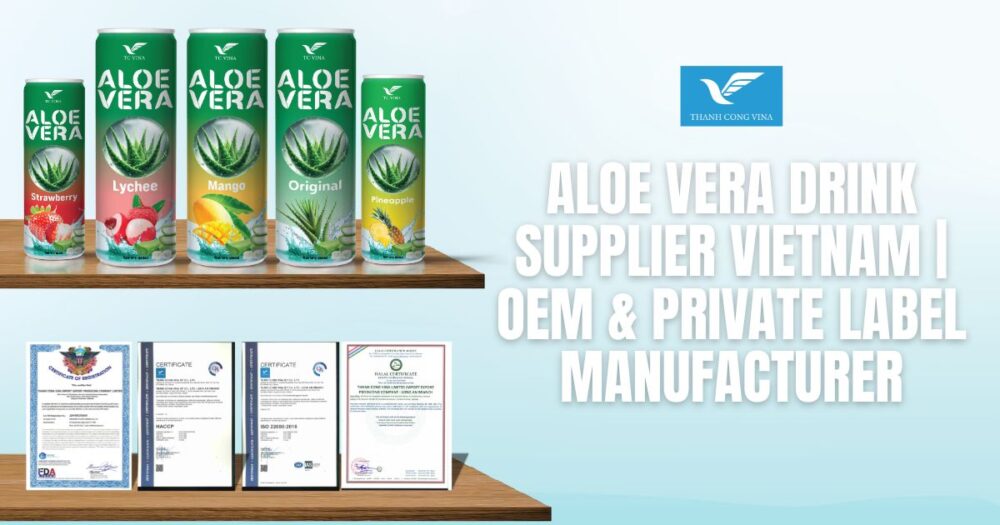
Request evidence rather than promises. Useful documents include a business license, factory audit reports, food safety certificates such as HACCP or ISO 22000, product liability insurance, and recent laboratory analyses. A serious manufacturer will also share production capacity figures, lead times, and references from export customers. Visiting the facility, or arranging a virtual tour, reveals far more than a brochure ever can. Pay attention to hygiene zones, raw material storage, and traceability systems that link each batch to its source.
2. From Farm to Bottle: The Aloe Vera Drink Supplier Beverage Production Process
Understanding the manufacturing journey helps you judge whether a producer can deliver the same product on the first order and the fiftieth.
Raw Material Selection and Harvesting
Production starts with careful leaf selection. Mature leaves are cut by hand, washed, and inspected for damage. The outer rind and the yellow latex layer, which contains aloin, are removed because aloin can cause a bitter taste and is restricted in food products. Only the clear inner fillet is retained. Skilled workers and clean cutting tools matter here, since contamination at this stage cannot be corrected later.
Processing, Blending and Filling
The fillets are cut into uniform cubes or crushed into gel, depending on the product design. They are then rinsed again, blanched or heat treated to stabilize texture, and blended with water, sweeteners, natural flavors, and acidity regulators. The recipe is balanced so the pulp stays suspended and the drink remains clear and appealing. Pasteurization follows, and the liquid is hot filled or processed according to the packaging format. Bottles and cans are sealed, coded, cooled, and inspected before cartons are packed. Each step is recorded so any batch can be traced if a question arises.
3. Product Range and Flavor Innovation
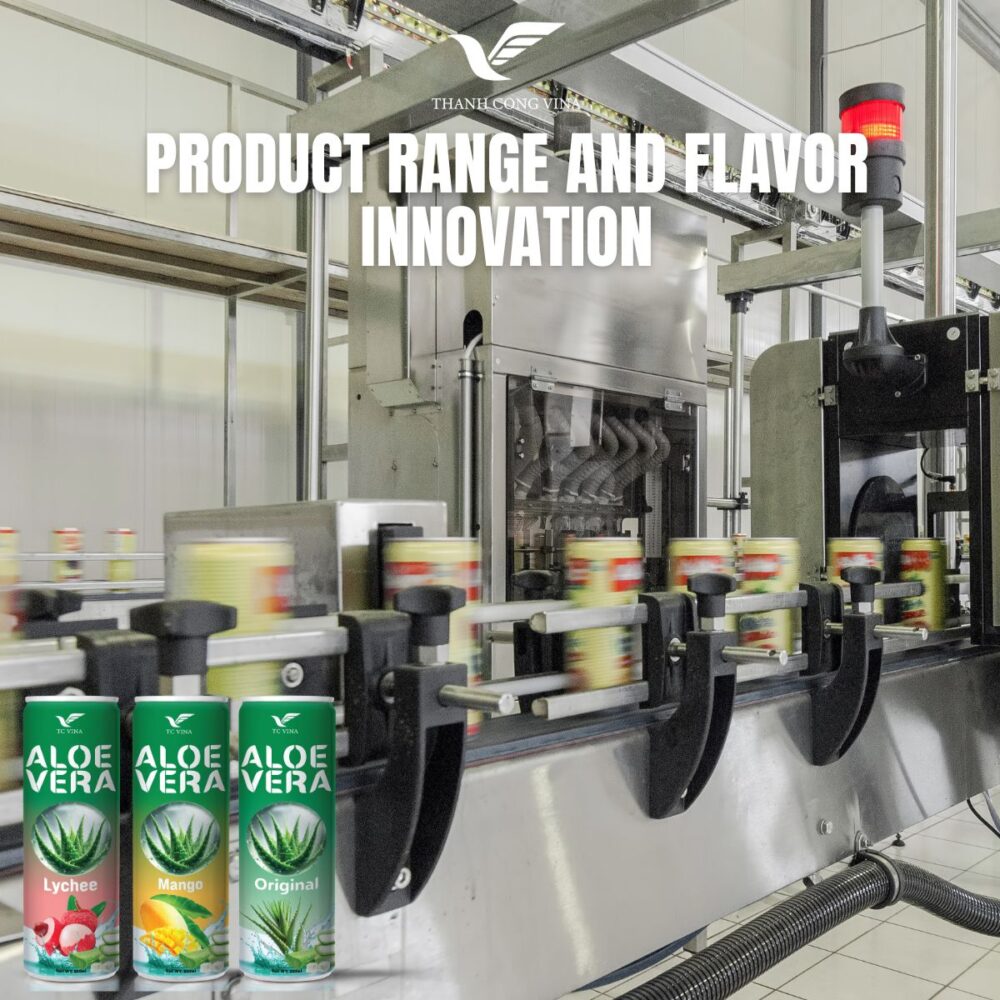
Product Range and Flavor Innovation
A broad portfolio allows importers to serve different customer segments without juggling many sources.
Classic Aloe Vera Drink with Pulp
The traditional recipe remains the best seller across Asia, the Middle East, and increasingly in Europe and North America. Soft aloe cubes suspended in a lightly sweetened, refreshing liquid create a distinctive mouthfeel that consumers recognize instantly. Typical formats include PET bottles, glass bottles, and aluminum cans, in sizes from compact single servings to family bottles. Pulp content, sweetness level, and carbonation options can all be adjusted to local preferences, for example a lighter taste for Western buyers or a sweeter profile for Southeast Asian markets.
Functional and Low-Sugar Formulations
Health-conscious consumers are driving demand for reduced sugar and added-benefit drinks. Modern formulations include stevia or monk fruit blends, vitamin enrichment, collagen additions, and fruit combinations such as lychee, mango, passion fruit, and coconut water. Sparkling aloe drinks are also gaining attention as an alternative to sugary sodas. A capable development team can test these ideas in small pilot batches, measure stability over shelf life, and refine the taste before large-scale production begins.
4. Quality Control and International Certifications
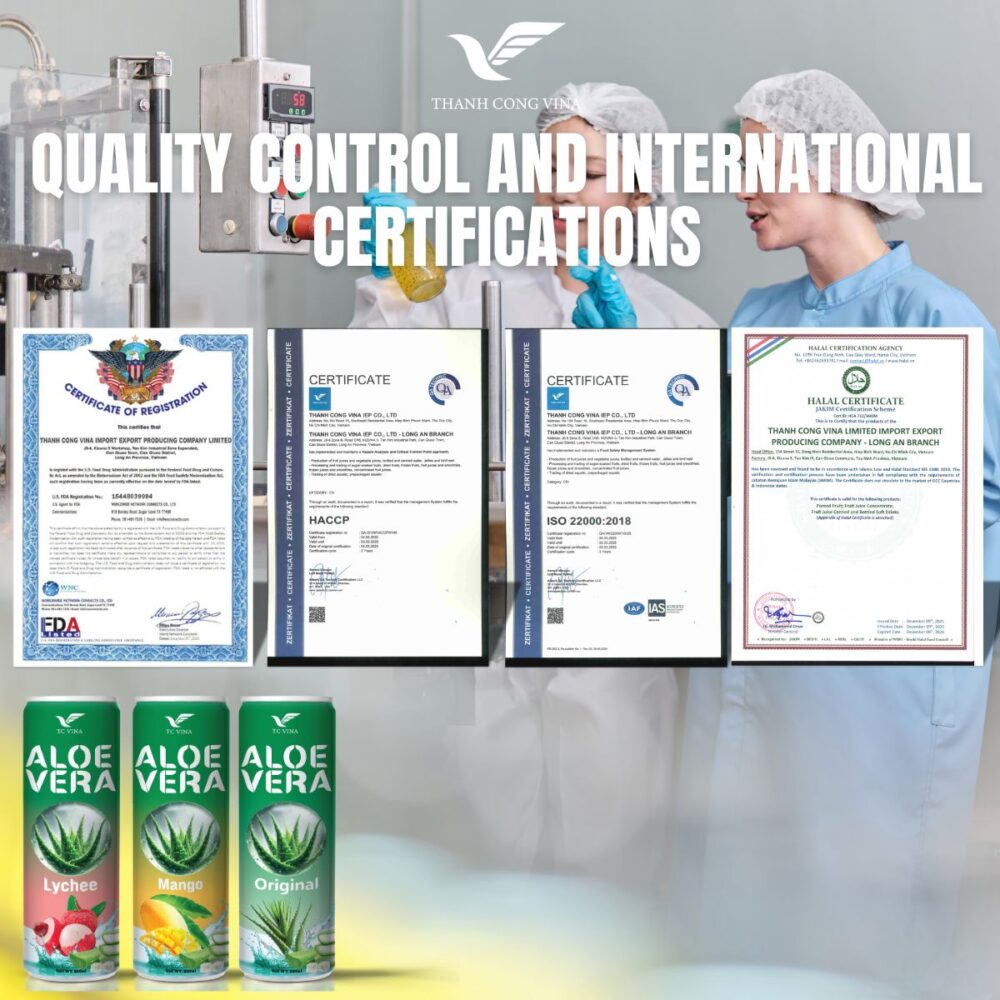
Quality Control and International Certifications Aloe Vera Drink Supplier
Quality assurance separates professional producers from opportunistic traders. Consistent results require both strong systems and disciplined people.
Laboratory Testing Standards
Testing should occur at three points: incoming raw materials, in-process checks, and finished goods. Common parameters include Brix level, pH, microbiological counts, heavy metals, pesticide residues, and aloin content. Retention samples from every batch are stored so that any later claim can be investigated. Buyers should ask for certificates of analysis with each shipment and confirm that testing methods align with their destination country standards.
Food Safety Systems
A documented food safety management system protects both the manufacturer and the buyer. Hazard analysis, preventive controls, supplier approval programs, allergen management, pest control, and staff training all form part of a mature system. Depending on the target market, additional approvals may be requested, such as FDA facility registration for the United States, Halal certification for Muslim-majority countries, Kosher approval, or organic certification. Planning these requirements early saves months of delay and avoids costly relabeling.
5. Private Label and OEM Services for Growing Brands
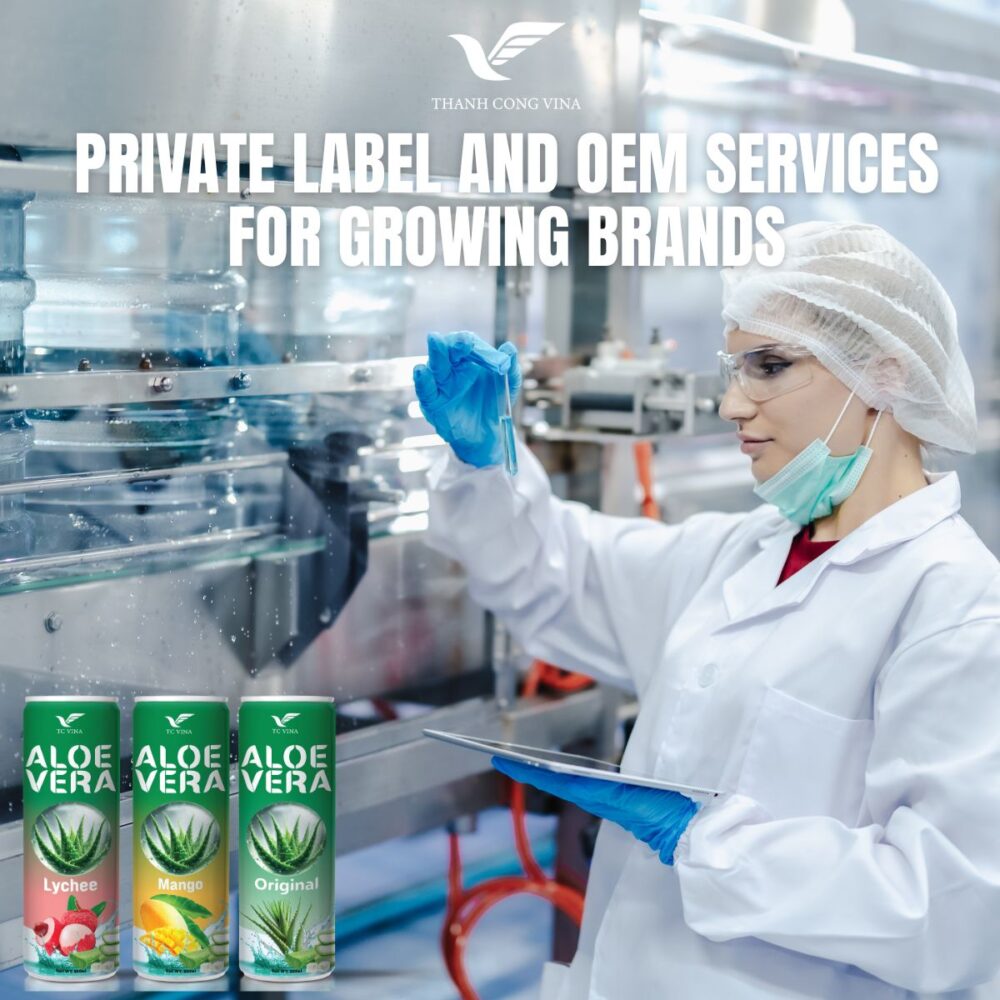
Private Label and OEM Services for Growing Brands Aloe Vera Drink Supplier
Many importers prefer to build their own brand rather than resell an existing one. Private label manufacturing makes that possible without the cost of a new factory.
Custom Formulas and Packaging
An experienced OEM partner begins with a brief: target audience, price positioning, flavor direction, and packaging style. From there, technicians prepare sample formulas for tasting and adjust sweetness, pulp size, and aroma until the profile matches the brief. Packaging design is developed in parallel, including bottle shape, label artwork, cap color, and carton specifications. Good suppliers also advise on barcode requirements, nutrition panels, and shelf impact so the product looks professional from the first shipment.
Minimum Orders and Development Timeline
Minimum order quantities vary by format, but a clear structure is essential. Expect a sampling phase, followed by label approval, a pilot run, and then mass production. A typical project moves from concept to first container in a few months, depending on packaging sourcing and certification needs. Ask for a written timeline and a named project contact. Regular updates, photos from the production line, and pre-shipment inspection reports keep the process transparent and reduce risk.
6. Export Logistics and Market Compliance
Producing an excellent drink is only half the job. Delivering it safely to a distant port, with correct paperwork, completes the service.
Packaging, Shipping and Incoterms
Beverages are heavy, so container loading must be planned carefully. Proper palletizing, stretch wrapping, and corner protection prevent damage during ocean freight. Shipments are commonly quoted under FOB, CIF, or CFR terms, and buyers should understand who carries cost and risk at each stage. Transit time, port congestion, and seasonal temperature exposure also deserve attention, particularly for glass bottles. A reliable exporter coordinates with trusted forwarders, provides tracking details, and prepares a clear loading plan.
Labeling and Regulatory Documentation
Every destination has its own rules for ingredient declarations, nutritional information, language, and permitted additives. Required export documents usually include the commercial invoice, packing list, bill of lading, certificate of origin, and health or analysis certificates. Errors in these papers can hold a container at customs for weeks. Working with a manufacturer that understands target market regulations, and that reviews label drafts before printing, protects your investment and your brand reputation.
Conclusion: Build Your Beverage Success with Thanh Cong Vina
Choosing the right partner determines how smoothly your Aloe Vera Drink Supplier beverage business grows. Look for transparent sourcing, strong quality control, flexible product development, and export experience that removes friction from every shipment. Thanh Cong Vina combines these strengths into one dependable service, supporting importers, distributors, and emerging brands from recipe design to final delivery. Our team works closely with each client to match flavor, packaging, and compliance needs to the target market. If you are ready to move forward, contact Thanh Cong Vina to request samples, discuss private label options, and receive a tailored quotation. Partner with a trusted Aloe Vera Drink Supplier and turn growing consumer demand into a lasting, profitable product line.