

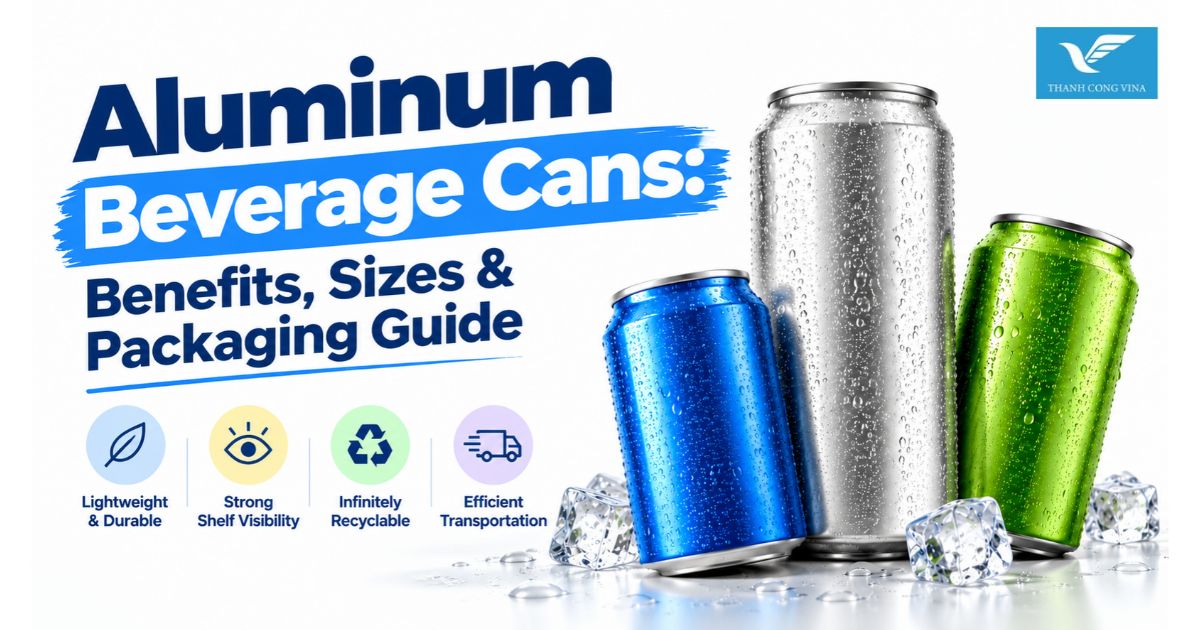
Discover why aluminum beverage cans are a popular packaging choice for beverage brands. Explore their key benefits, including lightweight design, product protection, recyclability, customizable packaging options, and efficient transportation for OEM, ODM, and private label beverage businesses worldwide.
1. Why Aluminum Packaging Matters in the Beverage Industry
Why Aluminum Packaging Matters in the Beverage Industry
Packaging plays a vital role in how consumers perceive a beverage, how efficiently a product moves through the supply chain, and how effectively a brand competes in the marketplace. As beverage companies expand their product portfolios and enter international markets, aluminum beverage cans have become an attractive packaging option for a wide range of drink categories.
From carbonated soft drinks and energy beverages to ready-to-drink coffee, sparkling water, and flavored drinks, aluminum cans offer a combination of portability, product protection, and visual appeal. Their adaptable shapes and printable surfaces also allow businesses to develop distinctive packaging that reflects their brand identity.
For beverage startups, established manufacturers, importers, and distributors, selecting the right packaging format requires more than considering appearance alone. Companies must evaluate product compatibility, production capabilities, transportation costs, target consumers, and environmental objectives.
Understanding the benefits and practical considerations of aluminum beverage packaging can help businesses make informed decisions when developing new products or expanding existing beverage lines.
2. What Makes Aluminum Cans Suitable for Beverage Packaging?
Aluminum beverage cans are metal containers engineered to hold drinks securely while maintaining practical performance throughout storage, transportation, and consumption.
Most conventional beverage cans consist of a formed aluminum body and a separate lid attached after the filling process. A specially developed internal coating helps prevent direct contact between the beverage and the metal, supporting product quality when the packaging system is appropriately selected and validated.
The can’s structure is designed to balance material efficiency, strength, and convenience. Depending on the intended application, manufacturers can select different capacities, body profiles, opening systems, and decorative finishes.
Aluminum cans are commonly considered for:
- Carbonated soft drinks and sparkling beverages.
- Energy drinks and functional beverages.
- Fruit-flavored drinks and selected juice-based beverages.
- Ready-to-drink coffee and tea.
- Flavored water and other non-alcoholic refreshments.
- Selected specialty beverages developed for premium retail markets.
However, not every formulation is automatically suitable for every can. Beverage acidity, carbonation, ingredients, processing conditions, and required shelf life must be evaluated before finalizing the packaging specification.
For brands seeking a consistent product presentation and an efficient packaging format, aluminum cans provide a versatile foundation for beverage development.
3. Six Business Advantages of Aluminum Beverage Cans
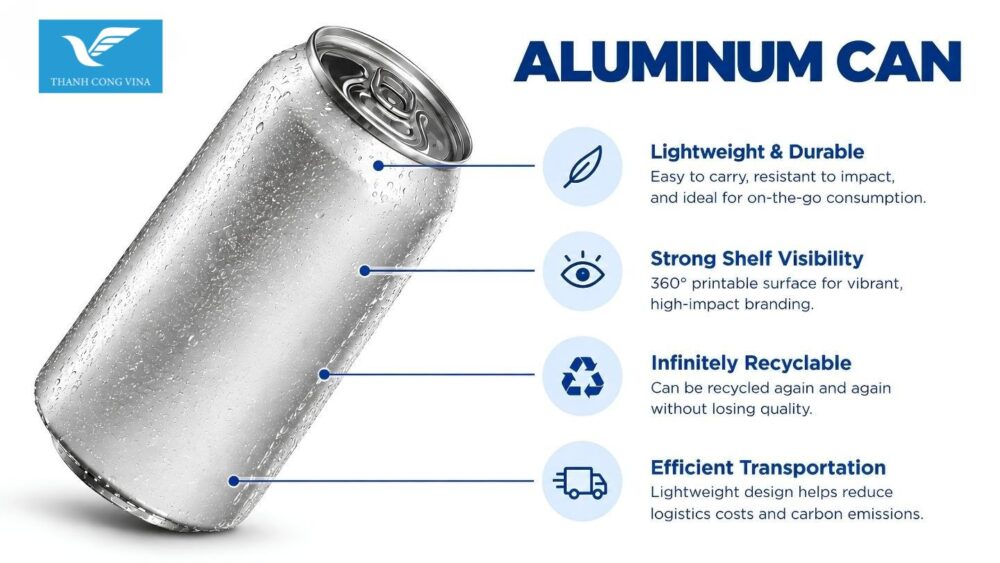
Six Business Advantages of Aluminum Beverage Cans
3.1. Lightweight Packaging for Easier Handling
One of the principal advantages of aluminum cans is their relatively low weight. Compared with many heavier packaging alternatives, cans can be easier to handle during warehousing, order preparation, and distribution.
Their manageable weight can also contribute to efficient shipment planning, particularly when products are packed into suitable cartons, trays, and multipacks.
For beverage exporters, packaging weight is one of several factors that influence logistics performance. Pallet configuration, container utilization, shipping distance, and secondary packaging should also be considered when calculating the total cost of delivering finished products.
3.2. Reliable Protection During Distribution
Beverage packaging must withstand a range of conditions, including filling operations, warehouse handling, transportation, and retail storage.
Aluminum cans provide a rigid container that does not shatter like glass. This characteristic can be useful in convenience stores, vending operations, outdoor events, and other environments where products are handled frequently.
The can body and closure must nevertheless meet the technical requirements of the beverage. Appropriate specifications and quality-control procedures help reduce the risk of leakage, deformation, and packaging defects.
For carbonated drinks, pressure resistance and closure integrity are particularly important. Manufacturers should confirm that the selected can, lid, and sealing process are suitable for the product’s carbonation level and distribution conditions.
3.3. Strong Branding and Shelf Differentiation
In a competitive beverage market, packaging often creates the first impression before consumers taste the product. Aluminum cans provide a broad printable surface that brands can use to communicate their identity and product positioning.
Businesses can incorporate distinctive colors, typography, illustrations, product information, and decorative effects into their packaging designs. A consistent visual system can help consumers recognize a product across retail shelves, online product listings, and promotional campaigns.
Different can profiles can also influence brand perception. A slim design may suit a contemporary energy drink, while a standard can may be appropriate for a mainstream soft drink. The final effect depends on the combination of shape, artwork, color, and overall brand strategy.
For private label beverage projects, customized can designs offer distributors and retailers an opportunity to build recognizable product lines without relying solely on established consumer brands.
3.4. Recyclability and Resource Efficiency
Aluminum is a recyclable material that can be processed and reused in new applications. When collection and recycling systems operate effectively, used beverage cans can return to the manufacturing cycle rather than becoming waste.
Recycling aluminum generally requires substantially less energy than producing primary aluminum from raw materials. This makes recycled aluminum an important consideration in packaging sustainability strategies.
Nevertheless, recyclability does not automatically guarantee that every can will be recovered. Actual environmental performance depends on collection rates, recycling infrastructure, recycled content, manufacturing processes, and transportation.
Beverage companies can strengthen their sustainability approach by assessing supplier documentation, packaging specifications, and the recycling conditions of their target markets.
3.5. Convenient Storage and Distribution
The uniform shape of aluminum cans makes them suitable for organized packing and palletization. Depending on the selected format, cans can be arranged in cartons, trays, shrink-wrapped multipacks, and other secondary packaging systems.
This consistency can simplify warehouse organization and support efficient product handling across distribution networks.
For international beverage shipments, businesses should evaluate the complete packaging configuration, including can dimensions, carton strength, pallet height, container loading plans, and protection against movement during transit.
These details become particularly important when supplying supermarkets, wholesale distributors, food-service operators, and overseas retail chains.
3.6. A Practical Format for Single-Serve Products
Aluminum cans are well suited to beverages intended for individual consumption. Their portable design and convenient opening mechanism make them practical for commuting, workplace refreshment, travel, and on-the-go purchasing.
The selected volume can also influence how consumers perceive the product’s value and intended use.
Smaller cans may suit concentrated beverages or controlled serving sizes, while larger formats can appeal to consumers looking for more drink in a single package.
For beverage brands, matching can capacity to consumption habits helps create a more coherent product offering and pricing strategy.
4. Common Aluminum Can Sizes and Their Applications
Choosing the appropriate can size is an important part of product development. The best format depends on the beverage category, target audience, retail channel, price point, and manufacturing requirements.
The following capacities are common reference options, although exact dimensions and availability vary by supplier and market.
180ml Aluminum Cans
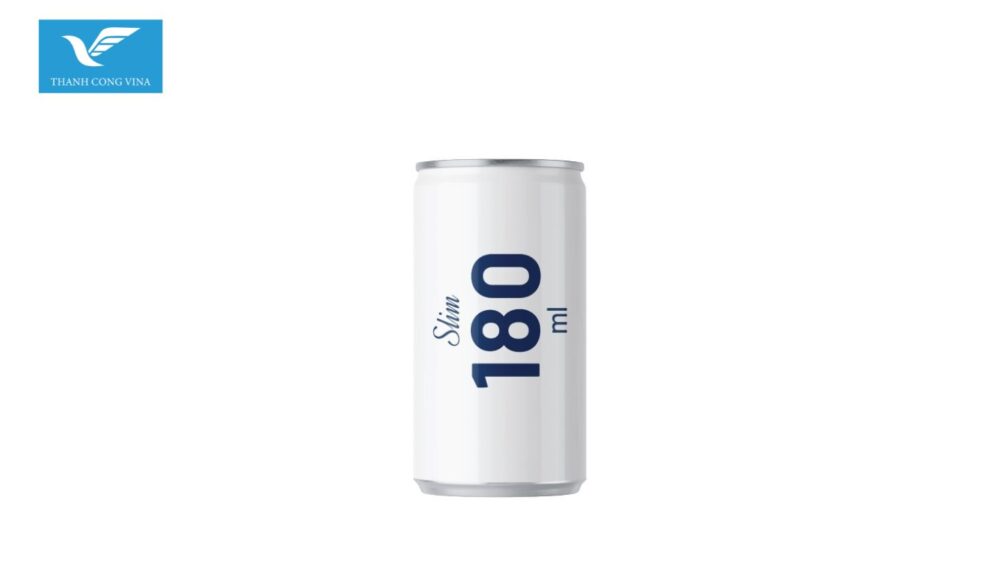
180ml Aluminum Cans
A 180ml can offers a compact serving format for selected specialty beverages, mixers, and small-portion products.
Its smaller capacity can be useful for premium product concepts, sampling programs, or multipacks designed around individual servings.
Before selecting this format, brands should assess local market preferences, supplier availability, and minimum order requirements.
250ml Slim and Compact Cans
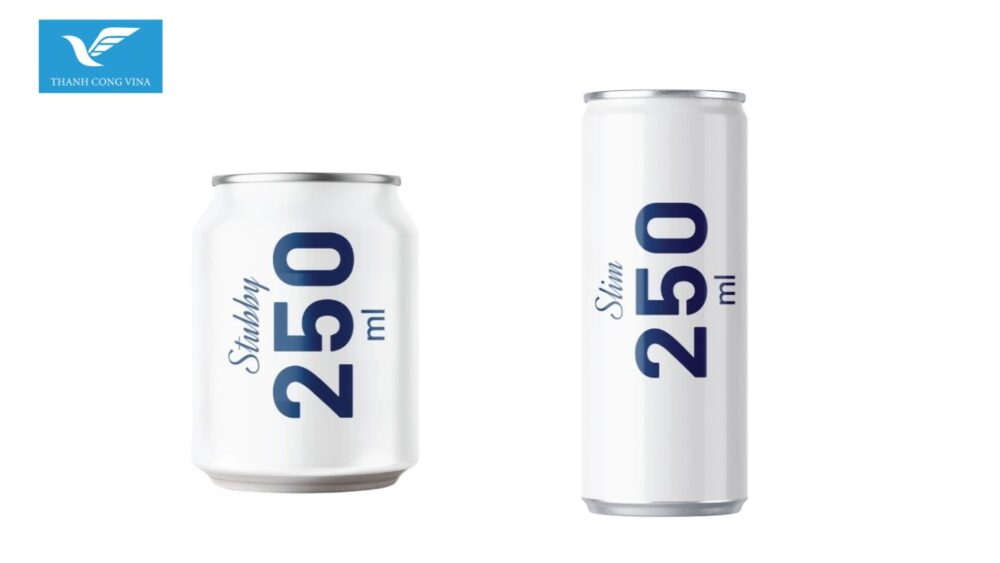
250ml Slim and Compact Cans
A 250ml can is often considered for energy drinks, sparkling beverages, flavored water, and selected functional drink products.
Slim cans create a tall, narrow profile that supports vertical artwork and a contemporary visual identity. More compact designs provide a different appearance and may suit brands seeking a distinctive package shape.
Although both formats can hold the same nominal volume, their dimensions and production requirements may differ. Compatibility with filling equipment and secondary packaging should be verified before production begins.
330ml Standard and Sleek Cans
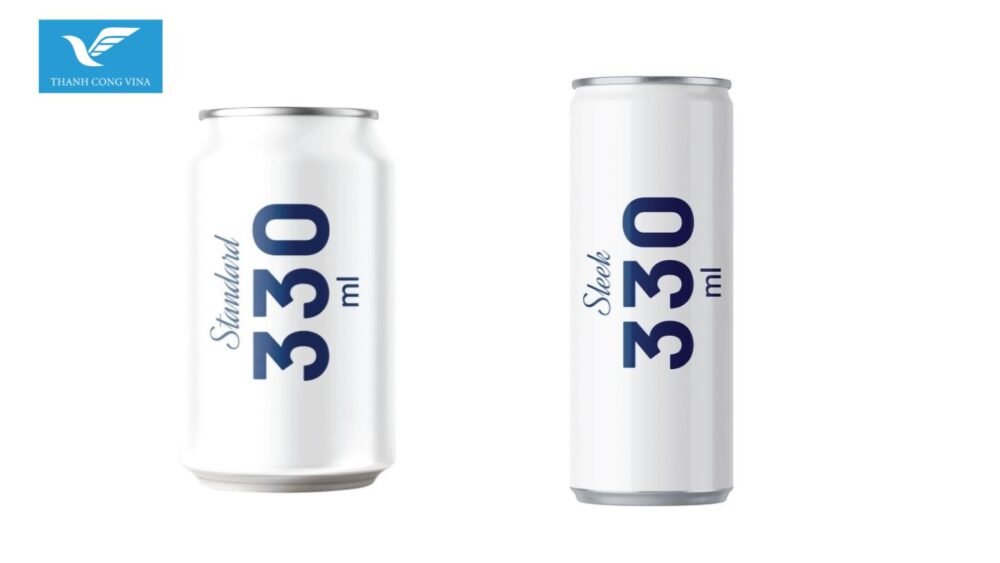
330ml Standard and Sleek Cans
The 330ml format is widely recognized in many beverage markets and can be used for soft drinks, sparkling water, tea, fruit-flavored beverages, and other ready-to-drink products.
Standard cans offer a familiar appearance, while sleek cans feature a taller, narrower profile that can support a more modern presentation.
For brands targeting mainstream retail or international distribution, 330ml cans may provide a practical balance between serving size, consumer familiarity, and shelf presentation.
500ml Aluminum Cans
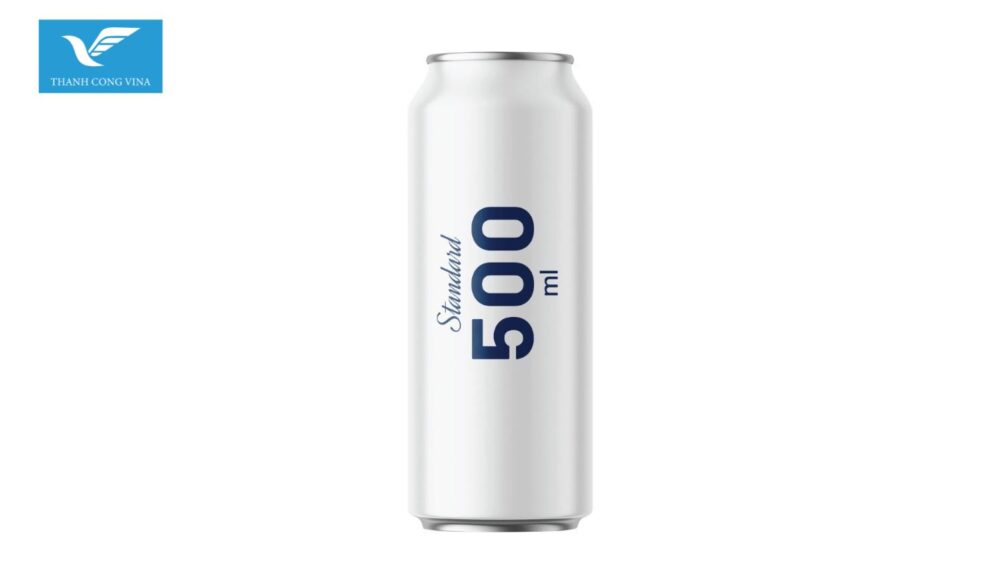
500ml Aluminum Cans
A 500ml can provides a larger serving for products such as energy drinks, carbonated beverages, and selected functional drinks.
This format may appeal to consumers who prefer a greater volume in one package. It can also support product positioning around convenience and perceived value.
Brands should consider the intended consumption occasion, product formulation, packaging weight, and pressure requirements when evaluating a larger can format.
Aluminum Can Format Comparison
| Can capacity | Potential applications | Main consideration |
|---|---|---|
| 180ml | Specialty drinks and small servings | Compact portion size |
| 250ml slim | Energy drinks and functional beverages | Tall, modern appearance |
| 250ml compact | Selected soft drinks and specialty products | Distinctive body shape |
| 330ml standard | Soft drinks, tea, and sparkling beverages | Familiar retail format |
| 330ml sleek | Energy drinks and premium refreshments | Contemporary shelf presentation |
| 500ml | Larger-serve energy and carbonated drinks | Serving size and product specifications |
These examples are intended as a planning guide. Actual availability, can dimensions, lid specifications, and filling-line compatibility should be confirmed with the packaging supplier or beverage manufacturer.
5. Important Factors to Evaluate Before Choosing Aluminum Packaging
Selecting the right can requires coordination between product development, packaging design, manufacturing, and distribution.
5.1. Beverage Formulation and Shelf-Life Requirements
Different formulations may interact differently with packaging materials. Acidity, carbonation, ingredients, and processing conditions can affect the technical requirements of the can and its internal lining.
Brands should work with qualified suppliers to assess product compatibility, validate packaging performance, and establish appropriate shelf-life testing procedures.
These checks are especially important when introducing a new formulation or adapting an existing beverage for a different package.
5.2. Can Dimensions and Filling Equipment
The selected can must be compatible with the available filling and seaming equipment. Body diameter, height, lid specifications, and handling requirements can affect production efficiency.
Changing packaging formats after production planning has begun may require additional trials, equipment adjustments, or secondary packaging modifications.
Confirming technical specifications early helps reduce unnecessary delays and avoidable expenses.
5.3. Minimum Order Quantity and Production Lead Time
Packaging availability and minimum order quantities can influence the feasibility of a new beverage launch.
Custom printing, production scheduling, raw material availability, and transportation arrangements may all affect lead times. Businesses should obtain clear quotations and written production schedules before confirming commercial commitments.
For new brands, comparing packaging options alongside expected sales volumes can help establish a realistic launch budget.
5.4. Artwork, Labeling, and Market Requirements
Can artwork should combine strong visual communication with clear product information. Brand owners need to review logo placement, color consistency, ingredient declarations, nutritional information, barcodes, and other labeling requirements applicable to the destination market.
Physical proofs or production samples can help identify differences between digital artwork and the final printed surface.
Export-oriented businesses should confirm that the packaging and product labeling meet the regulations of each intended market before mass production.
5.5. Food-Contact Compliance and Quality Assurance
Materials used in beverage packaging must be suitable for their intended food-contact application. Relevant documentation and testing should be reviewed according to the requirements of the destination market.
Quality checks may include dimensional inspection, coating integrity, visual appearance, seam evaluation, leakage assessment, and other product-specific controls.
A structured quality-assurance process helps ensure that the finished beverage meets established packaging and product specifications.
6. How Aluminum Cans Support OEM, ODM, and Private Label Beverage Development
For businesses planning to launch or expand a beverage brand, packaging decisions are closely connected to the manufacturing model.
OEM manufacturing allows a business to produce beverages according to agreed product and packaging specifications. ODM projects may provide broader support in developing product concepts, formulations, and packaging solutions, depending on the manufacturer’s capabilities.
Private label production enables retailers, distributors, importers, and brand owners to market beverages under their own brand identity.
Aluminum cans can support these business models through a combination of practical package formats and customized visual presentation.
Before selecting a manufacturing partner, businesses should consider:
- Product development: Can the manufacturer support the intended beverage category and formulation?
- Packaging options: Are the preferred can capacities and designs available?
- Customization: Can the supplier accommodate the required artwork and branding specifications?
- Production planning: Are minimum order quantities, lead times, and capacity suitable for the business?
- Quality systems: Can the manufacturer provide relevant quality documentation and product specifications?
- Export support: Can the supplier coordinate packaging, documentation, and shipment requirements for the target market?
Working with an experienced beverage manufacturing partner can help businesses coordinate these decisions more effectively, from initial product planning to commercial production.
7. Conclusion: Choosing the Right Aluminum Can for Long-Term Growth
Aluminum beverage cans offer a versatile packaging solution for brands seeking portability, distinctive product presentation, efficient handling, and access to established recycling systems. Their availability in different capacities and body profiles allows businesses to develop packaging that aligns with product requirements and target consumer preferences.
However, the most suitable option is not necessarily the most visually appealing can. Successful packaging decisions require careful evaluation of formulation compatibility, technical specifications, filling equipment, minimum order quantities, quality assurance, and destination-market regulations.
For beverage brands, importers, and distributors, a well-planned packaging strategy can support consistent product quality and more effective market positioning.
Thanh Cong Vina supports beverage OEM, ODM, and private label manufacturing for businesses seeking to develop customized beverage products for domestic and international markets. By aligning product development, packaging requirements, and production planning, Thanh Cong Vina helps business partners explore beverage solutions tailored to their commercial objectives.
Contact Thanh Cong Vina to discuss your beverage concept, packaging preferences, and private label manufacturing requirements.