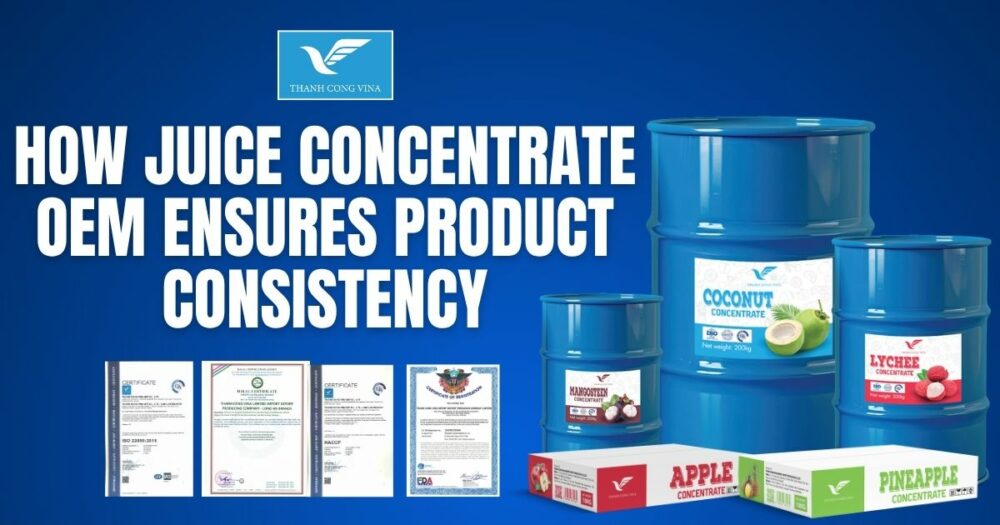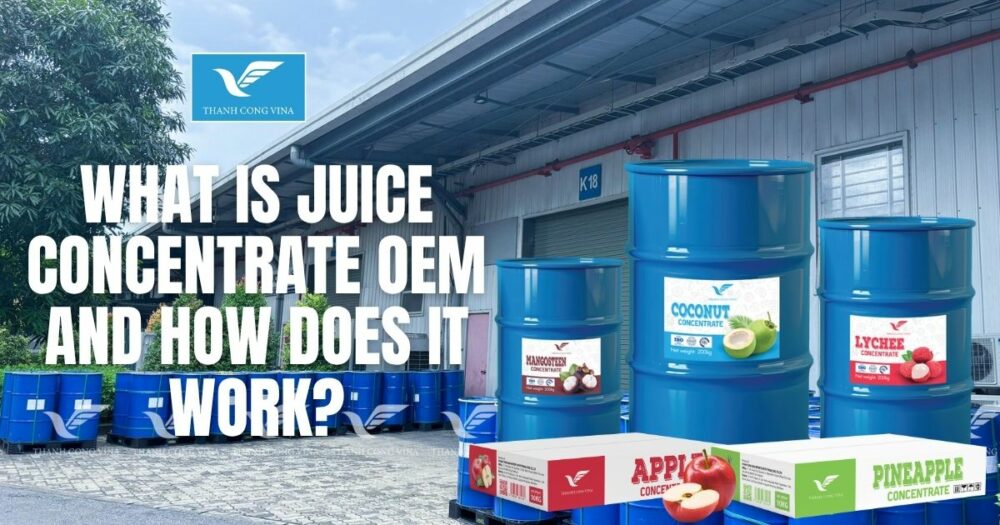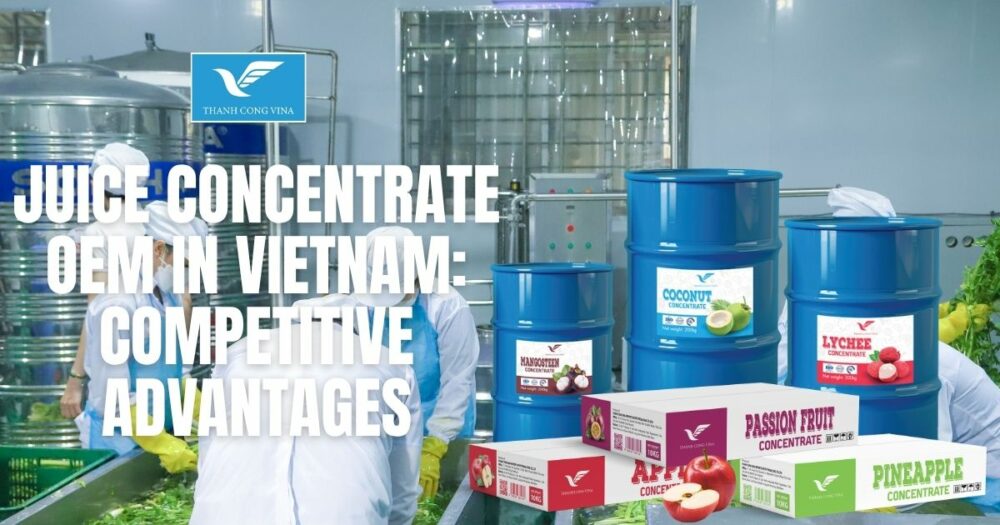

Juice Concentrate Manufacturers in Vietnam are gaining strong recognition in the international beverage industry due to their advanced production systems, tropical fruit resources, and growing export capabilities. As global consumers increasingly demand natural beverages and fruit-based ingredients, manufacturers in Vietnam are becoming important suppliers for beverage brands, distributors, supermarkets, and OEM partners worldwide. The country’s favorable climate allows year-round cultivation of tropical fruits such as mango, pineapple, passion fruit, guava, lychee, coconut, and aloe vera, creating a stable raw material supply for large-scale concentrate production.
However, product quality alone is no longer enough in today’s competitive export market. International buyers now require strict certifications and food safety standards before choosing suppliers. Certifications help prove that manufacturers follow proper production procedures, maintain hygienic factory conditions, and comply with global import regulations. This is especially important for companies exporting to markets such as the United States, Europe, the Middle East, Japan, and Australia.
For modern Juice Concentrate Manufacturers, certifications are not only documents but also symbols of professionalism, consistency, and long-term reliability. This article explores the most important certifications used in Vietnam’s juice concentrate industry and explains why certified manufacturers are becoming preferred partners in the global beverage market.
1. The Growth of Juice Concentrate Manufacturers in Vietnam
The Growth of Juice Concentrate Manufacturers in Vietnam
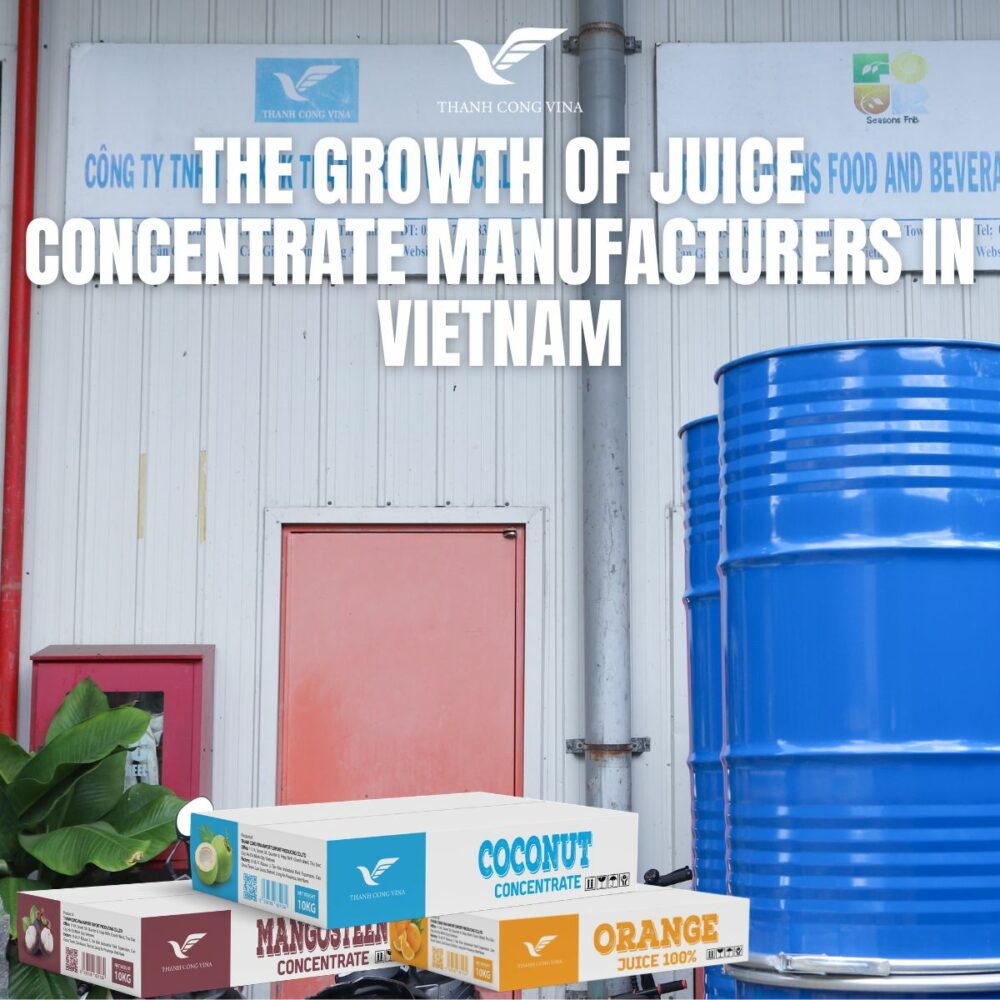
Vietnam has rapidly developed into one of Asia’s strongest fruit processing and beverage export countries. Over the past decade, many Juice Concentrate Manufacturers have invested heavily in modern machinery, advanced production technology, and international food safety systems to meet growing export demand.
The country’s tropical climate provides ideal conditions for fruit cultivation throughout the year. This stable agricultural supply allows manufacturers to maintain continuous production capacity and support large international orders. Beverage companies worldwide are increasingly attracted to Vietnamese suppliers because they can offer authentic tropical flavors combined with competitive pricing.
Another important factor behind Vietnam’s success is the expansion of OEM beverage manufacturing. Many factories now provide customized juice concentrate solutions for global brands, including formula development, private label services, and packaging customization. This flexibility allows importers to create products tailored to local consumer preferences.
The rapid growth of Vietnamese exports has also increased the importance of certifications. International buyers expect suppliers to operate according to global standards to ensure food safety and consistent quality. As a result, certified Juice Concentrate Manufacturers are becoming more competitive and trusted in the international marketplace.
2. Why Certifications Are Important
Certifications have become essential in the beverage industry because they help protect product quality, food safety, and consumer trust. Today, international buyers carefully evaluate suppliers before signing long-term contracts. Companies without proper certifications often face difficulties entering premium export markets.
For Juice Concentrate Manufacturers, certifications prove that production systems follow recognized international standards. They show that factories maintain hygiene, control contamination risks, and monitor product consistency during every stage of manufacturing. This level of professionalism helps importers reduce business risks and strengthen supply chain reliability.
Certifications also improve brand reputation. Beverage companies sourcing ingredients from certified suppliers can promote higher quality standards to distributors and consumers. In many countries, retailers and supermarkets only accept products from factories that hold internationally recognized certifications.
Another advantage is operational improvement. Certified manufacturers usually implement better quality control systems, employee training programs, and traceability procedures. These systems help factories improve efficiency while maintaining stable product quality across multiple production batches.
As consumer awareness about food safety continues increasing, certifications are becoming one of the most important competitive advantages for professional Juice Concentrate Manufacturers in Vietnam.
3. HACCP Certification in Juice Manufacturing
HACCP Certification in Juice Manufacturing
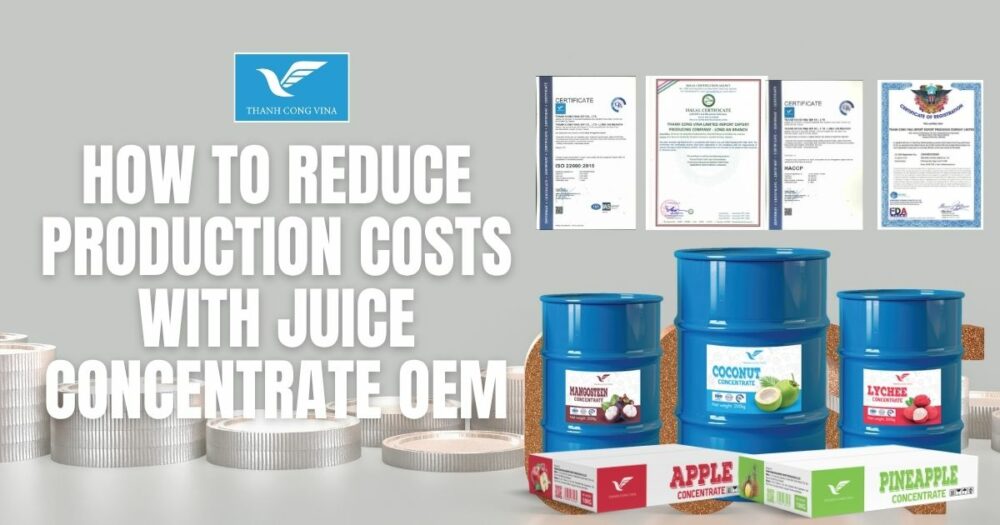
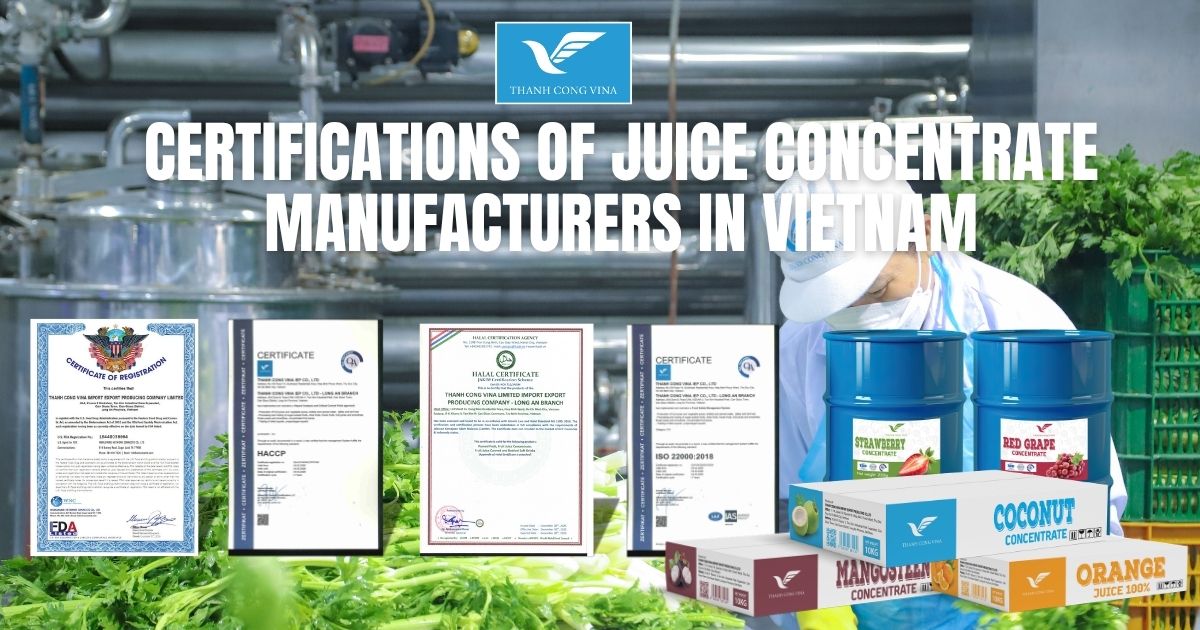
HACCP certification is one of the most important food safety systems used by Juice Concentrate Manufacturers around the world. HACCP stands for Hazard Analysis and Critical Control Points, a preventive system designed to identify and control food safety risks before products reach consumers.
Vietnamese juice concentrate factories with HACCP certification must carefully monitor every stage of production, including fruit handling, extraction, concentration, pasteurization, packaging, and storage. The purpose is to prevent contamination and ensure products remain safe throughout manufacturing.
International buyers often prioritize HACCP-certified suppliers because food safety problems can cause major financial losses and damage brand reputation. Beverage companies need reliable ingredient suppliers that can consistently meet international safety standards.
HACCP-certified Juice Concentrate Manufacturers are also viewed as more professional because they maintain detailed production records, sanitation controls, and equipment monitoring systems. These procedures improve transparency and help buyers feel more confident about long-term cooperation.
In global export markets, HACCP certification has become almost mandatory for manufacturers seeking to expand internationally. Many Vietnamese factories continue investing in HACCP systems to strengthen their competitiveness and attract large beverage companies worldwide.
4. ISO Standards for Juice Concentrate Manufacturers
ISO certification plays a major role in helping Juice Concentrate Manufacturers improve operational consistency and product quality. One of the most common standards in the beverage industry is ISO 22000, which focuses on food safety management systems.
Factories with ISO certification must implement structured production procedures, risk management systems, and continuous quality monitoring. These standards help manufacturers maintain stable product characteristics such as flavor, color, aroma, and Brix level.
International importers often prefer ISO-certified suppliers because they demonstrate stronger organizational control and better production management. Beverage brands rely on consistent concentrate quality to maintain the same taste profile in finished drinks across different markets.
ISO certification also supports traceability and documentation systems. Certified manufacturers can provide detailed production records, testing reports, and ingredient information that help importers meet local food regulations.
For Vietnamese Juice Concentrate Manufacturers, ISO standards improve global credibility and increase opportunities to work with large retailers, distributors, and beverage corporations. As export competition grows, ISO certification continues to become an important requirement for long-term international success.
5. HALAL Certification and Muslim Markets
HALAL Certification and Muslim Markets
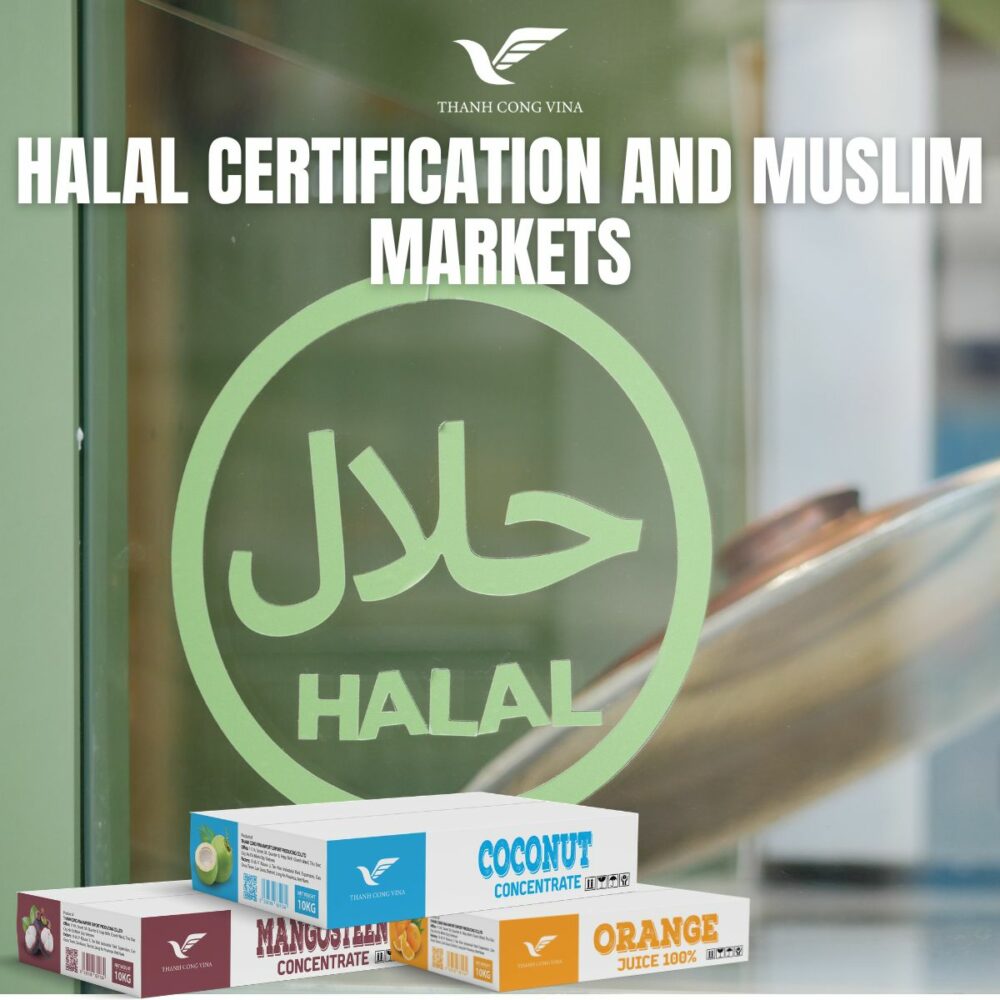
HALAL certification has become increasingly valuable for Juice Concentrate Manufacturers exporting to Muslim-majority countries. Global demand for HALAL-certified beverages continues growing rapidly, especially in regions such as the Middle East, Indonesia, and Malaysia.
HALAL certification confirms that products comply with Islamic dietary requirements and are produced under approved hygienic conditions. Manufacturers must ensure that ingredients, processing systems, and factory operations follow HALAL standards.
Vietnamese factories are investing more in HALAL certification because it opens access to large international markets. Buyers serving Muslim consumers often require suppliers to hold valid HALAL certificates before approving commercial partnerships.
HALAL-certified Juice Concentrate Manufacturers are often associated with higher cleanliness standards and better production control systems. This reputation can improve consumer confidence even outside Muslim markets.
As the global beverage industry continues expanding into multicultural markets, HALAL certification is becoming an increasingly important advantage for Vietnamese exporters seeking international growth.
6. FDA Registration for Export to the United States
FDA registration is extremely important for Juice Concentrate Manufacturers exporting products to the United States. The U.S. Food and Drug Administration requires foreign food factories to register before shipping products into the American market.
FDA compliance helps ensure that imported food products meet U.S. safety regulations and labeling requirements. Manufacturers must maintain proper sanitation systems, ingredient traceability, and preventive food safety controls.
American importers prefer FDA-compliant suppliers because non-compliant shipments may face customs delays, product detention, or rejection. Working with registered factories reduces import risks and improves supply chain reliability.
Many Vietnamese Juice Concentrate Manufacturers combine FDA registration with HACCP and ISO certifications to strengthen their export capabilities. This combination demonstrates professionalism and increases trust among international buyers.
As the United States remains one of the world’s largest beverage markets, FDA registration continues to be an important qualification for Vietnamese exporters seeking long-term international business opportunities.
7. Product Testing and Quality Control
Product Testing and Quality Control
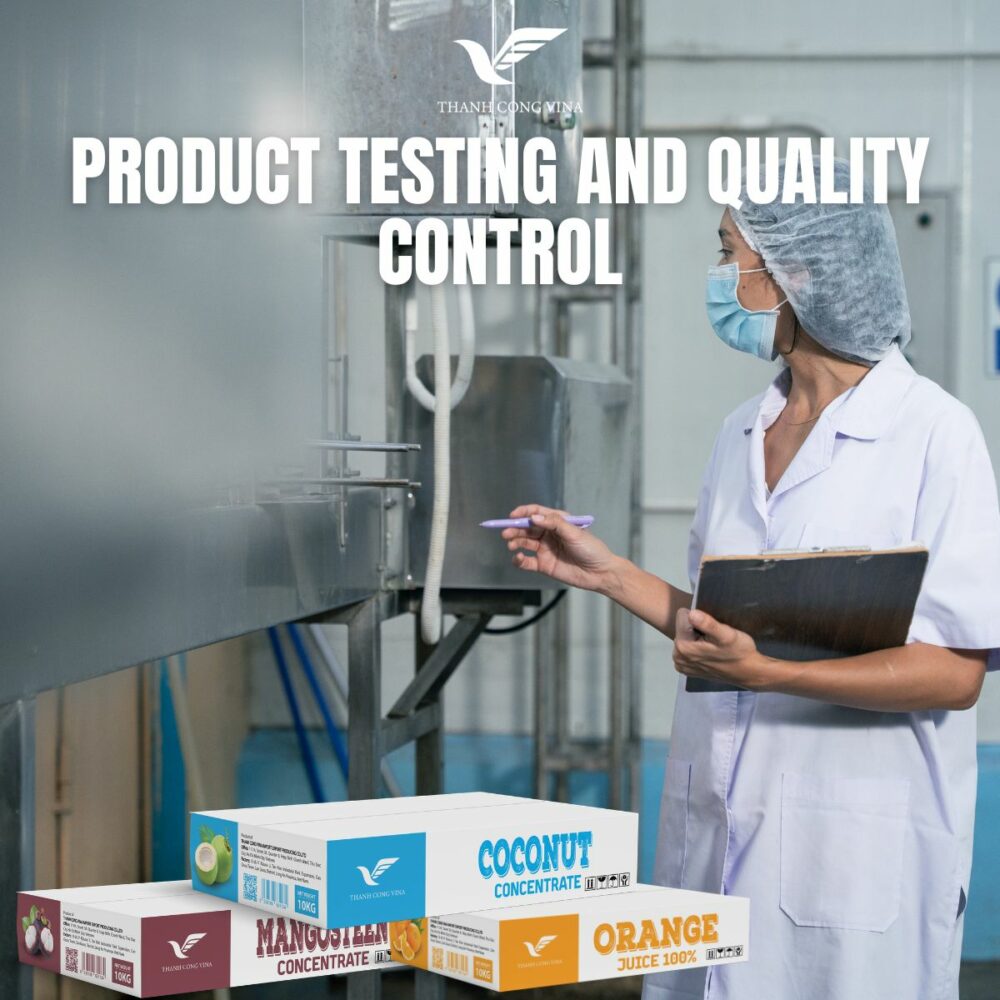
Quality testing is an essential process for professional Juice Concentrate Manufacturers because beverage brands require consistent product performance and food safety assurance. Modern Vietnamese factories conduct laboratory testing throughout production to maintain international quality standards.
Common testing procedures include microbiological analysis, acidity testing, Brix measurement, pesticide residue checks, and heavy metal analysis. These tests help manufacturers verify product safety and maintain stable flavor profiles.
Quality control systems also improve consistency between production batches. Beverage companies depend on concentrate ingredients that perform reliably during commercial manufacturing. Inconsistent ingredients can negatively affect taste, texture, and final beverage quality.
Professional Juice Concentrate Manufacturers usually maintain strict monitoring systems for raw material sourcing, processing conditions, packaging, and storage environments. These controls help reduce production risks and improve long-term customer satisfaction.
As international buyers become more selective, strong quality control systems are becoming one of the most important advantages for Vietnamese beverage exporters.
8. Future Trends for Juice Concentrate Manufacturers
The future of the beverage industry continues creating new opportunities for Juice Concentrate Manufacturers in Vietnam. Consumers are increasingly choosing natural beverages, tropical fruit flavors, and healthier drink alternatives, which supports growing demand for Vietnamese fruit concentrate products.
Sustainability is becoming another major industry trend. International buyers are paying more attention to environmentally friendly production systems, responsible sourcing practices, and recyclable packaging solutions. Manufacturers that invest in sustainable operations may gain stronger advantages in premium markets.
Technology is also transforming the beverage sector. Advanced automation systems, digital quality monitoring, and smart traceability tools are helping factories improve production efficiency and reduce operational risks.
Vietnamese Juice Concentrate Manufacturers that continue upgrading certifications, technology, and export standards are expected to strengthen their position in the global beverage market over the coming years.
Conclusion
The global beverage industry increasingly depends on certified and professional Juice Concentrate Manufacturers capable of meeting strict food safety standards and international quality expectations. Certifications such as HACCP, ISO, HALAL, and FDA registration play a critical role in helping Vietnamese manufacturers expand export opportunities and build long-term partnerships with global beverage brands.
Vietnam’s strong agricultural resources, modern processing facilities, and growing export expertise have positioned the country as an important supplier of tropical fruit concentrate products. Certified manufacturers not only improve product safety and consistency but also strengthen buyer confidence and supply chain reliability.
As international demand for natural beverages continues growing, Vietnamese exporters are expected to become even more competitive in global markets. With professional manufacturing systems, international certifications, and extensive OEM beverage experience, Thanh Cong Vina continues supporting businesses worldwide with premium tropical ingredients and reliable export solutions. Companies searching for trusted Juice Concentrate Manufacturers can confidently cooperate with Thanh Cong Vina for long-term growth and success in the beverage industry.