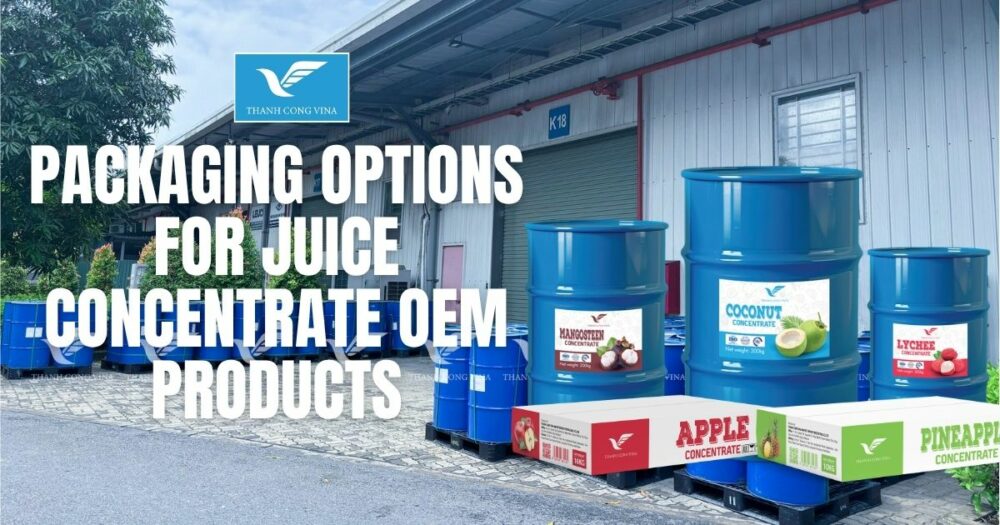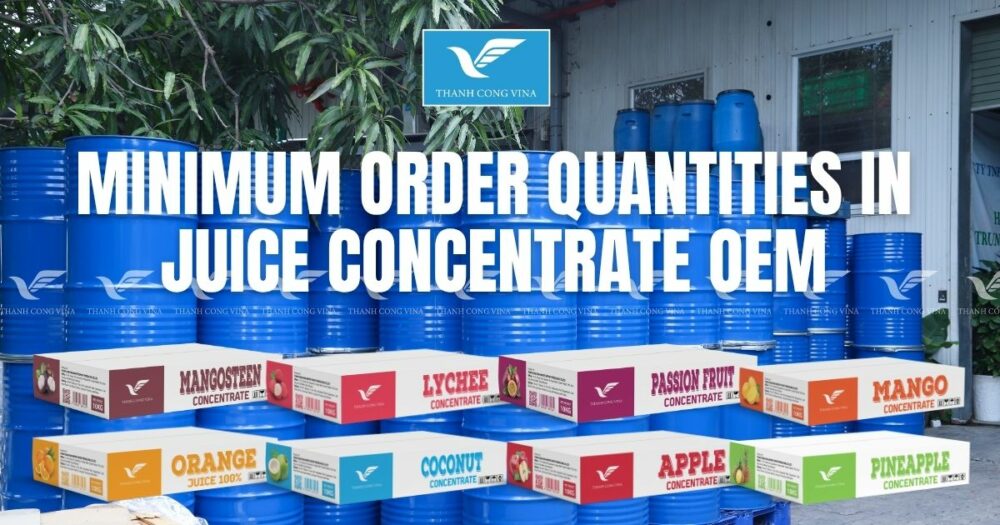

The global beverage industry is experiencing rapid growth as consumers increasingly demand natural, tropical, and healthy drink products. Among the most sought-after ingredients today is Juice Concentrate from Vietnam, a product category that has gained international recognition for its premium quality, authentic tropical taste, and competitive pricing. Vietnam has become one of Asia’s leading suppliers of fruit concentrate products thanks to its favorable climate, rich agricultural resources, and modern food processing technology. Beverage manufacturers, importers, distributors, and private label brands around the world are now looking toward Vietnam as a reliable sourcing destination for fruit-based ingredients.
Importing fruit concentrate products from Vietnam offers numerous advantages, including stable supply capacity, international certifications, flexible OEM production, and cost-effective logistics solutions. However, understanding the complete importing process is essential for businesses that want to avoid unnecessary risks and build sustainable supplier relationships. From choosing the right manufacturer and evaluating certifications to managing shipping procedures and customs documentation, every step requires careful attention.
This comprehensive guide explains how to successfully import Juice Concentrate from Vietnam step by step while helping international buyers understand market opportunities, supplier standards, product quality expectations, and long-term business potential in the Vietnamese beverage industry.
1. Why Juice Concentrate from Vietnam Is Becoming Popular Worldwide
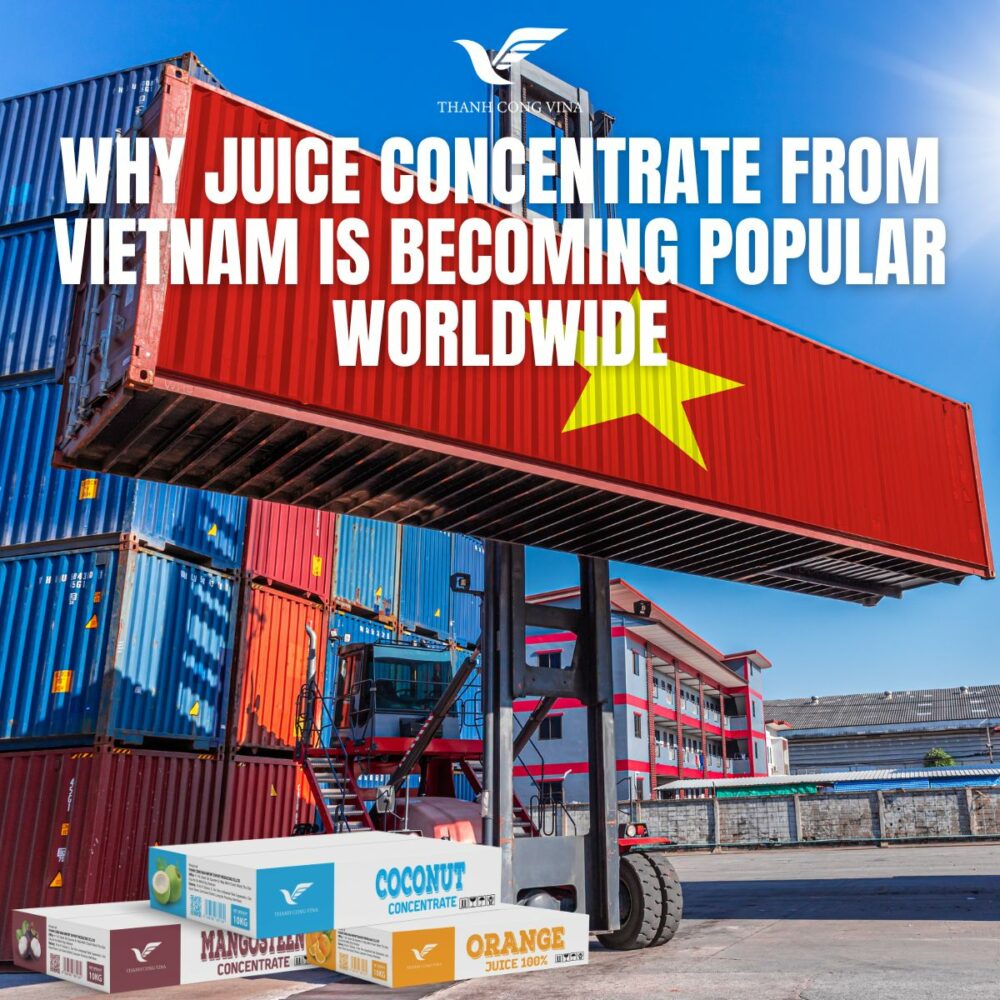
Why Juice Concentrate from Vietnam Is Becoming Popular Worldwide
The growing popularity of Juice Concentrate from Vietnam is closely connected to the rising global demand for natural beverage ingredients and tropical fruit flavors. Vietnam possesses ideal agricultural conditions that allow farmers to cultivate a wide variety of tropical fruits throughout the year. As a result, manufacturers have access to abundant raw materials that support continuous production for international export markets.
Vietnamese fruit concentrate products are highly appreciated because they preserve the authentic aroma, color, and taste of fresh tropical fruits. Beverage companies increasingly use these concentrates to create juices, smoothies, dairy beverages, cocktails, desserts, and functional drinks that meet modern consumer preferences for natural ingredients. Compared with artificial flavoring systems, fruit concentrates provide richer taste profiles and stronger market appeal.
Another reason international buyers prefer Vietnamese suppliers is cost competitiveness. Manufacturing costs in Vietnam remain lower than in many other fruit-exporting countries, allowing importers to access premium-quality products at more affordable prices. This advantage is especially important for beverage companies aiming to optimize production expenses while maintaining high product standards.
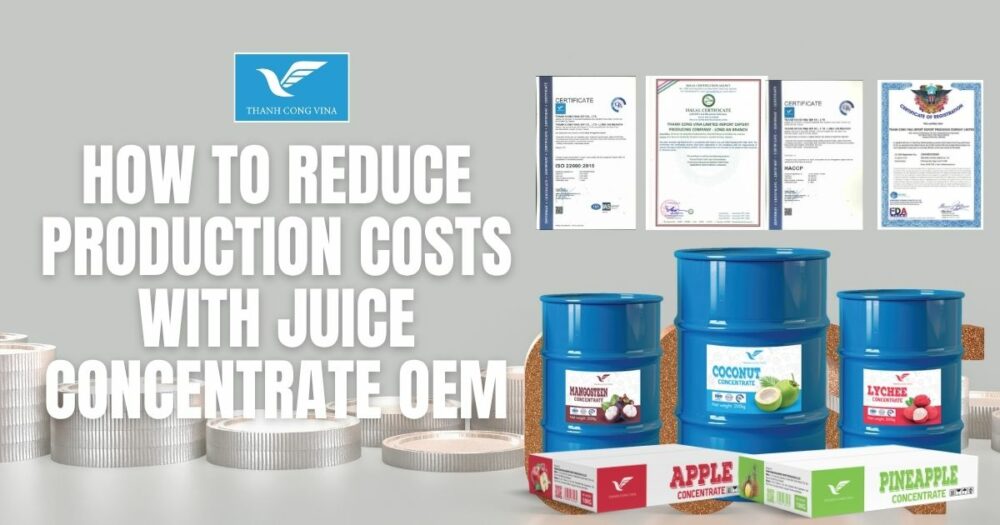
Vietnam’s export industry has also developed significantly during the last decade. Many factories now operate with advanced production lines and comply with international food safety standards such as HACCP, ISO, HALAL, and FDA registration. This level of professionalism gives overseas buyers greater confidence when importing Juice Concentrate from Vietnam for commercial beverage production.
In addition to product quality and pricing advantages, Vietnamese manufacturers are increasingly flexible in supporting OEM and private label beverage projects. Importers can customize formulations, packaging designs, sugar levels, and fruit blends according to specific market demands. This flexibility creates excellent opportunities for businesses seeking unique beverage concepts and tropical drink innovations.
2. Understanding the Different Types of Juice Concentrate Products
Before starting the importing process, buyers must clearly understand the different categories of Juice Concentrate from Vietnam available on the market. Each type of concentrate serves different production purposes and beverage applications, making product selection an important part of business planning.
Fruit juice concentrate is the most common category. This product is produced by removing a significant portion of water from fresh fruit juice through evaporation technology. The result is a concentrated liquid with a strong fruit flavor, reduced volume, and longer shelf life. Because water content is minimized, transportation and storage costs become more efficient for international buyers. This makes concentrated juice highly suitable for industrial beverage manufacturing.
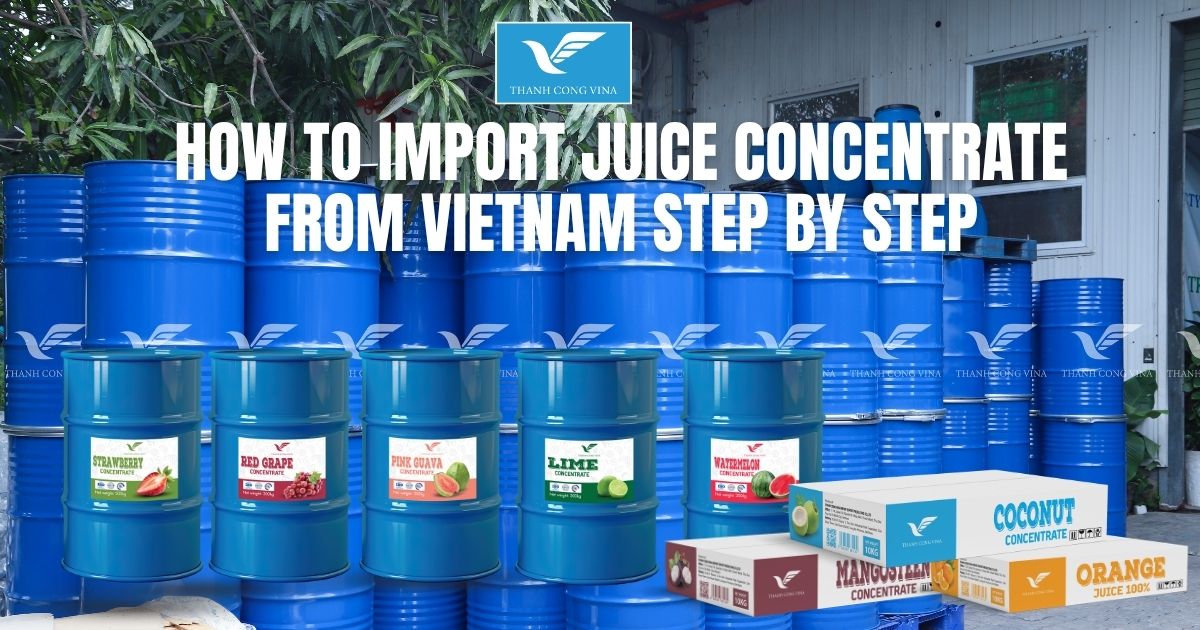
Vietnamese factories produce a wide range of fruit concentrates, including mango, pineapple, guava, passion fruit, orange, lychee, tamarind, and aloe vera concentrates. These tropical flavors are increasingly popular in international markets because consumers are searching for exotic beverage experiences and healthier drink alternatives.
Another important category is fruit puree concentrate. Compared with standard juice concentrate, puree products contain thicker textures and more fruit pulp. Beverage manufacturers commonly use puree concentrates in smoothies, yogurt drinks, ice cream, dessert sauces, and premium fruit beverages. The thicker consistency creates a richer mouthfeel that appeals to many consumers.
Coconut-based concentrates have also become extremely popular worldwide. Vietnam is recognized for producing high-quality coconuts, making coconut water concentrate and coconut milk concentrate strong export products. Health-conscious consumers often choose coconut beverages because they are associated with hydration, natural electrolytes, and plant-based nutrition.
Many suppliers also provide NFC products, which means “Not From Concentrate.” Although NFC beverages differ from concentrated juice, importers often source both categories from the same manufacturer. Understanding the differences between these products allows buyers to select the most suitable option based on target market positioning, production requirements, and logistics considerations.
3. How to Choose a Reliable Juice Concentrate Supplier in Vietnam
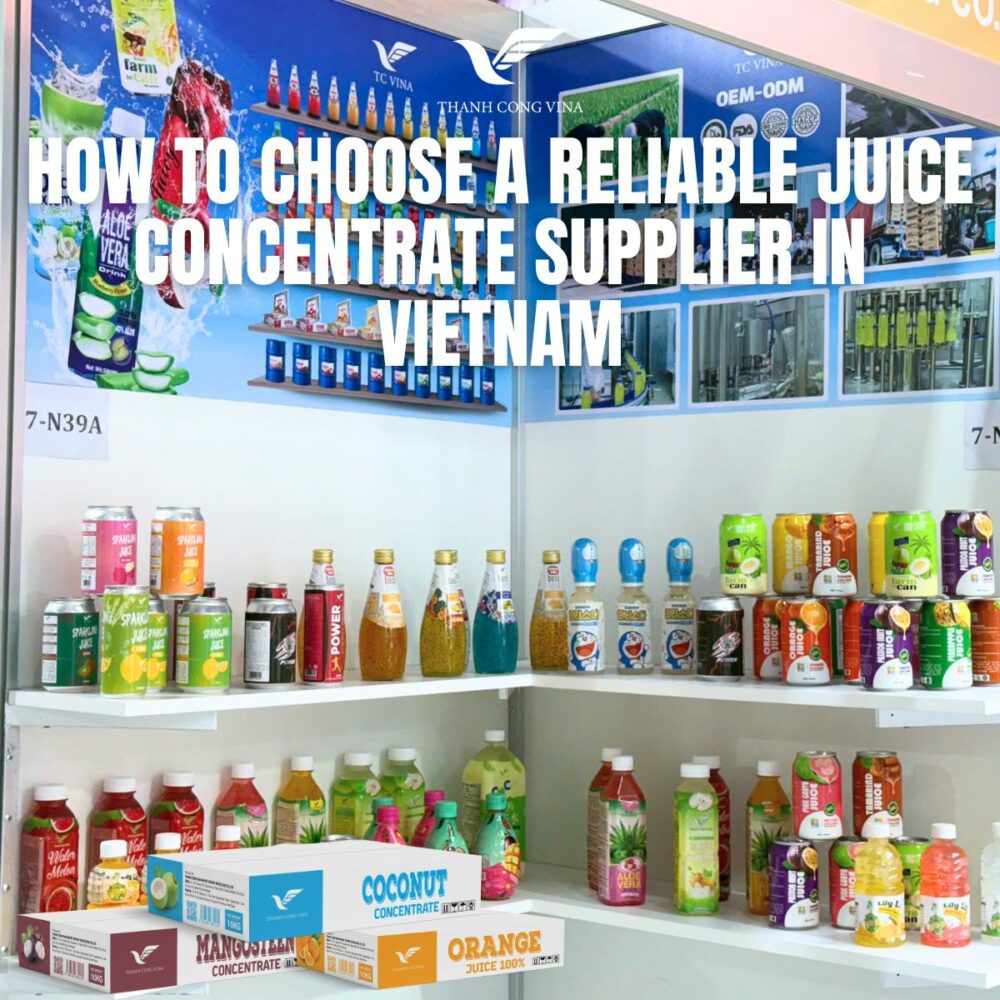
How to Choose a Reliable Juice Concentrate Supplier in Vietnam
Selecting the right supplier is one of the most important decisions when importing Juice Concentrate from Vietnam. A reliable manufacturer directly affects product consistency, delivery schedules, food safety compliance, and long-term business success. For this reason, buyers should carefully evaluate potential suppliers before signing any contracts.
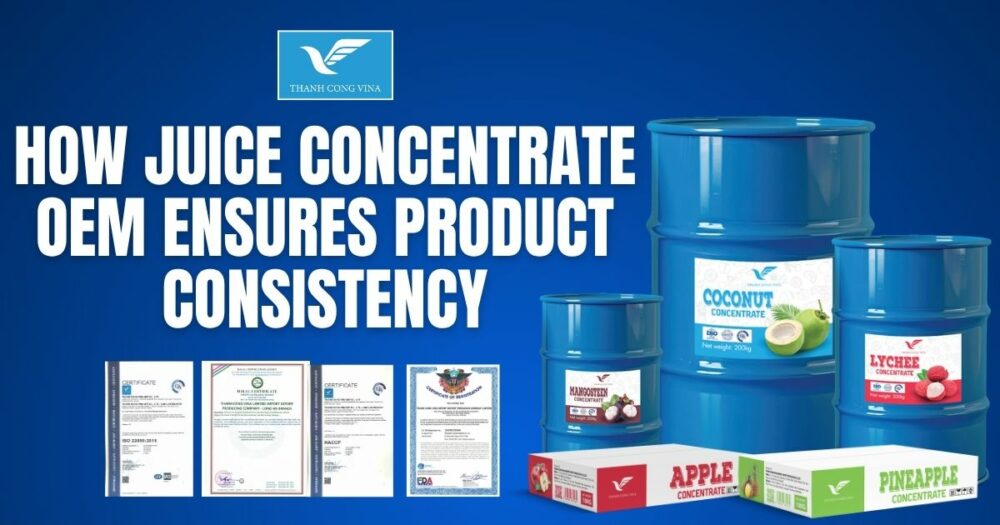
The first factor to examine is the factory’s certification system. Professional manufacturers usually hold international certifications such as HACCP, ISO, HALAL, GMP, and FDA registration. These certifications demonstrate that the factory follows strict quality management and food safety procedures throughout production. Buyers importing products into regulated markets such as the United States, Europe, or the Middle East should prioritize suppliers with strong compliance records.
Product sampling is another essential step during supplier evaluation. Importers should always request samples to test flavor, aroma, sweetness, texture, acidity, and overall product stability. Laboratory testing may also be necessary for large commercial projects. Evaluating samples helps buyers confirm whether the concentrate meets production requirements and consumer preferences in their target markets.
Production capacity is equally important. Some suppliers may provide excellent samples but struggle to maintain large-scale production during peak seasons. Buyers should discuss monthly production volumes, lead times, raw material sourcing capabilities, and seasonal availability before finalizing agreements. Consistent supply is critical for beverage companies that require stable ingredient inventories.
Communication quality also reveals a great deal about supplier professionalism. Experienced exporters typically respond quickly, provide complete export documentation, and maintain transparent communication throughout the importing process. Reliable manufacturers understand international trade requirements and can support buyers with technical information, packaging solutions, and shipping coordination.
Long-term partnerships are particularly valuable in the beverage industry. Businesses that establish strong relationships with trusted Vietnamese suppliers often receive better pricing structures, production priority, and customized product development opportunities. Choosing a professional exporter of Juice Concentrate from Vietnam is therefore not only about current transactions but also about building sustainable future growth.
4. Step-by-Step Process for Importing Juice Concentrate from Vietnam
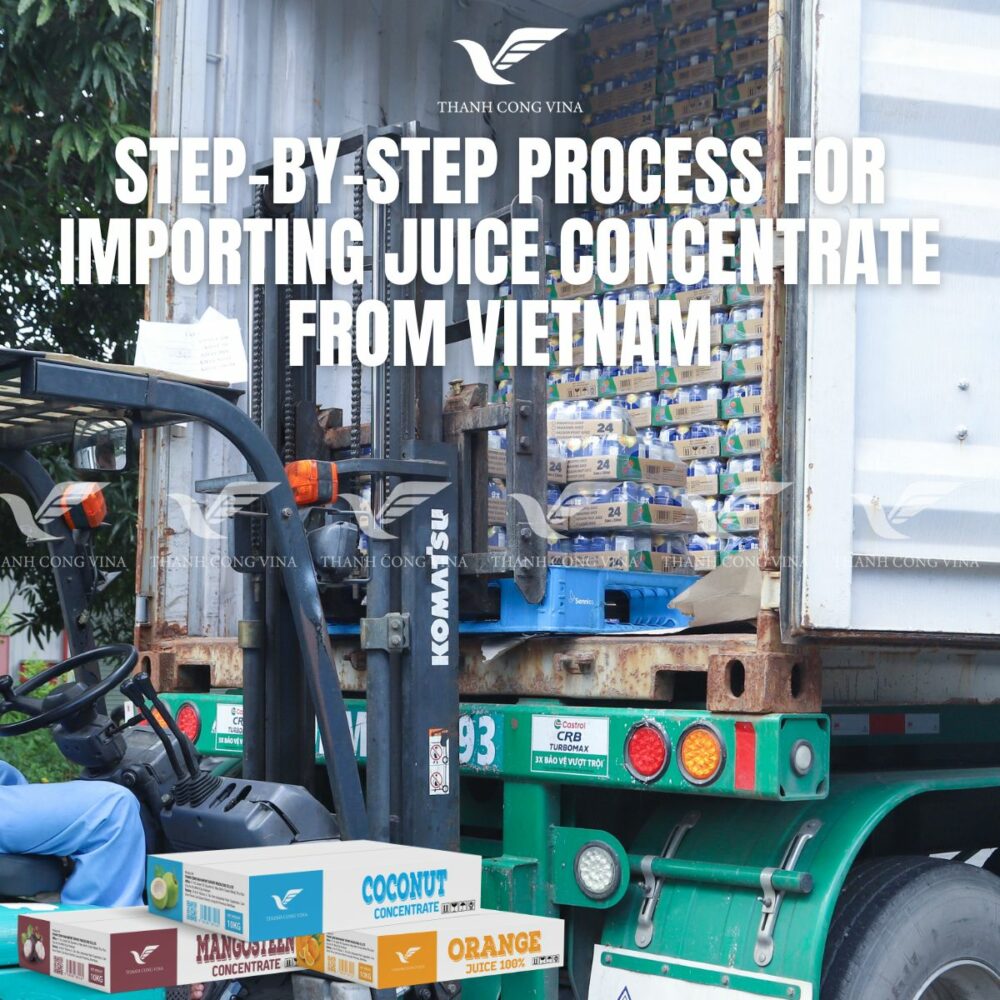
Step-by-Step Process for Importing Juice Concentrate from Vietnam
Importing Juice Concentrate from Vietnam involves several important stages, and understanding each step can help businesses avoid costly mistakes and operational delays. The process begins with identifying the exact product requirements. Buyers should clearly define the fruit type, desired Brix level, packaging format, target quantity, and certification requirements before approaching suppliers. Providing detailed specifications helps manufacturers prepare accurate quotations and production plans.
After determining product requirements, buyers usually contact several suppliers to compare pricing, quality standards, lead times, and export capabilities. Sample testing is an important part of this stage because it allows importers to evaluate product consistency before committing to bulk orders. Professional buyers often compare multiple samples from different factories to identify the best balance between quality and pricing.
Once the supplier is selected, both parties proceed to contract negotiations. Commercial agreements typically include product specifications, shipment schedules, payment terms, packaging requirements, and quality control conditions. Well-structured contracts help minimize misunderstandings and create clear expectations for both sides.
Production begins after order confirmation and deposit payment. During this stage, manufacturers process the fruits, conduct quality inspections, and prepare export packaging according to buyer specifications. Some international buyers also arrange third-party inspections to verify product quality before shipment departure.
Shipping coordination is another critical phase. Most concentrate products are transported by sea freight because it offers better cost efficiency for large-volume shipments. Depending on the product category, temperature-controlled containers may be required to maintain quality during transportation. Professional exporters of Juice Concentrate from Vietnam usually assist buyers with logistics planning and export documentation.
Customs clearance procedures vary depending on the importing country. Common export documents include commercial invoices, packing lists, certificates of origin, health certificates, and bills of lading. Buyers should work closely with customs brokers and freight forwarders to ensure all documentation complies with local import regulations.
Successful importing requires effective coordination between suppliers, logistics providers, and customs authorities. Companies that carefully manage each step can build efficient supply chains and strengthen their competitiveness in the beverage industry.
5. Quality Standards and Certifications for International Markets
Food safety and quality assurance are among the most important factors when importing Juice Concentrate from Vietnam. International buyers must ensure that products comply with regulatory standards in their target markets while also meeting consumer expectations for safety and consistency.
Vietnamese manufacturers serving export markets typically invest heavily in modern processing technology and quality management systems. HACCP certification is widely recognized in the food industry because it focuses on identifying and controlling potential hazards during production. Many professional exporters also maintain ISO certification to ensure consistent operational procedures and product quality.
HALAL certification has become increasingly important as demand from Muslim-majority markets continues to rise. Buyers targeting regions such as the Middle East, Indonesia, and Malaysia often require HALAL-certified products to comply with local regulations and consumer preferences. Vietnamese exporters are increasingly adapting to these requirements to expand their global market reach.
For exports to the United States, FDA registration is another essential requirement. Buyers should verify that the supplier meets all relevant FDA regulations before placing commercial orders. European markets may also require compliance with strict food safety and traceability standards.
Laboratory testing plays a significant role in maintaining product quality. Manufacturers commonly test for microbiological contamination, pesticide residues, heavy metals, acidity levels, sugar concentration, and product stability. Reliable testing procedures help ensure that concentrate products remain safe throughout transportation and storage.
Traceability systems are becoming increasingly valuable in global food supply chains. Buyers prefer suppliers that can trace raw materials back to farming regions and provide transparency regarding sourcing practices. This level of accountability strengthens consumer trust and enhances brand reputation.
Importers that prioritize certified and professionally tested Juice Concentrate from Vietnam products are better positioned to compete in international beverage markets where food safety expectations continue to increase.
6. OEM Beverage Manufacturing Opportunities in Vietnam
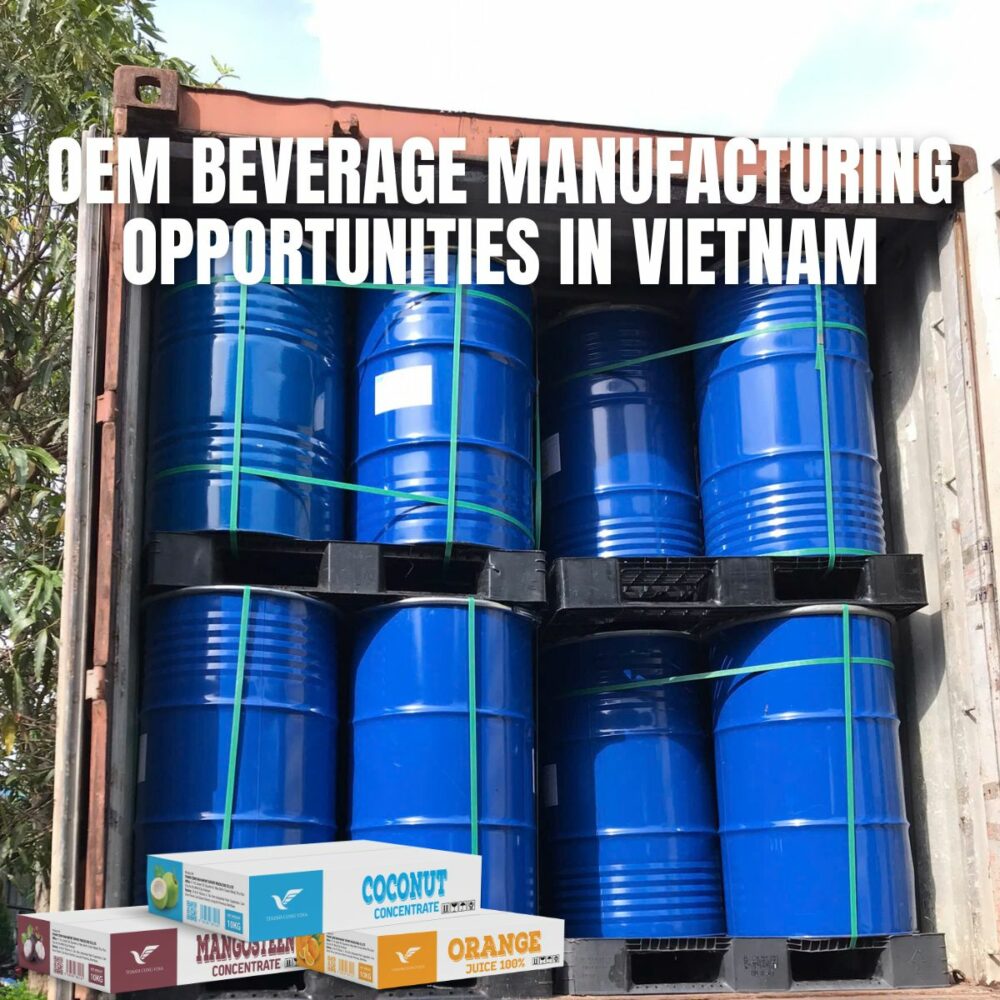
OEM Beverage Manufacturing Opportunities in Vietnam
Vietnam has become a highly attractive destination for OEM and private label beverage manufacturing. In addition to supplying raw ingredients, many Vietnamese factories now provide complete beverage production services for international brands seeking customized drink solutions.
The flexibility offered by Vietnamese manufacturers allows businesses to create unique beverage concepts tailored to specific consumer markets. Companies can customize fruit blends, sweetness levels, functional ingredients, packaging formats, and branding strategies according to their commercial goals. This makes Juice Concentrate from Vietnam an excellent foundation for innovative beverage development.
OEM beverage services are especially beneficial for startups, supermarket chains, distributors, and established beverage brands that want to launch products without investing in their own production facilities. Vietnamese factories often support the entire process, from product formulation and flavor development to packaging design and export logistics.
The demand for tropical beverages continues to increase worldwide, particularly among younger consumers seeking natural and exotic drink experiences. Vietnamese fruit concentrates provide authentic tropical flavors that help brands differentiate themselves in competitive markets. Popular beverage applications include juice drinks, smoothies, sparkling fruit beverages, coconut drinks, aloe vera beverages, and functional wellness drinks.
Modern Vietnamese factories can manufacture products in various packaging formats such as aluminum cans, PET bottles, glass bottles, and aseptic packaging systems. This production flexibility allows brands to target multiple distribution channels, including retail supermarkets, convenience stores, restaurants, cafes, and food service businesses.
Long-term OEM partnerships can create significant business advantages. Importers often gain access to better pricing structures, faster production schedules, customized product innovation, and stronger supply chain stability. As Vietnam’s beverage industry continues to expand, more international companies are recognizing the strategic value of sourcing and manufacturing Juice Concentrate from Vietnam through experienced OEM partners.
Conclusion
Importing Juice Concentrate from Vietnam offers outstanding opportunities for beverage companies, distributors, and food manufacturers seeking high-quality tropical ingredients at competitive prices. Vietnam’s strong agricultural foundation, advanced processing technology, international certifications, and growing export expertise have positioned the country as one of the world’s most reliable suppliers of fruit concentrate products.
Understanding the importing process is essential for achieving long-term business success. From supplier selection and product testing to logistics management and regulatory compliance, every stage requires careful planning and professional coordination. TCVINA that work with experienced Vietnamese manufacturers can benefit from stable product quality, flexible OEM solutions, and efficient export support tailored to international market demands.
As global consumers continue to prioritize natural beverages and tropical flavors, the demand for Vietnamese fruit concentrate products is expected to grow even further. Companies that establish strategic partnerships with reliable exporters today can strengthen their competitive advantage in the evolving beverage industry. With professional manufacturing capabilities, international certifications, and extensive export experience, Thanh Cong Vina continues to support global buyers seeking premium Juice Concentrate from Vietnam and long-term beverage business growth opportunities.