
Juice Concentrate production has become a vital part of the global beverage supply chain, supporting manufacturers of fruit juices, soft drinks, dairy beverages, confectionery products, and functional drinks. As environmental concerns continue to influence purchasing decisions and corporate strategies, sustainability has become a key focus across the food and beverage industry. Consumers, retailers, distributors, and international brands are increasingly seeking products sourced through environmentally responsible production methods.
Vietnam has emerged as one of the leading suppliers of tropical fruit ingredients, supported by abundant agricultural resources, modern processing facilities, and growing export capabilities. In recent years, the country has also accelerated efforts to improve sustainability throughout the entire value chain, from farming and raw material sourcing to processing, packaging, and distribution. These initiatives are helping Vietnamese manufacturers meet international expectations while strengthening their competitiveness in global markets.
Understanding how sustainable Juice Concentrate production works in Vietnam provides valuable insights into the future of the beverage industry. This article explores the environmental, economic, and operational practices that support responsible production while maintaining product quality and export performance.
1. The Growing Importance of Sustainability in Juice Concentrate Production
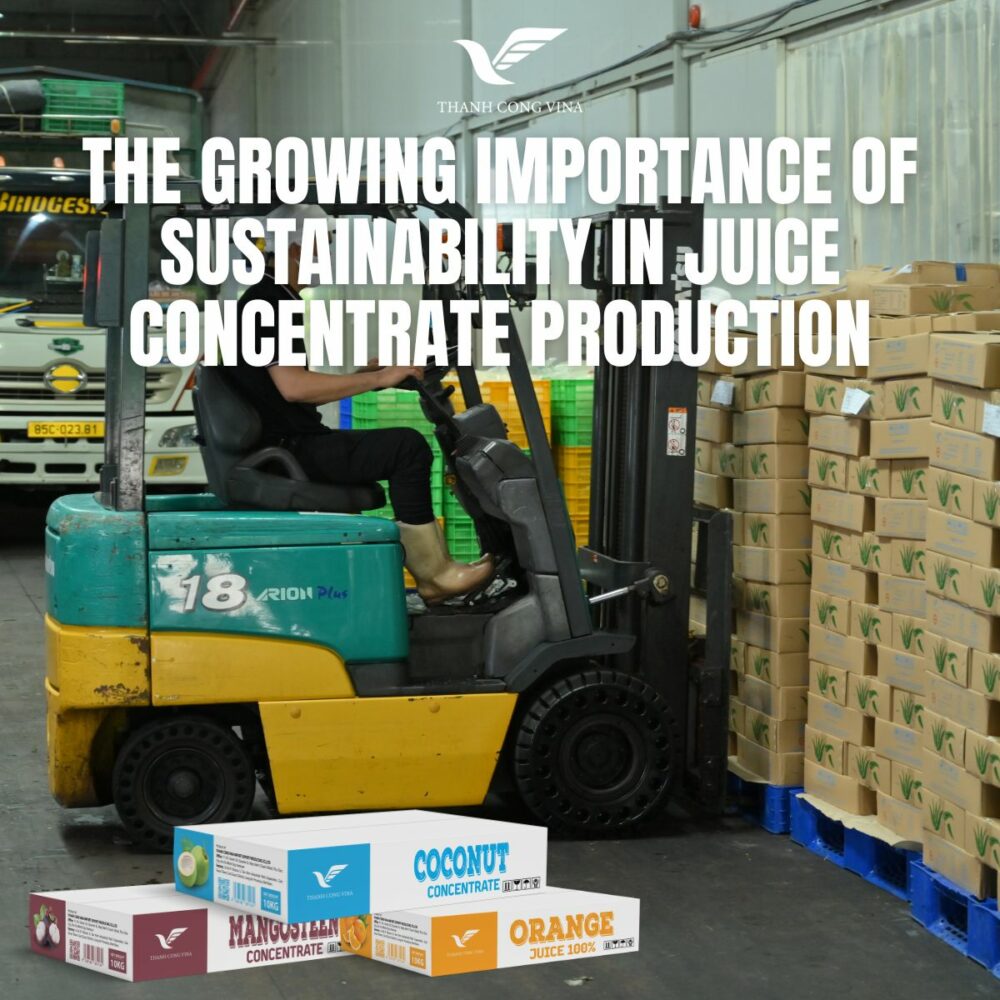
The Growing Importance of Sustainability in Juice Concentrate Production
Why Sustainability Matters in the Beverage Industry
The global food and beverage sector is experiencing significant transformation as environmental concerns become increasingly important. Companies throughout the supply chain are expected to reduce their environmental footprint while maintaining product quality and profitability. As a result, sustainable Juice Concentrate production has become a priority for both manufacturers and buyers.
Consumers today are more informed than ever before. They want to understand where ingredients come from, how products are manufactured, and what impact production has on the environment. Beverage brands are responding by seeking suppliers that can demonstrate responsible sourcing practices and sustainable manufacturing operations.
Sustainability also provides long-term business benefits. Efficient resource utilization, reduced waste generation, lower energy consumption, and responsible agricultural management can improve operational performance while supporting environmental objectives.
For Vietnamese manufacturers, investing in sustainable Juice Concentrate production strengthens their ability to compete in international markets where sustainability requirements continue to evolve.
Global Market Expectations
Major beverage brands and retailers increasingly include sustainability criteria within supplier evaluation processes. Buyers often assess environmental performance alongside traditional factors such as quality, pricing, and delivery reliability.
This trend has encouraged producers of Juice Concentrate to adopt more environmentally responsible practices and invest in long-term sustainability initiatives.
As international standards continue developing, sustainability is expected to become an even more important competitive differentiator.
2. Sustainable Agriculture as the Foundation of Juice Concentrate Production
Responsible Fruit Cultivation Practices
The sustainability journey of Juice Concentrate begins at the farm level. Vietnam’s tropical fruit industry provides the raw materials used in concentrate manufacturing, making agricultural practices a critical component of environmental performance.
Many farmers are adopting more responsible cultivation methods designed to reduce environmental impact while maintaining productivity. These practices may include efficient irrigation systems, improved soil management, integrated pest management, and reduced chemical usage.
Sustainable farming approaches help preserve natural resources while ensuring long-term agricultural productivity. They also contribute to higher-quality fruit production, which benefits concentrate manufacturers and end customers.
By improving agricultural sustainability, the entire Juice Concentrate value chain becomes stronger and more resilient.
Strengthening Farmer Partnerships
Many manufacturers work directly with agricultural communities to promote sustainable farming practices. Long-term partnerships enable processors to provide technical guidance, training programs, and quality requirements that encourage responsible production methods.
These collaborations improve traceability and support consistent raw material quality. They also create economic benefits for farming communities while helping manufacturers secure reliable fruit supplies.
Strong relationships between growers and processors contribute significantly to sustainable Juice Concentrate production in Vietnam.
3. Energy Efficiency in Juice Concentrate Manufacturing
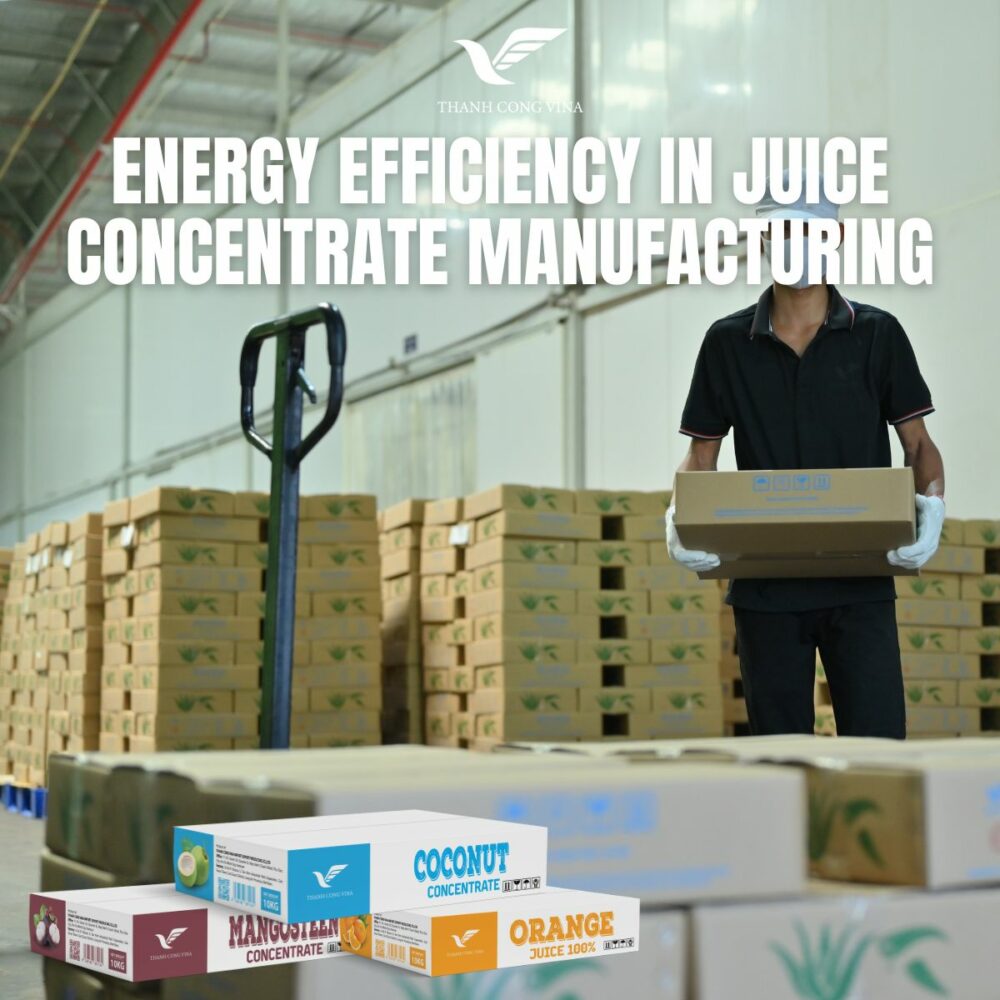
Energy Efficiency in Juice Concentrate Manufacturing
Reducing Energy Consumption
Manufacturing Juice Concentrate requires substantial energy inputs for washing, extraction, concentration, pasteurization, refrigeration, and packaging processes. As energy costs rise and environmental concerns increase, manufacturers are focusing on improving operational efficiency.
Many Vietnamese facilities have invested in modern processing technologies designed to reduce energy consumption. Automated equipment, optimized production systems, and efficient process controls help lower resource requirements while maintaining productivity.
Energy-efficient operations not only reduce environmental impact but also improve long-term cost competitiveness. These benefits support both sustainability objectives and business performance.
Continuous investment in technology remains essential for the future of sustainable Juice Concentrate manufacturing.
Exploring Renewable Energy Solutions
Some producers are also exploring renewable energy opportunities as part of broader sustainability strategies. Solar energy systems, energy recovery technologies, and alternative power sources can help reduce dependence on conventional energy supplies.
Although adoption levels vary, interest in renewable energy continues growing throughout the food processing industry. These initiatives support environmental goals while improving long-term operational resilience.
Renewable energy investments represent an important step toward more sustainable Juice Concentrate production practices.
4. Water Management and Resource Conservation
Efficient Water Usage
Water is one of the most important resources involved in Juice Concentrate production. It is used for fruit washing, equipment cleaning, processing operations, and facility sanitation.
Responsible water management has become a major focus for manufacturers seeking to improve sustainability performance. Many facilities implement monitoring systems that track water usage and identify opportunities for conservation.
Advanced processing technologies often require less water while maintaining product quality and food safety standards. These improvements contribute to greater environmental efficiency throughout the production process.
Efficient water use supports sustainable Juice Concentrate manufacturing while helping protect valuable natural resources.
Wastewater Treatment and Environmental Protection
Proper wastewater management is equally important. Processing facilities generate wastewater that must be treated before discharge or reuse.
Modern treatment systems help remove contaminants and ensure compliance with environmental regulations. Some facilities also explore water recycling opportunities that further reduce resource consumption.
Strong wastewater management practices demonstrate a commitment to responsible Juice Concentrate production and environmental stewardship.
As regulations become more stringent, effective water management will remain a critical component of sustainable operations.
5. Waste Reduction and Circular Economy Initiatives
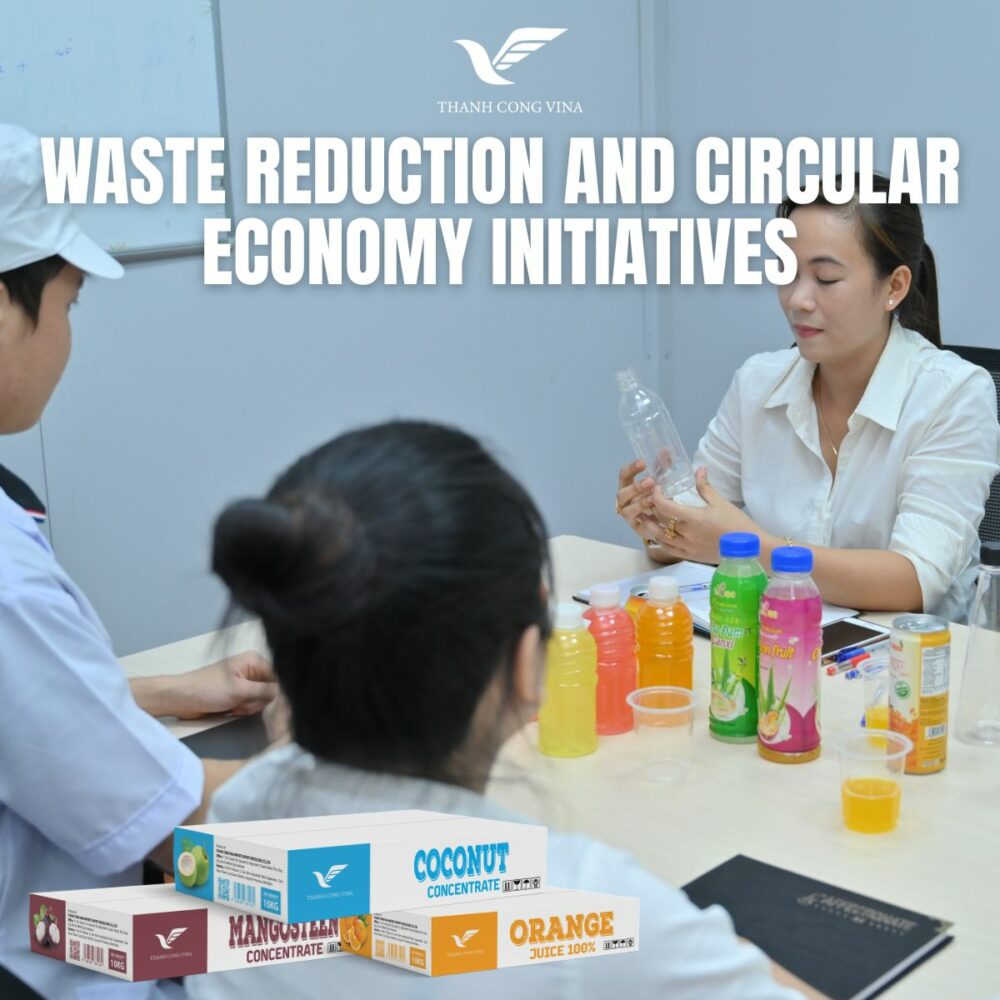
Waste Reduction and Circular Economy Initiatives
Utilizing Fruit By-Products
One of the most promising sustainability opportunities within Juice Concentrate production involves the utilization of fruit processing by-products. Peels, seeds, pulp, and other residual materials can often be repurposed rather than discarded.
These materials may be used for animal feed, compost production, natural ingredient extraction, or other industrial applications. Repurposing by-products reduces waste while creating additional economic value.
Circular economy principles encourage manufacturers to maximize resource utilization and minimize disposal requirements.
Vietnamese producers are increasingly exploring innovative ways to convert processing residues into useful products.
Minimizing Production Waste
Waste reduction initiatives extend beyond by-product utilization. Manufacturers continuously evaluate production processes to identify opportunities for improving efficiency and reducing material losses.
Automation, process optimization, employee training, and quality management systems all contribute to waste reduction efforts. These improvements support sustainability while enhancing operational performance.
Reducing waste strengthens the competitiveness of Juice Concentrate production and aligns with international environmental expectations.
6. Sustainable Packaging and Distribution
Environmentally Responsible Packaging Solutions
Packaging plays a significant role in the environmental impact of Juice Concentrate products. Manufacturers are increasingly exploring packaging materials and designs that reduce resource consumption while maintaining product protection.
Lightweight packaging, recyclable materials, and optimized package designs help improve sustainability performance. These solutions can reduce transportation emissions while supporting waste reduction objectives.
Sustainable packaging has become an important consideration for both manufacturers and consumers.
As environmental awareness continues growing, demand for responsible packaging solutions is expected to increase throughout the beverage industry.
Improving Logistics Efficiency
Transportation and distribution also influence the environmental footprint of Juice Concentrate products. Efficient logistics planning helps reduce fuel consumption and transportation-related emissions.
Concentrate products already offer sustainability advantages because their reduced water content lowers shipping weight and improves transportation efficiency compared with single-strength juice.
Optimized logistics systems further enhance these benefits and contribute to more sustainable global supply chains.
Efficient distribution remains an important component of environmental performance.
7. Certifications and International Sustainability Standards
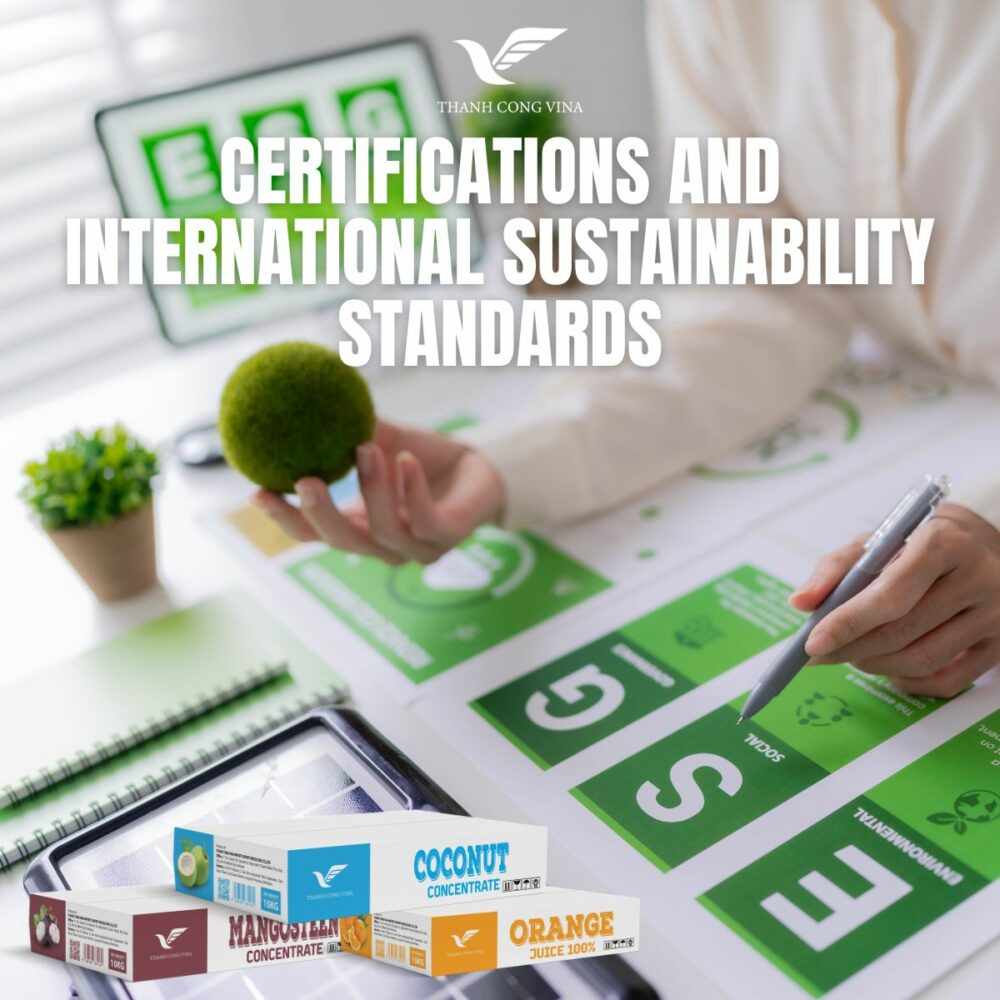
Certifications and International Sustainability Standards
Meeting Global Expectations
International customers increasingly expect suppliers of Juice Concentrate to demonstrate compliance with environmental and food safety standards. Certifications provide evidence that manufacturers follow recognized best practices.
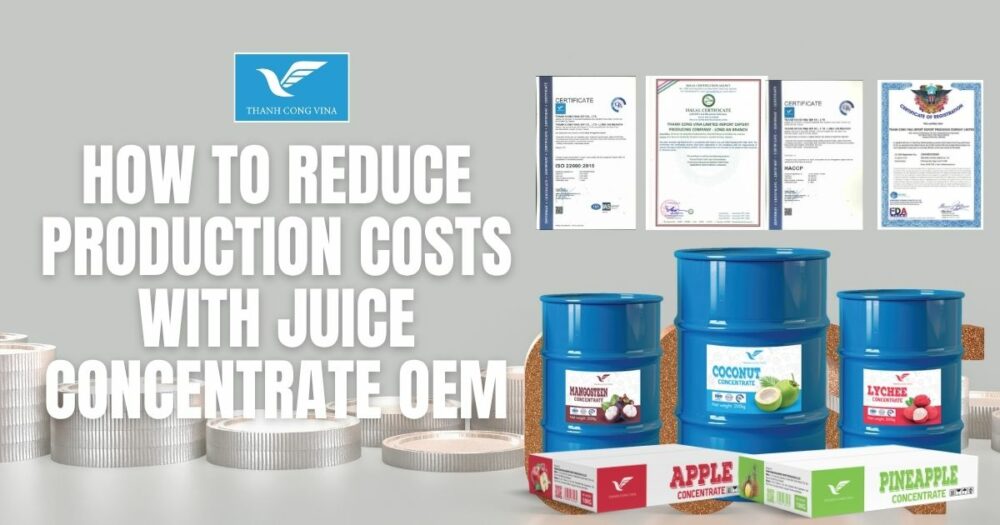
Common certifications may include ISO standards, HACCP systems, GMP programs, and various sustainability-related initiatives. These certifications strengthen credibility and support market access.
For exporters, certification programs help communicate commitment to quality, safety, and environmental responsibility.
Compliance with international standards has become a valuable competitive advantage.
Building Long-Term Trust
Sustainability efforts also contribute to stronger relationships between suppliers and customers. Buyers prefer partners that share their commitment to responsible business practices.
By investing in sustainable Juice Concentrate production, manufacturers can strengthen trust, improve brand reputation, and support long-term business growth.
Transparency and accountability will continue playing important roles within global supply chains.
8. The Future of Sustainable Juice Concentrate Production in Vietnam
Innovation Driving Future Growth
The future of Juice Concentrate production in Vietnam will be shaped by ongoing innovation. Advances in agricultural practices, processing technologies, resource management systems, and packaging solutions will continue improving sustainability performance.
Manufacturers that embrace innovation will be better positioned to meet changing customer expectations and regulatory requirements.
Continuous improvement remains essential for maintaining competitiveness in global markets.
Strengthening Vietnam’s Global Position
Vietnam’s commitment to sustainability supports its emergence as a leading supplier of tropical fruit ingredients. By combining agricultural strengths with responsible production practices, the country can continue expanding its presence in international markets.
Sustainable Juice Concentrate production not only benefits the environment but also strengthens economic growth, export performance, and long-term industry resilience.
These advantages position Vietnam for continued success within the evolving beverage sector.
Conclusion
Sustainability has become an essential component of modern Juice Concentrate production, influencing decisions across farming, manufacturing, packaging, logistics, and customer relationships. Vietnam’s growing focus on responsible agriculture, energy efficiency, water conservation, waste reduction, sustainable packaging, and international compliance demonstrates its commitment to building a more environmentally responsible beverage industry.
As global buyers increasingly prioritize sustainability alongside quality and pricing, Vietnamese manufacturers are well-positioned to meet evolving market expectations. Continued investments in innovation, technology, and resource management will further strengthen the country’s competitiveness within the global beverage supply chain.
Thanh Cong Vina remains dedicated to supporting sustainable growth through advanced manufacturing practices, rigorous quality management, and responsible sourcing strategies. By combining industry expertise with a long-term commitment to environmental stewardship, Thanh Cong Vina delivers reliable solutions for customers around the world. As sustainability continues shaping the future of the beverage sector, Thanh Cong Vina Beverage is proud to contribute to the advancement of high-quality Juice Concentrate production in Vietnam.