
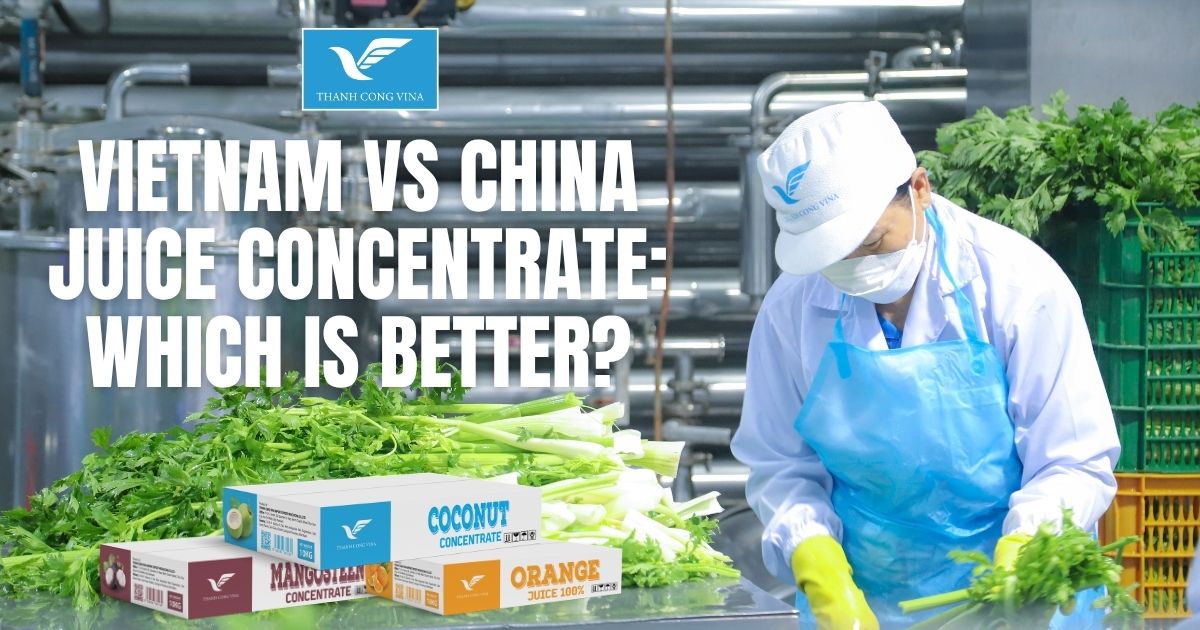
Juice Concentrate plays a crucial role in the global beverage industry, serving as a key ingredient for fruit juices, juice drinks, smoothies, dairy products, confectionery, and functional beverages. As demand for natural fruit-based ingredients continues to increase worldwide, buyers are actively comparing sourcing destinations to identify the best combination of quality, reliability, pricing, and long-term value.
Among the leading suppliers in Asia, Vietnam and China are often compared due to their strong agricultural sectors and extensive food processing industries. Both countries export large volumes of fruit-based ingredients to international markets and possess significant manufacturing capabilities. However, differences in fruit resources, production methods, quality control systems, export flexibility, labor structures, and market positioning create distinct advantages for each country.
For importers, beverage manufacturers, wholesalers, and private label brands, understanding these differences is essential when selecting the right supplier. This article provides a detailed comparison of Juice Concentrate production in Vietnam and China, examining key factors that influence sourcing decisions and long-term business success.
1. Understanding the Global Importance of Juice Concentrate
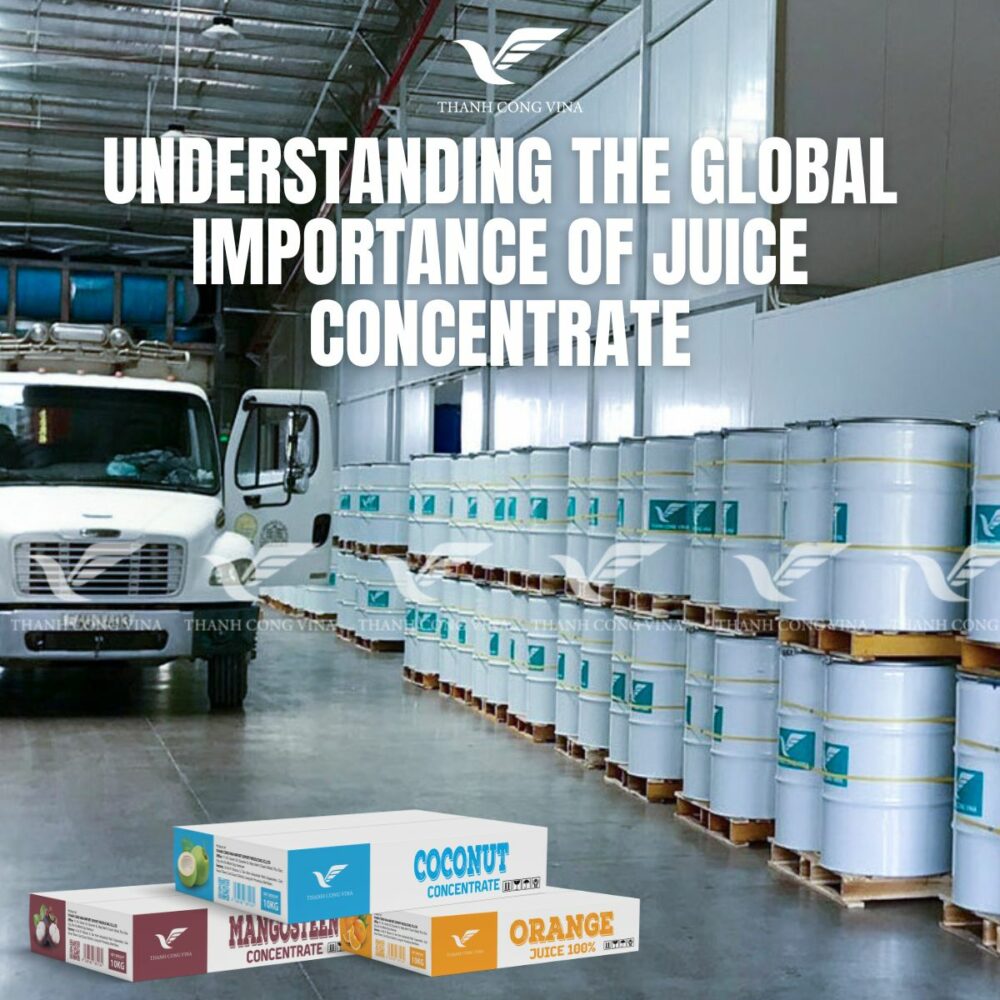
Understanding the Global Importance of Juice Concentrate
Why Concentrates Remain Essential for Beverage Manufacturing
The global beverage sector depends heavily on Juice Concentrate because it provides manufacturers with a cost-effective and efficient ingredient solution. By removing a significant portion of water content, concentrates reduce transportation costs, improve shelf life, simplify storage, and enhance production flexibility.
Manufacturers use concentrates to create a wide range of beverages while maintaining consistent flavor profiles and product quality. As consumer demand for fruit-based beverages grows, sourcing reliable concentrate supplies becomes increasingly important.
Both Vietnam and China have developed large-scale industries capable of supporting international demand. However, the way each country approaches Juice Concentrate production differs significantly.
Factors Buyers Consider When Comparing Suppliers
When evaluating sourcing destinations, buyers typically analyze several key criteria. These include raw material quality, production capacity, food safety standards, certifications, logistics efficiency, pricing competitiveness, customization capabilities, and long-term supply stability.
The comparison between Vietnam and China is not simply about production volume. It involves understanding which country can better meet specific business objectives related to quality, branding, market positioning, and operational efficiency.
For many buyers, selecting the right Juice Concentrate supplier requires balancing cost considerations with product performance and supply chain reliability.
2. Fruit Resources: Vietnam vs China
Vietnam’s Tropical Fruit Advantage
Vietnam possesses one of the most diverse tropical fruit industries in Southeast Asia. The country’s climate supports year-round cultivation of mangoes, pineapples, passion fruits, guavas, dragon fruits, coconuts, lychees, oranges, and many other fruits commonly used in Juice Concentrate manufacturing.
This diversity allows Vietnamese suppliers to offer a broad portfolio of tropical fruit concentrates that appeal to beverage brands seeking exotic and premium flavors. The natural sweetness and strong flavor profiles of Vietnamese tropical fruits often create advantages in beverage formulation.
Because many fruits can be harvested multiple times annually, manufacturers benefit from stable raw material availability and consistent production schedules.
China’s Large Agricultural Scale
China’s primary advantage lies in its enormous agricultural production capacity. The country produces vast quantities of apples, pears, peaches, grapes, citrus fruits, and various other crops used in Juice Concentrate production.
Chinese manufacturers often benefit from economies of scale due to the sheer size of agricultural operations. This allows them to supply substantial volumes to global markets.
However, China is generally stronger in temperate fruit categories, whereas Vietnam enjoys a competitive advantage in tropical fruit-based concentrate production. The choice often depends on the specific fruit ingredients required by the buyer.
3. Juice Concentrate Quality and Product Characteristics
Juice Concentrate Quality and Product Characteristics
Flavor Profiles and Natural Fruit Content
One important consideration when sourcing Juice Concentrate is flavor quality. Vietnamese tropical fruits are known for their rich aroma, vibrant color, and intense flavor characteristics. These attributes can enhance beverage formulations and improve consumer appeal.
For products featuring mango, passion fruit, pineapple, guava, or dragon fruit, Vietnam often offers highly attractive flavor profiles. Beverage brands seeking authentic tropical tastes frequently prefer Vietnamese ingredients.
Chinese concentrates also deliver strong quality performance, particularly in apple and pear categories. However, product characteristics may vary depending on regional sourcing practices and manufacturing approaches.
Consistency and Processing Standards
Both Vietnam and China have invested significantly in modern processing technologies. Advanced extraction systems, filtration equipment, concentration technologies, and aseptic packaging facilities support high-quality Juice Concentrate production.
Vietnamese manufacturers increasingly emphasize premium positioning through strict quality management systems and customer-focused production practices. Chinese manufacturers often emphasize large-scale efficiency and volume production.
For buyers focused on premium beverage categories, consistency and sensory performance may be equally important as production capacity.
4. Manufacturing Capabilities and Technology Comparison
Vietnam’s Growing Processing Industry
Over the last decade, Vietnam has transformed its food processing sector through substantial investments in technology and infrastructure. Modern facilities now support the production of high-quality Juice Concentrate products that meet international standards.
Automation, laboratory testing, traceability systems, and advanced packaging technologies have strengthened Vietnam’s competitiveness. Manufacturers are increasingly capable of producing customized products tailored to customer requirements.
The country’s focus on export-oriented growth has encouraged continuous modernization and quality improvement.
China’s Large-Scale Industrial Capacity
China remains one of the world’s largest food processing economies. Its manufacturing infrastructure supports enormous production volumes across multiple product categories.
Chinese Juice Concentrate producers often benefit from extensive factory networks, large labor pools, and significant operational scale. These advantages support efficient production and global distribution.
However, large-scale production does not always translate directly into greater flexibility. Some buyers find that Vietnamese suppliers provide more personalized service and customized solutions compared with larger Chinese operations.
5. Juice Concentrate Pricing Differences Between Vietnam and China
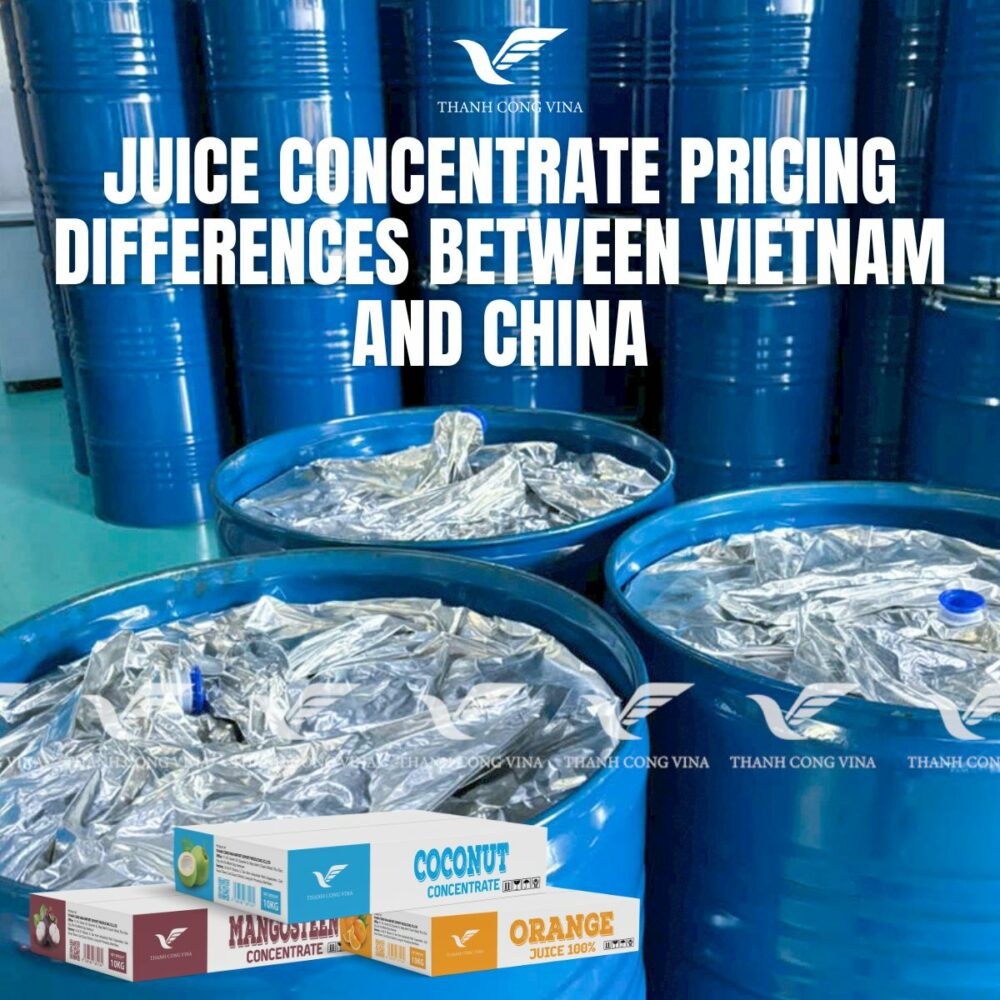
Juice Concentrate Pricing Differences Between Vietnam and China
Raw Material and Labor Costs
Pricing is one of the most important factors influencing sourcing decisions. Both Vietnam and China offer competitive manufacturing environments, but cost structures differ.
Vietnam often benefits from lower labor costs and strong access to locally grown tropical fruits. These advantages help reduce production expenses for many Juice Concentrate products.
China’s larger production scale can generate efficiency advantages, particularly in high-volume categories. However, rising labor costs and increasing operational expenses have affected certain manufacturing sectors in recent years.
The most cost-effective sourcing option often depends on the specific fruit category, order volume, and product requirements.
Total Value Beyond Price
While pricing matters, experienced buyers evaluate total value rather than focusing solely on product cost. Factors such as consistency, logistics performance, customer support, quality assurance, and customization capabilities influence long-term profitability.
Many beverage manufacturers find that premium-quality Juice Concentrate products can justify slightly higher pricing because they contribute to stronger finished-product performance and consumer satisfaction.
Therefore, sourcing decisions should consider both direct and indirect business impacts.
6. Certifications, Food Safety, and International Compliance
Vietnam’s Focus on Export Certifications
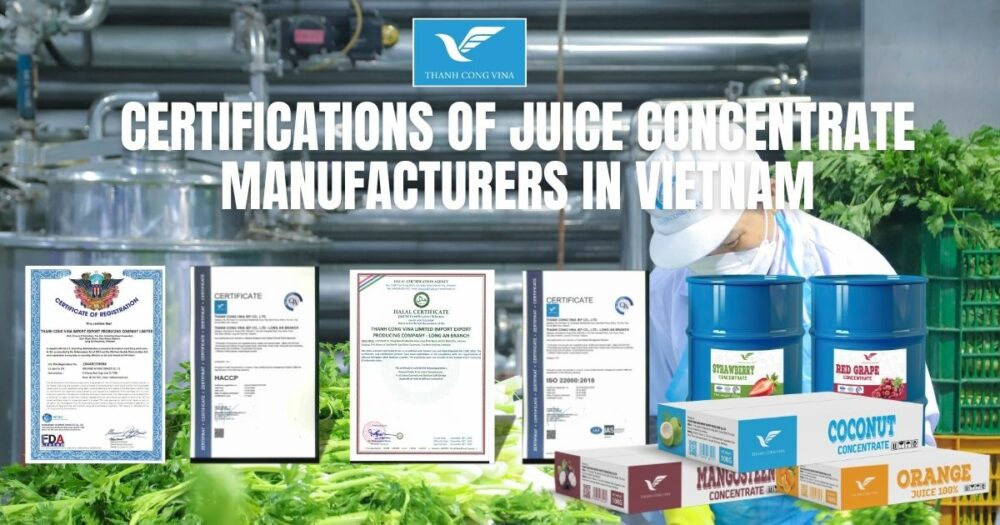
Vietnamese manufacturers increasingly maintain internationally recognized certifications such as HACCP, ISO 22000, GMP, HALAL, and FDA registration. These certifications demonstrate commitment to food safety and regulatory compliance.
Export-oriented Juice Concentrate suppliers understand the requirements of North American, European, Middle Eastern, and Asian markets. This experience helps facilitate smoother international trade relationships.
Certification programs also strengthen buyer confidence and support long-term partnerships.
China’s Regulatory Strengths
China also maintains extensive food safety regulations and certification systems. Large manufacturers serving international markets often possess comprehensive compliance capabilities and sophisticated quality management programs.
However, buyers should evaluate suppliers individually rather than making assumptions based solely on country of origin. Supplier-specific performance often has a greater impact than national averages.
Regardless of sourcing location, thorough supplier qualification remains essential when purchasing Juice Concentrate products.
7. Supply Chain Reliability and Export Flexibility
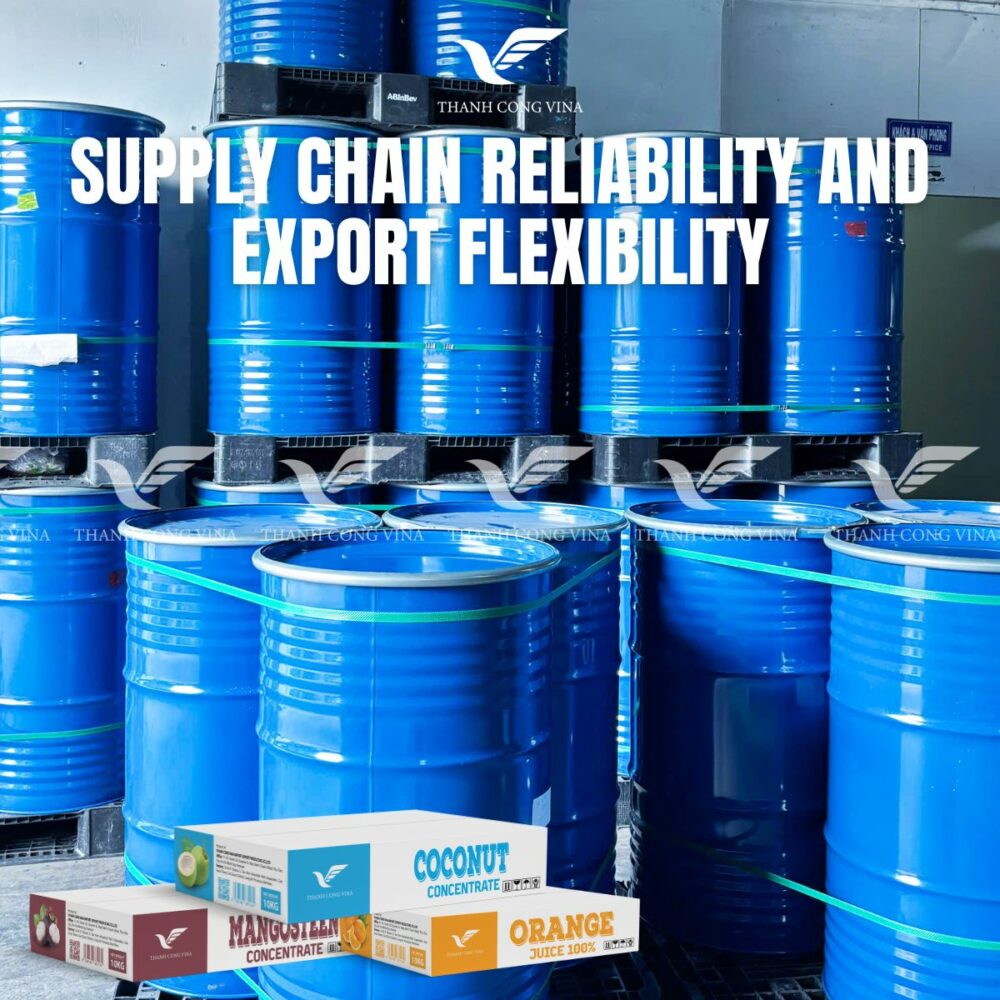
Supply Chain Reliability and Export Flexibility
Vietnam’s Customer-Oriented Export Model
Many Vietnamese exporters have built strong reputations by providing flexible production schedules, customized formulations, private label solutions, and responsive customer support.
This customer-focused approach helps beverage companies adapt quickly to changing market conditions. Suppliers often work closely with clients throughout product development and commercialization processes.
Such flexibility is particularly valuable for growing beverage brands seeking differentiated Juice Concentrate solutions.
China’s Strength in High-Volume Supply
China excels in supporting large-scale procurement programs that require significant production volumes and extensive manufacturing resources.
Major Chinese suppliers often possess sophisticated logistics networks and global distribution capabilities. For buyers prioritizing volume and standardization, these strengths can be attractive.
Ultimately, the choice depends on business priorities and sourcing objectives.
8. Which Country Is Better for Juice Concentrate Buyers?
Choosing Based on Business Needs
There is no universal answer regarding whether Vietnam or China is better for Juice Concentrate sourcing. The ideal choice depends on product requirements, target markets, pricing expectations, quality objectives, and supply chain strategies.
Businesses seeking tropical fruit specialization, flexible customization, and premium product positioning often find Vietnam highly attractive. Those requiring large-scale commodity production may view China as a strong option.
Evaluating suppliers based on operational capabilities rather than country alone is essential.
Long-Term Market Trends
Current market trends favor natural ingredients, tropical flavors, premium beverages, and clean-label products. These trends align closely with Vietnam’s strengths in tropical fruit cultivation and export-focused manufacturing.
As consumer demand evolves, Vietnam’s position within the global Juice Concentrate industry is expected to continue strengthening.
Manufacturers that prioritize innovation, quality, and customer collaboration are likely to benefit from future growth opportunities.
Conclusion
The comparison between Vietnam and China demonstrates that both countries play important roles within the global Juice Concentrate market. China offers impressive production scale, extensive manufacturing infrastructure, and strong commodity supply capabilities. Vietnam, meanwhile, stands out through its tropical fruit diversity, competitive cost structure, growing processing expertise, export-oriented quality systems, and customer-focused approach.
For beverage manufacturers seeking premium tropical ingredients, customized solutions, and reliable export partnerships, Vietnam often provides compelling advantages. The country’s continuous investments in food safety, processing technology, sustainability, and product innovation further strengthen its competitive position in international markets.
As global demand for fruit-based beverages continues expanding, Thanh Cong Vina remains committed to delivering premium-quality ingredients that meet the evolving needs of beverage brands worldwide. Through advanced manufacturing capabilities, rigorous quality control, and flexible OEM solutions, Thanh Cong Vina has become a trusted partner for customers seeking reliable sourcing opportunities. Businesses looking to build long-term success with high-quality ingredients can confidently choose Thanh Cong Vina as their strategic supplier of Juice Concentrate.