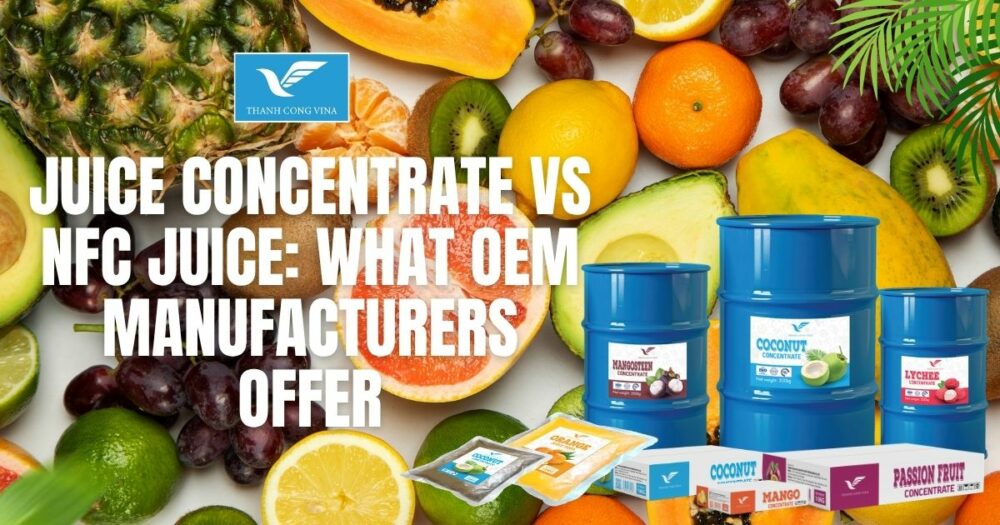

Juice Concentrate OEM has become a core solution in the modern beverage industry as brands increasingly look for scalable, cost-efficient, and flexible production models. At the same time, fresh juice production continues to appeal to consumers who prioritize natural freshness, minimal processing, and short ingredient lists. These two production approaches represent different philosophies in beverage manufacturing, each with its own advantages, limitations, and market applications.
As global demand for fruit-based beverages expands, companies face a strategic decision: should they invest in fresh juice production systems or partner with OEM manufacturers specializing in juice concentrate solutions? The answer depends on factors such as target markets, distribution channels, shelf life requirements, production costs, and branding strategies.
Understanding the differences between Juice Concentrate OEM and fresh juice production is essential for beverage brands seeking long-term competitiveness and sustainable growth in a highly competitive global market.https://thanhcongvina.com/how-to-choose-the-right-juice-concentrate-oem-partner/
1. Understanding Juice Concentrate OEM in Modern Beverage Manufacturing
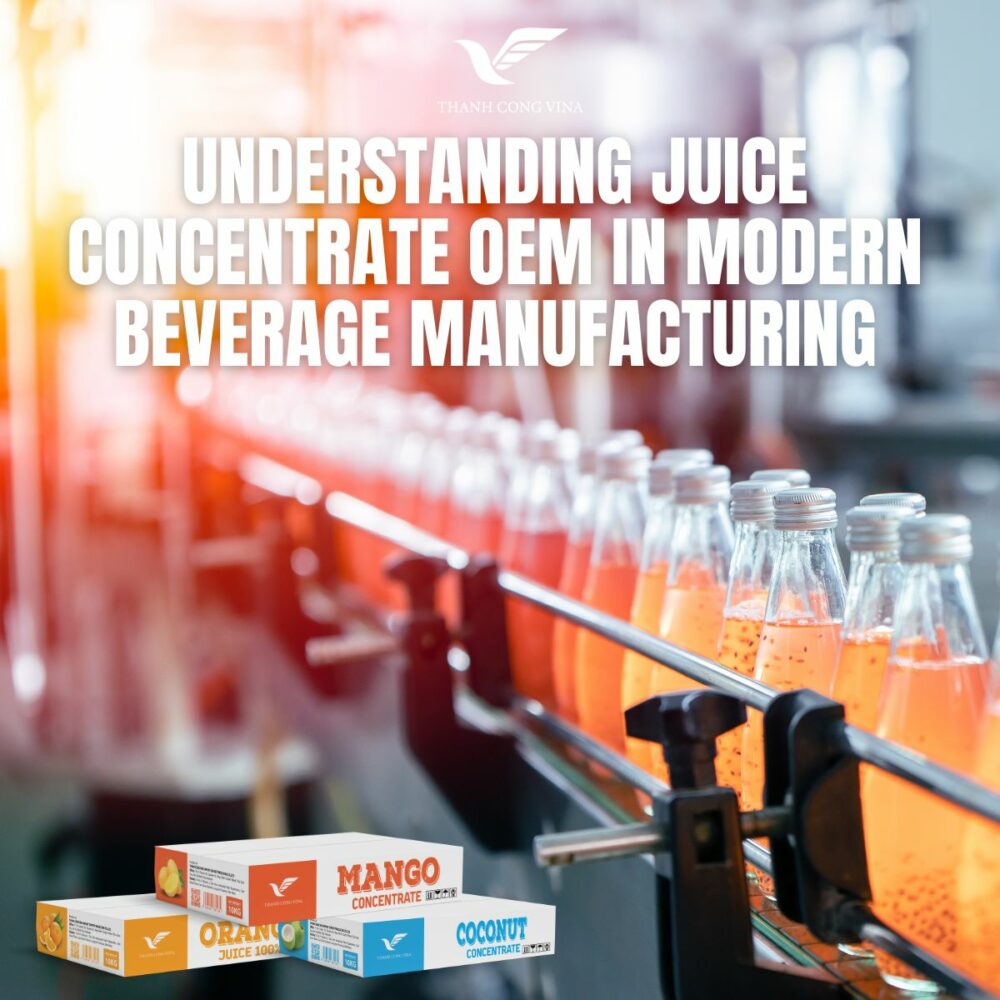
Understanding Juice Concentrate OEM in Modern Beverage Manufacturing
How Juice Concentrate OEM Works
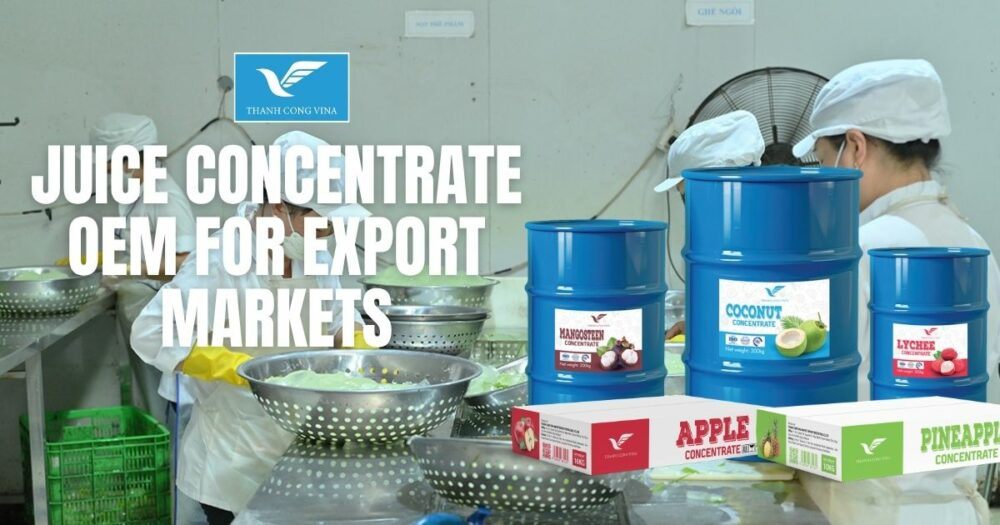
The Juice Concentrate OEM model is based on outsourcing beverage production to specialized manufacturers who produce juice concentrates on behalf of brands. These manufacturers handle everything from raw fruit sourcing and extraction to concentration, formulation, packaging, and export logistics.
Instead of producing beverages internally, companies collaborate with OEM partners who already possess advanced facilities and technical expertise. This allows brands to focus on marketing, distribution, and customer engagement while relying on professionals for manufacturing operations.
The process typically includes fruit selection, washing, pulping, enzymatic treatment, evaporation or concentration, quality testing, and final packaging.
This structured system ensures consistency, efficiency, and scalability across production batches.
Why OEM Models Are Growing Globally
Global beverage demand has increased significantly over the past decade. Consumers are seeking diverse flavors, healthier options, and convenient products with longer shelf life.
The Juice Concentrate OEM model addresses these needs by enabling manufacturers to produce stable, transportable, and versatile ingredients that can be used across multiple applications such as juices, smoothies, yogurts, desserts, and functional beverages.
OEM production allows companies to respond quickly to market trends without investing heavily in infrastructure.
This flexibility has made OEM manufacturing a preferred choice for both emerging and established beverage brands.
2. Why Juice Concentrate OEM Is Ideal for Large-Scale Production
Extended Shelf Life and Storage Efficiency
One of the most significant advantages of Juice Concentrate OEM production is its extended shelf life. Concentrated juice products have reduced water content, which minimizes microbial growth and improves stability during storage and transportation.
This allows companies to ship products across long distances without compromising quality. It also reduces logistical costs and simplifies inventory management.
Compared to fresh juice, concentrates offer superior efficiency for global distribution networks.
This advantage makes OEM products highly suitable for export-oriented businesses.
Cost Optimization in Production and Logistics
Cost efficiency is a major reason why many companies choose Juice Concentrate OEM solutions.
Concentrated juice reduces transportation volume, lowering shipping expenses and warehousing costs. In addition, large-scale OEM manufacturers benefit from economies of scale in raw material procurement and production operations.
These savings allow brands to maintain competitive pricing while preserving product quality.
Cost optimization plays a critical role in long-term business sustainability.
3. Fresh Juice Production and Its Market Position
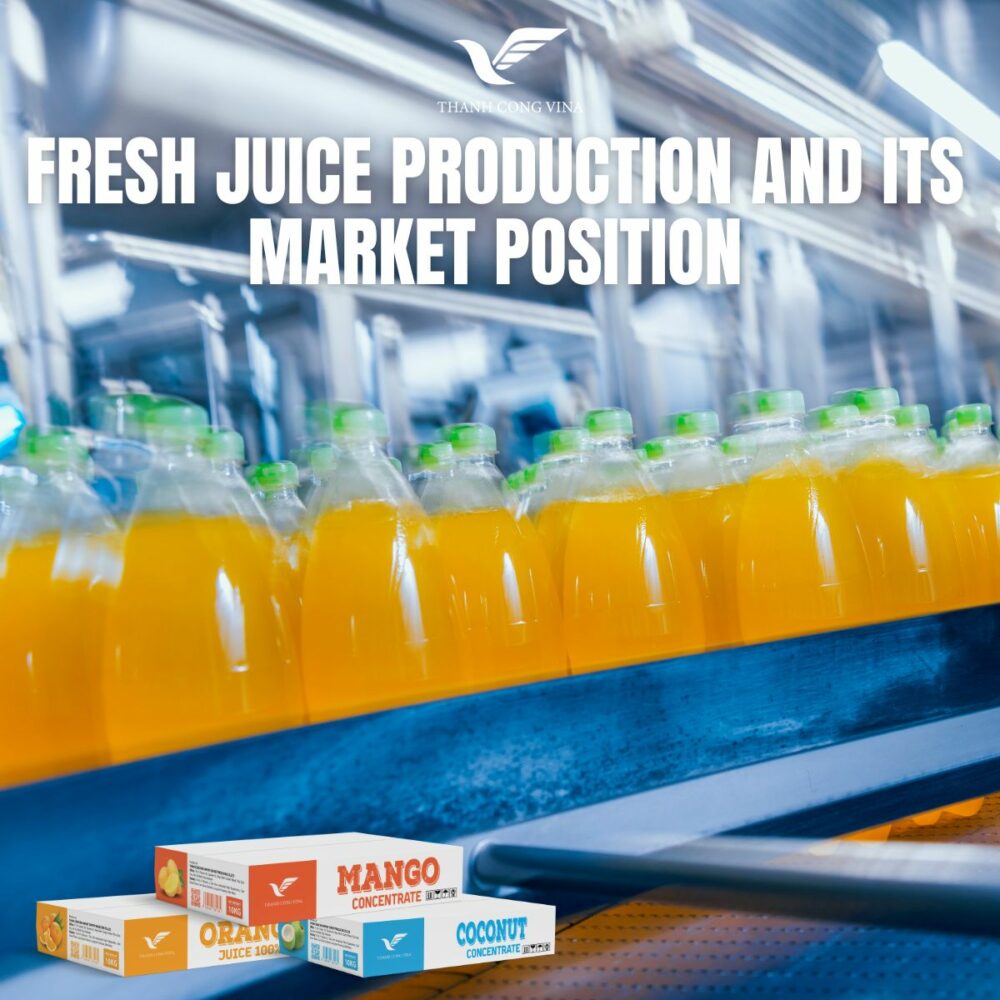
Fresh Juice Production and Its Market Position
Emphasis on Natural Freshness
Fresh juice production focuses on delivering beverages with minimal processing. Products are typically made from freshly extracted fruits without concentration or long-term preservation processes.
Consumers associate fresh juice with natural taste, nutritional integrity, and authenticity.
However, freshness comes with limitations in storage, distribution, and scalability.
Fresh juice must often be consumed quickly, which restricts market reach.
Limitations in Distribution and Shelf Life
Unlike Juice Concentrate OEM products, fresh juice has a short shelf life. This creates logistical challenges for manufacturers and retailers.
Cold chain transportation is often required, increasing operational costs significantly. Additionally, spoilage risks are higher, especially in warmer climates or long-distance exports.
These limitations restrict the scalability of fresh juice production.
While fresh juice appeals to niche markets, it is less suitable for global distribution.
4. Comparative Analysis: Juice Concentrate OEM vs Fresh Juice
Production Flexibility and Industrial Scale
When comparing Juice Concentrate OEM and fresh juice production, scalability is a key differentiator.
OEM concentrate production allows manufacturers to process large volumes of fruit efficiently and store finished products for extended periods. This enables flexible supply chain management and global distribution.
Fresh juice production, on the other hand, requires immediate processing and consumption, limiting production scalability.
For companies targeting international markets, OEM systems provide a clear advantage.
Market Applications and Product Versatility
Another important difference lies in product versatility.
Juice Concentrate OEM products can be used in multiple applications, including beverages, confectionery, dairy products, sauces, and functional foods.
Fresh juice is typically limited to direct consumption.
This versatility gives OEM manufacturers broader market opportunities and increased revenue potential.
Flexibility remains a key competitive advantage in modern beverage manufacturing.
5. Consumer Trends Driving Demand for Juice Concentrate OEM
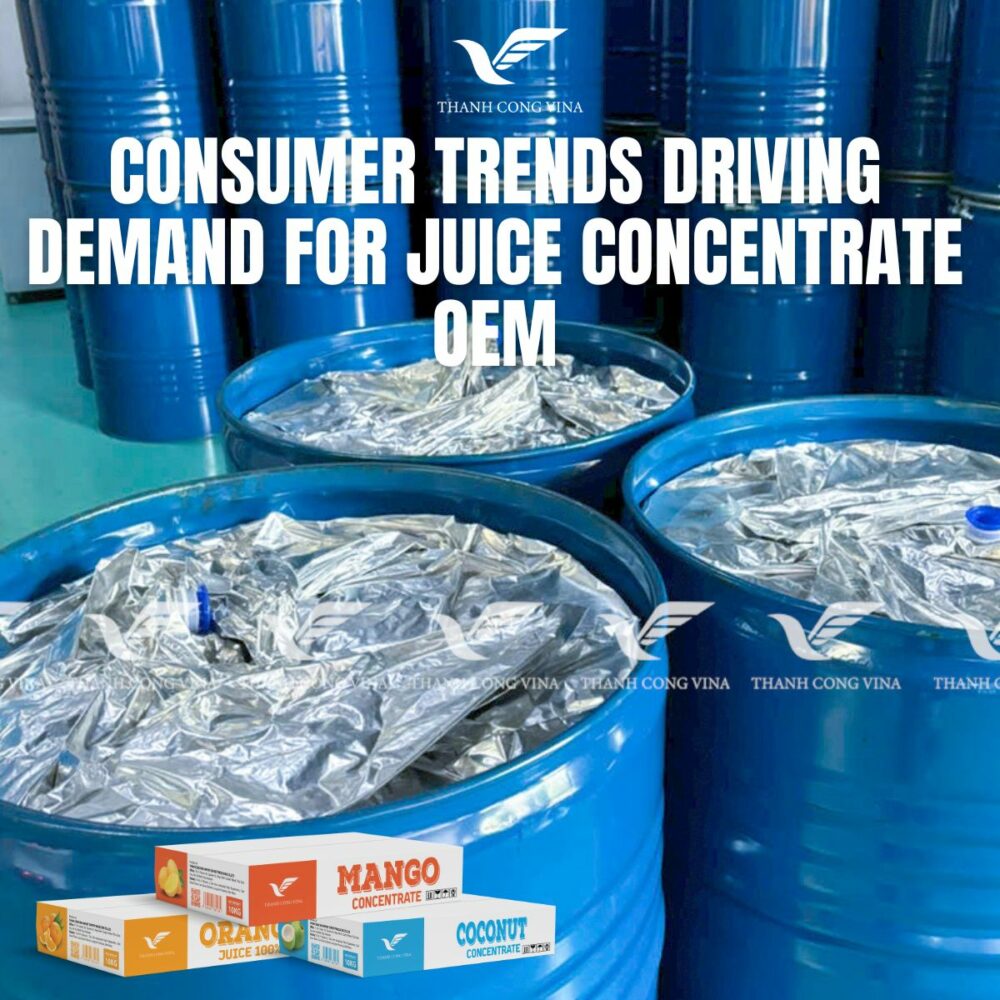
Consumer Trends Driving Demand for Juice Concentrate OEM
Rising Demand for Functional Beverages
Consumers are increasingly interested in beverages that offer health benefits beyond basic hydration. This includes drinks enriched with vitamins, antioxidants, and natural fruit extracts.
The Juice Concentrate OEM model supports this trend by enabling precise formulation control and ingredient customization.
Manufacturers can develop tailored solutions for specific consumer needs.
Functional beverages are expected to remain a major growth segment.
Preference for Convenience and Availability
Modern consumers value convenience and product availability. Long shelf life and easy distribution make concentrate-based beverages more accessible in retail and foodservice channels.
OEM production supports consistent supply across multiple regions and markets.
This ensures that brands can maintain availability even during supply chain disruptions.
Convenience continues to influence purchasing decisions globally.
6. Sustainability and Resource Efficiency Considerations
Reducing Food Waste Through Concentration
One often overlooked advantage of Juice Concentrate OEM production is its contribution to sustainability.
Concentration processes help preserve fruit that might otherwise spoil quickly. By reducing water content and extending shelf life, manufacturers can reduce food waste significantly.
This improves resource utilization across the supply chain.
Sustainability has become a key factor in supplier selection.
Environmental Impact of Fresh Juice Systems
Fresh juice production requires continuous sourcing of fresh fruit and rapid distribution, which can increase environmental pressure.
Cold storage, transportation, and short product lifecycles contribute to higher energy consumption and waste levels.
While fresh juice is perceived as natural, it may not always be the most efficient solution environmentally.
OEM systems offer better scalability with reduced waste.
7. Business Strategy: Choosing the Right Production Model
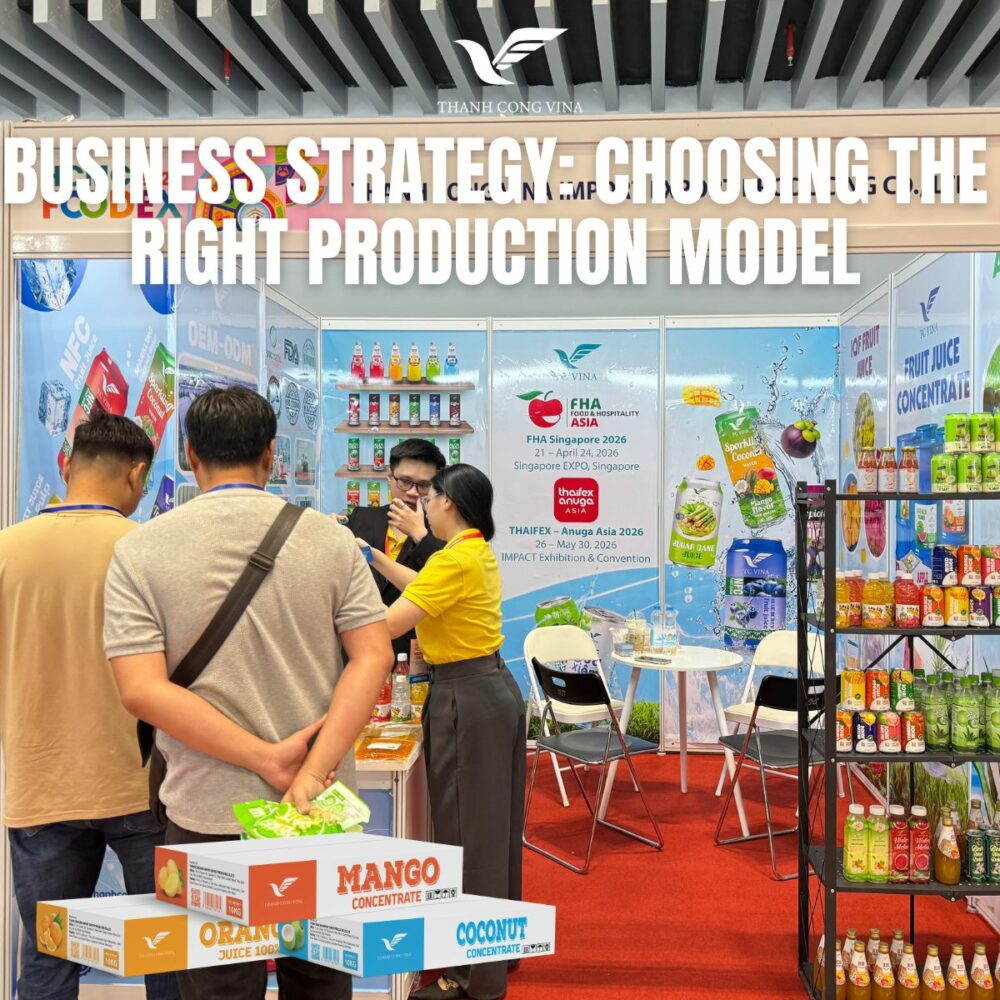
Business Strategy: Choosing the Right Production Model
When to Choose Juice Concentrate OEM
Businesses seeking global expansion, private label development, or large-scale distribution often benefit from Juice Concentrate OEM solutions.
This model is ideal for companies that prioritize efficiency, cost control, and product versatility.
It also supports long-term partnerships with manufacturing experts who handle technical operations.
OEM production is particularly suitable for export-driven strategies.
When Fresh Juice Is More Suitable
Fresh juice production is more appropriate for local markets, health-focused consumers, and premium niche segments.
Brands targeting cafés, juice bars, or short distribution channels may benefit from fresh juice positioning.
However, growth potential remains limited compared to OEM-based models.
Each approach serves different business objectives.
8. Future Outlook of Juice Concentrate OEM in the Global Market
Continued Industry Expansion
The global beverage industry is expected to continue growing, driven by health trends, urbanization, and consumer demand for diverse flavors.
The Juice Concentrate OEM model will likely play a central role in supporting this expansion due to its scalability and efficiency.
Manufacturers are increasingly investing in automation, quality systems, and product innovation.
This will further strengthen OEM competitiveness.
Technological Advancements in Production
Emerging technologies such as advanced extraction systems, aseptic processing, and digital supply chain management are improving OEM capabilities.
These innovations enhance product quality, consistency, and sustainability.
As technology evolves, OEM manufacturing will become even more efficient and adaptable.
The future of beverage production is closely linked to technological progress.
Conclusion
The comparison between Juice Concentrate OEM and fresh juice production highlights two distinct approaches within the beverage industry. While fresh juice emphasizes natural freshness and short supply chains, OEM concentrate production offers scalability, cost efficiency, extended shelf life, and global distribution capabilities.
For companies aiming to expand internationally, develop private-label products, or build large-scale beverage portfolios, OEM manufacturing provides a clear strategic advantage. It enables brands to focus on innovation, marketing, and customer engagement while relying on specialized manufacturers for production excellence.
As global demand for fruit-based beverages continues to grow, the importance of efficient and flexible manufacturing solutions will only increase. Companies that choose the right production model will be better positioned to compete and succeed in evolving markets.
Thanh Cong Vina IEP CO., LTD is committed to supporting global beverage brands with advanced manufacturing capabilities, strict quality control systems, and customized OEM solutions. With extensive export experience and modern production facilities, Thanh Cong Vina delivers reliable and high-quality products for international partners. Businesses seeking a trusted partner in Juice Concentrate OEM solutions can confidently choose Thanh Cong Vina for long-term cooperation and sustainable growth.