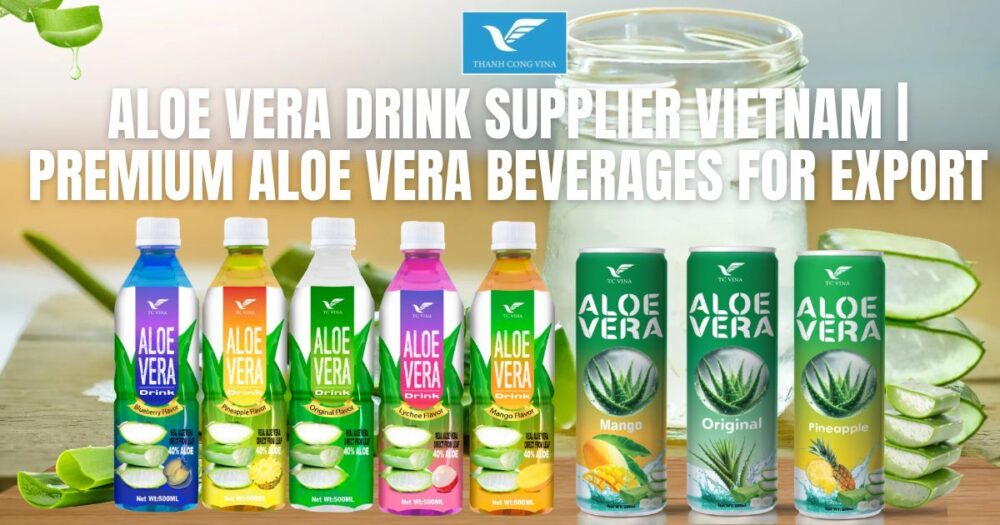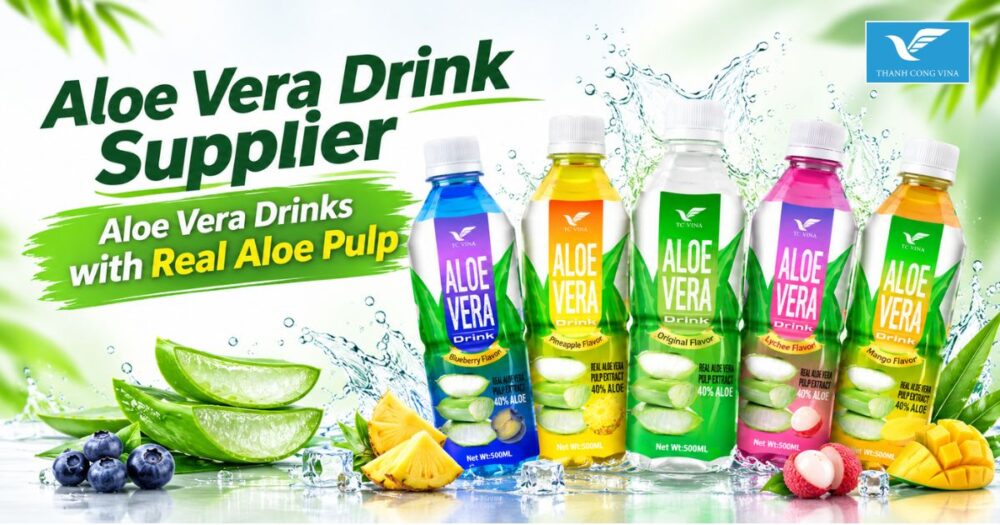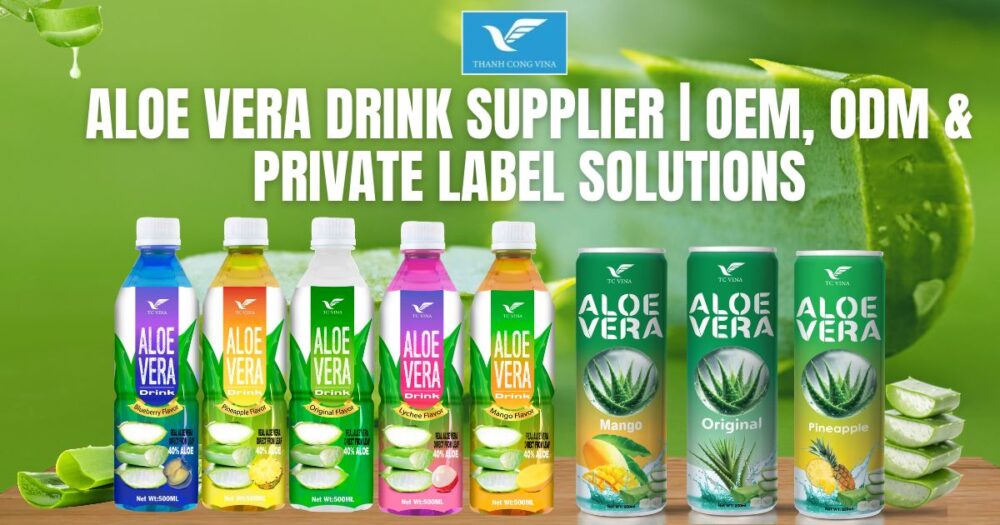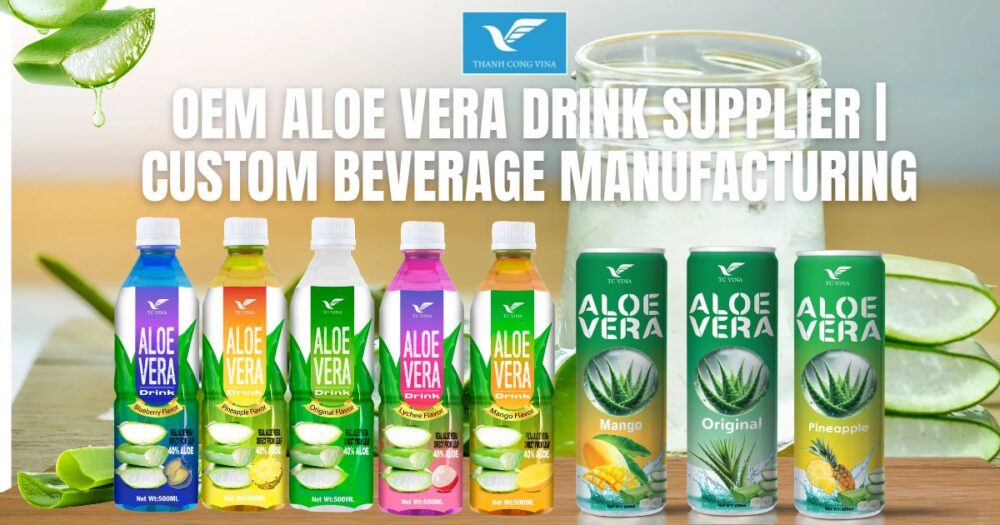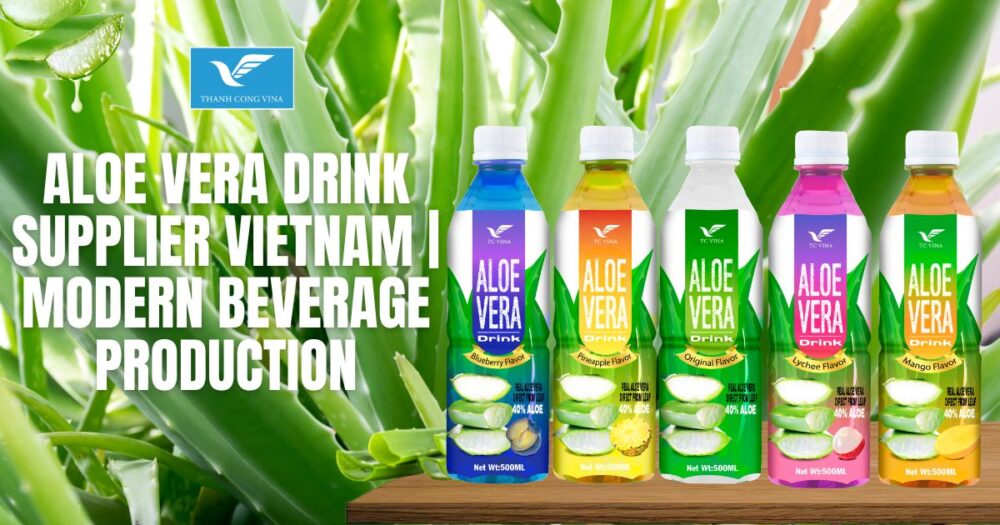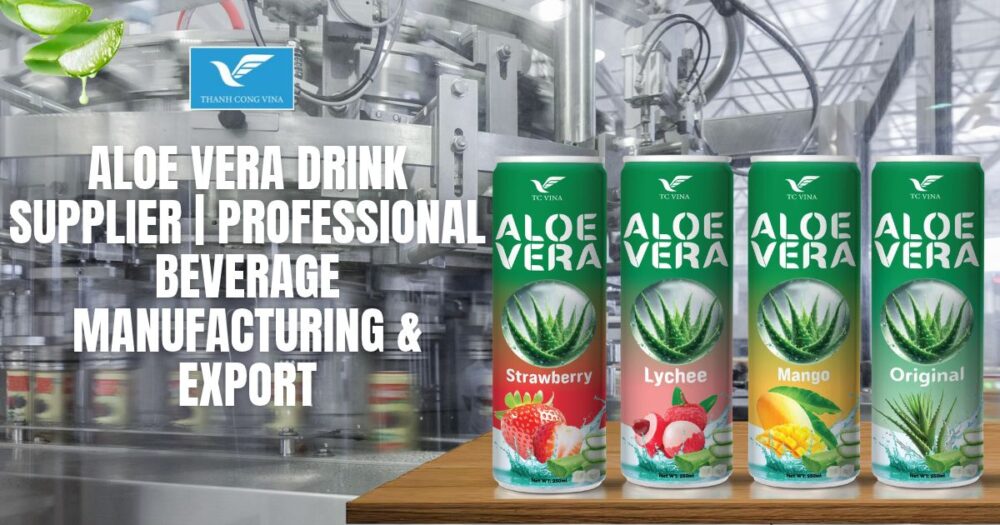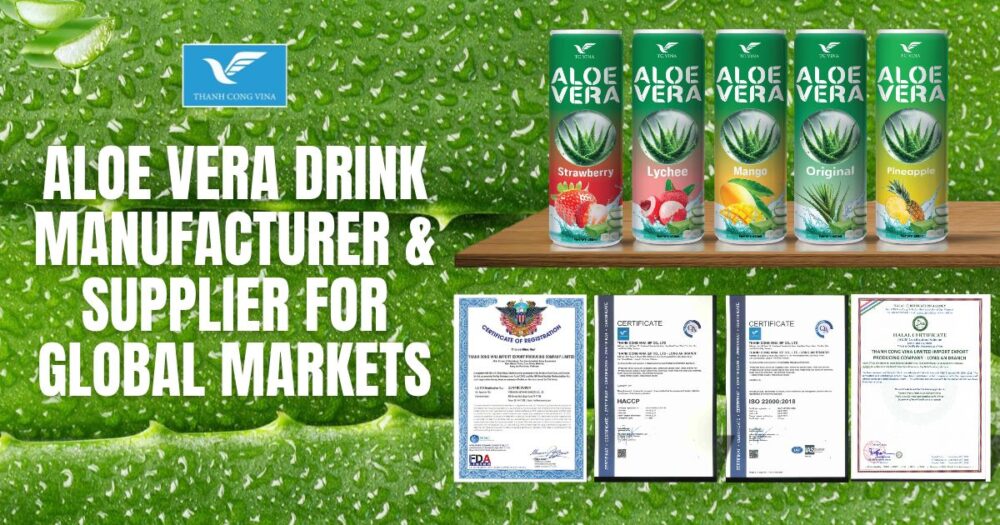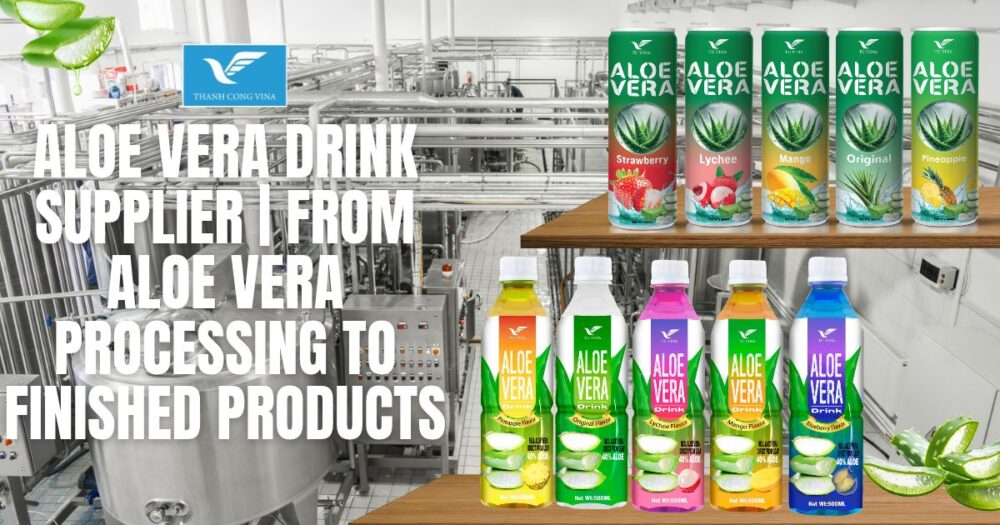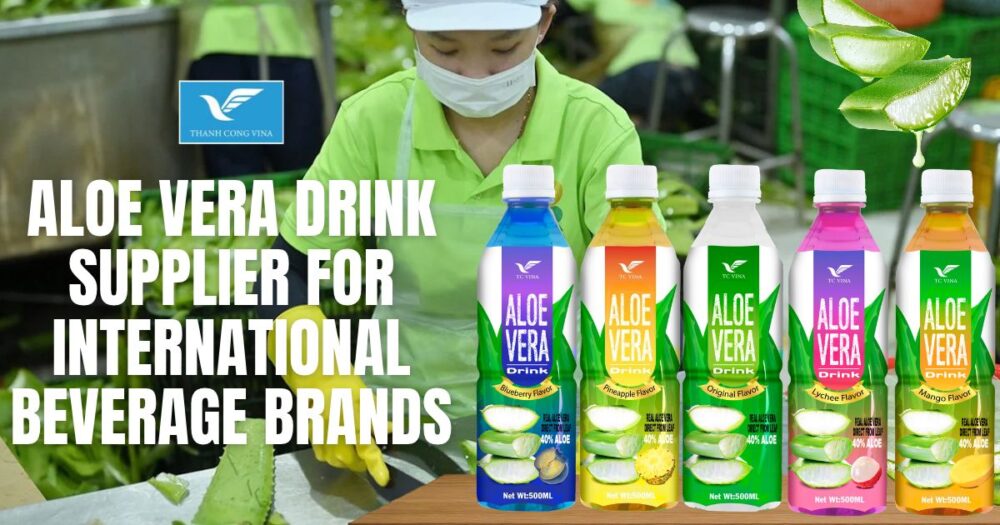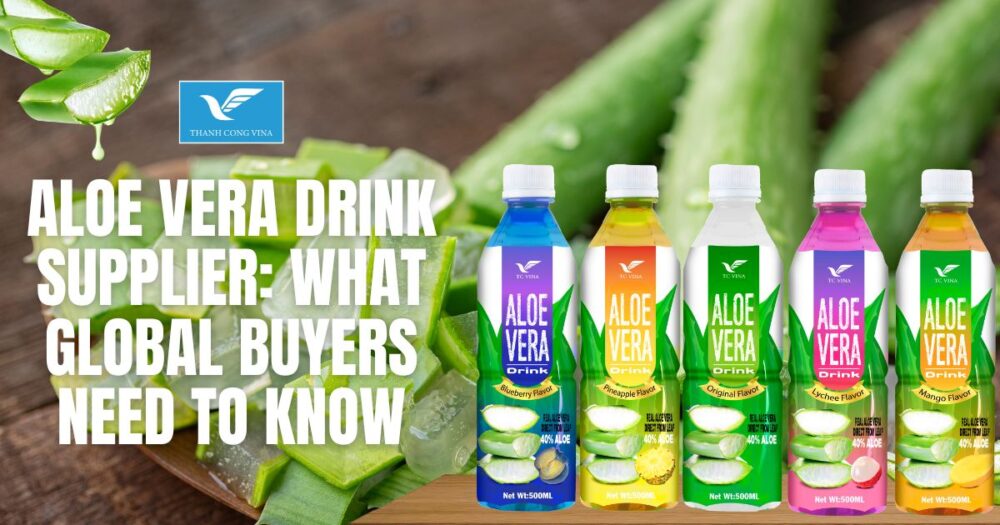

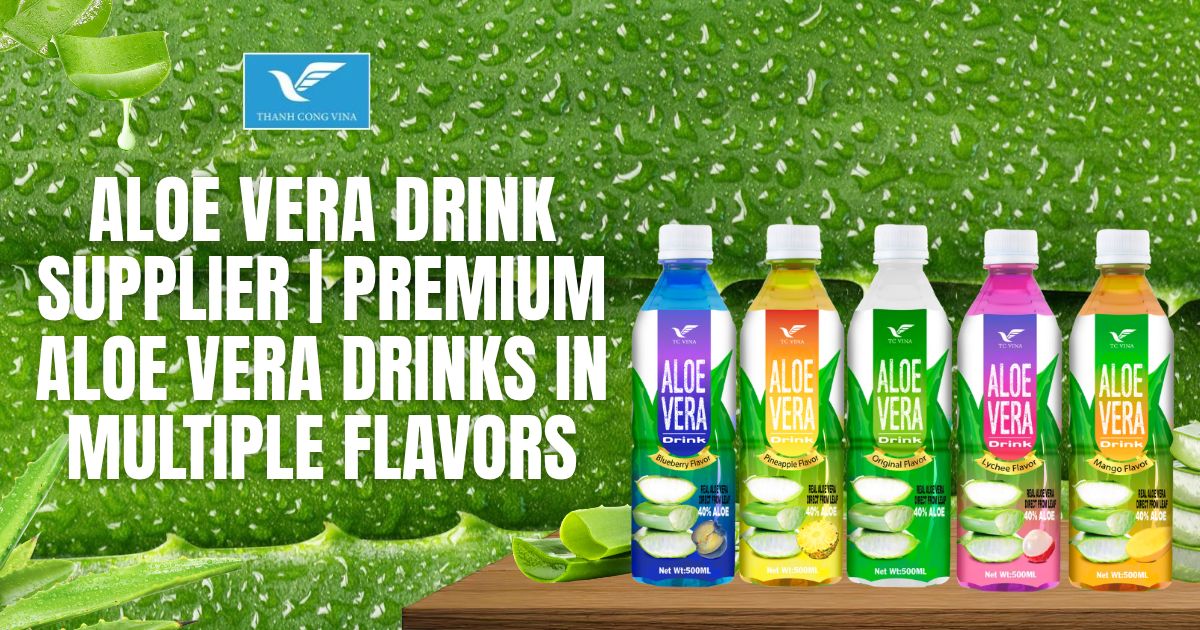
For international importers, distributors, retailers, and private label brands, choosing a reliable Aloe Vera Drink Supplier is an important step toward developing a competitive beverage portfolio. A successful aloe vera drink is not defined by its ingredients alone. Flavor balance, pulp consistency, packaging presentation, product positioning, and manufacturing quality all contribute to its market appeal. With increasing interest in fruit-inspired beverages and differentiated ready-to-drink products, aloe vera drinks offer opportunities across multiple retail and foodservice channels. This article explores the key characteristics of premium aloe vera beverages, popular flavor directions, product development considerations, and how beverage suppliers can support international business requirements.
1. Understanding the Growing Appeal of Aloe Vera Drinks
Understanding the Growing Appeal of Aloe Vera Drinks
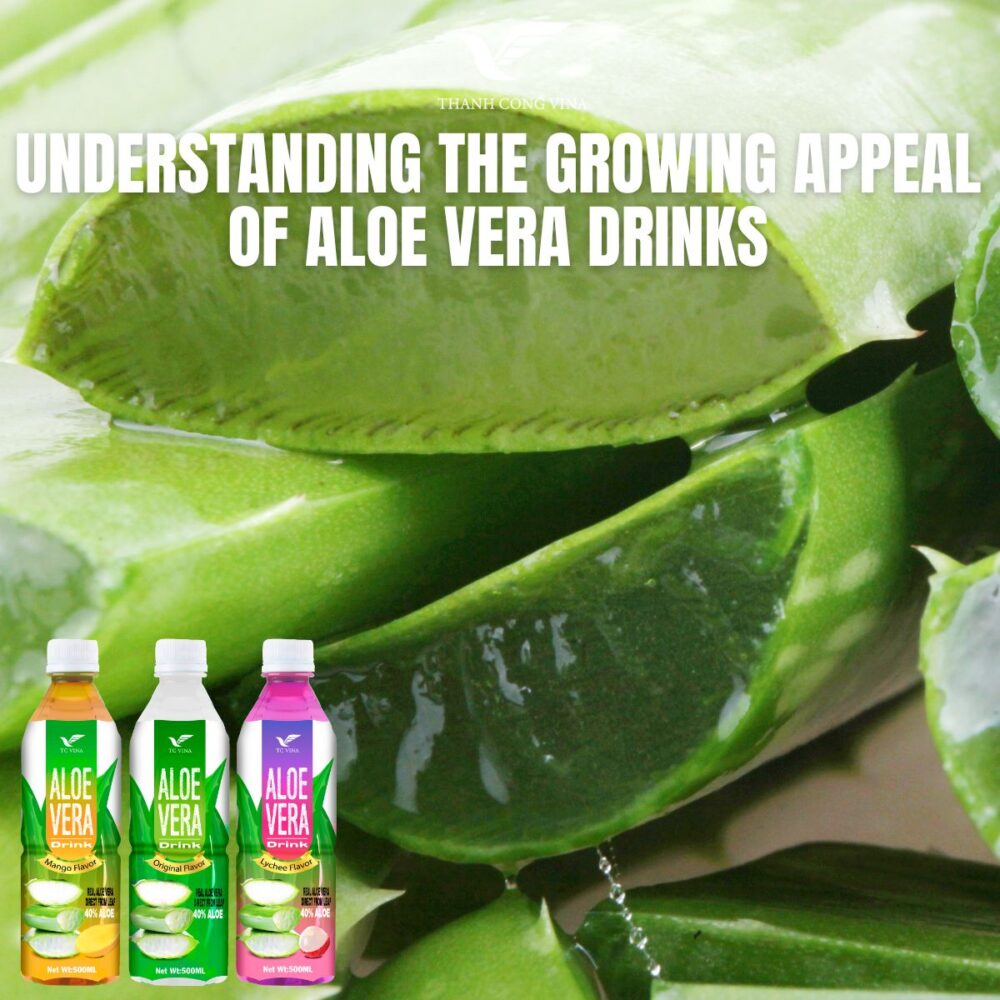
Aloe vera beverages have developed a distinctive position in the ready-to-drink beverage category. Unlike conventional fruit drinks, they offer a recognizable drinking experience through the combination of flavored liquid and aloe vera pieces. This characteristic creates opportunities for beverage brands seeking products with a different texture and visual identity.
A Distinctive Combination of Flavor and Texture
One of the most recognizable characteristics of aloe vera beverages is their texture. The liquid provides the primary flavor experience, while aloe vera pulp introduces additional texture that differentiates the product from standard juice drinks.
For consumers, this combination can make an ordinary refreshment occasion more interesting. It also gives beverage brands an opportunity to communicate product differentiation through packaging, product photography, and marketing messages.
However, product quality depends on maintaining a suitable balance between the liquid and pulp components. The beverage should deliver a pleasant drinking experience without making the texture overwhelming. Consistency in pulp distribution, piece size, and liquid formulation is therefore an important consideration during product development.
A Versatile Category for Different Consumer Occasions
Aloe vera drinks can be positioned for various consumption occasions, including:
- Everyday refreshment at home or in the office.
- Convenient beverages for travel and outdoor activities.
- Ready-to-drink options in supermarkets and convenience stores.
- Fruit-flavored alternatives for younger consumers.
- Beverage selections in restaurants, cafés, and foodservice channels.
This versatility allows brands to develop different product concepts under one category. Rather than relying on a single flavor, businesses can introduce a portfolio that appeals to different consumer preferences and purchasing occasions.
2. Aloe Vera Drink Supplier: Developing a Multi-Flavor Beverage Portfolio
Selecting an Aloe Vera Drink Supplier involves more than identifying a company that can manufacture one finished beverage. For importers and beverage brands, product variety is also important. A multi-flavor portfolio can help businesses serve different customer segments, create attractive product displays, and build a recognizable beverage range.
Original Aloe Vera: A Simple and Familiar Choice
Original aloe vera is a suitable starting point for brands looking to introduce the category to consumers. Its straightforward flavor profile places greater emphasis on the beverage’s characteristic texture and overall refreshment experience.
This option can appeal to consumers who prefer a less fruit-forward taste or want to explore aloe vera beverages without additional flavor complexity.
For distributors, an original variant can also provide a foundation for building a broader product range. It can be positioned alongside fruit-flavored options to create a balanced assortment for different retail channels.
Mango Aloe Vera: A Tropical Flavor Direction
Mango is widely recognized in the international beverage market for its tropical character and familiar sweetness. When combined with aloe vera, mango flavor creates a beverage concept that connects fruit appeal with the distinctive texture of aloe vera pulp.
Mango aloe vera drinks can be positioned for consumers who enjoy tropical fruit beverages. Their bright flavor identity also creates opportunities for colorful packaging and attractive retail presentation.
For brands targeting markets where tropical fruit flavors are popular, mango is a practical option to consider when developing an aloe vera beverage collection.
Lychee Aloe Vera: A Delicate and Fruity Profile
Lychee offers a different direction from traditional tropical flavors. Its recognizable fruity aroma and delicate sweetness can create a lighter sensory profile for aloe vera beverages.
This flavor may appeal to consumers interested in fruit-inspired drinks with a distinctive character. It can also help a brand differentiate its aloe vera portfolio from products based primarily on citrus or tropical fruit flavors.
Lychee aloe vera drinks may be considered for supermarkets, convenience stores, and markets where lychee is already a familiar fruit flavor.
Peach Aloe Vera: A Smooth and Approachable Option
Peach is another popular flavor direction for ready-to-drink beverages. Its soft fruit character provides an approachable profile that can complement the texture of aloe vera pulp.
For beverage brands, peach offers opportunities to develop products with a gentle, fruit-forward identity. It can also broaden a portfolio by providing an alternative to stronger tropical flavors.
Building a Balanced Flavor Collection
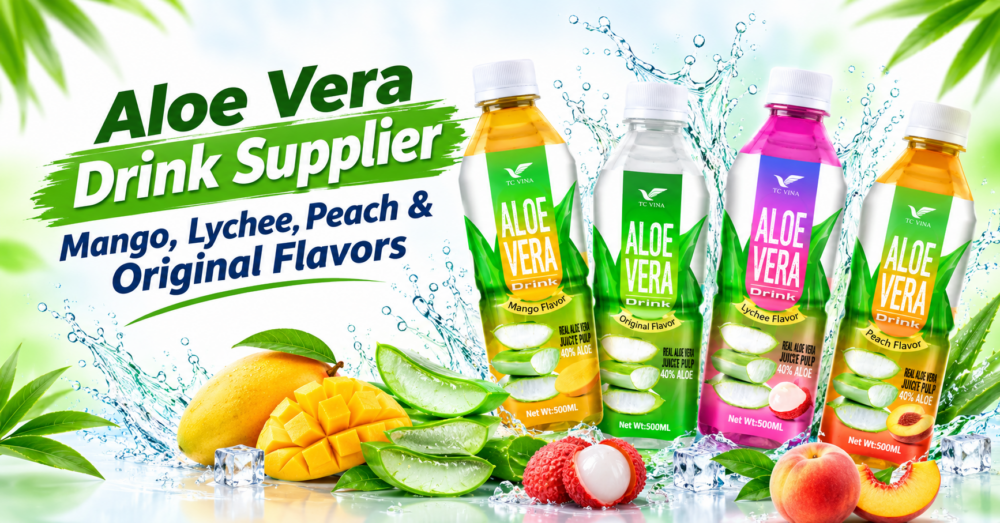
A well-planned aloe vera portfolio should consider how individual flavors work together as a collection. For example, a four-flavor range may include original, mango, lychee, and peach.
Each variant serves a different product positioning:
- Original: A straightforward aloe vera experience.
- Mango: A recognizable tropical fruit profile.
- Lychee: A delicate and distinctive fruity direction.
- Peach: A smooth and familiar fruit flavor.
The final selection should reflect target-market preferences, consumer research, pricing strategy, and the product specifications available from the manufacturer.
3. What Defines a Premium Aloe Vera Beverage?
What Defines a Premium Aloe Vera Beverage?
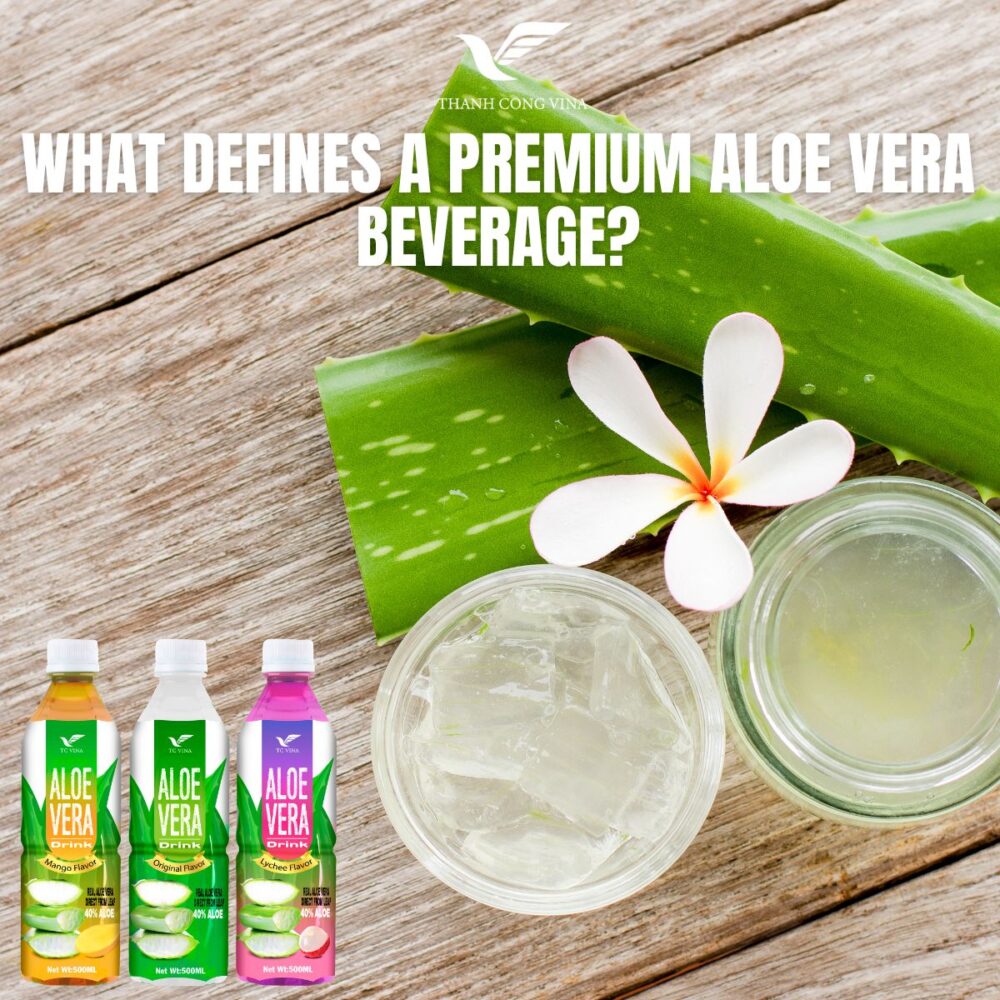
Premium positioning requires more than attractive packaging or a high-quality product description. Consumers evaluate beverages through their actual experience, while business buyers assess product consistency, commercial suitability, and supplier reliability.
Flavor Balance and Sensory Consistency
Flavor is one of the most important factors influencing repeat purchases. An aloe vera beverage should deliver a balanced taste that matches its intended flavor profile.
For fruit-flavored variants, the relationship between sweetness, fruit character, aroma, and acidity should be carefully considered. A mango drink, for example, should communicate a recognizable mango profile, while a lychee beverage should maintain its own distinctive fruity character.
Consistency across production batches is equally important. Differences in sweetness, aroma, or overall taste may affect consumer expectations and brand reputation.
Aloe Vera Pulp Quality and Distribution
Aloe vera pulp contributes to the identity of the product. Its texture, appearance, and distribution throughout the beverage can influence the overall drinking experience.
Important considerations include:
- Pulp size and consistency.
- Appropriate pulp-to-liquid balance.
- Uniform appearance throughout the package.
- Suitable texture for the intended consumer group.
- Stability of the product during its intended shelf life.
These characteristics should be evaluated through product specifications and appropriate quality checks rather than relying on visual appearance alone.
Packaging That Supports Product Positioning
Packaging influences how consumers recognize and evaluate a beverage. It communicates the product’s flavor, category, brand identity, and intended consumption occasion.
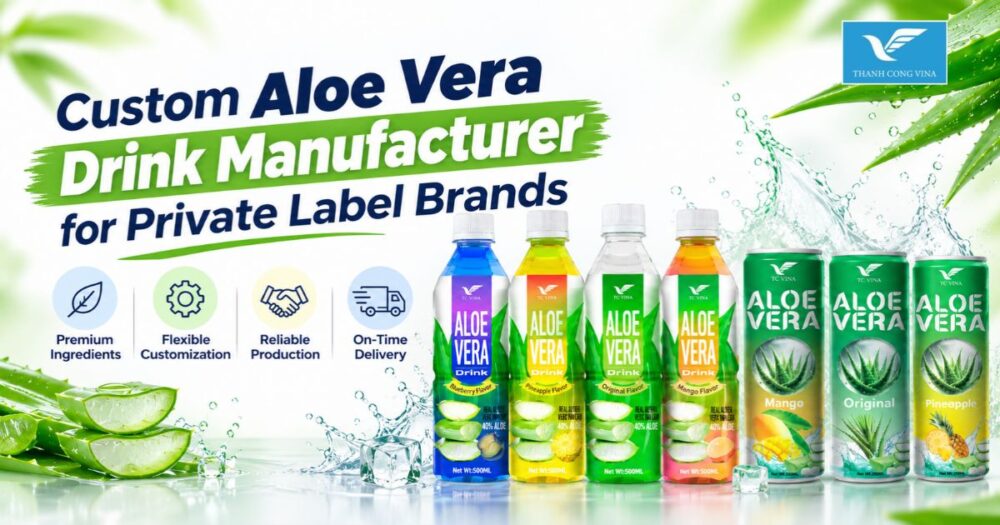
Aloe vera drinks may be developed in different packaging formats depending on the manufacturer’s available capabilities and the requirements of the target market. Common beverage formats to evaluate include PET bottles, cans, glass bottles, and cartons.
Packaging decisions should consider product protection, convenience, transportation, retail display, and local regulations. The selected format should also provide sufficient space for ingredient information, nutrition labeling, branding, and other mandatory details.
4. Product Development Considerations for International Beverage Brands

Product Development Considerations for International Beverage Brands
For importers and private label businesses, developing an aloe vera beverage requires coordination between product concept, formulation, packaging, and market requirements. A structured development process can help reduce unnecessary changes and support a smoother product launch.
Defining the Target Consumer and Market Position
Before selecting flavors, brands should identify the consumers they want to reach. A product designed for convenience-store shoppers may require a different positioning strategy from one intended for premium supermarkets or foodservice businesses.
Businesses should consider several questions:
- Which consumer groups are most relevant?
- What flavor profiles are familiar in the target market?
- What price range is commercially suitable?
- Which packaging format fits the distribution channel?
- How will the product stand out from competing beverages?
Clear answers help establish a product direction before technical development begins.
Reviewing Formulation and Product Specifications
A beverage formulation determines the product’s sensory characteristics and technical profile. For aloe vera drinks, the development process may involve reviewing sweetness, acidity, flavor intensity, pulp characteristics, and ingredient compatibility.
Business buyers should request relevant product specifications and review details such as ingredient declarations, nutritional information, microbiological criteria, and shelf-life conditions.
The final specification should be aligned with the importing country’s food regulations and the requirements of the intended sales channel.
Evaluating Samples Before Commercial Production
Product samples allow buyers to assess the beverage before moving toward a larger commercial order. This step is especially important when developing multiple flavors or introducing a new product under a private label.
A practical sample evaluation can include:
- Flavor and aroma assessment.
- Sweetness and acidity evaluation.
- Aloe vera pulp texture and distribution.
- Packaging appearance and usability.
- Comparison between different flavor variants.
- Review of product specifications and labeling information.
Feedback should be documented clearly so that the manufacturer and buyer can discuss necessary adjustments.
5. Manufacturing Quality and Supplier Evaluation

Manufacturing Quality and Supplier Evaluation
Choosing a beverage manufacturing partner is a long-term business decision. A supplier should be evaluated not only on product availability but also on its ability to communicate specifications, manage production requirements, and maintain consistent quality.
Quality Management Throughout Production
Quality management should cover the entire manufacturing process, from incoming ingredients to finished products. For aloe vera beverages, relevant control points may include ingredient inspection, formulation management, processing conditions, filling operations, packaging checks, and finished-product evaluation.
Buyers should understand which quality procedures are applied to the specific product and manufacturing facility. They should also review the documents available to support product quality and regulatory assessment.
Certifications and compliance documents must be checked carefully. Their validity, issuing organization, covered facility, and applicable product scope should match the requirements of the buyer and importing market.
Production Planning and Order Coordination
Commercial orders require coordination between product specifications, packaging materials, production schedules, and shipping arrangements.
Before confirming an order, importers should clarify:
- Minimum order quantity.
- Available flavors and packaging formats.
- Production lead time.
- Packaging and labeling requirements.
- Product shelf life and storage conditions.
- Required export and shipping documents.
These details help buyers evaluate whether a supplier is suitable for their business model and distribution plans.
Communication and Long-Term Cooperation
Effective communication is essential when working with an overseas beverage manufacturer. Product development may involve multiple rounds of sampling, technical discussions, packaging approvals, and documentation reviews.
A dependable business partner should provide clear information, respond to technical questions, and communicate potential limitations before production begins.
For international buyers, this level of coordination can help reduce misunderstandings and support more predictable purchasing decisions.
6. Market Opportunities and Commercial Applications of Aloe Vera Drinks
Aloe vera beverages can be introduced through different distribution channels, depending on the product’s positioning, packaging, pricing, and local consumer preferences.
Supermarkets and Modern Retail
Supermarkets provide opportunities for brands to present several aloe vera flavors within one product category. A coordinated flavor range can improve shelf visibility and encourage consumers to compare different variants.
Retail buyers may evaluate packaging design, price positioning, product differentiation, and the supplier’s ability to support consistent replenishment.
Convenience Stores and On-the-Go Consumption
Convenience stores focus on accessible products that fit quick purchasing decisions. Aloe vera beverages can be positioned as ready-to-drink options for consumers seeking refreshment during work, travel, or daily activities.
Packaging size, ease of handling, and clear flavor communication are important factors for this channel.
Foodservice and Hospitality
Restaurants, cafés, hotels, and catering businesses may consider aloe vera beverages as part of a broader non-alcoholic drink selection.
Different flavor options can complement foodservice menus and provide alternatives to conventional soft drinks and fruit juices. However, product selection should reflect serving preferences, storage conditions, and the operational needs of each business.
Private Label and Brand Expansion
Private label development offers importers and distributors the opportunity to introduce aloe vera beverages under their own brand identity.
Depending on the manufacturer’s available services, the project may involve flavor selection, packaging design coordination, product specifications, and label review.
A clearly defined project brief helps establish expectations for both parties and provides a foundation for evaluating commercial feasibility.
7. Why Choose Thanh Cong Vina for Beverage Business Cooperation?
When evaluating an aloe vera beverage partner in Vietnam, international buyers should consider product portfolio relevance, communication, manufacturing suitability, and export coordination. These factors help determine whether a supplier can support the requirements of a specific beverage project.
A Broader Perspective on Beverage Products
Thanh Cong Vina operates in the beverage business, with product interests spanning categories such as fruit juice drinks, coconut water, aloe vera beverages, and other ready-to-drink products.
For buyers exploring several beverage categories, this broader product perspective can create opportunities to discuss different product concepts within one business relationship.
The suitability of each product, flavor, packaging format, and production arrangement should be confirmed according to the buyer’s specifications and the manufacturer’s current capabilities.
Supporting Different Flavor and Product Concepts
Aloe vera beverages can be developed around different flavor preferences and market positioning strategies. Original, mango, lychee, and peach are examples of flavor directions that brands may consider when planning a product range.
Rather than selecting flavors based only on popularity, buyers should evaluate their relevance to the target market, expected price point, and intended distribution channel.
Building a Clearer Path from Inquiry to Order
Successful international cooperation begins with clear project information. Buyers should prepare their expected product type, flavor requirements, packaging preferences, target market, estimated order quantity, and documentation needs.
This information allows Thanh Cong Vina to review the inquiry and discuss the next steps based on project requirements and available manufacturing arrangements.
A structured approach to communication, sampling, specification review, and order planning can help both parties establish realistic expectations before moving toward commercial cooperation.
Conclusion
Aloe vera beverages offer international beverage brands an opportunity to expand their portfolios with distinctive textures, refreshing flavor profiles, and flexible product positioning. From original aloe vera to mango, lychee, and peach variants, a well-developed flavor collection can serve different consumer preferences and retail channels. However, successful product development requires more than choosing attractive flavors. Buyers should carefully evaluate formulation, pulp consistency, packaging, quality management, documentation, and supplier communication before confirming a commercial order.
Working with an experienced beverage business partner can help importers and distributors assess product opportunities and plan their next steps with greater clarity. As a Vietnam-based beverage business, Thanh Cong Vina welcomes discussions with international buyers interested in exploring beverage products and potential cooperation. For companies seeking a suitable Aloe Vera Drink Supplier, Thanh Cong Vina provides an opportunity to discuss product concepts, market requirements, and business needs for potential long-term partnerships.