
Choosing an experienced Aloe Vera Drink Supplier is an important step for importers, distributors, retailers, and beverage brands that want to introduce aloe vera drinks with consistent specifications and commercially suitable packaging. However, modern beverage production involves more than preparing ingredients and filling containers. It requires coordinated planning across product design, process management, quality assurance, packaging, and supply chain operations.
Aloe vera beverages can be developed in different flavor profiles and formats to serve varied consumer preferences. For international buyers, the challenge is finding a manufacturing partner that understands both the technical requirements of beverage production and the practical demands of commercial distribution. A well-managed project starts with a clear product brief, realistic production planning, and documented approval procedures. This article explores how modern beverage production supports aloe vera drink development in Vietnam and what businesses should consider when evaluating a supplier for long-term cooperation.
1. Aloe Vera Drink Supplier: The Role of Modern Beverage Production in Vietnam
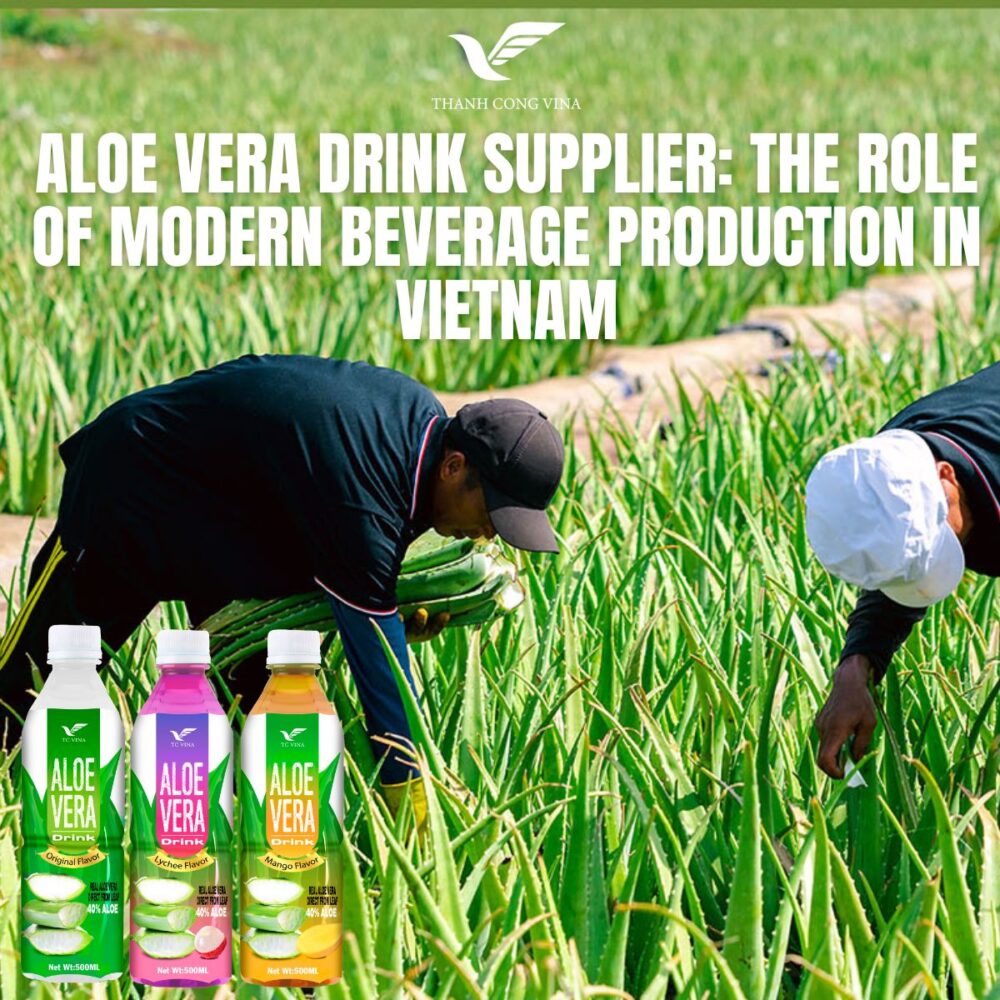
Aloe Vera Drink Supplier: The Role of Modern Beverage Production in Vietnam
Modern beverage production connects product development, manufacturing operations, quality management, and commercial planning. For aloe vera drinks, these activities must work together to create products that match the approved formulation and the needs of the intended market.
Aligning Production with International Buyer Expectations
International buyers often have requirements that extend beyond flavor and price. They may need specific ingredient declarations, packaging formats, label languages, batch documentation, and delivery schedules. These requirements should be discussed before a manufacturing project enters the production stage.
A professional supplier should help clarify the product specifications, identify information that remains outstanding, and establish a practical process for sample review and approval. This approach allows buyers to assess whether a proposed product can meet their commercial objectives before committing to a larger order.
For businesses sourcing from Vietnam, communication is particularly important when the buyer, manufacturer, and destination market operate under different regulatory and logistical conditions. Written specifications and clear approval responsibilities reduce misunderstandings and make project coordination more efficient.
Connecting Product Quality with Operational Consistency
Modern production is not defined by equipment alone. It also depends on standard procedures, trained personnel, appropriate monitoring, and reliable documentation.
For an aloe vera beverage, consistency may involve maintaining the agreed flavor profile, texture, ingredient composition, fill quantity, and packaging appearance across production batches. The exact controls depend on the product and manufacturing system.
Buyers should ask how a manufacturer translates an approved sample into a repeatable commercial product. Understanding the procedures for specification control, ingredient handling, in-process checks, and finished-product release provides a more useful assessment than relying on broad claims about production technology.
Evaluating a Supplier’s Actual Capabilities
Not every manufacturer offers the same formulations, packaging formats, or customization options. Buyers should confirm the available product range, minimum order quantities, development services, lead times, and documentation before selecting a production partner.
A suitable Aloe Vera Drink Supplier should be evaluated according to the requirements of the specific project rather than general industry descriptions. Verifying capabilities early helps businesses avoid designing a product around equipment, ingredients, or services that may not be available for their intended order.
2. Product Design and Formulation for Modern Aloe Vera Beverages
Product development is where a market opportunity becomes a defined beverage concept. Decisions about ingredients, flavor, texture, and serving size affect manufacturing feasibility and how the product will be positioned in the market.
Creating a Distinctive Aloe Vera Drink Portfolio
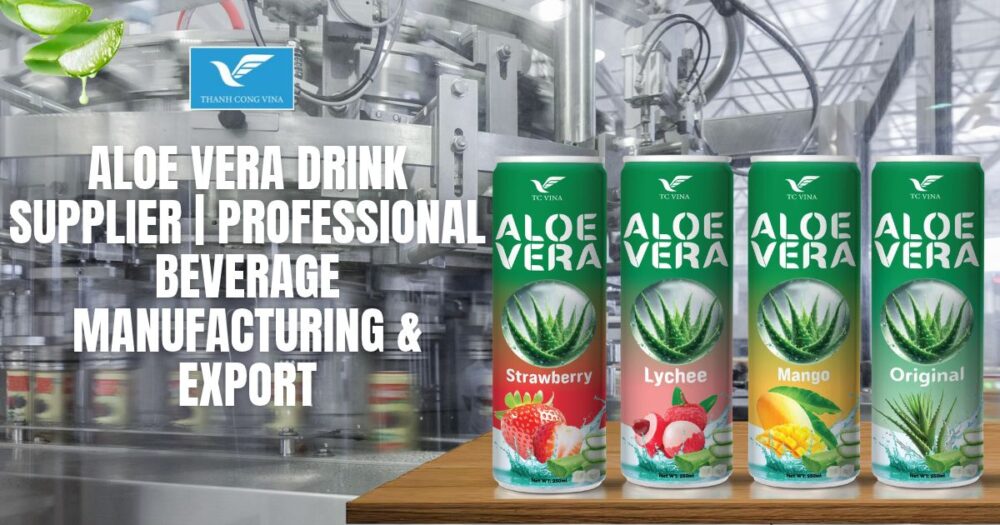
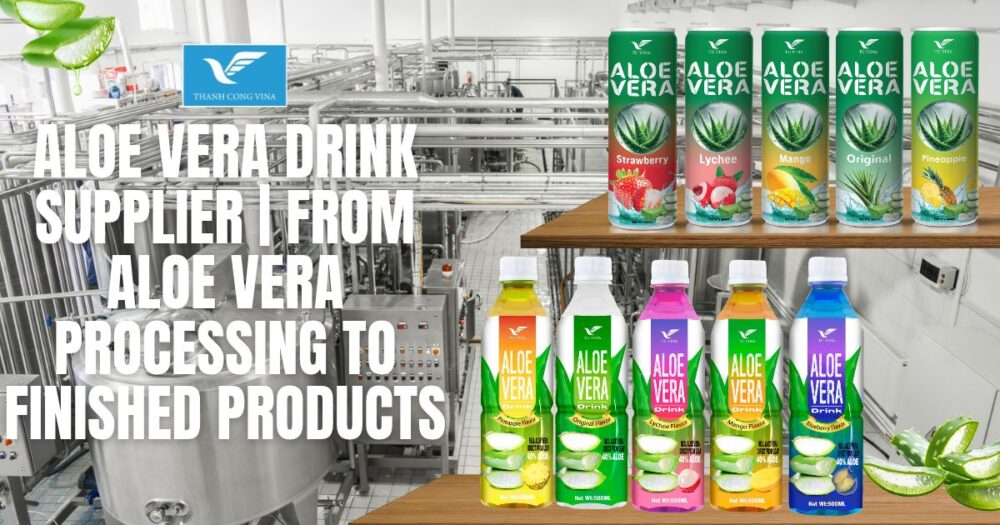
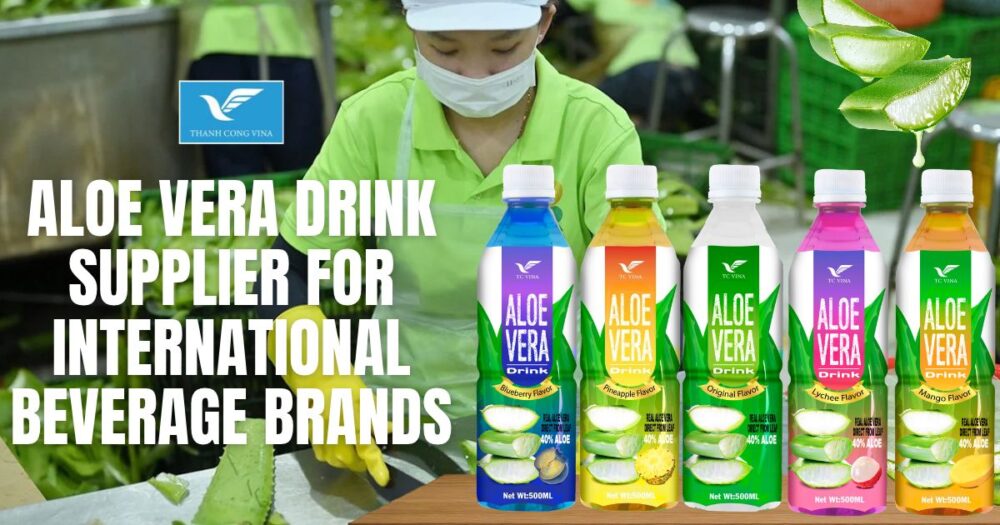
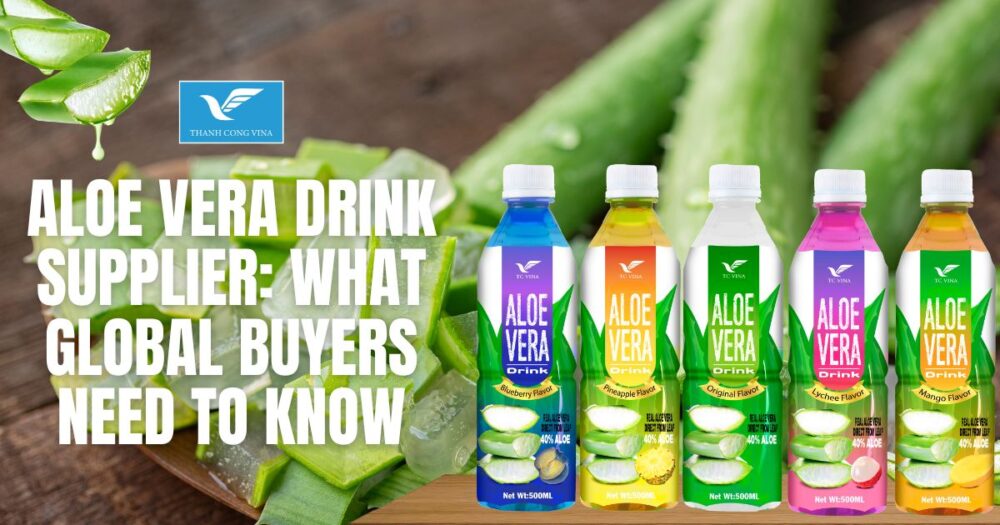
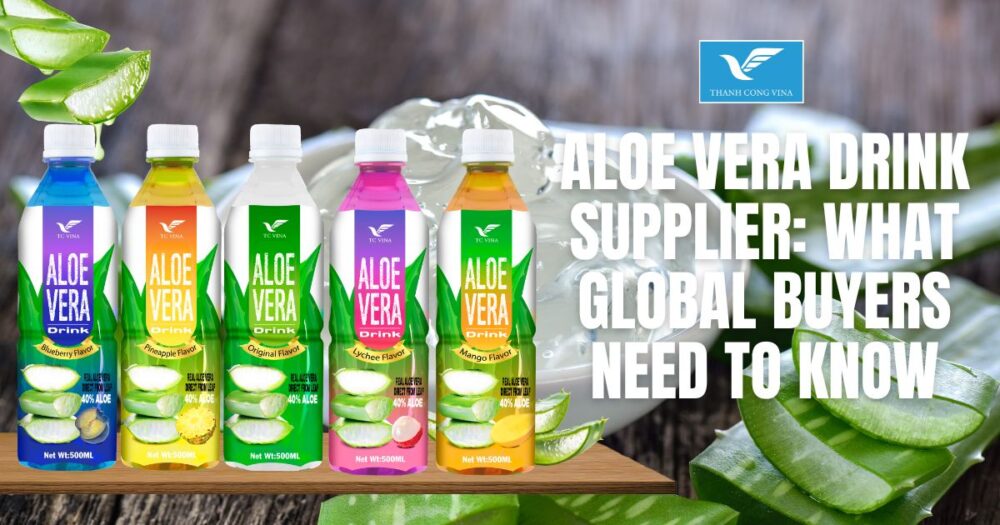
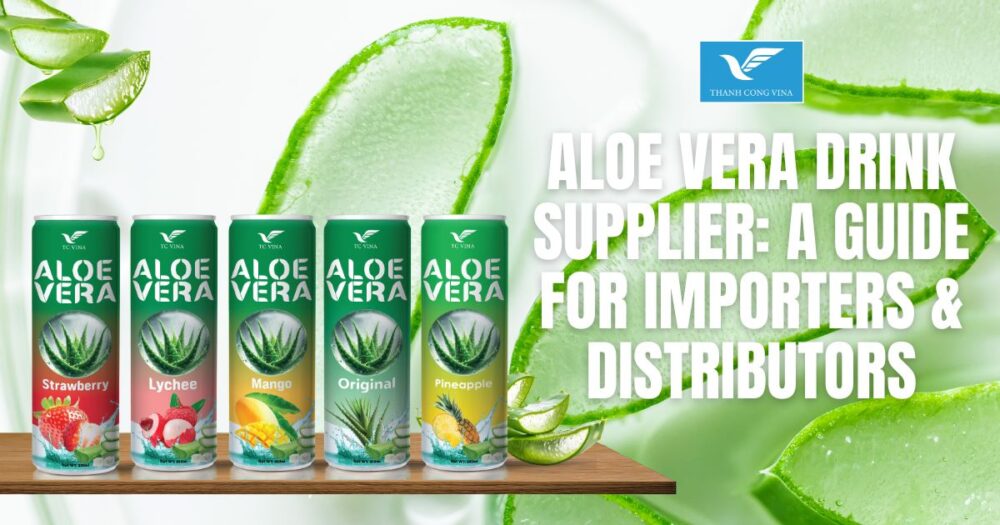
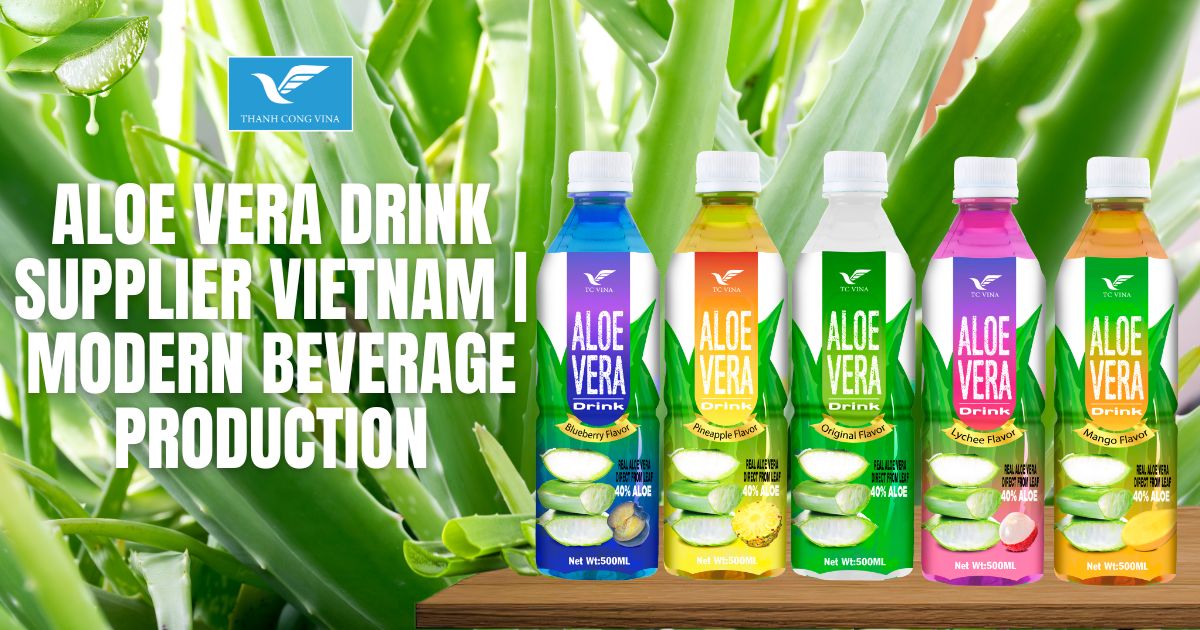
Aloe vera drinks can support different product concepts, including original flavors and fruit combinations. Depending on the available formulations, options may include mango, peach, lychee, blueberry, or other flavor profiles that suit the target audience.
Rather than selecting flavors based only on general popularity, buyers should consider their intended retail channels, customer preferences, competitive products, and target price range. A distributor serving convenience stores may prioritize familiar flavors and accessible package sizes, while a brand targeting specialty retailers may explore a more differentiated product concept.
A coordinated portfolio can also help buyers plan product launches. For example, beginning with a small number of carefully selected flavors may simplify inventory management and allow demand to be assessed before additional variations are introduced.
Balancing Flavor, Texture, and Ingredient Composition
Aloe vera beverages can differ in texture depending on their ingredient format and formulation. Some products offer a smoother drinking experience, while others contain aloe vera pieces that create a more distinctive mouthfeel.
The intended texture should be established during product development because it can influence ingredient preparation, formulation decisions, and processing requirements. Buyers should communicate whether they prefer a smooth beverage, a drink containing aloe vera pieces, or another specific texture.
Flavor balance also requires attention. Sweetness, acidity, aroma, and fruit intensity contribute to the overall sensory profile. The final formula should be evaluated as a complete product rather than judging each ingredient independently.
Using Samples to Confirm Product Specifications
Sampling provides an opportunity to evaluate a proposed beverage before commercial production. Buyers can review flavor, aroma, color, texture, ingredient information, and suitability for the intended market.
Once a sample is approved, its key characteristics should be recorded in a product specification. Changes to ingredients or formulation should be reviewed through an agreed approval process so that the commercial product remains aligned with the buyer’s expectations.
For OEM, ODM, and private label projects, this step is especially valuable because the brand owner and manufacturer need a shared reference for product quality and acceptance.
3. Process Management and Manufacturing Efficiency
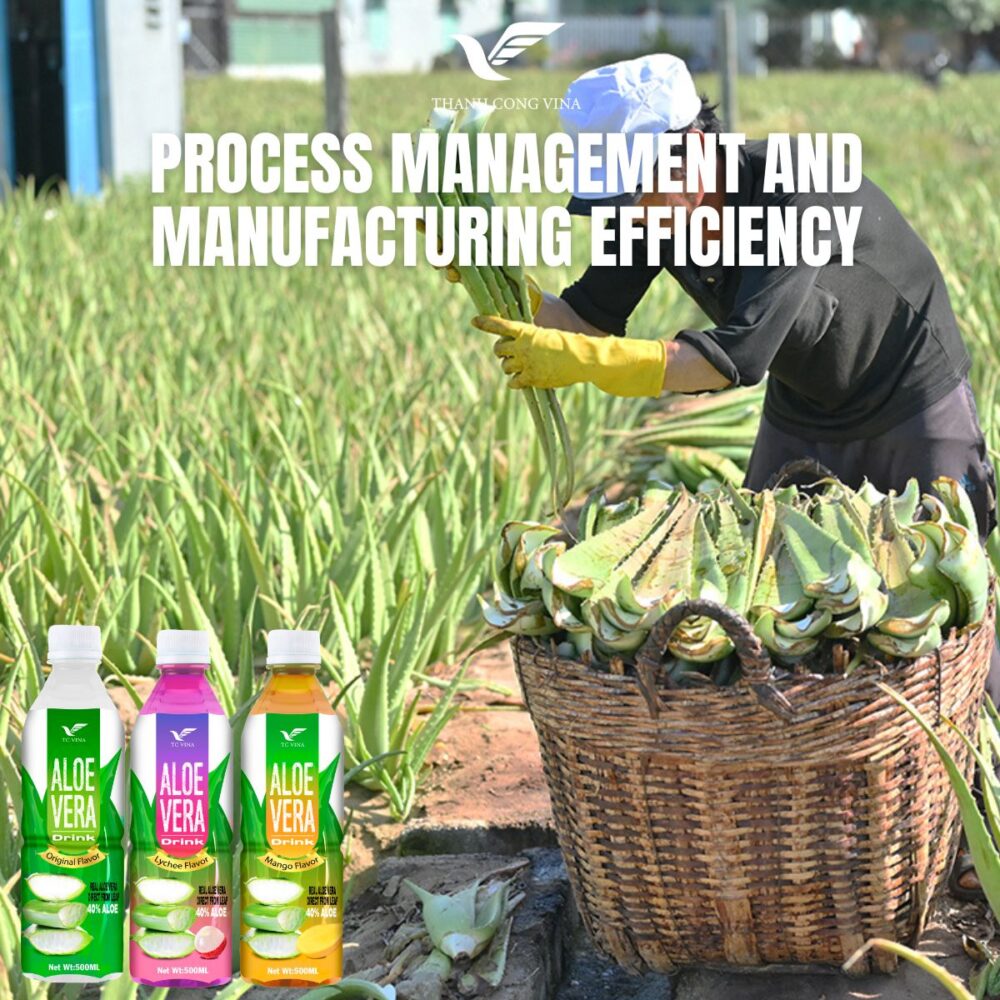
Process Management and Manufacturing Efficiency
Efficient beverage production depends on coordinating materials, people, equipment, and quality procedures. The objective is not simply to increase output but to produce the agreed beverage under controlled and repeatable conditions.
Planning Production Around Product Requirements
The manufacturing plan should reflect the beverage’s formulation, ingredient characteristics, packaging format, and intended storage conditions. Depending on the product, operations may include ingredient preparation, blending, processing, filling, sealing, coding, and packing.
Each stage should have defined operating procedures and responsibilities. Clear instructions help personnel understand the required sequence of activities and the conditions that need to be monitored.
Buyers should confirm which production stages are handled by the proposed manufacturer and whether any components or services are provided by external suppliers. This is particularly important when projects involve specialized packaging, customized ingredients, or additional testing.
Managing Materials and Production Schedules
Ingredient availability and packaging procurement can affect production timelines. A product may be technically ready for manufacturing but still face delays if a particular ingredient, printed container, label, or closure is not available.
Production planning should therefore coordinate purchasing schedules with the approved formulation and packaging design. Buyers can support this process by confirming forecasts, approving artwork promptly, and communicating expected order quantities as early as possible.
A realistic production schedule should account for sample approval, material preparation, manufacturing, quality checks, and shipment arrangements. Changes to the product specification or packaging may require the timeline to be reviewed.
Monitoring Process Performance
Process monitoring helps identify deviations before they affect a large quantity of finished product. Depending on the product, relevant controls may include ingredient quantities, mixing conditions, processing parameters, filling accuracy, sealing performance, and packaging codes.
The manufacturer should establish suitable procedures for recording results and responding to deviations. Where a result falls outside the approved specification, affected materials or products should be managed according to the applicable quality procedure.
For buyers, understanding these practices provides insight into the manufacturer’s approach to consistency and operational control without relying solely on claims about automation or advanced machinery.
4. Quality Assurance and Food Safety for Aloe Vera Drinks
Quality assurance supports product consistency and helps protect consumers. It should be integrated into the production system rather than treated as a final inspection performed after manufacturing has finished.
Establishing Clear Quality Standards
A product specification defines the expected characteristics of the finished beverage. Depending on the formulation, it may include ingredient composition, sensory attributes, pH, soluble solids, appearance, fill volume, packaging requirements, and relevant microbiological criteria.
The specification should be appropriate for the product and destination market. It should also provide clear acceptance criteria so that both manufacturer and buyer can assess whether a batch meets the agreed requirements.
Testing requirements will vary according to the beverage and applicable regulations. Buyers should therefore request information about the manufacturer’s quality control plan and identify which tests, reports, or approvals are required for their particular project.
Applying Appropriate Hygiene and Processing Controls
Aloe vera beverages require processing and preservation methods suited to their formulation, packaging, and intended storage conditions. Depending on the product, manufacturing may involve heat treatment or another validated process designed to address relevant food safety risks.
Processing parameters should be established for the specific product and production system. A method that is appropriate for one beverage should not automatically be applied to another without suitable assessment.
Hygienic ingredient handling, equipment sanitation, personnel practices, and environmental controls also contribute to food safety. Manufacturers should maintain appropriate procedures and records to demonstrate how these controls are managed.
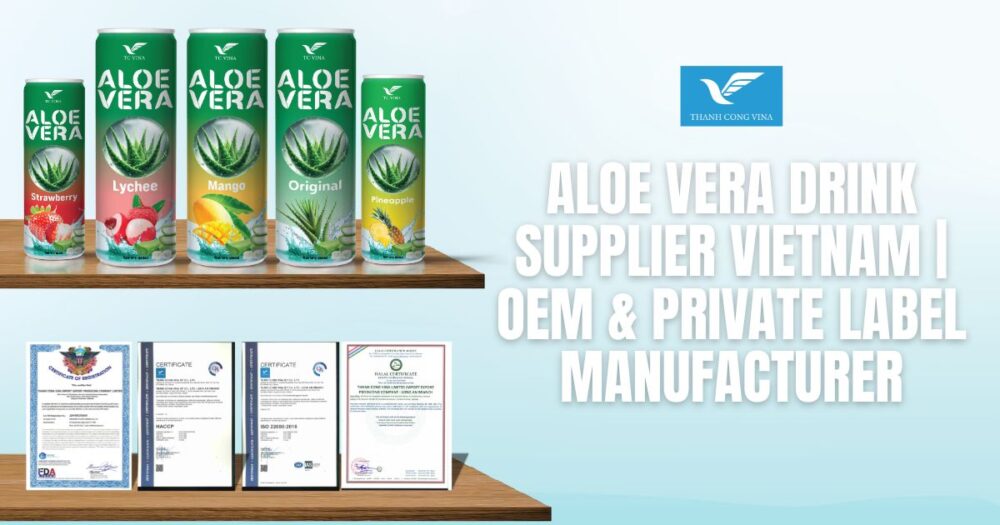
Buyers can ask about the manufacturer’s food safety management system and request relevant documentation. If certifications are part of the purchasing requirements, their validity, issuing body, covered facility, and scope should be verified.
Maintaining Traceability and Managing Deviations
Traceability records help connect ingredients, production activities, and finished batches. These records can support investigations, product withdrawal procedures where necessary, and communication between the manufacturer and buyer.
A well-defined deviation management process should identify how nonconforming products are segregated, investigated, and assessed before release. Corrective actions should address the issue according to its nature and potential impact.
For international buyers, these procedures are important because quality concerns may need to be investigated across several organizations and countries. Clear records help both parties establish what happened and determine appropriate next steps.
5. Packaging Innovation and Market-Ready Product Presentation
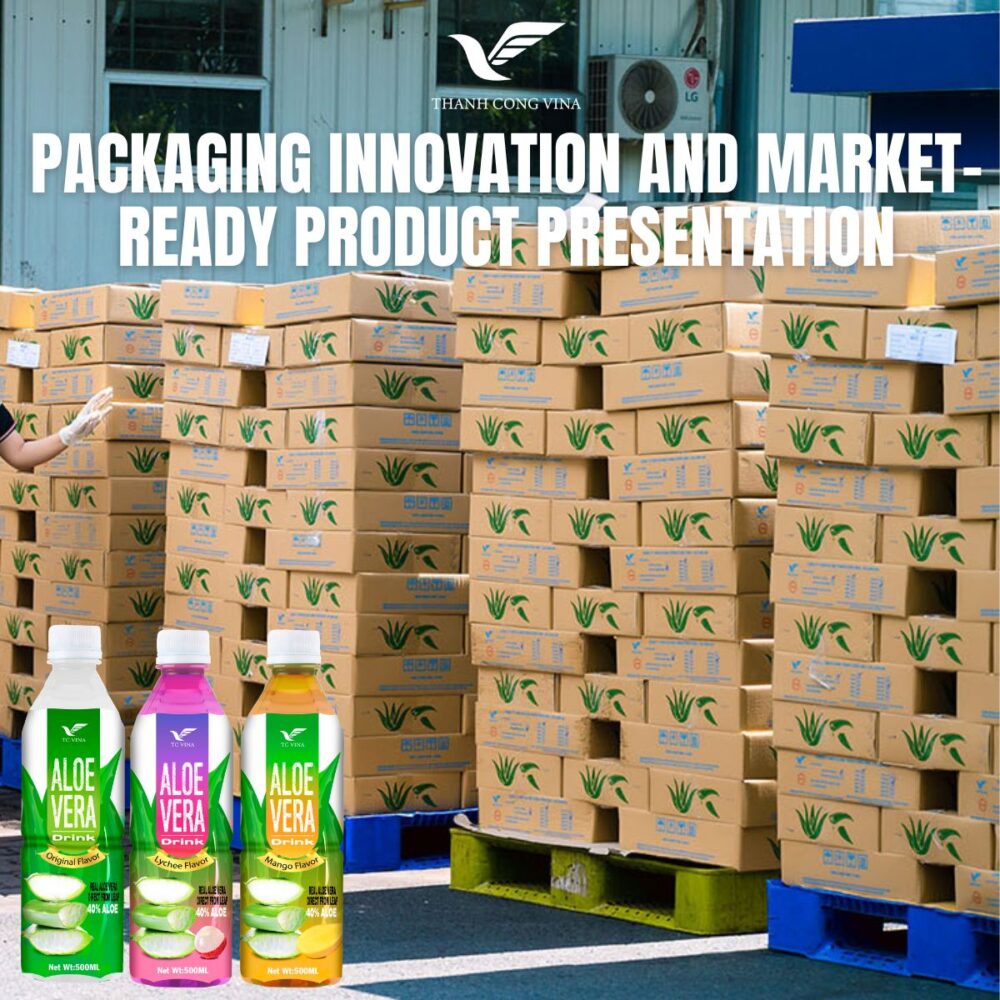
Packaging Innovation and Market-Ready Product Presentation
Packaging affects consumer perception, transportation, storage, and the practical handling of an aloe vera beverage. It should be selected according to product compatibility, distribution requirements, and the brand’s commercial strategy.
Selecting Packaging That Fits the Product
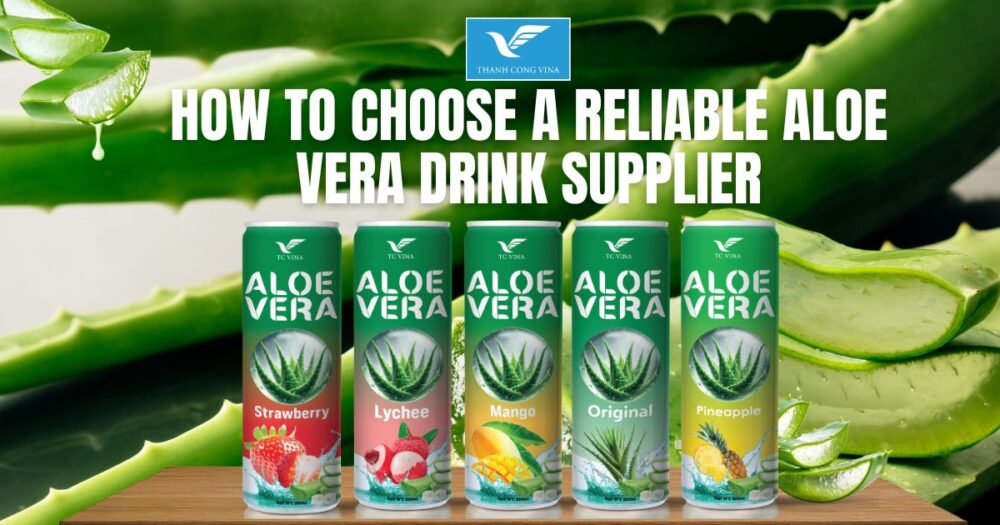
Depending on the manufacturer’s available options, aloe vera drinks may be supplied in PET bottles, cans, glass bottles, or other suitable formats. Serving sizes such as 250 ml, 330 ml, and 500 ml may be considered when supported by the available production arrangements.
The best format depends on the target market and sales channel. Convenience retail, supermarkets, foodservice, and export distribution may have different expectations for serving size, package durability, presentation, and storage.
Buyers should confirm minimum order quantities, material options, printing methods, lead times, and any setup costs before finalizing the packaging specification. They should also check that the proposed packaging is suitable for the formulation and planned processing method.
Developing Packaging for Private Label Brands
For private label products, packaging communicates the brand’s positioning and helps distinguish the beverage from competing products. Design decisions should consider brand identity, product name, flavor identification, readability, and the expectations of the intended consumer.
Artwork must also meet the destination market’s labeling requirements. Depending on local regulations, mandatory information may include ingredients, net quantity, nutrition information, date marking, storage instructions, country of origin, and responsible business details.
Claims about nutritional value or health benefits require particular care and should only be used when permitted and adequately supported. The buyer and manufacturer should agree on who reviews and approves the final artwork before printing.
Protecting Products During Storage and Distribution
Packaging should provide appropriate protection throughout handling and transportation. Depending on the selected format, relevant considerations may include closure integrity, resistance to damage, carton strength, pallet configuration, and compatibility with storage conditions.
Shelf life should be supported by appropriate evidence for the actual formulation, processing method, and packaging system. Buyers should confirm the applicable storage conditions and consider transit time, customs clearance, warehouse handling, and retail inventory when planning an order.
These details are important for export projects because the product must remain suitable throughout the intended distribution period, not just at the time it leaves the production facility.
6. Export Readiness and Long-Term Manufacturing Partnerships
For international beverage businesses, manufacturing performance must be supported by reliable order coordination and export preparation. A suitable supplier should be able to discuss the documentation, timelines, and commercial arrangements required for the proposed shipment.
Preparing Documentation for the Destination Market
Export documentation depends on the destination country, product category, importer responsibilities, and agreed trade terms. Common commercial documents may include invoices, packing lists, and certificates of origin where applicable. Some markets or buyers may require additional product specifications, test reports, or regulatory documentation.
These requirements should be identified before production begins. The buyer and manufacturer should agree on who is responsible for preparing, checking, and submitting each document.
Document accuracy is essential. Product descriptions, quantities, packaging details, and shipment information should correspond with the actual order and applicable requirements. Early coordination helps reduce the risk of administrative delays.
Coordinating Orders, Costs, and Delivery Expectations
A beverage quotation should be evaluated in relation to the full order requirements. Buyers may need to consider product pricing, packaging costs, minimum order quantities, development fees, testing requirements, transportation, and other relevant charges.
Lead times should be discussed alongside material availability, artwork approval, production scheduling, and shipment arrangements. A clear timeline helps importers plan inventory and coordinate launches with their own customers.
Buyers should also clarify payment terms, order change procedures, quality complaint handling, and responsibilities for any agreed inspection or documentation requirements. Written commercial terms help reduce uncertainty as the project progresses.
Working with Thanh Cong Vina
Thanh Cong Vina operates in Vietnam’s beverage manufacturing and export sector and may be considered by businesses exploring aloe vera beverage production or customized beverage projects. As with any potential manufacturing partner, buyers should verify the specific formulations, packaging formats, production capabilities, quality documentation, and certifications relevant to their requirements.
A productive partnership begins with an accurate product brief and transparent discussion of what each party can provide. Clear expectations about samples, specifications, minimum order quantities, production schedules, and export documents create a stronger basis for cooperation.
As market demand develops, both parties can assess opportunities for additional flavors, packaging formats, or new product concepts. Any changes should be reviewed against technical feasibility, regulatory requirements, and commercial objectives before implementation.
Conclusion
Modern aloe vera beverage production combines product development, process management, food safety, packaging, and export coordination into one connected manufacturing system. For international buyers, understanding these elements makes it easier to assess potential suppliers and determine whether their capabilities match a project’s practical requirements. Clear specifications, approved samples, appropriate quality controls, and realistic delivery plans are essential foundations for a successful sourcing relationship.
When evaluating an Aloe Vera Drink Supplier, businesses should look beyond general claims about manufacturing technology and request evidence relevant to their intended product and market. Thanh Cong Vina can be considered as a potential partner for companies exploring beverage manufacturing and export opportunities in Vietnam. By confirming product options, packaging availability, quality documentation, and commercial terms in advance, buyers and Thanh Cong Vina can establish a clearer framework for product development and long-term cooperation in international beverage markets.