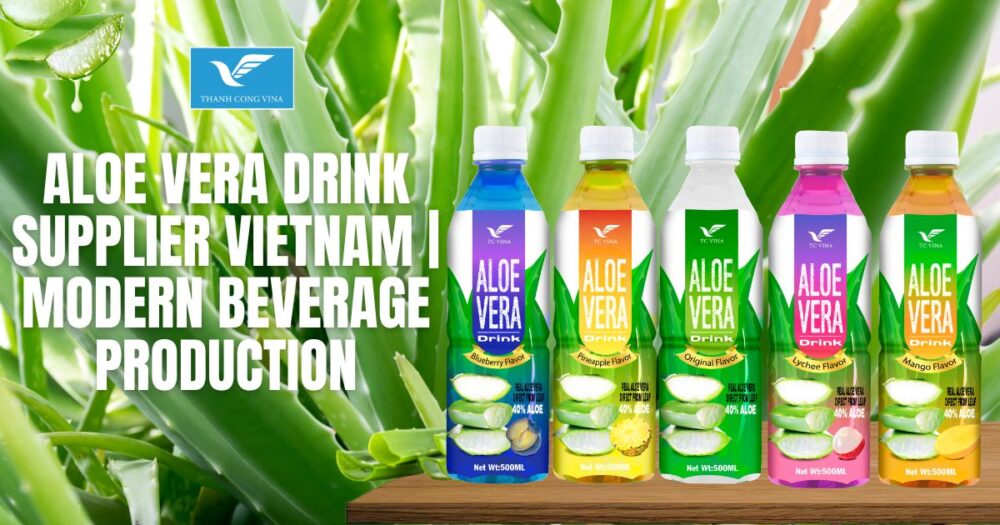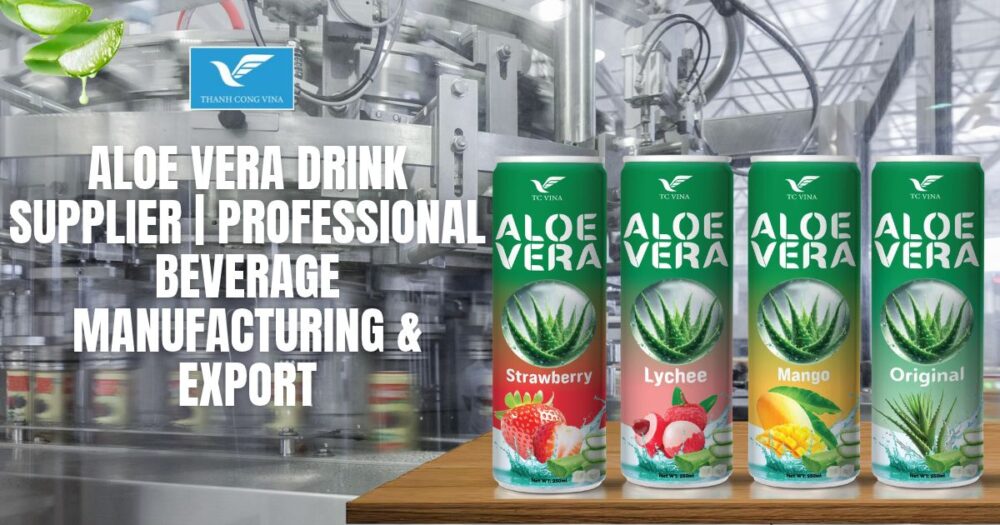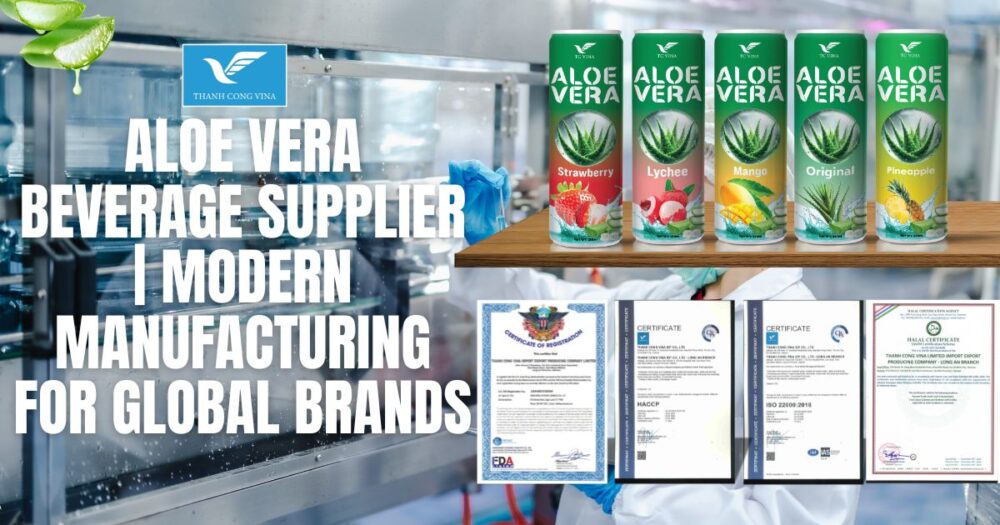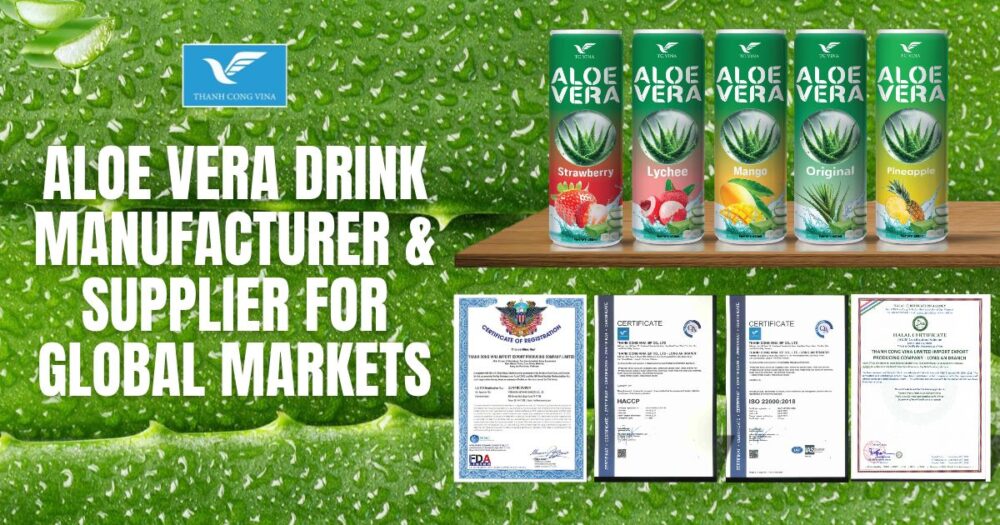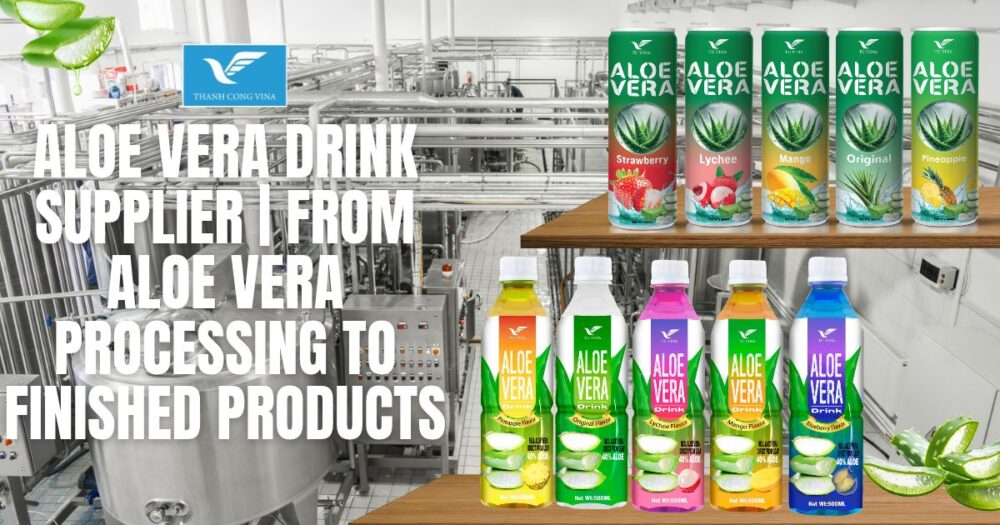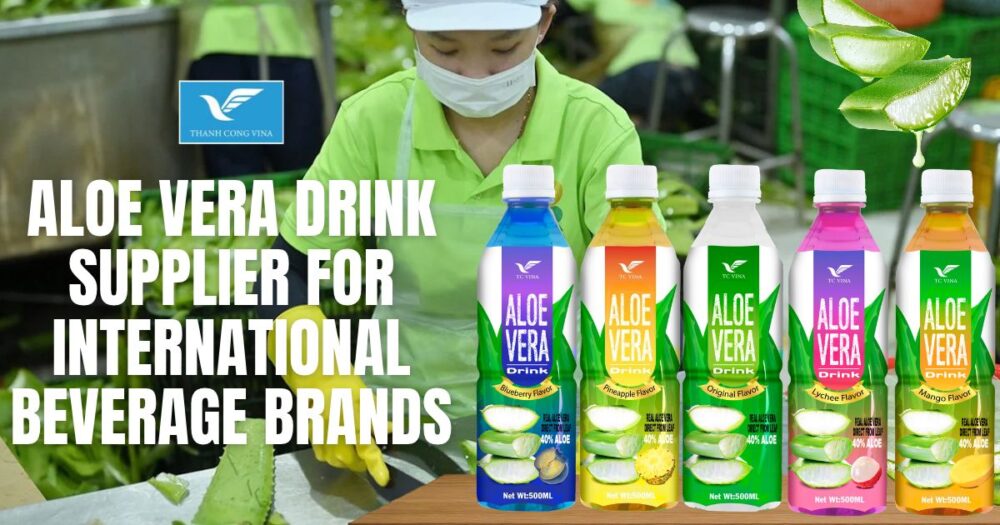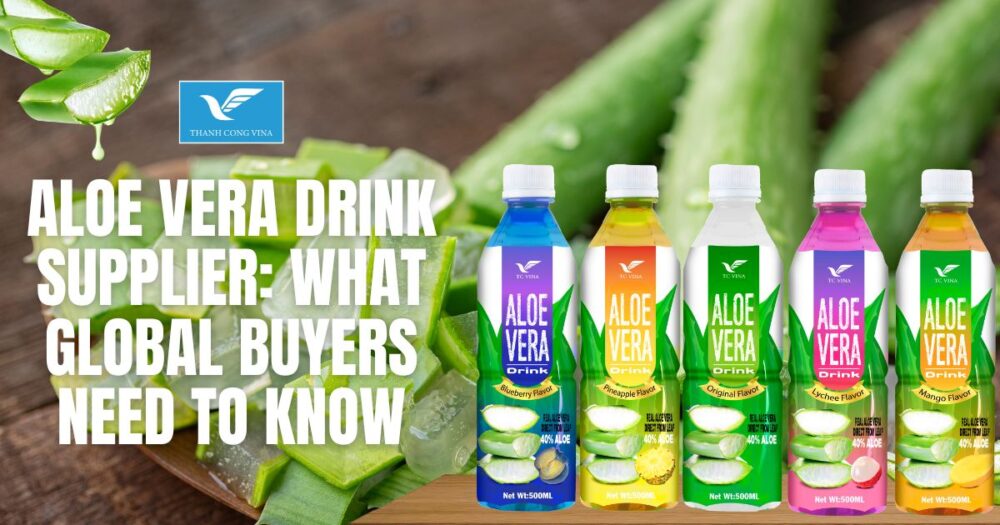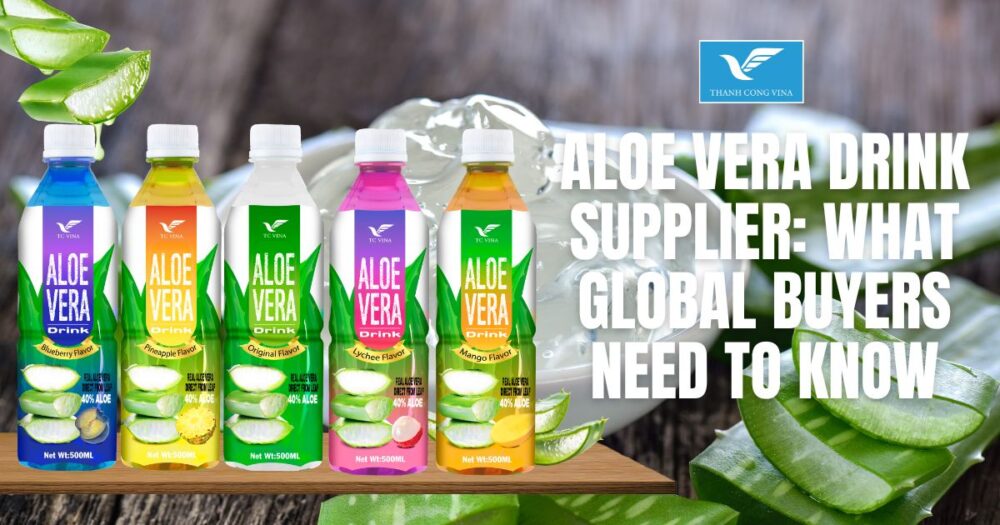

Choosing the right Aloe Vera Drink Supplier is an important step toward building a competitive product portfolio. Original Equipment Manufacturing (OEM) offers a practical approach for companies that want to develop beverages under their own brand without establishing and operating a dedicated production facility. Through an appropriate manufacturing partnership, buyers can explore different aloe vera drink formulations, select suitable packaging formats, define product specifications, and coordinate production according to their commercial requirements. However, successful OEM manufacturing involves more than selecting a product and adding a brand label. It requires clear communication, technical evaluation, quality management, cost planning, and preparation for the intended market. Understanding these elements helps importers, distributors, retailers, and beverage entrepreneurs make informed decisions when developing custom aloe vera drinks for domestic and international customers.
1. Aloe Vera Drink Supplier for OEM Beverage Manufacturing
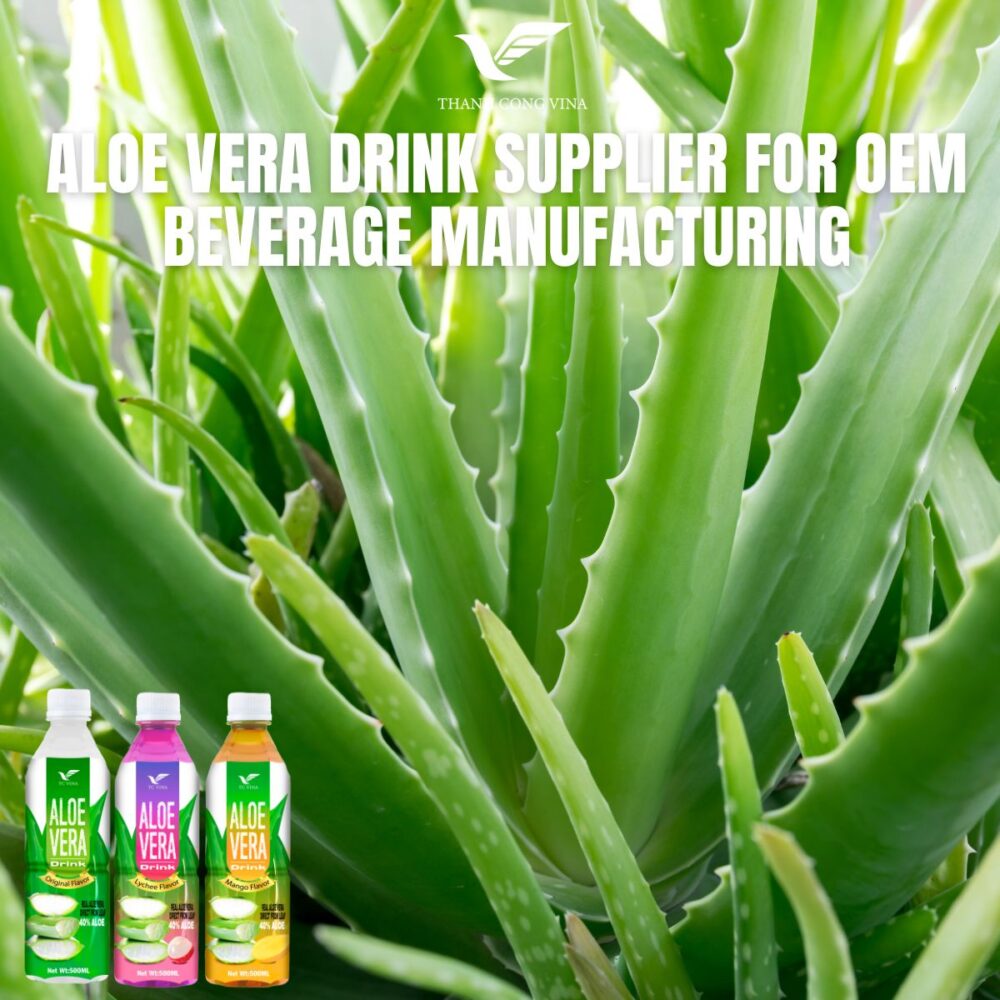
Aloe Vera Drink Supplier for OEM Beverage Manufacturing
OEM beverage manufacturing allows businesses to outsource production while marketing finished products under their own brand. Instead of investing in manufacturing infrastructure, buyers can collaborate with an established beverage manufacturer to evaluate product specifications, production feasibility, packaging requirements, and order planning.
For companies exploring the aloe vera beverage market, this arrangement can provide a structured starting point for product development and commercial expansion.
Understanding the OEM Manufacturing Model
In an OEM arrangement, the buyer and manufacturer agree on the product requirements and responsibilities before commercial production begins. Depending on the project, the buyer may provide an established formulation or work with the manufacturer to refine product specifications within the manufacturer’s available capabilities.
A typical OEM project may involve several activities:
- Defining the aloe vera beverage concept and target market.
- Establishing ingredient and formulation requirements.
- Evaluating product samples and sensory characteristics.
- Selecting suitable packaging formats and sizes.
- Approving product specifications and label artwork.
- Confirming production quantities, costs, and schedules.
- Coordinating quality documentation and shipment preparation.
The exact scope varies by manufacturer. Buyers should therefore confirm which development, testing, packaging, and documentation services are included in the proposed agreement.
Why Brands Choose OEM Aloe Vera Beverages
Developing a beverage independently can require substantial investment in equipment, production facilities, technical personnel, and quality management systems. OEM manufacturing provides an alternative for businesses that want to concentrate on branding, distribution, marketing, and customer relationships.
Retail chains may use OEM arrangements to develop private label beverages, while distributors can create products tailored to their customer networks. Emerging beverage brands may also use contract manufacturing to evaluate market demand before expanding their product portfolios.
However, OEM does not automatically eliminate the need for product development, regulatory review, or quality verification. Buyers remain responsible for clearly communicating their requirements and fulfilling their obligations under the relevant commercial and regulatory framework.
A successful partnership begins with a realistic assessment of the manufacturer’s capabilities and a detailed understanding of the product the buyer intends to launch.
2. Custom Aloe Vera Drink Formulation and Product Development
Formulation is a central consideration when developing an aloe vera beverage. The finished product must meet the buyer’s expectations for flavor, texture, appearance, ingredient composition, and intended positioning.
A reliable development process should connect the product concept with technical feasibility, consumer preferences, and the requirements of the destination market.
Selecting Aloe Vera Ingredients and Beverage Styles
Aloe vera beverages can be developed in different styles, depending on the intended product category and manufacturing capabilities. Some formulations emphasize a refreshing aloe vera profile, while others combine aloe vera with fruit flavors to create a broader range of taste experiences.
Potential product directions include original aloe vera drinks and fruit-flavored variations such as mango, peach, lychee, or other flavors selected according to the target market.
When evaluating ingredient options, buyers should distinguish between aloe vera ingredients, fruit ingredients, flavoring components, sweeteners, and other formulation elements. Their use and labeling must be appropriate for the intended product and comply with applicable regulations.
Buyers should also specify their expectations regarding aloe vera content, ingredient quality, sweetness, and any restrictions on particular ingredients. These details help the manufacturer assess feasibility before developing samples.
The objective is not simply to create an appealing flavor. It is to establish a clear product specification that can guide manufacturing and support consistent commercial production.
Balancing Flavor, Texture, and Consumer Preferences
Taste is an important factor in beverage acceptance, but aloe vera drinks may also be evaluated according to their texture, appearance, sweetness, and overall drinking experience.
For example, some buyers may prefer a smoother beverage, while others may want a formulation that includes aloe vera pieces, provided the production process and packaging are suitable for that product style.
The development team should consider how the chosen ingredients interact and how the beverage will perform under the proposed processing and storage conditions.
Sample evaluations can help identify adjustments to sweetness, flavor balance, acidity, or texture. Buyers should provide specific feedback rather than relying only on general comments such as “too sweet” or “not refreshing enough.”
Where appropriate, multiple sample rounds may be necessary to establish a formulation that satisfies the agreed requirements.
Evaluating Shelf Life and Product Stability
A beverage formulation must be assessed in relation to its intended processing method, packaging system, storage conditions, and distribution environment.
Ingredients can behave differently during processing and storage. Product stability therefore needs to be evaluated through suitable technical assessments rather than inferred from the initial appearance or taste of a sample.
Before approving a commercial formula, buyers should discuss the intended shelf life, storage conditions, packaging compatibility, and relevant testing requirements with the manufacturer.
For export-oriented projects, these considerations are particularly important because products may spend extended periods in transportation, warehouses, and retail distribution networks.
A clearly documented formulation and appropriate validation procedures help both parties establish realistic expectations for product quality.
3. Private Label Packaging and Brand Customization

Private Label Packaging and Brand Customization Aloe Vera Drink Supplier
Packaging is an important component of OEM beverage development because it connects product functionality with brand recognition and retail presentation.
For an aloe vera beverage, the packaging decision should reflect the product’s physical characteristics, intended processing method, target audience, distribution conditions, and commercial positioning.
Choosing Suitable Packaging Formats
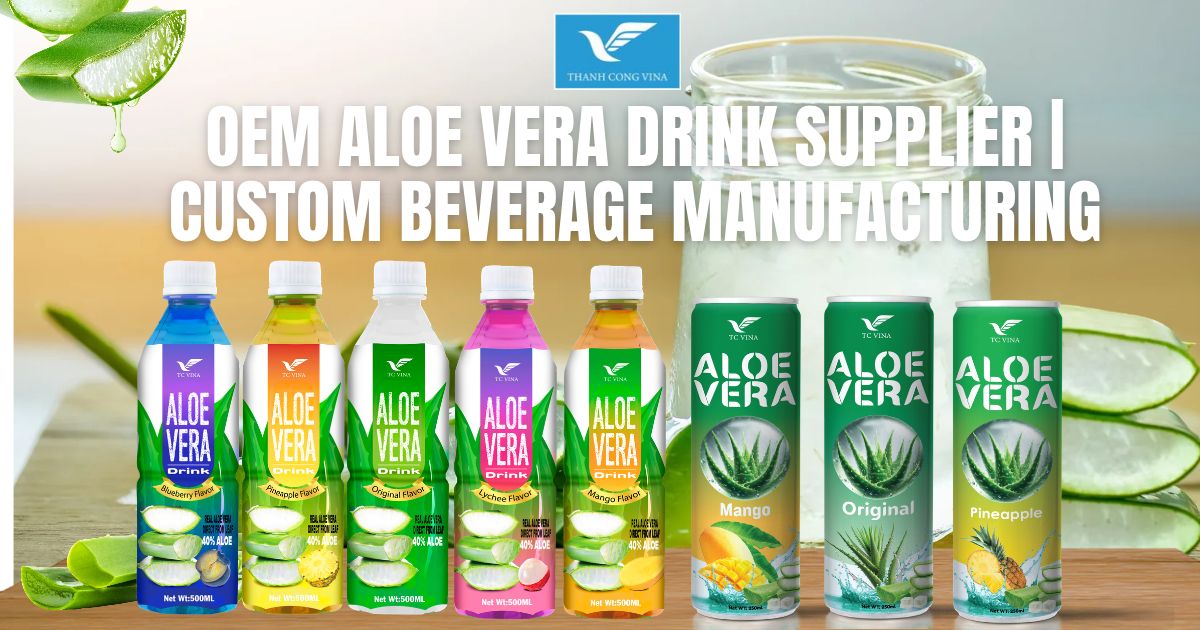
Depending on the manufacturer’s available production capabilities and the beverage’s technical requirements, aloe vera drinks may be packaged in formats such as PET bottles, cans, or other suitable containers.
Each format offers different advantages and limitations.
PET bottles can support convenient handling and provide flexibility in container sizes. Cans may suit selected retail and on-the-go beverage concepts. Other packaging formats may be considered when they meet the product’s processing, storage, and distribution requirements.
Buyers should evaluate packaging according to several factors:
- Compatibility with the beverage and processing method.
- Container size and portion requirements.
- Protection of product quality during storage.
- Transportation efficiency and handling conditions.
- Packaging material availability and lead times.
- Total packaging cost and minimum order requirements.
The selected container must be suitable for the actual manufacturing process. Buyers should confirm compatibility with the supplier before finalizing their packaging design.
Developing a Distinctive Private Label Identity
Private label packaging enables retailers and beverage businesses to present products under their own brand identity. However, effective customization requires more than placing a logo on a container.
Brand owners should establish a consistent visual direction, including brand colors, typography, product naming, label hierarchy, and relevant product information. The design should help customers identify the beverage category and understand the product’s key characteristics.
For international distribution, label requirements may differ by destination. Depending on the market and product classification, mandatory information may include the ingredient list, nutrition information, net quantity, storage instructions, manufacturer details, and other required declarations.
Buyers should arrange appropriate label reviews before production. Translations, nutrition claims, ingredient statements, and other representations must be accurate and comply with applicable rules.
Clear artwork approval procedures can prevent costly corrections after packaging materials have been printed.
Planning Packaging Costs and Minimum Order Quantities
Custom packaging can influence the initial investment required for an OEM project. Special printing, customized labels, nonstandard containers, and dedicated packaging components may involve minimum purchasing quantities or longer procurement timelines.
The buyer should request a quotation that identifies packaging-related costs and clarifies which items are included in the manufacturing price.
It is also important to determine who owns custom artwork, how packaging inventory will be handled, and what happens if a product design changes after materials have been purchased.
These details are particularly relevant for new brands testing market demand. A packaging strategy that balances differentiation with manageable initial costs can support a more practical product launch.
4. Production Planning and Quality Management for OEM Aloe Vera Drinks
A well-developed product concept must be supported by a production plan that translates approved specifications into a consistent finished beverage.
Businesses evaluating an aloe vera beverage manufacturer should understand how production requirements are established, how quality is assessed, and how changes are managed throughout the manufacturing process.
Establishing Clear Production Specifications
Before commercial production, the buyer and manufacturer should agree on a documented product specification.
Depending on the formulation, this document may cover ingredient composition, sensory characteristics, relevant physicochemical parameters, packaging details, storage conditions, and applicable microbiological requirements.
The specification should also identify the approved product sample or reference standard where appropriate.
Clear documentation reduces the likelihood of misunderstandings when a product moves from development into repeat manufacturing. It also provides a reference for evaluating whether finished batches meet the agreed requirements.
Any changes to ingredients, packaging, processing parameters, or other important specifications should follow an agreed review and approval procedure.
Understanding Quality Control and Food Safety
Quality management should cover relevant stages of the manufacturing process, including ingredient receipt, preparation, processing, filling, packaging, storage, and finished-product assessment.
The specific controls depend on the beverage, processing technology, applicable regulations, and the manufacturer’s established procedures.
Buyers should ask potential suppliers how they evaluate incoming materials, monitor production, maintain traceability, and handle products that do not meet specifications.
Relevant documentation may include product specifications, testing records, certificates of analysis, traceability information, and other records appropriate to the project.
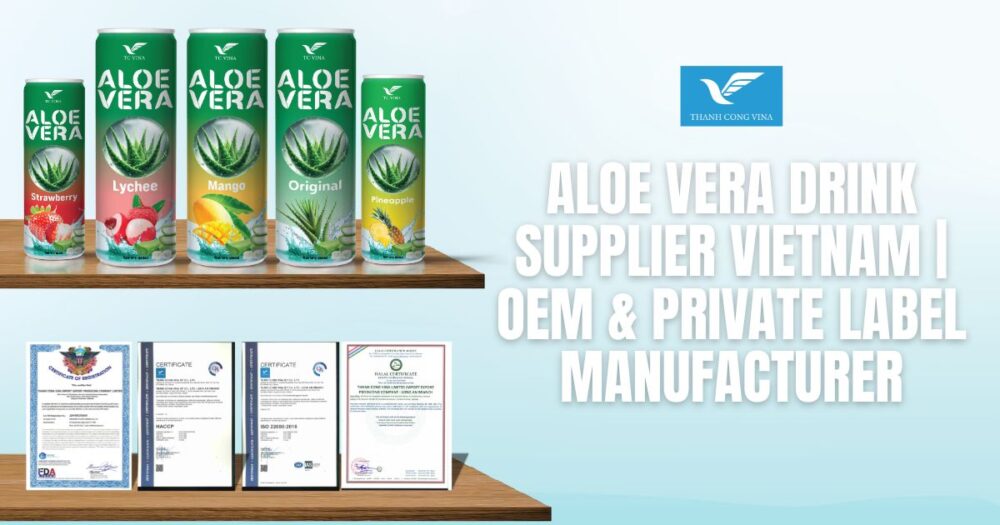
If a supplier presents food safety or quality certifications, buyers should verify the issuing organization, validity, covered facility, and certification scope. A certification should not be assumed to cover every product or manufacturing activity automatically.
The goal is to establish confidence through verifiable procedures and documented evidence rather than unsupported claims.
Coordinating Samples, Production, and Order Approval
Sample approval should be treated as a formal stage in the OEM project. Buyers need sufficient information to determine whether the product matches the intended specifications and brand positioning.
Once the sample is approved, the manufacturer and buyer should confirm the production quantity, packaging availability, expected lead time, quality requirements, and documentation responsibilities.
The production schedule should account for ingredient procurement, packaging preparation, testing requirements, and any necessary regulatory review.
A defined communication process can help both parties respond efficiently to changes or unexpected delays.
For repeat orders, the approved specifications and established procedures should provide a consistent reference. Where changes become necessary, the parties should assess their potential effects on product quality, packaging, cost, and delivery before proceeding.
5. Export Readiness and International Market Requirements
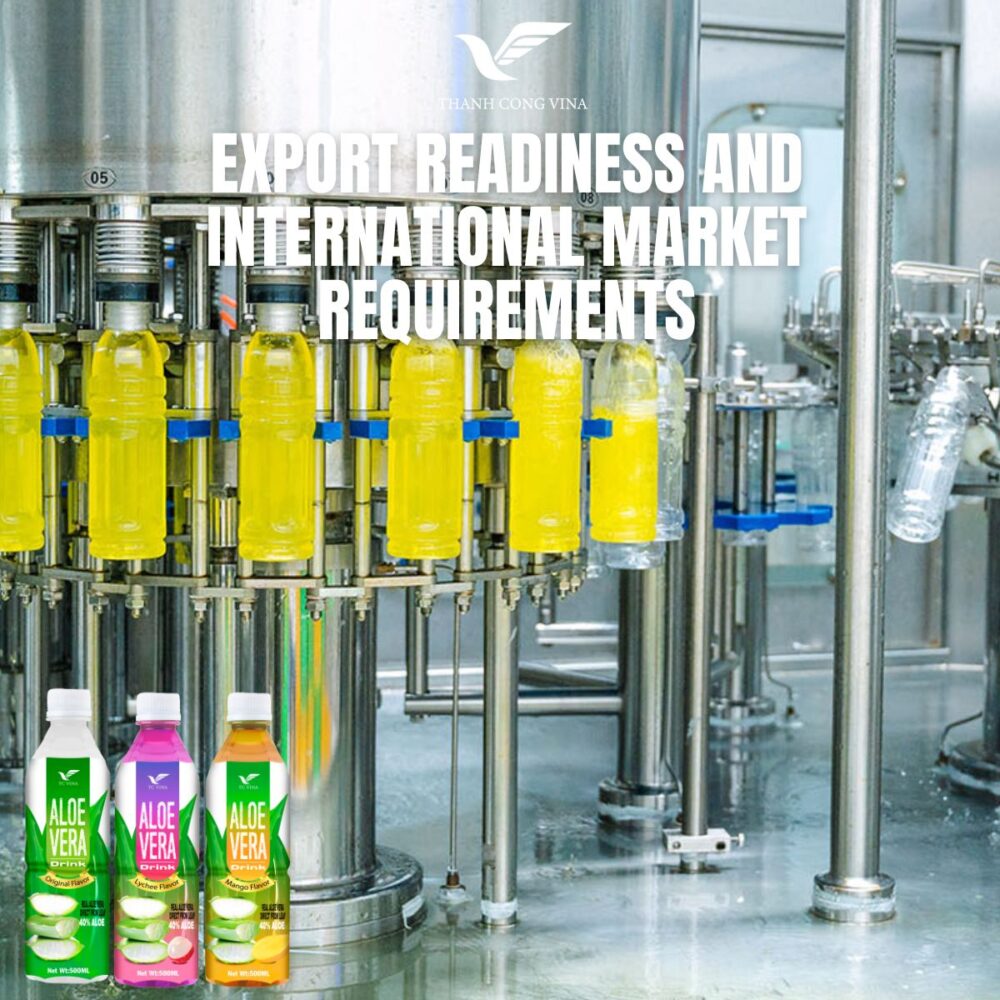
Export Readiness and International Market Requirements Aloe Vera Drink Supplier
For brands planning to distribute aloe vera beverages internationally, manufacturing is only one part of the supply process. The product must also be suitable for its destination market and supported by the required documentation and logistics arrangements.
An experienced manufacturing partner can help coordinate relevant information, although buyers should not assume that the supplier automatically handles every import or regulatory obligation.
Reviewing Destination Market Regulations
Food and beverage requirements differ between countries and may depend on the product’s formulation, classification, processing method, packaging, and intended claims.
Before production, buyers should identify the applicable rules for ingredients, additives, labeling, nutrition declarations, product registration, and other relevant requirements.
Claims relating to health, nutrition, or functional benefits deserve particular attention. Such claims should not be used unless they are permitted and supported by appropriate evidence under the destination market’s regulations.
Importers should work with qualified regulatory specialists or relevant authorities when requirements are unclear.
Establishing these requirements early can reduce the risk of label revisions, shipment delays, or difficulties when introducing the beverage to a new market.
Preparing Export Documentation and Shipment Details
The documents required for an international shipment depend on the destination, product, transaction, and applicable regulations. Commercial invoices, packing lists, shipping documents, certificates, test reports, and product information may be relevant to particular transactions.
Buyers should confirm the required documents with their importer, freight forwarder, and relevant authorities before the shipment is arranged.
Logistics planning should also consider production lead times, container loading requirements, expected transit duration, storage conditions, and delivery schedules.
Packaging must be suitable for the anticipated handling and transportation conditions. The parties should agree on responsibility for shipment coordination, document preparation, and communication with logistics providers.
For businesses launching products around seasonal promotions or retail listing dates, realistic scheduling is particularly important.
Building a Repeatable Export Supply Process
International beverage distribution often requires predictable replenishment and clear communication across multiple organizations.
A repeatable supply process should include documented product specifications, confirmed order quantities, agreed production schedules, shipment milestones, and procedures for managing delays or discrepancies.
Buyers should also consider demand forecasting and inventory planning. Ordering too much can increase storage costs and tie up working capital, while ordering too little may interrupt product availability.
By coordinating commercial forecasts with manufacturing and logistics planning, businesses can build a more reliable approach to distributing customized aloe vera drinks.
6. Choosing the Right Aloe Vera Drink Supplier for Long-Term Growth
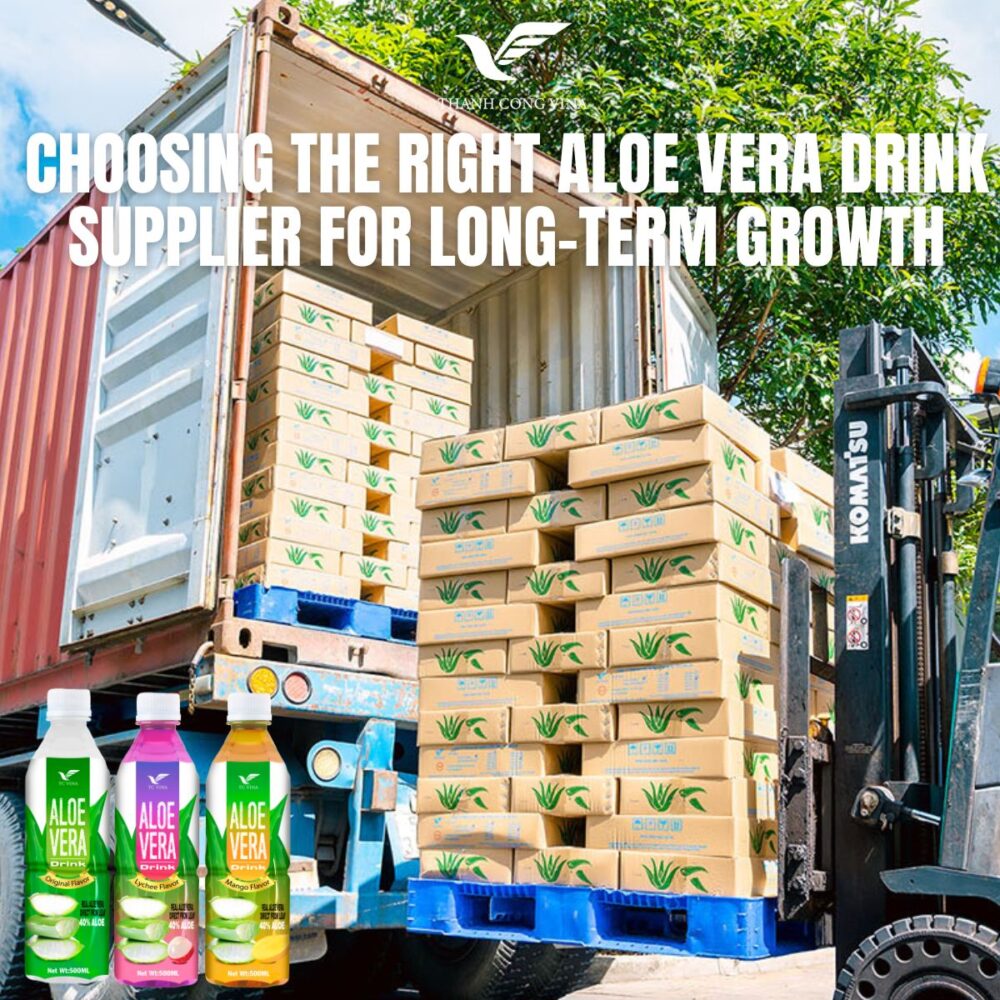
Choosing the Right Aloe Vera Drink Supplier for Long-Term Growth
Selecting a manufacturing partner should involve a structured evaluation of technical capabilities, communication, commercial transparency, and the ability to support future product development.
The most suitable supplier is not necessarily the one offering the lowest initial price. It is the partner whose capabilities and working arrangements align with the buyer’s requirements.
Evaluating Technical and Commercial Capabilities
Before entering an agreement, buyers should assess whether the manufacturer can support the proposed formulation, packaging format, production quantity, and quality requirements.
Useful questions include:
- Can the manufacturer accommodate the intended aloe vera beverage formulation?
- What product development and sample review services are available?
- Which packaging formats and sizes can be considered?
- What are the minimum order quantities and expected lead times?
- Which quality documents and product records can be provided?
- How are changes to approved specifications managed?
- What responsibilities apply to packaging, labeling, and export preparation?
The answers should be specific to the proposed project. Buyers should request supporting documentation where necessary and avoid relying exclusively on general marketing statements.
A detailed comparison of potential suppliers helps businesses identify differences in service scope, technical fit, cost structure, and project risk.
Understanding Total Cost and Commercial Terms
The total cost of an OEM aloe vera beverage may include formulation development, ingredients, manufacturing, packaging materials, testing, artwork preparation, and other agreed services.
International buyers should also account for transportation, insurance, import duties, taxes, and local distribution expenses when estimating the final landed cost.
Quotations should be compared on an equivalent basis. A lower manufacturing price may exclude services or materials that another supplier includes.
Commercial discussions should cover payment terms, minimum order quantities, production lead times, ownership of custom materials, and procedures for handling quality issues.
Clear terms provide a stronger foundation for budgeting and help both parties understand their obligations throughout the relationship.
Establishing a Partnership That Can Scale
An OEM project may begin with one product but develop into a broader beverage portfolio as the brand grows.
Future opportunities may include additional flavors, alternative packaging sizes, new product variations, or expanded distribution channels. These possibilities should be evaluated according to actual market demand, technical feasibility, and available resources.
Regular communication helps the buyer and manufacturer review product performance, production requirements, and potential improvements. Documented processes also make it easier to manage repeat orders and maintain consistent expectations.
For international beverage brands, a long-term partnership should combine clear specifications, realistic planning, transparent costs, and appropriate quality management.
Choosing a suitable manufacturing partner at the beginning can make future product development and portfolio expansion more manageable.
Conclusion: Custom OEM Aloe Vera Drink Supplier Solutions with Thanh Cong Vina
Choosing the right Aloe Vera Drink Supplier is an important decision for businesses seeking to develop customized beverages and expand their presence in competitive markets. A successful OEM project requires coordinated planning across formulation development, ingredient selection, packaging customization, quality management, cost evaluation, and export preparation. By defining product specifications early and confirming the responsibilities of each party, buyers can establish a clearer path from concept approval to commercial production. It is equally important to verify manufacturing capabilities, review relevant quality documentation, and ensure that the finished product meets the requirements of its intended destination market.
Thanh Cong Vina Beverage operates in Vietnam’s beverage manufacturing and export sector and can be considered by businesses evaluating potential partners for customized beverage projects. Through careful supplier assessment and transparent cooperation, brands can build a more practical foundation for launching aloe vera drinks under their own labels. For companies searching for an Aloe Vera Drink Supplier, Thanh Cong Vina offers a starting point for discussing product requirements, manufacturing arrangements, and potential long-term beverage business opportunities.