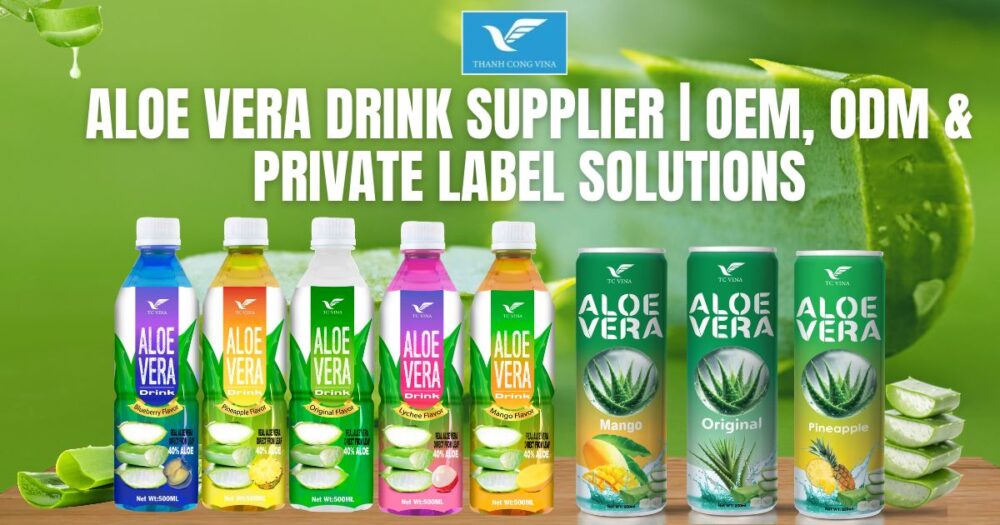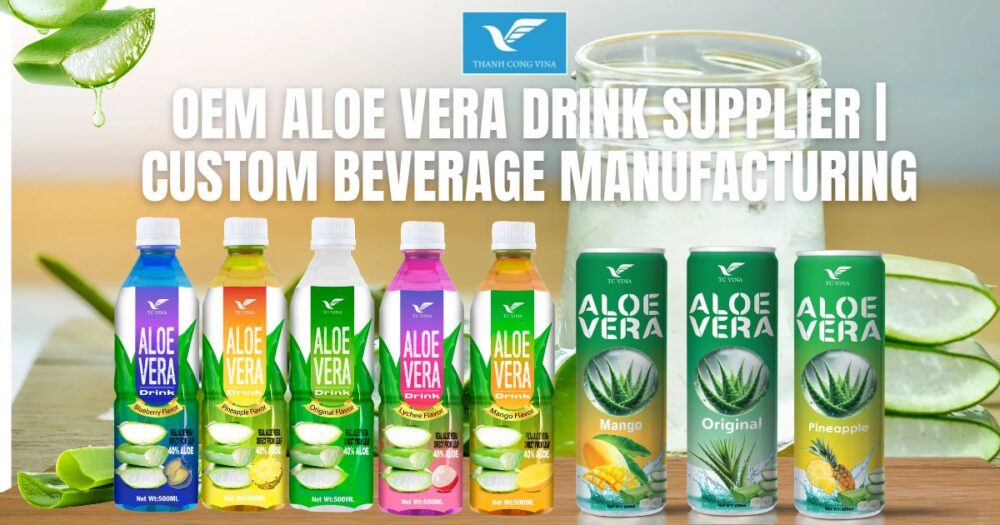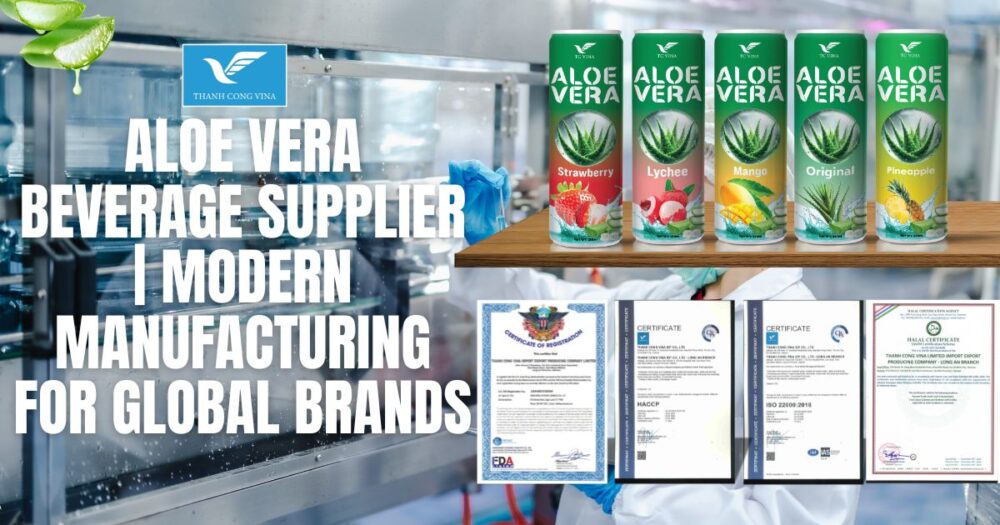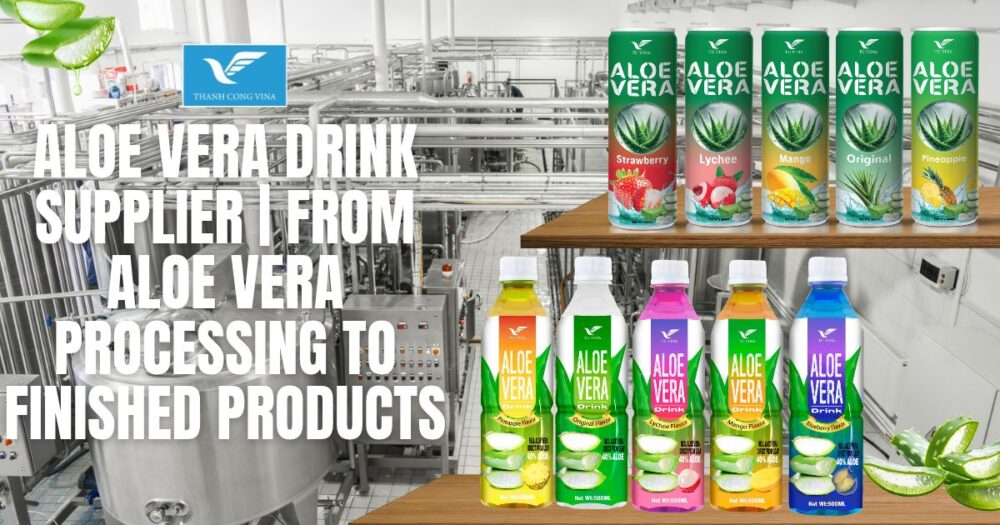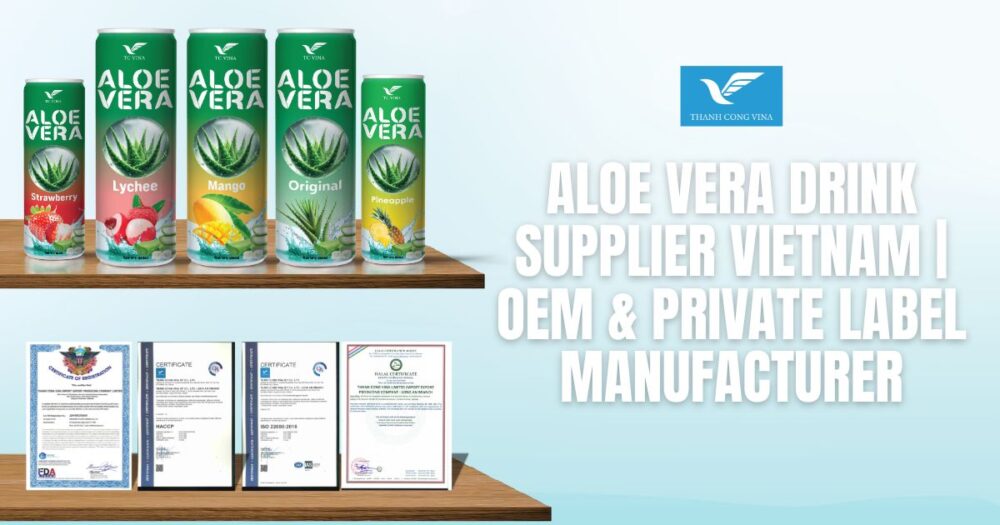

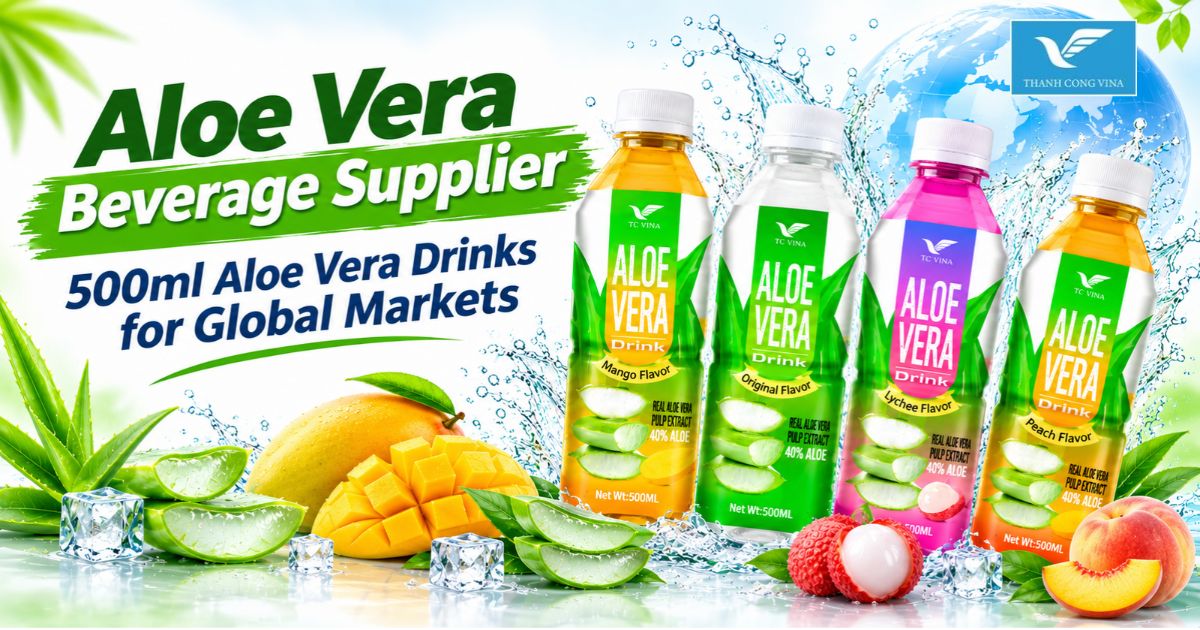
For importers, distributors, and beverage brands, selecting a reliable Aloe Vera Beverage Supplier is an important step toward developing products that meet different market expectations. Among the available packaging formats, 500ml aloe vera drinks offer a practical option for individual consumption, retail distribution, and convenience-oriented channels. Their larger serving size provides an alternative to smaller beverage formats while creating opportunities for brands to develop a recognizable product range. However, successful international distribution requires more than choosing a bottle size. Product formulation, aloe vera pulp characteristics, flavor consistency, packaging performance, and regulatory compliance all need careful consideration. Understanding these factors can help businesses evaluate suitable aloe vera beverage products for global markets.
1. Why 500ml Aloe Vera Drinks Are Relevant to the Global Beverage Market
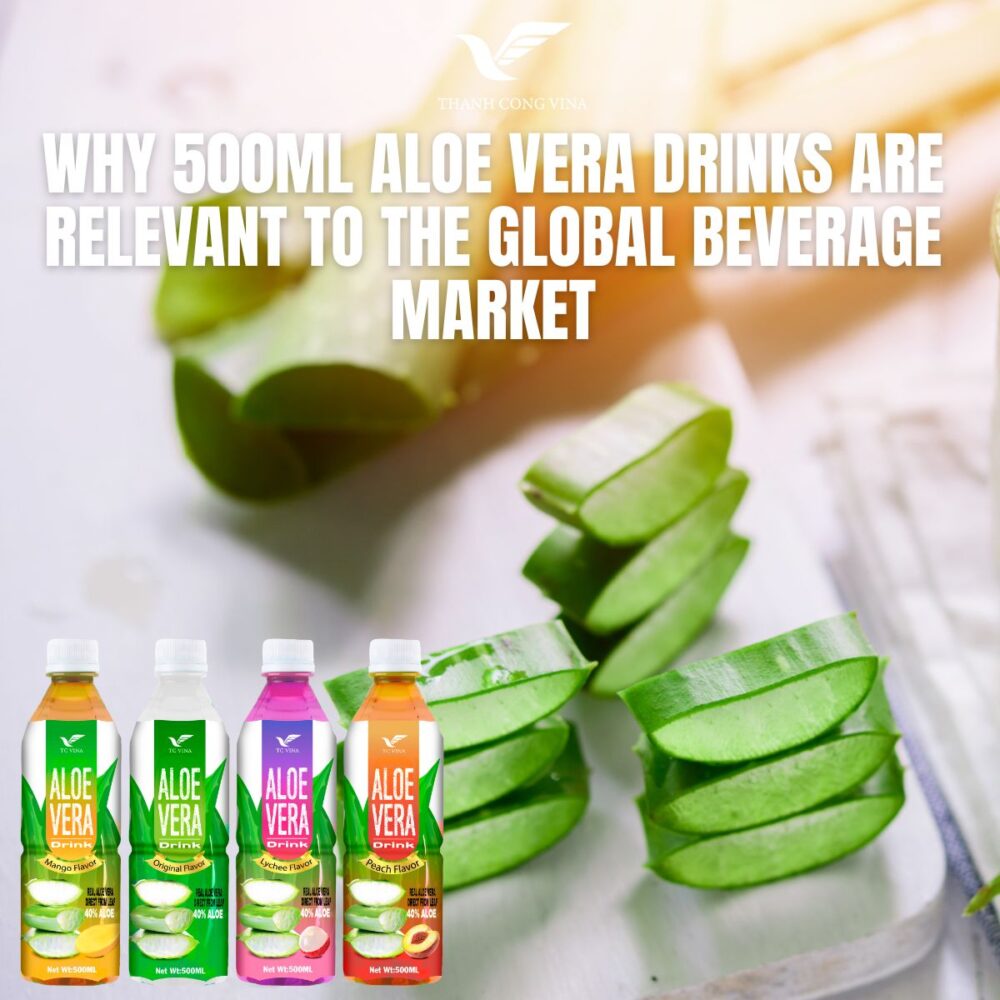
Why 500ml Aloe Vera Drinks Are Relevant to the Global Beverage Market
Packaging size influences how consumers purchase, carry, store, and consume beverages. In the ready-to-drink category, 500ml bottles are widely recognized as an individual beverage format that can serve different retail and distribution needs.
A Practical Format for Everyday Consumption
A 500ml bottle provides a convenient serving option for consumers who want a beverage that can be enjoyed throughout the day. It may be suitable for supermarkets, convenience stores, grocery retailers, vending channels, and selected foodservice businesses.
Compared with smaller packages, this format provides a larger volume in one bottle. It can appeal to consumers who prefer to purchase a single beverage for longer consumption occasions, including during work breaks, travel, or leisure activities.
For distributors, the 500ml format can also help create a consistent product presentation across different beverage categories. Brands may use a similar packaging size for aloe vera drinks, fruit juice drinks, and other ready-to-drink products.
Supporting Retail Visibility and Product Recognition
Bottle design plays an important role in attracting attention on retail shelves. A 500ml package offers space for product branding, flavor identification, ingredient information, and required labeling details.
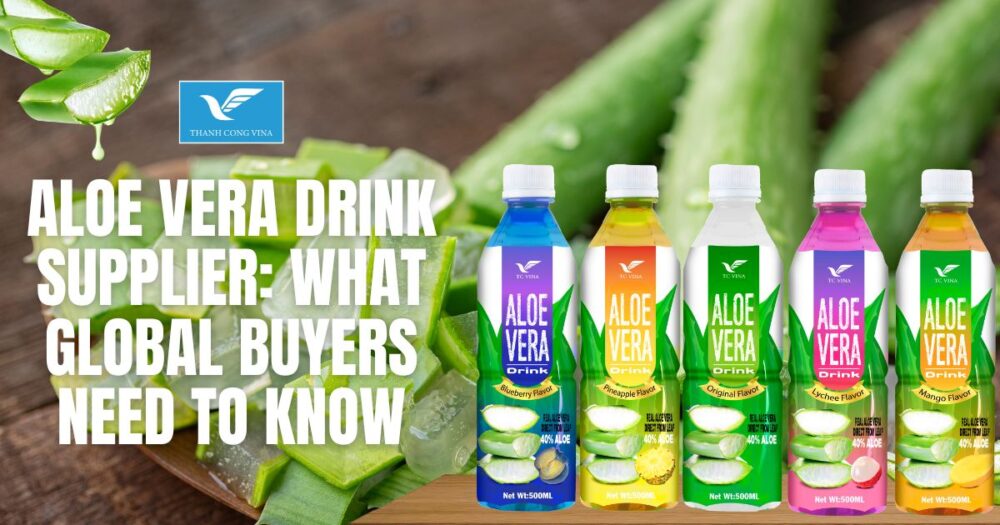
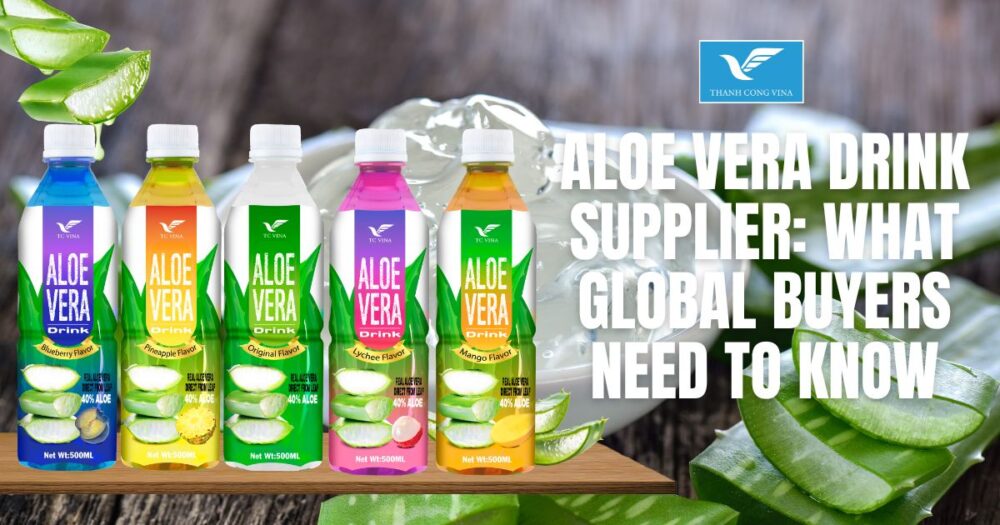
For aloe vera beverages, the visual presentation can highlight the product’s distinctive characteristics. Transparent packaging, where technically suitable, may allow consumers to see the aloe vera pieces inside the beverage.
A clear visual identity can help customers distinguish between different flavors while maintaining consistent branding across the product range.
Creating Opportunities for Multiple Sales Channels
Aloe vera drinks in 500ml bottles can be considered for several distribution channels, depending on product specifications and market requirements.
Supermarkets may focus on shelf presentation and competitive pricing, while convenience stores may prioritize portability and quick purchasing decisions. Wholesale distributors may evaluate carton configuration, pallet efficiency, and transportation costs.
Before selecting the final format, importers should consider the sales environment, storage conditions, target retail price, and local consumer preferences.
2. Aloe Vera Beverage Supplier for 500ml Product Development
Choosing an Aloe Vera Beverage Supplier requires a clear understanding of the beverage’s composition and the characteristics that differentiate it from conventional fruit drinks.
Aloe vera beverages typically combine a liquid base with aloe vera ingredients, which may include processed aloe vera pulp or pieces. Depending on the formulation, the finished product can offer different flavor profiles, sweetness levels, and textures.
The Role of Aloe Vera Pulp in Beverage Experience
Aloe vera pulp is one of the defining characteristics of many aloe vera drinks. Its translucent appearance and soft texture create a different drinking experience compared with ordinary flavored water or fruit juice.
The size, texture, and distribution of aloe vera pieces can influence how consumers perceive the finished beverage. Smaller pieces may provide a more subtle texture, while more noticeable pieces can create a stronger textured-drink identity.
Manufacturers should establish appropriate specifications for the aloe vera ingredients used in each product. Buyers should also evaluate samples to understand the actual texture and appearance before confirming an order.
Balancing the Liquid Base and Aloe Vera Ingredients
A well-developed aloe vera beverage should provide a balanced relationship between the liquid base and the aloe vera pieces.
The liquid component contributes to the beverage’s flavor, sweetness, and overall refreshment profile. Meanwhile, the aloe vera ingredients provide the characteristic texture that distinguishes the product category.
During product evaluation, buyers should consider:
- The proportion and characteristics of aloe vera pieces.
- Sweetness and overall flavor intensity.
- Aroma and aftertaste.
- Visual appearance and consistency.
- Drinking experience across different serving conditions.
These factors should be reflected in the product specification agreed upon by the buyer and supplier.
Developing Flavors for Different Consumer Preferences
Aloe vera has a relatively mild flavor profile, allowing it to be combined with different fruit flavors. This flexibility provides opportunities for brands to create a broader product range.
Popular flavor directions may include mango, lychee, peach, and original aloe vera. Each option provides a different sensory experience:
- Mango: A familiar tropical profile with a sweet fruit character.
- Lychee: A fragrant flavor with a delicate and refreshing impression.
- Peach: A smooth fruit profile with a gentle aroma.
- Original: A simpler option that emphasizes the aloe vera beverage experience.
For international brands, offering multiple flavors in the same 500ml format can help create a consistent product family while giving consumers more choices.
3. Important Technical Specifications for 500ml Aloe Vera Beverages
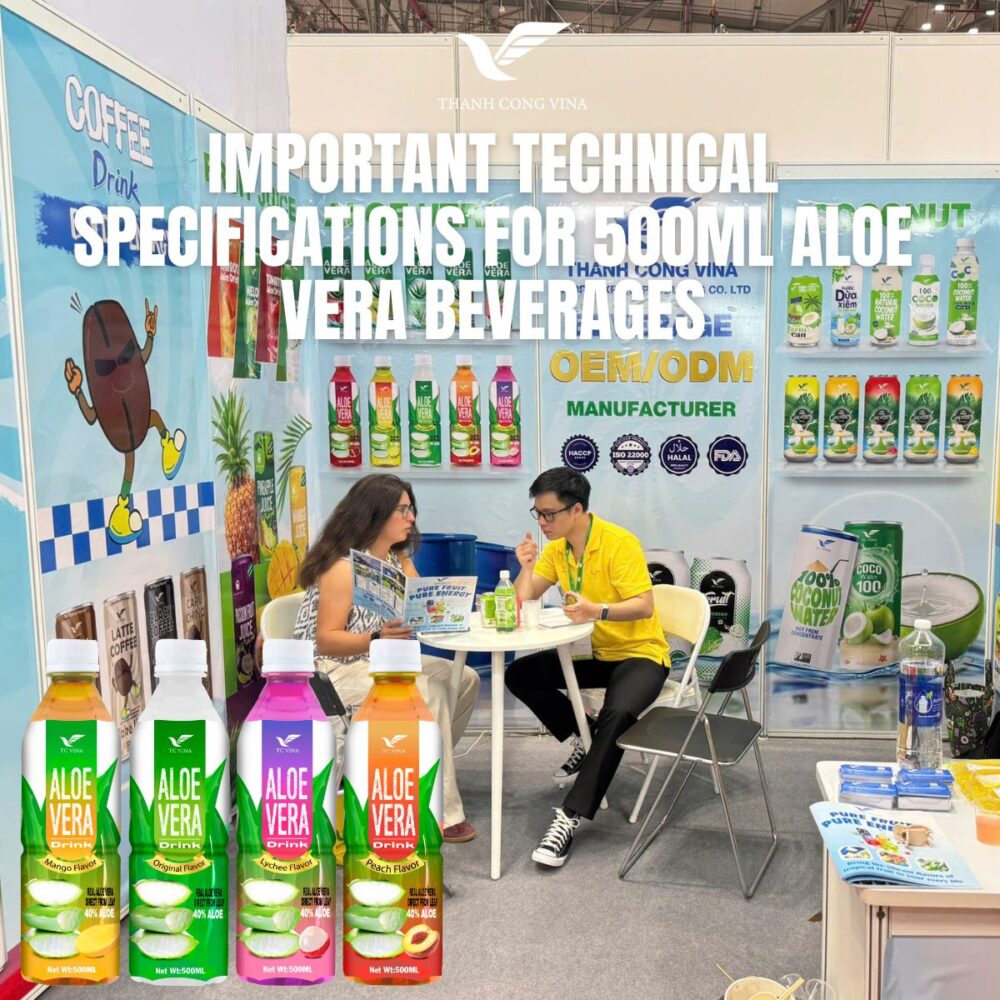
Important Technical Specifications for 500ml Aloe Vera Beverages
A successful beverage product must meet agreed technical specifications throughout production, packaging, transportation, and storage. Importers should evaluate these requirements before confirming commercial orders.
Product Appearance and Texture Consistency
Appearance is an important quality consideration for aloe vera beverages, particularly products containing visible pulp.
Buyers should assess the beverage’s color, clarity or opacity, pulp distribution, and overall visual consistency. The product should also be evaluated after appropriate storage conditions to understand whether its appearance remains within the agreed specifications.
Texture consistency is equally important. Differences in pulp size, softness, or distribution can influence the consumer experience.
A clear product specification helps both the manufacturer and buyer establish measurable expectations for the finished beverage.
Flavor Stability and Sensory Evaluation
Aloe vera drinks may contain different flavor ingredients depending on the selected variant. These ingredients can influence sweetness, acidity, aroma, and aftertaste.
For example, mango and peach may require different flavor-balancing approaches from lychee or original aloe vera. Product development should therefore consider each flavor separately rather than applying one formulation approach to every variant.
Sensory evaluation can help identify whether the beverage matches the intended product profile. Buyers may assess samples based on aroma, taste, sweetness, texture, and overall acceptance.
Shelf-Life and Storage Requirements
Shelf-life is an important consideration for international beverage distribution because products may travel through several stages before reaching the final consumer.
Relevant factors include formulation, processing conditions, packaging materials, storage temperature, and transportation arrangements.
Importers should request the declared shelf-life, storage instructions, and available supporting information for the specific product. They should also confirm whether the proposed distribution conditions are compatible with the manufacturer’s recommendations.
Shelf-life should never be assumed to be identical across different aloe vera drink formulations or packaging formats.
4. Packaging Considerations for 500ml Aloe Vera Drinks
Packaging influences product protection, convenience, logistics, and retail presentation. For a 500ml aloe vera beverage, the packaging choice should support both the product’s physical characteristics and the buyer’s commercial objectives.
PET Bottles for Convenient Beverage Distribution
PET bottles are commonly used in ready-to-drink beverage categories because they are lightweight and practical for retail distribution.
For aloe vera drinks, the suitability of PET packaging depends on the product formulation, processing method, filling conditions, and required shelf-life.
Buyers should evaluate bottle shape, closure integrity, label application, transportation durability, and compatibility with the beverage.
Where transparent packaging is used, it may also provide an opportunity to showcase the aloe vera pieces and communicate the product’s distinctive texture.
Bottle Design and Label Information
A 500ml bottle provides a practical surface for displaying product information and brand identity.
A strong packaging design should make the flavor easy to recognize and communicate the beverage’s main characteristics. For a multi-flavor range, consistent design elements can create a recognizable brand family, while different color accents can distinguish individual variants.
Depending on the destination market, labels may need to include:
- Product name and category.
- Ingredient declaration.
- Nutrition information.
- Net volume.
- Manufacturer or responsible business details.
- Country of origin, where required.
- Date marking and storage instructions.
- Applicable allergen and regulatory information.
All label claims and product descriptions should accurately reflect the formulation and comply with the relevant regulations.
Packaging Performance During International Transportation
International shipments may involve handling, loading, unloading, container transportation, and storage under different environmental conditions.
Packaging should therefore be evaluated for leakage prevention, closure performance, resistance to handling damage, and suitability for the intended distribution process.
Importers should discuss carton specifications, packing configuration, palletization, and container loading arrangements with the supplier.
These details can influence freight efficiency, product protection, and the total landed cost of the beverage.
5. How Importers Can Position 500ml Aloe Vera Drinks in Different Markets
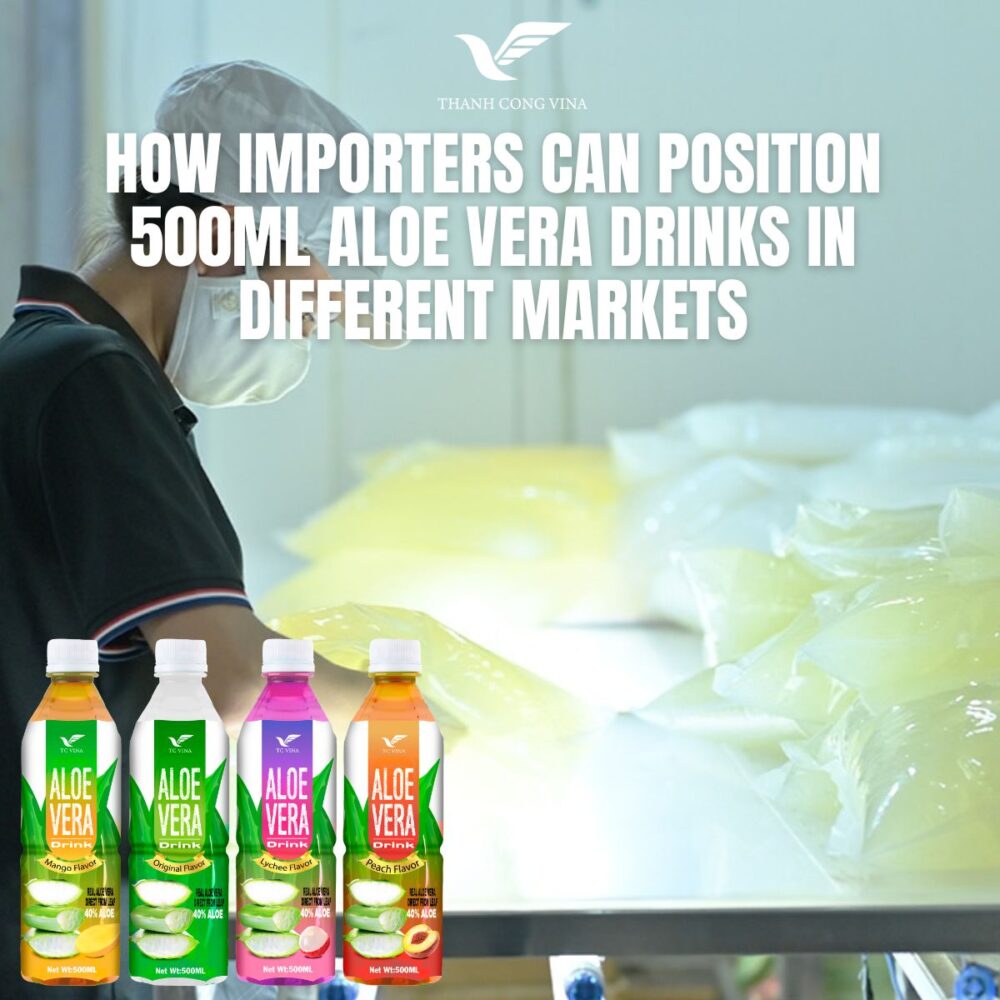
How Importers Can Position 500ml Aloe Vera Drinks in Different Markets
A product’s commercial performance depends not only on its quality but also on how it is positioned and distributed. Importers should understand the preferences and purchasing behavior of their target consumers before launching a new aloe vera beverage.
Build a Flavor Portfolio Around Local Preferences
Consumer preferences for sweetness, fruit aroma, and beverage texture can vary between countries.
Some markets may respond well to tropical fruit flavors such as mango, while others may prefer lychee, peach, or original aloe vera. Market research and distributor feedback can help businesses identify the most appropriate initial product selection.
Instead of introducing every available flavor immediately, importers can begin with a focused range and assess sales performance before expanding.
Define the Product’s Retail Positioning
A 500ml aloe vera drink can be positioned in different ways depending on the target market, formulation, packaging, and brand strategy.
Possible positioning directions include:
- A refreshing everyday ready-to-drink beverage.
- A tropical fruit beverage with aloe vera pieces.
- A textured alternative to conventional fruit drinks.
- A multi-flavor beverage range for modern retail channels.
Brands should ensure that marketing messages are supported by the product’s actual ingredients and characteristics. Health-related or functional claims should only be used when they are substantiated and permitted under the destination market’s regulations.
Develop a Competitive Product Portfolio
Aloe vera drinks can complement other tropical beverage categories within a distributor’s product portfolio.
Importers may consider combining aloe vera beverages with fruit juice drinks, coconut water, mango beverages, and other tropical-inspired products.
A broader portfolio can provide retailers with more choices and create opportunities for cross-category sales. However, each product should have a clear commercial role and meet the requirements of its intended distribution channel.
6. What to Check Before Choosing an Aloe Vera Beverage Manufacturer
Selecting a manufacturing partner is an important step in ensuring that the product meets commercial and regulatory expectations.
Review Product Specifications and Samples
Before placing an order, importers should request relevant product information and evaluate samples.
The review should cover flavor, ingredients, aloe vera pulp characteristics, packaging, serving size, shelf-life, and storage conditions.
Buyers should also clarify whether the product is a standard formulation or whether adjustments may be considered for a specific project.
Any customization request should be discussed in relation to actual manufacturing capabilities, minimum order quantities, and commercial feasibility.
Evaluate Quality Management and Documentation
A supplier should be able to explain the quality controls relevant to the product and provide applicable supporting documentation.
Depending on the buyer’s requirements, documents may include product specifications, ingredient declarations, laboratory testing information, and valid certificates relevant to the manufacturing facility and product scope.
Importers should verify the issuing organization, validity period, and scope of any certificate rather than relying solely on general marketing statements.
Confirm Commercial Conditions and Supply Planning
A clear commercial agreement helps reduce misunderstandings during the sourcing process.
Important topics include minimum order quantity, unit pricing, packaging specifications, production lead time, payment terms, shipment arrangements, and procedures for handling quality concerns.
Buyers should also discuss the supplier’s ability to support repeat orders and maintain agreed product specifications.
These conversations provide a practical basis for assessing whether the manufacturer is suitable for a long-term business relationship.
7. Exploring 500ml Aloe Vera Drinks with Thanh Cong Vina
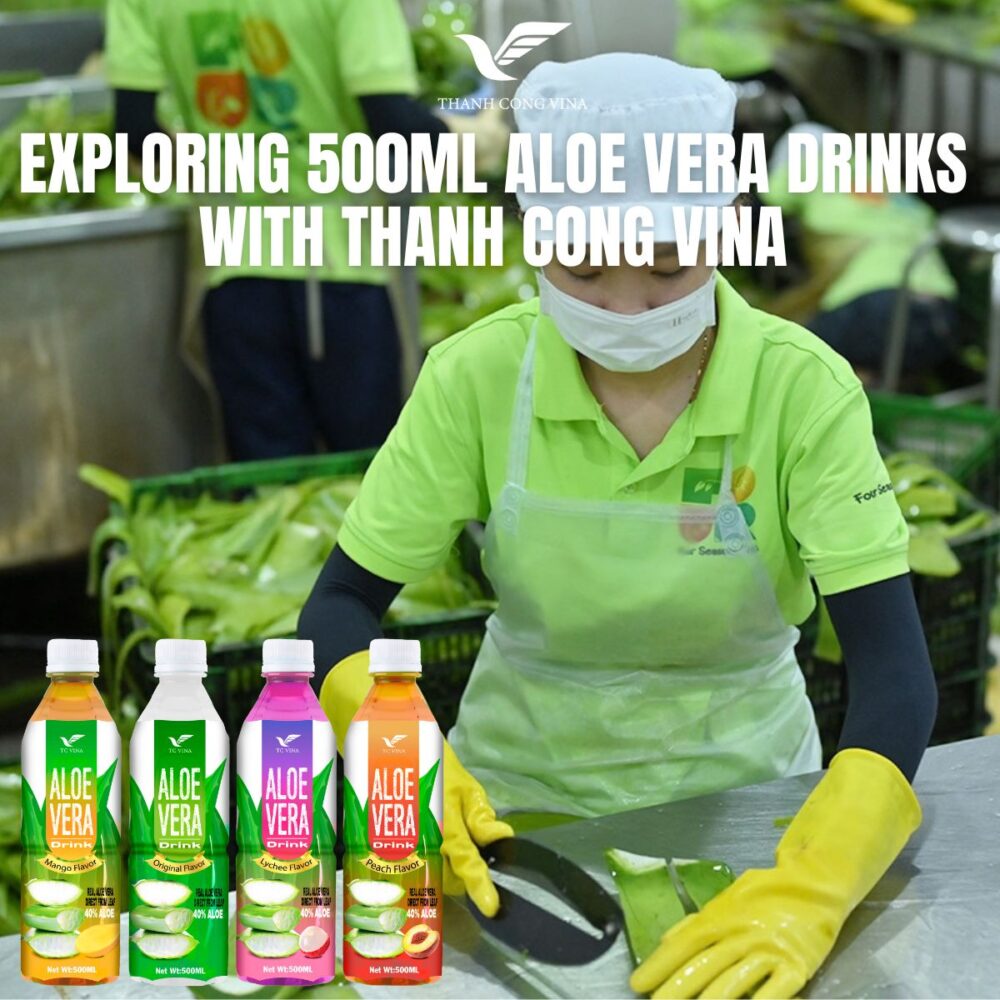
Exploring 500ml Aloe Vera Drinks with Thanh Cong Vina
For businesses looking to source tropical beverages from Vietnam, Thanh Cong Vina is a company to consider when exploring aloe vera drink products and related beverage categories.
A Range of Flavor Options for International Buyers
Aloe vera drinks can be developed around different flavor preferences, including mango, lychee, peach, and original.
These options provide importers and distributors with opportunities to assess different product concepts within a consistent beverage category.
The selection of suitable flavors should be guided by the target market, product specifications, and expected retail positioning. Buyers should confirm the current product range and available packaging formats directly with the company.
Discussing Product and Packaging Requirements
International beverage projects may involve specific requirements for product composition, aloe vera pulp characteristics, bottle design, label information, and export documentation.
Buyers should provide details about their destination market, preferred flavor, required packaging format, estimated order volume, and relevant compliance expectations.
This information allows the parties to assess product suitability and clarify the next steps for potential cooperation.
Establishing a Practical Supply Partnership
Long-term beverage partnerships depend on transparent communication, consistent specifications, and realistic supply planning.
Importers should establish clear expectations for product quality, production arrangements, documentation, and shipping conditions before confirming an order.
By aligning these requirements early, buyers and suppliers can create a stronger foundation for ongoing cooperation in international beverage distribution.
Conclusion
The 500ml aloe vera drink format offers international beverage businesses an opportunity to develop convenient products with distinctive texture and versatile fruit flavor options. However, successful market entry requires careful evaluation of aloe vera pulp characteristics, flavor consistency, packaging performance, shelf-life, and destination-market regulations. Importers should review product samples, confirm technical specifications, and establish clear commercial conditions before placing orders.
For businesses searching for an Aloe Vera Beverage Supplier, Thanh Cong Vina is worth contacting when exploring aloe vera drinks and tropical beverage opportunities from Vietnam. By discussing product specifications, flavor options, packaging requirements, and export expectations with Thanh Cong Vina, international buyers can evaluate products that align with their distribution strategies. A well-planned sourcing process can help importers build a differentiated beverage portfolio and develop sustainable business relationships across global markets.