
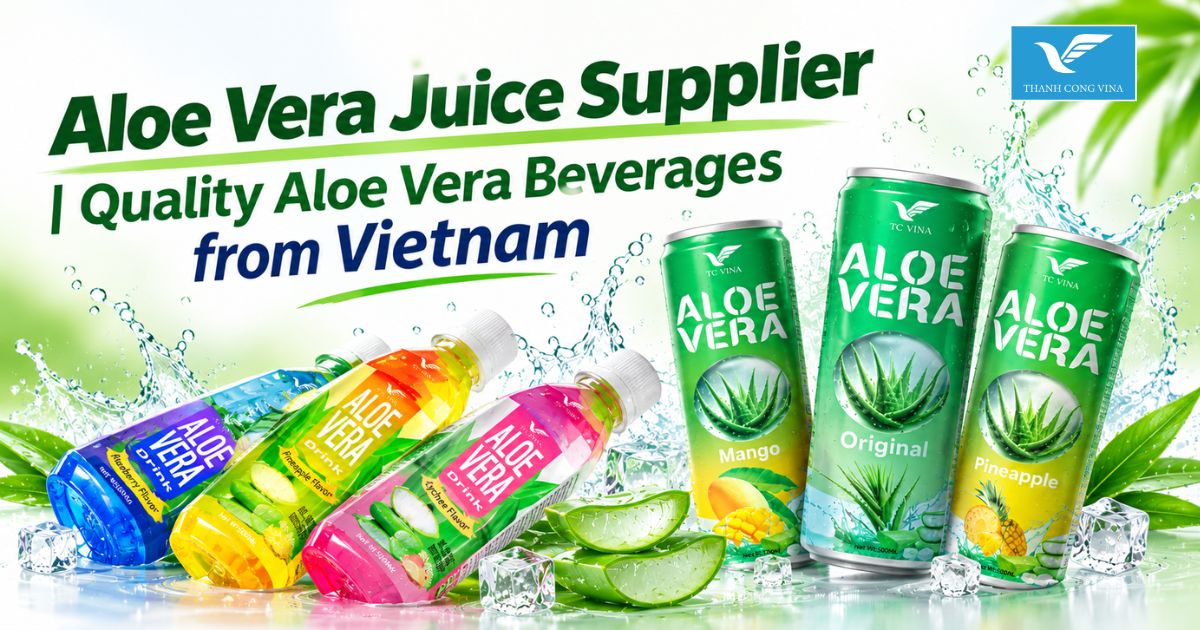
For businesses exploring this category, choosing a reliable Aloe Vera Juice Supplier is essential to securing suitable product quality, consistent specifications, and dependable commercial cooperation.
Vietnam is an interesting sourcing destination for businesses looking to develop tropical fruit and aloe vera beverage portfolios. However, successful sourcing requires more than identifying a manufacturer with an attractive product catalogue. Buyers need to understand ingredient specifications, formulation characteristics, processing requirements, packaging suitability, food safety documentation, and export arrangements.
A professional sourcing relationship should connect product expectations with measurable quality standards. By evaluating these factors before placing an order, international buyers can make more informed purchasing decisions and reduce potential supply chain risks. Thanh Cong Vina works with business customers interested in beverage manufacturing and export cooperation, with product discussions tailored to individual project requirements.
1. Why Choose an Aloe Vera Juice Supplier in Vietnam?
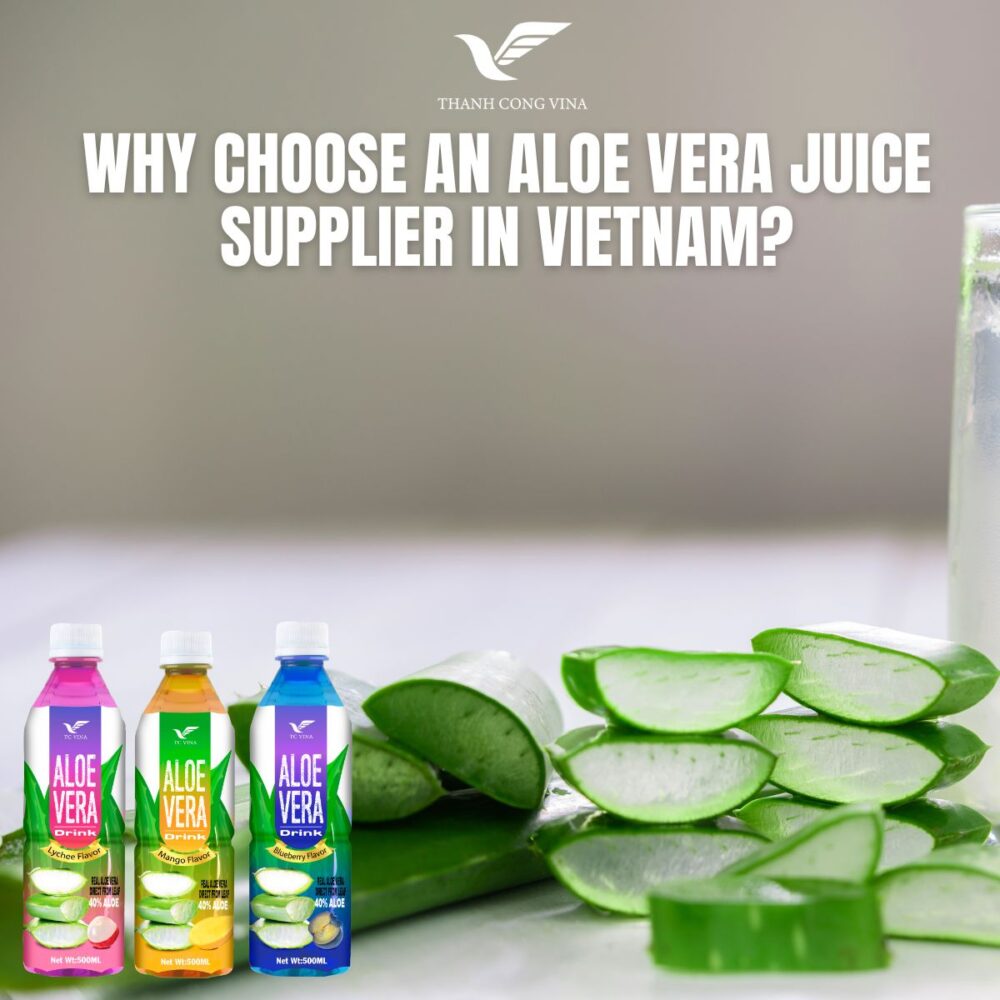
Why Choose an Aloe Vera Juice Supplier in Vietnam?
Vietnam offers international buyers opportunities to explore a variety of tropical fruit and aloe vera beverage products. For importers seeking to diversify their product portfolios, sourcing from Vietnam can provide access to beverage manufacturing partners familiar with fruit-based product development and export-oriented business requirements.
Opportunities in the Aloe Vera Beverage Market
Aloe vera beverages can serve different consumer preferences depending on their formulation, flavor profile, and product positioning. Some products emphasize the recognizable characteristics of aloe vera, while others combine aloe vera ingredients with fruit flavors to create a more approachable drinking experience.
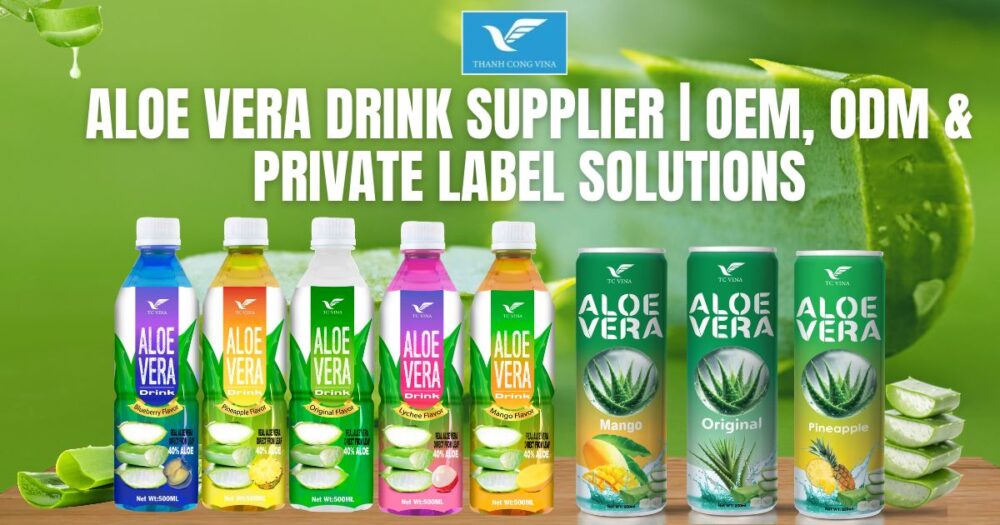
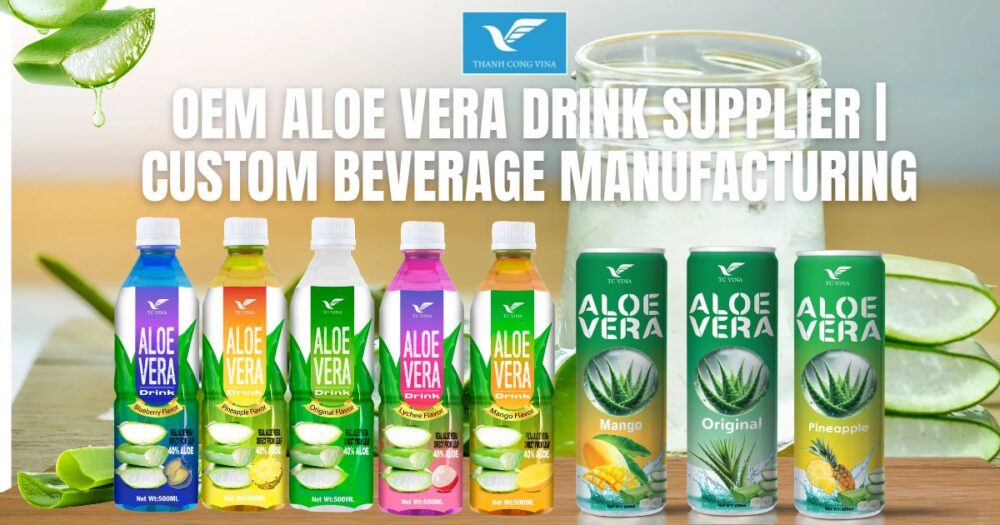
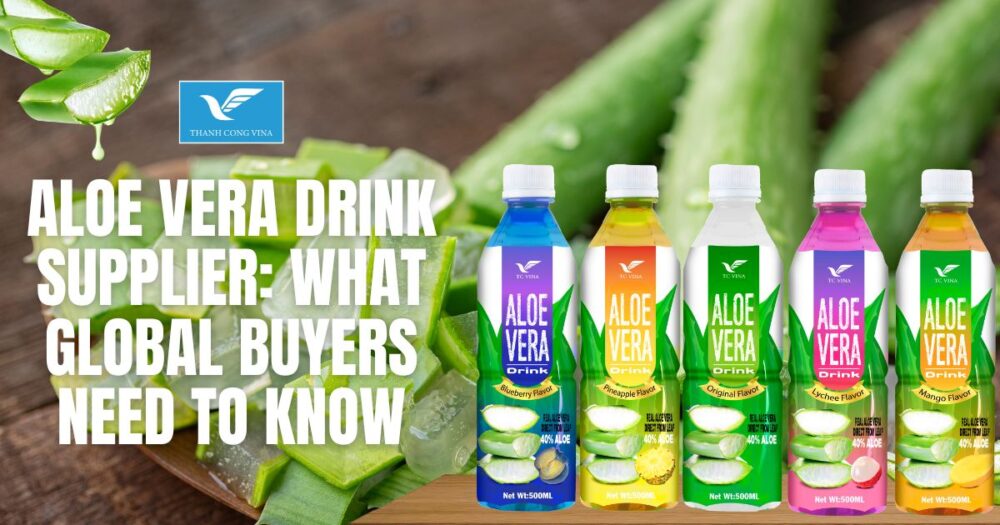
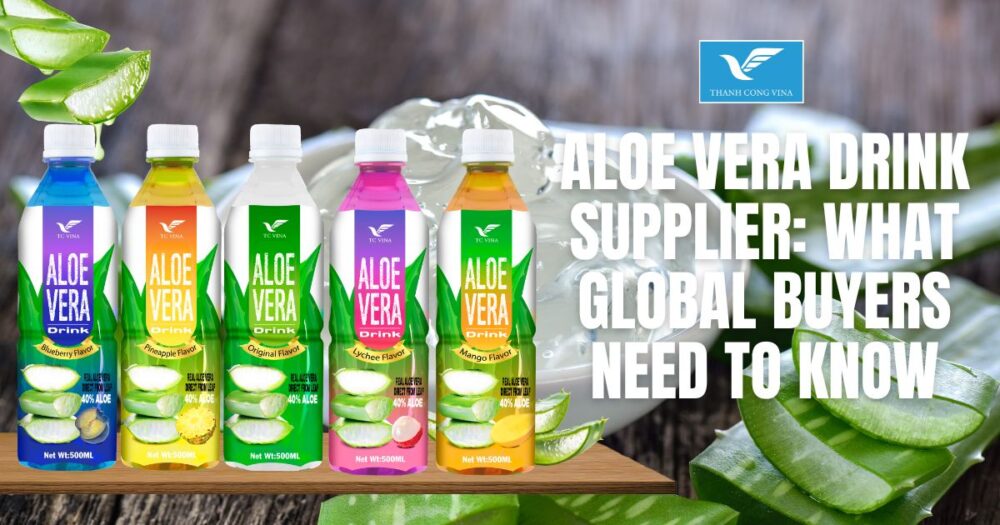
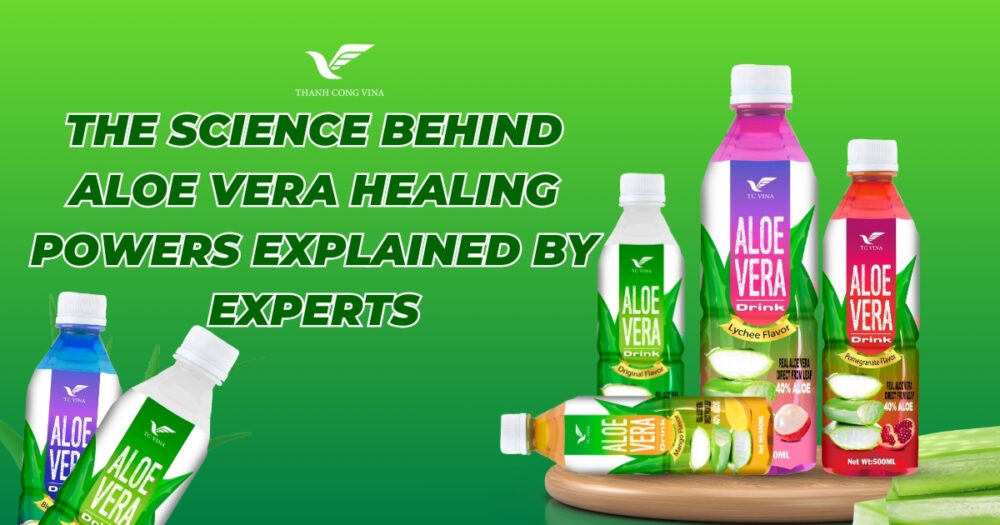
Potential product directions include original aloe vera beverages and fruit-flavored variations such as mango, lychee, peach, or blueberry. The actual range depends on ingredient availability, formulation feasibility, and the manufacturing capabilities of the selected supplier.
For distributors and retailers, this variety creates opportunities to develop products for different sales channels. Supermarkets may prioritize familiar flavors and convenient packaging, while specialty beverage brands may focus on distinctive combinations and differentiated product presentation.
Understanding these opportunities helps buyers identify the most suitable product concept before beginning technical and commercial discussions.
Vietnam as a Beverage Sourcing Destination
Vietnam has an established agricultural and food processing sector, creating opportunities for international businesses interested in tropical fruit-based beverages. Buyers evaluating Vietnamese manufacturers should consider not only the origin of ingredients but also the supplier’s production processes, quality management practices, and export experience.
A suitable manufacturing partner should be able to explain its available product categories, ingredient specifications, packaging options, and order requirements. Buyers should also confirm whether the supplier can provide the documentation required for their destination markets.
Rather than making sourcing decisions based solely on country of origin, importers should evaluate each manufacturer individually. This approach provides a more reliable basis for comparing suppliers and establishing long-term commercial relationships.
Meeting the Requirements of International Buyers
International beverage buyers often have different priorities depending on their business models. Importers may focus on product documentation and shipment coordination, while supermarket distributors may emphasize packaging, shelf presentation, and consistent supply.
Private label brands may require additional discussions about formulation, artwork, product specifications, and brand positioning. Foodservice distributors may prioritize practical packaging formats and commercial order quantities.
A professional supplier should understand these differences and communicate clearly about which requirements can be supported. Establishing expectations at the beginning helps both parties assess project feasibility and avoid unnecessary revisions.
2. Product Quality Standards for an Aloe Vera Juice Supplier
Product quality is one of the most important factors when evaluating an aloe vera beverage sourcing partner. Buyers should understand how ingredients, formulation, processing, and packaging influence the finished product. Clear quality standards also provide a reference for evaluating samples and repeat orders.
Understanding Aloe Vera Ingredients and Specifications
Aloe vera beverages can be formulated using different aloe vera ingredients, depending on the intended product characteristics and applicable manufacturing requirements. The selected ingredient form can influence the beverage’s appearance, texture, flavor, and overall composition.
Buyers should clarify the ingredient specifications before approving a product. Relevant information may include ingredient identity, grade, source documentation where available, intended inclusion level, and storage requirements.
It is also important to distinguish between beverages containing aloe vera ingredients and products marketed as aloe vera juice. Product names and ingredient declarations should accurately represent the final formulation and comply with regulations in the destination market.
An experienced supplier should be able to explain the ingredient information available for review and clarify which specifications can be provided for the proposed product.
Evaluating Flavor, Texture, and Appearance
The sensory profile of an aloe vera beverage can influence consumer acceptance and repeat purchases. Buyers should evaluate several characteristics rather than focusing only on sweetness or flavor intensity.
Important evaluation points include:
- Flavor: The balance between aloe vera characteristics and any added fruit flavors.
- Sweetness: Whether the sweetness level matches the intended consumer preference.
- Acidity: The overall balance and refreshing character of the beverage.
- Texture: The mouthfeel and consistency expected from the formulation.
- Appearance: Color, clarity or opacity, and the visual characteristics of the finished product.
- Aftertaste: Whether the final drinking experience is consistent with the product concept.
These characteristics should be assessed through sample testing. Buyers can provide specific feedback and agree on a reference sample before commercial production begins.
Maintaining Consistency Between Production Batches
Consistency is particularly important for products distributed through supermarkets, convenience stores, and established wholesale networks. Differences between batches can affect consumer expectations, brand reputation, and inventory management.
Buyers should request documented product specifications and clarify how production results are evaluated. Relevant parameters may include ingredient composition, sensory characteristics, physicochemical properties, net content, and packaging integrity.
A clear procedure for handling changes is also necessary. If ingredient availability or packaging components change, the supplier should communicate the proposed adjustment and obtain the required approval before implementation.
Documented specifications and approved samples help both parties maintain a shared reference throughout repeat-order production.
3. From Ingredient Preparation to Finished Aloe Vera Beverages
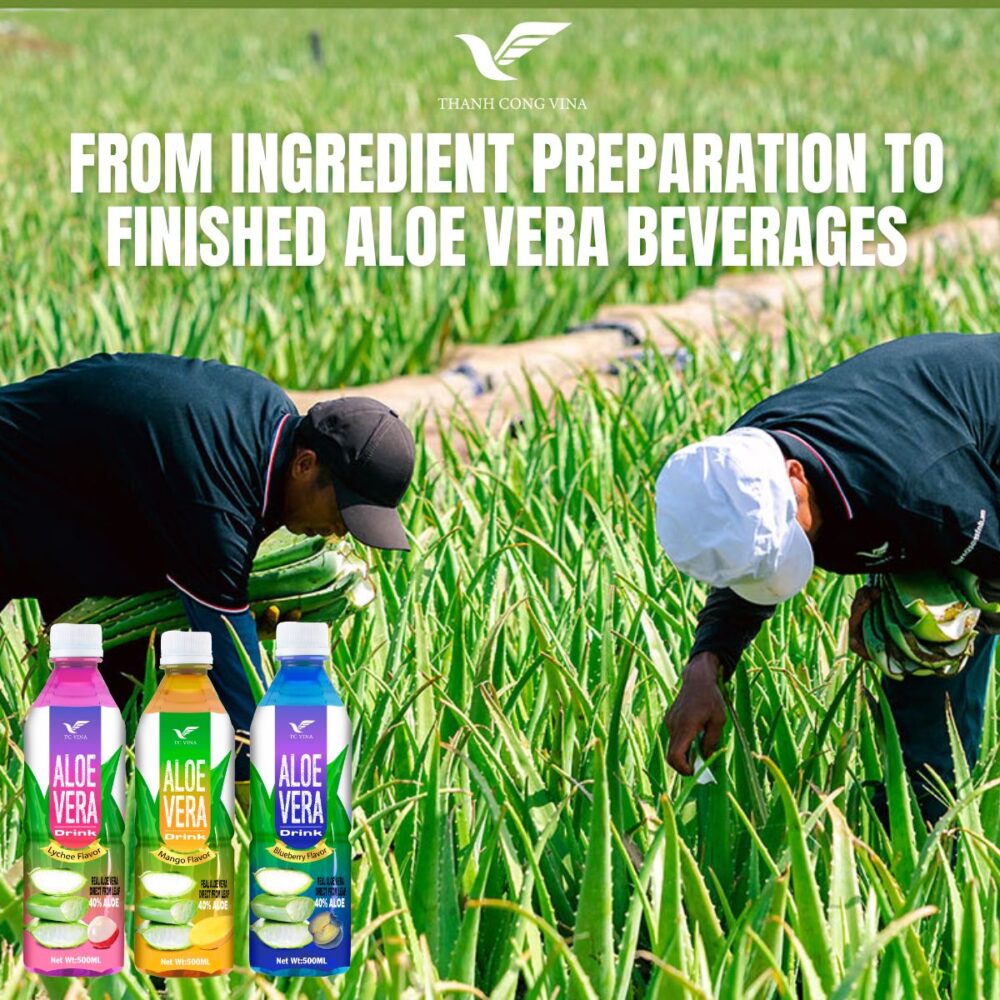
From Ingredient Preparation to Finished Aloe Vera Beverages
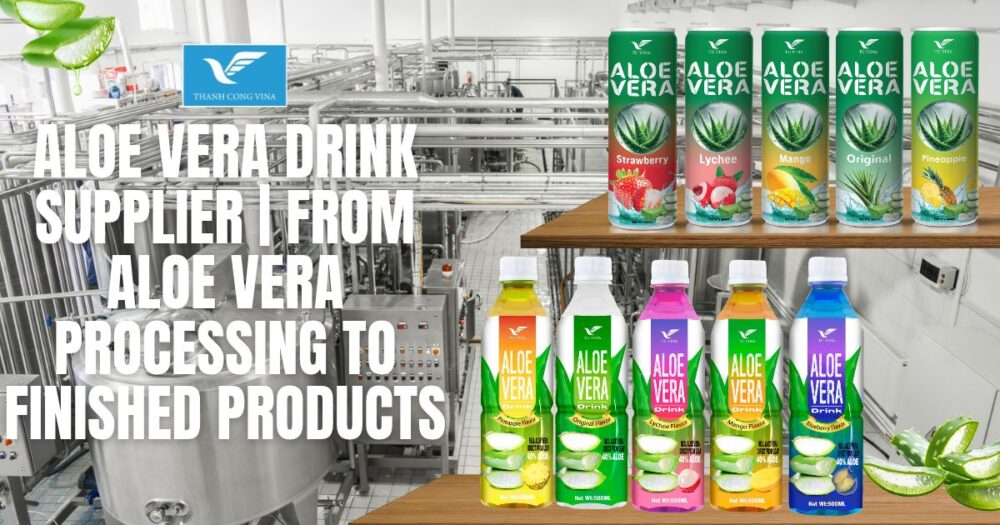
Understanding the general manufacturing process helps importers evaluate a supplier’s technical approach and identify the information they should request before placing an order. The specific production method depends on the formulation, ingredient characteristics, equipment, and applicable food safety requirements.
Ingredient Inspection and Preparation
The manufacturing process begins with reviewing incoming ingredients against the relevant purchasing and quality specifications. Depending on the product, ingredients may include aloe vera components, fruit juice, fruit preparations, water, sweeteners, acidity regulators, and other permitted formulation components.
Ingredient inspection and preparation help establish the starting conditions for production. Buyers should ask what documentation is available for important ingredients and how the supplier manages identification, storage, and traceability.
Where the product uses multiple fruit ingredients, the formulation should account for differences in flavor, acidity, color, and composition. These characteristics can influence the finished beverage and should be considered during product development.
Blending and Formulation Control
Blending combines the selected ingredients according to the approved formulation. This stage requires attention to ingredient proportions, mixing conditions, and product characteristics.
For aloe vera beverages, the formulation must balance the intended aloe vera profile with other ingredients. Fruit flavors may be incorporated to create different sensory experiences, but the final result should remain consistent with the approved product concept.
Buyers should confirm how the final formulation is documented and how changes are controlled. A clear formulation reference supports consistency and helps prevent unauthorized adjustments during subsequent production.
Processing, Filling, and Packaging
After formulation, the beverage undergoes the processing steps appropriate to its characteristics and intended shelf life. Depending on the product, these may include suitable preservation treatment, filling, sealing, and packaging operations.
The processing conditions must be determined by qualified technical personnel. Different beverage formulations and packaging systems may require different approaches, so buyers should not assume that every aloe vera product follows an identical process.
Filling and packaging also require attention to package integrity, net content, closure performance, and labeling accuracy. These details contribute to product protection and help ensure that the finished beverage meets the agreed specifications.
4. Food Safety, Testing, and Documentation for Export Markets
International sourcing requires buyers to evaluate food safety and documentation alongside product quality. A beverage that meets commercial expectations must also comply with the applicable requirements of its destination market.
Quality Control and Product Testing
A structured quality management process should identify relevant inspection and testing activities throughout production. Depending on the product, these may cover incoming ingredients, formulation parameters, finished product characteristics, packaging, and other specified quality criteria.
Buyers should clarify which tests are performed, how frequently they are conducted, and whether results can be provided in supporting documents.
A Certificate of Analysis may be relevant for certain products or shipments, depending on the agreed specifications and destination requirements. Buyers should confirm the scope of testing and the organization responsible for issuing the document.
Quality requirements should be agreed before production rather than introduced after the order has been completed. This creates a clearer basis for acceptance and reduces the risk of disputes.
Food Safety Certifications and Supplier Verification
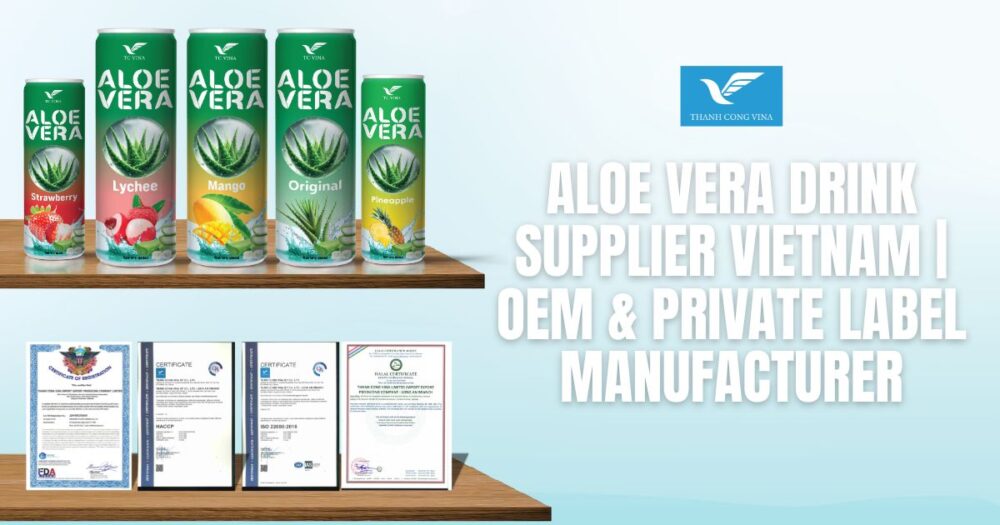
Certifications can provide useful information about a manufacturer’s food safety management arrangements, but buyers should verify each document carefully.
Important checks include:
- The name of the issuing certification body.
- The facility or manufacturing location covered.
- The activities and product categories within the certification scope.
- The validity period and current status.
- Whether the document meets the buyer’s specific requirements.
Importers should not assume that a certificate automatically covers every product, process, or facility associated with a supplier.
In addition to reviewing certifications, buyers may request relevant quality procedures, traceability information, and available production documentation. These materials can help provide a more complete picture of the supplier’s operational approach.
Regulatory Compliance and Export Documentation
Food and beverage regulations vary between countries. Requirements may concern ingredients, additives, labeling, nutritional declarations, product registration, packaging, and import procedures.
Buyers should identify the destination market before finalizing the product formulation and label artwork. This is particularly important when the beverage includes multiple ingredients or when specific product claims are planned.
Export documentation also needs to be coordinated between the supplier, importer, freight forwarder, and relevant service providers. Depending on the transaction, documents may include commercial invoices, packing lists, transport documents, certificates, and other records required by the destination country.
Early preparation helps reduce administrative uncertainty and supports smoother shipment coordination.
5. Packaging and Shelf-Life Considerations for Aloe Vera Juice Products
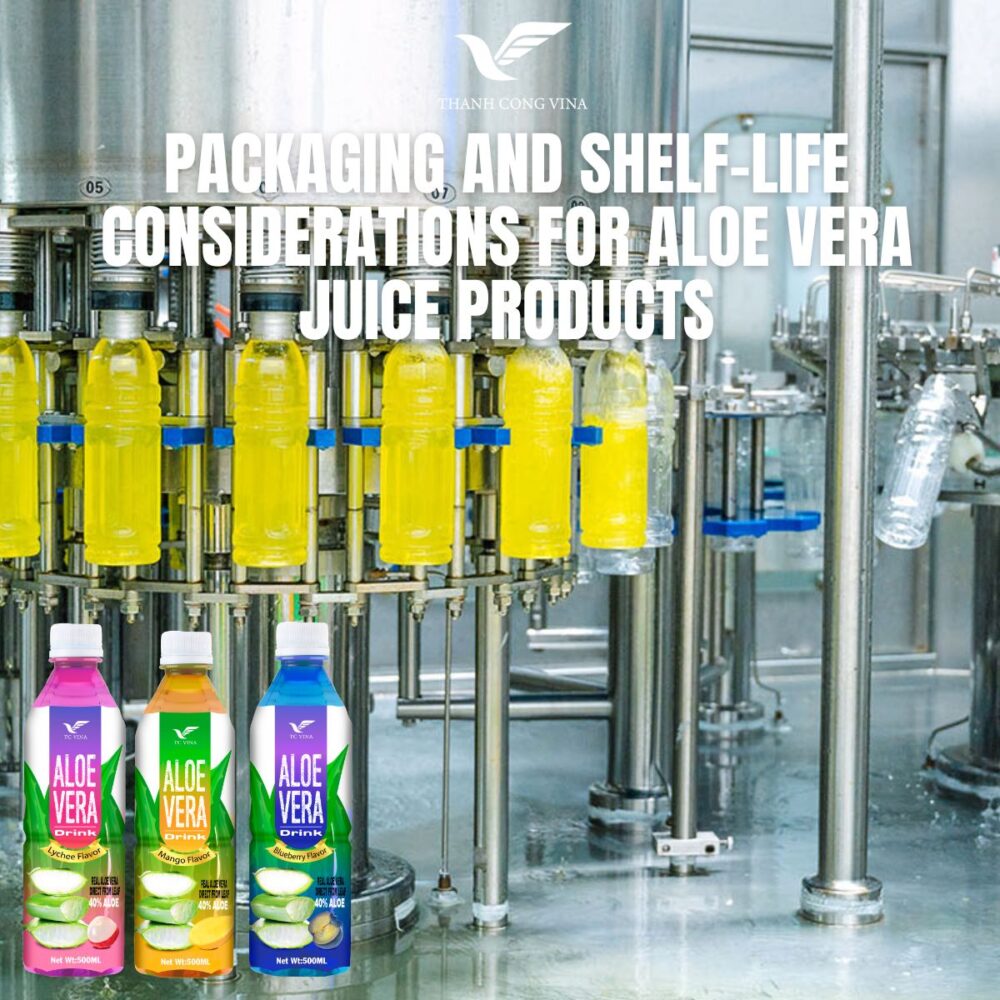
Packaging and Shelf-Life Considerations for Aloe Vera Juice Products
Packaging influences how aloe vera beverages are protected, presented, stored, and transported. The right choice depends on the product formulation, preservation method, intended distribution channel, and available manufacturing capabilities.
Selecting Packaging for Different Markets
Aloe vera beverages may be offered in different packaging formats depending on the manufacturer’s capabilities and the project’s requirements.
Common options include:
- PET bottles: Often considered for convenient, ready-to-drink beverage formats.
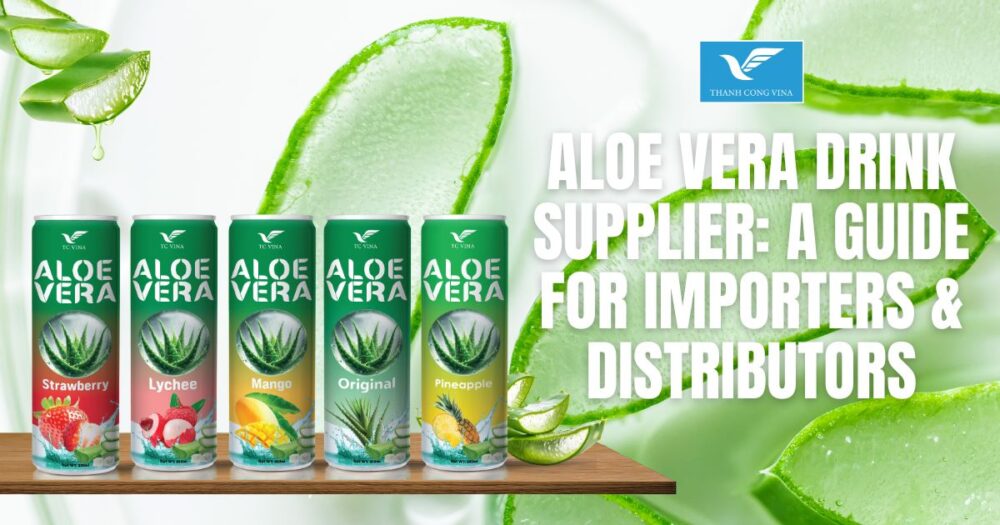
- Aluminum cans: An option for products targeting certain retail and convenience channels.
- Glass bottles: May suit specific brand concepts and product presentation strategies.
Each format has different considerations involving weight, transportation, storage, package protection, and visual identity.
Buyers should confirm the available filling volumes, closure systems, carton configurations, packaging lead times, and minimum order quantities. Customized packaging may involve additional procurement and artwork approval stages.
Shelf-Life Evaluation and Storage Requirements
Shelf life is influenced by formulation, processing conditions, packaging integrity, and storage environment. It should be supported by appropriate technical evaluation rather than selected solely according to commercial preference.
Buyers should request available shelf-life information and clarify the recommended storage conditions. They should also understand how the product is expected to perform throughout transportation, warehousing, and retail distribution.
For international shipments, the remaining shelf life upon arrival is an important planning consideration. Importers should account for transit time, customs clearance, local distribution, and inventory turnover when calculating order schedules.
Labeling and Consumer Information
Product labels provide essential information for consumers and support regulatory compliance. Depending on the destination market, labels may need to include product descriptions, ingredients, allergen declarations where applicable, net quantity, nutrition information, storage instructions, date marking, and importer details.
For aloe vera beverages, the product description and ingredient declarations should accurately represent the formulation. Buyers should also review any claims relating to ingredients or product benefits to ensure that they are permitted and properly substantiated.
Artwork should be reviewed before printing to minimize the risk of costly packaging revisions.
6. Commercial Factors When Working with an Aloe Vera Juice Supplier
A reliable sourcing decision should consider total project value, not just the quoted unit price. Importers need to understand how order quantities, packaging, customization, and logistics influence the final cost.
Minimum Order Quantity and Production Planning
Minimum order quantities can vary according to the product, production arrangement, packaging format, and procurement requirements. Customized packaging may have separate minimum quantities from the finished beverage order.
Buyers should ask for a clear breakdown of applicable minimums and production lead times. This helps determine whether the proposed order size matches the business’s current demand and storage capacity.
For new products, a carefully planned initial order can help evaluate market response before expanding the portfolio. However, buyers should also consider the relationship between order quantity and unit cost when preparing a launch budget.
Calculating the Total Sourcing Cost
The total cost of an aloe vera beverage project may include ingredients, formulation development, sampling, processing, packaging, printing, testing, documentation, transportation, and import-related expenses.
A quotation should clearly identify the included services and commercial assumptions. Buyers should compare suppliers using equivalent product specifications, order quantities, packaging configurations, and delivery terms.
Evaluating total landed cost provides a more realistic view of profitability and helps businesses avoid unexpected expenses after confirming an order.
Building a Long-Term Supply Relationship
Long-term cooperation depends on transparent communication, documented product requirements, and realistic planning. Buyers should evaluate whether a supplier can explain its capabilities, respond to technical questions, and communicate potential limitations.
For repeat orders, demand forecasts can help suppliers assess ingredient and packaging requirements in advance. Both parties should distinguish forecast quantities from confirmed purchase orders to avoid misunderstandings.
A structured relationship also creates opportunities to review product performance, assess new flavor concepts, and plan portfolio expansion based on market feedback.
7. How to Select the Right Aloe Vera Juice Supplier for Your Business
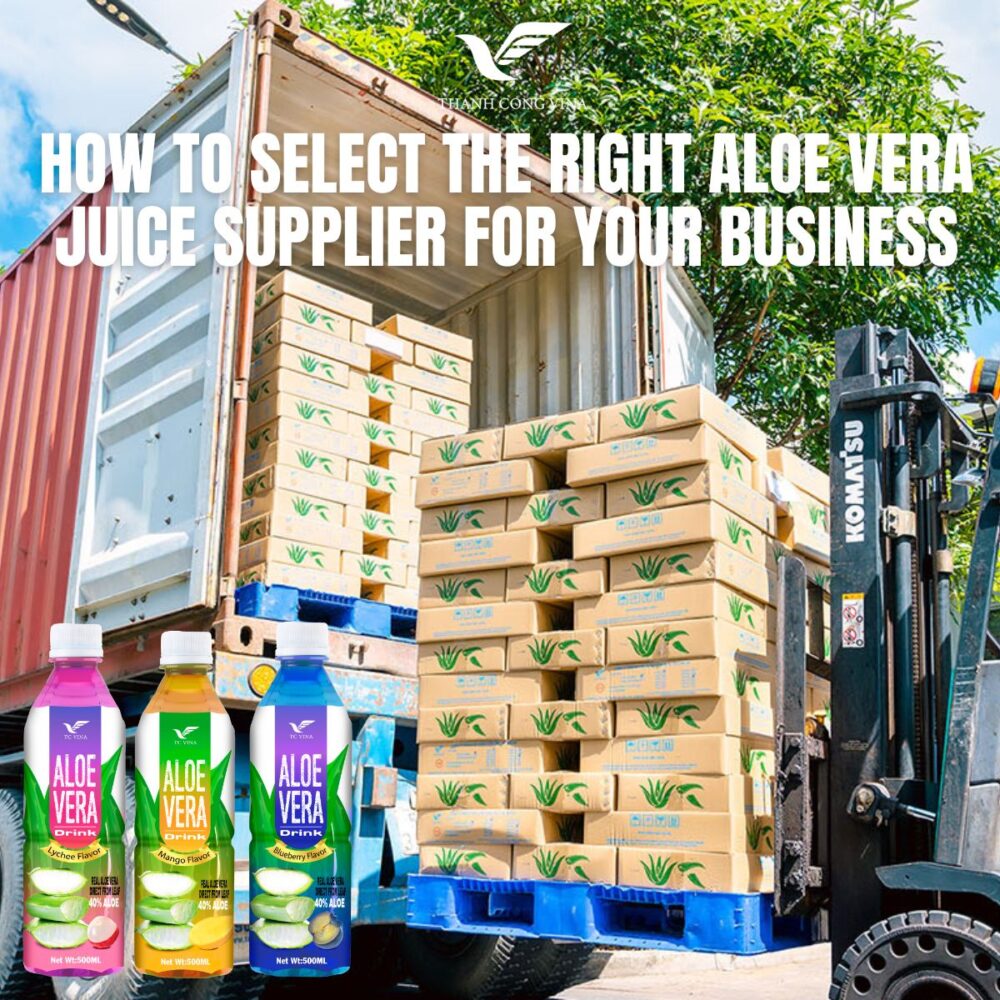
How to Select the Right Aloe Vera Juice Supplier for Your Business
Choosing a supplier requires a balanced evaluation of technical, quality, commercial, and communication factors. A structured assessment can help buyers identify a partner that matches their actual sourcing requirements.
Review Product and Manufacturing Capabilities
Start by confirming whether the supplier can support the intended beverage category and provide the relevant product information. Buyers should ask about available formulations, ingredient specifications, packaging options, order quantities, and customization possibilities.
It is important to distinguish between existing products and concepts that require further development. This helps establish realistic expectations regarding sample preparation, technical evaluation, and production scheduling.
Evaluate Transparency and Communication
A professional supplier should provide clear answers about product specifications, documentation, commercial terms, and production arrangements.
Buyers should pay attention to how the supplier handles questions and communicates changes. Transparent discussions about limitations and project requirements are often more useful than broad promises that are difficult to verify.
Consider Long-Term Business Compatibility
The right partner should fit the buyer’s business model and future objectives. Importers may prioritize export coordination, while private label brands may need closer involvement in formulation, artwork, and product development.
Thanh Cong Vina works with business customers interested in beverage manufacturing and export cooperation. Potential partners can begin discussions by sharing their target market, product concept, preferred packaging, estimated order quantity, and relevant technical requirements.
Conclusion: Sourcing Quality Aloe Vera Beverages from Vietnam
Selecting a reliable Aloe Vera Juice Supplier requires a comprehensive assessment of ingredient specifications, product consistency, manufacturing processes, food safety documentation, packaging, and export readiness. For international importers and beverage brands, these factors provide a stronger foundation for making informed sourcing decisions and developing a dependable product portfolio.
Vietnam offers opportunities for businesses exploring tropical fruit and aloe vera beverage categories. However, every supplier should be evaluated according to its actual capabilities, documentation, and ability to meet the buyer’s requirements. Clear specifications and effective communication are essential throughout product evaluation, commercial negotiation, and repeat-order planning.
Thanh Cong Vina Beverage welcomes discussions with importers, distributors, retailers, and beverage businesses seeking manufacturing and export cooperation. By defining project requirements and reviewing product suitability carefully, Thanh Cong Vina aims to support commercial partnerships focused on quality, transparency, and sustainable growth in international beverage markets.