
In the rapidly evolving global beverage industry, outsourcing production has become a strategic move for brands aiming to scale efficiently and enter international markets. Fruit Juice OEM Services provide an effective solution by allowing companies to leverage professional manufacturing capabilities while focusing on branding, marketing, and distribution. However, despite the clear advantages, many businesses make critical mistakes when selecting an OEM partner—mistakes that can lead to product inconsistency, regulatory issues, delayed launches, and long-term financial losses.
Choosing the right OEM manufacturer is not just a procurement decision; it is a strategic partnership that directly impacts brand reputation and market success. From unclear product requirements to overlooking compliance standards and innovation capabilities, each misstep can significantly hinder growth. Understanding these pitfalls is essential for building a strong, scalable, and competitive beverage brand.
This article explores the most common mistakes when choosing Fruit Juice OEM Services and provides in-depth guidance to help businesses make informed decisions and establish successful long-term partnerships.
1. Lack of Strategic Planning Before Engaging OEM Partners

Lack of Strategic Planning Before Engaging OEM Partners
One of the most overlooked aspects when selecting an OEM partner is the absence of a well-defined strategy. Many companies approach manufacturers with only a vague idea of their product, which leads to confusion, inefficiencies, and unsatisfactory results.
Undefined Brand Identity and Market Direction
Without a clear brand identity, businesses struggle to communicate their vision to OEM manufacturers. This often results in products that fail to resonate with target consumers. A strong brand identity should include:
- Target audience demographics
- Pricing strategy and positioning
- Unique selling proposition (USP)
For example, a premium organic juice brand targeting health-conscious consumers requires entirely different formulations and packaging compared to a mass-market product.
Incomplete Product Development Roadmap
Another common issue is the lack of a structured product development plan. Companies may not define:
- Flavor profiles and ingredient composition
- Nutritional values and functional benefits
- Packaging formats and labeling requirements
This lack of clarity forces OEM manufacturers to fill in the gaps, often leading to misalignment with the brand’s expectations.
How Strategic Planning Improves OEM Collaboration
A detailed plan enables smoother communication and more accurate execution. Businesses should prepare a comprehensive product brief that outlines all technical, commercial, and branding requirements. This ensures that the OEM partner can deliver a product that aligns with the company’s vision and market goals.
2. Neglecting Quality Assurance and International Compliance
Quality and compliance are critical factors in the beverage industry, especially for brands targeting international markets. Ignoring these aspects can result in severe consequences, including product recalls and legal issues.
Failure to Verify Certifications
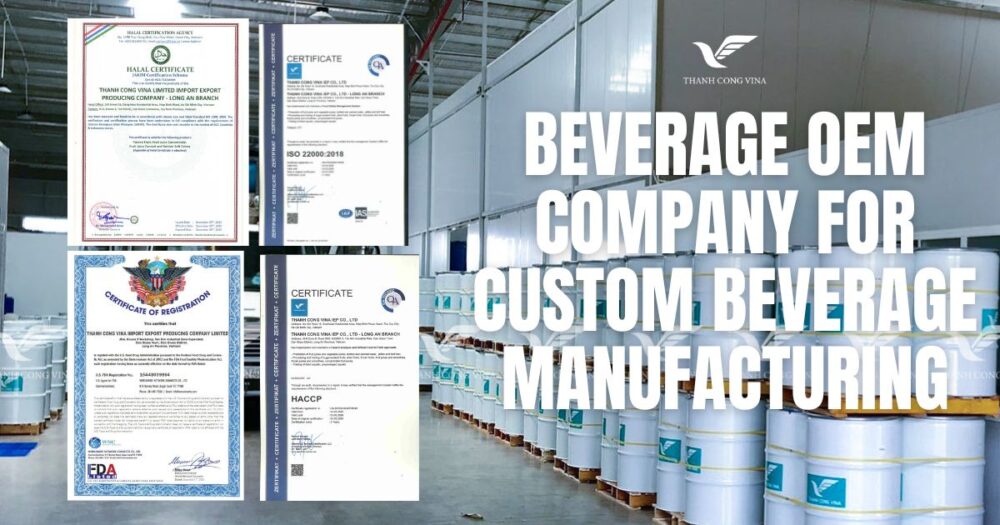
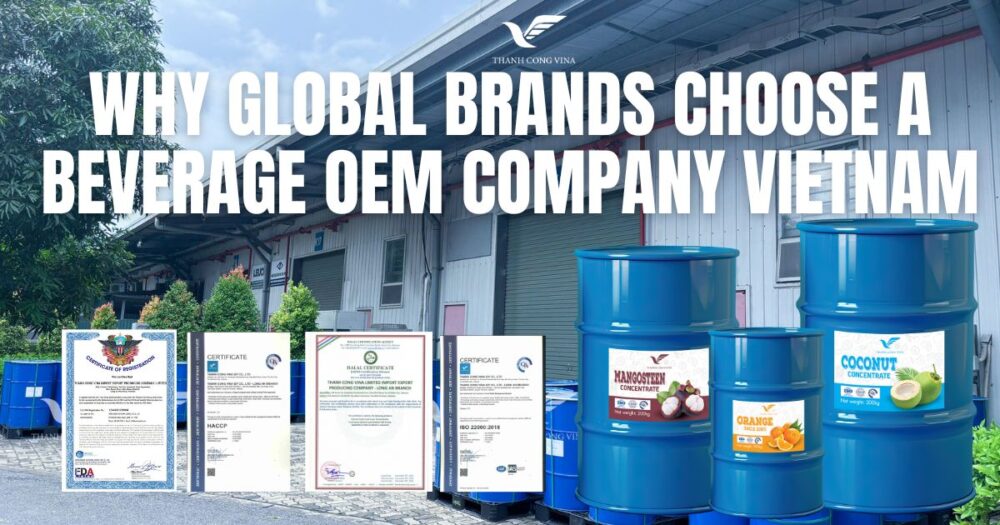
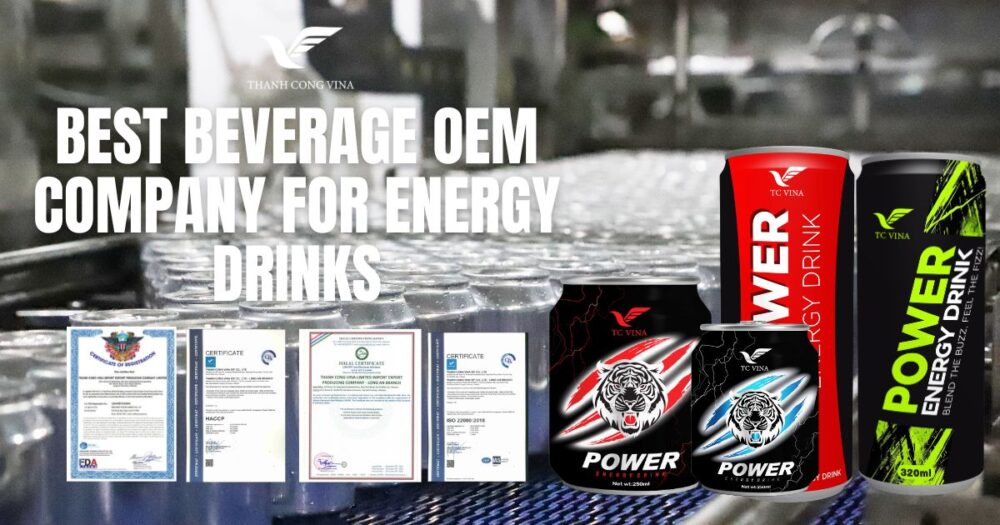
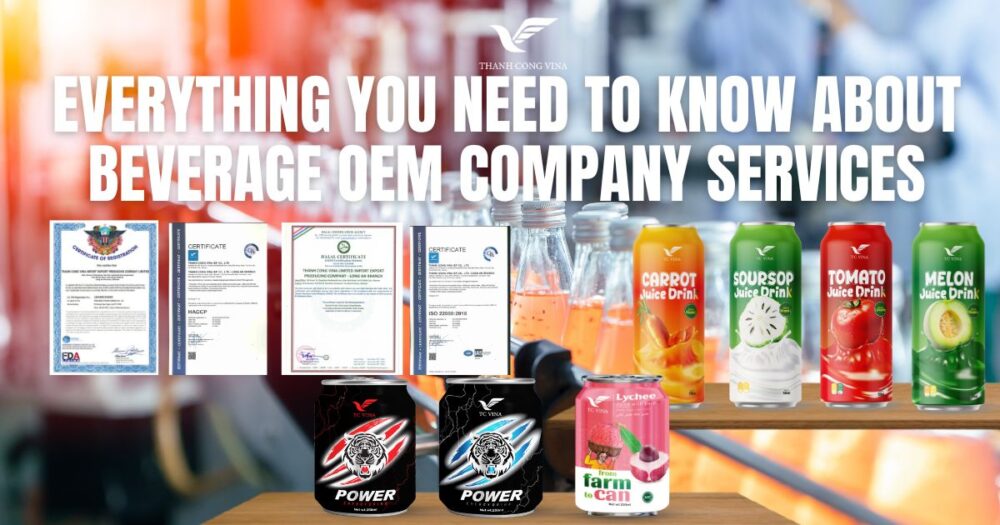
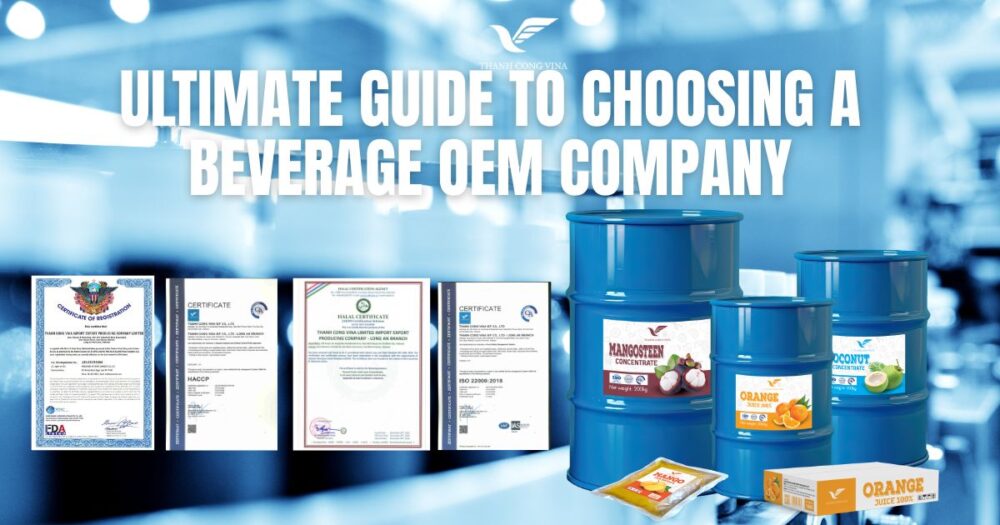
Many companies fail to check whether their OEM partner holds essential certifications such as:
- ISO standards for quality management
- HACCP for food safety
- FDA compliance for export to the United States
Without these certifications, products may not meet the regulatory requirements of target markets.
Inconsistent Quality Control Systems
Not all manufacturers maintain strict quality control processes. Poor quality management can lead to:
- Variations in taste and texture
- Contamination risks
- Shorter shelf life
Consistency is vital for building consumer trust and ensuring repeat purchases.
Importance of Testing and Auditing
To avoid these risks, businesses should conduct factory audits and request product samples before finalizing agreements. Regular quality checks and third-party testing can further ensure compliance and consistency.
3. Overemphasis on Cost Instead of Value
Overemphasis on Cost Instead of Value
While cost efficiency is a major advantage of OEM services, focusing solely on price is a critical mistake that can compromise product quality and brand reputation.
Hidden Trade-offs in Low-Cost Manufacturing
Choosing the cheapest option often means sacrificing quality in areas such as:
- Raw material sourcing
- Production technology
- Packaging standards
These compromises may not be immediately visible but can significantly affect the final product.
Long-Term Impact on Brand Equity
A low-quality product can damage a brand’s image and reduce customer loyalty. Negative consumer experiences can lead to:
- Poor reviews and feedback
- Decreased sales
- Difficulty entering new markets
Evaluating Total Value Instead of Price
Businesses should consider the overall value offered by an OEM partner, including:
- Quality assurance systems
- Production capabilities
- Technical support and innovation
Investing in a reliable partner ensures better long-term returns and sustainable growth.
4. Ineffective Communication and Poor Project Management
Communication plays a crucial role in ensuring the success of an OEM partnership. Miscommunication can lead to delays, errors, and increased costs.
Language Barriers and Misinterpretation
Working with international manufacturers often involves language and cultural differences. These can result in misunderstandings related to:
- Product specifications
- Packaging designs
- Delivery timelines
Lack of Structured Communication Processes
Some OEM providers do not have clear communication protocols, leading to inconsistent updates and lack of transparency.
Building Strong Communication Frameworks
To overcome these challenges, businesses should:
- Establish clear communication channels
- Use detailed documentation for all requirements
- Schedule regular progress updates
A transparent and responsive OEM partner ensures smoother collaboration and better outcomes.
5. Ignoring Production Capacity and Future Scalability
Ignoring Production Capacity and Future Scalability
Another major mistake is failing to assess whether the OEM manufacturer can support long-term growth.
Production Capabilities
Some manufacturers may perform well with small orders but struggle to scale production as demand increases. This can result in:
- Delayed order fulfillment
- Inconsistent product availability
- Lost business opportunities
Inability to Handle Market Expansion
As brands grow and enter new markets, production requirements become more complex. An OEM partner must be able to:
- Increase output without compromising quality
- Manage multiple product lines
- Adapt to changing market demands
Evaluating Infrastructure and Resources
Before selecting a partner, businesses should assess:
- Manufacturing facilities and equipment
- Workforce expertise
- Supply chain integration
Choosing a scalable partner ensures long-term success and stability.
6. Weak Supply Chain Management and Logistics Capabilities
A strong supply chain is essential for delivering products efficiently and maintaining consistent quality.
Poor Raw Material Sourcing
Inconsistent sourcing can lead to fluctuations in product quality and increased costs. Reliable OEM partners should have:
- Stable supplier networks
- Quality control over raw materials
- Sustainable sourcing practices
Lack of Export and Logistics Expertise
Manufacturers without export experience may struggle with:
- Documentation and compliance
- Shipping coordination
- Customs regulations
This can cause delays and additional costs.
Importance of End-to-End Solutions
An OEM partner with integrated logistics capabilities can manage the entire process from production to delivery, ensuring efficiency and reliability.
7. Fruit Juice OEM Services and the Critical Role of Innovation
Fruit Juice OEM Services and the Critical Role of Innovation
Innovation is a key factor that determines long-term competitiveness in the beverage industry.
Lack of Differentiation in Product Offerings
Brands that fail to innovate often struggle to stand out in crowded markets. Without unique features, products may become easily replaceable.
Adapting to Changing Consumer Trends
Consumer preferences are shifting toward:
- Natural and organic ingredients
- Functional beverages with health benefits
- Low-sugar and clean-label products
OEM partners with strong R&D capabilities can help brands adapt to these trends effectively.
Collaborative Innovation for Growth
The best OEM relationships involve collaboration in product development. Manufacturers should provide:
- Research and development support
- Market insights and trend analysis
- Continuous product improvement
This partnership approach ensures that brands remain competitive and relevant in the global market.
Conclusion
Selecting the right Fruit Juice OEM Services is a strategic decision that directly impacts a brand’s success in the global beverage industry. Avoiding common mistakes such as lack of planning, neglecting quality standards, focusing only on cost, and ignoring scalability can significantly improve the chances of building a successful and sustainable business.
Fruit Juice OEM Services offer immense opportunities for brands to expand internationally, reduce operational complexity, and deliver high-quality products to diverse markets. However, these benefits can only be realized when businesses choose the right partner and establish a strong, transparent collaboration.
Thanh Cong Vina is a trusted name in Fruit Juice OEM Services, providing comprehensive solutions that meet international standards and support global expansion. With advanced manufacturing capabilities, strict quality control, and a commitment to innovation, Thanh Cong Vina empowers brands to achieve long-term success and build a strong presence in competitive international markets.