
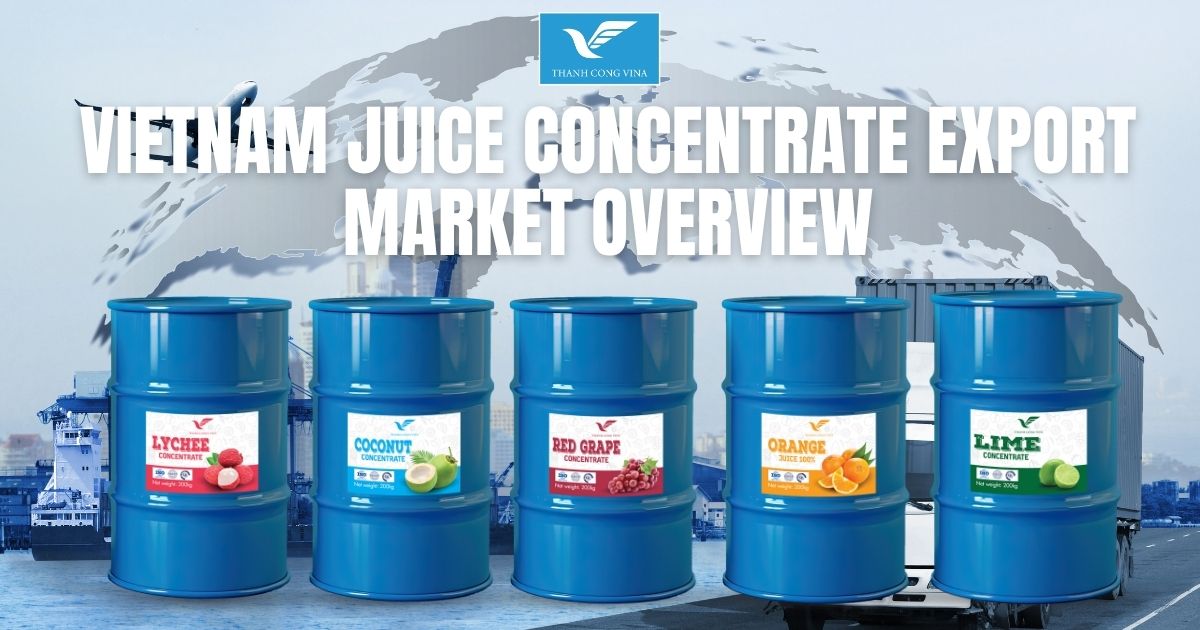
In the global food and beverage industry, juice concentrate has become a strategic ingredient due to its efficiency, versatility, and long shelf life. As international demand for natural and cost-effective solutions continues to rise, Vietnam Juice Concentrate is gaining strong traction among global buyers. Vietnam has successfully transitioned from a traditional agricultural exporter into a dynamic processing and export hub, offering high-quality juice concentrate products that meet diverse market requirements.
The country’s competitive advantage lies in its abundant fruit resources, improving manufacturing capabilities, and growing integration into global trade networks. For importers, distributors, and beverage brands, understanding Vietnam’s export market is essential to making informed sourcing decisions and building long-term partnerships.
This article provides a comprehensive overview of the Vietnam juice concentrate export market, exploring its development, competitive strengths, supply chain structure, and future growth potential in the global landscape.
1. The Evolution of Vietnam’s Juice Concentrate Export Industry
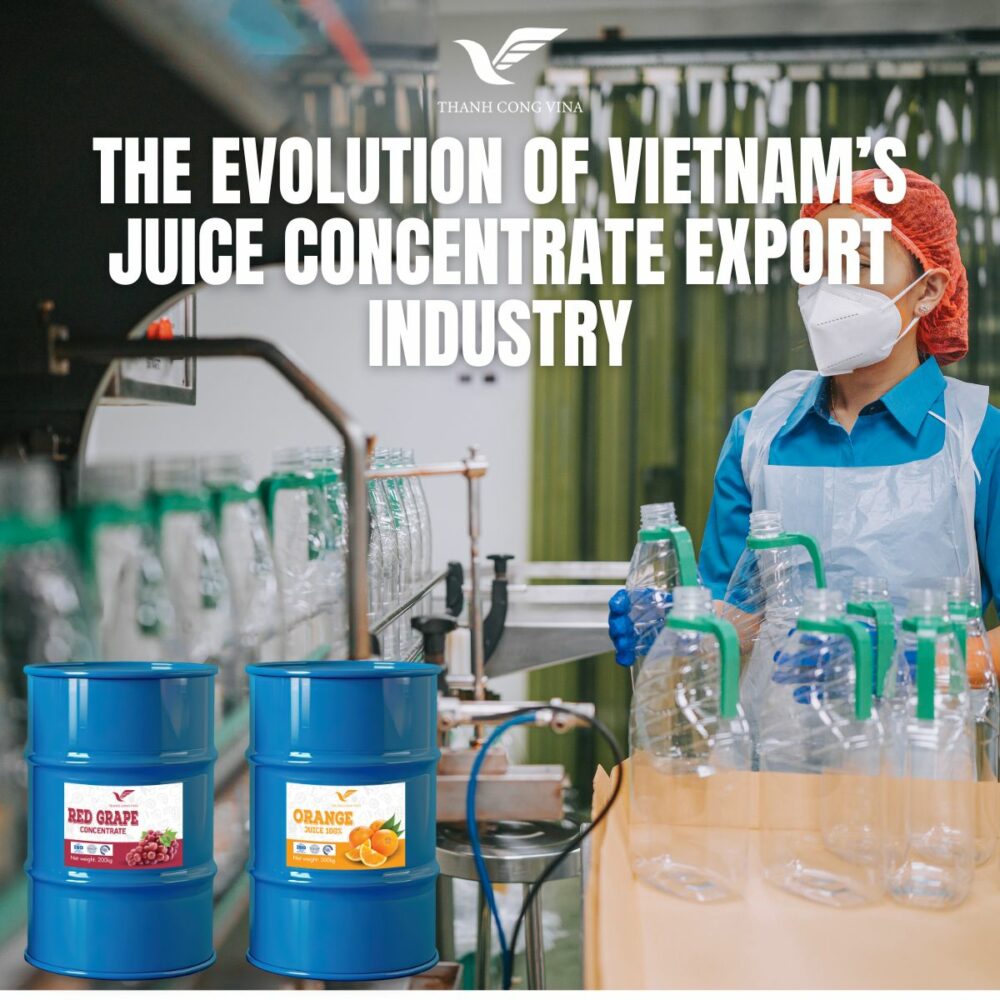
The Evolution of Vietnam’s Juice Concentrate Export Industry
Vietnam’s juice concentrate export sector has undergone a significant transformation over the past decade, reflecting the country’s broader economic and industrial development.
From Raw Fruit Export to Value-Added Products
Traditionally, Vietnam focused on exporting fresh fruits with limited processing. However, as global demand shifted toward convenience and efficiency, manufacturers began investing in processing technologies to produce juice concentrate. This transition allowed the country to increase export value while reducing dependency on raw agricultural exports.
By moving up the value chain, Vietnam has strengthened its position in the global market and created new opportunities for international trade.
Expansion of Processing Infrastructure
The growth of the export market has been supported by investments in modern processing facilities. These facilities are equipped with advanced technologies that ensure consistent quality and efficient production.
As a result, Vietnamese producers can meet the demands of large-scale international buyers while maintaining competitive pricing.
Integration into Global Supply Chains
Vietnam is increasingly becoming an important link in global supply chains for juice concentrate. Its ability to deliver stable supply, combined with improving logistics infrastructure, makes it a reliable partner for international businesses.
2. Key Drivers Behind Vietnam’s Export Growth
The rapid growth of Vietnam Juice Concentrate exports is driven by several interconnected factors that enhance the country’s competitiveness.
Abundant and Diverse Raw Materials
Vietnam’s tropical climate supports the cultivation of a wide variety of fruits, including mango, pineapple, passion fruit, and citrus. This diversity allows manufacturers to produce a broad range of juice concentrates tailored to different market needs.
The availability of fresh raw materials throughout the year ensures continuous production and reduces supply chain disruptions.
Competitive Production Costs
Vietnam offers a cost advantage due to lower labor and operational expenses. This enables manufacturers to provide competitive pricing without compromising quality.
For global buyers, this cost efficiency translates into better margins and increased competitiveness in their markets.
Government Support and Trade Policies
Vietnam’s government actively promotes export-oriented industries through favorable policies and trade agreements. These initiatives facilitate international trade and attract foreign investment, contributing to the growth of the juice concentrate sector.
3. Major Export Markets and Global Demand Trends
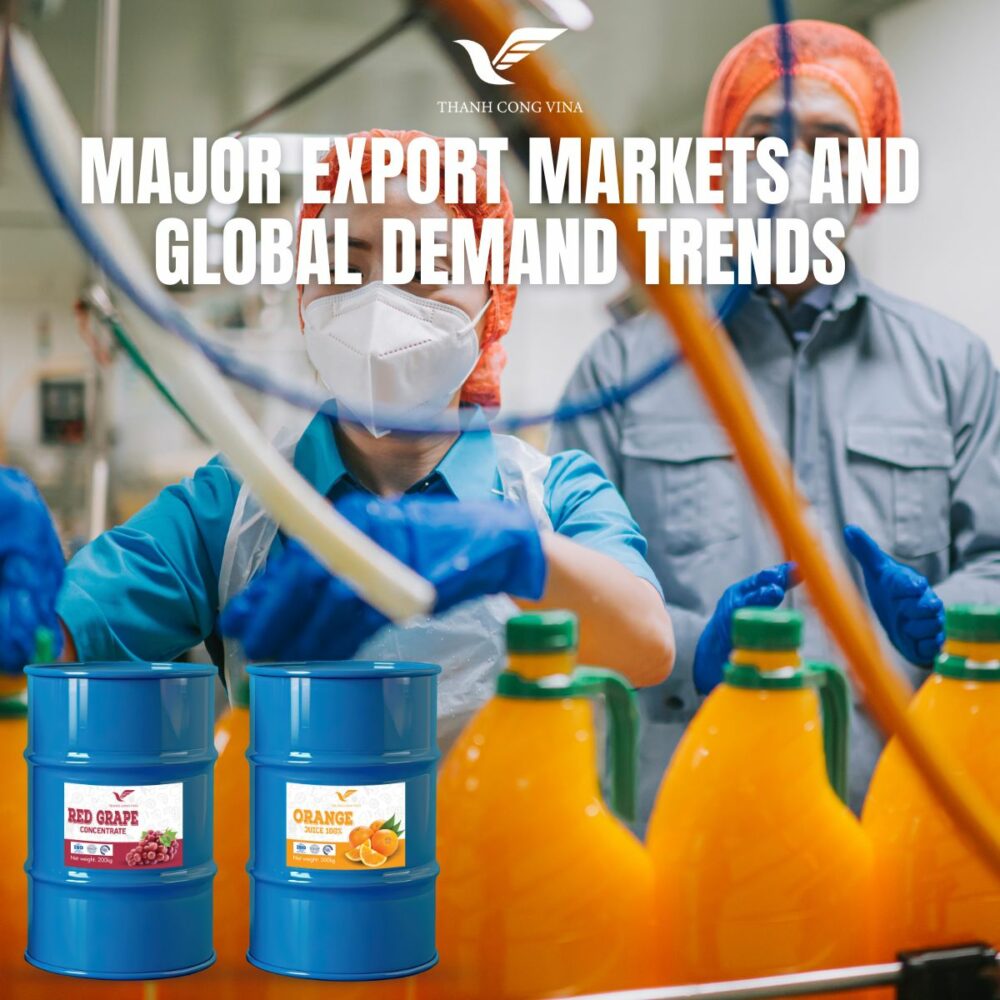
Major Export Markets and Global Demand Trends
Understanding the key export destinations and demand trends is essential for evaluating the potential of Vietnam Juice Concentrate.
Expanding Presence in International Markets
Vietnam exports juice concentrate to a wide range of regions, including Asia, Europe, the Middle East, and North America. Each market has unique requirements, and Vietnamese manufacturers have adapted their products accordingly.
This global reach demonstrates the country’s ability to meet diverse regulatory and consumer demands.
Rising Demand for Natural and Functional Products
Global consumers are increasingly seeking natural, clean-label, and health-focused products. Juice concentrate aligns with these preferences, making it a popular ingredient in beverages and food products.
Vietnam’s strong agricultural base allows it to meet this demand effectively.
Opportunities in Emerging Markets
Emerging markets present significant growth opportunities for Vietnam’s exports. As these markets develop, demand for processed food and beverages is expected to increase, further boosting the export potential.
4. Vietnam Juice Concentrate and Quality Standards in Export Markets
Quality assurance is a critical factor in maintaining competitiveness in international markets.
Compliance with International Regulations
Vietnamese exporters increasingly adhere to global standards, ensuring that their products meet the safety and quality requirements of different markets. This compliance facilitates smoother market entry and builds trust with buyers.
Standardized Production Processes
Modern production facilities in Vietnam use standardized processes to ensure consistency across batches. This is essential for maintaining product quality and meeting the expectations of international clients.
Consistency in flavor, color, and nutritional value is particularly important for beverage manufacturers.
Focus on Traceability and Transparency
Traceability systems allow buyers to track the origin of raw materials and monitor production processes. This transparency enhances accountability and supports compliance with international regulations.
5. Supply Chain Structure and Export Logistics
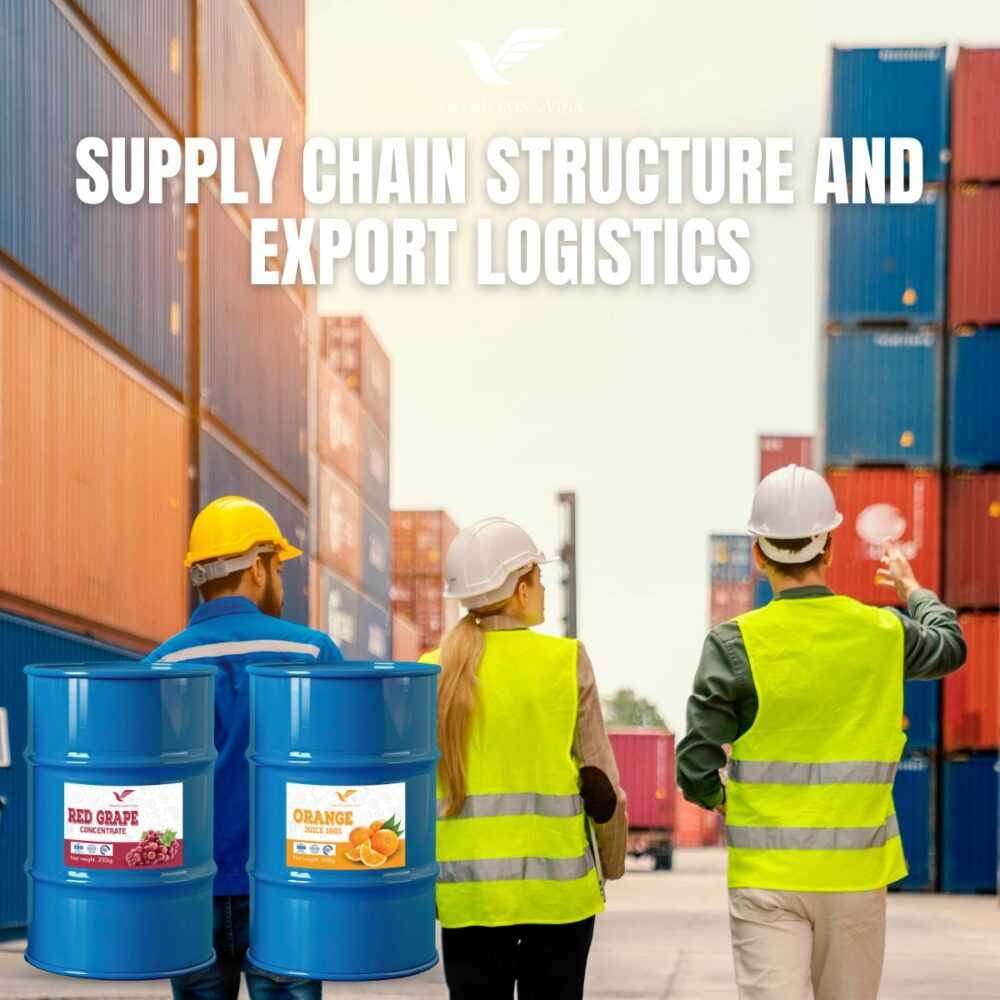
Supply Chain Structure and Export Logistics
A strong supply chain is essential for the success of the Vietnam juice concentrate export market.
Integrated Supply Chain Model
Vietnam’s supply chain integrates farming, processing, and export operations. This integration improves efficiency and ensures better control over product quality.
Manufacturers often work closely with farmers to maintain consistent raw material standards.
Advanced Logistics and Transportation
The country has invested significantly in logistics infrastructure, including ports and transportation networks. These developments support efficient export operations and timely delivery.
For global buyers, reliable logistics are crucial for maintaining stable supply chains.
Handling Export Documentation and Compliance
Exporting juice concentrate involves various documentation requirements, including certificates and regulatory approvals. Experienced exporters in Vietnam are well-equipped to handle these processes, reducing complexity for buyers.
6. Competitive Advantages of Vietnam in the Global Market
Vietnam’s position as a leading exporter is supported by several competitive advantages.
Balance Between Cost and Quality
Vietnam offers a unique balance between affordability and quality. Manufacturers leverage local advantages to keep costs low while maintaining high production standards.
This balance makes Vietnamese products attractive to a wide range of buyers.
Flexibility and Customization
Vietnamese exporters provide flexible solutions tailored to client needs, including customized formulations and packaging options. This adaptability helps buyers meet specific market requirements.
Growing Reputation and Trust
Vietnam’s reputation as a reliable supplier continues to grow, supported by consistent product quality and strong customer service. This trust is a key factor in attracting international buyers.
7. Future Outlook of the Vietnam Juice Concentrate Export Market
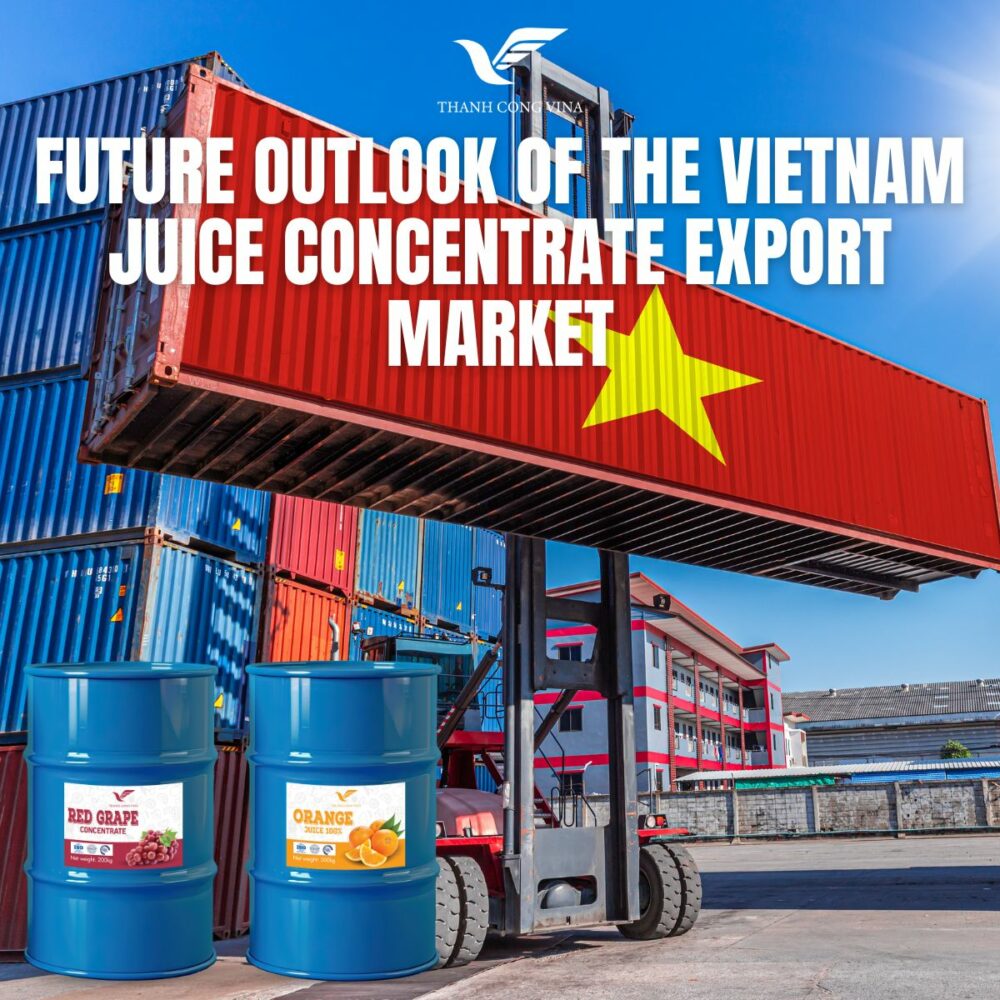
Future Outlook of the Vietnam Juice Concentrate Export Market
The future of Vietnam Juice Concentrate exports is promising, driven by global trends and ongoing industry development.
Increasing Demand for Sustainable Products
Sustainability is becoming a major focus in global trade. Vietnamese manufacturers are adopting eco-friendly practices to meet these expectations.
Technological Advancements
Investments in processing technology and automation are improving efficiency and product quality, ensuring long-term competitiveness.
Expansion into New Markets
Vietnam is expected to expand its presence in emerging markets, creating new opportunities for growth and diversification.
Conclusion
Vietnam has established itself as a dynamic and competitive player in the global juice concentrate export market. With its strong agricultural base, cost-efficient production, and growing compliance with international standards, Vietnam Juice Concentrate offers significant value to global buyers seeking reliable sourcing solutions.
By understanding the structure and advantages of Vietnam’s export market, businesses can make informed decisions and build long-term partnerships that support sustainable growth. As demand for natural and functional products continues to rise, Vietnam’s role in the global supply chain is set to expand even further.
Thanh Cong Vina is proud to be a trusted partner in Vietnam Juice Concentrate, delivering high-quality products that meet international standards and support global expansion. With a commitment to innovation, consistency, and customer satisfaction, Thanh Cong Vina continues to empower businesses worldwide to achieve long-term success in the competitive beverage industry.