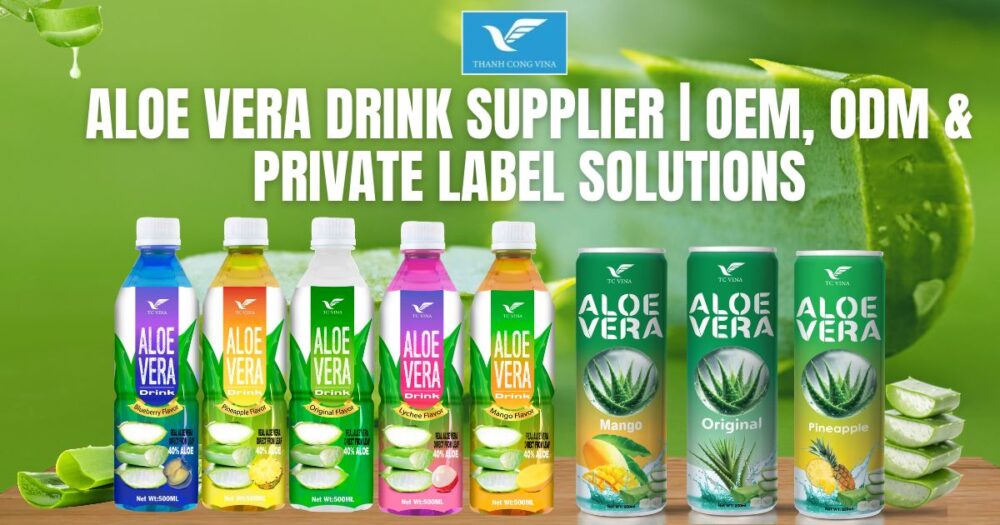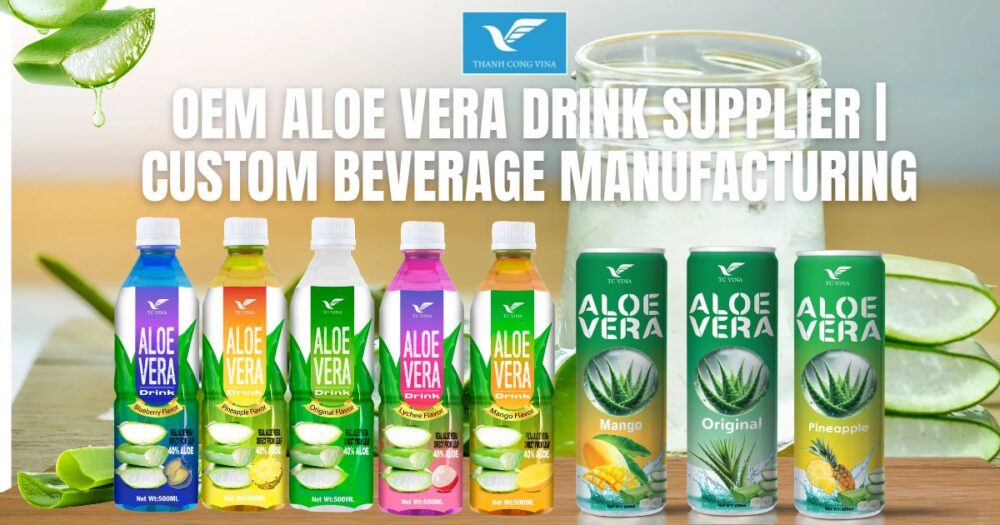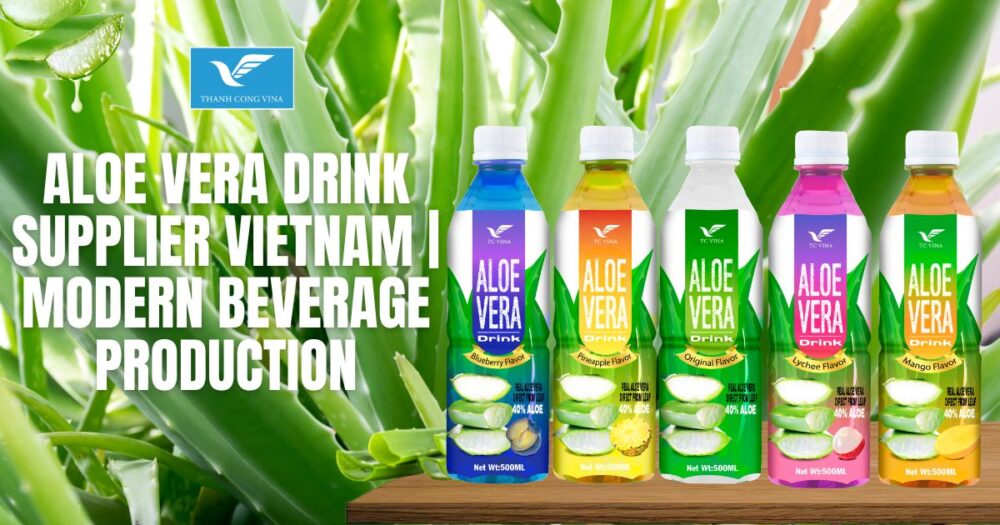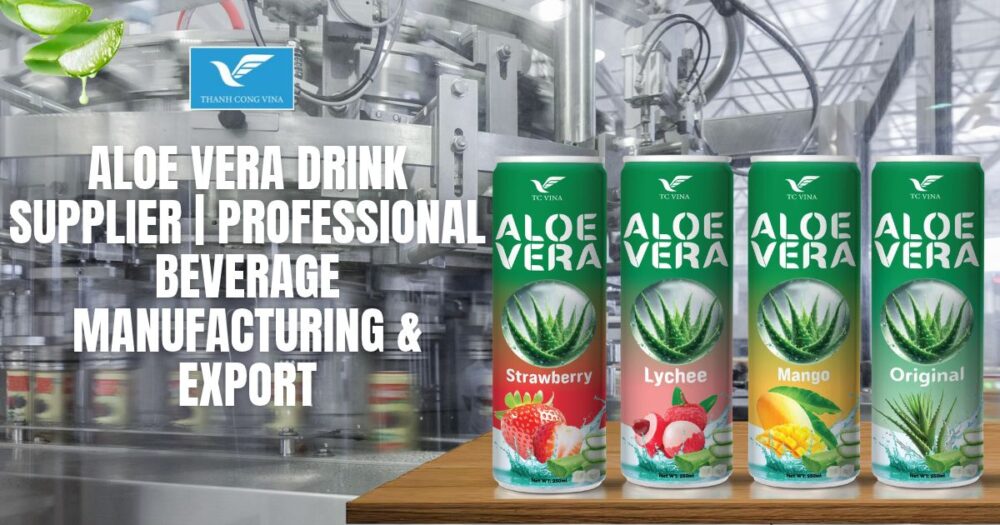

For businesses considering this category, choosing a reliable Aloe Vera Drink Supplier is an important step toward developing a product that meets market expectations. However, producing aloe vera beverages with pulp requires careful attention to ingredient preparation, formulation, texture, processing, and packaging. The relationship between aloe vera pieces and the surrounding liquid must be considered throughout product development. Understanding these factors helps buyers evaluate product quality, establish clear specifications, and identify suitable manufacturing partners for long-term sourcing.
1. Understanding Aloe Vera Drinks with Real Aloe Pulp
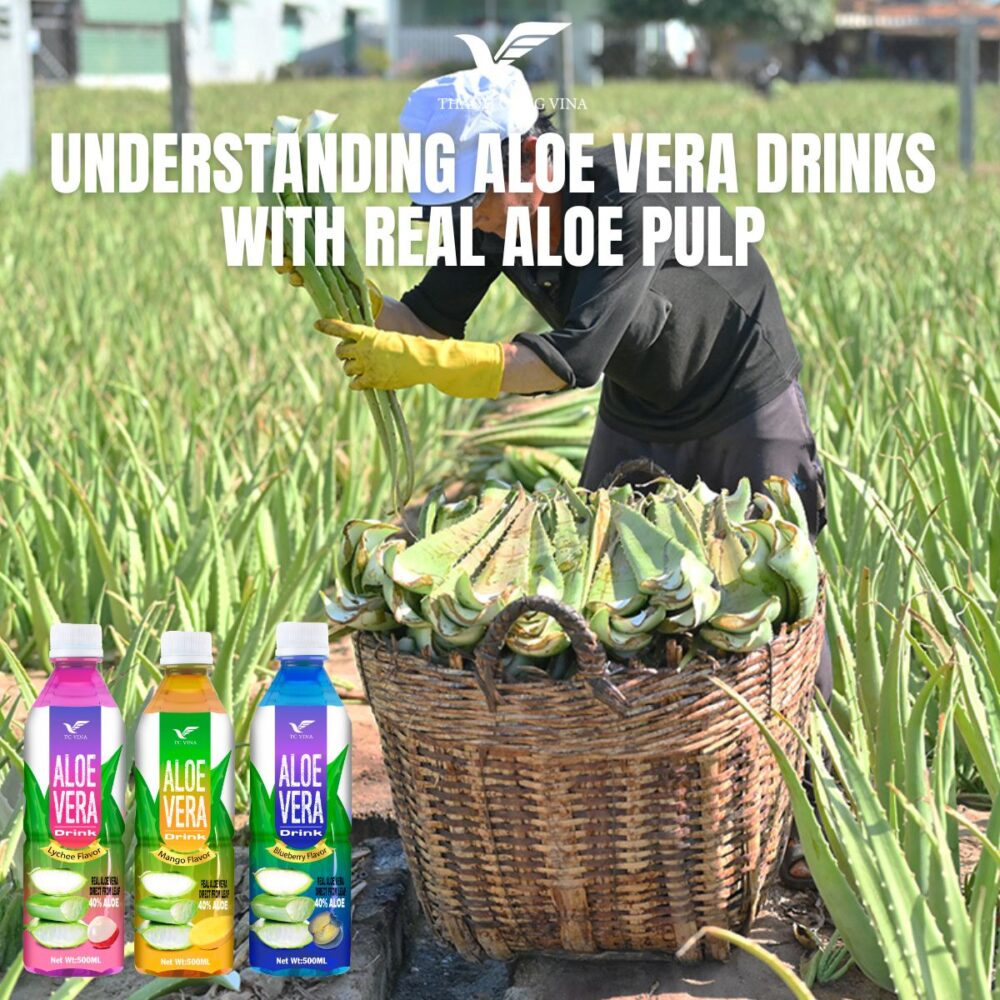
Understanding Aloe Vera Drinks with Real Aloe Pulp
Aloe vera beverages with real pulp are different from conventional flavored drinks because they contain aloe vera components that contribute to the product’s physical texture and appearance. This characteristic creates opportunities for brands seeking to offer consumers a more distinctive beverage experience.
What Makes Real Aloe Pulp Different?
Real aloe pulp refers to the edible inner gel or processed aloe vera pieces incorporated into a beverage formulation. Depending on the ingredient preparation and product specifications, these pieces may provide a soft, slightly firm, or chewy texture.
The presence of aloe vera pulp creates a visual and sensory distinction from beverages that contain only aloe vera flavoring or extract. Consumers can experience both the liquid portion and the aloe vera pieces when drinking the product.
For commercial buyers, the important consideration is not simply whether a beverage contains pulp. They should also evaluate the size, texture, distribution, appearance, and consistency of the aloe vera pieces. These characteristics contribute to the overall product identity and should be defined before production.
How Aloe Vera Pulp Influences the Drinking Experience
Texture plays an important role in differentiating aloe vera beverages. While the liquid provides the primary flavor experience, the pulp introduces another sensory element that can make the product more recognizable.
The size and texture of aloe vera pieces should match the intended consumer group and product positioning. Smaller pieces may create a more subtle texture, while larger pieces may provide a more noticeable pulp experience. The appropriate choice depends on the beverage concept, packaging format, and consumer preferences in the target market.
A balanced formulation should allow the liquid and pulp to complement each other. Excessively firm pieces, inconsistent sizes, or uneven distribution may affect the drinking experience. Therefore, product evaluation should include both liquid characteristics and pulp quality.
Opportunities for Different Beverage Concepts
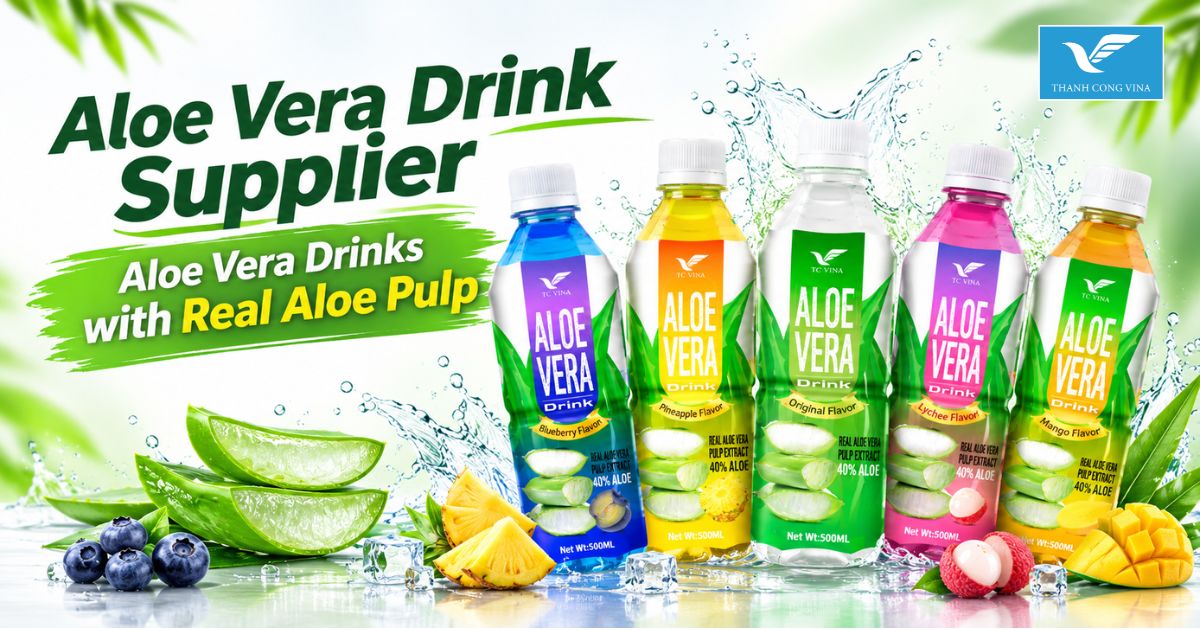
Aloe vera pulp can be incorporated into different beverage concepts, depending on formulation feasibility and manufacturing capabilities. Original aloe vera beverages may emphasize the ingredient’s distinctive texture, while fruit-flavored variations can create additional options for consumers.
Potential flavor directions include:
- Mango aloe vera drink for a tropical fruit profile.
- Lychee aloe vera drink for a light and aromatic taste.
- Peach aloe vera drink for a familiar fruit-inspired option.
- Blueberry aloe vera drink for a distinctive flavor concept.
- Original aloe vera drink for consumers who prefer a simpler profile.
These combinations should be evaluated through product samples before commercial production. Ingredient compatibility, sweetness, acidity, and overall sensory balance all influence the final result.
2. Why Choose an Aloe Vera Juice Supplier for Pulp-Based Beverages?
Developing aloe vera beverages with real pulp requires more than selecting a flavor and package. Buyers need a manufacturing partner that understands the relationship between ingredient preparation, formulation, product texture, and finished-product specifications.
Experience with Ingredient-Based Beverage Formulation
A pulp-based beverage contains components with different physical characteristics. The liquid portion and solid aloe vera pieces must be considered together during formulation and processing.
The manufacturer should be able to discuss the intended pulp size, ingredient specifications, liquid composition, and expected product appearance. Buyers should also clarify whether the proposed formulation can be supported by the available production equipment and processing methods.
An experienced supplier should explain technical limitations instead of making assumptions about every requested product feature. This helps buyers determine whether the original concept is feasible or requires adjustment.
Ability to Maintain Pulp Consistency
One of the key challenges in aloe vera pulp beverages is maintaining consistency between production batches. Differences in piece size, texture, distribution, or appearance may influence the finished product and consumer experience.
Buyers should establish measurable or clearly described requirements for the aloe vera pieces. Depending on the product, specifications may cover dimensions, texture, appearance, and the expected amount of pulp in the beverage.
Approved samples can serve as a reference during subsequent production. Any proposed changes to ingredient sources or preparation methods should be reviewed to determine whether they may affect the finished product.
Support for International Sourcing Requirements
Importers and distributors need more than a suitable beverage. They also require product information, quality documentation, packaging details, and export coordination.
A professional Aloe Vera Juice Supplier should be able to clarify which specifications and documents are available for the proposed product. Buyers should discuss destination-market requirements early, particularly when the beverage contains multiple ingredients or requires specific labeling declarations.
Clear communication helps both parties understand the technical and commercial scope of the project before placing a purchase order.
3. From Aloe Vera Pulp Preparation to Finished Beverage Production
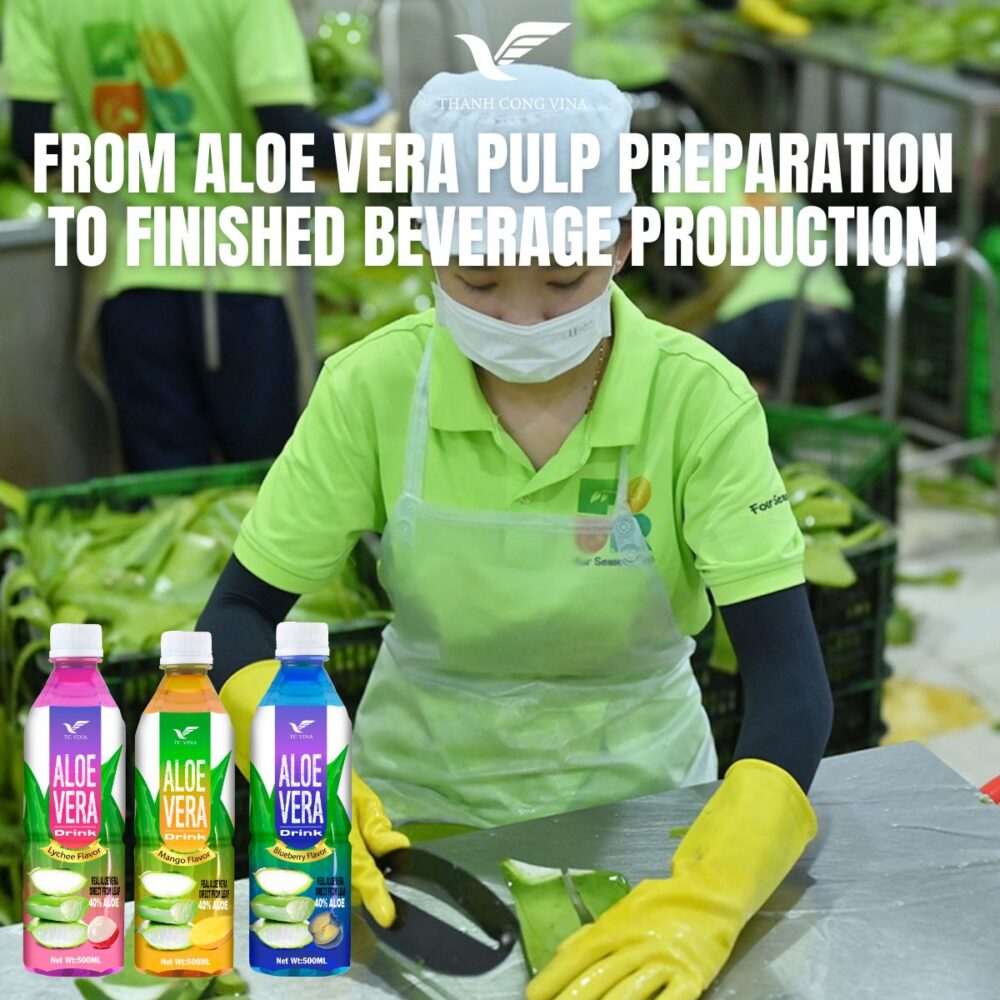
From Aloe Vera Pulp Preparation to Finished Beverage Production
The production of aloe vera beverages with real pulp involves several connected stages. Each stage contributes to the product’s texture, appearance, flavor, and overall quality. The exact manufacturing process depends on the formulation, ingredient characteristics, processing system, and applicable food safety requirements.
Selecting and Preparing Aloe Vera Ingredients
Ingredient preparation is an important starting point for pulp-based beverage production. The selected aloe vera material must be suitable for the intended food application and meet the relevant ingredient specifications.
Depending on the manufacturing process, preparation may involve cleaning, removing unsuitable portions, processing the edible inner material, cutting or forming pieces, and preparing the ingredients for formulation.
The handling process should be designed to support ingredient quality and food safety. Buyers may request information about ingredient specifications, preparation procedures, storage conditions, and available traceability records.
It is also important to establish clear expectations regarding the final appearance of the pulp. The desired color, size, texture, and physical characteristics should be reviewed during product development rather than left undefined until commercial production.
Controlling Pulp Size and Texture
Pulp size is one of the most visible characteristics of an aloe vera beverage. It affects the product’s appearance, mouthfeel, and overall drinking experience.
A product designed for everyday refreshment may require a different pulp profile from a beverage positioned around a more noticeable ingredient experience. Buyers should therefore define their preferences based on the target market and intended packaging.
Texture also needs attention. The aloe vera pieces should be suitable for the product concept and should not create an undesirable contrast with the liquid portion. Sample evaluation can help buyers determine whether the selected pulp characteristics match their expectations.
Integrating Pulp into the Beverage Formulation
After ingredient preparation, aloe vera pieces are incorporated into the beverage according to the approved formulation and processing requirements.
This stage requires coordination between the liquid composition and the pulp characteristics. The formulation may include water, fruit ingredients, sweeteners, acidity regulators, and other permitted components, depending on the product concept.
The manufacturer should evaluate how the ingredients interact and whether the selected processing conditions are appropriate. Buyers should also clarify the intended pulp content and how it will be represented in the product specification and ingredient declaration.
Filling, Sealing, and Finished Product Inspection
The filling stage must be suitable for the beverage formulation and the physical characteristics of the pulp. The selected filling system and process conditions should support appropriate product handling and packaging integrity.
Finished-product inspection may cover net content, package condition, closure integrity, appearance, and other agreed specifications. The product should be evaluated as a complete unit, including both the liquid and the aloe vera pieces.
A clear inspection procedure helps establish whether the finished beverage matches the approved product reference and is ready for the next stage of distribution.
4. Quality Control for Aloe Vera Beverages with Real Pulp
Quality management is particularly important for beverages containing visible or textured ingredients. Buyers should assess the product through a combination of ingredient specifications, sensory evaluation, process controls, and finished-product testing.
Ingredient Quality and Traceability
Ingredient quality influences the characteristics of the finished beverage. Buyers should understand the specifications of the aloe vera ingredients and other components used in the formulation.
Relevant information may include ingredient identity, supplier documentation, storage conditions, and available traceability records. For products containing multiple fruit ingredients, the manufacturer should also clarify the specifications of those components.
Traceability supports the ability to identify relevant ingredient and production information if a quality issue arises. Buyers should ask how batches are identified and what records can be provided for the product.
Monitoring Pulp Distribution and Product Appearance
Pulp distribution is an important consideration because consumers expect a consistent product experience. If the aloe vera pieces are unevenly distributed or differ noticeably between packages, the beverage may not match the intended specification.
The manufacturer should establish suitable procedures for evaluating pulp characteristics during production. These may include checking piece size, appearance, texture, and distribution according to the agreed product requirements.
Buyers should also assess the beverage after packaging and under the recommended storage conditions. This helps determine whether the product maintains the expected appearance and physical characteristics throughout its intended shelf life.
Sensory Evaluation and Finished Product Testing
Sensory evaluation helps determine whether the finished beverage meets the approved flavor and texture expectations. It should consider the interaction between the liquid and the pulp rather than evaluating them separately.
A product review may include:
- Overall flavor and aroma.
- Sweetness and acidity balance.
- Pulp size and texture.
- Pulp distribution within the package.
- Visual appearance and color.
- Overall drinking experience.
Where applicable, physicochemical and microbiological testing should be conducted according to the product specifications and relevant regulatory requirements. Buyers should clarify the testing scope, methods, frequency, and supporting documentation available.
Food Safety Documentation and Certification Checks
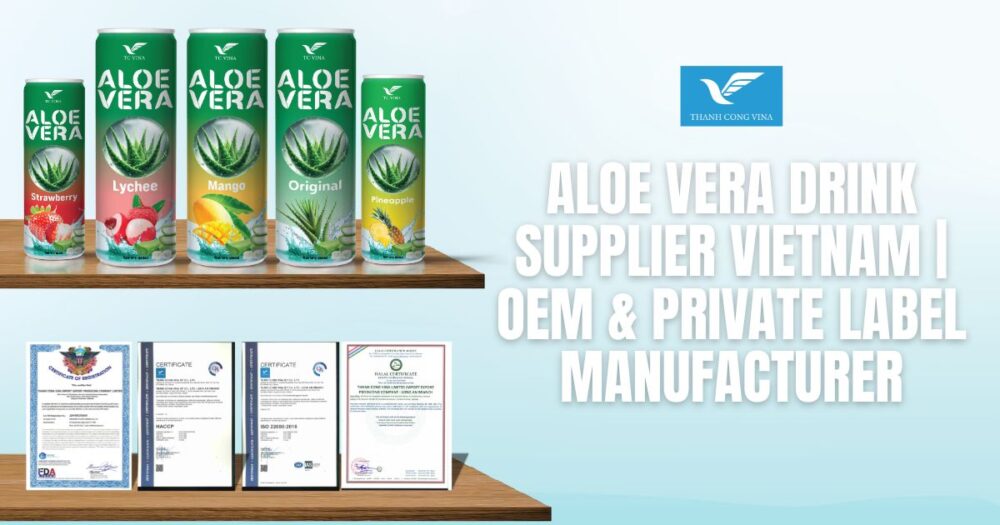
Importers should review the manufacturer’s relevant food safety documentation and verify any certifications presented during supplier evaluation.
Important details include the issuing organization, manufacturing facility, certification scope, and validity period. A certification should not be assumed to cover every product or production location associated with a supplier.
Buyers should also identify the regulatory requirements of the destination country. Ingredient declarations, additives, labeling claims, product registration, and import documentation may differ between markets.
5. Packaging Solutions for Aloe Vera Drinks with Pulp
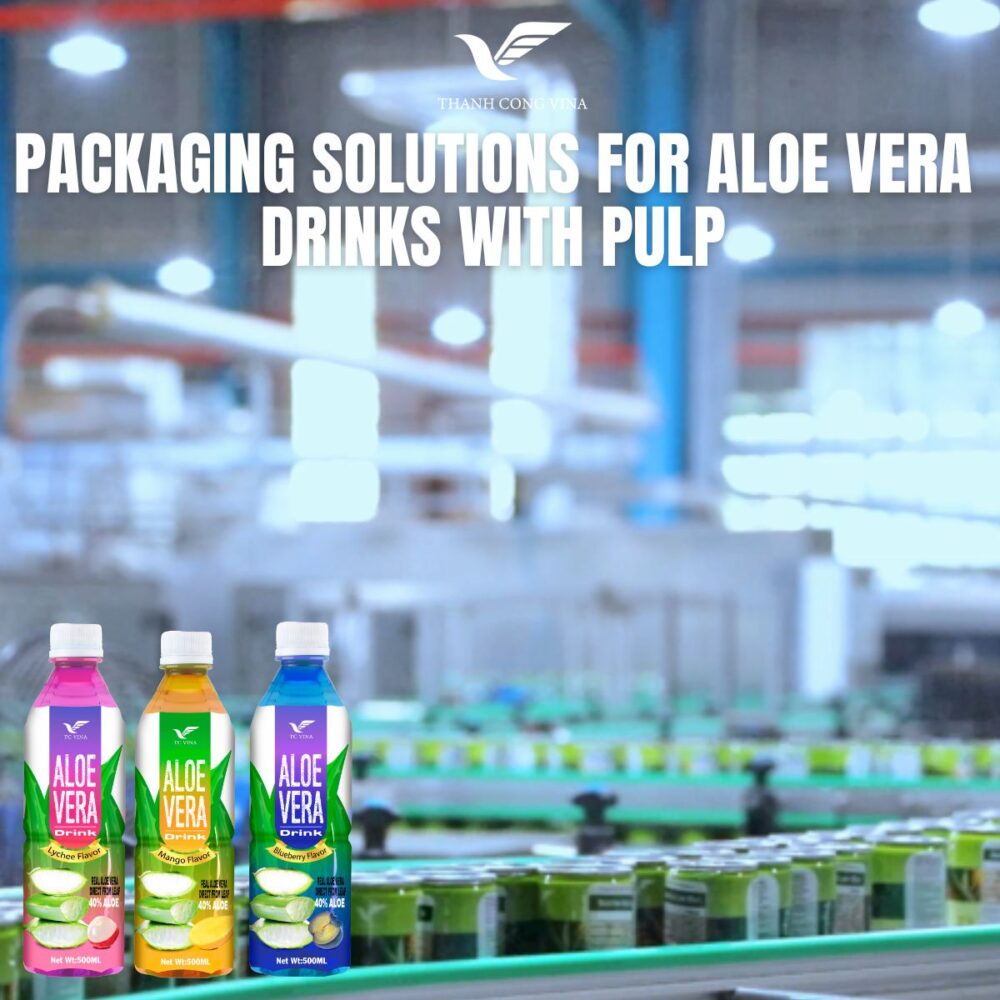
Packaging Solutions for Aloe Vera Drinks with Pulp
Packaging plays an important role in protecting the product and presenting its distinctive characteristics. For pulp-based beverages, the package must also be suitable for the product’s physical composition and the intended filling process.
Selecting Packaging Compatible with Pulp
The appropriate packaging format depends on the beverage formulation, pulp characteristics, processing method, and manufacturing capabilities.
Potential formats may include PET bottles, aluminum cans, or glass bottles, depending on product compatibility and the supplier’s available filling systems.
Buyers should consider the package opening and drinking experience. The size and characteristics of the aloe vera pieces should be compatible with the selected package and intended consumption method.
Before confirming a format, importers should ask the manufacturer to evaluate technical suitability and clarify available filling volumes, closures, and packaging configurations.
Designing Packaging That Communicates Product Value
Aloe vera pieces can be an important visual feature of the beverage. Packaging design may therefore emphasize the presence of real aloe vera pulp through product imagery, flavor identification, and clear product descriptions.
The design should reflect the intended market positioning while avoiding unsupported claims. Buyers should ensure that descriptions such as real aloe pulp accurately represent the final formulation and comply with applicable labeling regulations.
Artwork should also include all mandatory information required by the destination market. A regulatory review before printing can help reduce the risk of costly revisions.
Shelf Life and Distribution Planning
Shelf life depends on the formulation, processing method, packaging integrity, and storage conditions. Beverages containing pulp should be evaluated according to their specific characteristics rather than relying on assumptions based on other beverage categories.
Buyers should request relevant shelf-life information and confirm the recommended storage conditions. They should also understand how the product should be handled during transportation and warehousing.
For export orders, the remaining shelf life at the destination should be considered alongside shipping time, customs clearance, distribution schedules, and expected inventory turnover.
6. Commercial Considerations When Sourcing Aloe Vera Pulp Drinks
A successful sourcing decision should balance product quality, commercial feasibility, and long-term supply requirements. Importers should evaluate the complete project cost rather than focusing exclusively on the unit price.
Minimum Order Quantity and Packaging Requirements
Minimum order quantities can vary depending on the product formulation, packaging format, production arrangement, and procurement requirements. Customized packaging may also involve separate minimum quantities.
Buyers should request a clear explanation of the minimum order requirements and expected production lead times. This information helps businesses determine whether an initial order is suitable for their sales forecasts and inventory capacity.
For a new product, a carefully planned launch quantity can help evaluate market response before expanding the product range.
Calculating Total Sourcing Costs
The overall cost of a pulp-based aloe vera beverage project may include ingredients, formulation development, sample preparation, production, packaging, printing, testing, documentation, and logistics.
Importers should request quotations that clearly state the product specifications, order quantity, packaging configuration, included services, and delivery terms.
Comparing suppliers using equivalent requirements provides a more accurate view of commercial value. Buyers should also consider potential additional costs associated with customized ingredients or packaging components.
Planning for Repeat Orders
Repeat orders require coordination between ingredient availability, packaging procurement, production schedules, and inventory forecasts.
Buyers can support better planning by sharing demand projections with the supplier. However, projected quantities should be distinguished from confirmed orders to maintain clear commercial expectations.
As sales develop, brands may consider introducing additional flavors or package sizes. These decisions should be based on market feedback, technical feasibility, and the overall product strategy.
7. How to Choose the Right Aloe Vera Juice Supplier for Your Business
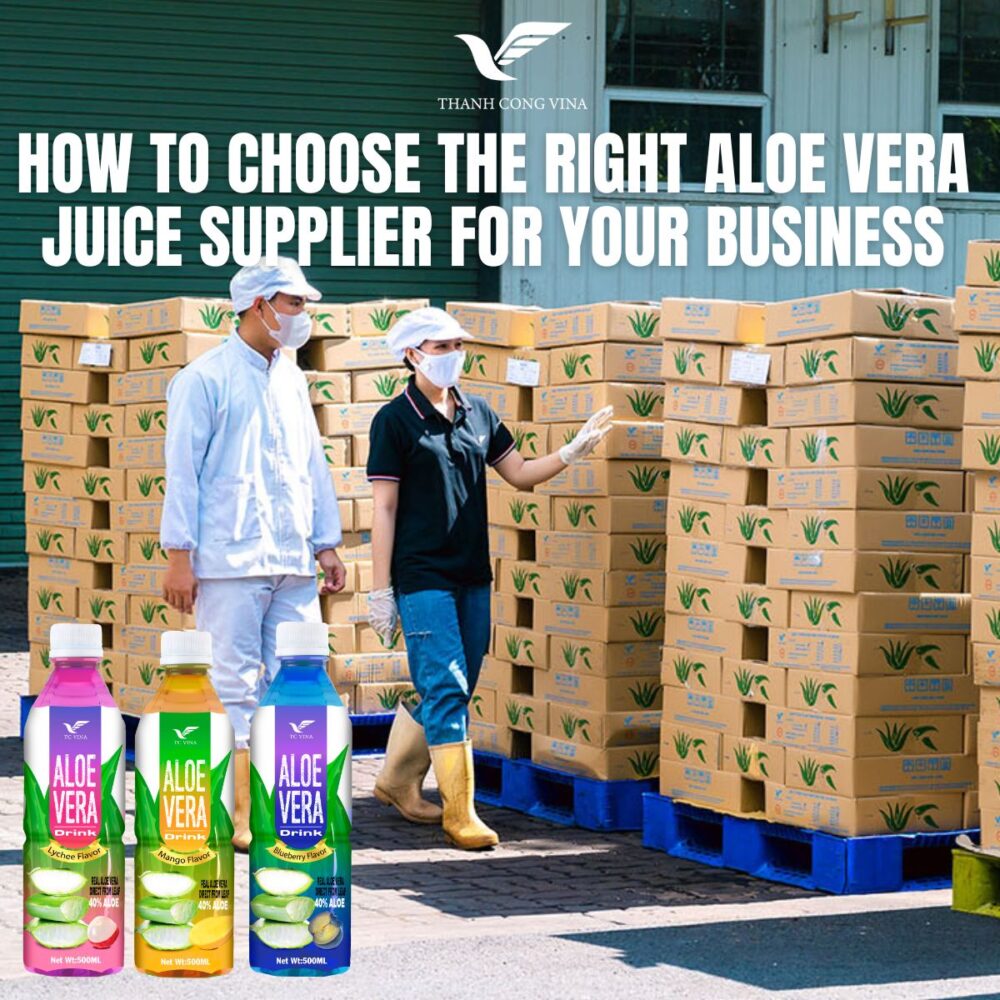
How to Choose the Right Aloe Vera Juice Supplier for Your Business
Selecting a suitable manufacturing partner requires a structured evaluation of product quality, technical capabilities, documentation, and communication. Buyers should focus on evidence and clearly defined requirements rather than relying only on promotional descriptions.
Request Samples and Detailed Specifications
Product samples allow buyers to evaluate flavor, texture, pulp characteristics, and overall appearance before making a commercial decision.
The sample should be reviewed against a clear set of criteria. Buyers should also request relevant product specifications and clarify whether the sample represents an existing formulation or a customized development concept.
Review Manufacturing and Quality Management Capabilities
Importers should understand how the manufacturer manages ingredient preparation, formulation, production, testing, packaging, and traceability.
They should also verify relevant food safety documentation and clarify which services are available for the proposed project. Technical capabilities should be assessed against the actual product requirements rather than assumed from general company descriptions.
Build a Partnership Around Clear Expectations
Long-term cooperation depends on documented specifications, transparent commercial terms, and consistent communication. Both parties should understand their responsibilities for sample approval, packaging artwork, production scheduling, quality evaluation, and export documentation.
Thanh Cong Vina works with business customers exploring beverage manufacturing and export cooperation. Potential partners can begin by sharing their target market, product concept, preferred pulp characteristics, packaging requirements, and estimated order quantity.
Conclusion: Bringing Real Aloe Pulp Beverage Concepts to Market
Aloe vera drinks with real pulp offer beverage brands an opportunity to differentiate their portfolios through ingredient visibility and a distinctive drinking experience. However, successful product development requires careful attention to aloe vera preparation, pulp size, texture, formulation balance, processing, packaging, and quality management. Selecting a reliable Aloe Vera Juice Supplier helps importers establish clear specifications and evaluate whether a product is suitable for their target market.
For international buyers, product samples, documented quality requirements, food safety verification, and realistic export planning are essential parts of the sourcing process. Each project should be assessed according to its technical requirements and commercial objectives.
Thanh Cong Vina welcomes discussions with importers, distributors, retailers, and beverage brands interested in aloe vera beverage manufacturing and export opportunities. Through clear project requirements and structured cooperation, Thanh Cong Vina aims to support businesses in developing suitable beverage products and building sustainable international partnerships.