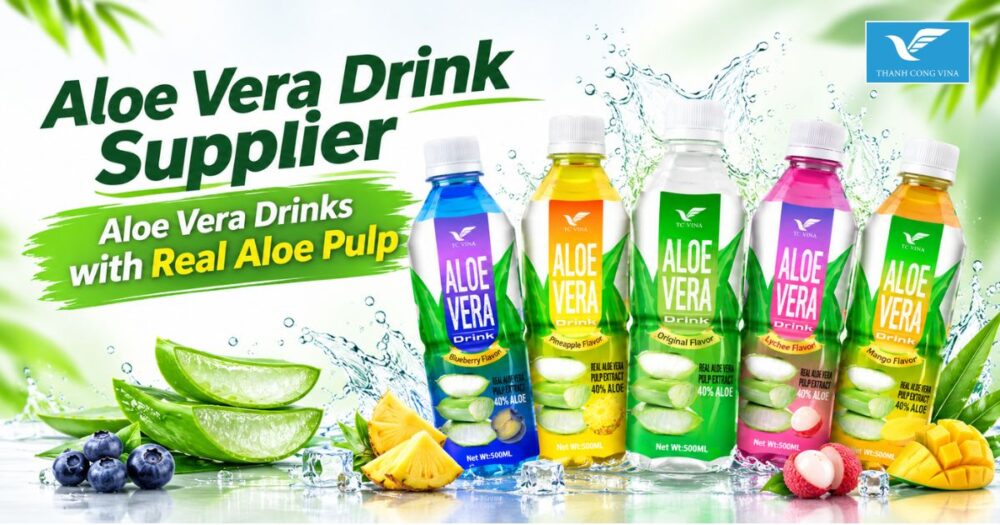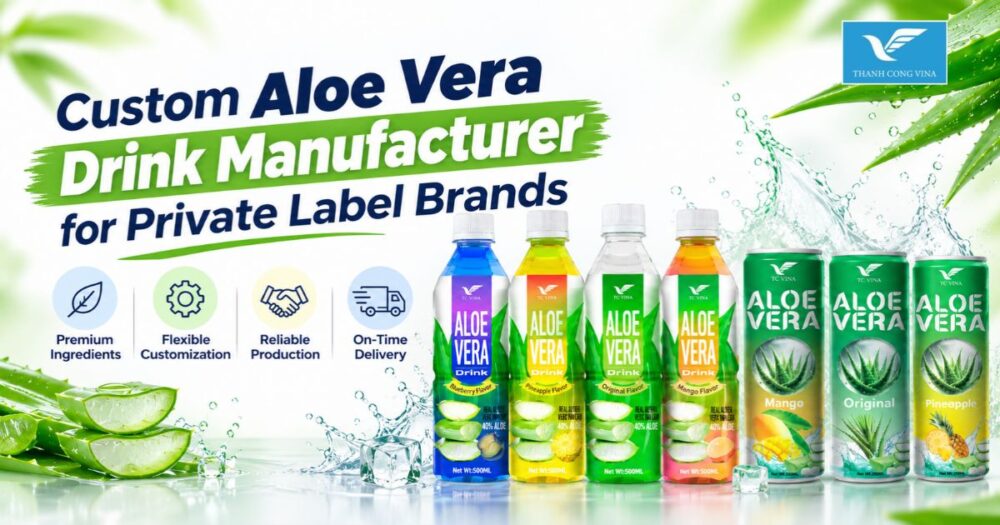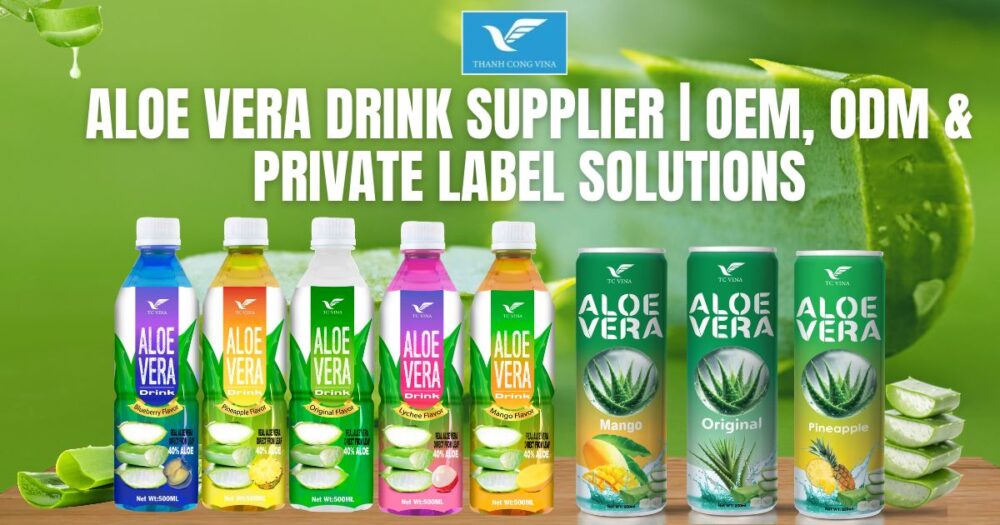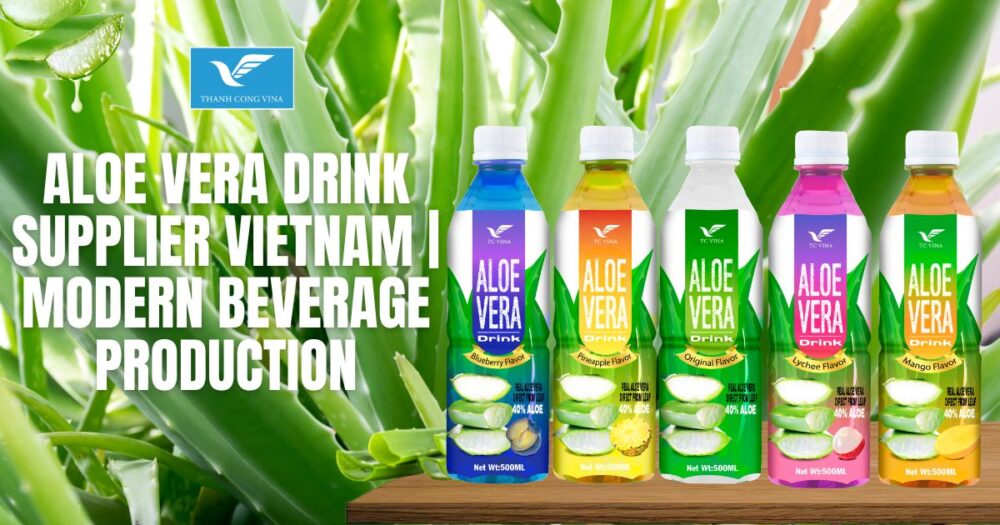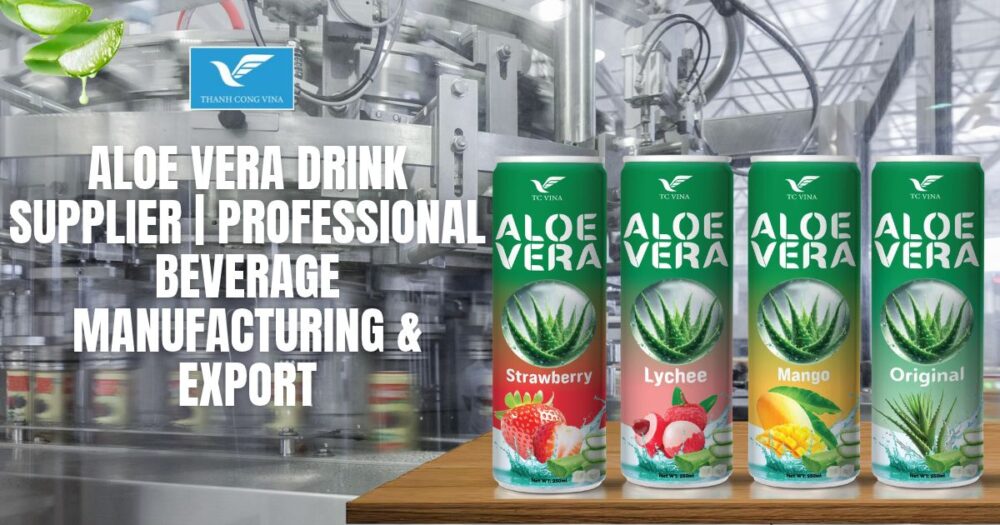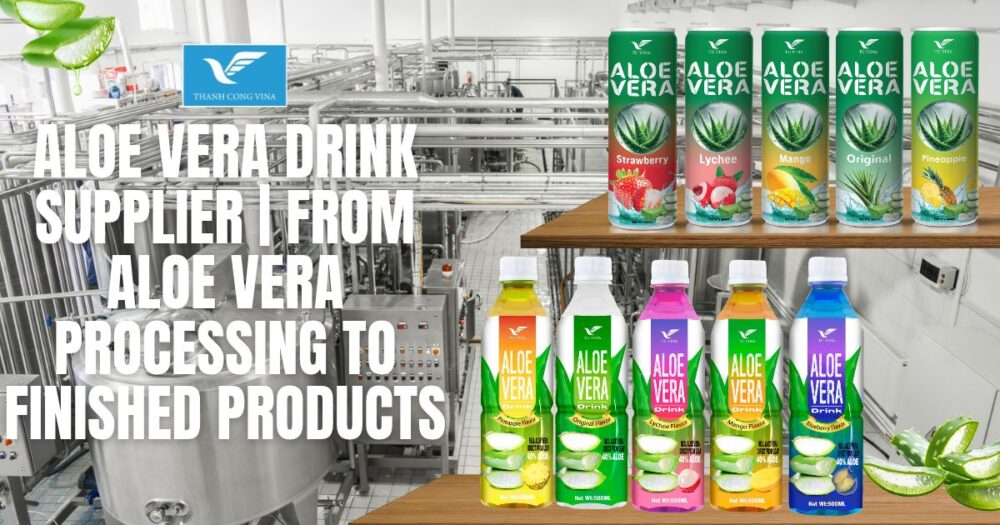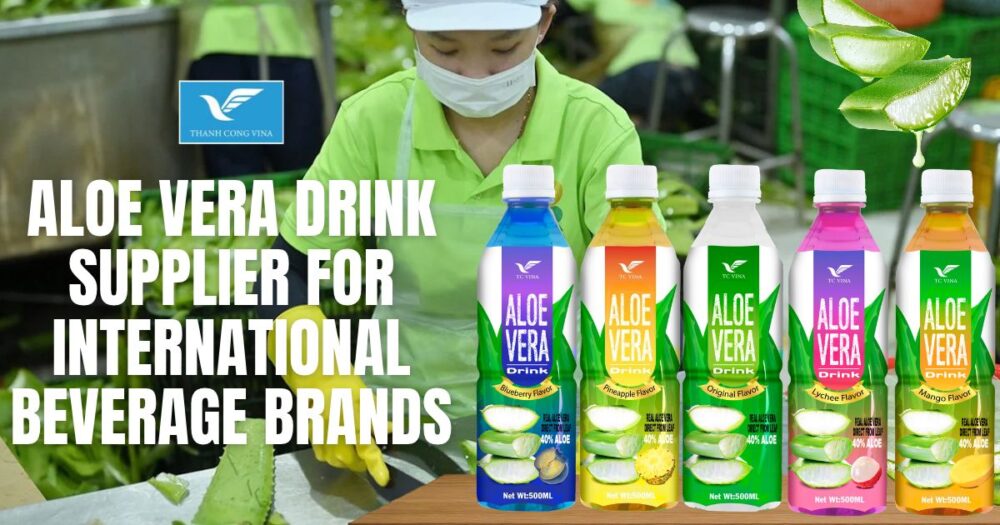

For beverage brands, importers, and distributors, choosing an experienced Aloe Vera Drink Supplier is an important step toward developing a competitive product portfolio that meets different consumer preferences.
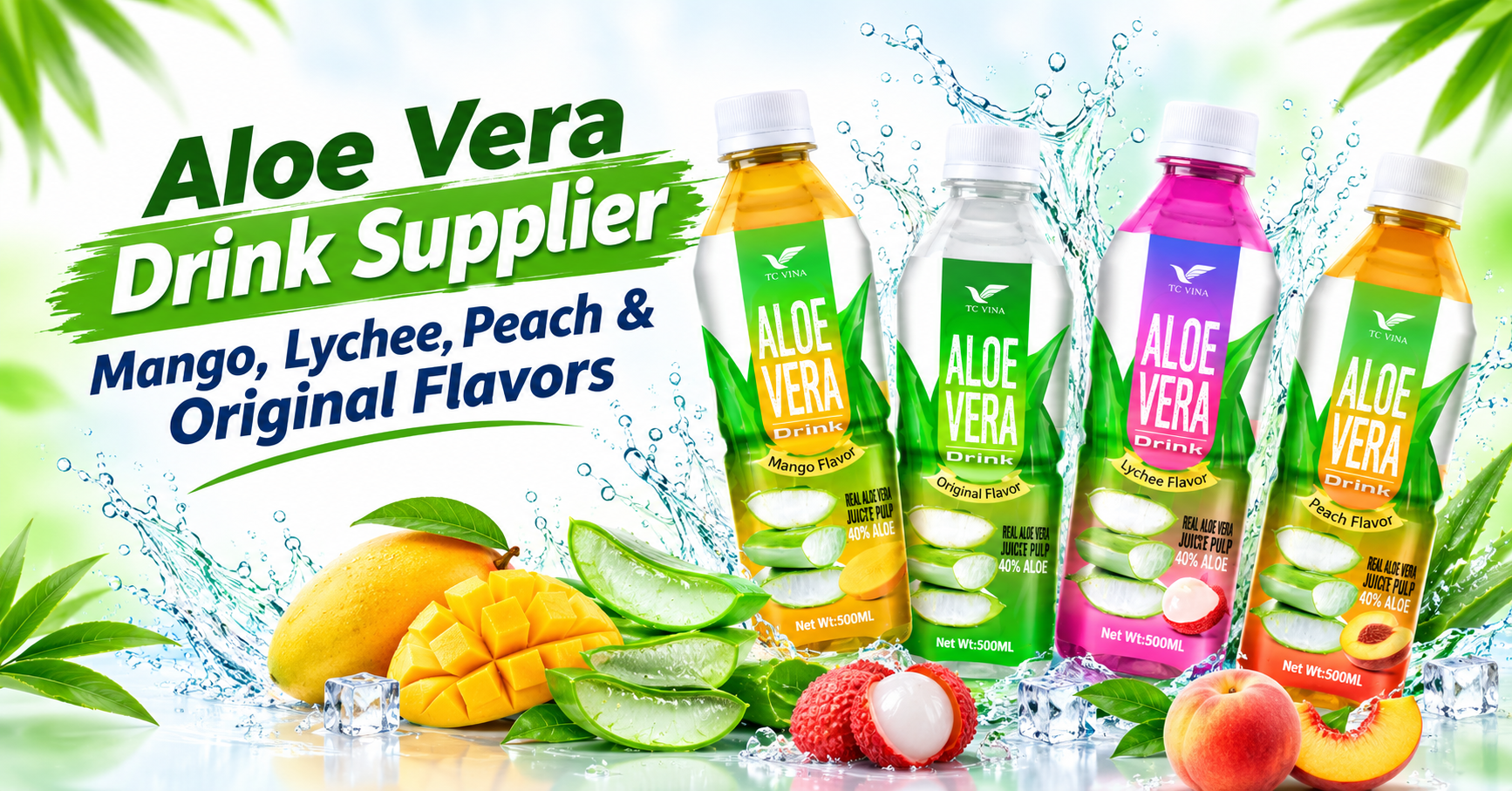
Aloe vera drinks offer considerable flexibility in flavor development, allowing brands to introduce familiar fruit profiles while maintaining the distinctive identity of aloe vera. Popular options such as Mango, Lychee, Peach, and Original provide different sensory experiences, making them suitable for various markets and consumer segments. As a Vietnam-based beverage business, Thanh Cong Vina presents aloe vera drink options designed to support the diverse needs of international beverage partners.
1. Why Aloe Vera Drinks Are Gaining Attention in the Global Beverage Market

Why Aloe Vera Drinks Are Gaining Attention in the Global Beverage Market
Aloe vera beverages have established a recognizable position in the ready-to-drink beverage category. Their appeal comes from the combination of a refreshing liquid base and the distinctive texture of aloe vera pieces. Unlike conventional fruit drinks, aloe vera beverages provide an additional sensory element that can make the drinking experience more interesting.
A Distinctive Texture That Differentiates the Product
One of the defining characteristics of aloe vera drinks is the presence of aloe vera pulp. These translucent pieces create a soft, chewy texture that differentiates the beverage from ordinary juice drinks and flavored water.
For consumers, texture can be an important part of product selection. A beverage that offers both a refreshing liquid and small pieces of aloe vera can provide a more engaging experience. This characteristic also gives beverage brands an opportunity to diversify their product offerings beyond traditional fruit-based drinks.
When developing an aloe vera beverage, manufacturers need to consider the size, distribution, and consistency of aloe vera pieces. These factors influence the product’s appearance, mouthfeel, and overall drinking experience.
A Versatile Base for Fruit Flavor Innovation
Aloe vera has a relatively mild flavor profile, making it suitable for combination with different fruit flavors. This flexibility allows beverage brands to create products that appeal to consumers who prefer tropical, floral, sweet, or subtle fruit notes.
Mango, lychee, and peach are particularly interesting options because each contributes a different flavor identity. Original aloe vera, meanwhile, offers a more straightforward profile for consumers who prefer a simpler beverage experience.
For international brands, this flexibility makes aloe vera drinks a useful category for developing multiple SKUs under one product line.
2. Aloe Vera Drink Supplier for Four Distinctive Flavor Options
Selecting the right Aloe Vera Drink Supplier involves more than evaluating the product category. Flavor consistency, product presentation, ingredient specifications, and suitability for target markets should also be considered.
Aloe vera beverages can be developed in different flavor directions to meet changing consumer expectations. The following four options provide a practical foundation for building a diverse product portfolio.
Mango Aloe Vera Drink: A Tropical and Familiar Choice
Mango is one of the most recognizable tropical fruit flavors in the international beverage market. Its naturally sweet aroma and rich fruit character make it a suitable partner for aloe vera.
A mango aloe vera drink combines the familiar taste profile of mango with the distinctive texture of aloe vera pulp. This combination can appeal to consumers who enjoy tropical fruit beverages and prefer a more interesting texture than conventional juice drinks.
From a commercial perspective, mango is a practical flavor for brands looking to introduce aloe vera beverages to markets where tropical fruit profiles are already familiar. It can also complement other fruit-based products within a broader beverage portfolio.
When developing this flavor, beverage brands should pay attention to the balance between mango intensity and aloe vera characteristics. The objective is to create a harmonious profile in which the fruit flavor remains recognizable without overwhelming the overall beverage experience.
Lychee Aloe Vera Drink: A Light and Fragrant Experience
Lychee offers a different direction from mango. Known for its delicate sweetness and floral aroma, this fruit flavor can give aloe vera beverages a lighter and more aromatic identity.
A lychee aloe vera drink is suitable for consumers who enjoy refreshing beverages with a gentle fruit character. Its fragrance can create a distinctive sensory profile while allowing the aloe vera pieces to remain an important part of the product experience.
For beverage brands, lychee provides an opportunity to expand beyond conventional tropical flavors. It may also be considered for markets where lychee is a familiar ingredient in fruit drinks, flavored teas, and other ready-to-drink products.
Product developers should evaluate the sweetness, aroma, and aftertaste of the formulation to ensure that the lychee profile remains balanced and appealing.
Peach Aloe Vera Drink: A Smooth and Fruity Profile
Peach is widely recognized for its soft fruit aroma and approachable taste. Compared with stronger tropical flavors, peach can provide a smoother and more delicate direction for aloe vera beverage development.
The combination of peach flavor and aloe vera pulp creates a product concept that balances fruit character with an interesting texture. This option may appeal to consumers looking for a mild, refreshing drink that is different from traditional citrus or tropical fruit beverages.
Peach can also help brands broaden their flavor selection by introducing a familiar stone-fruit profile. It works as an alternative to more intense fruit flavors and can contribute to a balanced product range.
For commercial development, consistency in peach aroma and sweetness is important. Brands should assess how the flavor performs in the finished beverage and whether it matches the expectations of their intended consumer segment.
Original Aloe Vera Drink: A Simple and Recognizable Option
Original aloe vera flavor provides a straightforward option for consumers who prefer a less fruit-forward beverage. Rather than relying on a strong fruit profile, this product focuses on the characteristic aloe vera experience.
Its simplicity can make it a useful addition to a diversified product portfolio. While flavored variants attract consumers through familiar fruit notes, the Original option offers an alternative for those who want to experience aloe vera without additional dominant fruit flavors.
For importers and distributors, offering an Original variant alongside Mango, Lychee, and Peach can help create a more complete range. Retailers can present multiple choices within the same category, while beverage brands can test consumer preferences across different flavor profiles.
3. How to Build a Competitive Aloe Vera Drink Flavor Portfolio
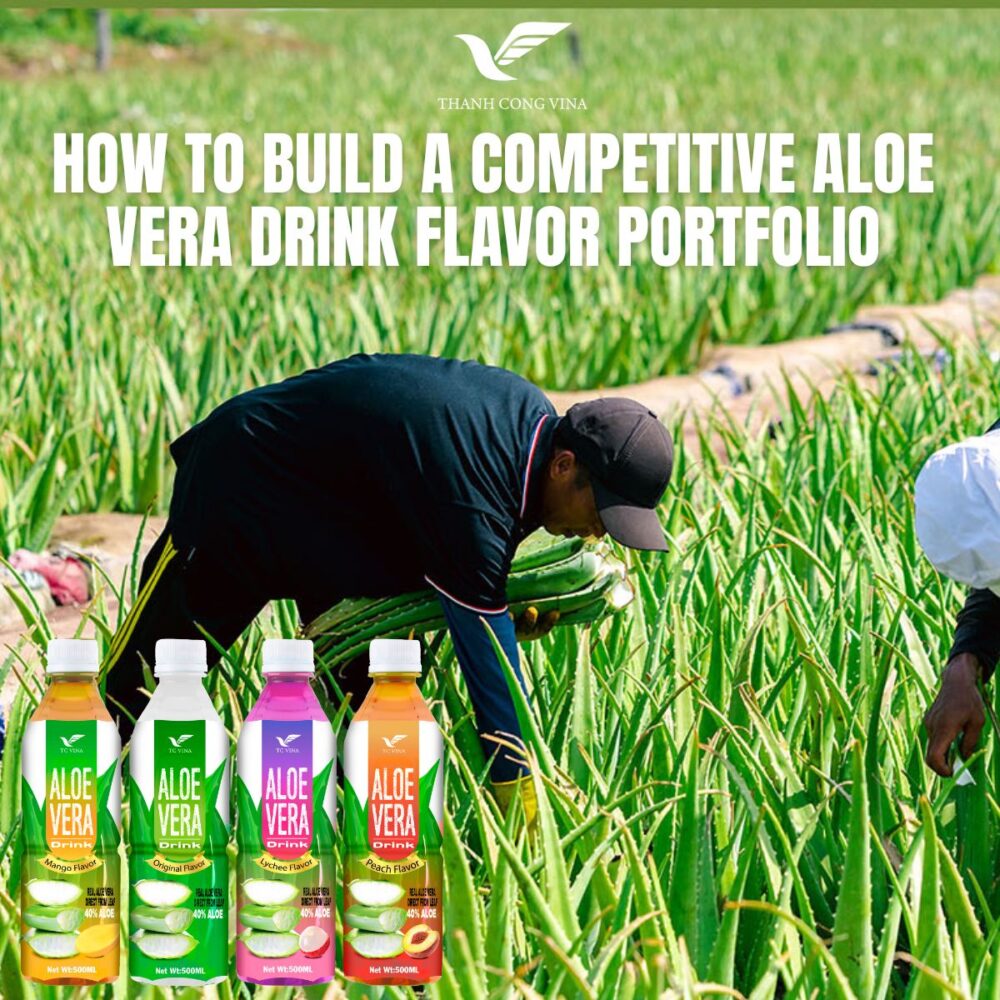
How to Build a Competitive Aloe Vera Drink Flavor Portfolio
A successful aloe vera beverage range should not depend on the number of flavors alone. Each SKU should have a clear role within the overall product strategy, helping brands address different consumer preferences and retail requirements.
Combine Familiar and Differentiated Flavors
A balanced portfolio can include both familiar fruit flavors and options with a more distinctive identity.
Mango and Peach provide recognizable fruit profiles, while Lychee introduces a floral and aromatic direction. Original offers a simpler alternative that highlights the aloe vera beverage concept.
This combination allows beverage brands to reach different consumer groups without making the product range unnecessarily complicated.
Instead of launching too many flavors simultaneously, businesses can begin with a focused selection and evaluate market response before expanding the portfolio.
Consider Regional Taste Preferences
Consumer preferences vary across countries and regions. Some markets may favor sweeter tropical fruit profiles, while others may prefer lighter aromas and more subtle sweetness.
Before selecting the final flavor lineup, beverage brands should consider:
- Local preferences for fruit flavors and sweetness levels.
- Existing competition in the aloe vera beverage category.
- Consumer familiarity with aloe vera pulp and textured drinks.
- Retail positioning and expected product price.
- Packaging formats commonly used in the target market.
Market research, distributor feedback, and product sampling can help businesses identify suitable flavor combinations before commercial launch.
Create a Consistent Brand Identity Across SKUs
Aloe vera drinks with multiple flavors should maintain a recognizable visual identity. Consistent branding helps consumers identify products within the same range, while different color accents or fruit illustrations can distinguish individual variants.
For example, mango packaging may use warm tropical visual elements, while lychee and peach can adopt softer fruit-inspired colors. The Original variant can emphasize aloe vera as the central ingredient.
A consistent design system supports shelf recognition and makes it easier for retailers to display several variants together.
4. Important Product Specifications for Aloe Vera Beverage Development
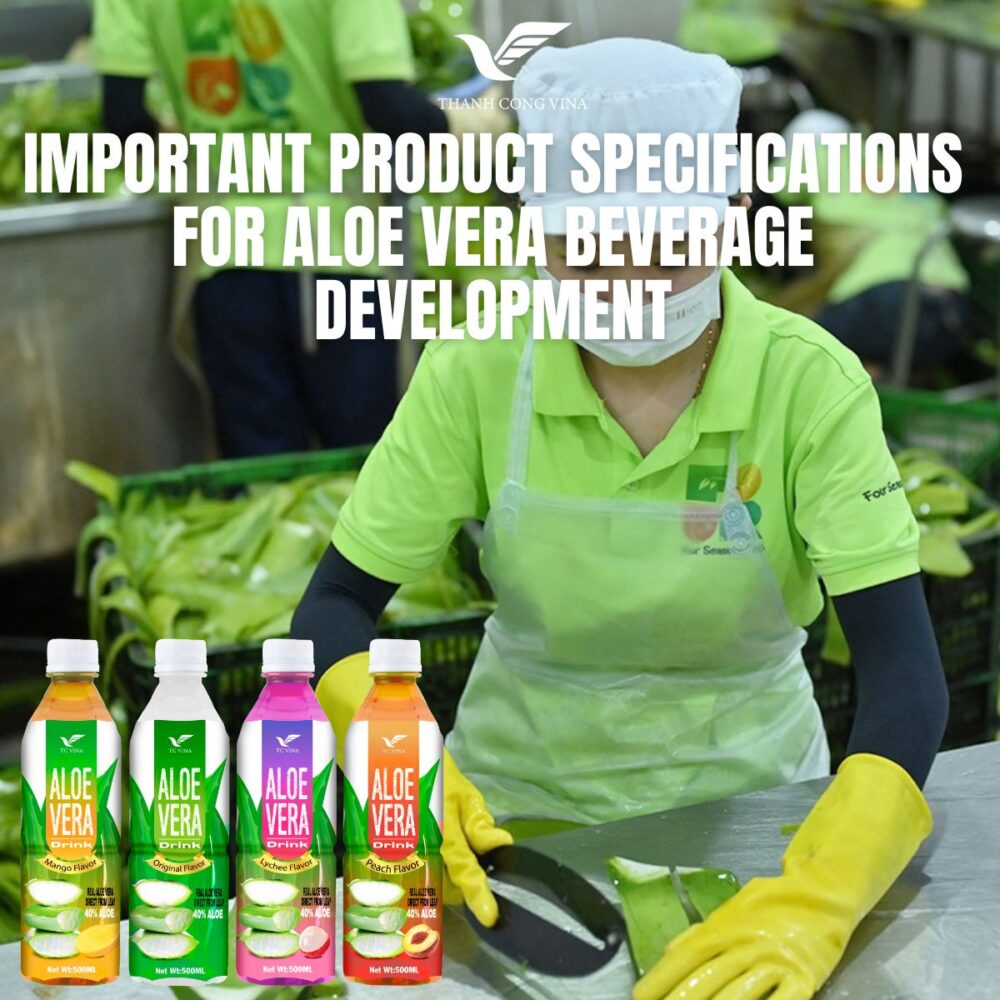
Important Product Specifications for Aloe Vera Beverage Development
Flavor is only one part of the finished product. Beverage brands should also evaluate the technical and commercial specifications that influence product quality and market suitability.
Aloe Vera Pulp Size and Texture
Aloe vera pieces contribute significantly to the product’s identity. Their size, texture, and distribution should be considered during product development.
Brands should determine whether they prefer smaller pieces for a lighter drinking experience or more noticeable pulp for a textured beverage concept. The final decision should reflect the intended consumer experience and packaging format.
Consistency between batches is also important. Variations in pulp characteristics may affect consumer perception and the overall presentation of the beverage.
Sweetness and Flavor Balance
The sweetness level should complement the selected flavor rather than dominate it. Mango, lychee, peach, and Original each have different sensory characteristics, so the formulation approach should be adjusted accordingly.
Product development may involve evaluating:
- Overall sweetness and flavor intensity.
- Fruit aroma and aftertaste.
- Balance between the liquid base and aloe vera pulp.
- Product appearance and texture.
- Stability under the intended storage conditions.
These considerations help brands establish product specifications that are suitable for their positioning and target consumers.
Packaging and Shelf Presentation
Packaging plays an important role in communicating product identity and supporting retail performance. Aloe vera beverages can be considered in different packaging formats depending on manufacturing availability, distribution requirements, and market regulations.
When evaluating packaging, brands should consider product visibility, label information, serving convenience, transportation conditions, and shelf presentation.
For products containing visible aloe vera pieces, packaging transparency may also be a relevant design consideration. The package should allow consumers to understand the beverage’s distinctive characteristics while protecting product quality throughout distribution.
5. Quality Considerations When Selecting an Aloe Vera Drink Manufacturer

Quality Considerations When Selecting an Aloe Vera Drink Manufacturer
A reliable beverage manufacturing partner should be able to discuss product specifications, quality requirements, and the documentation needed for the intended market.
Ingredient and Raw Material Management
Aloe vera beverages depend on the quality and consistency of their ingredients. Raw material specifications should be clearly established, including the characteristics of aloe vera pulp and the flavor components used in each variant.
Ingredient documentation and supplier evaluation can support traceability and help businesses manage product requirements throughout the supply chain.
For international beverage brands, it is also important to confirm that ingredient specifications are aligned with the regulatory requirements of the destination market.
Production Consistency and Quality Control
Consistency is essential when a beverage brand plans to distribute products across multiple markets or retail channels.
Quality management should address relevant stages of manufacturing, from incoming material checks to production monitoring, finished-product evaluation, and packaging inspection.
Depending on the product and applicable requirements, businesses may need to review parameters such as appearance, flavor, pH, microbiological specifications, packaging integrity, and shelf-life performance.
An experienced manufacturing partner should be able to explain the quality procedures applicable to the specific product and provide supporting documentation where available.
Export Documentation and Market Requirements
Exporting aloe vera beverages involves more than preparing finished products for shipment. Each destination market may have different requirements concerning labeling, ingredients, food safety, product registration, and import documentation.
Before placing a commercial order, buyers should confirm:
- Applicable food safety and product regulations.
- Ingredient and additive requirements.
- Nutrition and labeling information.
- Shelf-life and storage specifications.
- Required certificates and export documents.
- Packaging and language requirements.
Early coordination between the buyer, manufacturer, importer, and relevant regulatory parties can reduce documentation issues and support a smoother export process.
6. Why Work with Thanh Cong Vina for Aloe Vera Drink Products?
Choosing a beverage partner is an important decision for brands seeking to develop or expand their aloe vera drink range. The right supplier should understand the relationship bet
ween flavor development, product specifications, packaging, quality expectations, and international business requirements.Thanh Cong Vina operates in Vietnam’s beverage sector and offers a range of beverage products for business customers. Its aloe vera drink portfolio includes Mango, Lychee, Peach, and Original flavor options, providing a starting point for buyers exploring different product concepts.
A Four-Flavor Range for Different Market Preferences
The four flavor options provide different directions for product positioning:
- Mango: A recognizable tropical fruit profile.
- Lychee: A fragrant and delicately sweet direction.
- Peach: A smooth and approachable fruit character.
- Original: A simpler option centered on the aloe vera beverage experience.
This range can help importers and distributors evaluate which flavor combinations are most suitable for their customers and sales channels.
Supporting International Beverage Business Needs
International buyers often need to assess more than the product itself. They may also require clear product information, packaging specifications, commercial coordination, and export-related documentation.
Thanh Cong Vina can be considered by businesses seeking to explore aloe vera beverage products from Vietnam. Buyers should discuss their target market, preferred flavor, packaging requirements, order volume, and applicable compliance expectations directly with the company to confirm project feasibility.
Building Long-Term Business Relationships
For beverage importers and distributors, a manufacturing relationship should support more than a single purchase order. Clear communication, consistent specifications, and realistic production planning are important foundations for long-term cooperation.
By understanding the buyer’s market positioning and product requirements, both parties can evaluate suitable product options and establish a practical development plan.
Conclusion
Aloe vera beverages offer beverage brands an opportunity to combine distinctive texture with familiar fruit flavors. Mango, Lychee, Peach, and Original each bring a different identity to the product range, allowing importers and distributors to explore multiple consumer preferences within one category. However, building a competitive aloe vera drink portfolio requires more than selecting attractive flavors. Ingredient specifications, pulp consistency, sweetness balance, packaging, quality management, and destination-market requirements should all be considered before commercial launch.
For businesses seeking an Aloe Vera Drink Supplier in Vietnam, Thanh Cong Vina provides a portfolio of aloe vera drink flavors worth exploring. By discussing product specifications, packaging options, and export requirements with Thanh Cong Vina, international buyers can evaluate suitable solutions for their beverage portfolios and develop products aligned with their target markets.