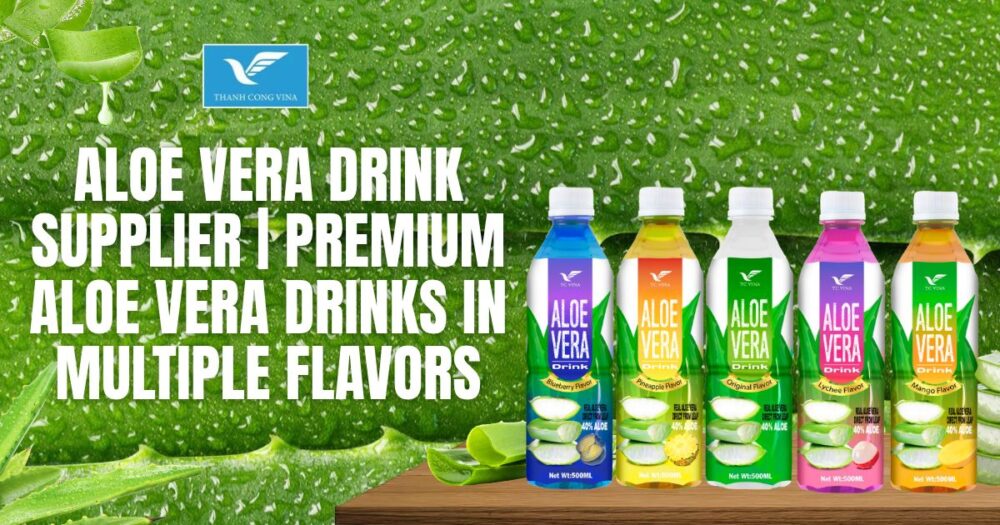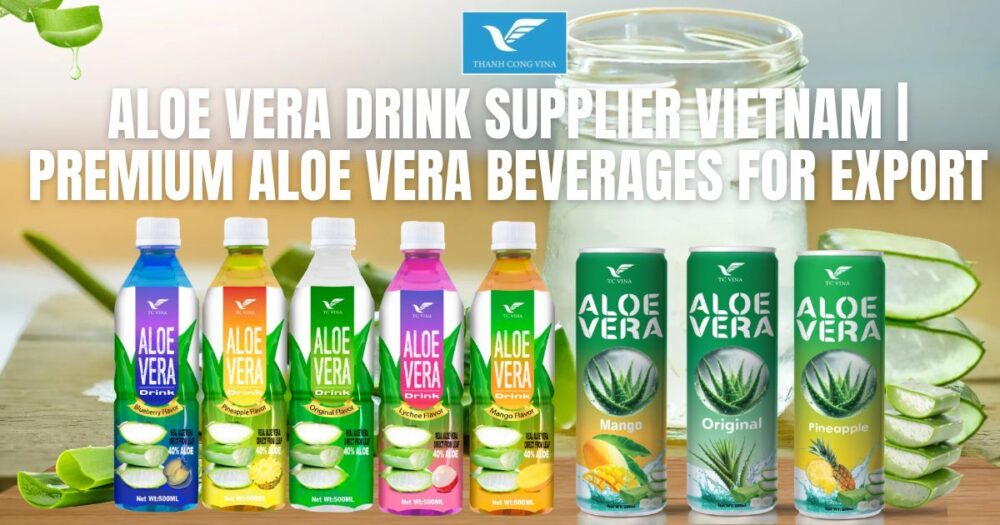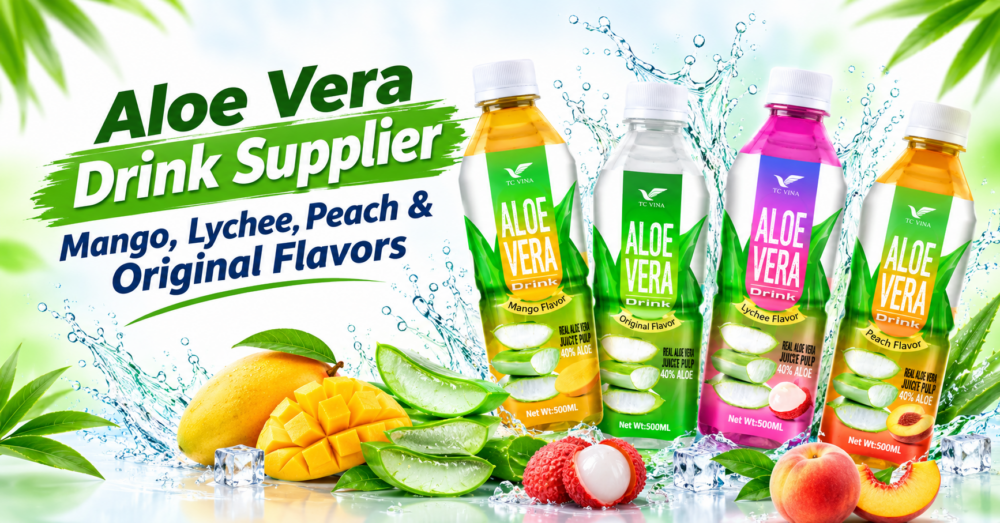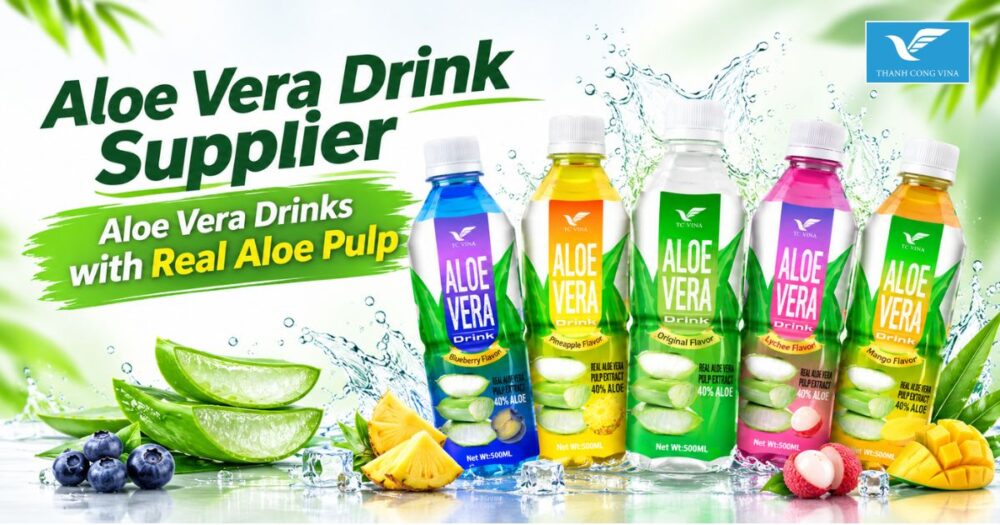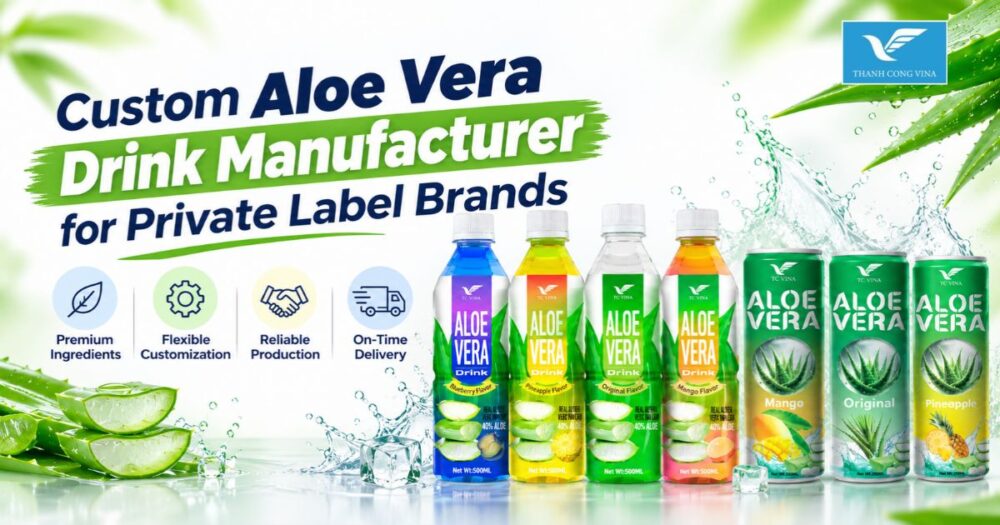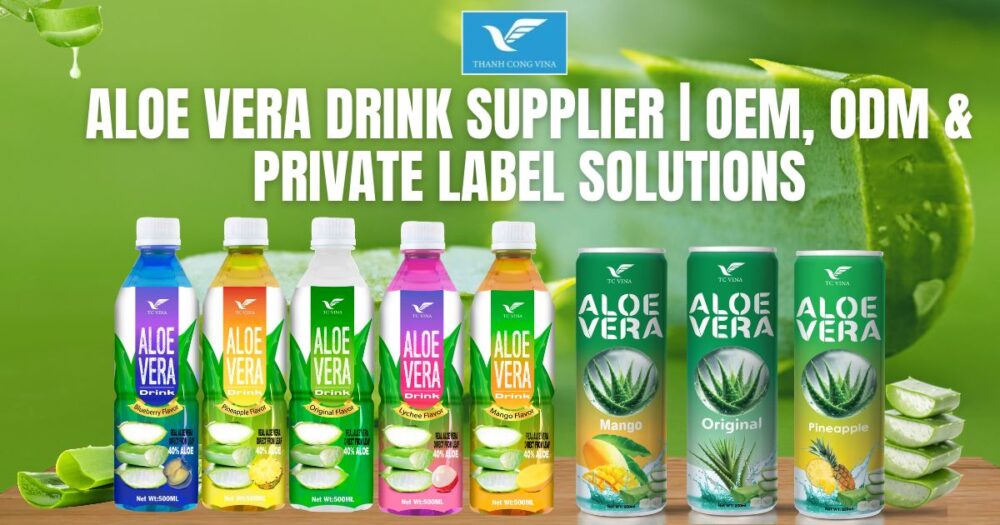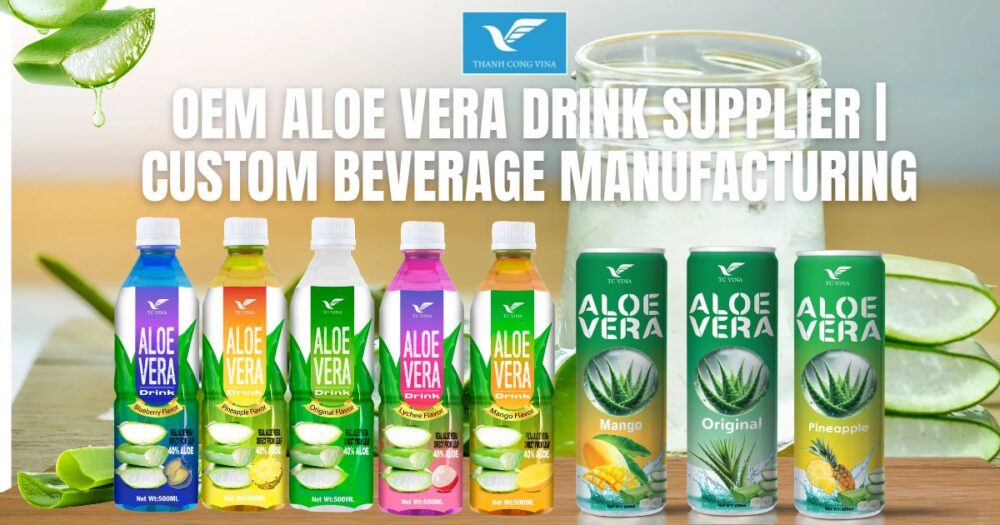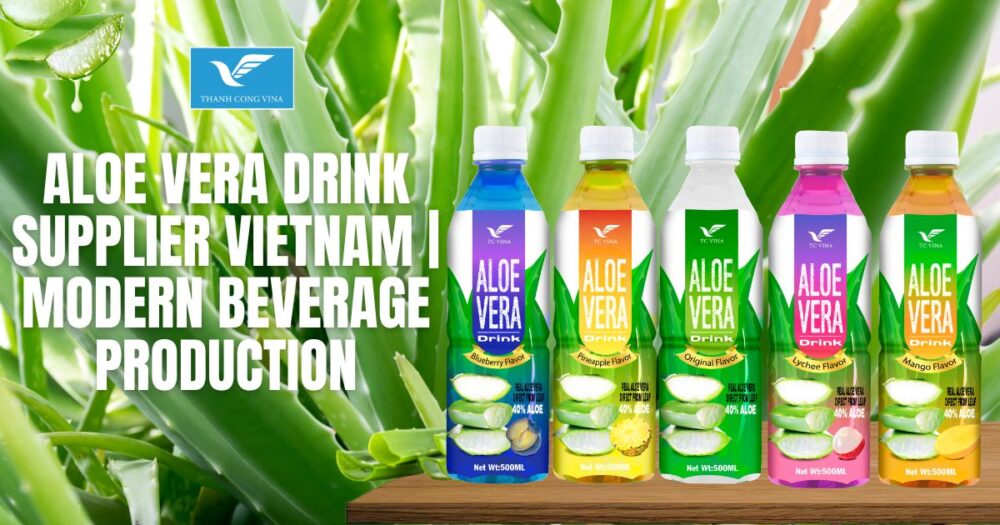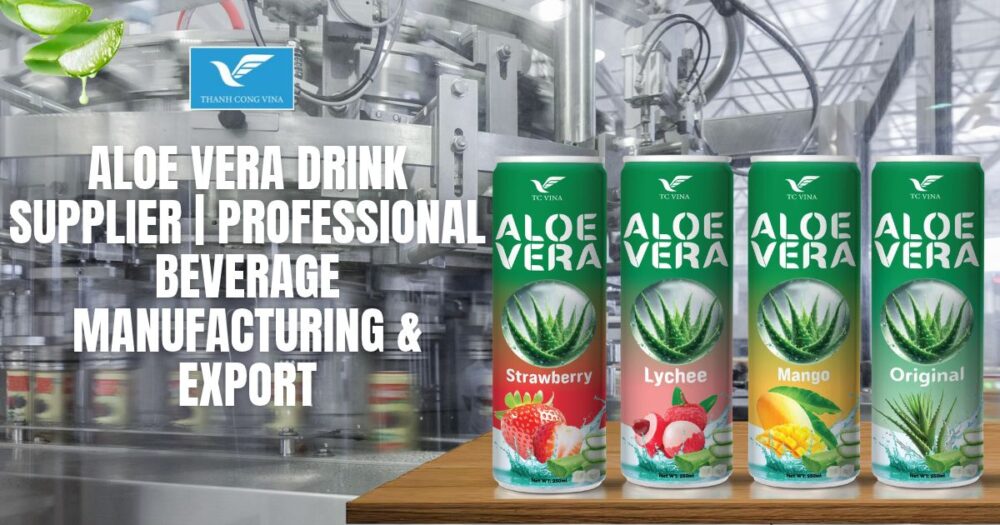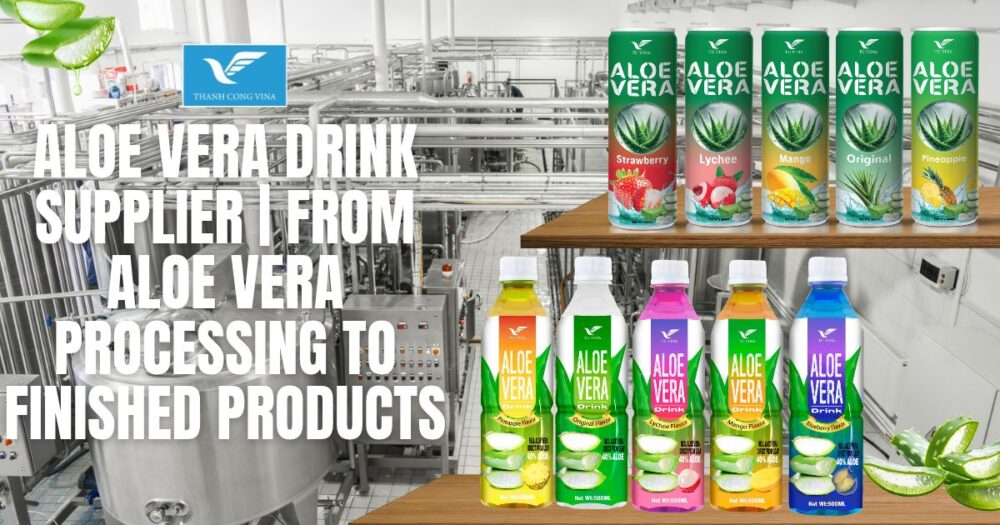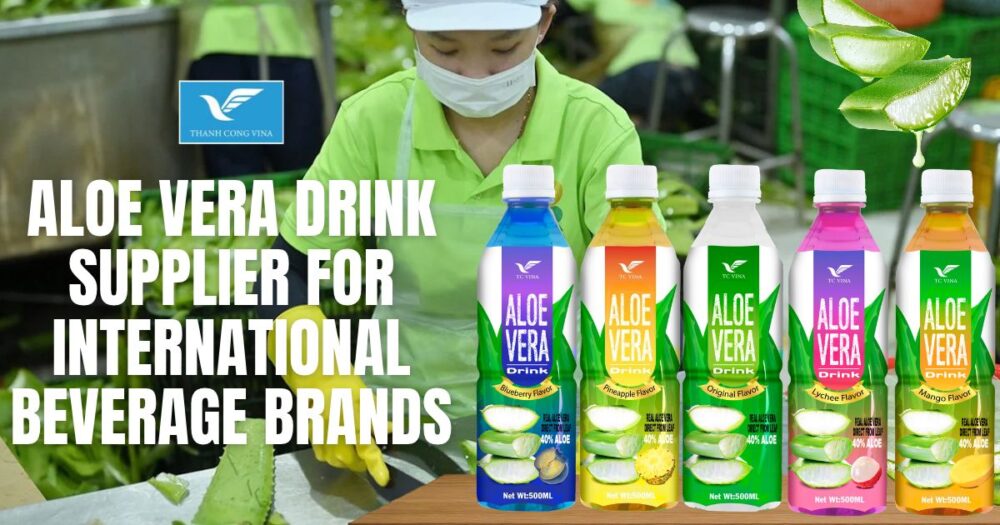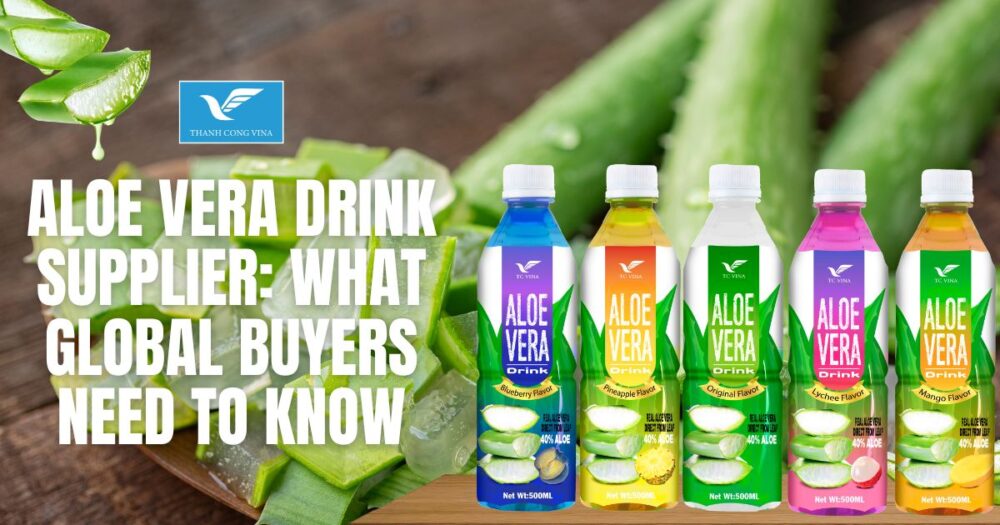

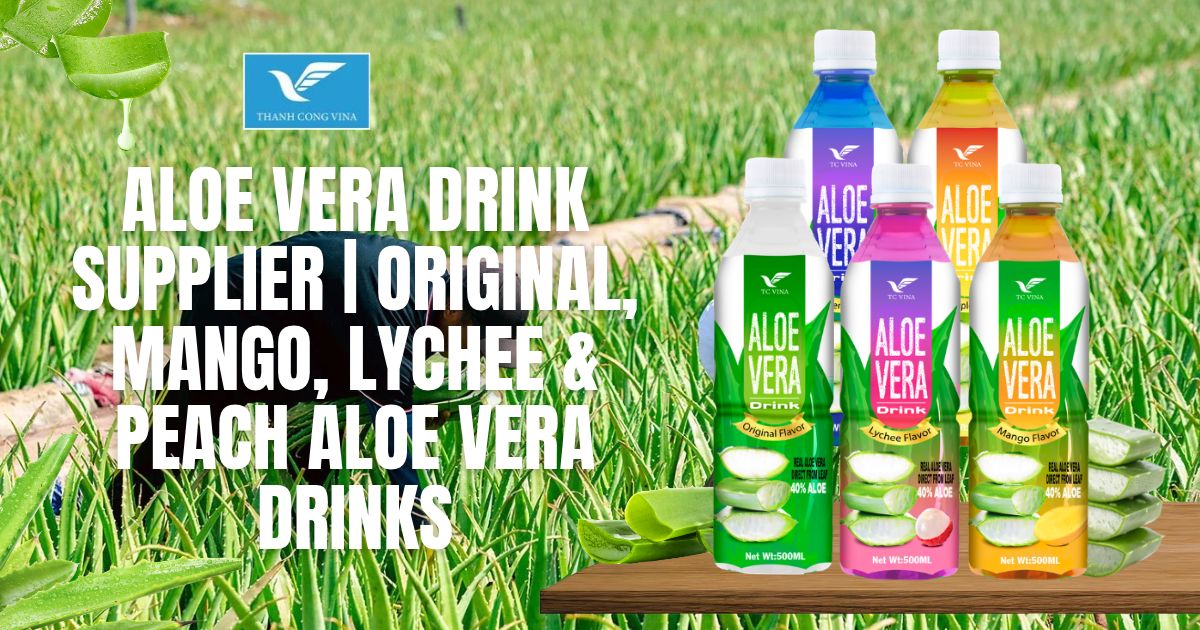
For importers, distributors, supermarkets, and private label brands, selecting a reliable Aloe Vera Drink Supplier is an important step in developing a competitive product range. Original, mango, lychee, and peach aloe vera drinks represent four distinct flavor directions, each offering a different sensory experience and marketing opportunity. From a straightforward aloe vera profile to tropical and delicate fruit combinations, a multi-flavor collection can help brands build a more versatile beverage offering. Understanding the characteristics of each variant, product positioning, packaging considerations, and supplier capabilities can help businesses make informed decisions when exploring aloe vera beverages for international markets.
1. Exploring the Versatility of Aloe Vera Beverages

Exploring the Versatility of Aloe Vera Beverages
Aloe vera beverages offer a different drinking experience from conventional fruit juice and carbonated soft drinks. Their distinctive texture, recognizable pulp, and ability to combine with fruit flavors make them an interesting category for product development.
The Unique Drinking Experience of Aloe Vera
One of the defining characteristics of aloe vera beverages is the combination of liquid and aloe vera pieces. This texture can create a more distinctive experience than traditional smooth beverages.
Aloe vera pulp contributes to the product’s appearance and mouthfeel, while the beverage base determines its overall flavor and sweetness. The balance between these elements is an important part of product development.
For beverage brands, this characteristic provides an opportunity to introduce products that consumers can recognize through both taste and texture.
Aloe Vera as a Base for Fruit-Inspired Flavors
Aloe vera beverages can be developed with different fruit flavors to create a broader product portfolio. Depending on the formulation, the beverage may emphasize a fruit’s sweetness, aroma, acidity, or overall character.
Original, mango, lychee, and peach are examples of flavor directions that can serve different preferences. They also allow brands to develop a coordinated product range rather than relying on a single flavor.
A carefully selected collection can provide variety while maintaining a consistent brand identity across the product line.
A Category with Multiple Commercial Applications
Aloe vera drinks can be considered for several commercial channels, including:
- Supermarkets and hypermarkets.
- Convenience stores.
- Online retail platforms.
- Foodservice and hospitality.
- Beverage distributors and wholesalers.
- Private label beverage businesses.
The suitability of each channel depends on packaging, pricing, product specifications, distribution requirements, and local consumer preferences.
2. Aloe Vera Drink Supplier: Understanding Four Popular Flavor Directions
Choosing an Aloe Vera Drink Supplier that offers suitable flavor options can help beverage businesses develop a product range with broader market appeal. Each flavor contributes a different positioning opportunity, and understanding their characteristics can help buyers plan their assortment.
Original Aloe Vera Drink: A Straightforward and Familiar Profile
Original aloe vera drinks focus on the recognizable characteristics of aloe vera beverages without introducing a dominant additional fruit flavor.
This variant can be suitable for consumers who prefer a straightforward beverage profile and want to experience the product’s distinctive texture.
For private label brands, original aloe vera provides a useful foundation for a product collection. It can be positioned alongside fruit-flavored options, creating a balanced assortment for consumers with different preferences.
The original variant may also provide a starting point for evaluating sweetness, pulp texture, and overall product characteristics before expanding into other flavors.
Mango Aloe Vera Drink: A Tropical Beverage Experience
Mango is a familiar tropical fruit flavor in the international beverage market. Its sweet and aromatic profile can complement the texture of aloe vera pulp, creating a recognizable fruit-inspired beverage.
Mango aloe vera drinks can appeal to consumers who enjoy tropical flavors and fruit-based refreshments.
For beverage brands, mango offers several positioning opportunities:
- Tropical-themed beverage collections.
- Fruit-inspired ready-to-drink products.
- Retail assortments targeting familiar flavor preferences.
- Marketing concepts centered on tropical refreshment.
The final formulation should maintain a balance between the mango flavor and the aloe vera beverage base to ensure that both components contribute to the overall drinking experience.
Lychee Aloe Vera Drink: A Delicate Fruity Character
Lychee offers a distinctive fruit aroma and a delicate sweetness that can create a different sensory experience from mango or citrus-based beverages.
When combined with aloe vera, lychee can contribute a fruity profile that feels recognizable yet different from more traditional beverage flavors.
This variant may be considered by brands seeking to diversify their aloe vera collections with a flavor that has a distinctive aromatic identity.
Lychee aloe vera drinks can also provide an opportunity for packaging and marketing concepts that emphasize fruit aroma, refreshing character, and modern beverage positioning.
Peach Aloe Vera Drink: A Smooth and Approachable Flavor
Peach is widely used in fruit beverages because of its recognizable sweetness and approachable flavor profile.
In aloe vera drinks, peach can complement the product’s texture while providing a familiar fruit character. This combination may appeal to consumers who prefer fruit-flavored beverages with a smoother sensory profile.
Peach can also help brands diversify their product collections by introducing a flavor that differs from tropical mango and aromatic lychee.
For product development, the relationship between peach flavor, sweetness, and aloe vera pulp should be evaluated through sampling to ensure the final beverage meets the intended positioning.
3. Building a Balanced Aloe Vera Flavor Portfolio for Beverage Brands
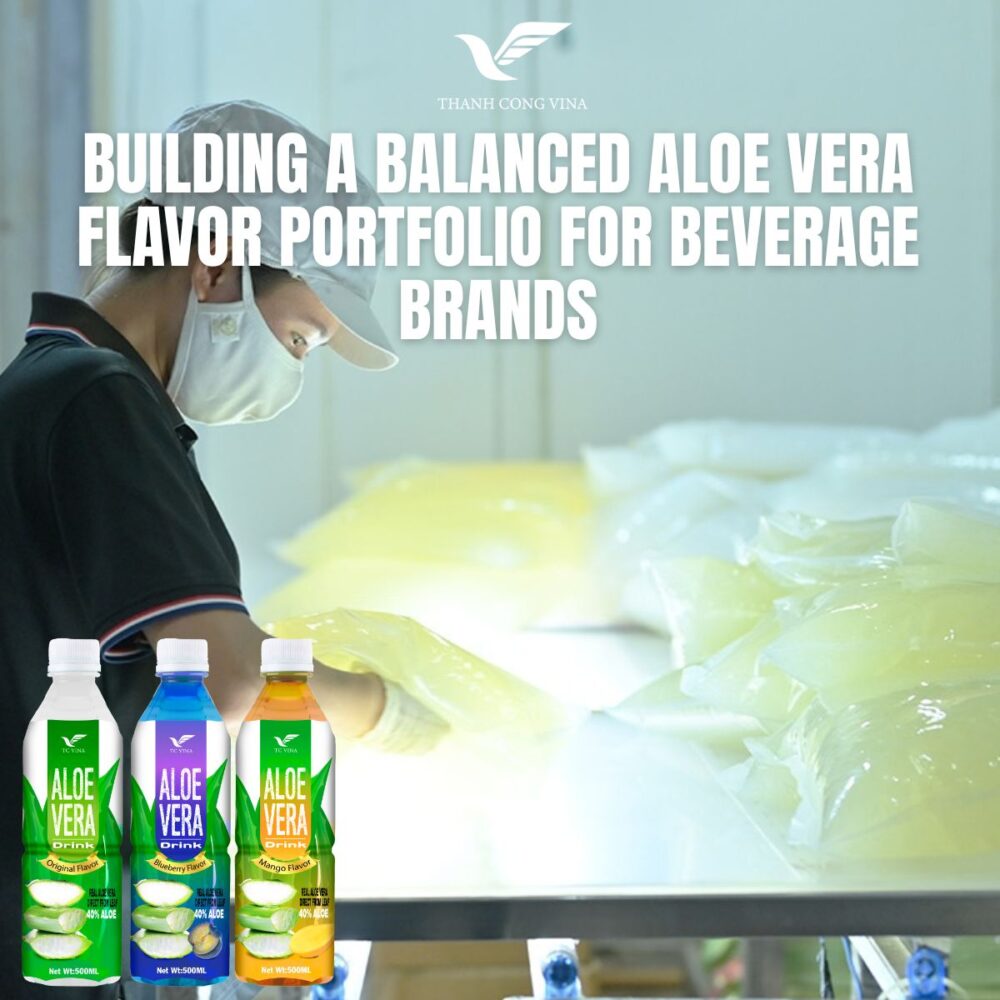
Building a Balanced Aloe Vera Flavor Portfolio for Beverage Brands
A multi-flavor aloe vera collection can help beverage brands create a more recognizable category presence. However, introducing multiple variants requires planning to ensure that the flavors complement one another and serve a clear commercial purpose.
Creating a Four-Flavor Product Collection
A four-flavor assortment can provide a balanced starting point for businesses exploring aloe vera beverages.
| Flavor | Product positioning | Flavor characteristics |
|---|---|---|
| Original | Classic aloe vera beverage | Straightforward and recognizable |
| Mango | Tropical fruit beverage | Sweet and aromatic |
| Lychee | Delicate fruit beverage | Distinctive fruity aroma |
| Peach | Smooth fruit beverage | Familiar and approachable |
The purpose of this collection is to offer variety while maintaining a consistent product category.
A coordinated assortment can also help retailers organize products on shelves and allow consumers to compare flavors within the same brand.
Avoiding Flavor Portfolio Overlap
Although all four variants belong to the aloe vera beverage category, their flavor positioning should remain distinct.
Original should communicate the aloe vera experience, while mango emphasizes tropical fruit character. Lychee can focus on its distinctive aroma, and peach can communicate a familiar, smooth fruit profile.
Clear differentiation helps consumers understand the range and reduces the risk of introducing products that appear too similar.
Selecting Flavors Based on Market Research
Flavor selection should be guided by the intended market rather than assumptions about global preferences.
Businesses should evaluate:
- Local fruit flavor preferences.
- Consumer familiarity with aloe vera beverages.
- Competitor product assortments.
- Retail pricing expectations.
- Consumer feedback from product sampling.
- Distribution channel requirements.
A distributor in one market may prioritize mango, while another may prefer lychee or peach. The final product assortment should reflect local demand and commercial objectives.
4. Product Quality and Sensory Characteristics of Aloe Vera Drinks
A beverage’s flavor and texture are among the most important characteristics influencing consumer perception. For aloe vera products, sensory consistency is particularly relevant because pulp is a visible and recognizable component of the product.
Flavor Balance and Sweetness
The flavor balance of an aloe vera drink should match its intended positioning.
Original beverages may emphasize a straightforward aloe vera profile, while fruit-flavored variants should communicate their respective fruit characteristics.
Sweetness, aroma, and overall flavor intensity should be evaluated together. A product should not rely on sweetness alone to communicate its flavor identity.
Product sampling can help buyers compare different formulations and identify which profile best matches their target consumers.
Aloe Vera Pulp Texture and Distribution
Aloe vera pulp provides a distinctive texture that differentiates the product from smooth fruit beverages.
Important product characteristics to evaluate include:
- Pulp size and texture.
- Pulp-to-liquid balance.
- Consistency throughout the package.
- Appearance of the beverage.
- Drinking experience across different flavors.
The pulp should be appropriate for the intended product formulation and consumer experience.
These characteristics should be confirmed through product specifications and suitable quality assessments.
Product Consistency Across Production Batches
Consistency is important for beverage brands because consumers expect the same experience from repeated purchases.
For aloe vera drinks, buyers may evaluate flavor, aroma, sweetness, texture, appearance, and packaging quality.
Relevant product specifications and quality procedures should be reviewed before commercial production. Buyers should also clarify how the manufacturer manages production controls and finished-product assessment.
5. Packaging and Branding Strategies for Aloe Vera Drinks

Packaging and Branding Strategies for Aloe Vera Drink Supplier
Packaging influences how consumers perceive a beverage and how businesses position products within different retail environments.
Choosing the Appropriate Beverage Packaging
Packaging selection depends on product formulation, manufacturing capabilities, target market, distribution channel, and commercial budget.
Common beverage formats that businesses may evaluate include:
- PET bottles for convenient everyday consumption.
- Aluminum cans for compact and portable packaging.
- Glass bottles for specific premium product concepts.
- Cartons for selected beverage applications.
The actual availability of each format should be confirmed with the manufacturer.
Packaging should be suitable for the beverage, protect the product throughout distribution, and support the requirements of the intended market.
Developing Flavor-Specific Packaging Design
A four-flavor aloe vera collection can benefit from a consistent design system.
The brand logo, typography, overall layout, and key visual elements should remain consistent across all variants. However, flavor-specific colors and fruit illustrations can help consumers distinguish products.
For example, a brand may use a different color accent for original, mango, lychee, and peach while maintaining the same overall packaging identity.
This approach can help create a cohesive product range that is easier to recognize on retail shelves.
Labeling for International Markets
Private label brands must ensure that product labels comply with the requirements of their intended markets.
Labeling considerations may include:
- Product name and category.
- Ingredient declaration.
- Nutrition information.
- Net volume.
- Manufacturer and importer information.
- Applicable food labeling requirements.
- Language requirements.
- Relevant product claims.
The final label should be reviewed according to the importing country’s regulations before printing and commercial production.
6. Private Label Aloe Vera Beverage Development and Commercial Planning
Private label development involves several stages, from defining a product concept to reviewing samples, approving specifications, and planning commercial orders.
Defining the Product Brief
A clear product brief helps the manufacturer understand the buyer’s expectations.
The brief may include the intended flavor, beverage category, packaging format, target market, estimated order quantity, target price range, and expected launch timeline.
Buyers should also provide any relevant technical requirements or labeling considerations that may affect product development.
Clear information can help both parties evaluate whether the project is commercially and technically suitable.
Sample Evaluation and Product Approval
Product samples allow buyers to evaluate flavor, texture, appearance, and packaging before confirming a commercial order.
A structured sample evaluation process may include:
- Reviewing flavor and aroma.
- Evaluating sweetness and acidity.
- Assessing aloe vera pulp texture.
- Comparing the four flavor variants.
- Reviewing packaging and product appearance.
- Confirming product specifications.
- Providing feedback for potential adjustments.
This process helps establish a clearer reference for the final product.
Planning Order Quantities and Production Timelines
Commercial planning should consider minimum order quantities, packaging availability, production schedules, and shipping arrangements.
These details may vary depending on the formulation, packaging format, and project requirements.
Buyers should confirm all relevant commercial terms before placing an order to ensure that the product is suitable for their purchasing plan and distribution strategy.
7. Why Work with Thanh Cong Vina for Aloe Vera Beverage Inquiries?

Why Work with Thanh Cong Vina for Aloe Vera Drink Supplier Inquiries?
For international buyers exploring aloe vera beverages from Vietnam, supplier evaluation should focus on product relevance, communication, manufacturing suitability, and commercial requirements.
Exploring Beverage Product Opportunities
Thanh Cong Vina operates in the beverage business, with product interests including fruit juice beverages, coconut water, aloe vera drinks, and other beverage categories.
For buyers looking to explore multiple beverage products, discussing different categories within a broader beverage portfolio may provide opportunities to evaluate potential product concepts.
The suitability of each product, packaging format, formulation, and production arrangement should be confirmed according to current manufacturing capabilities.
Discussing Flavor and Packaging Requirements
Aloe vera beverages can be developed around different flavor directions and packaging concepts.
International buyers may discuss original, mango, lychee, and peach flavors as part of a product inquiry. They should also clarify their target markets, packaging preferences, order quantities, and relevant technical requirements.
This information can help establish the scope of the project and identify the next steps for product evaluation.
Supporting Clear Business Communication
Successful beverage cooperation depends on clear communication throughout the purchasing process.
From initial inquiries and sample evaluation to packaging discussions and commercial order planning, both parties should establish realistic expectations and confirm relevant specifications.
For businesses interested in aloe vera beverages, a structured approach to cooperation can help facilitate product discussions and support long-term business planning.
Thanh Cong Vina welcomes inquiries from importers, distributors, retailers, and private label brands interested in exploring beverage products and potential cooperation based on project requirements and available manufacturing arrangements.
Conclusion
Aloe vera beverages offer beverage brands opportunities to develop distinctive product collections through a combination of recognizable texture and fruit-inspired flavor profiles. Original, mango, lychee, and peach variants can serve different consumer preferences while helping businesses establish a coordinated product range for retail, distribution, and private label markets. However, successful product development requires careful consideration of formulation, sensory characteristics, packaging, labeling, quality management, and commercial planning. Selecting the right manufacturing partner is equally important when evaluating product specifications and potential cooperation.
For businesses exploring beverage opportunities in Vietnam, Thanh Cong Vina welcomes discussions regarding product inquiries, flavor concepts, packaging requirements, and commercial expectations. Working with Thanh Cong Vina can provide an opportunity to explore beverage projects through clear communication and project-based discussions. When searching for an Aloe Vera Drink Supplier, international buyers should prioritize product suitability, transparent specifications, and a manufacturing relationship that aligns with their long-term business objectives.