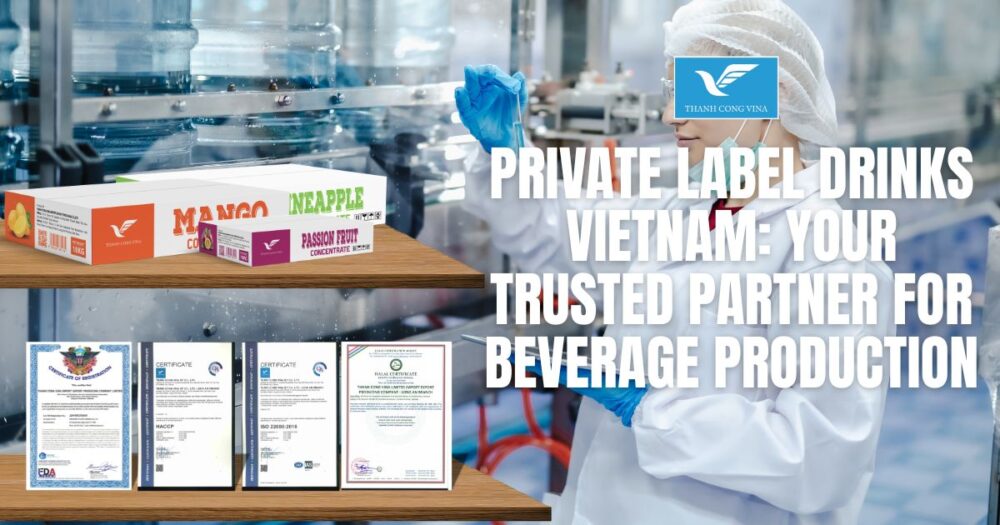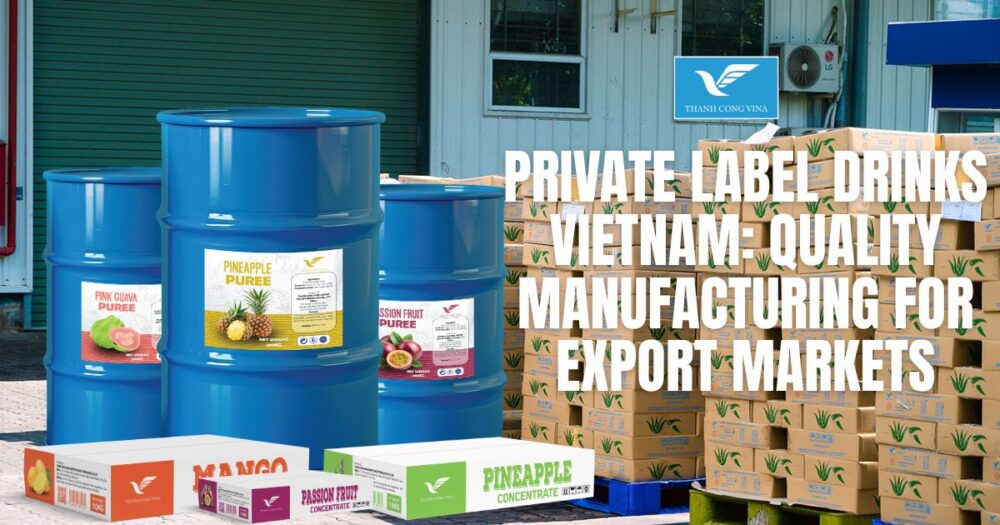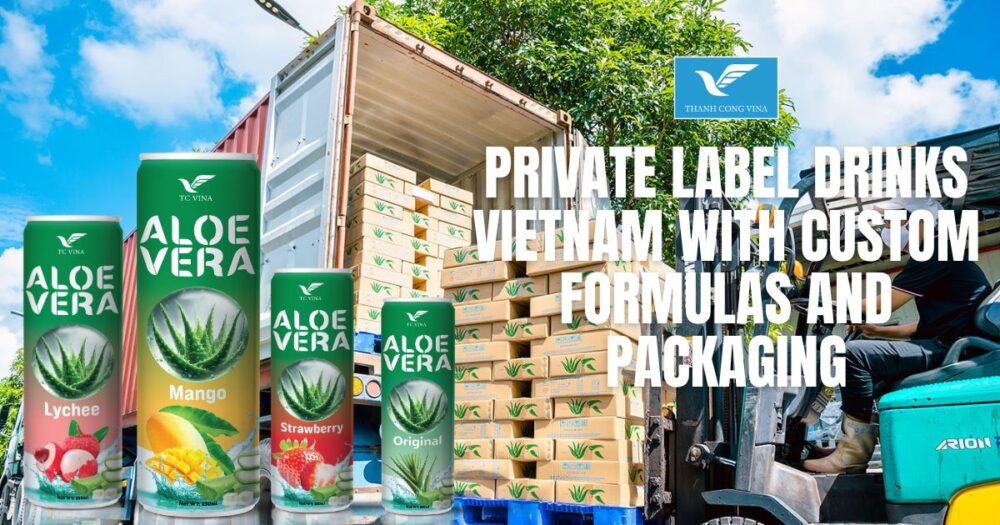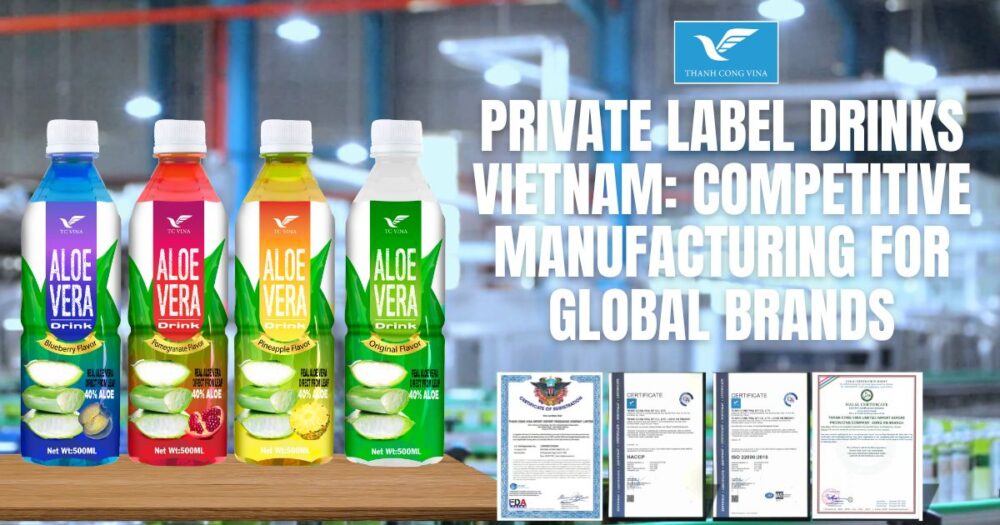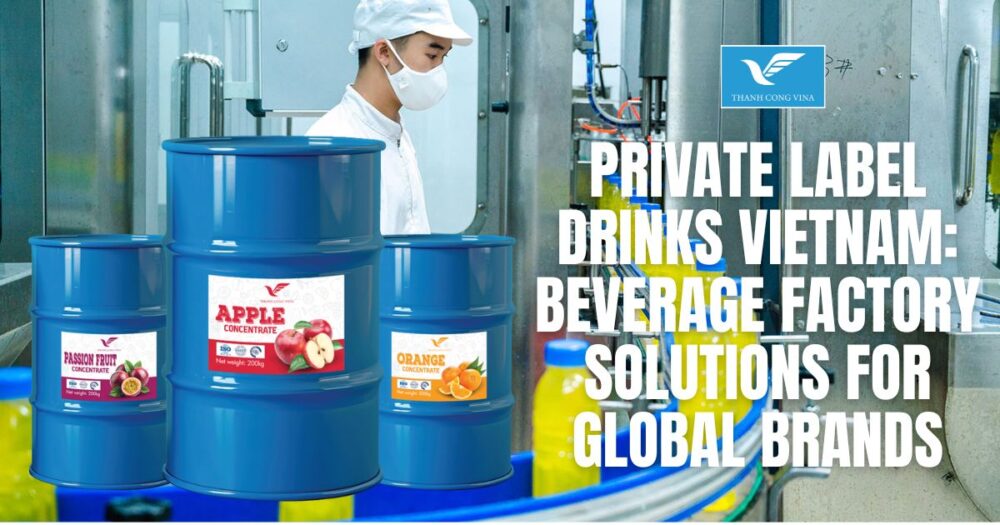

This is where a Private Label Drinks Vietnam business model can provide an efficient solution. Instead of investing in a manufacturing facility, businesses can cooperate with an experienced beverage manufacturer in Vietnam to develop customized drinks under their own brand. Vietnam offers access to tropical agricultural ingredients, competitive manufacturing capabilities, flexible product development, and established export infrastructure. With the right manufacturing partner, businesses can transform an initial beverage concept into a finished product ready for retail, distribution, foodservice, or international markets.
1. Why Start a Private Label Drinks Brand in Vietnam?
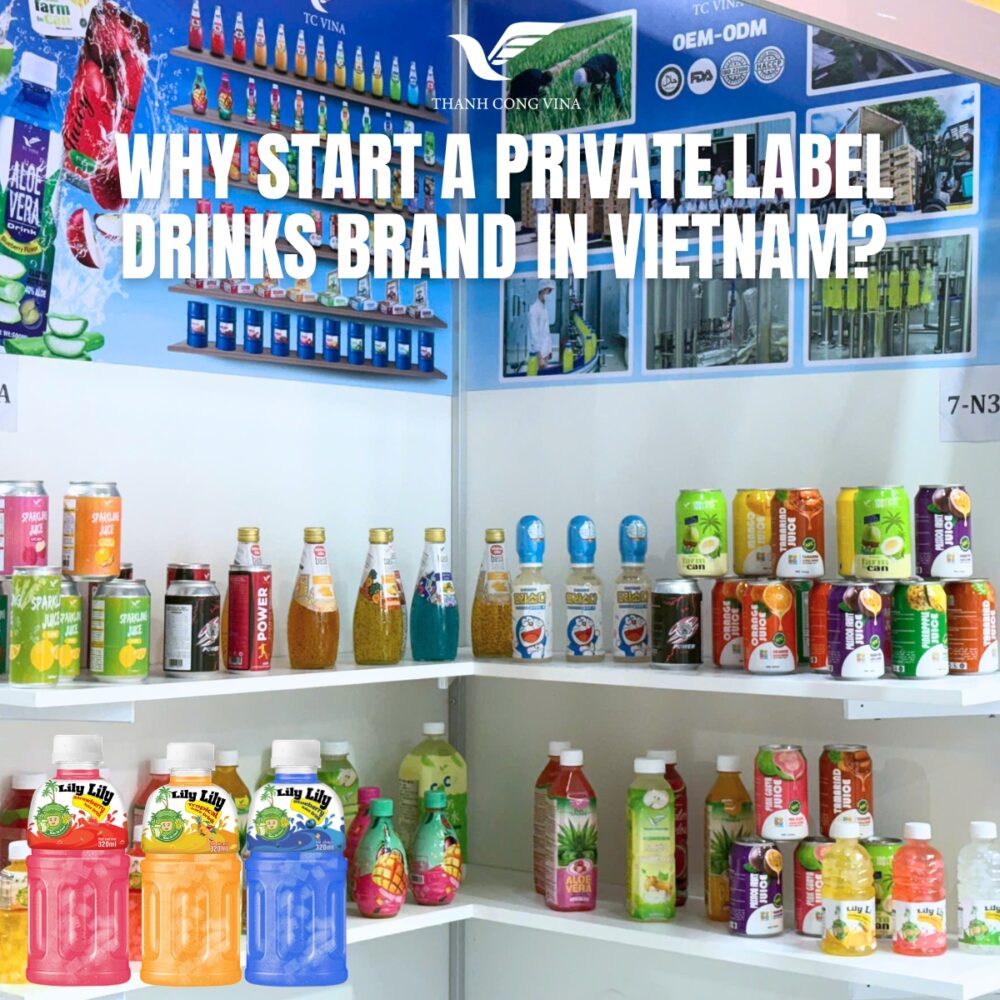
Why Start a Private Label Drinks Brand in Vietnam?
Vietnam has become an increasingly interesting destination for beverage sourcing because of its agricultural resources, manufacturing capabilities, and strategic position in Southeast Asia. For businesses entering the beverage industry, working with a Vietnamese manufacturer can reduce the complexity associated with establishing independent production.
Access to Tropical Fruits and Agricultural Ingredients
Vietnam has a diverse agricultural industry that provides access to numerous fruits and plant-based ingredients. Mango, coconut, pineapple, passion fruit, lychee, guava, dragon fruit, aloe vera, and other ingredients can be used in beverage development.
This ingredient diversity gives brands more opportunities to create distinctive product concepts. Tropical fruit beverages can be positioned around natural flavors, refreshing taste profiles, or premium fruit-based experiences depending on the target market.
For international buyers, sourcing ingredients closer to the production facility may also support supply-chain efficiency.
Competitive Manufacturing Opportunities
Building an independent beverage factory requires substantial investment in production equipment, filling technology, warehouses, laboratories, utilities, human resources, and quality-management systems.
A Private Label model allows businesses to use the infrastructure of an established manufacturer instead.
This means entrepreneurs can allocate more resources to:
- Brand development
- Marketing
- Sales
- Distribution
- Market research
- Customer acquisition
- Product innovation
The manufacturer manages the production side while the brand owner focuses on building demand and developing the market.
Suitable for International Business
Vietnamese beverage manufacturers increasingly serve customers outside the domestic market. This makes Vietnam an option for importers, distributors, supermarket groups, foodservice companies, and international beverage brands.
A suitable supplier should understand export requirements, packaging specifications, production documentation, and international quality expectations.
2. How to Develop Your Private Label Beverage Concept
A strong beverage begins with a clear product concept. Before contacting a manufacturer, businesses should define what they want to sell and why consumers should choose it.
Identify Your Target Consumer
The first step is understanding the intended customer.
A beverage designed for children will have different formulation and packaging considerations from an energy drink targeted at young adults. Similarly, a premium juice brand may require different packaging and ingredient positioning from a value-oriented supermarket product.
Consider factors such as:
- Age group
- Lifestyle
- Purchasing power
- Consumption occasions
- Preferred flavors
- Health and wellness expectations
- Retail channel
- Geographic market
The more clearly the target consumer is defined, the easier it becomes to develop a relevant product.
Select the Right Beverage Category
Vietnamese manufacturers can support a wide variety of beverage concepts.
Potential categories include:
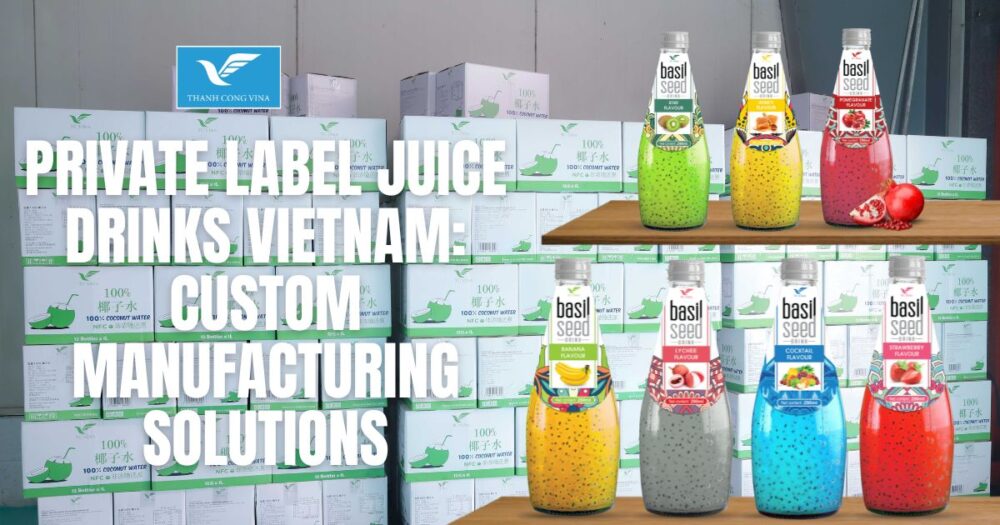
- Fruit juice drinks
- Coconut water
- Coconut water with real fruit juice
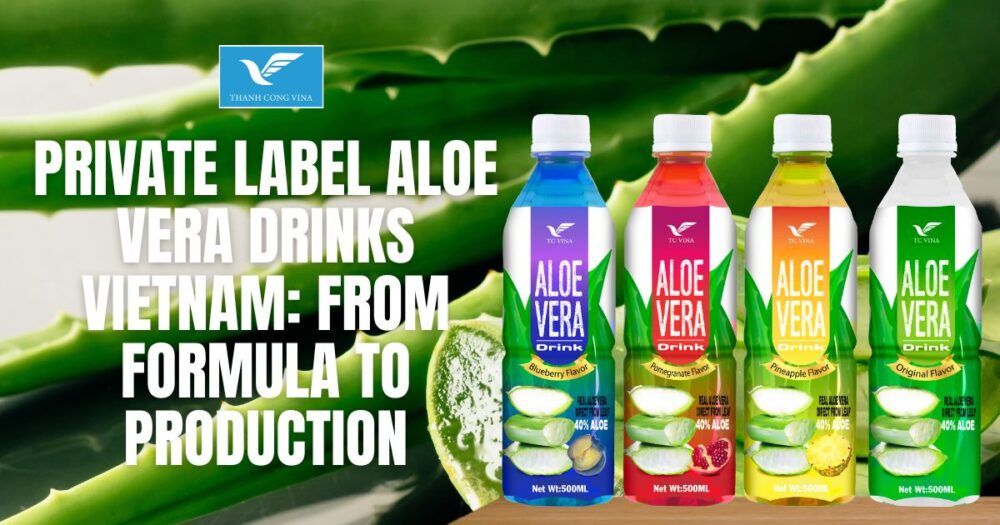
- Aloe vera beverages
- Ready-to-drink coffee
- Juice concentrates
- Fruit-based drinks
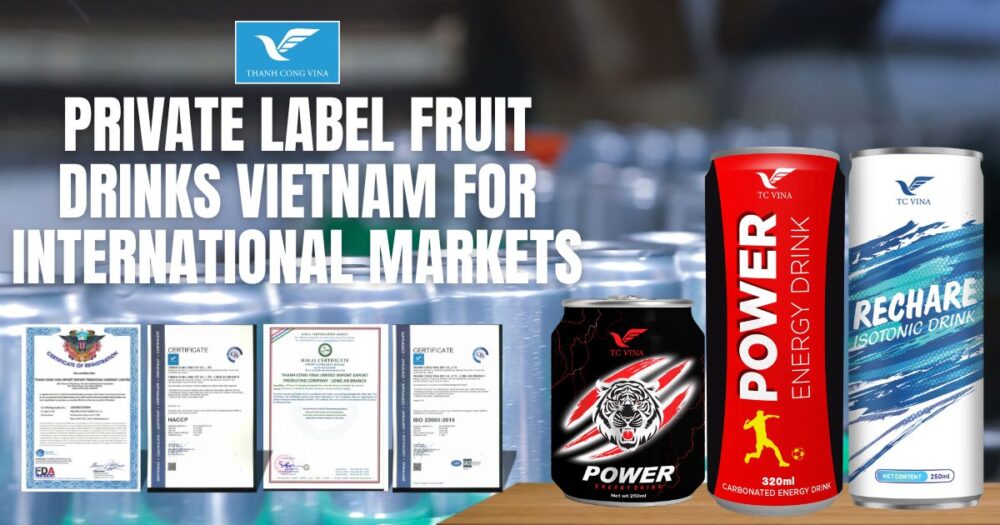
- Functional beverages
- Customized beverage formulations
New businesses should avoid launching too many products simultaneously unless they already have strong distribution capabilities.
A focused initial product range can make inventory management, marketing, and consumer testing easier.
Create a Product Specification
A product specification provides the manufacturer with a clear technical direction.
It may include desired flavor, fruit content, sweetness, acidity, color, texture, packaging volume, shelf life, nutritional targets, and other requirements.
A detailed product brief also makes communication between the brand owner and manufacturer more efficient.
3. Choosing the Right Private Label Manufacturer in Vietnam
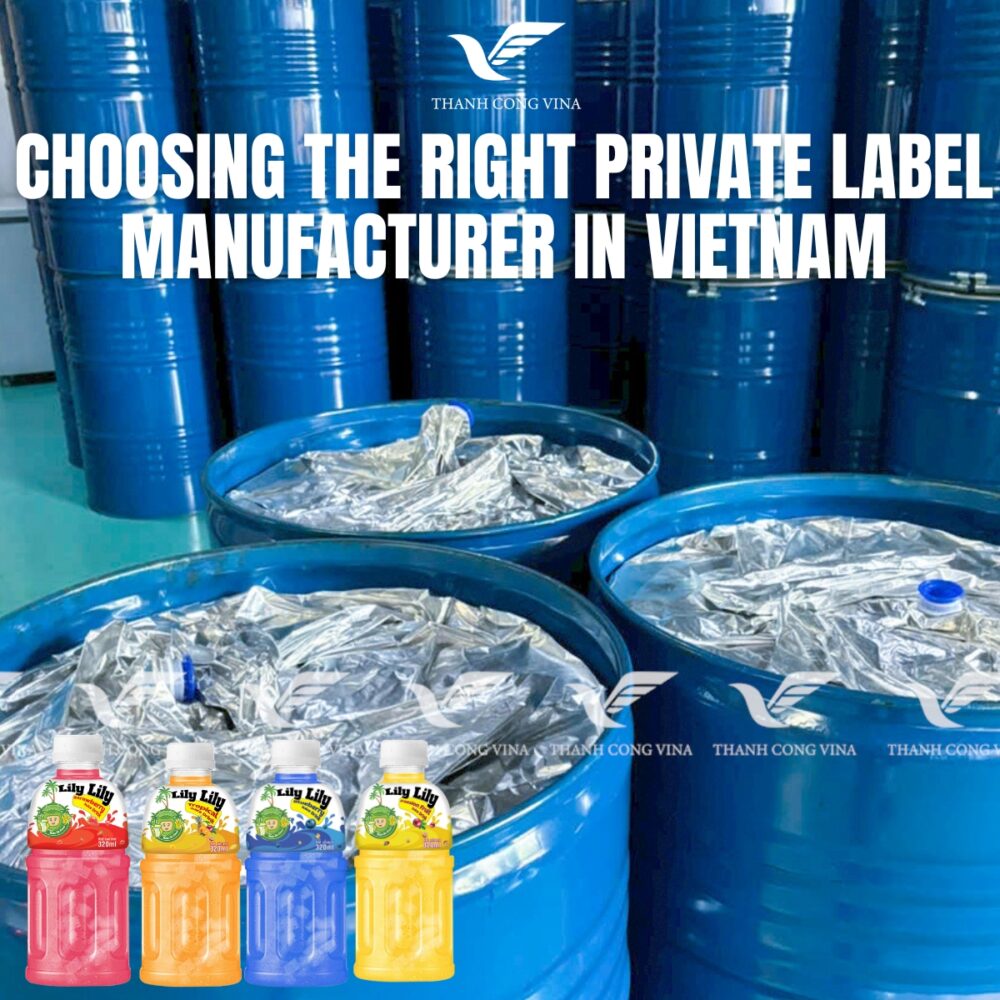
Choosing the Right Private Label Manufacturer in Vietnam
Selecting a manufacturing partner is one of the most important decisions in the entire process. The right factory can support product development and long-term growth, while an unsuitable supplier may create quality, communication, or delivery problems.
Evaluate Product Development Capabilities
A manufacturer should ideally have experience developing customized beverage formulations rather than only producing standardized products.
Ask whether the factory can support:
- Formula development
- Sample production
- Flavor adjustment
- Ingredient selection
- Product testing
- Shelf-life evaluation
- Packaging compatibility
The ability to modify a formula according to consumer preferences can provide a significant advantage for brands entering competitive markets.
Review Manufacturing and Quality Systems
Production capability should be evaluated together with quality management.
Important factors may include:
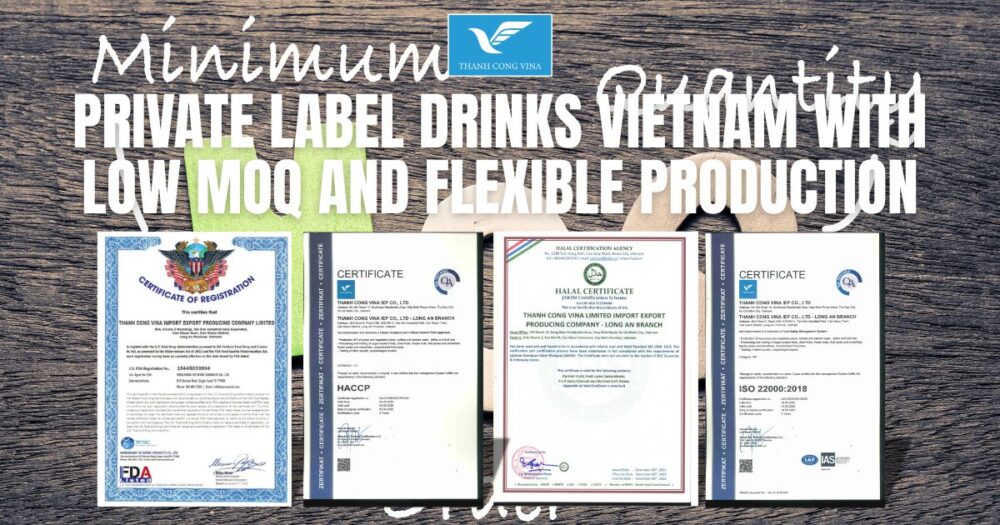
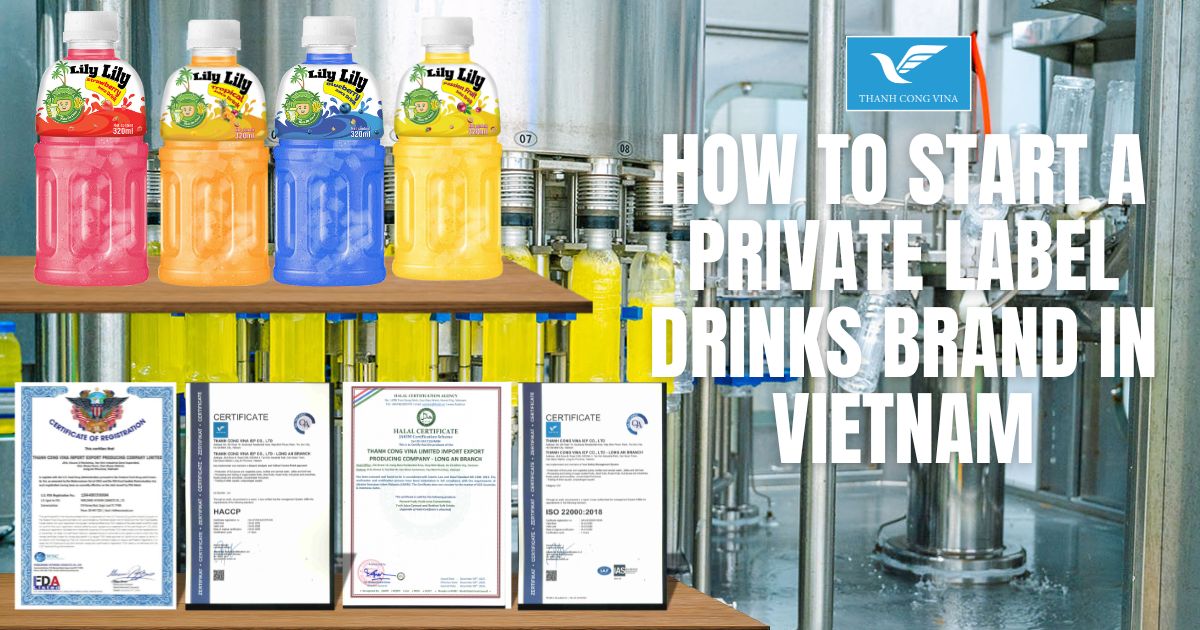
- HACCP systems
- ISO standards
- FDA certification
- HALAL certification
- Laboratory testing
- Traceability procedures
- Raw material controls
- Finished-product inspection
The exact certifications required will depend on the product and destination market.
International buyers should request relevant documentation and understand how quality is controlled throughout production.
Consider Production Capacity and Scalability
A supplier should be capable of supporting the business beyond its first order.
A startup may initially require a relatively limited production volume, but successful products can eventually require significantly larger quantities.
Before signing a long-term agreement, buyers should understand the manufacturer’s production capacity, minimum order quantity, lead time, and ability to accommodate increasing demand.
4. Private Label Packaging and Brand Development
Packaging is one of the most visible parts of a beverage product. It communicates the brand’s identity while protecting the product throughout distribution.
Choose the Appropriate Packaging Format
Depending on the product and target market, businesses may consider PET bottles, cans, cartons, glass bottles, or other packaging solutions.
The choice should reflect:
- Product characteristics
- Target price
- Retail environment
- Consumer convenience
- Transportation conditions
- Shelf-life requirements
- Manufacturing capabilities
For example, lightweight packaging can be suitable for convenience products, while premium packaging may be more appropriate for high-end retail positioning.
Design Packaging for the Target Market
A successful beverage package should communicate its key message quickly.
The brand name, logo, flavor, product category, volume, nutritional information, ingredients, certifications, and required labeling information should be presented clearly.
International brands should pay particular attention to local labeling regulations. Requirements can vary significantly between countries, so packaging artwork should be reviewed before mass production.
Build a Consistent Brand Identity
A Private Label beverage should be part of a broader brand strategy rather than an isolated product.
Colors, typography, imagery, product naming, packaging structure, and communication should work together to create a recognizable identity.
As the product range expands, maintaining consistent visual branding can help consumers recognize new flavors and product variations.
5. From Sample Approval to Commercial Production
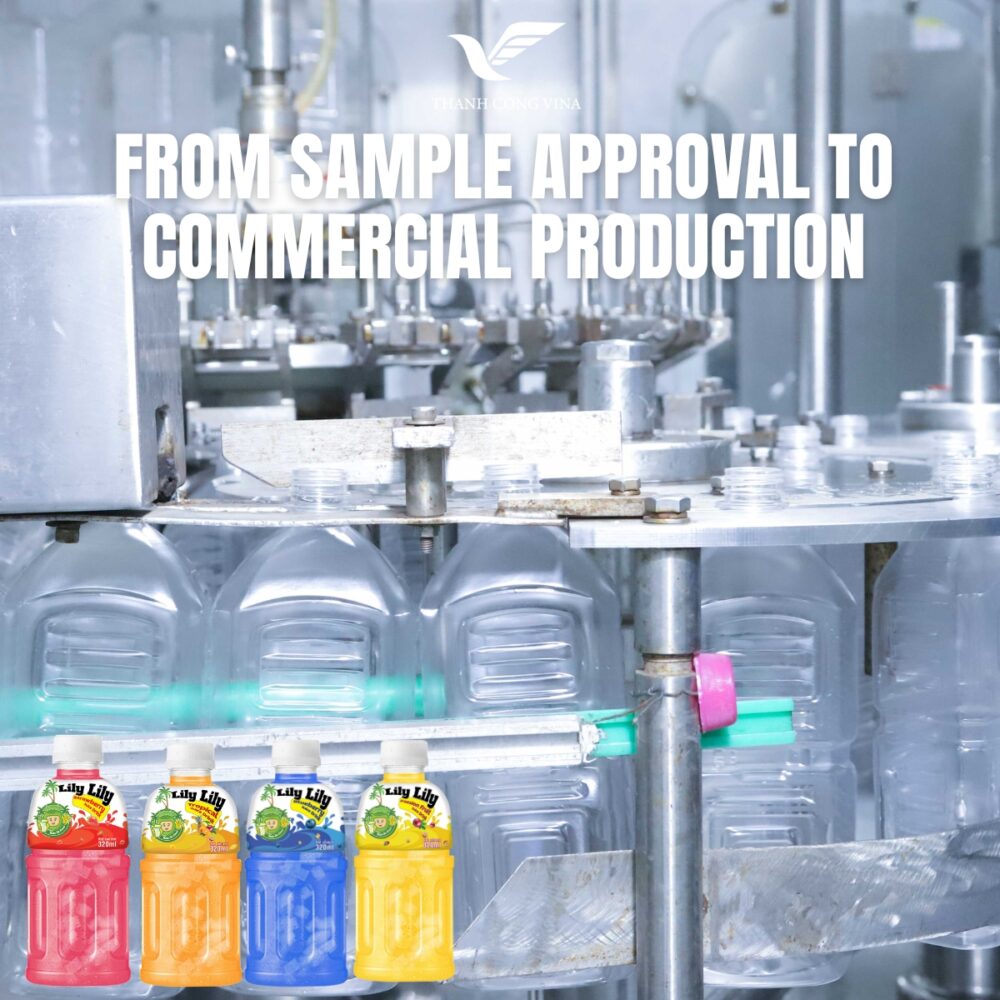
From Sample Approval to Commercial Production
After the concept, formulation, and packaging are established, the project can move toward manufacturing.
Product Sampling and Refinement
Samples allow the buyer to evaluate the beverage before committing to a commercial order.
During this stage, buyers may assess:
- Flavor
- Aroma
- Sweetness
- Acidity
- Texture
- Appearance
- Color
- Overall consumer appeal
Several sample rounds may be required for customized products. This is a normal part of product development and provides an opportunity to refine the beverage before production.
Artwork and Packaging Approval
Once the product formula has been approved, the packaging artwork should be finalized.
The manufacturer and buyer should confirm:
- Product name
- Ingredients
- Nutrition information
- Net volume
- Manufacturer information
- Country of origin
- Barcode
- Expiration information
- Storage instructions
- Required certifications or claims
Final artwork approval should take place before packaging materials enter production.
Commercial Manufacturing
Commercial production may involve raw material preparation, blending, processing, filling, sealing, labeling, coding, carton packing, and finished-product inspection.
Production parameters should follow the approved product specification to maintain consistency between batches.
A well-organized production process is particularly important for export orders where delivery schedules are connected to shipping and distribution plans.
6. Managing MOQ, Cost, Lead Time, and Export Logistics
Financial planning is essential when launching a new beverage brand. Understanding the complete manufacturing cost helps businesses establish realistic pricing and margins.
Understand Minimum Order Quantity
Minimum order quantity can vary according to product category, packaging format, ingredients, printing requirements, and production technology.
Before developing the final product, buyers should ask the manufacturer about MOQ requirements.
For startups, choosing a suitable packaging format and manageable product range can help control initial inventory investment.
Calculate the Complete Product Cost
The final cost should not be evaluated based only on the beverage itself.
Potential cost components include:
- Ingredients
- Processing
- Packaging
- Labels
- Cartons
- Testing
- Product development
- Documentation
- Palletization
- Transportation
- Export-related expenses
Understanding these costs allows the brand owner to determine a suitable wholesale price, distributor margin, and retail price.
Plan Production Lead Time
Lead time may depend on formula approval, packaging production, raw material availability, factory scheduling, and order volume.
Businesses should communicate their expected launch date early.
This is especially important for products associated with seasonal promotions, trade shows, retail campaigns, or major marketing launches.
Prepare for International Shipping
For export-oriented businesses, logistics should be considered before production begins.
Container loading efficiency, carton dimensions, pallet configuration, product weight, shipping terms, and required export documents can all influence the final landed cost.
Working with an experienced manufacturer can make coordination between production and shipment more efficient.
7. Growing Your Brand Beyond the First Product
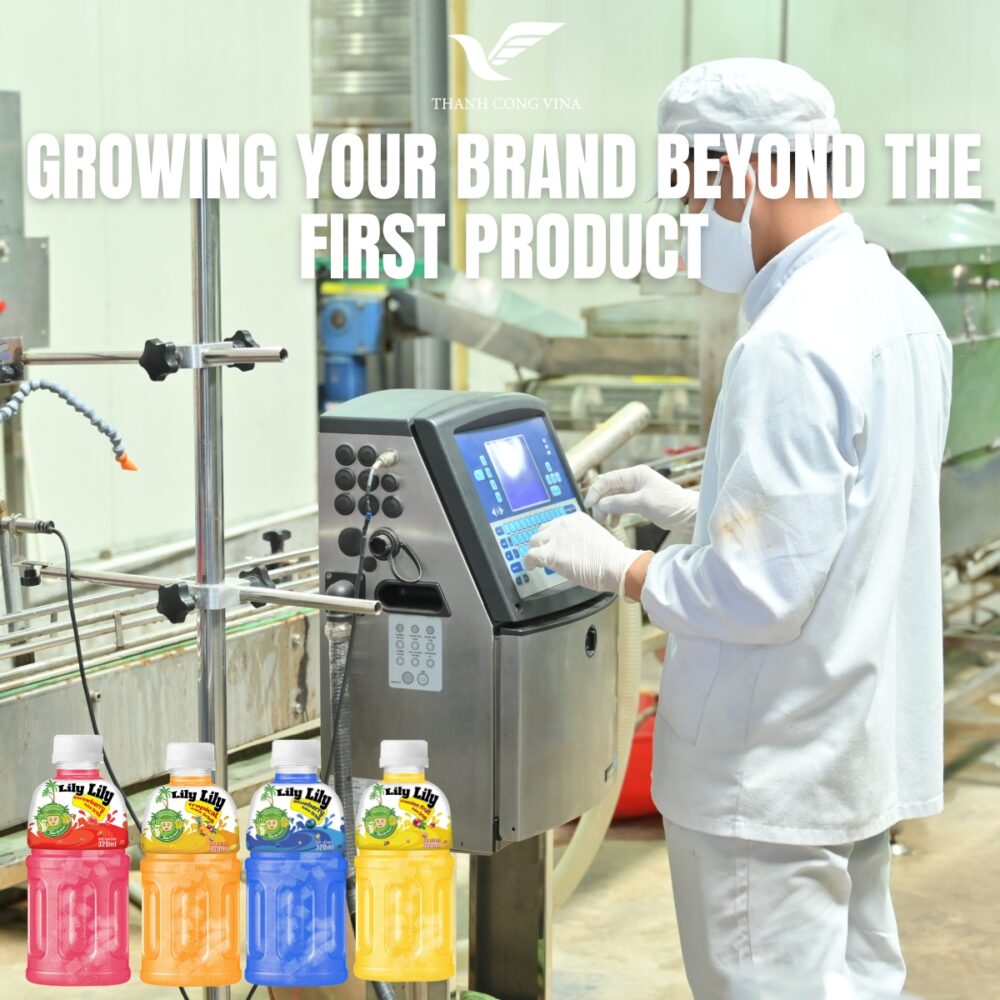
Growing Your Brand Beyond the First Product
Launching the first drink is only the beginning of building a successful beverage business. Once a product demonstrates market potential, the next step is usually portfolio expansion.
Introduce New Flavors
Successful beverage concepts can often be extended through additional flavors.
For example, a coconut water product could be expanded with mango, strawberry, calamansi, or kiwi variations. A fruit juice range could introduce multiple tropical fruit combinations.
This strategy allows brands to serve different consumer preferences while maintaining the same overall identity.
Expand Packaging Sizes
Different sales channels may require different packaging formats.
A 250ml serving may be suitable for convenience consumption, while larger formats can target family consumption or foodservice applications.
Offering multiple sizes can help a brand reach different distribution channels without completely changing its product identity.
Build Long-Term Manufacturing Relationships
A reliable manufacturer can become more than a production supplier. Over time, the relationship can develop into a strategic partnership supporting new formulations, packaging concepts, product extensions, and increasing production volumes.
Long-term cooperation can also improve communication because both parties become familiar with technical specifications, quality expectations, packaging standards, and delivery requirements.
For growing brands, this continuity can reduce the time and resources required to launch future products.
8. Why Choose Thanh Cong Vina for Your Private Label Beverage Brand?
For businesses searching for a reliable beverage manufacturing partner in Vietnam, Thanh Cong Vina provides OEM and ODM solutions designed for customized beverage projects.
Broad Beverage Manufacturing Portfolio
Thanh Cong Vina supports different beverage categories, including fruit juice drinks, coconut water, coconut water combined with real fruit juices, aloe vera beverages, ready-to-drink coffee, juice concentrates, and other customized beverage products.
This product diversity allows buyers to develop multiple concepts with one manufacturing partner.
Customized Product Development
Each brand has different commercial objectives. Thanh Cong Vina can work with buyers to develop products according to specific requirements related to flavor, formulation, packaging, product size, and target market.
This customized approach is particularly useful for businesses that want to create differentiated products rather than simply reselling existing beverages.
Quality and Export Support
For international buyers, quality management and export readiness are essential.
Thanh Cong Vina combines product development, manufacturing, packaging, quality control, and export-oriented production processes to support customers throughout the beverage supply chain.
Businesses can therefore focus on developing their brand and distribution network while relying on an experienced manufacturing partner to manage the production process.
Conclusion
Starting a beverage business through a Private Label model allows entrepreneurs, importers, distributors, retailers, and established companies to enter the market without building their own manufacturing infrastructure. Vietnam offers strong opportunities through its agricultural resources, tropical ingredients, competitive manufacturing environment, and growing export capabilities. However, choosing the right factory remains critical. Buyers should evaluate formulation expertise, quality systems, certifications, packaging capabilities, MOQ, production capacity, lead time, documentation, and communication before selecting a supplier.
A successful beverage brand is built through consistent product quality, attractive packaging, effective positioning, and a supply chain capable of supporting long-term growth. With Thanh Cong Vina, businesses can access customized OEM and ODM beverage manufacturing solutions designed for different markets and product concepts. Thanh Cong Vina can support brands from initial formulation and sampling to packaging, commercial production, quality control, and export preparation, creating a practical foundation for building and expanding a successful beverage business in Vietnam.