
Juice Concentrate plays a vital role in the global food and beverage industry, serving as a key ingredient for juice drinks, smoothies, dairy products, confectionery, bakery items, sauces, and functional beverages. As international demand for fruit-based products continues to increase, buyers are paying greater attention to quality, safety, traceability, and consistency when selecting suppliers. Vietnam has emerged as a leading producer of tropical fruit ingredients, supported by abundant agricultural resources, modern processing technologies, and growing expertise in food manufacturing.
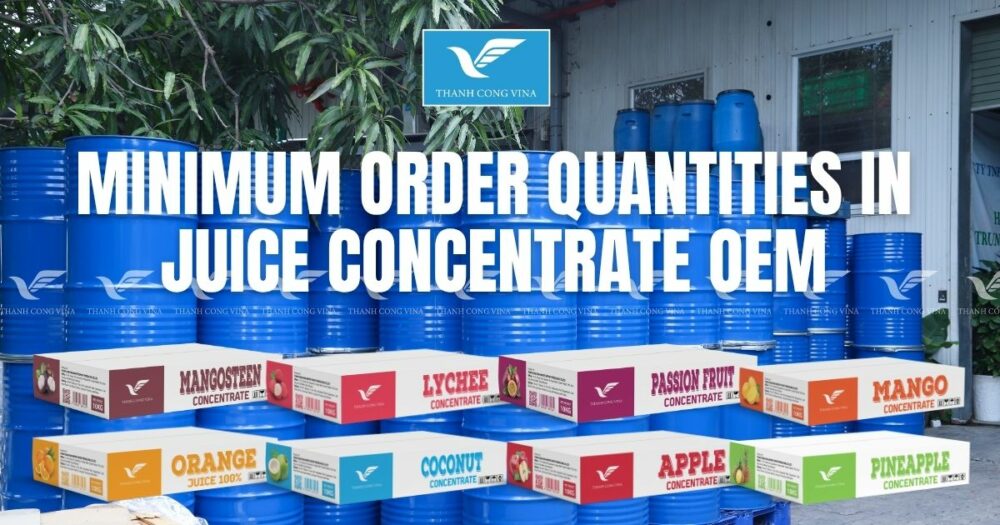
Today, Vietnamese manufacturers export a wide variety of concentrate products including mango, pineapple, passion fruit, guava, orange, calamansi, dragon fruit, lychee, and coconut-based ingredients. To compete successfully in international markets, producers must meet strict quality requirements while maintaining efficiency and reliability throughout the supply chain.
The success of Vietnam’s export industry is closely linked to its commitment to product excellence. From raw material sourcing and advanced processing technology to food safety certifications and laboratory testing, every stage of production contributes to ensuring premium Juice Concentrate quality for customers around the world.
1. Juice Concentrate Quality Begins with Premium Fruit Selection
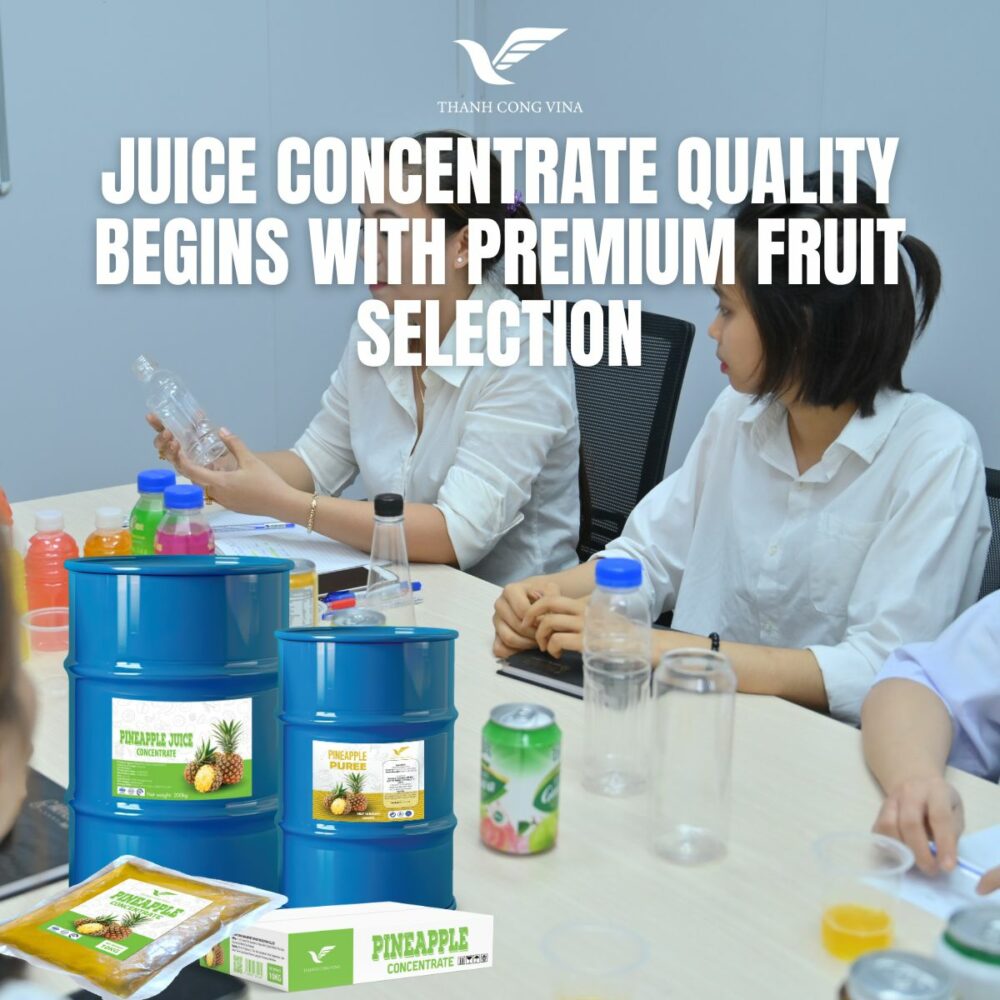
Juice Concentrate Quality Begins with Premium Fruit Selection
Building a Strong Agricultural Foundation
The quality of Juice Concentrate products starts long before processing begins. Vietnam’s tropical climate and fertile agricultural regions provide ideal conditions for cultivating fruits used in concentrate production. Major fruit-growing areas across the Mekong Delta, Central Highlands, and coastal provinces supply processors with a continuous flow of fresh raw materials.
Fruit quality directly influences the flavor, aroma, color, nutritional value, and overall performance of the final concentrate. For this reason, manufacturers carefully evaluate fruit maturity, sweetness, acidity, texture, and appearance before accepting raw materials for production.
Many Vietnamese processors establish long-term partnerships with farmers and agricultural cooperatives to strengthen quality management from the source. These partnerships help ensure consistent fruit characteristics while supporting sustainable agricultural practices.
By controlling fruit quality at the farm level, producers can significantly improve the consistency and reliability of their Juice Concentrate products.
Raw Material Traceability
Modern food supply chains increasingly require complete traceability. Vietnamese manufacturers have implemented systems that track raw materials from cultivation through production and export.
Traceability programs help identify fruit origins, monitor agricultural practices, and maintain detailed production records. These systems not only improve quality control but also strengthen buyer confidence in Vietnamese Juice Concentrate products.
International customers increasingly prefer suppliers that can provide transparent documentation regarding ingredient sourcing and production procedures. Traceability therefore serves as both a quality assurance tool and a competitive advantage.
2. Advanced Processing Technology Supports Juice Concentrate Excellence
Modern Extraction and Concentration Systems
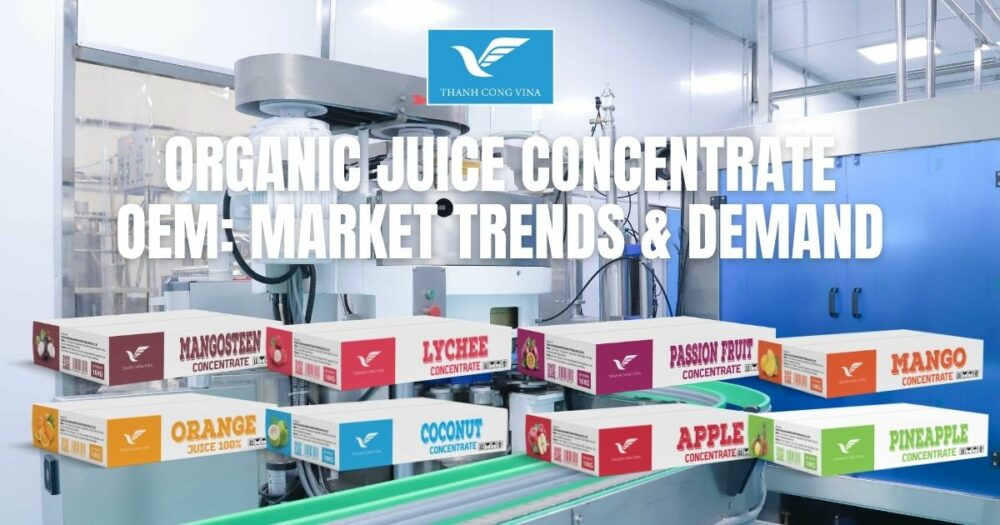
The production process is one of the most critical factors affecting Juice Concentrate quality. Vietnamese manufacturers have invested heavily in advanced processing technologies designed to preserve the natural characteristics of fresh fruits while ensuring product stability.
After fruit selection and preparation, juice extraction systems separate liquid content from pulp and other solids. Modern extraction technologies maximize yield while maintaining flavor integrity and nutritional properties.
The concentration process removes water under carefully controlled conditions. Advanced evaporation systems operate at optimized temperatures to minimize flavor degradation and preserve the fruit’s natural profile.
By utilizing state-of-the-art equipment, manufacturers can produce Juice Concentrate products that maintain authentic fruit characteristics while meeting international customer specifications.
Automation and Process Control
Automation has become increasingly important within Vietnamese beverage processing facilities. Automated systems monitor temperature, pressure, flow rates, and processing parameters throughout production.
Continuous monitoring reduces variability and helps ensure batch-to-batch consistency. This is particularly important for international buyers who require standardized product performance across large production volumes.
Advanced process control systems contribute significantly to maintaining the quality, safety, and reliability of exported Juice Concentrate products.
3. Food Safety Systems in Juice Concentrate Manufacturing
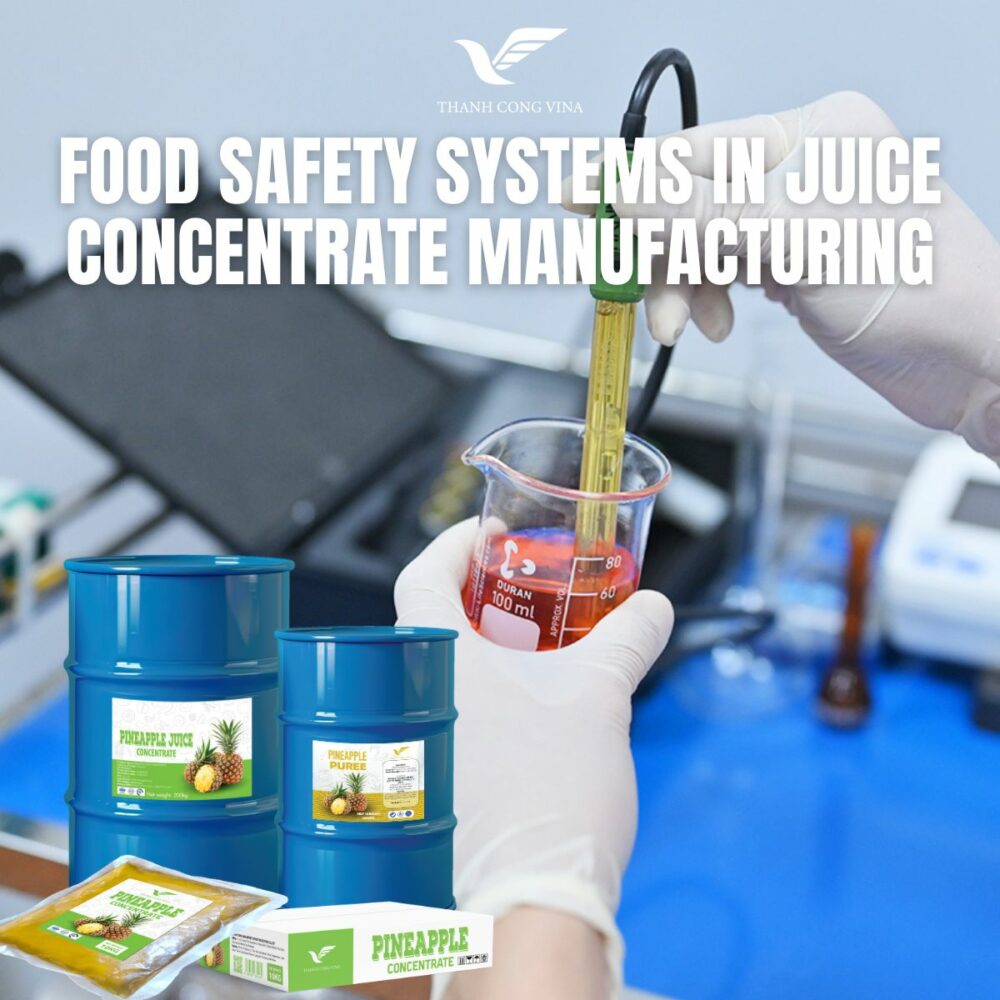
Food Safety Systems in Juice Concentrate Manufacturing
Preventing Contamination Throughout Production
Food safety remains one of the highest priorities for manufacturers of Juice Concentrate products. Vietnamese factories implement strict sanitation protocols designed to prevent contamination and maintain hygienic production environments.
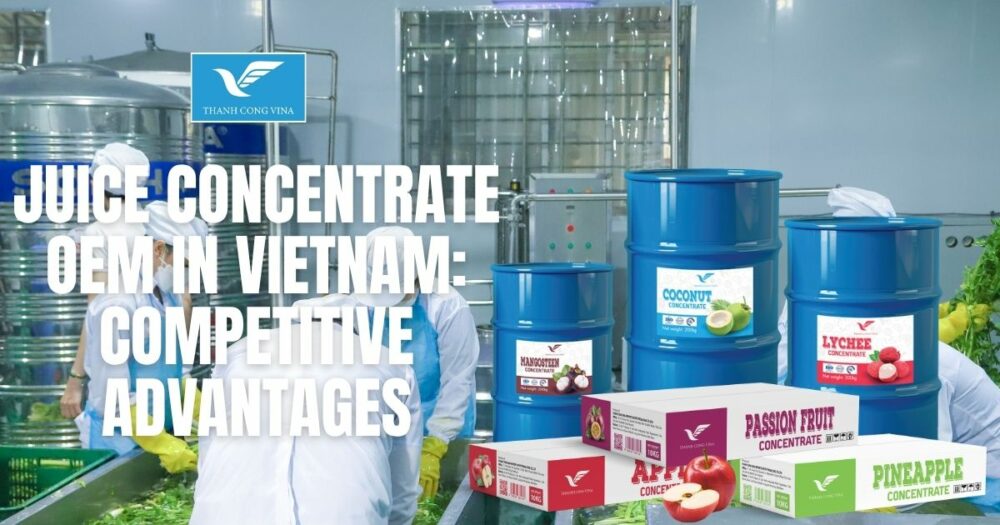
Production facilities are regularly cleaned and sanitized according to established procedures. Employees receive food safety training and must comply with hygiene requirements before entering production areas.
Raw materials, processing equipment, packaging materials, and finished products are continuously monitored to identify potential risks. These preventive measures help maintain product safety and support compliance with international regulations.
By prioritizing food safety at every stage of production, manufacturers can deliver Juice Concentrate products that meet global customer expectations.
HACCP Implementation
Hazard Analysis and Critical Control Point (HACCP) systems are widely adopted throughout Vietnam’s food processing industry. HACCP focuses on identifying potential food safety hazards and implementing preventive controls.
Manufacturers use HACCP principles to evaluate risks associated with raw materials, processing steps, storage conditions, and transportation procedures. Continuous monitoring ensures that critical control points remain within acceptable limits.
The implementation of HACCP significantly strengthens the reliability and safety of Vietnamese Juice Concentrate exports.
4. Laboratory Testing and Quality Assurance Procedures
Comprehensive Product Testing
Laboratory analysis is an essential component of Juice Concentrate quality management. Professional manufacturers perform extensive testing throughout production to verify product safety and consistency.
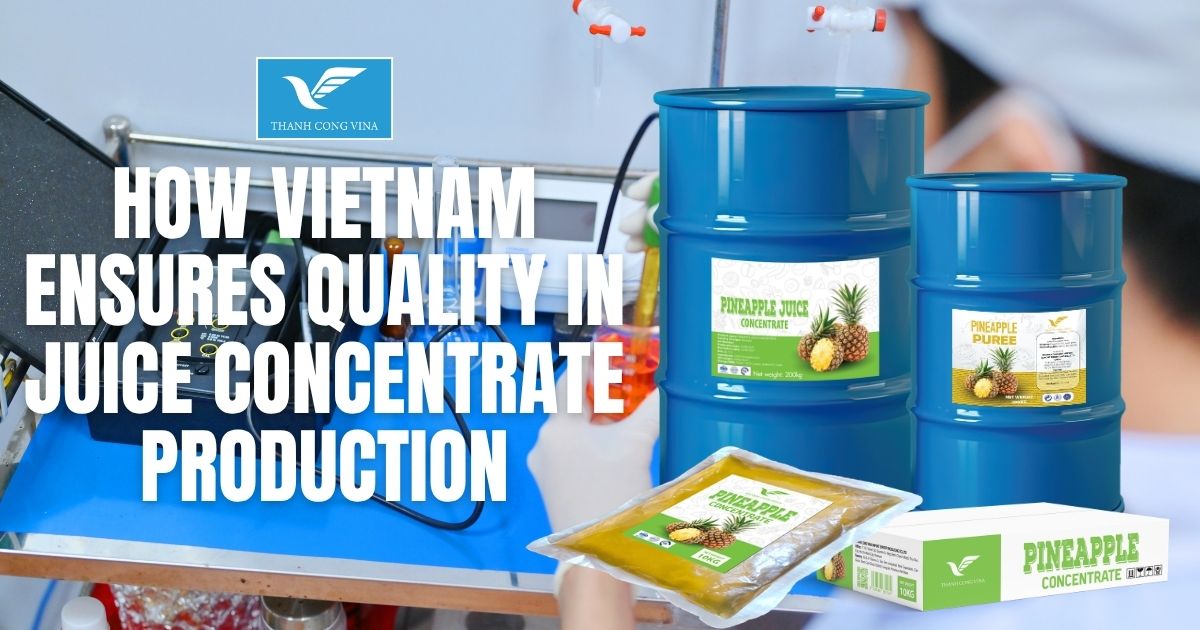
Common tests include Brix measurement, acidity evaluation, microbiological analysis, color assessment, viscosity testing, and nutritional verification. These evaluations help ensure that products meet customer specifications and regulatory requirements.
Testing also allows manufacturers to detect potential issues before products reach international markets. Early identification of quality concerns reduces risks and improves overall customer satisfaction.
Through comprehensive laboratory programs, Vietnamese producers maintain high standards for exported Juice Concentrate products.
Continuous Improvement Programs
Quality assurance extends beyond routine testing. Many manufacturers implement continuous improvement initiatives designed to optimize production performance and enhance product consistency.
Regular audits, employee training programs, equipment maintenance schedules, and process reviews contribute to ongoing quality enhancement. These efforts help manufacturers remain competitive while adapting to changing customer requirements.
Continuous improvement supports the long-term success of Vietnam’s Juice Concentrate industry and strengthens its reputation in global markets.
5. International Certifications Strengthening Buyer Confidence
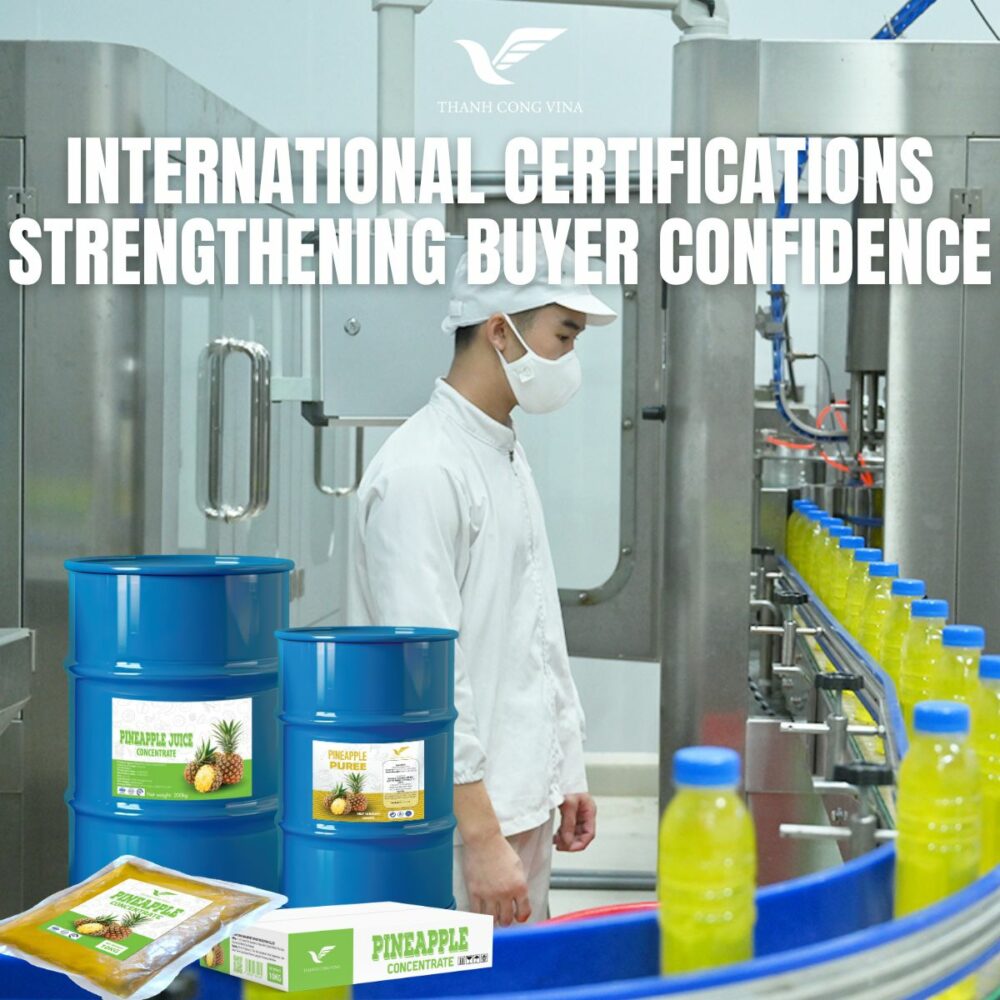
International Certifications Strengthening Buyer Confidence
Global Food Safety Standards
International certifications play a crucial role in demonstrating the quality of Juice Concentrate products. Vietnamese manufacturers increasingly pursue globally recognized certifications to meet buyer expectations and facilitate exports.
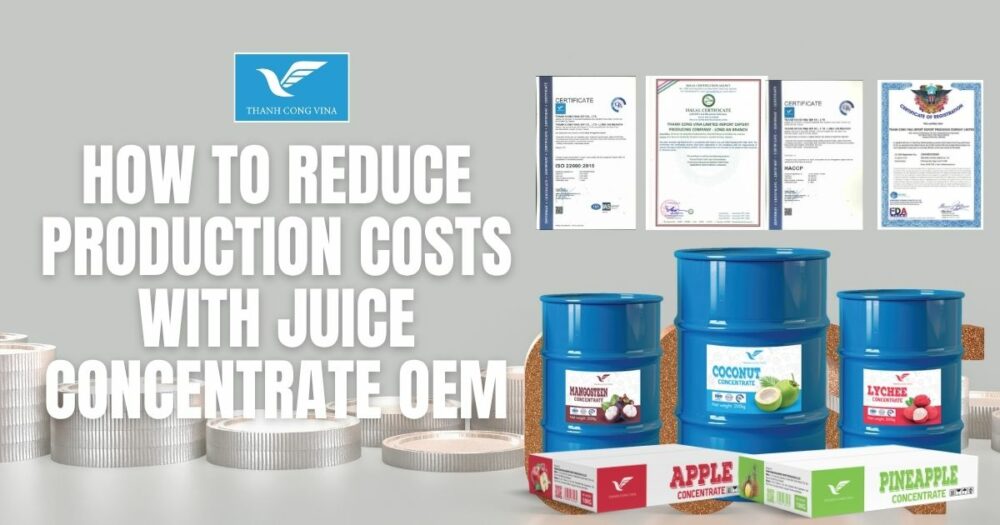
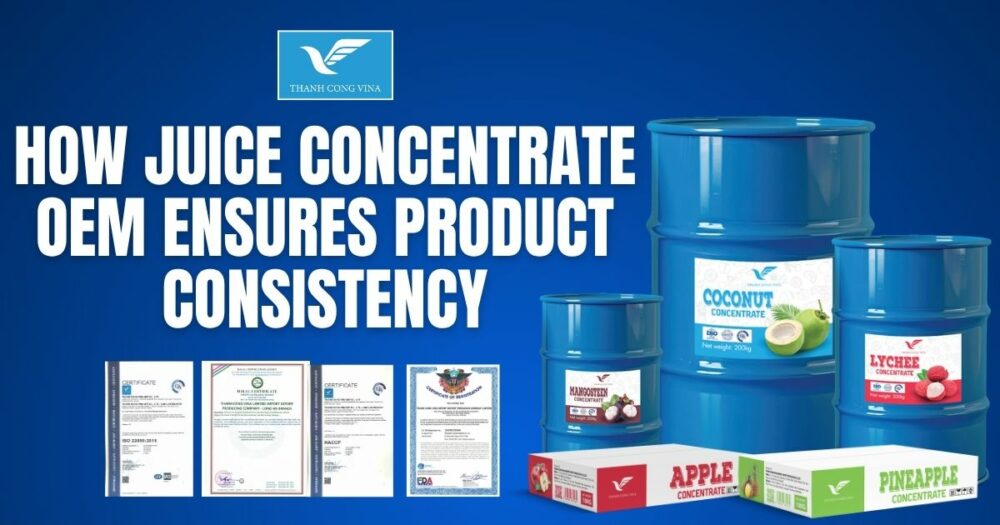
ISO 22000 certification verifies the effectiveness of food safety management systems, while GMP standards focus on maintaining consistent manufacturing practices. These certifications provide assurance that products are produced according to internationally accepted guidelines.
Buyers often prioritize certified suppliers because certifications reduce procurement risks and simplify supplier qualification processes.
Market-Specific Certifications
Different export markets may require additional certifications. HALAL certification supports exports to Muslim-majority countries, while FDA registration is important for access to the United States market.
Organic certifications create opportunities within premium food and beverage segments. Many consumers are willing to pay higher prices for certified organic Juice Concentrate products due to perceived health and sustainability benefits.
A strong certification portfolio enhances credibility and helps Vietnamese manufacturers compete successfully in global markets.
6. Packaging and Storage Standards for Juice Concentrate
Protecting Product Integrity
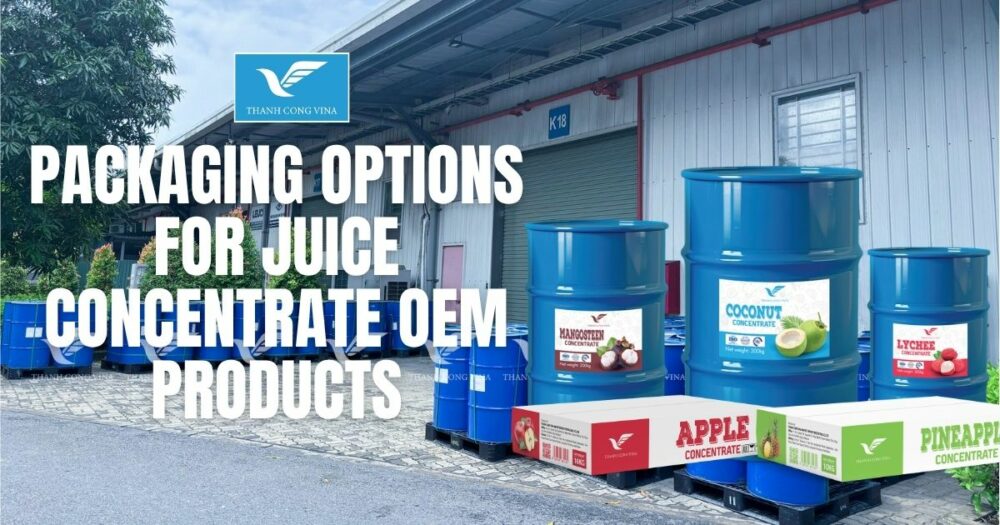
Proper packaging is essential for preserving Juice Concentrate quality during storage and transportation. Vietnamese manufacturers utilize packaging systems designed to protect products from contamination, oxidation, and environmental influences.
Aseptic packaging technologies are widely used to extend shelf life while maintaining product quality. These systems help ensure that concentrates remain stable throughout international shipping and distribution.
Packaging materials are carefully selected based on product characteristics and customer requirements. Effective packaging contributes significantly to product reliability and customer satisfaction.
Storage and Logistics Management
Storage conditions also play an important role in maintaining Juice Concentrate quality. Manufacturers monitor temperature, humidity, and inventory conditions to protect product integrity.
Efficient logistics systems help minimize transportation delays and reduce exposure to unfavorable environmental conditions. Export-oriented companies invest in supply chain management programs designed to support consistent product performance throughout delivery.
Strong packaging and logistics practices help ensure that customers receive high-quality products regardless of destination.
7. Sustainability and Innovation in Juice Concentrate Production
Sustainability and Innovation in Juice Concentrate Production
Sustainable Manufacturing Practices
Sustainability is becoming increasingly important within the global food and beverage industry. Manufacturers of Juice Concentrate products are implementing environmentally responsible practices to reduce waste and improve resource efficiency.
Many facilities invest in energy-saving technologies, water conservation systems, and waste management programs. Sustainable sourcing initiatives also encourage responsible agricultural practices and support long-term supply chain stability.
Environmental responsibility has become a valuable differentiator for suppliers serving international markets.
Innovation Driving Future Growth
Innovation continues shaping the future of Vietnam’s Juice Concentrate industry. Manufacturers are developing new fruit blends, customized formulations, organic products, and value-added ingredients to meet evolving consumer preferences.
Research and development programs help identify emerging market opportunities while improving product performance and functionality. Companies that invest in innovation are better positioned to respond to changing industry trends and customer requirements.
The combination of sustainability and innovation will continue strengthening Vietnam’s role as a leading supplier of premium concentrate products worldwide.
Conclusion
The global demand for high-quality Juice Concentrate products continues growing as beverage manufacturers, food processors, and consumers increasingly seek natural fruit-based ingredients. Vietnam has successfully positioned itself as a trusted supplier by combining abundant tropical fruit resources with advanced processing technology, strict food safety standards, comprehensive quality control systems, and internationally recognized certifications.
From raw material selection and traceability programs to laboratory testing and sustainable manufacturing practices, every stage of production contributes to ensuring consistent product quality. These efforts enable Vietnamese manufacturers to meet the expectations of international buyers while maintaining strong competitiveness in global markets.
As the industry continues evolving, Thanh Cong Vina Beverage remains committed to delivering premium-quality ingredients through modern manufacturing systems, rigorous quality management, and customer-focused service. With extensive export experience and a dedication to continuous improvement, Thanh Cong Vina supports global partners seeking reliable sourcing solutions and long-term success in the competitive market for Juice Concentrate.