
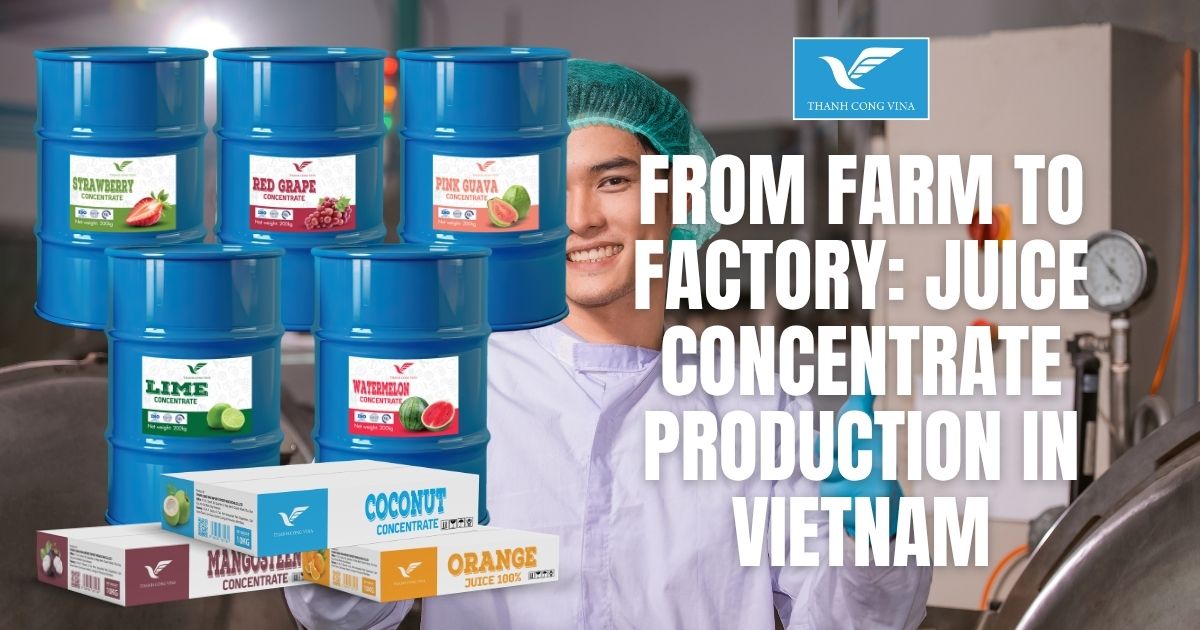
The global beverage manufacturing sector is experiencing an unprecedented surge in demand for high-quality, traceable, and sustainably sourced ingredients. At the forefront of this shift is the rapid expansion of the agricultural processing industry in Southeast Asia. Vietnam, with its unique geographical advantages, fertile soils, and tropical climate, has emerged as a powerhouse for producing premium Juice Concentrate. This transition from a traditional farming nation to a high-tech manufacturing hub represents a significant milestone in global supply chain evolution. International beverage brands, distributors, and food scientists are increasingly turning their attention to the Mekong Delta and the Central Highlands of Vietnam, where raw nature meets state-of-the-art industrial processing. Understanding this journey from the soil to the final packaged concentrate is essential for businesses looking to secure reliable, cost-effective, and nutritionally superior ingredients for their global product portfolios.
1. The Landscape of Agriculture and Juice Concentrate Production in Vietnam
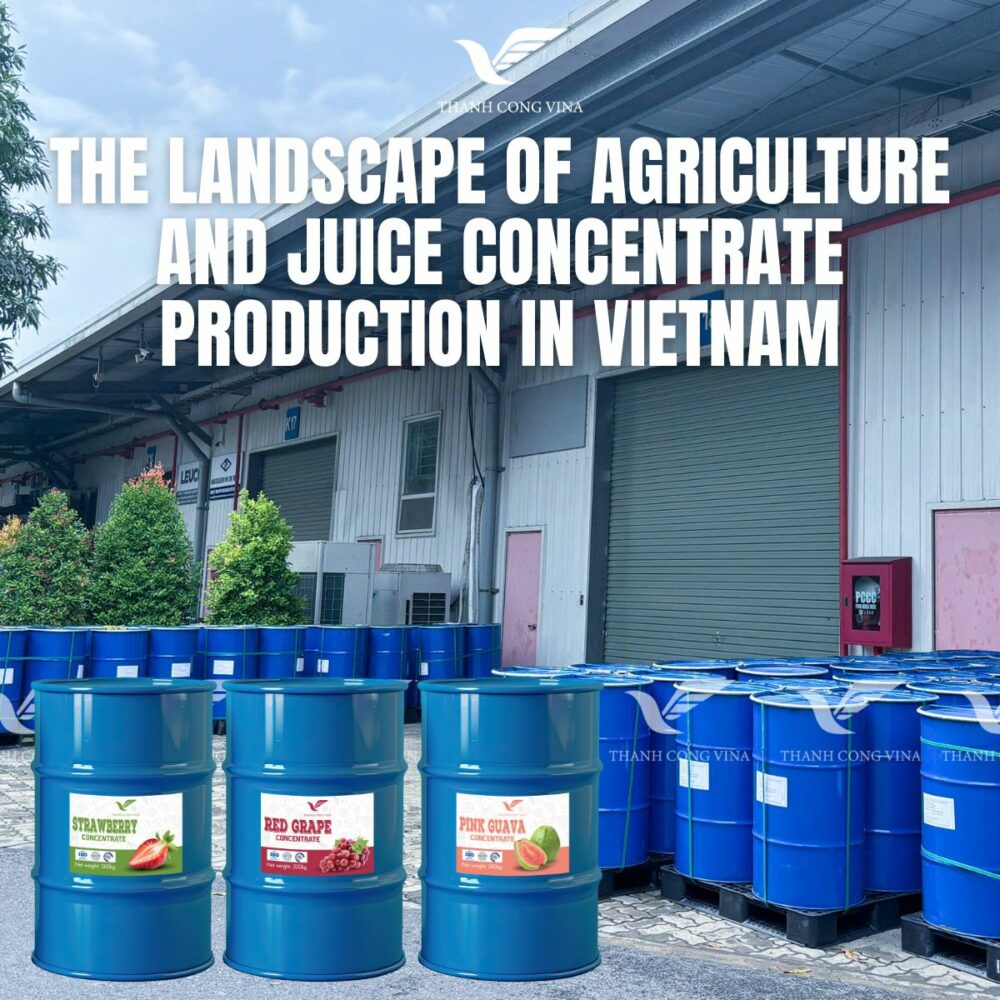
The Landscape of Agriculture and Juice Concentrate Production in Vietnam
Vietnam’s strategic geographical positioning offers an unparalleled foundation for the cultivation of diverse fruits. Spanning over multiple climate zones, from the temperate northern regions to the intensely tropical south, the country experiences year-round harvest cycles. This continuous availability of raw materials is a critical factor for the stable production of Juice Concentrate, minimizing the seasonal supply cliffs that plague manufacturers in other parts of the world. The rich alluvial deposits of the major river basins provide the ideal nutrient base for high-yielding orchards.
In recent years, the shift from subsistence farming to commercialized, large-scale agricultural cooperatives has accelerated. The Vietnamese government has actively facilitated this transformation through policies aimed at modernizing rural infrastructure and offering tax incentives for processing facilities located near agricultural zones. By bridging the gap between independent farmers and industrialized factories, the country has built a highly responsive supply chain capable of handling thousands of tons of fresh produce daily.
Geographical Microclimates and Fruit Specialization
The unique topography of Vietnam allows for distinct regional specialization, which directly benefits the concentrate industry. The southern plains, particularly the Mekong Delta, are globally renowned for their citrus fruits, mangoes, and dragon fruits. Meanwhile, the cooler volcanic plateaus of the Central Highlands provide the perfect conditions for growing high-acidity passion fruit and dense, flavorful pineapples. This regional diversity means a single processing hub can access a vast palette of flavor profiles without requiring extensive domestic transport, preserving the freshness of the fruit prior to processing.
Economic Impact of the Processing Sector
The transition to concentrate manufacturing has provided a powerful economic engine for Vietnam’s rural communities. By converting perishable fresh fruit into shelf-stable concentrates, the industry effectively eliminates post-harvest losses, which historically reached up to 30% in tropical regions. This stability ensures consistent income for local farming networks and creates skilled technical jobs within the regional processing facilities, fostering a sustainable ecosystem that supports long-term economic resilience.
2. Sourcing and Agricultural Practices at the Farm Level
The quality of any premium concentrate is inherently dictated by the condition of the raw fruit at the moment of harvest. Vietnamese agricultural practices have undergone a profound evolution, moving away from unregulated chemical inputs toward standardized, globally accepted cultivation methodologies. Leading processing firms now work hand-in-hand with agricultural engineers to train farmers in integrated pest management, organic fertilization, and precise water management techniques.
Contract farming has become the cornerstone of this sourcing strategy. Under these agreements, factories provide farmers with high-quality seeds, technical oversight, and guaranteed purchase prices, while farmers commit to adhering to strict cultivation parameters. This symbiotic relationship ensures that the fruit arriving at the processing gates meets exact specifications regarding brix levels, acidity, and the complete absence of harmful chemical residues.
Implementation of GlobalGAP Standards
To gain access to restrictive international markets such as the European Union and North America, Vietnamese agricultural networks have widely adopted GlobalGAP (Good Agricultural Practice) frameworks. These standards dictate everything from soil testing and water purity to the welfare of the farmworkers. By institutionalizing these practices, Vietnamese farms ensure that the raw materials used for concentrate production are fundamentally safe, traceable, and ethically cultivated from the very beginning of their lifecycle.
Harvesting Mechanics and Post-Harvest Handling
The timing of the harvest is critical to optimizing the natural sugars and flavor compounds within the fruit. In Vietnam, specialized harvesting teams are trained to identify peak maturity using field refractometers. Once harvested, the fruits are placed in ventilated, stackable crates rather than bulk sacks to prevent bruising and physical degradation. They are then rapidly transported to local collection hubs equipped with pre-cooling systems, which slow down the natural ripening and fermentation processes during transit to the factory.
3. Post-Harvest Logistics and Raw Material Reception
Juice Concentrate – Post-Harvest Logistics and Raw Material Reception
The logistical bridge between the farm and the factory gate is where product integrity is either preserved or lost. In Vietnam’s tropical climate, ambient temperatures can accelerate microbial growth and enzymatic browning within hours of harvest. To combat this, the nation has invested heavily in cold-chain logistics infrastructure, utilizing fleet management systems and refrigerated transport units that maintain optimal temperatures from the orchard directly to the processing plant.
Upon arrival at the manufacturing facility, the raw fruit undergoes a rigorous reception protocol. Every incoming batch is sampled, documented, and assigned a unique digital tracking code that links it back to its farm of origin. This initial checkpoint is vital for maintaining the absolute traceability that modern international food safety regulations demand, particularly when tracking the raw profile of the Juice Concentrate before processing begins.
Strict Sorting and Quality Grading
Before entering the production lines, the fruit passes through multi-staged automated and manual sorting conveyors. Workers and optical sorting machines remove any specimens that exhibit signs of insect damage, mold, or mechanical bruising. Even minor imperfections can alter the sensory profile or microbiological stability of the final concentrate, making this meticulous grading phase non-negotiable for premium output.
Advanced Washing and Sanitization Systems
Once sorted, the fruits enter high-pressure sanitizing wash channels. These systems typically utilize a combination of water jets, rotary brushes, and food-grade sanitizing agents to completely remove surface dirt, wild yeasts, and any lingering organic residues. The water used in these systems is continuously monitored for purity and recycled through advanced filtration plants to minimize environmental impact, reflecting the industry’s dual commitment to hygiene and sustainability.
4. The Extraction and Filtration Engineering Process
The transformation of whole fruit into a liquid base requires highly specialized extraction engineering designed to maximize yield while protecting the delicate volatile compounds that give each fruit its characteristic aroma and taste. Depending on the anatomy of the fruit—whether it is a soft-fleshed mango or a tough-skinned passion fruit—specialized extraction machinery is deployed.
For citrus and passion fruits, reaming and centrifugal separation technologies are utilized to isolate the juice without expressing the bitter oils and tannins present in the skins and seeds. For stone fruits and berries, industrial pulpers and decanters break down the cell walls gently, ensuring a smooth, homogenous liquid phase is achieved before the mixture proceeds to the filtration stages.
De-aeration for Oxidation Prevention
Exposure to oxygen is the primary enemy of natural juices, leading to rapid degradation of color, vitamin C content, and flavor authenticity. Immediately following extraction, the liquid is passed through vacuum de-aerators. These systems pull dissolved oxygen out of the juice at low temperatures, effectively freezing the enzymatic browning process and ensuring that the final concentrate retains the vibrant, natural hue of the fresh fruit.
Clarification and Ultrafiltration Technologies
For clear concentrate varieties, the extracted juice must undergo rigorous clarification. This is achieved by introducing natural food-grade enzymes (such as pectinases) to break down the cloud-causing pectins, followed by passage through advanced ultrafiltration membrane systems. These polymeric or ceramic membranes operate at molecular weight cut-offs, allowing water and soluble solids to pass through while retaining all insoluble particulates, resulting in a crystal-clear liquid base ready for thermal concentration.
5. Thermal and Cold Concentration Technologies
Juice Concentrate – Thermal and Cold Concentration Technologies
The core of the manufacturing process involves removing water from the juice to create a dense, shelf-stable product. Historically, this was achieved through simple boiling, which unfortunately scorched the sugars and destroyed the natural vitamins. Today, Vietnamese factories utilize advanced multi-stage falling film vacuum evaporators to create high-purity Juice Concentrate. Operating under a deep vacuum allows water to boil at significantly lower temperatures (often between 45°C and 60°C), protecting the nutritional profile and preventing caramelization.
In addition to vacuum evaporation, progressive facilities are adopting freeze concentration and forward osmosis technologies for ultra-premium product lines. These cold-concentration methods remove water without applying any heat whatsoever, making them the gold standard for preserving highly volatile aromatic compounds and heat-sensitive nutrients.
Aroma Recovery Systems
During the evaporation process, the highly volatile flavor and aroma molecules are the first components to vaporize alongside the water. To prevent the loss of these essential sensory characteristics, modern evaporator setups are integrated with fractional distillation aroma recovery units. These systems capture the volatile gasses, condense them into concentrated natural essences, and blend them back into the final product before packaging, restoring the full, authentic bouquet of the fresh fruit.
Controlling Brix and Viscosity Specifications
The concentration process is monitored in real-time using inline digital refractometers that measure the Brix level (total soluble solids). International standards typically require concentrates to reach specific Brix targets, such as 60-65° for pineapple or passion fruit. Precise control over viscosity is equally critical, as it dictates how the concentrate will behave during automated pumping, blending, and reconstitution in the client’s final bottling facilities.
6. Sterile Packaging, Aseptic Filling, and Global Storage
Once the concentrate achieves its specified density and sensory parameters, it must be protected from microbiological contamination. This is accomplished through continuous flash pasteurization (HTST – High Temperature Short Time), which rapidly heats the concentrate for a matter of seconds to eliminate any vegetative microorganisms before cooling it immediately to ambient or chilled temperatures.
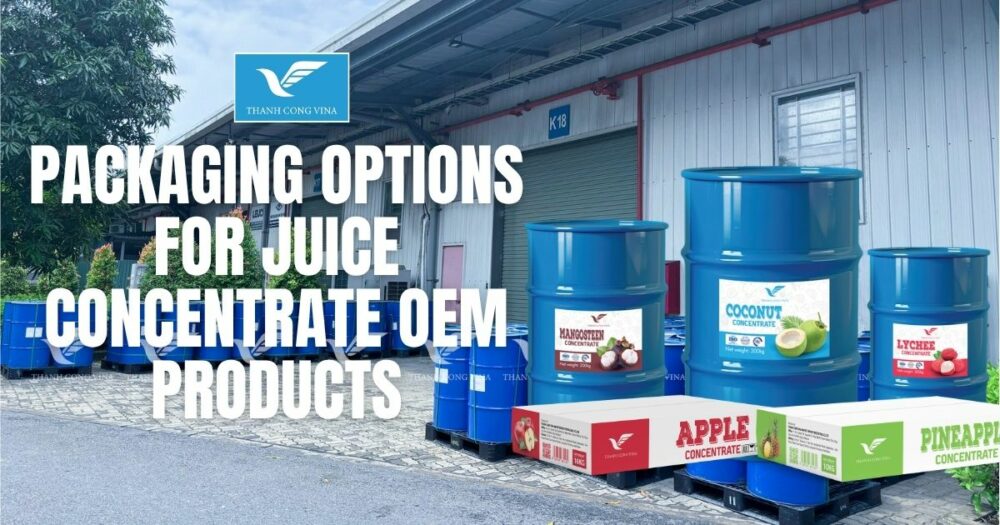
The sterilized liquid is then moved directly to automated aseptic filling systems. These units operate within a completely sterile environment flooded with inert nitrogen gas to prevent any contact with atmospheric oxygen or airborne contaminants. The product is typically filled into multi-layered, high-barrier aseptic bags housed within durable steel drums or large intermediate bulk containers (IBCs).
Cold Chain Warehousing Infrastructure
Post-packaging, the concentrate drums are transferred to specialized temperature-controlled storage facilities. Depending on the specific fruit type and structural stability of the Juice Concentrate, storage temperatures are strictly maintained between 0°C for short-term holding and -18°C to -25°C for deep-freeze preservation. This unyielding cold chain prevents structural settling, color darkening, and flavor drift over extended storage periods.
International Shipping and Logistical Efficiency
Because concentrate represents a significantly reduced volume and weight compared to single-strength juice, it offers massive logistical efficiencies for global trade. Vietnamese shipping networks leverage major deep-water ports like Cat Lai and Cai Mep to deploy these containerized frozen assets globally. The reduction in shipping volume translates directly into a lower carbon footprint per liter of finished beverage, aligning perfectly with the environmental sustainability goals of modern multinational corporations.
7. Quality Systems, Laboratory Verification, and Compliance
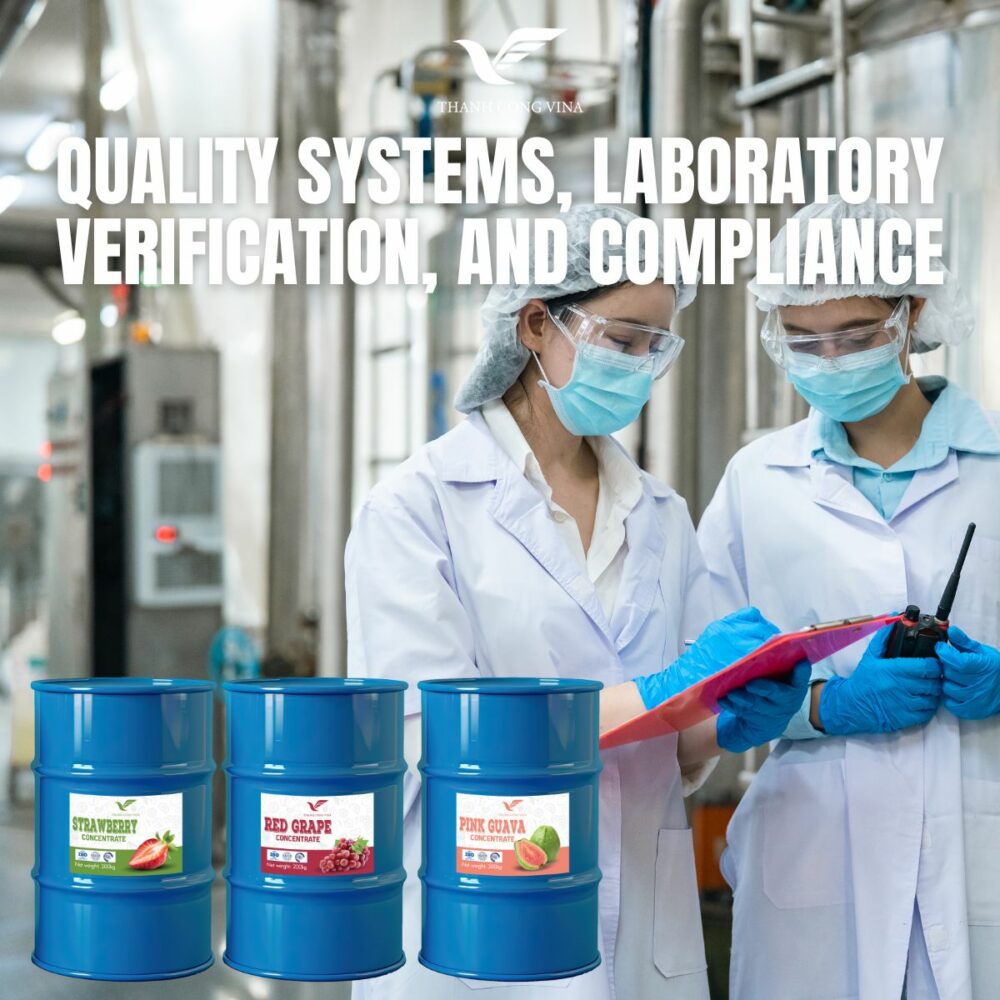
Juice Concentrate – Quality Systems, Laboratory Verification, and Compliance
The modern Vietnamese juice processing sector operates under a strict philosophy of analytical verification. Leading manufacturing plants house fully accredited, in-house laboratories equipped with advanced testing suites, including High-Performance Liquid Chromatography (HPLC) and Gas Chromatography-Mass Spectrometry (GC-MS). These instruments allow quality control chemists to verify the exact chemical composition, nutritional parameters, and purity profiles of every production batch.
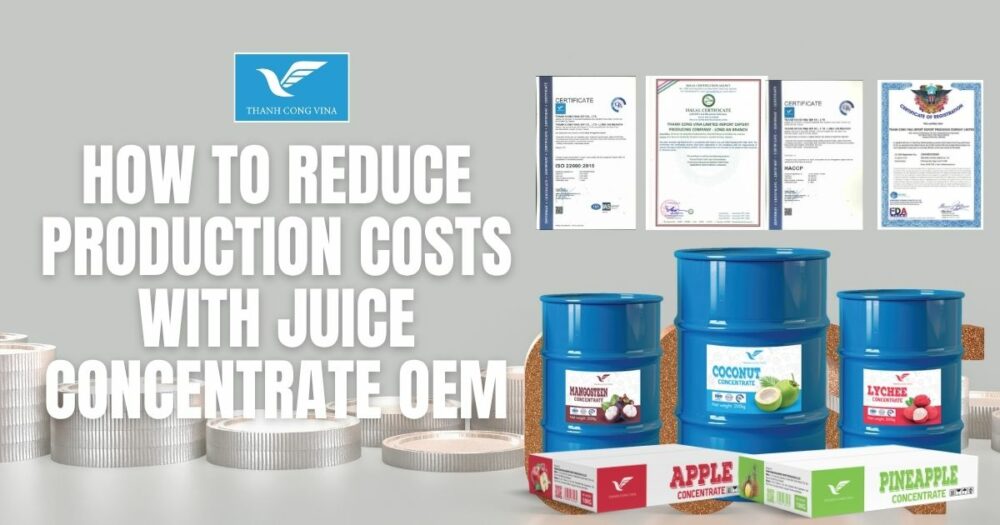
These intensive laboratory protocols ensure that every batch of concentrate leaving the facility conforms entirely to the food safety codes of the importing countries, including the strict mandates enforced by the US FDA, the European Food Safety Authority (EFSA), and regional Halal or Kosher certification boards.
Critical Analysis Parameters
The table below highlights the essential metrics analyzed during the final validation process:
| Testing Category | Specific Analytical Parameters | Industry Significance |
| Chemical & Physical | Brix, Acidity, pH, Viscosity | Ensures blending consistency |
| Sensory Evaluation | Color Delta-E, Odor, Taste Profile | Guarantees brand flavor alignment |
| Microbiological | Total Plate Count, Yeast & Mold | Verifies aseptic process integrity |
| Contaminant Screening | Heavy Metals, Pesticide Residues | Ensures absolute regulatory compliance |
Digital Traceability Infrastructure
Beyond physical and chemical testing, compliance is sustained through robust digital ledger tracking systems. Every drum of concentrate is labeled with a detailed barcode containing data streams that outline the exact processing timeline, the specific machinery utilized, operator logs, and the source farms of the raw fruit. This comprehensive data package is made available to international auditors and clients, providing unparalleled transparency and peace of mind for buyers sourcing wholesale Juice Concentrate.
Conclusion
The journey of agricultural products from the rich soils of Vietnam to industrial processing facilities represents a triumph of engineering, logistics, and sustainable agricultural practices. By capitalizing on its diverse natural ecosystems and investing heavily in world-class extraction, concentration, and aseptic packaging technologies, Vietnam has firmly cemented its position as a primary destination for premium beverage components. The global market’s reliance on high-quality ingredients means that the efficiency, scalability, and safety protocols embedded within the Vietnamese industrial framework offer a decisive competitive advantage to brands operating across the global food and beverage spectrum.
Navigating this highly dynamic and sophisticated market requires a partner with deep local roots and an unwavering commitment to international quality standards. This is where Thanh Cong Vina serves as an indispensable asset to your supply chain strategy. As a premier provider of industrial sourcing and production management solutions, Thanh Cong Vina seamlessly connects global enterprise demands with the peak of Vietnam’s agricultural output. Our deep commitment to meticulous quality control, ethical farm sourcing, and cutting-edge logistics management ensures that your business receives premium ingredients tailored to your precise formulation needs. Partner with us to unlock the full potential of Southeast Asia’s beverage manufacturing capabilities and deliver exceptional quality to your consumers worldwide.