
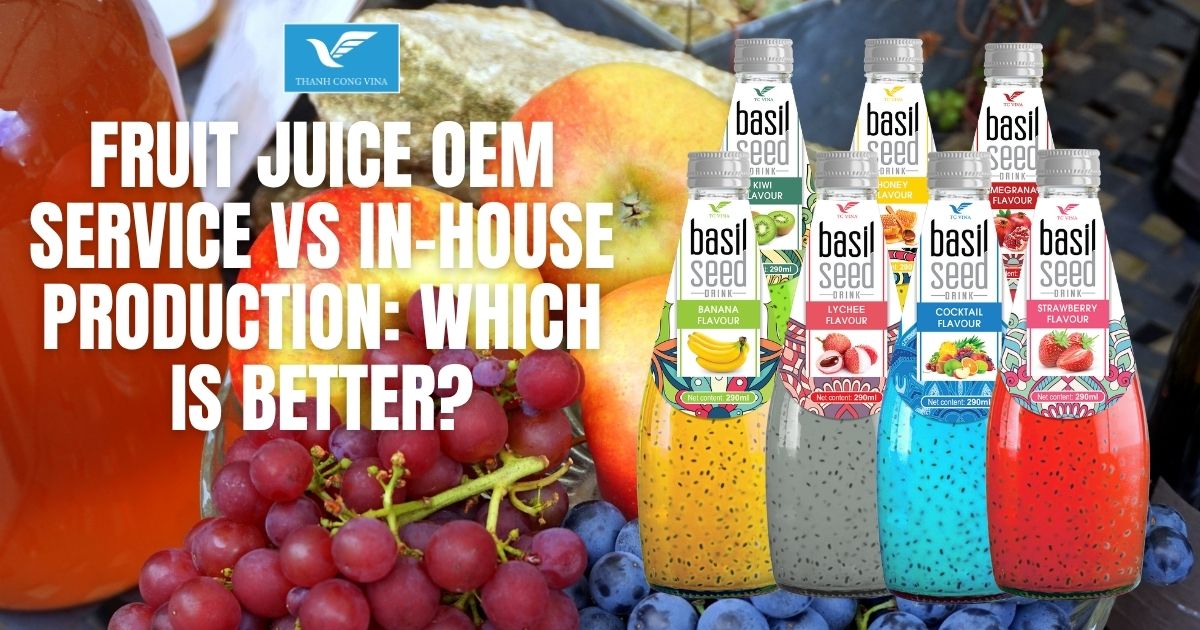
The beverage industry is becoming increasingly competitive as consumer demand for natural, healthy, and innovative drinks continues to rise. Among the most popular product categories, fruit juice remains a strong contender due to its nutritional value and versatility. For companies entering or expanding in this space, one of the most critical decisions is choosing between a Fruit Juice OEM Service and in-house production.
This decision directly impacts cost structure, product quality, scalability, and long-term growth strategy. While in-house production offers full control over manufacturing, it requires significant investment in facilities, equipment, and expertise. On the other hand, a Fruit Juice OEM Service provides a turnkey solution that allows businesses to outsource production while focusing on branding and market expansion.
Understanding the advantages and limitations of each approach is essential for making the right choice. This comprehensive guide explores the differences between Fruit Juice OEM Service and in-house production, helping beverage companies determine which model best suits their business goals in today’s dynamic market.
1. Understanding Fruit Juice OEM Service and In-House Production
Understanding Fruit Juice OEM Service and In-House Production
Before comparing the two models, it is important to understand how each operates within the beverage industry.
What is a Fruit Juice OEM Service?
A Fruit Juice OEM Service involves outsourcing the production of juice products to a specialized manufacturer. The OEM partner handles everything from formulation and sourcing to production, packaging, and quality control.
This model allows brands to focus on marketing, sales, and distribution while leveraging the expertise and infrastructure of the manufacturer.
What is In-House Production?
In-house production refers to manufacturing products within a company’s own facilities. This approach provides full control over the entire production process, from raw material sourcing to final packaging.
While it offers greater control, it also requires substantial investment in equipment, skilled labor, and operational management.
Key Differences Between the Two Models
The primary difference lies in ownership and responsibility. OEM services transfer production responsibilities to an external partner, while in-house production keeps everything internal.
Understanding these fundamental differences sets the stage for evaluating which option is better for your business.
2. Cost Comparison: OEM Service vs In-House Production
Cost is one of the most significant factors influencing the decision between OEM and in-house production.
Initial Investment Requirements
In-house production requires a large upfront investment. Companies must build facilities, purchase machinery, and hire skilled personnel. These costs can be prohibitive, especially for startups.
In contrast, a Fruit Juice OEM Service eliminates the need for capital expenditure. Businesses can start production without investing in infrastructure, making it a more accessible option.
Operational Costs
Operating a production facility involves ongoing expenses such as maintenance, utilities, labor, and raw materials. These costs can fluctuate and impact profitability.
OEM manufacturers benefit from economies of scale, allowing them to reduce operational costs. These savings are often passed on to clients, making OEM services more cost-effective.
Cost Efficiency and ROI
OEM services offer better cost efficiency for most businesses, particularly in the early stages. By reducing financial risk and optimizing resource allocation, companies can achieve a higher return on investment.
However, for large-scale operations with stable demand, in-house production may become more cost-effective over time.
3. Fruit Juice OEM Service Production Efficiency
Fruit Juice OEM Service Production Efficiency
Faster Product Development
OEM manufacturers have established processes and experienced teams that enable rapid product development. From formulation to packaging, each stage is optimized for efficiency.
This allows brands to bring products to market quickly and capitalize on emerging trends.
Streamlined Production Workflow
OEM facilities are designed for high-volume production, ensuring consistent output and minimal downtime. Advanced technologies such as automation and aseptic processing further enhance efficiency.
Time-to-Market Advantage
A Fruit Juice OEM Service significantly reduces the time required to launch new products. This is a major advantage in a market where consumer preferences change rapidly.
In-house production, while offering control, often involves longer setup times and slower product development cycles.
4. Quality Control and Product Consistency
Maintaining high quality is essential for building a successful beverage brand.
Quality Assurance in OEM Services
Professional OEM manufacturers implement strict quality control systems at every stage of production. This includes testing raw materials, monitoring processes, and inspecting final products.
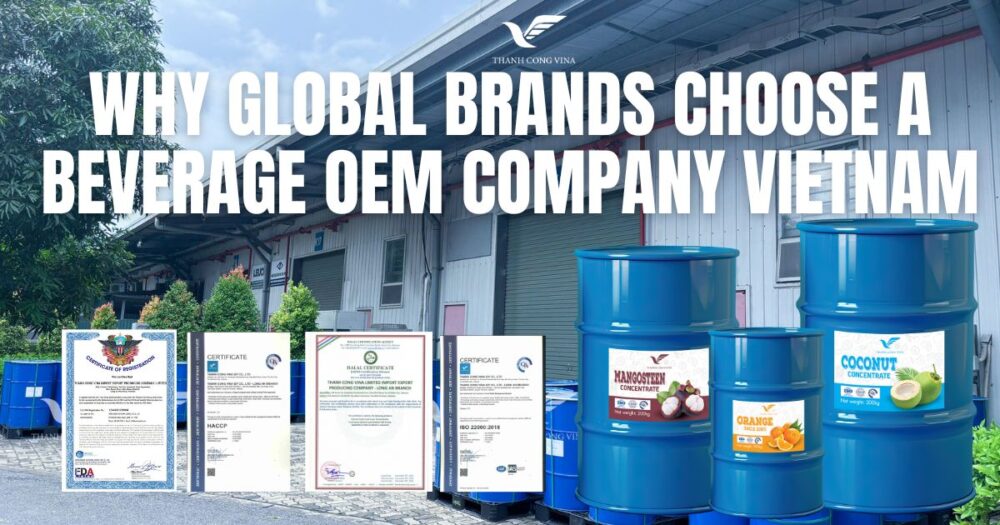
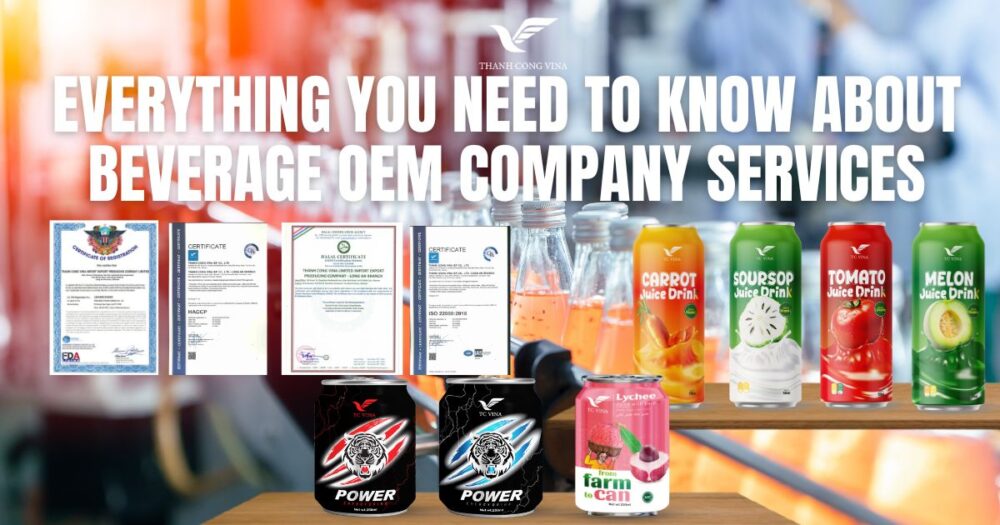
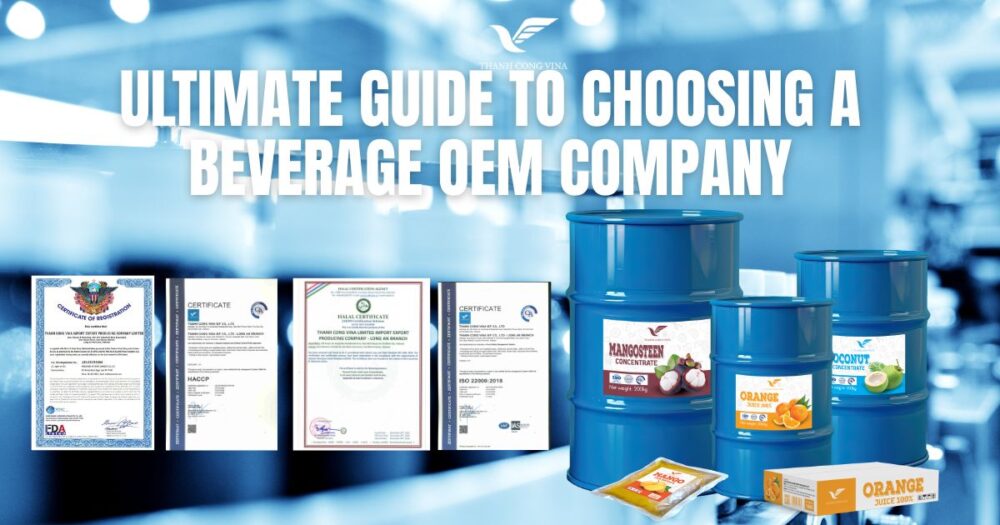
Certifications such as ISO, HACCP, and FDA ensure compliance with international standards.
Quality Management in In-House Production
In-house production allows companies to directly oversee quality control. However, maintaining consistent quality requires significant expertise and investment in quality management systems.
Consistency and Reliability
OEM services often provide greater consistency due to standardized processes and advanced technology. This is particularly important for brands that prioritize product reliability.
While in-house production offers control, achieving the same level of consistency can be challenging without significant resources.
5. Flexibility and Scalability
Flexibility and Scalability
Flexibility is a key factor in adapting to market changes and scaling operations.
Scalability with OEM Services
A Fruit Juice OEM Service offers high scalability. Businesses can adjust production volumes based on demand without worrying about capacity constraints.
This flexibility is ideal for growing brands and seasonal products.
Limitations of In-House Production
In-house production is limited by the capacity of the facility. Scaling up requires additional investment in equipment and infrastructure.
This can slow down growth and limit market opportunities.
Adapting to Market Trends
OEM manufacturers are often more adaptable to market trends, offering new formulations and packaging options quickly.
Flexibility and scalability make OEM services a preferred choice for dynamic and growth-oriented businesses.
6. Certifications and Compliance Requirements
Compliance with regulations is essential for operating in the beverage industry.
Certification Advantages of OEM Services
OEM manufacturers typically hold multiple certifications, ensuring compliance with global standards. This simplifies the process of entering international markets.
Regulatory Challenges in In-House Production
Managing certifications and compliance internally can be complex and time-consuming. Companies must invest in systems and expertise to meet regulatory requirements.
Ensuring Global Market Access
Working with a certified OEM partner ensures that products meet the requirements of different markets, reducing the risk of delays or rejections.
Certifications play a crucial role in building trust and ensuring smooth operations.
7. Strategic Focus and Business Growth

Strategic Focus and Business Growth
The choice between OEM and in-house production also affects overall business strategy.
Focus on Core Competencies
OEM services allow businesses to focus on core activities such as branding, marketing, and sales. This improves efficiency and accelerates growth.
Resource Allocation in In-House Production
In-house production requires significant resources for operations and management. This can divert attention from strategic activities.
Long-Term Growth Potential
For most businesses, OEM services provide a more flexible and scalable growth path. However, large corporations with established operations may benefit from in-house production for greater control.
Strategic alignment is key to choosing the right model for long-term success.
8. Which Is Better: Fruit Juice OEM Service or In-House Production?
The answer depends on your business size, goals, and resources.
When to Choose OEM Services
OEM services are ideal for startups, SMEs, and brands looking for fast market entry, cost efficiency, and scalability.
When to Choose In-House Production
In-house production may be suitable for large companies with stable demand and the resources to invest in infrastructure.
Making the Right Decision
Businesses should evaluate factors such as budget, production volume, market strategy, and long-term goals before making a decision.
In most cases, a Fruit Juice OEM Service offers a more practical and efficient solution, especially in the early stages of business growth.
Conclusion
Choosing between Fruit Juice OEM Service and in-house production is a critical decision that impacts every aspect of a beverage business. While in-house production provides control, it requires significant investment and operational complexity. On the other hand, a Fruit Juice OEM Service offers cost efficiency, faster time to market, scalability, and access to advanced technology.
Thanh Cong Vina is a trusted partner in delivering high-quality Fruit Juice OEM Service solutions for global beverage brands. With advanced production systems, strict quality control, and internationally recognized certifications, Thanh Cong Vina ensures consistent product excellence. As a reliable Fruit Juice OEM Service provider, Thanh Cong Vina helps businesses optimize operations, expand into new markets, and achieve sustainable growth in the competitive beverage industry.