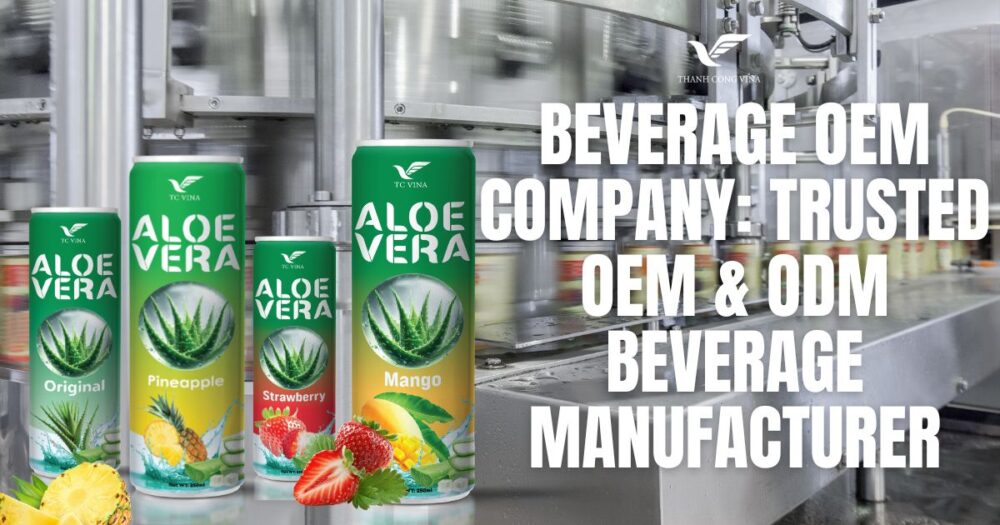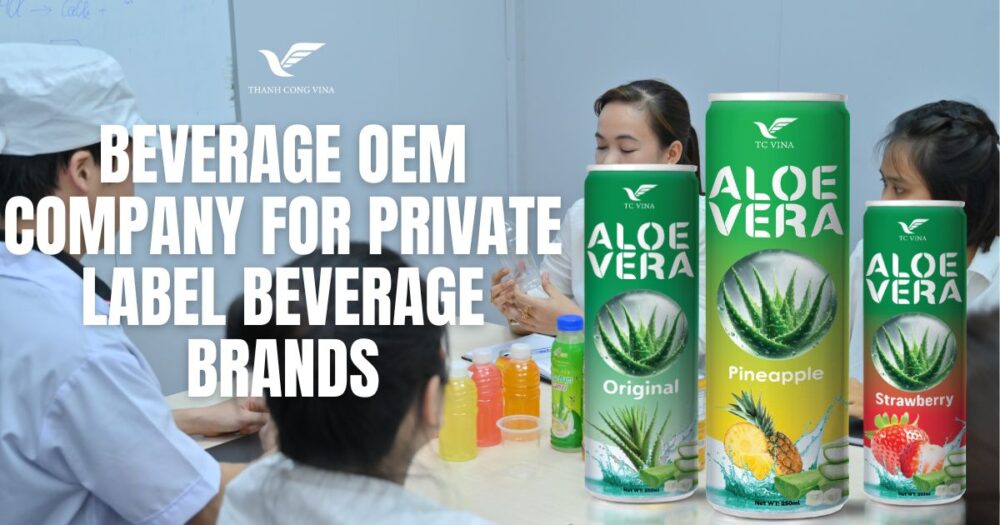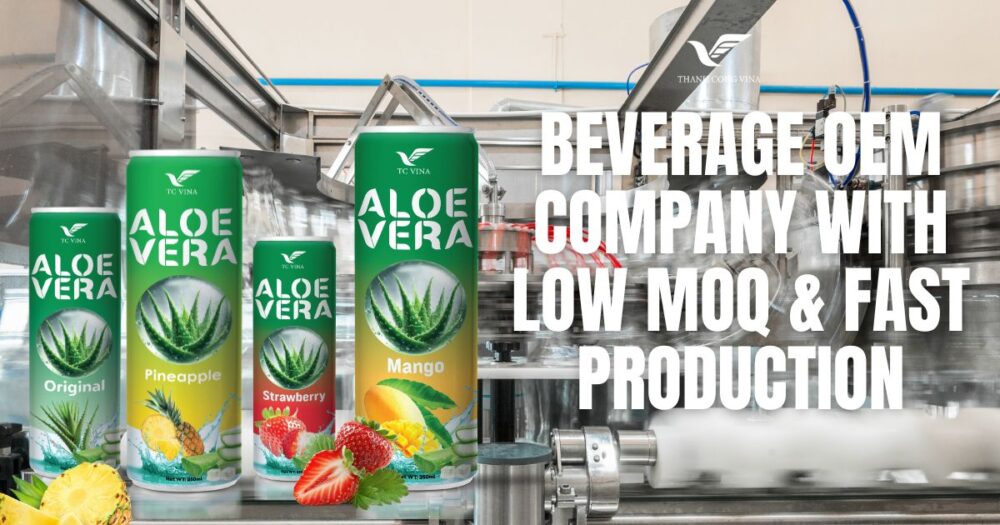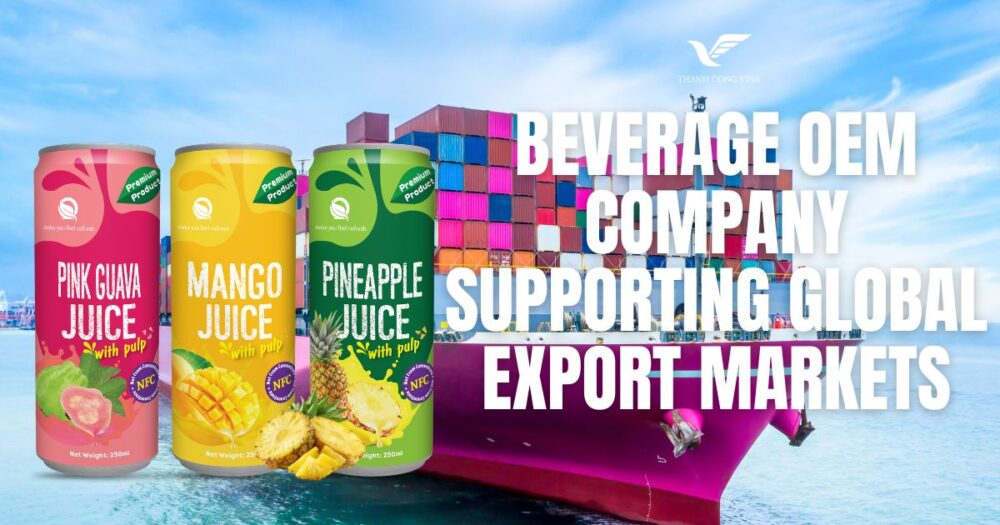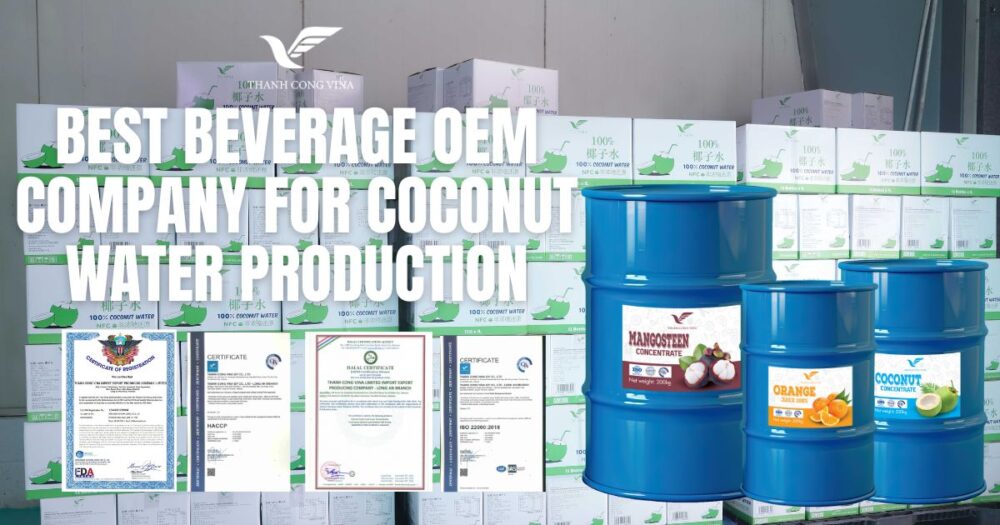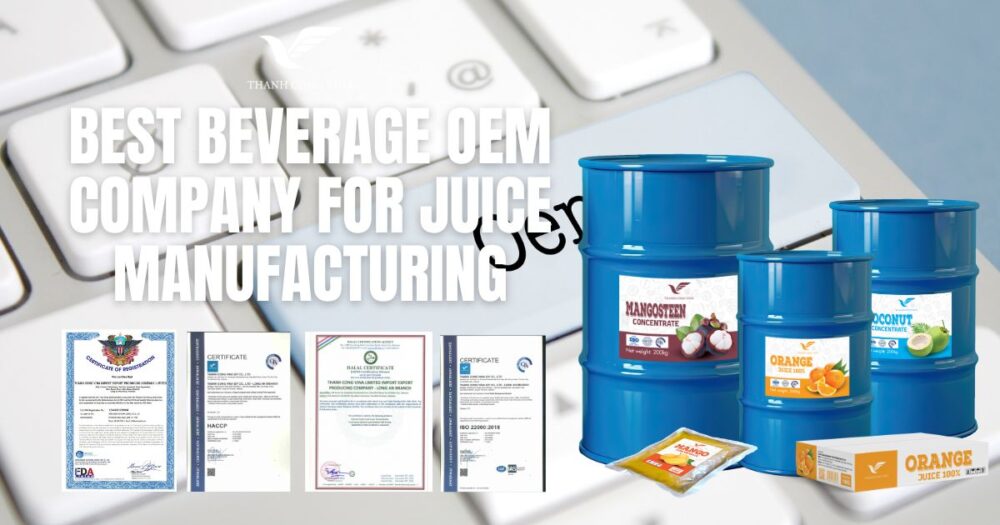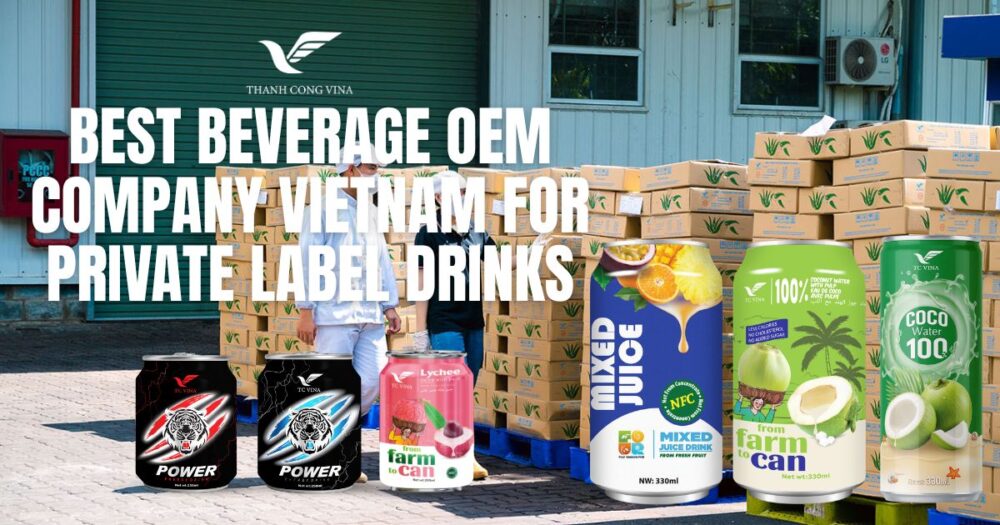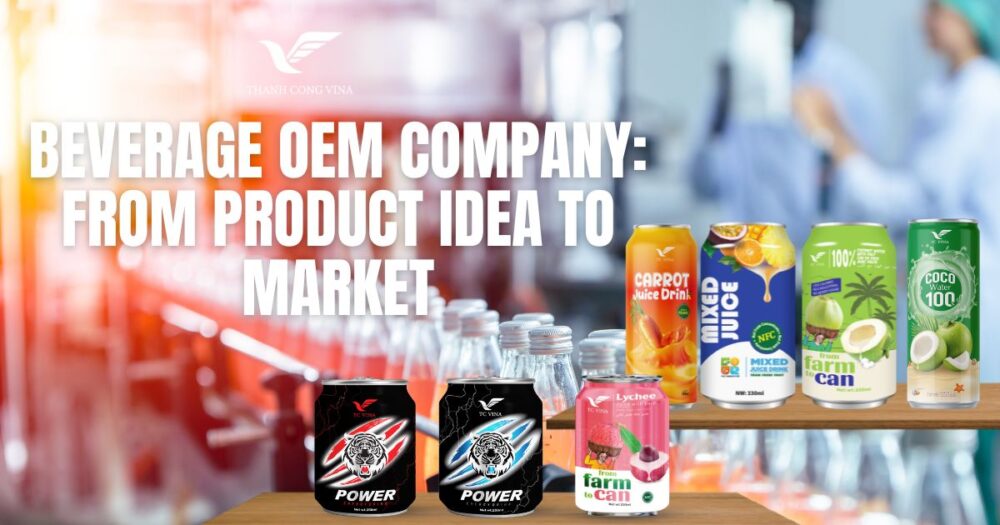

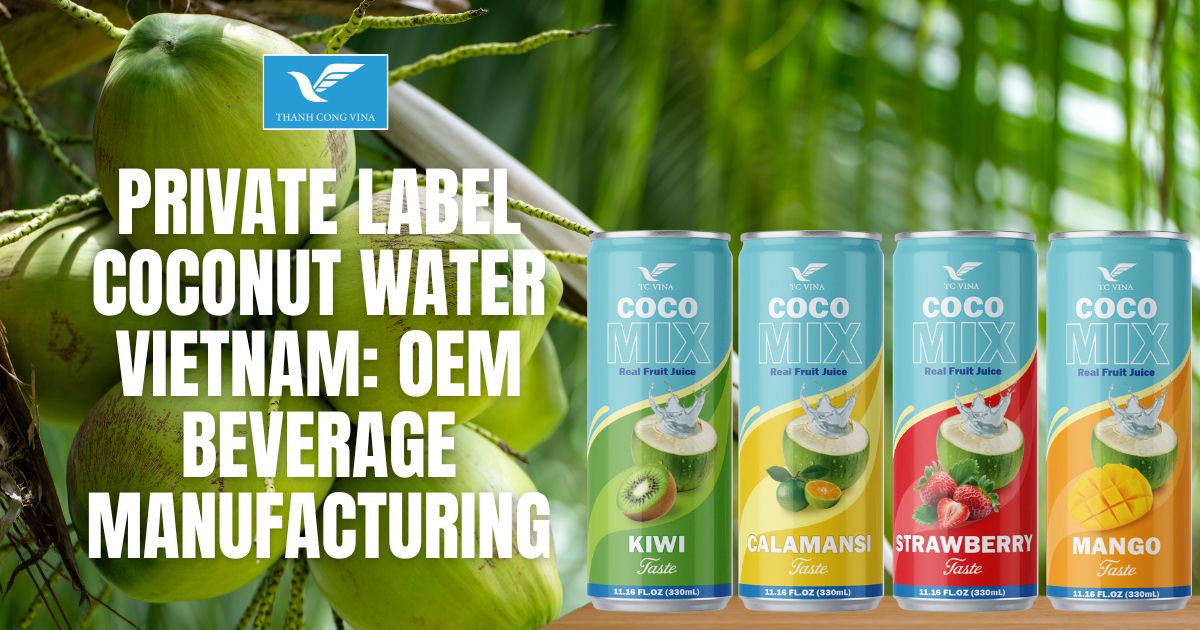
Beverage Manufacturing in Vietnam allows international buyers to develop products according to their own brand identity, packaging specifications, flavor preferences, and target-market requirements. Private label coconut water is particularly suitable for businesses that want to enter the beverage market without investing in their own production facilities. A professional OEM manufacturer can support the complete process, from ingredient selection and product development to processing, filling, packaging, quality control, and export preparation. With suitable production capabilities, businesses can develop 100% coconut water, coconut water with fruit juice, and other customized coconut beverage concepts for different retail and distribution channels.
1. Why Vietnam Is an Attractive Source for Private Label Coconut Water
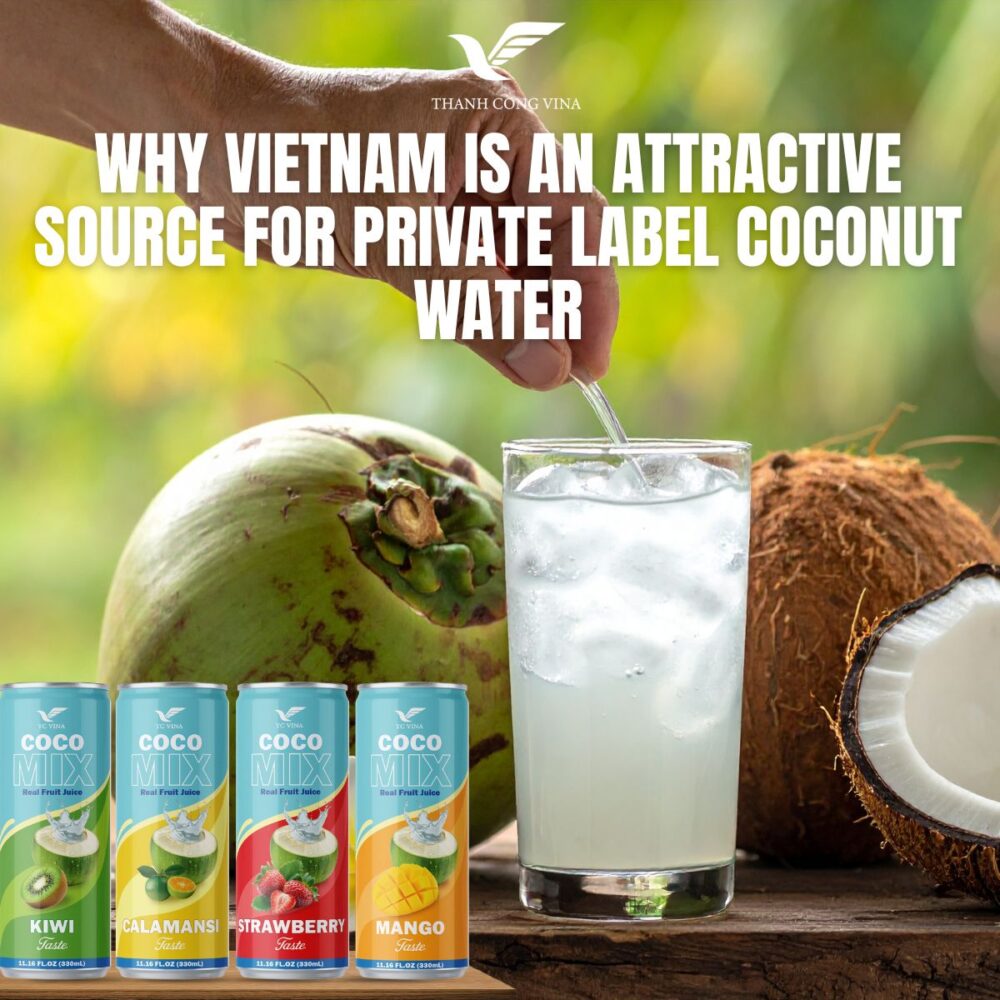
Vietnam has favorable conditions for coconut beverage production due to its agricultural resources, established food-processing sector, and position within the Asian supply chain. These factors provide international beverage companies with opportunities to develop coconut products for both established and emerging markets.
Abundant Coconut Resources
Coconut is an important agricultural product in Vietnam, particularly in regions with suitable tropical climates. Local access to coconuts provides a strong foundation for developing coconut water and other coconut-based beverages.
For beverage brands, sourcing from a country with established coconut production can support more efficient raw material management. Manufacturers can develop relationships with local agricultural suppliers and integrate suitable coconut ingredients into their production systems.
The availability of coconut resources also creates opportunities to develop different product concepts. A brand may begin with original coconut water and later introduce fruit-infused varieties to expand its product range.
Growing Beverage Processing Capabilities
Vietnam’s food and beverage sector has developed modern processing capabilities designed to serve both domestic and international markets. Beverage factories can provide services ranging from ingredient preparation and processing to filling, packaging, quality inspection, and shipment preparation.
For international buyers, this integrated approach can simplify the sourcing process. Instead of coordinating separate companies for formulation, production, and packaging, businesses can work with an OEM beverage manufacturer capable of managing multiple stages.
Access to International Markets
Vietnam’s location in Southeast Asia provides access to major regional and international trade routes. This is relevant for beverage brands distributing products across Asia, the Middle East, Africa, Europe, and other markets.
An export-oriented manufacturing partner can help coordinate production specifications and shipment requirements according to the buyer’s destination market.
2. Private Label Coconut Water and OEM Beverage Manufacturing
Private label production provides businesses with an opportunity to create coconut water products under their own brand. Instead of investing in a beverage factory, companies can collaborate with an established manufacturer for product development and commercial production.
Developing a Customized Coconut Water Product
The first step is defining the desired product concept. Buyers may specify the coconut water type, packaging format, product size, taste profile, target market, and brand positioning.
For example, a company may request 100% coconut water in a 330ml package for convenience retail. Another buyer may be interested in coconut water combined with real fruit juice to create a more distinctive product.
The manufacturer can evaluate the concept and determine the appropriate processing and packaging approach based on the product requirements.
100% Coconut Water
100% coconut water is one of the most straightforward concepts for brands seeking a clean and refreshing coconut beverage.
The product can be positioned around the natural characteristics of coconut water while offering convenient packaging for modern consumers. A 330ml format can be suitable for individual consumption, retail shelves, convenience stores, gyms, hospitality businesses, and foodservice applications.
For international brands, product specifications should be agreed upon before commercial production, including ingredient requirements, packaging, labeling, and quality parameters.
Coconut Water with Real Fruit Juice
Combining coconut water with fruit juice creates additional opportunities for product differentiation. Fruit flavors such as mango, strawberry, calamansi, or kiwi can provide alternative taste profiles.
These combinations allow brands to create a broader beverage portfolio while maintaining coconut water as a core product concept.
From a marketing perspective, fruit-infused coconut beverages can also provide greater flexibility in product positioning, packaging design, and flavor segmentation.
3. Beverage Manufacturing Process for Private Label Coconut Water
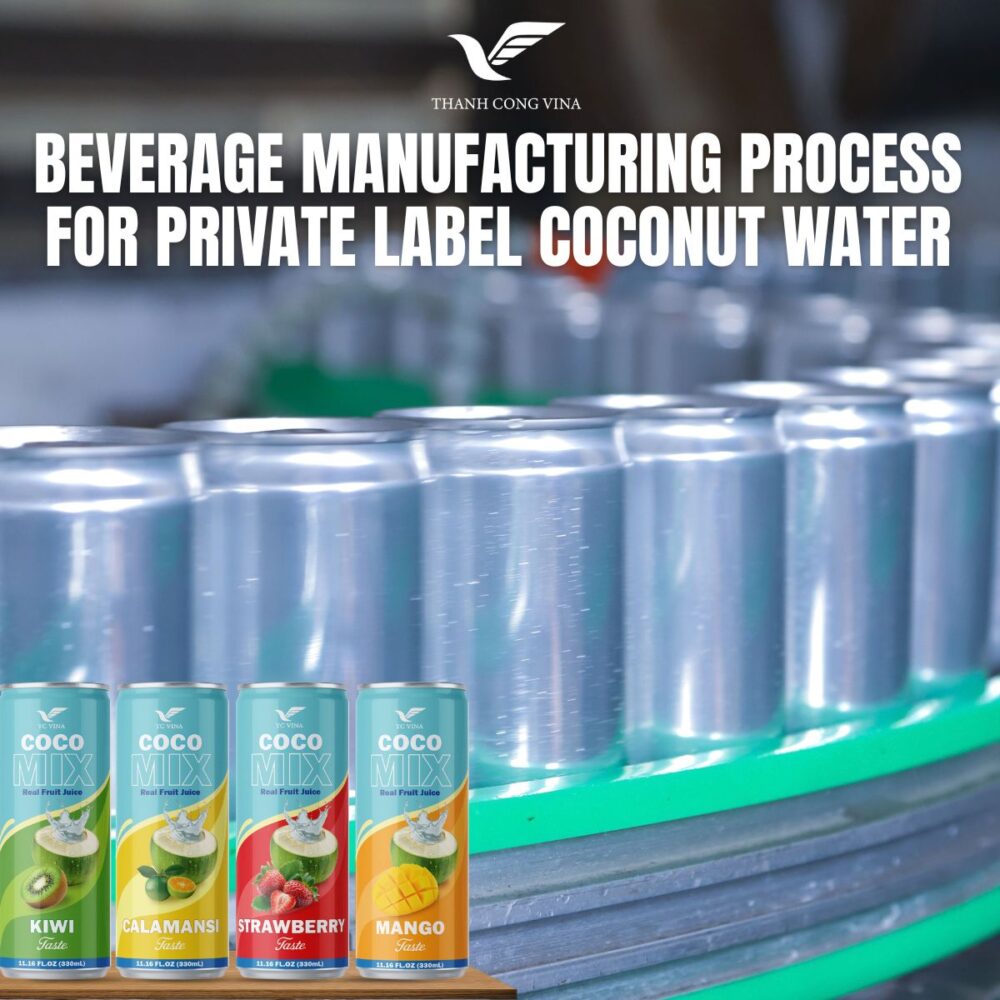
Beverage Manufacturing Process for Private Label Coconut Water
A professional Beverage Manufacturing process requires coordination between raw materials, processing technology, filling, packaging, and quality control.
Raw Material Preparation
The process begins with the selection and preparation of suitable coconut ingredients. Raw materials should meet the agreed specifications before entering production.
Depending on the product concept, additional ingredients such as fruit juice, natural flavors, or other approved components may be incorporated into the formulation.
Raw material control is important because variations in ingredients can influence the final beverage’s taste, aroma, appearance, and consistency.
Processing and Blending
Once the raw materials are prepared, the beverage is processed according to the approved formulation and production specifications.
For coconut water with fruit juice, the blending stage must ensure that the different components are combined consistently throughout the production batch.
The specific processing conditions depend on the product formulation, packaging format, and technical requirements.
Filling and Sealing
After processing, the beverage is transferred to the filling system. Accurate filling and effective sealing are essential for maintaining product consistency and packaging integrity.
Modern filling equipment can support commercial-scale production while maintaining consistent package volumes. After filling, containers are sealed and prepared for subsequent packaging operations.
Coding, Cartoning, and Palletizing
Product coding provides important information for traceability and inventory management. Finished containers can then be labeled or packaged according to the approved design.
Secondary packaging, including cartons and pallet configurations, should be designed to protect the products during transportation. For export orders, packaging configuration should also be considered in relation to container loading efficiency.
4. Customized Packaging for Coconut Beverage Brands
Packaging plays an important role in private label beverage development. It protects the product while communicating the brand’s identity and key product information.
330ml Packaging for Individual Consumption
330ml is a practical format for individual beverage consumption. It can be suitable for convenience stores, supermarkets, vending channels, hospitality businesses, and foodservice distribution.
For coconut water, a compact package can communicate convenience and portability while allowing consumers to enjoy the product in different situations.
The final packaging material should be selected according to the product, market, transportation requirements, and buyer’s specifications.
Customized Labels and Artwork
Private label coconut water requires packaging that reflects the buyer’s brand identity. Custom labels can include the brand name, logo, product name, nutritional information, ingredient declaration, barcode, storage instructions, and other required information.
Artwork should be prepared according to the manufacturer’s technical specifications. This helps ensure that the final design fits the selected container and can be produced efficiently.
Export Carton and Packaging Requirements
International shipments require packaging that can withstand handling, transportation, warehousing, and distribution.
Carton strength, internal arrangement, palletization, and container loading should therefore be considered during product planning. Efficient packaging can help protect products and optimize available shipping space.
5. Quality Control in Coconut Water Production
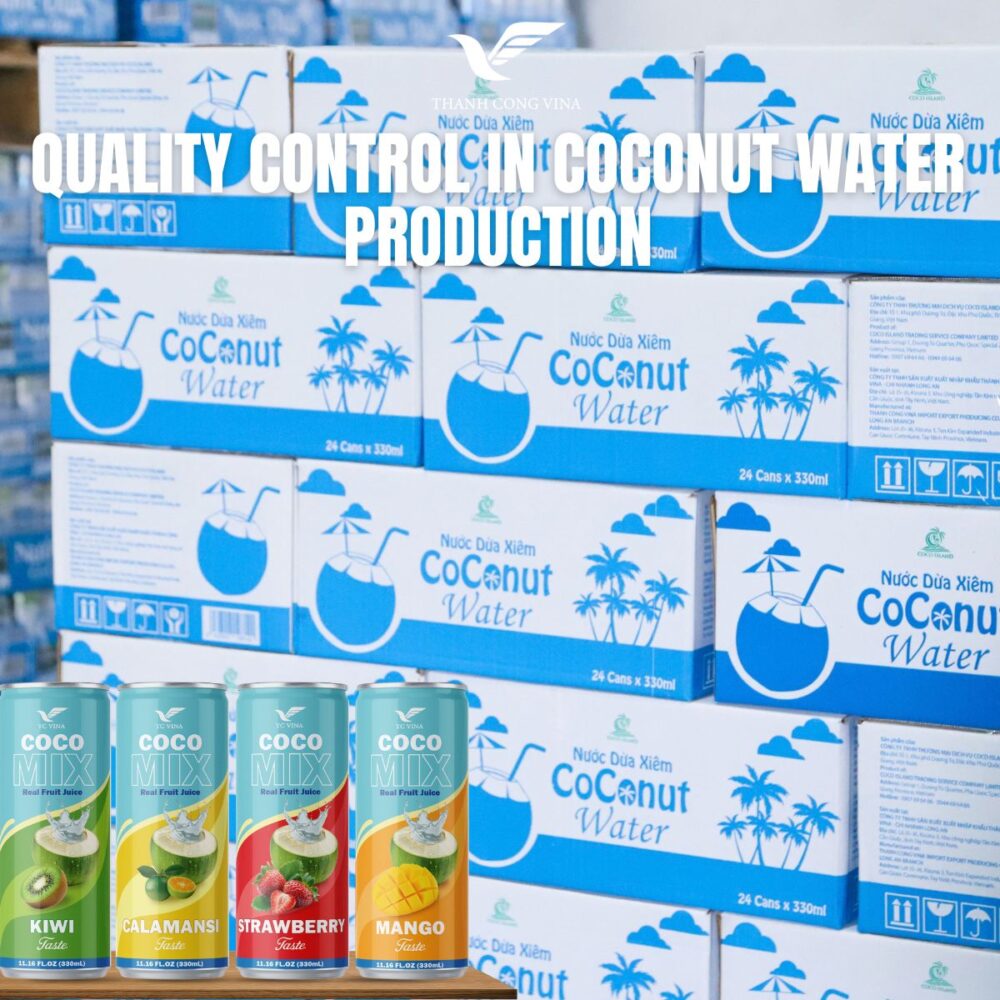
Quality Control in Coconut Water Production
For international beverage buyers, quality management is one of the most important considerations when selecting an OEM manufacturing partner.
Ingredient Quality Management
Raw materials should be evaluated according to established specifications before entering production. This can include documentation, physical condition, storage requirements, and other applicable quality parameters.
Consistent ingredient management helps create greater consistency in the finished beverage.
Process Control
During production, important manufacturing stages need to be monitored according to approved procedures. Controlled processing can reduce batch-to-batch variation and support consistent product characteristics.
Quality teams can work alongside production teams to monitor relevant parameters and verify that the beverage is manufactured according to the agreed specifications.
Finished Product Inspection
Finished products may be inspected before shipment. Depending on the buyer’s requirements, checks can include appearance, taste, packaging condition, coding, quantity, and other specifications.
For export products, documentation and traceability are also valuable for maintaining supply-chain transparency and supporting communication between manufacturers and international buyers.
6. Commercial Advantages of OEM Coconut Water Production
Working with an OEM beverage manufacturer can provide several practical advantages for businesses entering or expanding within the beverage industry.
Lower Investment in Production Infrastructure
Building an independent beverage production facility requires substantial investment in equipment, factory infrastructure, food safety systems, staffing, maintenance, and quality management.
OEM production provides another business model. Instead of establishing a complete factory, brands can focus their resources on product development, marketing, distribution, and sales while production is handled by an experienced manufacturer.
Flexible Product Development
OEM manufacturing can support customized products rather than limiting buyers to a single standardized beverage.
Brands can explore different coconut water concepts, package sizes, fruit combinations, and label designs according to market requirements.
This flexibility is particularly valuable for startups and established companies that want to test new beverage categories.
Scalable Production
A successful beverage product may require increasing production volumes as market demand develops. A capable manufacturing partner can support the transition from initial commercial orders to larger production runs.
Scalable manufacturing allows businesses to expand their distribution without immediately having to invest in their own beverage production infrastructure.
7. Export Solutions for International Coconut Water Buyers
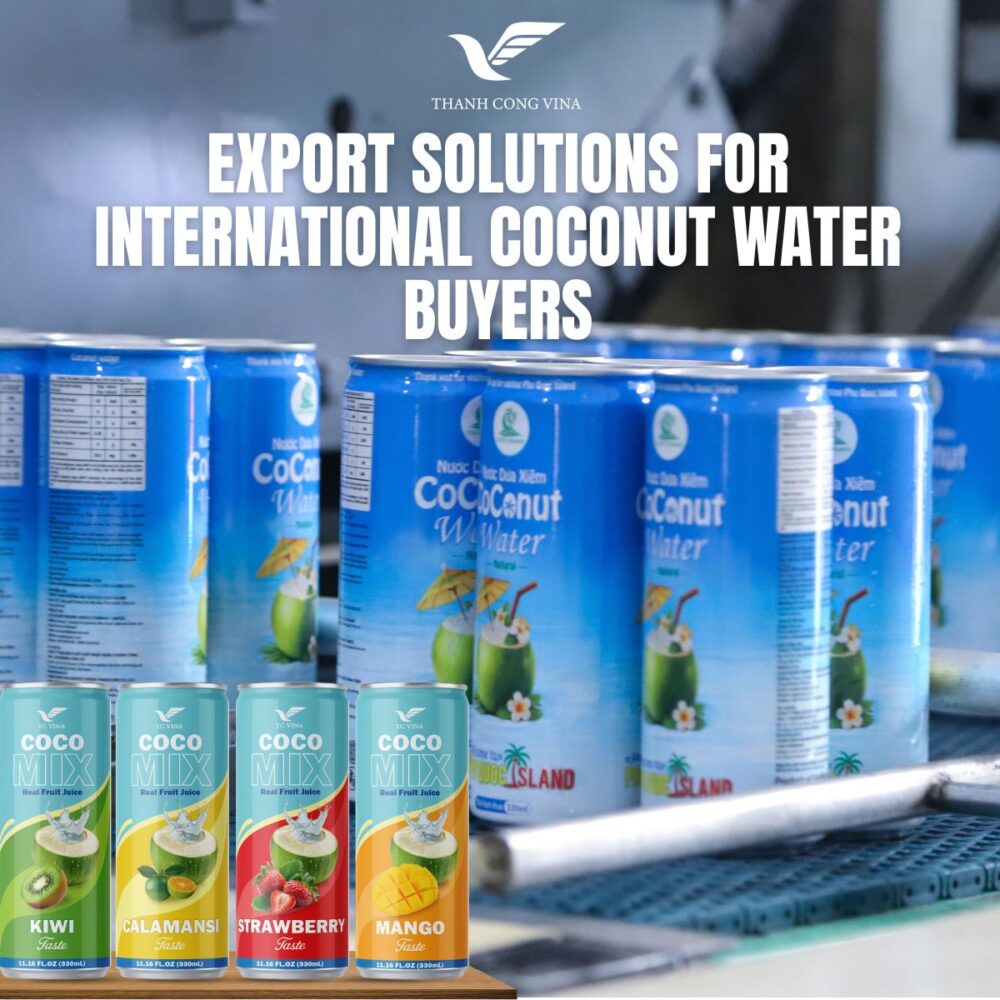
Export Solutions for International Coconut Water Buyers
International beverage sourcing requires coordination beyond manufacturing. Export preparation, product specifications, documentation, and logistics are all important parts of the supply chain.
Destination-Market Requirements
Each country may have specific regulations concerning beverage ingredients, labeling, packaging, food safety, and import documentation.
Before production begins, buyers should communicate their destination-market requirements clearly. This allows the manufacturer to review product specifications and packaging information accordingly.
Documentation and Traceability
Export beverage orders may require product specifications, certificates, commercial documentation, and other shipment-related information.
Clear records can help buyers manage import procedures and maintain product traceability throughout their supply chain.
Container Loading and Logistics
Coconut water products are often shipped in commercial quantities. Efficient container planning is therefore important.
Manufacturers and buyers can coordinate carton dimensions, pallet configurations, total quantities, and shipment schedules to support efficient logistics.
Proper planning can reduce unnecessary delays and help businesses maintain a more predictable supply chain.
8. How to Choose a Coconut Water OEM Manufacturer in Vietnam
Selecting the right production partner can influence product quality, commercial efficiency, and long-term supply stability.
Check Product and Production Capabilities
Buyers should verify whether the manufacturer has experience with coconut water, fruit juice beverages, and other related products.
A broader product portfolio can provide additional opportunities for brands to expand their product range through the same manufacturing relationship.
Review Customization Options
A suitable OEM partner should be able to discuss product formulation, packaging, flavor combinations, MOQ, production schedules, and other specifications.
Customization is especially important for private label brands because the finished product needs to reflect the buyer’s commercial objectives.
Evaluate Food Safety and Quality Systems
International buyers should review applicable certifications, food safety procedures, quality-control systems, and production documentation before placing commercial orders.
A structured quality-management system helps provide greater confidence in production consistency.
Consider Export Experience
Export experience is another important consideration. Manufacturers familiar with international buyers are generally better positioned to coordinate product specifications, packaging requirements, documentation, and shipment preparation.
Good communication is equally important. Clear communication throughout sampling, approval, production, inspection, and shipment can help minimize misunderstandings.
9. Why Choose Thanh Cong Vina for Private Label Coconut Water?
Thanh Cong Vina provides OEM, ODM, and private label beverage manufacturing solutions for international brands, importers, distributors, retailers, and other beverage businesses.
The company supports a range of beverage categories, including 100% coconut water, coconut water with fruit juice, fruit juice drinks, aloe vera beverages, concentrated juices, and ready-to-drink coffee.
For coconut beverage projects, buyers can develop customized concepts according to their desired flavor, packaging format, product specifications, and target market. The manufacturing process can cover product development, sampling, processing, filling, packaging, quality control, and export preparation.
Thanh Cong Vina’s product portfolio also allows brands to expand beyond a single coconut water SKU. For example, a business may initially launch 100% coconut water and later introduce coconut water combined with mango, strawberry, calamansi, kiwi, or other fruit flavors.
This approach can help brands develop a cohesive beverage portfolio while maintaining a consistent manufacturing relationship.
For international businesses, an export-oriented production partner can also simplify communication between product development, manufacturing, packaging, and logistics teams.
With customized production capabilities and experience supporting international beverage projects, Thanh Cong Vina can work with buyers from initial product concepts through commercial manufacturing and export preparation.
Conclusion
Vietnam offers strong potential for international beverage businesses seeking reliable coconut water sourcing and customized production. Its agricultural resources, tropical climate, food-processing capabilities, and export-oriented manufacturing environment create opportunities for brands looking to develop differentiated coconut beverages. Beverage Manufacturing in Vietnam can support a complete production journey, including formula development, sampling, coconut water processing, fruit blending, filling, customized packaging, quality control, and export preparation. For private label brands, this model can reduce the need for investment in their own production infrastructure while providing greater flexibility in product development and portfolio expansion.
Thanh Cong Vina supports international buyers with customized OEM and ODM beverage solutions covering coconut water, fruit beverages, aloe vera drinks, concentrated juices, and ready-to-drink coffee. With an integrated approach to product development and commercial production, Thanh Cong Vina can help brands transform beverage concepts into export-ready products. For businesses seeking flexible and professional Beverage Manufacturing solutions, Vietnam provides a strong foundation for developing private label coconut water products for global markets.